

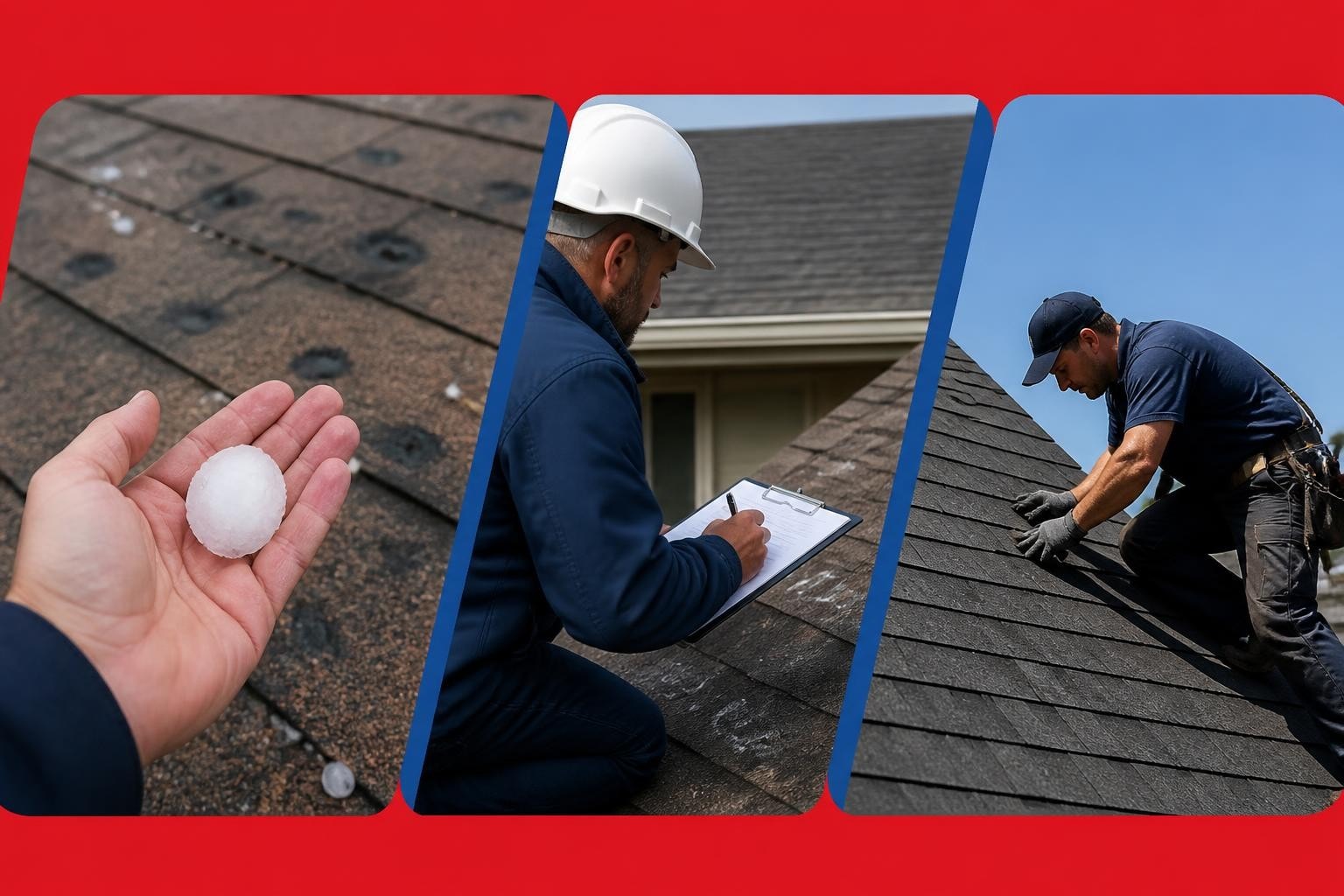
Hailstorms can strike without warning, leaving property owners across Illinois and the Midwest dealing with significant roofing damage that threatens both structural integrity and property value. Understanding the complexities of roof hail damage repair is essential for homeowners and business owners who want to protect their investment and maintain a safe, weatherproof structure. Whether you're dealing with minor shingle damage or extensive impact requiring complete replacement, knowing how to navigate the inspection, insurance, and repair process can save you thousands of dollars while ensuring quality results that stand the test of time.
Understanding Hail Damage to Different Roofing Systems
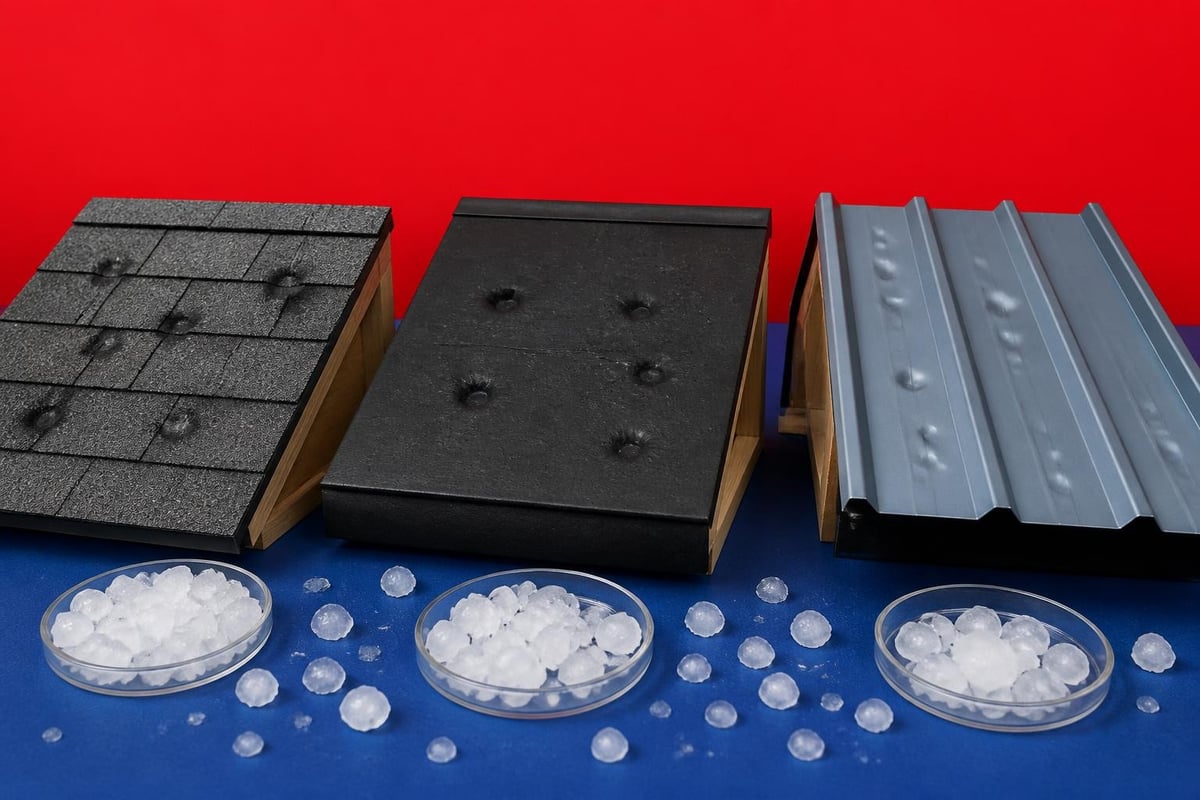
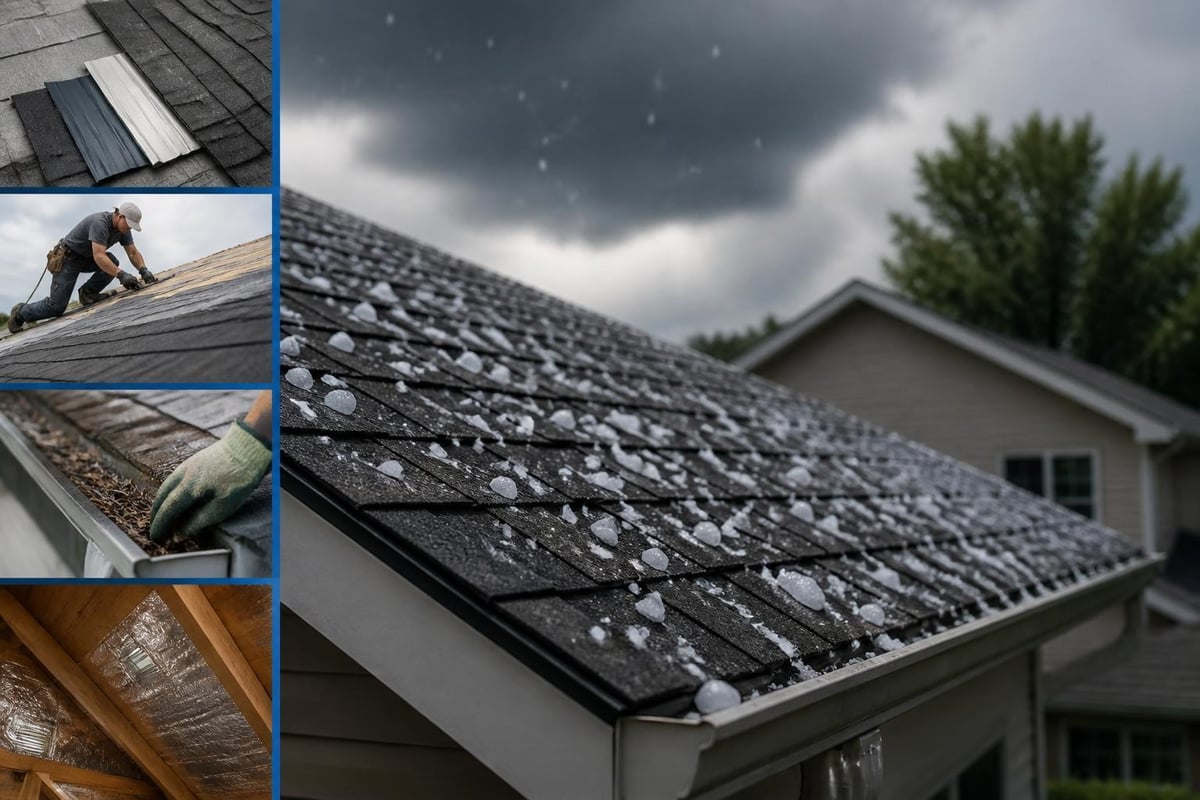
Hail impact affects various roofing materials differently, and recognizing these patterns is the first step toward effective restoration. Residential asphalt shingles typically show damage through granule loss, circular bruising patterns, or exposed fiberglass matting where the protective coating has been compromised. These signs may not always be immediately visible from ground level, which is why professional inspection becomes crucial after any significant storm event.
Commercial roofing systems, particularly modified bitumen installations, present unique challenges when assessing hail damage. The membrane surface may show punctures, tears, or indentations that compromise the waterproof barrier. Flat roofing systems are especially vulnerable because water can pool in damaged areas, accelerating deterioration and leading to interior leaks that cause extensive property damage.
Identifying Impact Patterns and Severity
The size and density of hailstones directly correlate with the severity of roof damage. Golf ball-sized hail (1.75 inches in diameter) can create significant dents and fractures, while larger stones cause structural damage that requires immediate attention. Weather data from the National Weather Service helps property owners understand regional hail patterns and frequency, informing both repair decisions and future protection strategies.
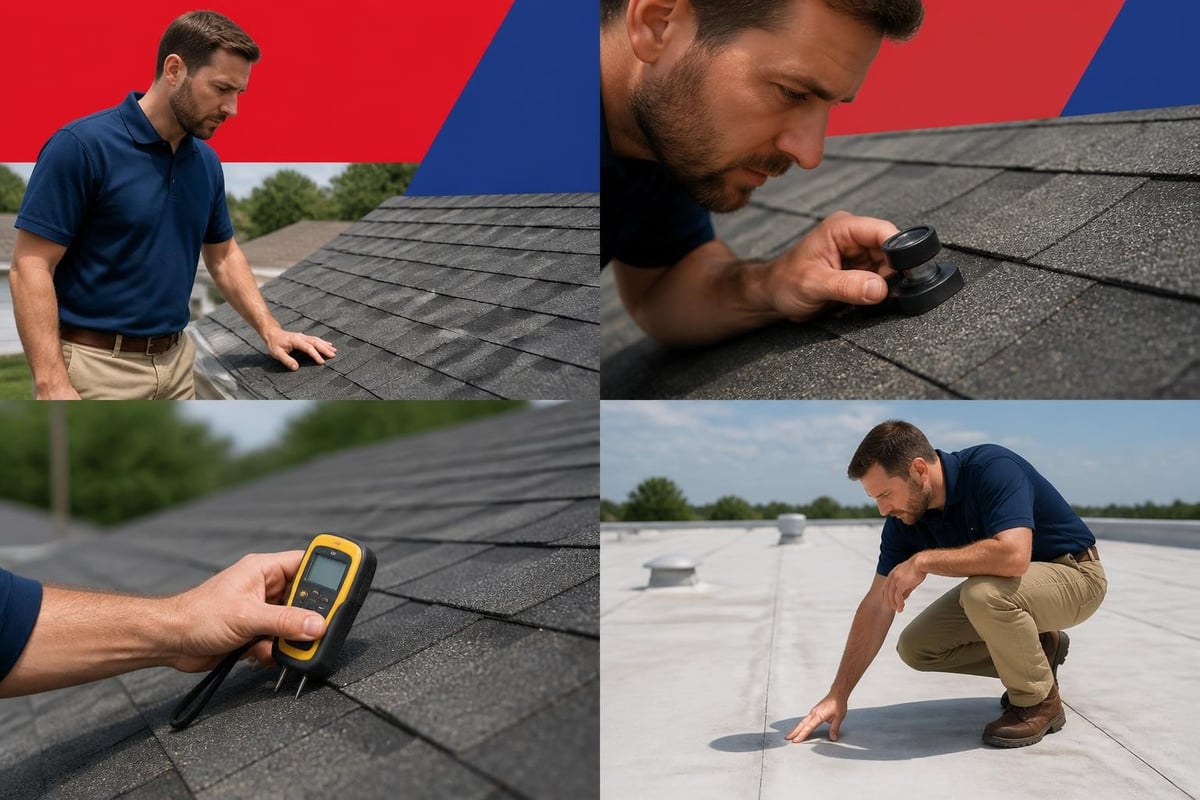
Professional inspectors look for specific indicators beyond obvious surface damage:
- Granule displacement: Accumulation in gutters and downspouts indicating shingle deterioration
- Soft spots: Areas where roof decking has been compromised by repeated impact
- Exposed substrate: Underlying materials visible through damaged protective layers
- Dent patterns: Consistent spacing and size suggesting recent hail events
- Seal integrity: Broken adhesive bonds between shingle layers
Metal roofing components, including flashing, vents, and valleys, often show visible denting that serves as evidence for insurance documentation. These areas require careful assessment because cosmetic damage can mask functional failures that lead to water infiltration over time.
The Insurance Claims Process for Hail Damage
Navigating insurance coverage represents one of the most challenging aspects of roof hail damage repair for many property owners. Most homeowner's policies cover sudden weather-related damage, but understanding policy terms, deductibles, and depreciation calculations determines the actual benefit you'll receive. Filing insurance claims for hail damage requires careful consideration of long-term premium impacts versus immediate repair costs.
Documentation becomes your most valuable tool when working with insurance adjusters. Take comprehensive photographs from multiple angles, capture wide shots showing overall roof condition, and include close-ups of individual damaged areas. Date-stamped images created immediately after the storm event provide the strongest evidence for your claim.
Working with Adjusters and Contractors
The relationship between insurance adjusters and roofing contractors significantly influences claim outcomes. Adjusters work for the insurance company and aim to minimize payout, while experienced contractors advocate for comprehensive repairs that address all storm damage. Having a qualified professional present during adjuster inspections ensures that subtle damage doesn't go unnoticed or unreported.
Many homeowners benefit from understanding how storm damage insurance claims work before beginning the process. This knowledge helps set realistic expectations and prevents common mistakes that can jeopardize coverage. Key elements include:
- Immediate notification: Contact your insurance company within the timeframe specified in your policy
- Temporary repairs: Document emergency measures to prevent additional damage
- Professional inspection: Obtain detailed estimates from licensed contractors
- Claim submission: Provide complete documentation supporting the extent of damage
- Negotiation: Challenge inadequate settlement offers with supporting evidence
The difference between actual cash value (ACV) and replacement cost value (RCV) policies dramatically affects your out-of-pocket expenses. ACV policies factor in depreciation based on roof age, while RCV coverage pays for new materials regardless of the damaged roof's age at the time of loss.
Repair Methods and Material Selection
Once you've secured insurance approval or decided to proceed with out-of-pocket repairs, selecting appropriate materials becomes paramount. Not all shingles offer equal hail resistance, and Consumer Reports provides valuable guidance on choosing durable roofing materials that withstand future storm events. Impact-resistant shingles carry Class 4 ratings from Underwriters Laboratories, indicating they've passed rigorous testing with 2-inch steel balls dropped from specific heights.
Residential Shingle Replacement Strategies
When hail damage affects residential properties, determining whether to repair sections or replace the entire roof depends on damage extent, roof age, and insurance coverage. Spot repairs work for isolated damage on newer roofs, but matching shingle colors and styles can prove difficult as manufacturers discontinue product lines. Many homeowners discover that insurance coverage for roof replacement through insurance claims makes complete replacement the more practical choice.
The shingle tear-off process involves removing damaged materials down to the roof deck, inspecting structural components, and installing new underlayment before applying impact-resistant shingles. This comprehensive approach addresses hidden damage that partial repairs might miss, extending roof lifespan and improving overall performance.
| Repair Option | Best For | Typical Cost | Longevity |
|---|---|---|---|
| Spot Repair | Isolated damage, newer roofs | $300-$1,500 | 3-5 years |
| Section Replacement | Damage limited to one slope | $2,000-$5,000 | 5-10 years |
| Complete Replacement | Widespread damage, older roofs | $8,000-$15,000 | 20-30 years |
Commercial Roofing System Restoration
Commercial properties require specialized approaches to roof hail damage repair, particularly for flat or low-slope systems. Modified bitumen roofs sustain damage differently than residential shingles, with punctures and membrane tears threatening the entire waterproofing system. Professional commercial roofing contractors understand the complexities of these installations and employ repair methods that maintain system integrity.
Patch repairs for commercial roofs involve cutting out damaged sections, preparing substrate surfaces, and heat-welding new membrane material to create seamless bonds. For extensive damage, complete membrane replacement provides long-term protection and often qualifies for insurance coverage when storm damage affects more than 25% of the roof surface.
Advanced Assessment Technologies
The roofing industry has embraced technological innovations that improve damage assessment accuracy and claim documentation. Automated 3D building models for roof damage assessment represent cutting-edge approaches that major insurance companies now employ for rapid evaluation after widespread storm events. Drone photography captures comprehensive roof imagery without the safety risks associated with physical inspections, while infrared scanning identifies moisture intrusion invisible to the naked eye.
These technologies benefit property owners by providing irrefutable evidence of damage extent and precise measurements for material calculations. Advanced assessment tools reduce disputes between contractors and insurance adjusters, streamlining the approval process and accelerating repair timelines.
Statistical Modeling for Risk Assessment
Research in Bayesian models for predicting hail damage offers insights into vulnerability factors based on roof age, material composition, and historical storm patterns. While highly technical, these models inform insurance underwriting decisions and help property owners understand their long-term risk exposure. Properties in high-frequency hail zones benefit from proactive upgrades to impact-resistant materials that reduce future claim likelihood.
Understanding local weather patterns helps homeowners make informed decisions about material upgrades and preventive maintenance. The Joliet region experiences periodic severe weather that makes investing in superior materials a financially sound choice over the property's lifespan.
Preventing Future Hail Damage
While no roofing system offers complete immunity from severe hail events, strategic improvements significantly reduce vulnerability. Impact-resistant materials represent the first line of defense, but comprehensive protection requires attention to multiple factors:
- Regular maintenance: Annual inspections identify and address minor issues before storms compound damage
- Proper ventilation: Adequate airflow prevents heat buildup that weakens shingle adhesion
- Quality installation: Professional workmanship ensures materials perform to manufacturer specifications
- Strategic upgrades: Reinforced roof decking and enhanced underlayment provide additional protection layers
The National Roofing Contractors Association provides extensive resources on maintenance best practices and industry standards that extend roof lifespan. Following these guidelines through residential roof maintenance programs prevents minor issues from becoming major failures during storm events.
Energy Efficiency Considerations
Modern roof hail damage repair projects offer opportunities to improve energy performance while addressing storm damage. The U.S. Department of Energy highlights how certain roofing materials combine hail resistance with reflective properties that reduce cooling costs. Cool roof coatings and light-colored shingles deflect solar heat while maintaining impact ratings, creating dual benefits that justify higher initial investment through lower utility expenses.
When insurance coverage includes code upgrade provisions, property owners can access premium materials that weren't required when the original roof was installed. This silver lining to storm damage allows modernization that improves both durability and efficiency.
Selecting Qualified Contractors
The contractor you choose for roof hail damage repair directly impacts both immediate results and long-term performance. Licensed, insured professionals bring expertise that prevents common mistakes and ensures warranty validity. Research local options through top roofing companies in your area, focusing on contractors with storm damage experience and established reputations.
Red flags include contractors who offer to waive insurance deductibles, provide estimates without thorough inspections, or pressure immediate decisions. Legitimate professionals understand that quality repairs require careful planning, detailed documentation, and appropriate timeframes for material procurement and installation.
Verification and Due Diligence
Before signing contracts, verify contractor credentials through state licensing boards and business bureaus. Request references from recent projects involving similar damage types and follow up with those homeowners about their experiences. Detailed written estimates should itemize materials, labor, timeline, and warranty terms without ambiguous language or unexplained exclusions.
The best contractors provide transparent communication throughout the process, from initial assessment through final inspection. They handle insurance coordination professionally, document all work photographically, and stand behind their installations with comprehensive warranties covering both materials and workmanship.
Timeline Expectations and Project Management
Understanding realistic timelines for roof hail damage repair helps property owners plan around the disruption and manage expectations. Simple repairs may be completed in one to two days, while complete replacement projects typically require three to five days depending on roof size and complexity. Weather delays, material availability, and permit processing can extend these timeframes, particularly during peak storm season when contractors face high demand.
| Project Phase | Typical Duration | Key Activities |
|---|---|---|
| Initial Assessment | 1-3 days | Inspection, documentation, estimate preparation |
| Insurance Processing | 2-4 weeks | Claim filing, adjuster visit, approval |
| Material Procurement | 1-2 weeks | Ordering, delivery coordination, site preparation |
| Active Construction | 3-7 days | Tear-off, repairs, installation, cleanup |
| Final Inspection | 1-2 days | Quality verification, warranty processing |
Communicating with neighbors about scheduled work, arranging alternative parking, and protecting landscaping around the home facilitates smooth project execution. Professional contractors minimize disruption through efficient workflows and comprehensive site protection measures.
Quality Assurance and Warranty Protection
Completed roof hail damage repair should come with substantial warranty coverage protecting your investment. Manufacturer warranties typically cover material defects for 20 to 50 years depending on product tier, while contractor workmanship warranties guarantee proper installation for periods ranging from one to ten years. Understanding what each warranty covers and the steps required to maintain coverage prevents future disputes when issues arise.
Documentation preservation becomes crucial for warranty enforcement. Maintain copies of all contracts, invoices, material specifications, and warranty certificates in a secure location. Photograph the completed work from multiple angles and keep records of any post-installation inspections or maintenance performed by qualified professionals.
Long-Term Performance Monitoring
Even properly repaired roofs require ongoing monitoring to ensure continued performance. Annual inspections catch minor issues like loose flashing or damaged seals before they compromise the roofing system. Many contractors offer maintenance programs that include regular checkups, minor repairs, and priority service for emergency situations.
Understanding how identifying and repairing roof hail damage works helps property owners recognize when professional intervention becomes necessary. Early detection of problems prevents minor issues from escalating into major failures that threaten interior spaces and require extensive remediation.
Protecting your property from hail damage requires prompt action, informed decisions, and partnership with experienced professionals who understand the unique challenges of storm restoration. Whether you're facing minor shingle damage or need comprehensive replacement, working with qualified experts ensures repairs meet both insurance requirements and long-term performance standards. Great Roofing brings decades of family-owned expertise to every project, specializing in both residential and commercial roof hail damage repair throughout the Joliet area with the quality workmanship and transparent communication that protects your investment for years to come.