

Filing a roof insurance claim can feel overwhelming, especially when you're dealing with storm damage or unexpected wear that compromises your home's protection. Understanding the insurance claim process empowers homeowners to secure the coverage they deserve while avoiding common pitfalls that can delay or reduce payouts. Whether you've experienced hail damage, wind destruction, or other roofing emergencies, knowing how to navigate your insurance policy and work with qualified contractors makes all the difference in achieving a successful outcome.
Understanding Your Roof Insurance Coverage
Most homeowners policies cover sudden, accidental damage to your roof but exclude gradual deterioration from normal wear and tear. Your policy typically protects against specific perils including hail, wind, fire, and falling objects. The distinction between covered and excluded damage becomes critical when filing your roof insurance claim.
Standard coverage includes:
- Wind damage from storms and tornadoes
- Hail impact and related structural damage
- Fire and smoke damage
- Falling tree limbs or debris
- Vandalism or malicious mischief
Common exclusions include:
- Normal aging and wear
- Poor maintenance or neglect
- Manufacturing defects
- Cosmetic damage without functional impact
- Pre-existing conditions
Your deductible represents the amount you pay out-of-pocket before insurance coverage begins. Wind and hail deductibles in the Midwest often differ from standard deductibles, sometimes calculated as a percentage of your home's insured value rather than a flat amount. Review your policy documents carefully to understand your specific coverage limits and obligations.

Documenting Roof Damage Effectively
Proper documentation forms the foundation of every successful roof insurance claim. Insurance adjusters need clear evidence of damage, its extent, and its cause to approve your claim. The more comprehensive your documentation, the stronger your position during the claims process.
Start by photographing damage from multiple angles immediately after discovery. Capture close-up shots showing specific impacts, dents, or missing shingles, then take wider shots establishing context and location. Date-stamped photos prove when damage occurred, which becomes especially important for filing an insurance claim promptly.
Creating a Damage Inventory
Document every affected area systematically. Walk your property's perimeter and note visible damage to shingles, flashing, gutters, and ventilation systems. Interior inspection reveals water stains, leaks, or ceiling damage that indicates roof penetration.
| Documentation Type | What to Capture | Why It Matters |
|---|---|---|
| Exterior Photos | Shingle damage, missing materials, dents | Proves storm impact |
| Interior Photos | Water stains, ceiling damage, attic leaks | Shows functional impairment |
| Video Walkthrough | Comprehensive property condition | Provides context and scale |
| Written Notes | Damage locations, dates, weather conditions | Creates timeline evidence |
Professional roofing contractors like those at Great Roofing can provide detailed inspection reports that supplement your documentation. These professional assessments carry weight with insurance companies because they come from licensed, experienced specialists who understand roofing systems and damage patterns.
Keep receipts for any emergency repairs needed to prevent further damage. Your policy requires you to mitigate additional losses, and these temporary fixes are typically reimbursable as part of your roof insurance claim settlement.
The Roof Insurance Claim Filing Process
Timing matters significantly when filing your roof insurance claim. Most policies require notification within a specific timeframe after damage occurs, typically ranging from 48 hours to one year depending on your carrier. Delays can jeopardize your claim entirely or reduce your settlement amount.
Contact your insurance company immediately after discovering damage. Provide basic information about what happened, when it occurred, and the general extent of damage. Request a claim number for reference in all future communications. This initial report starts the official claims process and establishes your filing date.
Working with Insurance Adjusters
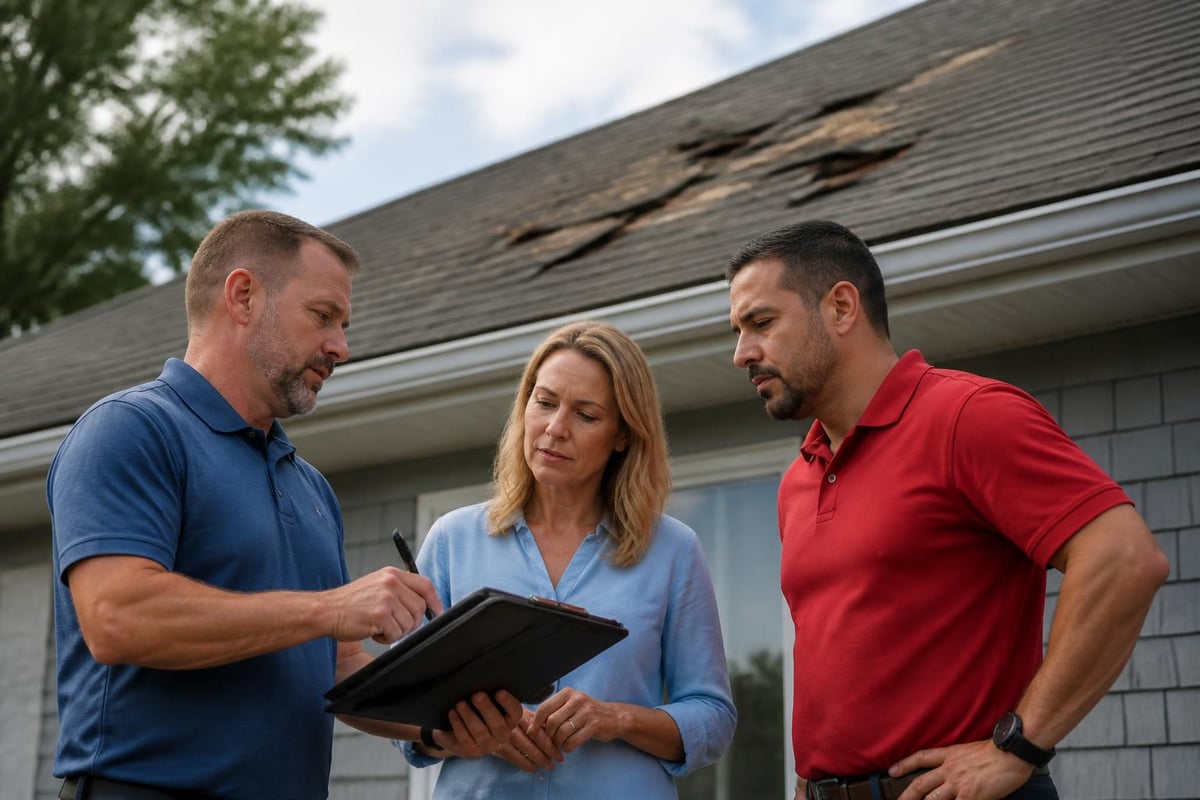
Your insurance company will assign an adjuster to inspect your roof and estimate repair costs. This professional represents the insurance company's interests, not yours, which creates an inherent conflict in damage assessment and valuation.
Prepare for the adjuster visit by:
- Reviewing your policy coverage details
- Organizing all damage documentation
- Scheduling a professional roofing contractor to attend
- Noting all damaged areas for discussion
- Requesting detailed explanations of any denials
Having your own roofing professional present during the adjuster's inspection ensures accurate damage identification. Adjusters sometimes miss damage or underestimate repair scope, particularly with specialized systems like modified bitumen roofing common in commercial applications. Your contractor provides a second expert opinion and detailed estimates that support your claim value.
Storm Damage and Special Considerations
Severe weather events create unique challenges for roof insurance claims. Hail, tornadoes, and high winds generate widespread damage that triggers claim surges, potentially overwhelming insurance companies and extending processing times. Understanding how to file tornado insurance claims helps you navigate these complex situations.
Hail damage requires special attention because impacts often create functional damage without obvious visual signs. Shingle bruising, granule loss, and seal damage may not become apparent until weeks or months after a storm. Statistical models for predicting hail damage demonstrate the complexity of assessing storm impacts on different roofing materials.
Wind damage typically manifests more obviously through missing shingles, lifted edges, or torn flashing. However, insurance companies sometimes dispute wind damage claims by attributing problems to poor installation or maintenance rather than storm forces. Professional documentation from qualified contractors helps overcome these objections.
Regional Considerations for Midwest Homeowners
Illinois homeowners face distinct weather challenges that impact roof insurance claims. The Midwest experiences severe hailstorms, tornadoes, and dramatic temperature fluctuations that stress roofing systems. These regional factors influence how insurance companies evaluate claims and determine coverage.
Local building codes and material requirements also affect claim settlements. Asphalt roof shingles popular in residential applications must meet specific wind ratings and installation standards to maintain warranty coverage and insurance protection. Working with local contractors familiar with regional requirements ensures compliant repairs that satisfy insurance specifications.
Negotiating Your Claim Settlement
Initial insurance estimates often fall short of actual repair costs. Insurance companies sometimes use depreciated values, exclude necessary components, or base estimates on inferior materials that don't match your existing roof quality. Understanding your right to negotiate strengthens your position.
Request detailed line-item breakdowns of the adjuster's estimate. Compare this against your contractor's assessment, noting specific discrepancies in scope, materials, or pricing. Your contractor can provide supporting documentation explaining why certain repairs or materials are necessary.
Common Dispute Areas
| Dispute Category | Insurance Position | Homeowner Position | Resolution Strategy |
|---|---|---|---|
| Depreciation | Apply age-based deduction | Request replacement cost value | Review policy actual cash value vs. RCV terms |
| Scope | Repair only visible damage | Replace entire affected sections | Provide contractor report on code requirements |
| Materials | Specify basic comparable materials | Match existing quality and appearance | Document original specifications and warranties |
| Labor Costs | Use regional averages | Reflect current market rates | Submit multiple contractor estimates |
Don't accept the first settlement offer if it doesn't cover necessary repairs. Insurance companies expect negotiation and often increase settlements when presented with legitimate documentation supporting higher costs. Professional contractors experienced in insurance work understand these dynamics and can advocate effectively on your behalf.
Selecting the Right Roofing Contractor
Your contractor choice significantly impacts your roof insurance claim outcome. Reputable professionals provide accurate damage assessments, detailed estimates, and quality repairs that meet code requirements and insurance specifications. Less scrupulous contractors may promise to "work with your deductible" or guarantee claim approval, which should raise immediate red flags.
Verify contractor credentials including:
- Active licensing and insurance coverage
- Experience with insurance claim projects
- Local references from recent customers
- Manufacturer certifications for materials used
- Better Business Bureau ratings and reviews
Family-owned operations often provide more personalized service and accountability than large franchise companies. Local roofing contractors understand regional building requirements, weather patterns, and insurance company practices specific to your area.

Red Flags to Avoid
Storm chasers frequently appear after severe weather, going door-to-door offering free inspections and promising easy insurance money. These temporary operators often deliver substandard work, disappear before completing projects, or use high-pressure tactics to secure contracts before homeowners can make informed decisions.
Legitimate contractors never ask for full payment upfront, offer to waive deductibles, or claim they can guarantee insurance approval. These practices violate insurance contracts and ethical business standards. Working with established local businesses provides accountability and long-term warranty support that traveling contractors cannot match.
Managing the Repair Timeline
Roof insurance claim repairs involve multiple steps that must occur in proper sequence. Understanding this timeline helps you coordinate with contractors, insurance companies, and other stakeholders while maintaining your property's protection throughout the process.
- Initial damage discovery and emergency mitigation
- Insurance notification and claim filing
- Adjuster inspection and initial estimate
- Contractor assessment and detailed estimate
- Settlement negotiation and approval
- Material ordering and delivery
- Repair or replacement completion
- Final inspection and payment release
Weather conditions, material availability, and contractor scheduling affect timeline execution. Peak storm seasons create backlogs that extend waiting periods for both adjusters and contractors. Setting realistic expectations about timing reduces stress and helps you plan accordingly.
Payment Structures and Insurance Releases
Insurance companies typically issue payments in multiple installments. The first check often covers actual cash value (depreciation applied), while the second releases held depreciation after you complete repairs and submit proof of work. Understanding this payment structure helps you manage contractor deposits and progress payments.
Some policies require mortgage company endorsement on claim checks since lenders maintain financial interests in property protection. This adds processing time but ensures proper fund allocation for repairs rather than other purposes. Coordinate with your lender early in the process to avoid payment delays that could stall contractor work.
Additional Coverage Considerations
Standard homeowners policies provide basic roof coverage, but additional protections can enhance your financial security. Replacement cost value endorsements eliminate depreciation deductions, ensuring you receive full repair costs regardless of roof age. This upgrade typically adds modest premium costs while substantially improving claim settlements.
Code upgrade coverage addresses situations where repairs must meet current building codes that exceed original installation standards. These improvements cost more than simple repairs but may be legally required for permit approval. Without this coverage, you pay the difference between basic repairs and code-compliant work.
Extended coverage options include:
- Guaranteed replacement cost for entire roof systems
- Water backup and sump pump coverage
- Ordinance or law endorsements
- Extended replacement cost (125% or 150% of policy limits)
Review your coverage annually and after major policy changes. Roof values increase with material costs and labor rates, while coverage limits may remain static unless you request adjustments. Adequate insurance protection prevents out-of-pocket expenses when claims occur.
Preventing Future Roof Insurance Claims
While insurance provides financial protection, preventing damage altogether offers greater benefits. Regular maintenance and proactive inspections identify potential problems before they escalate into major failures requiring insurance claims. This approach preserves your claims history, maintains lower premiums, and extends your roof's service life.
Schedule professional roof inspections annually and after severe weather events. Trained technicians identify damaged shingles, failing flashings, or vulnerable areas that need attention. Addressing minor issues through routine roof repair prevents larger problems that compromise your home's protection.
Proper attic ventilation and insulation reduce thermal stress that shortens roof lifespan. Ice dam prevention measures protect against winter damage common in northern climates. These preventive investments pay dividends through reduced claim frequency and extended roof performance.
Understanding Claim Denials and Appeals
Insurance companies sometimes deny roof insurance claims for various reasons. Understanding common denial causes and your appeal rights helps you challenge unfair decisions and secure deserved coverage.
Frequent denial reasons include:
- Damage attributed to wear and tear rather than covered perils
- Insufficient documentation of storm events or damage timing
- Pre-existing conditions discovered during inspection
- Policy exclusions or coverage gaps
- Missed filing deadlines or notification requirements
Review denial letters carefully for specific reasons cited. Insurance companies must provide detailed explanations for coverage decisions. This information guides your response strategy and identifies what additional evidence might overcome objections.
Appeal processes vary by carrier but generally involve submitting additional documentation, requesting re-inspection, or escalating to supervisor review. Independent appraisals from qualified contractors provide third-party validation of damage and necessary repairs. Legal consultation may become necessary for complex disputes or substantial claim values.
Successfully navigating a roof insurance claim requires understanding your coverage, documenting damage thoroughly, and working with experienced professionals who advocate for your interests. By following these guidelines and avoiding common pitfalls, you can secure fair settlements that fully restore your home's protection. When you need expert guidance through the claims process or quality repairs that meet insurance specifications, Great Roofing brings decades of experience helping Joliet-area homeowners maximize their insurance benefits while delivering superior craftsmanship that stands the test of time.