


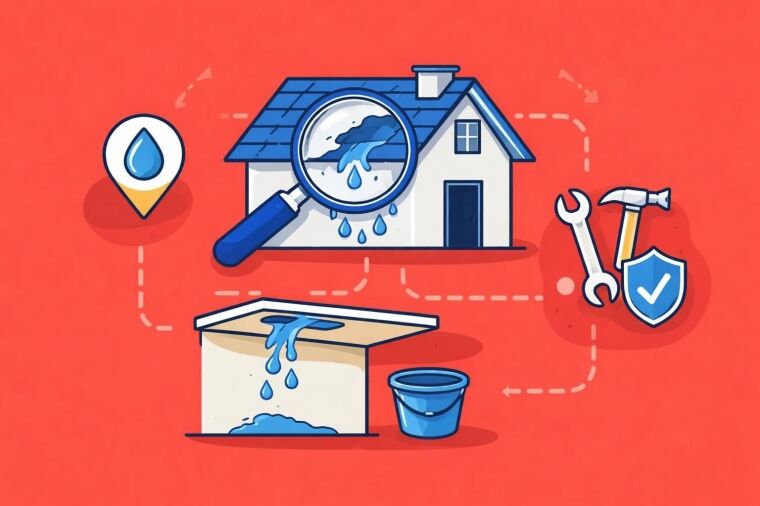
A roof leak represents one of the most stressful experiences homeowners face, often starting as minor water stains before escalating into extensive structural damage. Understanding the warning signs, common causes, and preventive measures can save thousands of dollars in repair costs while protecting your home's integrity. Whether you notice discoloration on your ceiling, water pooling in unexpected places, or musty odors throughout your home, recognizing these symptoms early and taking decisive action makes all the difference between a simple repair and a costly emergency.
Understanding How Roof Leaks Develop
Water infiltration rarely happens suddenly. Most roof leaks develop gradually over time as roofing materials deteriorate, weather conditions compromise vulnerable areas, and minor defects expand into serious problems. The path water takes from the exterior of your roof to the interior of your home can be surprisingly complex, often traveling along rafters, through insulation, and across multiple structural components before manifesting as visible damage.
The Water Migration Problem
When water penetrates your roofing system, it doesn't necessarily drip straight down. Instead, it follows the path of least resistance, which might include traveling horizontally along sheathing or vertically down wall cavities. This migration pattern explains why the visible water damage inside your home may be several feet away from the actual entry point on your roof. Professional roof leak cause determination requires systematic inspection methods that trace water backward from the visible damage to identify the true source.
Understanding this complexity helps homeowners appreciate why DIY leak detection often fails and why professional assessment becomes essential for accurate diagnosis and effective repair.

Common Causes of Roof Leaks
Identifying why your roof develops leaks helps prioritize maintenance efforts and guides repair strategies. Multiple factors contribute to water infiltration, ranging from installation errors to natural aging processes.
Damaged or Missing Shingles
Asphalt shingles face constant exposure to UV radiation, temperature fluctuations, and severe weather events. Over time, these conditions cause shingles to crack, curl, or detach completely. Wind-driven rain easily penetrates areas where shingles have failed, creating immediate vulnerability to water intrusion.
According to common causes of roof leaks, damaged shingles rank among the top contributors to residential water infiltration. Regular visual inspections, especially after major storms, help catch shingle damage before it develops into active leaking.
| Shingle Problem | Warning Signs | Risk Level |
|---|---|---|
| Curling edges | Visible upturned corners | Medium |
| Missing granules | Bald spots, granules in gutters | Medium-High |
| Cracked shingles | Visible splits or breaks | High |
| Complete loss | Missing sections | Critical |
Flashing Failures
Flashing serves as the seal between your roof and any penetrations or transitions, including chimneys, skylights, vent pipes, and valleys. When flashing deteriorates, separates from surfaces, or wasn't installed correctly in the first place, it creates direct pathways for water entry.
Metal flashing can rust, bend, or develop gaps where sealant has degraded. Professional installation ensures proper overlap, adequate fastening, and appropriate sealant application. Many homeowners benefit from scheduling roof repair services to address flashing issues before they escalate into major leaks.
Ice Dam Formation in Winter
For homeowners in cold climates, ice dams present a seasonal threat that can cause significant roof damage. These formations occur when heat escaping through your roof melts snow, which then refreezes at the roof's edge where temperatures remain below freezing. The resulting ice barrier prevents proper drainage, forcing water underneath shingles.
Ice dam formation becomes particularly problematic during freeze-thaw cycles common in the Midwest during winter months. Prevention strategies include proper attic insulation, adequate ventilation, and prompt snow removal after heavy accumulation.
Clogged Gutters and Drainage Issues
Gutters play an essential role in directing water away from your roof and foundation. When leaves, debris, or shingle granules accumulate in gutters, water backs up and can seep underneath roofing materials. This standing water finds weak points in your roofing system and eventually penetrates the underlying structure.
Regular gutter maintenance ranks among the most cost-effective preventive measures homeowners can implement. Installing quality gutter systems with proper slope and capacity prevents water accumulation and reduces leak risk substantially.
Detecting a Roof Leak Early
Early detection dramatically reduces repair costs and prevents secondary damage to insulation, drywall, and structural components. Homeowners should watch for multiple warning indicators both inside and outside their homes.
Interior Warning Signs
Several symptoms inside your home signal active or developing roof leaks:
- Water stains on ceilings or walls, often appearing as brown or yellow discoloration
- Peeling paint or bubbling wallpaper indicating moisture presence
- Musty odors suggesting mold or mildew growth in hidden areas
- Dripping sounds during or after rainfall
- Sagging ceiling areas where water has accumulated
Even small stains deserve immediate attention. What appears as minor discoloration often indicates substantial water intrusion over time, with the visible portion representing only a fraction of the actual damage.
Exterior Inspection Points
Walking around your property and conducting visual roof inspections reveals many potential problems before they cause interior damage. Focus on these critical areas:
- Shingle condition across all roof planes
- Flashing integrity around chimneys, vents, and skylights
- Gutter performance during rainfall
- Soffit and fascia condition for signs of water damage
- Chimney crown and cap for cracks or deterioration
Homeowners who feel uncomfortable climbing ladders or accessing their roof should schedule professional inspections annually. The investment in regular maintenance prevents expensive emergency repairs.
Professional Diagnosis and Assessment
While homeowners can identify obvious problems, comprehensive leak diagnosis requires professional expertise and specialized equipment. Experienced contractors use multiple techniques to locate elusive leaks and determine their underlying causes.
Advanced Detection Methods
Professional roofers employ several sophisticated approaches to pinpoint leak sources:
- Infrared thermography detecting temperature differences indicating moisture presence
- Water testing systematically applying water to suspected areas
- Nuclear moisture scanning measuring moisture content in roofing materials
- Smoke testing revealing air leaks that may allow water entry
The importance of accurate roof leak assessments extends beyond simple repairs. Proper documentation supports insurance claims, ensures complete remediation, and prevents recurring problems that result from treating symptoms rather than root causes.
When to Call Professionals
Some situations demand immediate professional intervention:
- Active water intrusion during rainfall
- Large ceiling stains or multiple leak locations
- Visible sagging or structural concerns
- Recent severe weather events
- Leaks in difficult-to-access areas like valleys or around chimneys
Delaying professional assessment when these conditions exist typically compounds damage and increases repair costs. Most contractors, including those specializing in residential roofing, offer emergency services for active leaks.
Effective Repair Strategies
Successful roof leak repair addresses both immediate water intrusion and underlying causes. Temporary fixes may stop active leaking but rarely provide long-term solutions without comprehensive remediation.
Temporary Emergency Measures
When a roof leak occurs during severe weather or outside business hours, temporary measures can minimize interior damage until professional repairs begin:
- Apply roofing cement or sealant to small holes or cracks
- Place tarps over damaged sections, securing edges properly
- Position buckets or containers to catch dripping water
- Move furniture and valuables away from affected areas
- Document damage with photographs for insurance purposes
These steps serve as stopgap solutions only. Professional assessment and permanent repair should follow as quickly as possible to prevent mold growth, structural deterioration, and escalating damage.
Permanent Repair Solutions
Lasting repairs vary based on the specific cause and extent of damage. Common approaches include:
| Leak Cause | Repair Method | Complexity |
|---|---|---|
| Damaged shingles | Shingle replacement | Low-Medium |
| Flashing failure | Reflashing with new materials | Medium |
| Valley problems | Valley reconstruction | Medium-High |
| Penetration leaks | Resealing and flashing repair | Medium |
| Extensive damage | Partial or full roof replacement | High |
For widespread damage or aging roofing systems approaching the end of their service life, roof replacement may prove more cost-effective than multiple repairs. Modern roofing materials offer improved durability and extended warranties that provide better long-term value.
Prevention Through Regular Maintenance
Proactive maintenance represents the most effective strategy for preventing roof leaks and extending your roofing system's lifespan. Consistent attention to vulnerable areas and timely minor repairs prevent major problems from developing.
Annual Inspection Schedule
Implementing a regular inspection routine catches problems early when repairs remain simple and affordable. Recommended inspection timing includes:
- Spring assessment after winter weather damage
- Fall preparation before severe winter conditions
- Post-storm evaluation following significant weather events
- Bi-annual gutter cleaning in spring and fall
Many roofing professionals offer maintenance programs that include scheduled inspections, minor repairs, and documentation of roof condition over time. These programs often identify developing problems before they cause leaks, saving homeowners substantial expense.
Proactive Maintenance Tasks
Several maintenance activities significantly reduce leak risk when performed consistently:
- Keep gutters and downspouts clear of debris
- Trim overhanging tree branches that drop leaves or can damage shingles
- Remove moss or algae growth that retains moisture
- Replace damaged or missing shingles promptly
- Seal exposed nail heads or fasteners
- Inspect and maintain flashing around all penetrations
- Ensure proper attic ventilation to prevent moisture buildup
Resources like preventive maintenance strategies outline systematic approaches that homeowners can implement to protect their investment and avoid expensive emergency repairs.
Material Selection and Roof Longevity
The quality of roofing materials and installation workmanship directly influences leak susceptibility throughout your roof's service life. Understanding material characteristics helps homeowners make informed decisions during replacement or major repair projects.
Residential Shingle Systems
Asphalt shingles dominate residential roofing due to their cost-effectiveness, versatility, and proven performance. However, significant quality variations exist within this category. Architectural shingles offer superior durability compared to three-tab options, with thicker construction and enhanced wind resistance.
When selecting asphalt shingle roofing, consider factors beyond initial cost:
- Warranty length and coverage details
- Wind rating appropriate for your geographic location
- Impact resistance rating for hail-prone areas
- Algae resistance for humid climates
- Manufacturer reputation and product reviews
Premium materials cost more initially but typically provide better leak resistance, longer service life, and reduced maintenance requirements over time.
Commercial Roofing Considerations
Commercial properties face different roofing challenges than residential structures, often requiring specialized materials and installation techniques. Modified bitumen systems offer excellent waterproofing performance for flat or low-slope commercial applications.
Businesses requiring commercial roofing solutions should prioritize contractors with specific experience in commercial applications, as installation techniques and material requirements differ substantially from residential work.
Insurance and Documentation
When roof leaks occur, proper documentation and understanding of insurance coverage become critical for successful claims and complete restoration. Homeowners should familiarize themselves with their policy details before problems arise.
Filing Insurance Claims
Most homeowner policies cover sudden, accidental damage but exclude damage resulting from deferred maintenance or gradual deterioration. Understanding this distinction helps set realistic expectations when filing claims.
Thorough documentation strengthens your claim significantly:
- Photograph all visible damage, both interior and exterior
- Keep records of recent maintenance and repairs
- Document the timeline of when damage first appeared
- Obtain professional assessments detailing cause and extent
- Save receipts for emergency mitigation measures
Working with contractors experienced in insurance claims streamlines the process and ensures repairs meet both insurance requirements and quality standards. Many professionals provide detailed estimates and documentation specifically formatted for insurance submission.
Long-Term Value Protection
Beyond immediate repairs, maintaining comprehensive records of your roofing system's history protects your home's value and supports future insurance claims or property sales. Documentation should include:
- Original installation dates and contractor information
- All maintenance activities and inspections
- Repair history with dates and descriptions
- Material specifications and warranty information
- Before-and-after photographs of major work
This historical record demonstrates responsible ownership and can expedite future insurance processes or provide valuable information to prospective buyers when selling your property.
Regional Considerations for Midwest Homeowners
Geographic location significantly influences roof leak causes and prevention strategies. Homeowners in the Joliet area and surrounding communities face specific challenges related to Midwest weather patterns.
Weather-Related Vulnerabilities
Illinois experiences diverse weather conditions throughout the year, each presenting distinct roofing challenges:
- Heavy snow loads in winter stressing structural components
- Freeze-thaw cycles expanding and contracting materials
- Severe thunderstorms bringing hail and high winds
- Temperature extremes accelerating material deterioration
These conditions demand durable materials, professional installation, and consistent maintenance. Homeowners in areas like Bolingbrook, Frankfort, and New Lenox should select roofing materials and contractors familiar with local climate demands.
Seasonal Maintenance Priorities
Adapting maintenance schedules to seasonal conditions optimizes roof protection:
Spring: Inspect for winter damage, clear debris, check flashing
Summer: Address repairs identified in spring, ensure ventilation adequacy
Fall: Clean gutters thoroughly, inspect shingles, prepare for winter
Winter: Remove excessive snow accumulation, watch for ice dam formation
This seasonal approach ensures your roof receives attention when specific vulnerabilities are most likely to develop, preventing problems before they escalate into active leaks.
Choosing the Right Roofing Contractor
Contractor selection represents one of the most important decisions homeowners make when addressing roof leaks. Quality workmanship prevents recurring problems, while poor installation creates new vulnerabilities regardless of material quality.
Essential Contractor Qualifications
When evaluating roofing contractors, verify several critical credentials and characteristics:
- Current licensing and insurance coverage
- Local references and verifiable project history
- Manufacturer certifications for products they install
- Written warranties covering both materials and workmanship
- Clear communication and detailed written estimates
Family-owned businesses often provide personalized service and maintain strong reputations within their communities. Reviewing customer testimonials helps assess contractor reliability and quality standards.
Red Flags to Avoid
Certain warning signs indicate contractors who may provide substandard work or engage in questionable business practices:
- Requesting large upfront payments before work begins
- Offering prices significantly below other estimates
- Pressuring immediate decisions without time for consideration
- Lacking proper licensing or insurance documentation
- Unable to provide local references or project examples
- Using high-pressure sales tactics or limited-time offers
Taking time to research contractors thoroughly and obtaining multiple estimates prevents costly mistakes and ensures your leak repair or replacement receives proper attention from qualified professionals.
Protecting your home from roof leaks requires understanding common causes, recognizing warning signs early, and implementing consistent maintenance practices. Whether you're dealing with an active leak emergency or planning preventive measures, professional expertise ensures lasting solutions that protect your investment. Great Roofing brings decades of family-owned experience to every project, specializing in comprehensive leak detection, expert repairs, and quality installations throughout the Joliet area. Contact their team today for a thorough assessment and discover how proper roofing care preserves your home's integrity for years to come.