

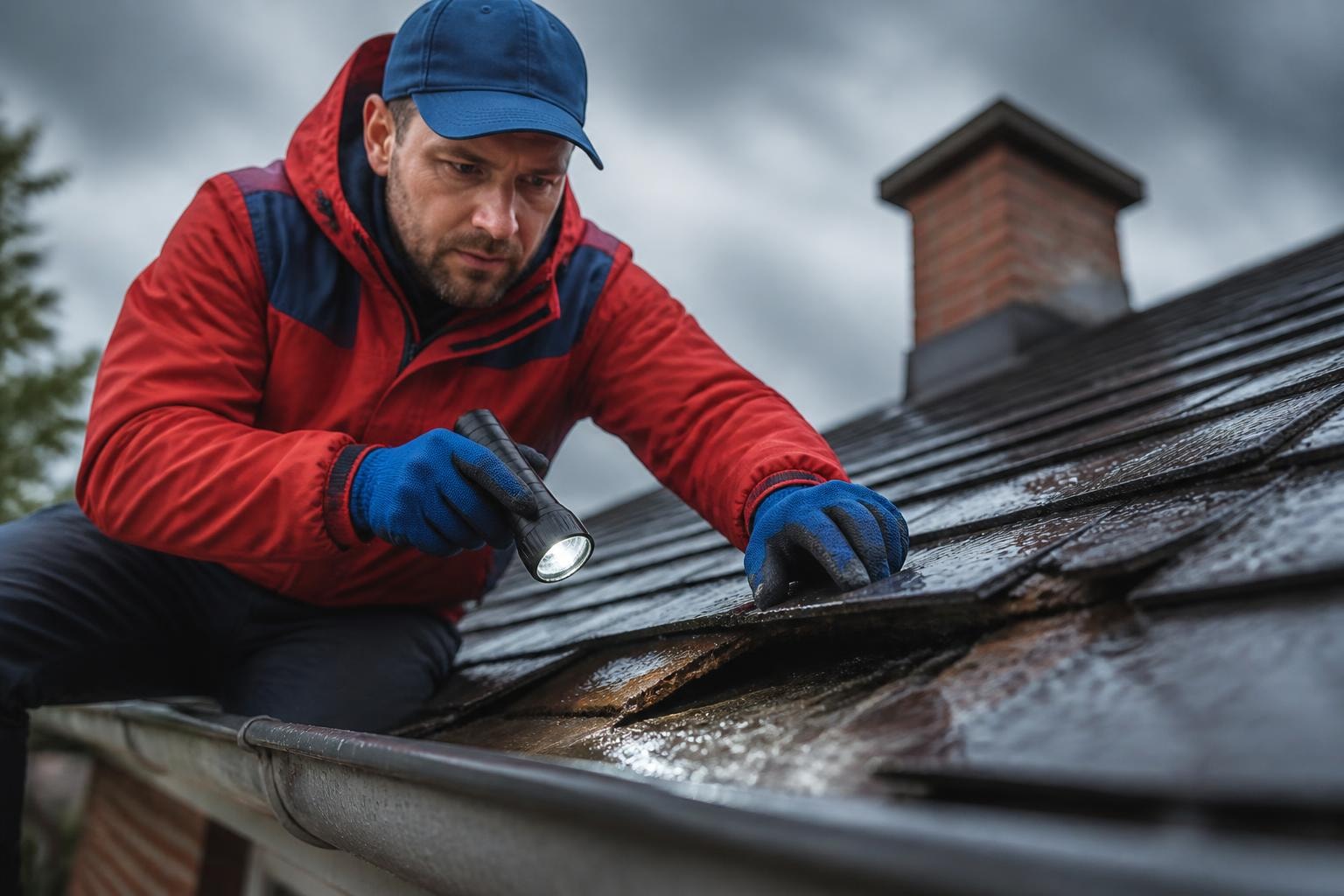
Finding water damage on your ceiling or walls sends most homeowners into immediate panic mode. A roof leak can quickly escalate from a minor inconvenience to a catastrophic structural problem, making it essential to connect with a qualified roof leak specialist near me as quickly as possible. Whether you're dealing with stains, drips, or mysterious moisture, understanding how to find and evaluate local roofing professionals can save you thousands in potential damage while protecting your most valuable investment. This guide walks you through the entire process of identifying, vetting, and selecting the right specialist for your specific leak situation.
Why Local Expertise Matters for Roof Leak Detection
When searching for a roof leak specialist near me, proximity offers more advantages than just convenience. Local roofing contractors understand the specific weather patterns, building codes, and common roofing materials used throughout your area. In Joliet and surrounding communities, for example, specialists familiar with Midwest weather conditions know exactly how ice dams, heavy snow loads, and spring storms impact different roofing systems.
Local specialists provide distinct benefits:
- Faster emergency response times during active leaks
- Knowledge of regional building codes and permit requirements
- Familiarity with roofing materials common to your area
- Established relationships with local suppliers for quick repairs
- Accountability through community reputation and local reviews
Response time becomes particularly critical when you're dealing with an active leak. A specialist who can arrive within hours rather than days prevents water from spreading through insulation, damaging drywall, or creating conditions for mold growth. Great Roofing serves the Joliet area with rapid response capabilities specifically because we understand how quickly roof leaks can compromise structural integrity.
Understanding Different Types of Roof Leak Specialists
Not all roofing contractors offer the same expertise when it comes to leak detection and repair. Some focus exclusively on full replacements, while others specialize in diagnostic work and targeted repairs. When you search for a roof leak specialist near me, you'll encounter several categories of professionals with different skill sets.
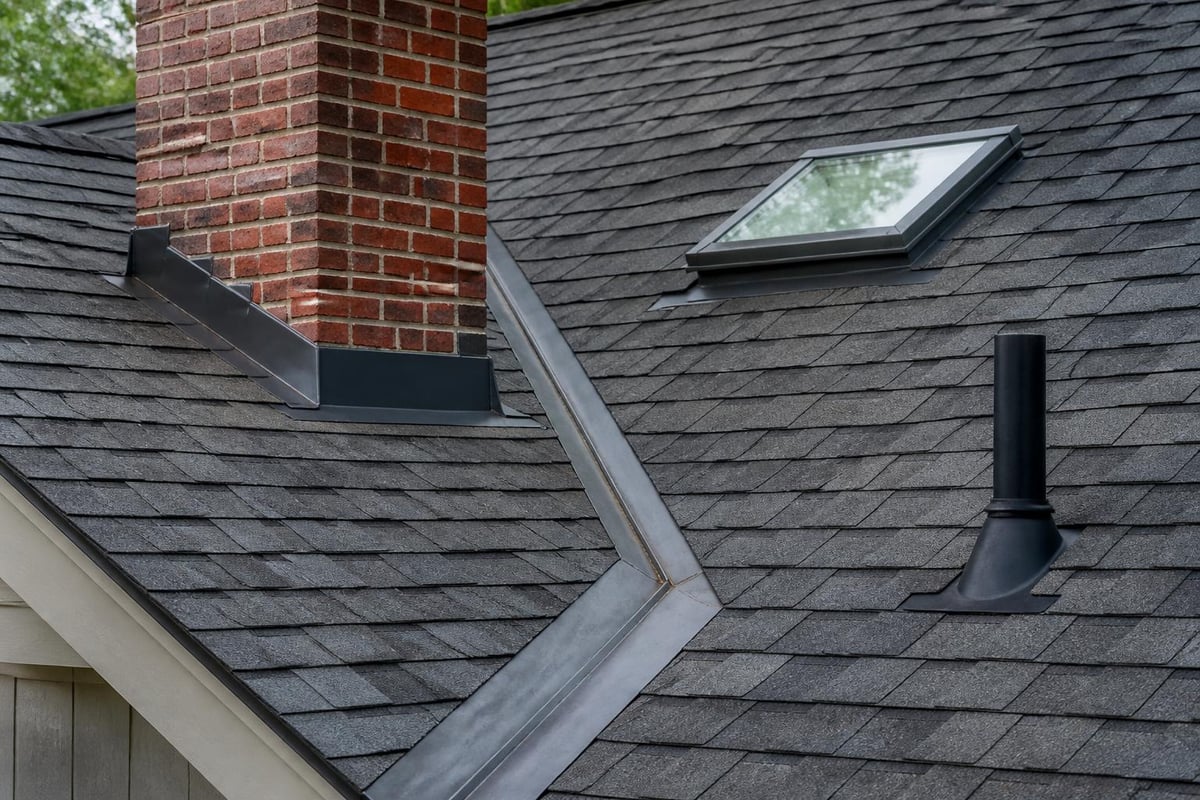
Residential roofing specialists work primarily with shingle systems, tile roofs, and residential materials. They excel at identifying common leak points around chimneys, skylights, and ventilation penetrations. These professionals understand the specific challenges of sloped roofing systems and have specialized tools for tracking water infiltration paths.
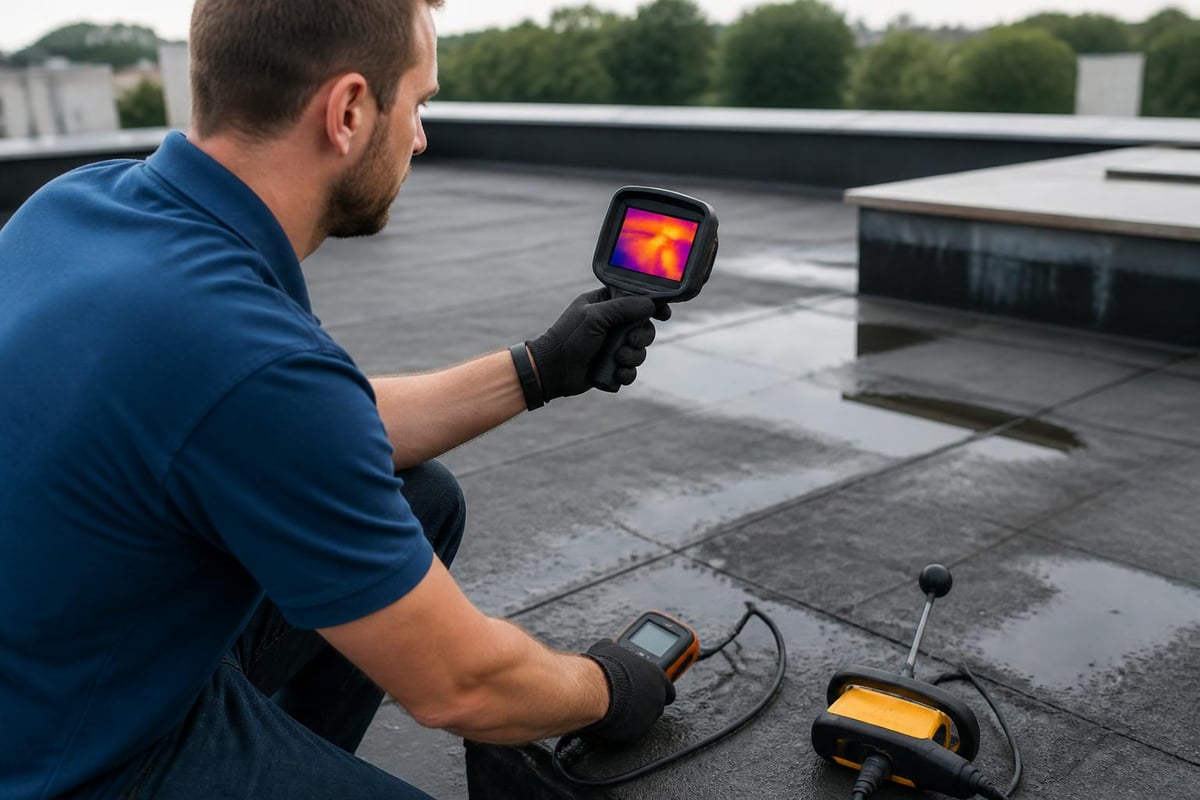
Commercial roofing specialists typically work with flat or low-slope systems, including modified bitumen, TPO, EPDM, and built-up roofing. Commercial leak detection often requires different diagnostic approaches since water can travel horizontally for considerable distances before appearing inside the building. These specialists use thermal imaging and moisture meters to pinpoint exact leak locations without unnecessary tear-offs.
Emergency repair specialists focus on temporary weatherproofing and immediate damage control. While they may not provide permanent solutions, they prevent further water intrusion while you arrange comprehensive repairs. This category becomes essential during severe weather events when multiple properties need urgent attention simultaneously.
| Specialist Type | Primary Systems | Best For | Response Time |
|---|---|---|---|
| Residential | Shingle, tile, metal | Single-family homes | 24-48 hours |
| Commercial | Modified bitumen, TPO, EPDM | Flat roofs, businesses | 24-72 hours |
| Emergency | All systems | Active leaks, storm damage | Same day |
| Full-service | All systems | Comprehensive solutions | 24-48 hours |
Essential Qualifications to Verify
Finding a roof leak specialist near me requires more than just picking the first name from a search results page. Proper vetting ensures you're working with someone who has the skills, insurance, and legitimacy to perform quality work. Several critical qualifications separate experienced professionals from unlicensed operators looking to make quick money from desperate homeowners.
Licensing and insurance requirements vary by state and municipality, but legitimate specialists always carry proper coverage. Verify that candidates hold current liability insurance and workers' compensation policies. This protection shields you from financial responsibility if someone gets injured on your property or if the repair work causes additional damage. Request certificates of insurance directly from the insurance carrier rather than accepting photocopies that could be outdated.
Manufacturer certifications demonstrate advanced training with specific roofing systems. Major manufacturers like GAF, CertainTeed, and Owens Corning offer certification programs that require contractors to meet quality standards, maintain proper insurance, and complete ongoing education. Roofing contractors with manufacturer certifications can often provide enhanced warranties that cover both materials and workmanship.
Experience with Your Specific Roofing System
Different roofing materials require specialized knowledge for effective leak diagnosis and repair. A specialist experienced with asphalt shingles may struggle with tile roof repairs, while experts in flat commercial systems need different skills than those who work primarily with residential pitched roofs. When evaluating a roof leak specialist near me, ask specifically about their experience with your roofing type.
According to This Old House’s comprehensive guide on roof leak repair, proper leak detection requires understanding how water moves through different roofing assemblies. Shingle roofs allow water to flow differently than tile or metal systems, and leak sources aren't always directly above visible water damage inside your home.
- Shingle roofs: Look for specialists who understand valley construction, flashing details, and the lifecycle of different shingle qualities
- Tile roofs: Verify experience with underlayment systems and proper tile removal/replacement techniques
- Metal roofing: Confirm knowledge of panel fastening systems, thermal expansion, and seam integrity
- Flat/low-slope systems: Check expertise with membrane types, drainage evaluation, and ponding water issues
How Professional Leak Detection Works
Understanding the diagnostic process helps you evaluate whether a roof leak specialist near me is performing thorough work or cutting corners. Comprehensive leak detection involves multiple steps, specialized tools, and systematic investigation that goes beyond simply looking for obvious holes in your roof.
Initial inspection procedures start with examining interior damage patterns. Water stains, discoloration, and active dripping provide clues about where water is entering your home. However, as explained in Bob Vila’s guide to finding roof leaks, the visible damage inside your home may be several feet away from the actual roof penetration. Water typically enters at a high point, flows along rafters or sheathing, and only becomes visible at lower points where it finally breaks through.
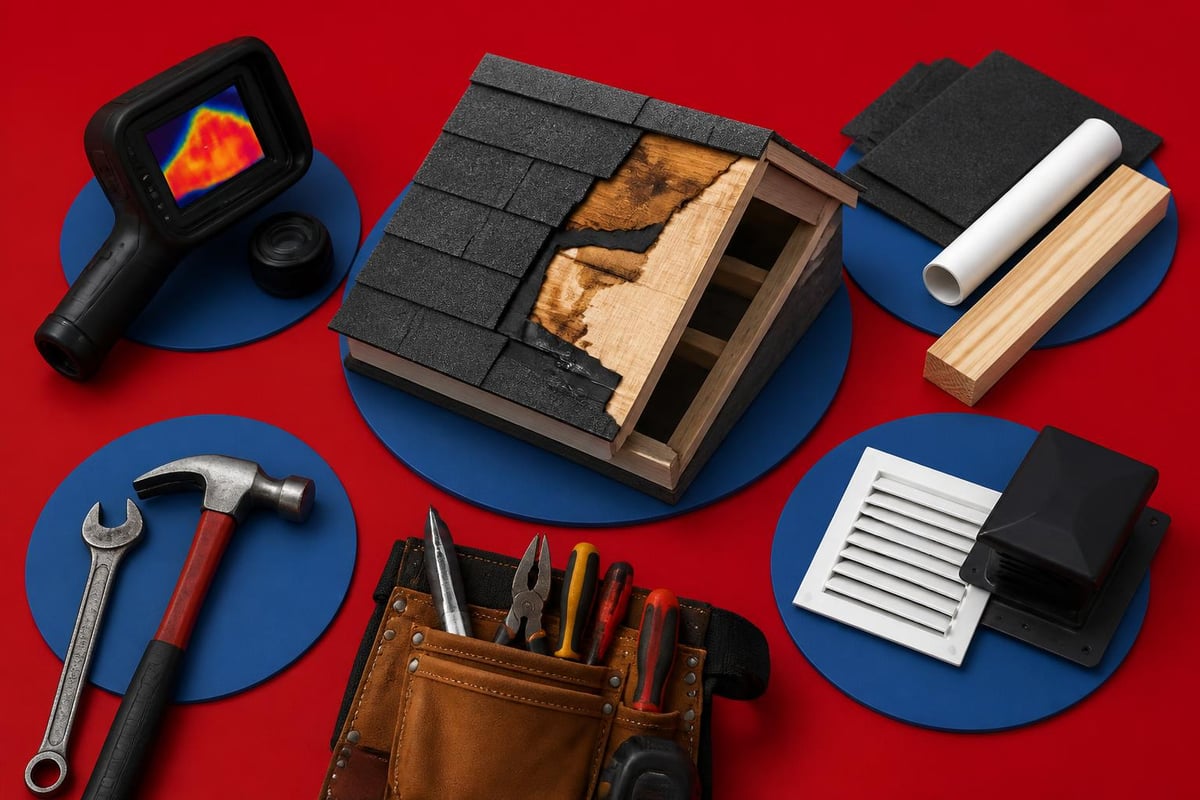
Professional specialists trace these water paths using systematic methods. They examine attic spaces during daylight hours, looking for light penetration that indicates potential leak points. Moisture meters detect elevated moisture levels in roof decking, insulation, and framing materials. Thermal imaging cameras reveal temperature differences that highlight wet areas invisible to the naked eye.
Advanced Diagnostic Technologies
Modern leak detection employs sophisticated equipment that dramatically improves accuracy while minimizing destructive investigation. When searching for a roof leak specialist near me, ask about their diagnostic capabilities and available technology. Specialists who invest in advanced tools demonstrate commitment to precision work and long-term solutions.
Nuclear moisture scanning uses non-invasive technology to map moisture content across large roof sections. This approach works particularly well for flat commercial roofs where traditional visual inspection proves insufficient. The scanner detects moisture trapped within roofing assemblies, allowing specialists to target repairs precisely without removing large sections of sound roofing.
Infrared thermography identifies temperature anomalies associated with moisture infiltration. Wet insulation and roofing materials have different thermal properties than dry materials, creating distinctive signatures on thermal images. Specialists conduct thermal scans during specific weather conditions when temperature differentials make moisture most visible.
Electronic leak detection (ELD) works by creating an electrical field across the roof surface and identifying breaches where the field is disrupted. This technology proves especially valuable for membrane roofing systems where pinhole leaks or small punctures allow water entry without obvious surface damage. The precision of ELD minimizes repair costs by eliminating guesswork about leak locations.
| Detection Method | Best Application | Accuracy Level | Cost Range |
|---|---|---|---|
| Visual inspection | All roof types | Moderate | Included |
| Moisture meters | Localized areas | Good | Included |
| Thermal imaging | Large areas, flat roofs | Excellent | $200-500 |
| Electronic leak detection | Membrane systems | Excellent | $300-800 |
| Nuclear scanning | Commercial flat roofs | Very good | $500-1200 |
Questions to Ask During Your Consultation
When you contact a roof leak specialist near me for an initial evaluation, the consultation provides your best opportunity to assess their expertise, approach, and compatibility with your needs. Prepared questions help you gather consistent information from multiple contractors, making comparison easier while revealing which specialists truly understand leak diagnosis and repair.
Experience-based questions establish the contractor's background with situations similar to yours. Ask how long they've been performing leak detection and repair work, not just general roofing. Request examples of challenging leak situations they've resolved, particularly cases where the leak source wasn't immediately obvious. Specialists with substantial experience can describe specific scenarios that demonstrate their problem-solving capabilities.
Diagnostic approach questions reveal how thoroughly the specialist will investigate your leak. Will they conduct interior and exterior inspections? What specific tools and technologies will they use? How do they differentiate between the leak source and secondary damage? A comprehensive diagnostic approach costs more upfront but prevents the frustration and expense of repairs that don't solve the underlying problem.
Understanding Repair Options and Warranties
Effective specialists don't just identify leaks; they provide clearly defined repair strategies with realistic timelines and accurate cost projections. During your consultation, discuss both immediate repair needs and potential preventive measures that could prevent future issues. Understanding common causes of roof leaks helps you evaluate whether proposed solutions address root causes or merely treat symptoms.
Warranty coverage varies dramatically among contractors and directly impacts your long-term protection. Standard repairs might carry one-year workmanship warranties, while comprehensive solutions could include five to ten-year coverage. Manufacturer warranties on materials provide additional protection, but only when installation follows exact specifications.
Key warranty questions include:
- What specific work does your workmanship warranty cover?
- How long does the warranty remain valid?
- Does the warranty transfer if I sell my property?
- What actions void the warranty coverage?
- Do you provide written warranty documentation?
Cost Factors and Pricing Transparency
Budget concerns naturally arise when searching for a roof leak specialist near me, but focusing solely on the lowest price often leads to inadequate repairs and recurring problems. Understanding cost factors helps you evaluate quotes intelligently while identifying specialists who provide legitimate value versus those offering unrealistic bargain pricing.
Diagnostic fees range from free inspections to several hundred dollars for comprehensive evaluations using advanced technology. Free inspections work well for obvious leaks with straightforward solutions, but complex situations benefit from paid diagnostic services that include thermal imaging, moisture mapping, and detailed reports. Many specialists credit diagnostic fees toward repair costs when you proceed with their services.
Repair pricing depends on leak severity, accessibility, roofing material, and whether additional damage requires correction. Simple flashing repairs around chimneys or vent pipes might cost $300 to $800, while extensive repairs involving decking replacement, underlayment damage, and structural concerns could reach several thousand dollars. Transparent specialists provide itemized estimates that clearly separate diagnostic work, material costs, labor, and any necessary permits or disposal fees.
Hidden Costs to Anticipate
Beyond the primary leak repair, several related expenses often emerge during the correction process. Water damage rarely limits itself to roofing materials alone. Prolonged leaks compromise insulation, damage drywall, stain ceilings, and potentially affect electrical systems. A thorough roof leak specialist near me will identify these secondary concerns during the initial evaluation, preventing surprise costs later.
Common additional expenses include:
- Insulation replacement in affected areas ($1.50-$3.00 per square foot)
- Roof decking repair or replacement ($50-$75 per sheet installed)
- Interior ceiling and wall repairs ($200-$600 per affected area)
- Mold remediation if moisture has persisted ($500-$6,000 depending on extent)
- Ventilation improvements to prevent condensation issues ($300-$1,500)
Specialists serving communities throughout the Joliet area understand that transparent pricing builds trust and prevents the contentious situations that arise when homeowners receive unexpected bills. Request detailed written estimates that account for reasonably foreseeable complications, and clarify the process for handling unexpected damage discovered during repair work.
Emergency vs. Scheduled Repair Timing
The urgency of your situation affects both the availability of specialists and the approach to repairs. When you need a roof leak specialist near me during an active leak, immediate temporary measures take priority over permanent solutions. Understanding the distinction between emergency response and comprehensive repair helps you make appropriate decisions during stressful situations.
Emergency response focuses on stopping active water intrusion to prevent additional damage. Specialists use tarps, temporary patches, and quick-setting sealants to weatherproof affected areas until conditions allow proper repairs. These measures aren't permanent solutions, but they protect your property from further harm while you arrange comprehensive correction. Emergency calls typically cost 50-100% more than scheduled work due to after-hours response and immediate availability requirements.
Scheduled repairs allow specialists to properly assess damage, order appropriate materials, coordinate with other trades if needed, and complete work under favorable weather conditions. This approach produces superior long-term results because specialists aren't working under crisis pressure. Most non-emergency leaks benefit from scheduled repairs completed within a week of initial diagnosis.
Seasonal Considerations for Leak Repairs
Midwest weather patterns significantly impact repair scheduling and methodology. Winter leak repairs present unique challenges since many roofing materials require specific temperature ranges for proper installation. Modified bitumen torch-down applications, for example, don't bond effectively in freezing conditions. Shingle adhesive strips may not seal properly during cold weather, requiring manual sealing or temporary fixes until spring.
Summer and fall provide ideal conditions for most repair work. Dry weather, moderate temperatures, and longer daylight hours allow specialists to complete comprehensive repairs efficiently. However, these peak seasons also bring higher demand, potentially extending scheduling timelines by several weeks. When searching for a roof leak specialist near me during busy seasons, book consultations promptly to secure reasonable scheduling.
| Season | Repair Conditions | Scheduling | Best For |
|---|---|---|---|
| Winter | Challenging, limited materials | Readily available | Emergency only |
| Spring | Good, occasional rain delays | Moderate demand | Most repairs |
| Summer | Excellent | High demand | Comprehensive work |
| Fall | Excellent | Very high demand | Preventive repairs |
Verifying Credentials and Reviews
Digital research provides unprecedented access to contractor information, but separating legitimate reviews from manipulated ratings requires discernment. When evaluating a roof leak specialist near me, cross-reference information from multiple sources rather than relying on a single review platform or the contractor's own website testimonials.
Better Business Bureau (BBB) profiles reveal complaint history, resolution approaches, and overall business practices. While BBB ratings shouldn't constitute your only verification method, they provide valuable insight into how contractors handle disputes and customer concerns. Look particularly at complaint resolution patterns rather than just the rating itself.
Online review platforms including Google, Yelp, and HomeAdvisor offer customer perspectives on actual project experiences. Read beyond star ratings to understand specific strengths and weaknesses. Consistent themes across multiple reviews carry more weight than isolated extreme opinions. Pay attention to how contractors respond to negative reviews, as their replies demonstrate professionalism and accountability.
License Verification and Insurance Confirmation
Professional credentials require direct verification rather than accepting contractor claims at face value. Most states maintain online databases where you can confirm contractor licenses, check for disciplinary actions, and verify current status. Illinois contractors can be verified through the Department of Financial and Professional Regulation, though roofing work doesn't require state licensing in all municipalities.
Insurance verification protects you from significant liability exposure. Request certificates of insurance directly from the contractor's insurance carrier, not copies provided by the contractor. Confirm that coverage remains current and includes adequate limits for both general liability and workers' compensation. Minimum recommended liability coverage is $1 million per occurrence, though many established contractors carry $2 million or higher limits.
What Great Roofing Brings to Leak Detection
Family-owned businesses often provide personalized service and accountability that larger corporate contractors struggle to match. When residents search for a roof leak specialist near me in the Joliet area, they benefit from professional roofing services delivered by contractors who understand local building characteristics, weather challenges, and community standards.
Experience with both residential shingle systems and commercial modified bitumen roofing creates versatile diagnostic capabilities. Specialists who work across different roofing types develop broader problem-solving skills because they understand how various materials perform and fail under different conditions. This cross-category expertise proves particularly valuable for complex leaks where multiple building systems interact.
Comprehensive service capabilities eliminate coordination headaches:
- Complete diagnostic services using advanced detection technology
- Emergency response for active leaks and storm damage
- Targeted repairs that address root causes, not just symptoms
- Full replacement services when repair costs approach replacement economics
- Siding and exterior work that addresses related water intrusion issues
Multi-generational contracting businesses develop institutional knowledge that benefits customers through decades of accumulated expertise. Problems that seem unique to inexperienced contractors are familiar challenges to specialists who've navigated Midwest weather patterns, evolving building codes, and changing material technologies across multiple decades.
Common Leak Scenarios and Solutions
Understanding typical leak patterns helps you communicate effectively with specialists and recognize whether proposed solutions address your specific situation. While every roof presents unique characteristics, certain leak scenarios occur repeatedly across residential and commercial properties. Familiarity with these common situations enables more productive discussions during consultations with a roof leak specialist near me.
Flashing failures represent the most frequent leak source across all roofing types. Flashing materials seal the intersection between roofing and penetrations like chimneys, skylights, vent pipes, and walls. Over time, thermal expansion, UV degradation, and physical stress cause flashing to crack, separate, or corrode. Proper flashing repairs involve complete removal of deteriorated materials, installation of new flashing with appropriate underlayment integration, and proper sealing using compatible sealants.
Valley leaks occur where two roof planes intersect, creating channels that concentrate water flow. These areas experience higher water volume and velocity than other roof sections, making them vulnerable to accelerated wear. Common causes of roof leaks in valleys include improper installation, insufficient underlayment, debris accumulation, and ice dam formation. Valley repairs often require removing surrounding shingles to access and correct the underlying waterproofing layers.
Penetration and Fastener Issues
Roof penetrations for vents, pipes, HVAC equipment, and satellite dishes create potential leak points that require specialized sealing techniques. Each penetration type demands specific flashing approaches and compatible sealants. Pipe boot failures are particularly common since the rubber or neoprene components deteriorate over time. These repairs involve replacing the entire boot assembly rather than attempting to patch degraded materials.
Fastener leaks affect metal roofing and commercial systems where exposed screws or nails penetrate the weather surface. Improper fastener installation, missing washers, or over-driven screws compromise weatherproofing integrity. Thermal expansion causes fasteners to work loose over time, creating pathways for water infiltration. Specialists address these issues through systematic fastener inspection, replacement of compromised fasteners, and additional sealant application where appropriate.
Preventive Maintenance to Avoid Future Leaks
The most cost-effective approach to roof leaks involves preventing them entirely through systematic maintenance and timely minor repairs. When homeowners search for a roof leak specialist near me after discovering damage, they've already incurred expenses that proactive maintenance could have prevented. Establishing regular inspection schedules and addressing small issues before they escalate dramatically reduces lifetime roofing costs.
Annual professional inspections identify emerging problems while they remain minor and inexpensive to correct. Spring inspections assess winter damage from ice, snow, and freeze-thaw cycles. Fall inspections prepare roofs for upcoming winter weather while identifying summer storm damage. These seasonal checkups cost $150 to $400 depending on roof size and complexity but typically save thousands in prevented damage.
Homeowner maintenance between professional inspections extends roof lifespan and catches obvious problems early. Monthly visual inspections from ground level reveal missing shingles, damaged flashing, or debris accumulation. Biannual gutter cleaning prevents overflow that damages roof edges and fascia boards. These simple activities require minimal time investment but provide significant protection.
Key Maintenance Activities and Schedule
| Maintenance Task | Frequency | DIY or Professional | Purpose |
|---|---|---|---|
| Visual ground inspection | Monthly | DIY | Spot obvious damage |
| Gutter cleaning | Twice yearly | DIY or Pro | Prevent overflow |
| Professional inspection | Annually | Professional | Comprehensive assessment |
| Flashing inspection | Annually | Professional | Catch deterioration early |
| Attic ventilation check | Annually | Professional | Prevent condensation |
| Tree trimming | As needed | Professional | Reduce debris and damage |
Addressing minor issues immediately prevents escalation into major repairs. Small flashing gaps, loose shingles, and minor seal failures cost $100 to $300 to correct when caught early. These same issues can cause thousands in water damage if ignored for months or years. The investment in prompt minor repairs provides exceptional return through avoided major damage.
Finding the right roof leak specialist near me requires balancing multiple factors including credentials, experience, diagnostic capabilities, and local expertise. By understanding the leak detection process, asking informed questions, and verifying qualifications thoroughly, you position yourself to make confident decisions that protect your property investment. Whether you're dealing with an emergency situation or planning preventive maintenance, working with experienced local professionals ensures quality results and long-term peace of mind. Great Roofing combines decades of family-owned service with advanced diagnostic technology and comprehensive repair capabilities to serve Joliet-area homes and businesses. Contact us today for thorough leak detection and reliable solutions that address both immediate concerns and long-term roofing performance.