

Understanding how long your roof will last is one of the most important considerations for homeowners and commercial property owners in the Joliet area. The roof lifespan directly impacts your budget planning, property value, and the protection of everything beneath it. While some roofing materials can last over 50 years, others may require replacement in as little as 15 years. Knowing what to expect from your specific roofing system helps you make informed decisions about maintenance, repairs, and eventual replacement.
What Determines Roof Lifespan
Multiple factors work together to determine how long a roofing system will protect your property. The roof lifespan depends primarily on material quality, installation expertise, environmental conditions, and ongoing maintenance practices.
Material composition plays the foundational role in longevity. Asphalt shingles, metal panels, tile, and modified bitumen each have distinct chemical and physical properties that resist weathering differently. Premium-grade materials naturally outlast economy options, even within the same category.
Installation quality can add or subtract years from expected performance. Even the highest-quality roofing materials will fail prematurely if installed incorrectly. Proper ventilation, underlayment selection, and fastening techniques are critical details that professional contractors understand from years of experience.
Climate Impact on Durability
Joliet's climate presents specific challenges that affect roof lifespan. The region experiences:
- Temperature extremes ranging from below zero to over 90 degrees
- Heavy snow loads during winter months
- High winds during spring and fall storms
- Hail events that can damage roofing surfaces
- UV radiation that degrades organic materials
These weather patterns accelerate aging in roofing materials compared to milder climates. A roof rated for 30 years in moderate conditions might last only 20-25 years in the Midwest.
Expected Lifespan by Roofing Material
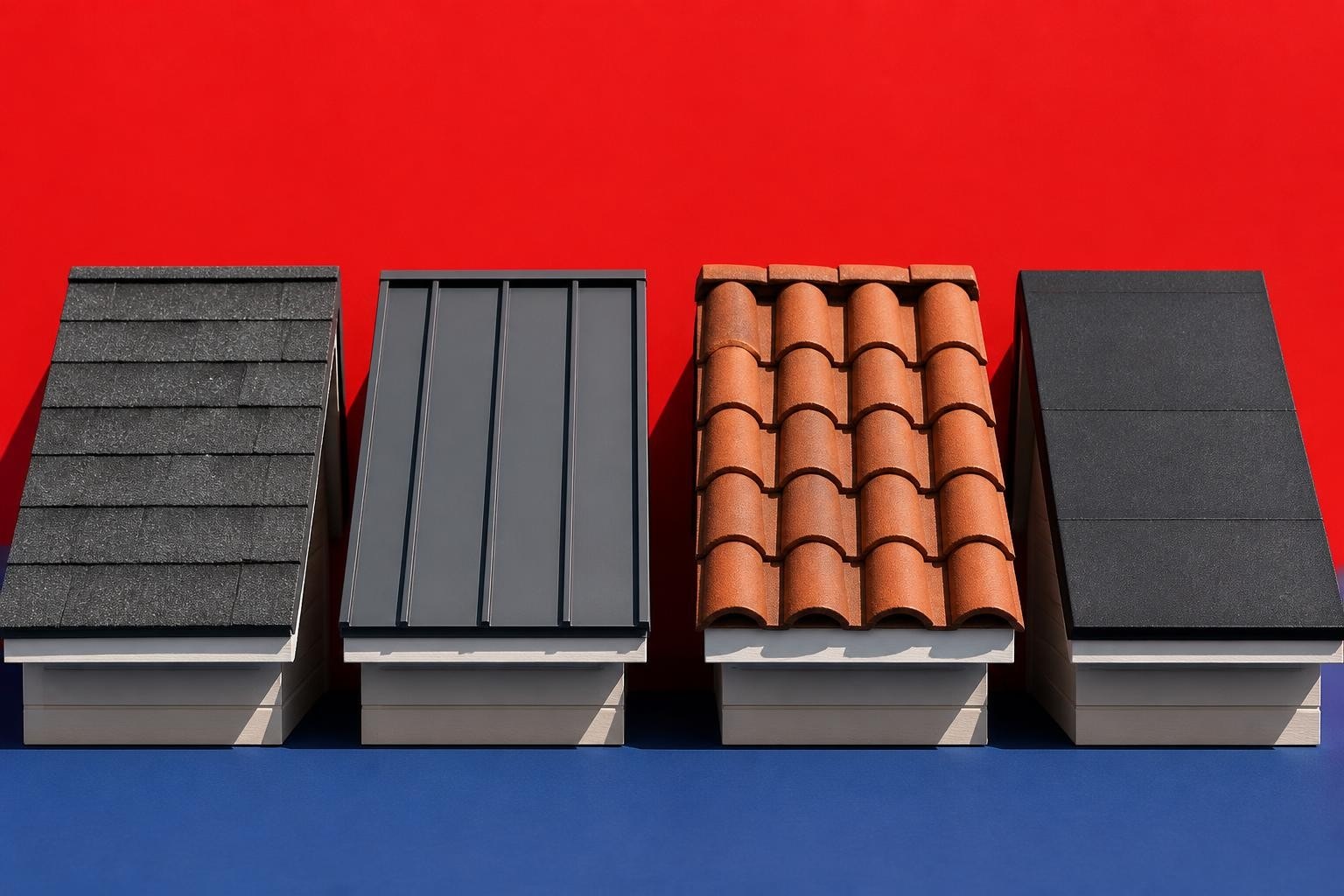
Different roofing materials offer vastly different service lives. Understanding these expectations helps property owners plan appropriately for future investments.
| Roofing Material | Average Lifespan | Premium Lifespan | Best For |
|---|---|---|---|
| 3-Tab Asphalt Shingles | 15-20 years | 20-25 years | Budget-conscious homeowners |
| Architectural Shingles | 25-30 years | 30-40 years | Residential properties |
| Modified Bitumen | 20-25 years | 25-30 years | Commercial flat roofs |
| Metal Roofing | 40-70 years | 70+ years | Long-term investment |
| Clay/Concrete Tile | 50-100 years | 100+ years | Historic properties |
Asphalt Shingle Systems
Asphalt shingles dominate the residential market in Joliet due to their balance of cost and performance. Standard three-tab shingles typically deliver a roof lifespan of 15-20 years, while architectural shingles can exceed 30 years with proper care.
The quality difference between manufacturer tiers significantly impacts longevity. Premium shingles feature heavier base mats, more granules for UV protection, and better wind resistance ratings. These enhancements directly translate to additional years of service.
Great Roofing specializes in residential roof maintenance programs that help maximize shingle lifespan through regular inspections and preventive repairs.
Commercial Modified Bitumen
Modified bitumen roofing systems provide excellent performance for commercial flat and low-slope applications. These systems typically achieve a roof lifespan of 20-25 years when properly installed and maintained.
The torch-applied or cold-adhesive installation creates a monolithic membrane that resists water infiltration. Regular inspections identify potential issues before they compromise the entire system. Seam integrity and flashings require particular attention as these are the most vulnerable points.
Factors That Shorten Roof Lifespan
Several conditions can dramatically reduce the expected roof lifespan, turning a 30-year roof into a 15-year replacement project.
Poor ventilation ranks among the top killers of roofing systems. Inadequate attic ventilation traps heat and moisture, causing shingles to cook from underneath. This accelerates granule loss, warping, and premature failure. Temperature differentials between a poorly ventilated attic and outside air can exceed 50 degrees, dramatically aging materials.
Storm damage represents an immediate threat to roof integrity. Even minor hail impacts compromise shingle protective layers. Wind-driven rain can penetrate vulnerable areas around flashings and penetrations. Property owners should schedule inspections after significant weather events, especially when dealing with roof repair after hail storm damage.
Installation Defects
Workmanship issues create long-term problems that steadily reduce roof lifespan:
- Improper nail placement or quantity
- Inadequate starter strip installation
- Poorly executed valley details
- Incorrect flashing integration
- Insufficient underlayment coverage
These defects may not appear immediately but manifest as leaks, blow-offs, and accelerated deterioration within 5-10 years of installation.
Maximizing Your Roof's Service Life
Property owners exercise significant control over actual roof lifespan through proactive maintenance and timely intervention. Regular roof maintenance practices prevent minor issues from becoming major failures.
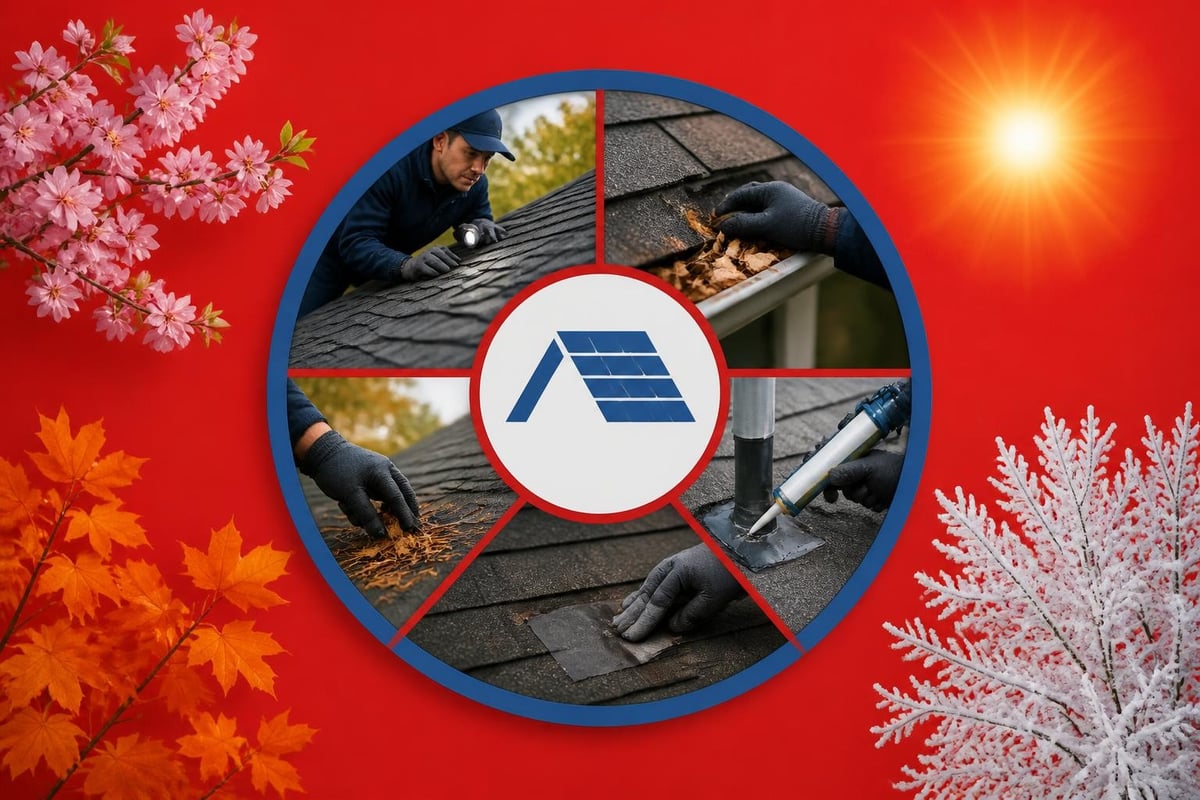
Biannual inspections identify developing problems before they cause interior damage. Spring and fall inspections allow professionals to assess winter damage and prepare for upcoming weather challenges. These examinations focus on flashings, valleys, penetrations, and overall material condition.
Cleaning routines extend material life by removing debris that traps moisture and promotes decay. Leaves, branches, and organic matter create environments where algae, moss, and mold thrive. These organisms break down roofing materials and hold moisture against surfaces that should dry quickly.
Professional Maintenance Programs
Structured maintenance programs offer the most reliable path to maximum roof lifespan. These services typically include:
- Comprehensive spring and fall inspections
- Professional cleaning of gutters and drainage systems
- Minor repair completion before issues escalate
- Detailed documentation of roof condition over time
- Priority scheduling for emergency repairs
This systematic approach identifies patterns and trends that indicate developing problems. Early detection allows cost-effective repairs rather than expensive emergency interventions.
Signs Your Roof Lifespan is Ending
Recognizing replacement indicators helps property owners plan financially and avoid emergency situations. Determining roof age and condition involves both visual assessment and performance evaluation.
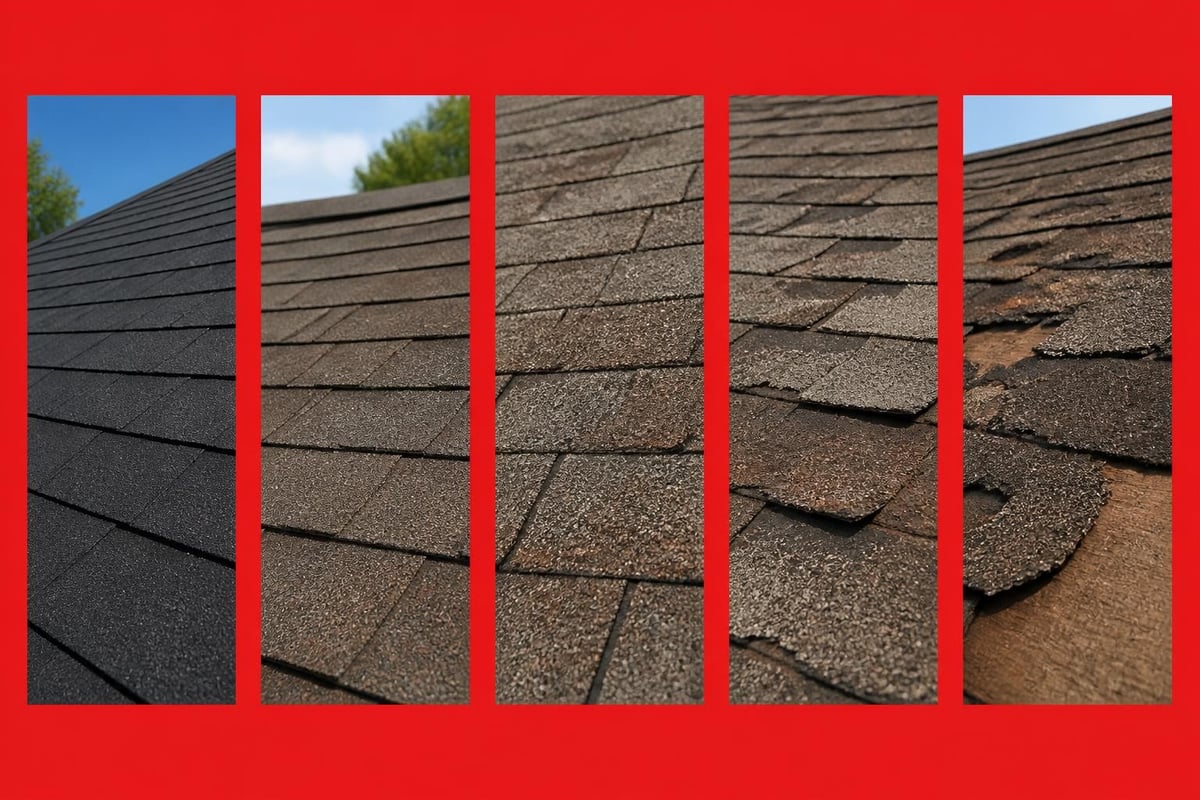
Granule loss appears as bare spots on shingles or excessive granules in gutters. This protective layer shields asphalt from UV damage. Once significant granule loss occurs, the underlying material deteriorates rapidly.
Curling, cupping, or lifting shingles indicate moisture issues or material failure. These conditions allow water infiltration and create wind vulnerability. Even isolated occurrences suggest broader system aging.
Interior Warning Signs
Ceiling stains, attic moisture, and daylight visible through roof boards all indicate serious problems:
- Water stains suggest active or past leaks
- Sagging roof sections indicate structural concerns
- Increased energy costs may result from compromised insulation
- Visible mold or mildew indicates moisture intrusion
Multiple indicators appearing simultaneously suggest the roof lifespan has reached its conclusion. At this stage, repairs become increasingly ineffective and costly compared to replacement.
Comparing Replacement Costs vs. Extended Maintenance
Financial planning requires understanding when continued maintenance no longer makes economic sense. A roof approaching the end of its expected lifespan requires increasingly frequent and expensive repairs.
| Roof Age (% of Expected Lifespan) | Recommended Action | Typical Annual Cost |
|---|---|---|
| 0-50% | Routine maintenance | $200-$500 |
| 50-75% | Enhanced monitoring | $500-$1,500 |
| 75-90% | Repair as needed, plan replacement | $1,500-$3,000 |
| 90-100%+ | Replace immediately | Varies significantly |
The final quarter of a roof's lifespan often consumes disproportionate maintenance dollars. When annual repair costs exceed 10-15% of replacement cost, investing in a new system becomes the smarter choice.
Return on Investment Considerations
New roofing systems deliver value beyond immediate weather protection. Modern materials offer improved energy efficiency, enhanced curb appeal, and increased property value. Many buyers hesitate to purchase homes with aging roofs, knowing they'll face immediate replacement expenses.
Upgraded roofing also provides opportunities to address underlying issues. Ventilation improvements, insulation upgrades, and deck repairs become accessible during replacement projects. These enhancements further extend the new roof lifespan while improving overall building performance.

Material Selection for Longevity
Choosing the right roofing material balances initial investment against expected roof lifespan and total lifecycle costs. The cheapest option rarely delivers the best long-term value.
Architectural shingles represent the sweet spot for most residential applications. Their 25-30 year roof lifespan, attractive appearance, and moderate cost make them ideal for homeowners planning to stay in their property for decades. Premium brands with enhanced warranties provide additional peace of mind.
Metal roofing deserves consideration for properties where owners prioritize maximum lifespan. Initial costs run 2-3 times higher than asphalt shingles, but the 40-70 year service life and minimal maintenance requirements often justify the premium. Metal roofs also offer superior wind and fire resistance.
For commercial applications, modified bitumen systems provide reliable performance at reasonable costs. Their proven track record in flat and low-slope applications makes them the standard for many commercial property owners. According to research on roof longevity factors, proper installation and maintenance of commercial systems can achieve or exceed manufacturer specifications.
Climate-Specific Considerations
Joliet's weather patterns favor materials that handle freeze-thaw cycles effectively. Asphalt shingles, modified bitumen, and metal roofing all perform well in Midwestern climates when properly installed.
Tile roofing, while extremely durable, requires structural considerations due to weight. The enhanced lifespan must justify both material costs and potential framing reinforcement expenses.
The Role of Professional Installation
Even the highest-quality materials fail prematurely without expert installation. The roof lifespan promised by manufacturers assumes professional-grade workmanship throughout the installation process.
Certified installers understand manufacturer specifications and local building codes. They recognize how regional climate patterns affect installation details. Proper fastening patterns, appropriate underlayment selection, and correct flashing integration all require experience and attention to detail.
Quality control measures separate professional contractors from budget installers:
- Manufacturer certification and continuing education
- Comprehensive liability and worker's compensation insurance
- Detailed written estimates with material specifications
- Clear warranty coverage for both materials and labor
- Local references and established business history
These factors provide confidence that installation quality will support maximum roof lifespan. Choosing experienced roofing professionals protects your investment and ensures manufacturer warranties remain valid.
Impact of Neglect on Roof Systems
Deferred maintenance creates cascading failures that dramatically shorten roof lifespan. A small leak ignored for months becomes structural damage requiring extensive repairs. Cleaning tasks postponed for years result in premature material failure.
Gutter maintenance exemplifies how simple tasks prevent expensive problems. Clogged gutters overflow, sending water behind fascia boards and into roof edges. This moisture infiltration rots wood components and damages shingles from underneath. Learning proper gutter cleaning techniques prevents these issues.
Moss and algae growth accelerates shingle deterioration by retaining moisture and creating acidic conditions. These organisms also lift shingle edges, compromising weather resistance. Regular cleaning and zinc or copper strip installation prevent biological growth.
Documentation and Records
Maintaining detailed records supports maximum roof lifespan through informed decision-making. Documentation should include:
- Original installation date and contractor information
- Material specifications and warranty documents
- Inspection reports with photos
- Repair history with dates and descriptions
- Maintenance service records
This information helps professionals assess current condition, predict remaining service life, and recommend appropriate interventions. Complete records also support insurance claims and property value assessments.
Environmental Factors Beyond Weather
While climate drives much of the discussion around roof lifespan, other environmental factors also influence material performance. Tree coverage, air quality, and building orientation all play roles in system longevity.
Overhanging branches damage roofing materials through physical abrasion and constant moisture. Falling branches during storms can cause catastrophic damage. Even without direct impact, shade from trees creates damp conditions where organic growth flourishes. Maintaining appropriate clearance protects roofing surfaces and extends lifespan.
Air quality affects certain materials differently. Industrial pollutants accelerate corrosion in metal systems. Urban environments with higher particulate levels may experience faster granule loss on asphalt shingles. Understanding these local factors helps property owners set realistic expectations.
Proper Attic Ventilation Systems
The relationship between ventilation and roof lifespan cannot be overstated. Balanced intake and exhaust ventilation regulates attic temperature and moisture levels, directly impacting material aging rates.
Ridge vents combined with soffit vents create natural airflow that removes heat and humidity. This circulation prevents the extreme temperatures that cook shingles prematurely. In winter, proper ventilation prevents ice dam formation that can damage both roofing and gutters.
Inadequate ventilation shortens roof lifespan by 25-50% in many cases. The investment in proper ventilation systems pays dividends through extended material life and reduced energy costs.
Planning for Roof Replacement
Strategic replacement planning maximizes property protection while minimizing disruption and expense. Understanding when roof lifespan approaches its end allows thoughtful contractor selection and project timing.
Seasonal considerations affect both installation quality and costs. Spring and fall typically offer ideal conditions for roofing work in Joliet. Summer heat makes installation challenging, while winter weather can prevent proper material adhesion. Many contractors offer better pricing during slower seasons.
Replacement timing should account for weather forecasts, project schedules, and property access. A well-planned project completed during favorable conditions starts the new roof lifespan under optimal circumstances. Rushed emergency replacements often involve compromises that affect long-term performance.
When the time comes for replacement, following comprehensive maintenance guidelines during the selection process ensures your new system receives proper care from day one.
Understanding roof lifespan expectations and the factors that influence them empowers property owners to protect their investments effectively. Regular maintenance, quality materials, and professional installation work together to maximize the years of service your roof provides. Whether you need expert guidance on extending your current roof's life or planning for replacement, Great Roofing brings decades of family-owned expertise to every residential and commercial project in Joliet. Contact our team today to schedule a comprehensive roof assessment and develop a customized plan that protects your property for decades to come.