

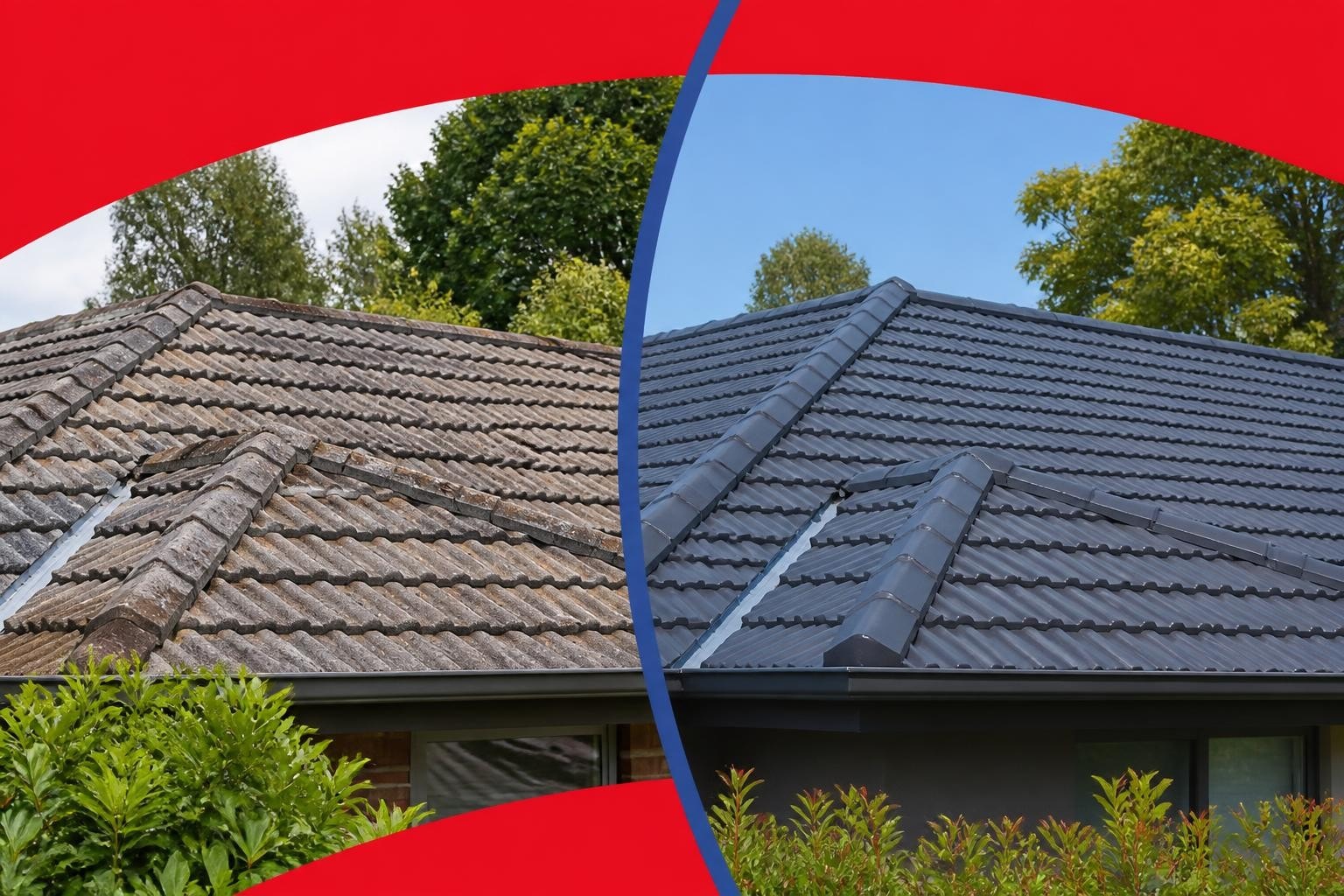
Roof painting services have evolved from a simple aesthetic upgrade to a sophisticated protective treatment that extends the lifespan of residential and commercial roofing systems. Whether you're managing a commercial property in Joliet or maintaining your family home, understanding the value and process of professional roof coating can save thousands in premature replacement costs while dramatically improving your property's appearance and energy efficiency. This comprehensive guide explores everything property owners need to know about professional roof painting, from material selection to safety considerations and long-term maintenance strategies.
Understanding the Value of Professional Roof Painting
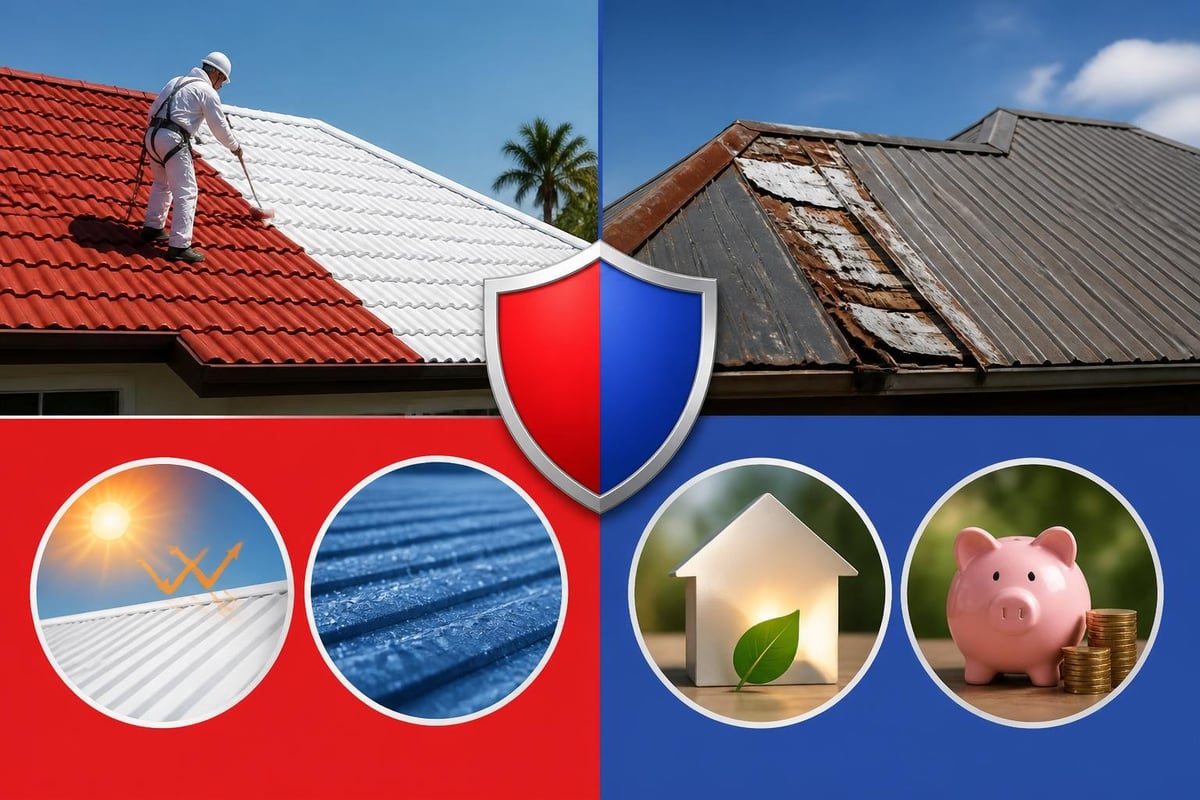
Roof painting services deliver benefits that extend far beyond cosmetic improvements. A professionally applied coating system creates a protective barrier against UV radiation, moisture penetration, and thermal stress that gradually degrades roofing materials over time.
The financial advantages become clear when comparing painting costs against replacement expenses. While a complete roof replacement for a residential property can range from $8,000 to $25,000, professional painting typically costs 15-25% of that investment while adding 5-10 years to the roof's functional life.
Key Benefits for Property Owners
- UV Protection: Reflective coatings reduce surface temperatures by 30-50 degrees
- Waterproofing: Seals minor cracks and prevents moisture infiltration
- Energy Efficiency: Light-colored coatings reduce cooling costs by 10-25%
- Curb Appeal: Transforms aged roofing into like-new appearance
- Asset Protection: Preserves property value and marketability
Commercial property managers particularly value roof painting services for maintaining multiple buildings cost-effectively. Modified bitumen and metal roofing systems respond exceptionally well to specialized coating applications that restore protective properties without disrupting business operations.
Evaluating Your Roof's Painting Readiness
Not every roof qualifies as a suitable candidate for painting services. Professional contractors assess several critical factors before recommending coating applications versus repair or replacement solutions.
Structural Integrity Assessment
The underlying roofing system must maintain sound structural condition. Roof leak repairs should be completed before any coating application. Surface defects like cupping shingles, widespread granule loss, or compromised flashing indicate deeper problems requiring attention.
A thorough roof painting readiness checklist helps identify whether your property qualifies for coating services or needs more extensive intervention.
| Roof Condition | Painting Suitable | Recommended Action |
|---|---|---|
| 0-10 years old, minimal wear | Yes | Preventive coating |
| 10-20 years, moderate wear | Maybe | Assessment required |
| 20+ years, significant damage | No | Replacement consideration |
| Active leaks present | No | Repair then reassess |
| Structural sagging | No | Professional evaluation |
Material compatibility represents another crucial consideration. Metal roofing, modified bitumen, and certain tile systems accept coatings beautifully, while heavily textured or deteriorated shingles may not bond properly with paint products.
Surface Preparation Protocols
Professional roof painting services distinguish themselves through meticulous preparation processes that ensure coating adhesion and longevity. This phase typically consumes 50-60% of project time but determines 80% of the final outcome quality.
Cleaning and Decontamination
Power washing removes accumulated dirt, algae, moss, and biological growth that prevent proper paint adhesion. For metal roofs particularly, proper assessment and cleaning techniques ensure the surface accepts primer and topcoat layers effectively.
Contractors typically follow this preparation sequence:
- Initial inspection documenting existing conditions
- Debris removal clearing gutters and surface material
- Power washing at appropriate PSI for roof type
- Chemical treatment for stubborn organic growth
- Drying period allowing 24-48 hours minimum
- Primer application on bare or heavily weathered areas
- Final inspection before topcoat application
For commercial modified bitumen systems, surface preparation includes repairing seam separations and ensuring proper drainage. Ponding water areas require addressing before any coating application to prevent premature failure.
Coating Systems and Product Selection
Roof painting services utilize specialized coating products formulated specifically for roofing applications. These differ substantially from standard house paint in flexibility, UV resistance, and waterproofing properties.
Material-Specific Coating Options
Acrylic elastomeric coatings dominate residential applications due to excellent UV resistance, breathability, and cost-effectiveness. These water-based systems expand and contract with temperature fluctuations without cracking.
Silicone roof coatings excel in commercial applications, particularly on modified bitumen and TPO systems. Superior water resistance and exceptional longevity justify higher material costs for properties requiring maximum protection.
Polyurethane coatings provide outstanding durability for metal roofing systems exposed to heavy foot traffic or industrial environments. When painting metal roofs, proper primer selection determines long-term performance.
| Coating Type | Best Applications | Expected Lifespan | Relative Cost |
|---|---|---|---|
| Acrylic Elastomeric | Shingle, tile, metal | 5-10 years | $ |
| Silicone | Flat commercial, modified bitumen | 10-15 years | $$$ |
| Polyurethane | Metal, high-traffic areas | 8-12 years | $$ |
| Reflective White | Energy efficiency focus | 7-12 years | $$ |
Understanding the comprehensive metal roof painting process helps property owners appreciate the technical expertise required for successful applications. Companies like Best Roofing & Siding emphasize quality materials and proper application techniques for lasting results.
Safety Considerations for Roof Painting Projects
Professional roof painting services prioritize worker safety and property protection through comprehensive safety protocols. Working at height presents inherent risks requiring specialized equipment and training.
OSHA-Compliant Safety Standards
Contractors must implement proper PPE selection and safety protocols during all painting operations. This includes respiratory protection when applying solvent-based coatings, fall protection systems, and proper ladder safety procedures.
Best safety practices for painting at heights emphasize these critical elements:
- Fall protection systems: Harnesses, guardrails, and safety nets for steep-slope work
- Ladder safety: Proper angle, securing, and three-point contact
- Power line awareness: Maintaining safe distances from electrical hazards
- Weather monitoring: Postponing work during wind, rain, or temperature extremes
- Ventilation requirements: Ensuring adequate air circulation during application
Property owners should verify contractors carry proper insurance coverage including general liability and workers' compensation. Reputable roofing and siding services providers maintain comprehensive coverage protecting both workers and property owners.
Application Techniques and Timing
Professional application methods vary based on roofing material, coating product, and weather conditions. Experienced contractors adapt their approach to optimize coverage, adhesion, and curing performance.
Optimal Application Methods
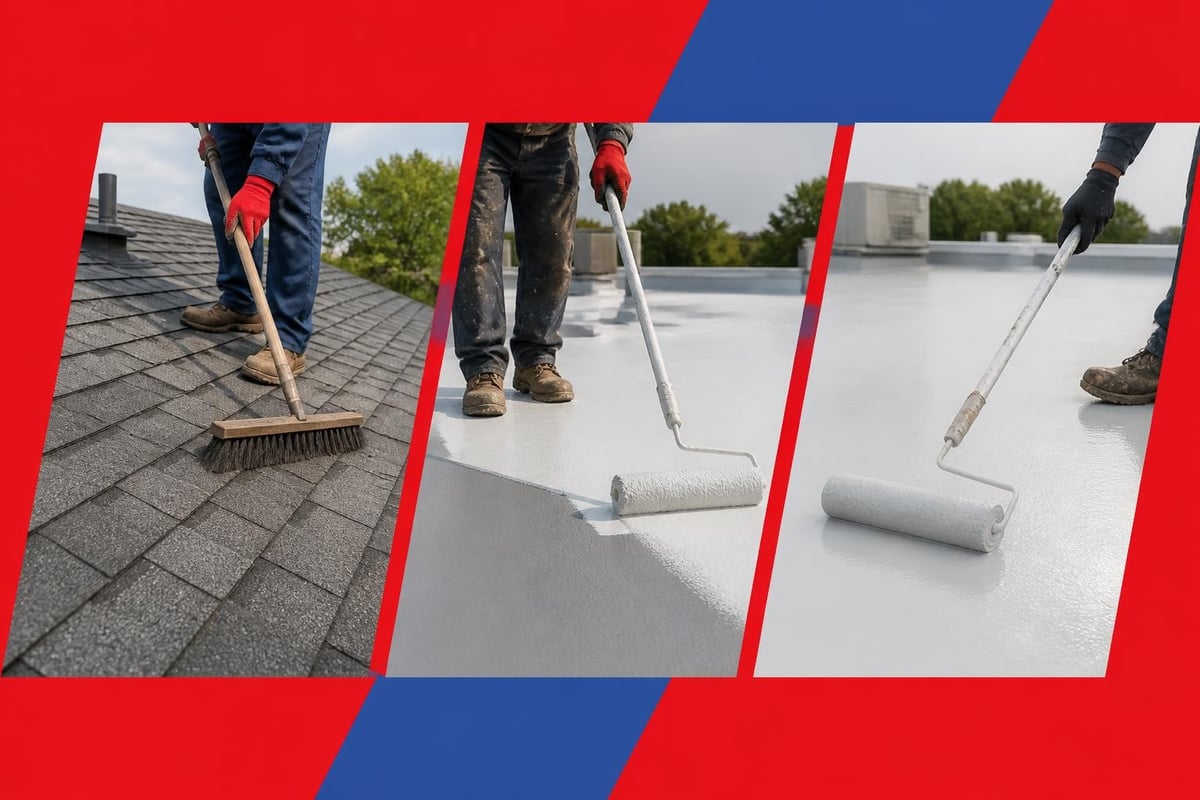
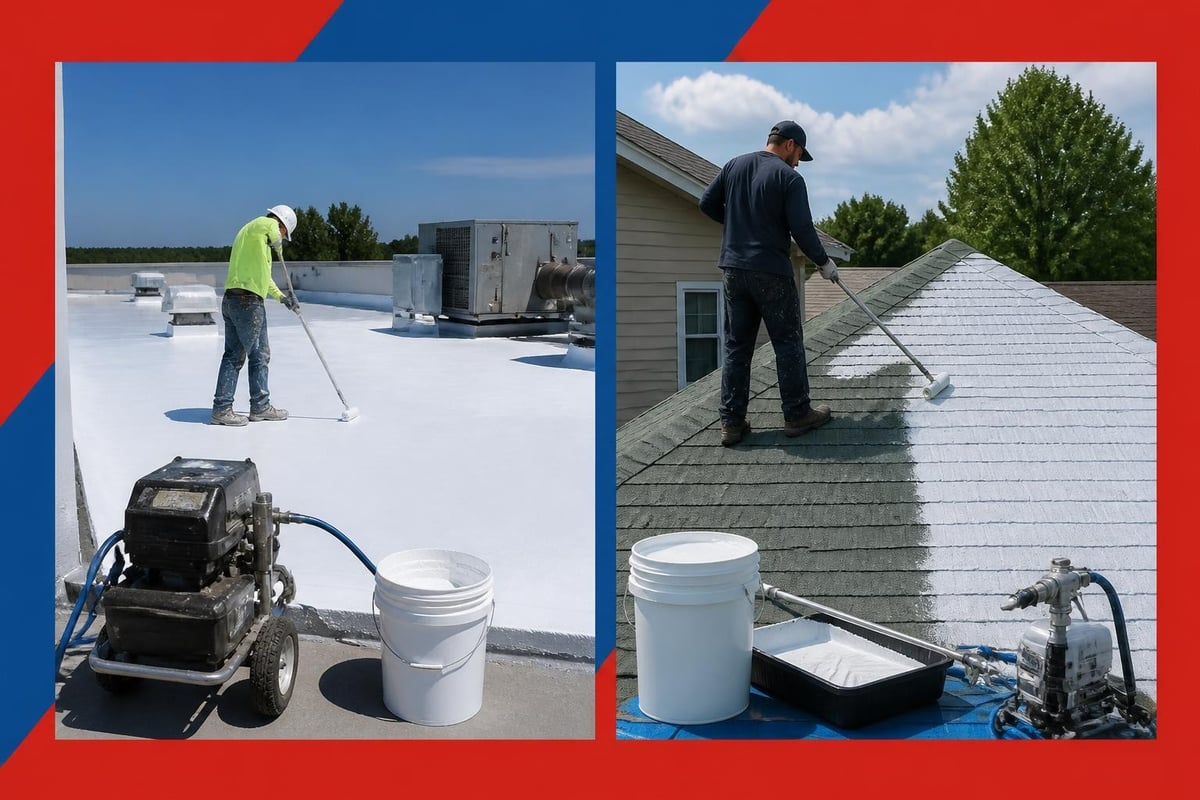
Spray application delivers the most consistent coverage for large commercial roofs and metal systems. High-volume, low-pressure (HVLP) equipment minimizes overspray while ensuring even distribution across complex roof geometries.
Roller application works effectively for residential shingle roofs and smaller projects where precision matters more than speed. This method allows contractors to work coating into textured surfaces while controlling product thickness.
Weather windows significantly impact project success. Ideal conditions include:
- Temperatures between 50°F and 90°F
- Humidity below 85%
- No precipitation forecast for 24-48 hours
- Wind speeds under 15 mph
- Surface temperature above dew point
Spring and fall typically provide optimal conditions in the Joliet area, though summer applications succeed with proper planning. Winter applications require specialized low-temperature formulations and shortened working windows.
Commercial Versus Residential Applications
Roof painting services adapt significantly between commercial and residential contexts. Project scope, coating requirements, and scheduling constraints differ substantially across these sectors.
Residential Roof Painting Considerations
Homeowners prioritize curb appeal enhancement alongside protection benefits. Color selection carries greater importance, with many choosing lighter shades that improve energy efficiency while complementing exterior aesthetics.
Residential roof maintenance programs often incorporate painting services as preventive measures extending shingle lifespan. Family-owned contractors understand homeowner concerns about disruption, cost transparency, and quality assurance.
Commercial Project Requirements
Commercial properties demand coating systems that minimize business interruption while delivering maximum protection. Modified bitumen systems particularly benefit from specialized elastomeric coatings that seal seams and prevent water infiltration.
Property managers value contractors who coordinate with tenant schedules, maintain jobsite safety, and complete projects within compressed timeframes. Commercial roofing contractors experienced in occupied building work understand these operational requirements.
| Project Aspect | Residential | Commercial |
|---|---|---|
| Typical Size | 1,500-3,000 sq ft | 5,000-50,000+ sq ft |
| Application Method | Roller or small spray | Large-scale spray systems |
| Project Duration | 1-3 days | 3-14 days |
| Coating Focus | Aesthetics + protection | Waterproofing + durability |
| Scheduling | Homeowner preference | Minimize business disruption |
Long-Term Maintenance and Performance
Professional roof painting services deliver optimal value when followed by appropriate maintenance programs. Regular inspections and minor touch-ups extend coating performance well beyond initial expectations.
Maintenance Schedule Recommendations
Year 1-2: Annual visual inspections checking for coating integrity, drainage function, and emerging problems. Address any isolated damage promptly before spreading.
Year 3-5: Professional inspection assessing overall coating condition, identifying areas requiring touch-up, and recommending preventive interventions.
Year 5+: Evaluate recoating needs based on visible wear, chalking, or reduced water shedding performance. Many properties benefit from maintenance coats at 7-10 year intervals.
Simple maintenance tasks property owners can perform include:
- Quarterly gutter cleaning preventing water backup
- Removing debris accumulation after storms
- Trimming overhanging branches reducing organic growth
- Monitoring drainage patterns after heavy rainfall
- Documenting coating condition with dated photographs
Professional contractors like Great Roofing provide maintenance programs ensuring coating investments deliver maximum lifespan. These services identify minor issues before requiring major interventions.
Cost Factors and Investment Returns
Understanding roof painting services pricing helps property owners budget appropriately while recognizing value differences between contractor options. Multiple variables influence project costs beyond simple square footage calculations.
Price Determinants
Roof complexity significantly affects labor requirements. Multi-level designs, numerous penetrations, steep slopes, and difficult access increase installation time and safety equipment needs.
Coating quality represents another major cost variable. Premium silicone and polyurethane systems cost 40-60% more than basic acrylic products but deliver substantially longer service life and superior protection.
Surface preparation requirements vary dramatically based on existing roof condition. Heavily deteriorated surfaces requiring extensive cleaning, repairs, and priming increase total project investment.
Average residential roof painting services range from $2.50 to $5.50 per square foot installed, while commercial projects typically run $1.75 to $4.00 per square foot due to economies of scale. These figures include complete surface preparation, primer application where needed, and two topcoat layers.
Selecting Qualified Contractors
Choosing experienced roof painting services providers determines project success more than any other factor. Proper contractor vetting protects property owners from substandard work, safety issues, and warranty complications.
Essential Contractor Qualifications
Licensing and insurance verification should precede any contract signing. Request certificates of insurance showing current general liability and workers' compensation coverage. Many states require specific roofing contractor licenses beyond general contracting credentials.
Project portfolio review reveals contractor experience with specific roofing materials and coating systems. Request references from similar projects completed within the past 18 months.
Warranty structure examination clarifies both material and workmanship coverage. Quality contractors offer 5-10 year workmanship warranties complementing manufacturer product guarantees.
Consider these questions during contractor interviews:
- What surface preparation protocols do you follow?
- Which coating products do you recommend for my specific roof type?
- How do you handle weather delays and project timeline adjustments?
- What safety measures protect workers and my property?
- Can you provide detailed written estimates with product specifications?
Local contractors familiar with regional climate challenges deliver advantages over distant competitors. Joliet roofing companies understand Illinois weather patterns, building codes, and material performance in Midwest conditions.
Color Selection and Energy Performance
Strategic color choices maximize roof painting services benefits beyond appearance improvements. Light-colored coatings significantly reduce cooling loads while dark selections complement architectural styles in cooler climates.
Reflectivity and Heat Reduction
White and light gray coatings reflect 60-85% of solar radiation compared to 5-25% for dark colors. This translates to measurable energy savings during cooling seasons. Property owners in hot climates should prioritize high solar reflectance index (SRI) values when selecting coating products.
Cool roof coatings meeting ENERGY STAR requirements qualify for utility rebates in many jurisdictions. These programs offset initial investment costs while delivering ongoing energy savings.
Aesthetic coordination matters for residential properties. Successful color selection complements existing exterior elements including siding, trim, and landscaping features. Many contractors provide digital visualization tools showing how different coating colors appear on your specific property.
Common Challenges and Solutions
Even properly executed roof painting services encounter occasional challenges requiring professional problem-solving skills. Understanding common issues helps property owners set realistic expectations and recognize quality workmanship.
Adhesion Problems
Coating failure typically results from inadequate surface preparation rather than product defects. Properly cleaned and primed surfaces accept paint readily and maintain adhesion through thermal cycling and weather exposure.
Premature coating breakdown often indicates incompatible products or application during unsuitable weather conditions. Quality contractors guarantee their work and address legitimate warranty claims promptly.
Color Matching and Uniformity
Achieving consistent color across large roof areas requires proper mixing procedures and application techniques. Professional spray equipment delivers superior uniformity compared to roller methods for extensive commercial projects.
Touch-up applications years later may not perfectly match original coating due to weathering and formula changes. Forward-thinking property owners purchase extra coating material for future maintenance needs.
Professional roof painting services deliver exceptional value when executed by experienced contractors using quality materials and proper techniques. From comprehensive surface preparation through final inspection, each project phase contributes to long-term performance and property protection. Whether you're managing commercial buildings or maintaining your family home in Joliet, Great Roofing brings decades of expertise to every roof coating project, ensuring your investment delivers maximum returns through superior craftsmanship and customer service.