


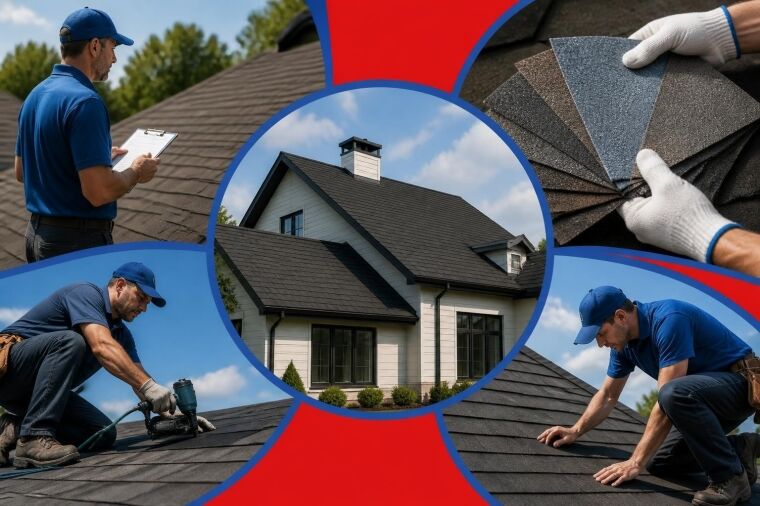
A roof redo represents one of the most significant investments homeowners make in their property's longevity and value. Whether you're dealing with storm damage, aging materials, or simply planning an upgrade, understanding the complete process helps you make informed decisions that protect your home for decades. In the Joliet area and throughout Illinois, homeowners face unique climate challenges that make proper roof replacement critical. This comprehensive guide walks you through every aspect of planning and executing a successful roof redo, from initial assessment to final inspection.
Understanding When You Need a Roof Redo
The first step in any roofing project involves recognizing the signs that your roof requires more than simple repairs. Multiple missing or curling shingles indicate widespread deterioration that patches cannot fix. Granule loss, visible as dark patches on asphalt shingles, signals that your roof's protective layer has worn away.
Key warning signs include:
- Frequent leaks in multiple locations
- Sagging roof deck or visible structural damage
- Age exceeding 20 years for asphalt shingles
- Daylight visible through roof boards from the attic
- Significantly higher energy bills due to poor insulation
Homeowners often wonder whether to repair or replace their roof entirely. A roof redo makes financial sense when repair costs exceed 30% of replacement value or when the roof has reached two-thirds of its expected lifespan. Professional roofing contractors can conduct thorough inspections to determine whether your situation warrants a complete roof redo or if targeted repairs suffice.

Choosing the Right Materials for Your Roof Redo
Material selection dramatically impacts your roof's performance, longevity, and overall project cost. Different roofing materials offer distinct advantages depending on your climate, architectural style, and budget constraints. The comprehensive comparison of major roofing materials provides detailed cost and lifespan data for informed decision-making.
Residential Roofing Material Options
| Material | Average Lifespan | Cost per Square Foot | Best For |
|---|---|---|---|
| Asphalt Shingles | 20-30 years | $3.50-$5.50 | Budget-conscious homeowners, most climates |
| Metal Roofing | 40-70 years | $7-$12 | Energy efficiency, longevity |
| Architectural Shingles | 30-50 years | $4.50-$8 | Enhanced curb appeal, durability |
| Modified Bitumen | 20-30 years | $4-$7 | Low-slope commercial applications |
Asphalt shingles remain the most popular choice for residential properties in the Joliet area due to their affordability and reliable performance. These versatile materials handle Illinois weather extremes effectively, from summer heat to winter freeze-thaw cycles. Top roofing shingles offer various warranties and performance levels to match different budgets and quality expectations.
Climate considerations significantly influence material selection. Metal roofing excels in areas with heavy snow, allowing precipitation to slide off easily. Architectural shingles provide superior wind resistance for storm-prone regions. The roofing materials comparison chart helps homeowners evaluate options based on specific performance criteria.
Planning and Budgeting Your Roof Redo
Financial planning represents a critical component of any successful roof redo project. Total costs vary significantly based on roof size, material selection, structural repairs needed, and regional labor rates. For 2026, homeowners should expect to invest between $8,000 and $25,000 for a complete residential roof replacement.
Major cost factors include:
- Roof square footage and complexity (multiple levels, steep pitch)
- Material quality and warranty coverage
- Removal and disposal of existing roofing
- Structural repairs to decking or rafters
- Permits and inspection fees
Many homeowners explore financing options to manage these substantial expenses. Some find that roof replacement qualifies for home insurance coverage when damage results from covered perils like hail or wind. Understanding your policy details before starting your roof redo can significantly reduce out-of-pocket costs.
Obtaining multiple detailed quotes from licensed contractors ensures competitive pricing and helps identify potential issues. Each estimate should itemize materials, labor, disposal, and any structural work required. Beware of quotes that significantly undercut competitors, as these may indicate substandard materials or incomplete scope understanding.
Timeline Expectations
A typical residential roof redo takes three to five days for completion, though larger or more complex projects may require additional time. Weather delays can extend this timeline, particularly during spring and fall when precipitation is more common. Planning your roof redo during optimal weather windows ensures smoother execution and proper material installation.
Working with Professional Roofing Contractors
Selecting the right contractor makes the difference between a roof redo that lasts decades and one plagued by problems. Licensed, insured professionals bring expertise, proper equipment, and accountability to your project. Finding reliable roofing and construction services requires careful vetting beyond simply comparing prices.
Verify that contractors carry both liability insurance and workers' compensation coverage. This protection shields you from financial responsibility if accidents occur during your roof redo. Request certificates of insurance and confirm coverage directly with insurance providers rather than relying solely on contractor-provided documents.
Experience with your chosen roofing material matters considerably. A contractor skilled in asphalt shingle installation may lack expertise with metal roofing or modified bitumen systems. Ask for references from projects using the same materials you've selected, and follow up with those homeowners about their experiences.
Questions to ask potential contractors:
- How long have you been performing roof redos in this area?
- Can you provide references from projects completed in the last year?
- What warranties cover both materials and workmanship?
- How do you handle unexpected structural damage discovered during tear-off?
- What is your typical timeline from contract signing to project completion?
Homeowners in the Joliet region benefit from working with local contractors familiar with area building codes and climate challenges. Local roof companies understand the specific requirements for proper installation in Illinois weather conditions and maintain established relationships with building inspectors.
Just as a roof redo requires professional expertise, other home improvement projects benefit from specialized knowledge. For instance, when preparing a home for sale, professional home staging services can highlight a property's best features, including a newly installed roof that adds significant curb appeal and buyer confidence.
The Roof Redo Installation Process
Understanding what happens during your roof redo helps you monitor progress and recognize quality workmanship. Professional installations follow systematic procedures that ensure proper material performance and long-term durability.
Tear-Off and Preparation
The project begins with complete removal of existing roofing materials down to the roof deck. This critical step allows contractors to inspect the structural components for damage that might not be visible from below or above. Rotted decking, damaged rafters, or insufficient ventilation become apparent during tear-off.
Quality contractors protect your property during this messy phase. Tarps shield landscaping and siding from falling debris. Magnetic tools collect nails and metal fragments from lawns and driveways. Dumpsters positioned strategically minimize debris scattered across your property.
Deck Inspection and Repair
With old roofing removed, contractors thoroughly examine the roof deck for moisture damage, rot, or structural deficiencies. Any compromised sections require replacement before new roofing installation proceeds. This step proves essential for roof redo success, as installing premium materials over damaged decking undermines the entire investment.
Proper ventilation assessment occurs during this phase. Adequate attic ventilation prevents moisture accumulation that can rot decking and reduce shingle lifespan. Ridge vents, soffit vents, and proper air circulation work together to maintain ideal attic conditions.
Underlayment and Flashing Installation
Ice and water shield goes down first in vulnerable areas like eaves, valleys, and around penetrations. This self-sealing membrane provides critical protection against wind-driven rain and ice dams. Standard underlayment covers the remaining deck, creating a secondary water barrier.
Flashing installation around chimneys, skylights, vents, and wall intersections requires precision and experience. Improperly installed flashing causes the majority of roof leaks, making this one of the most crucial steps in any roof redo. Quality contractors use appropriate metals and proper overlapping techniques to ensure water diverts away from penetrations.
Material-Specific Installation Techniques
Different roofing materials require distinct installation approaches. Understanding these differences helps you recognize whether your contractor follows manufacturer specifications and industry best practices.
Asphalt Shingle Installation
Shingle application begins at the eaves and proceeds upward in overlapping courses. Each shingle requires the correct number of nails placed in manufacturer-specified locations. Over-nailing or under-nailing compromises wind resistance and can void warranties. The detailed guide to asphalt shingle roofing explains proper installation standards.
Hip and ridge shingles receive special attention, as these areas face the most exposure to wind and weather. Contractors use specialized hip and ridge cap shingles designed for these applications, securing them with additional fasteners for enhanced wind resistance.
Commercial Modified Bitumen Systems
Commercial properties often utilize modified bitumen roofing for low-slope applications. This material requires different installation methods, including torch-applied, self-adhering, or cold-applied techniques. Each method demands specific expertise and safety protocols. Professional contractors specializing in commercial roofing understand the unique requirements of these systems.
For property owners considering various options, the guide to roofing material comparison offers insights into factors like installed cost, lifespan, and weather resistance across different material types.
Dealing with Storm Damage and Insurance Claims
Storm events frequently necessitate roof redos throughout the Joliet area. Understanding how to navigate insurance claims streamlines the replacement process and maximizes coverage benefits. Hail damage, in particular, requires professional assessment to document the full extent of impact damage to shingles, flashing, and ventilation components.
After severe weather, prompt inspection identifies damage before secondary issues like leaks develop. Professionals trained in storm damage repair services can document damage thoroughly for insurance purposes. Detailed photo documentation, measurements, and written reports support your claim and justify roof replacement versus simple repairs.
Storm damage documentation should include:
- Photographs of damaged shingles, dents in metal components, and granule loss
- Date and time of storm event with weather service documentation
- Measurements of affected areas and counts of damaged shingles
- Written assessment from licensed roofing contractor
- Estimates for complete roof redo if warranted
Many insurance policies cover roof replacement when storm damage compromises the roof's integrity. However, policies vary significantly in coverage terms, deductibles, and replacement cost provisions. Working with contractors experienced in storm damage insurance claims helps ensure you receive appropriate compensation for your roof redo.
Similar to how roofing requires specialized assessment after storms, other building components need expert evaluation. For instance, professional glass and mirror services can assess and replace windows damaged during the same weather events that compromise roofing systems.
Extending Your New Roof's Lifespan
After investing in a roof redo, proper maintenance maximizes your return on investment. Regular inspections and preventive care can extend roofing material lifespan by years or even decades. Establishing a maintenance schedule immediately after installation protects your investment from the start.
Essential Maintenance Tasks
| Task | Frequency | Purpose |
|---|---|---|
| Gutter cleaning | Twice yearly | Prevents water backup and ice dams |
| Debris removal | Quarterly | Reduces moisture retention and decay |
| Visual inspection | Bi-annually | Identifies minor issues before they escalate |
| Professional inspection | Every 3-5 years | Catches hidden problems and verifies warranty compliance |
Keep trees trimmed away from your roof to prevent branch damage during storms and reduce debris accumulation. Overhanging branches also provide pathways for squirrels and raccoons to access your roof, potentially causing damage to vents and flashing.
Address minor issues immediately rather than deferring repairs. A few missing shingles or a small leak may seem insignificant, but water infiltration accelerates exponentially once it begins. Early intervention prevents the need for another complete roof redo decades before expected.
Energy Efficiency Considerations
Modern roof redos offer opportunities to significantly improve home energy efficiency. Proper insulation, ventilation, and reflective roofing materials reduce heating and cooling costs while enhancing indoor comfort. These upgrades often pay for themselves through energy savings over the roof's lifespan.
Energy-efficient features to consider:
- Cool-roof shingles with reflective granules
- Enhanced attic insulation during deck repairs
- Ridge and soffit vents for improved air circulation
- Radiant barriers to reflect heat in summer months
Light-colored roofing materials reflect more solar radiation than dark colors, reducing cooling loads during summer months. However, in cold climates like Illinois, dark roofs help melt snow and ice more quickly. Balancing these factors based on your specific situation optimizes energy performance year-round.
Proper ventilation proves equally important for energy efficiency. Adequate airflow prevents heat buildup in summer and moisture accumulation in winter. Both conditions reduce insulation effectiveness and accelerate roofing material degradation. A well-planned roof redo addresses ventilation as part of the comprehensive system rather than treating it as an afterthought.
When planning comprehensive home improvements, consider how different projects complement each other. For example, after completing your roof redo, professional TV mounting services can help reorganize interior spaces affected by the project, ensuring optimal placement and viewing angles in rooms where ceiling work may have occurred.
Special Considerations for Historic Homes
Older homes present unique challenges during roof redos that require specialized knowledge and often historical society approval. Matching original materials, maintaining architectural integrity, and working within preservation guidelines add complexity but preserve property value and character.
Some historic districts mandate specific roofing materials or colors to maintain neighborhood aesthetics. Research local requirements before selecting materials for your roof redo. Wood shakes, slate, or specialty tiles may be required even though modern alternatives offer superior performance and longevity.
Structural modifications in historic homes demand careful evaluation. Older rafters and decking may not meet current building codes for spacing and load-bearing capacity. Strengthening these components while respecting original construction techniques requires contractors experienced with historic renovation projects.
Warranty Protection and Documentation
Comprehensive warranty coverage protects your roof redo investment against material defects and workmanship issues. Understanding what warranties cover and their specific terms prevents disappointment when problems arise years after installation.
Roofing warranties typically include two components: manufacturer material warranties and contractor workmanship guarantees. Material warranties cover defects in the shingles or roofing products themselves, while workmanship warranties address installation errors. Both prove essential for complete protection.
Document retention checklist:
- Original contract with itemized scope of work
- All warranty documentation from manufacturer and contractor
- Final inspection reports and permits
- Payment receipts and lien waivers
- Before and after photographs
- Material specification sheets and installation instructions
Register your material warranty with the manufacturer promptly after installation completion. Many manufacturers require registration within specific timeframes to activate coverage. Keep all documentation in a safe, accessible location where future homeowners can find it if you sell your property.
The roofing materials guide comparing types and costs offers additional insights into warranty coverage variations across different material categories, helping you understand what protection to expect from your chosen products.
Seasonal Timing for Your Roof Redo
Project timing significantly impacts installation quality and contractor availability. Understanding seasonal advantages and challenges helps you schedule your roof redo for optimal results and potentially better pricing.
Late summer and early fall represent ideal windows for roofing projects in the Joliet area. Moderate temperatures allow shingles to seal properly, and lower precipitation reduces weather delays. However, this peak season also means higher contractor demand and potentially premium pricing.
Spring presents opportunities but comes with unpredictable weather that may cause project delays. Winter installations prove challenging for asphalt shingles, which require warm temperatures for proper adhesion. Some contractors offer off-season discounts for winter scheduling, though material warranties may not fully cover cold-weather installations.
Plan your roof redo several months in advance to secure preferred contractors and materials. Quality contractors book projects weeks or months ahead during peak seasons. Early planning also provides time to arrange financing, coordinate insurance claims, and prepare your property for the work ahead.
A successful roof redo requires careful planning, quality materials, experienced contractors, and ongoing maintenance to protect your investment for decades. Whether you're addressing storm damage, aging materials, or upgrading your home's protection and efficiency, understanding the complete process ensures informed decisions at every step. Great Roofing brings three generations of family expertise to every residential and commercial project throughout the Joliet area, specializing in both shingle and modified bitumen systems. Contact Great Roofing today to schedule your comprehensive roof assessment and discover how professional craftsmanship transforms your roofing investment into lasting protection and value.