


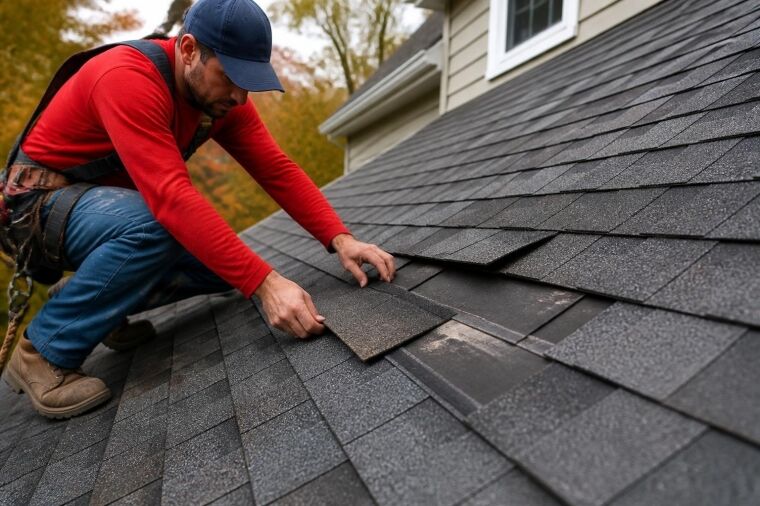
Asphalt shingles remain the most popular roofing material across North American residential properties, covering approximately 80% of homes due to their affordability, durability, and straightforward installation. However, even the highest-quality asphalt roofs require maintenance and occasional repairs to maintain their protective function. Understanding when and how to address asphalt shingle damage can extend your roof's lifespan significantly, protect your property investment, and prevent minor issues from escalating into costly replacements. For homeowners in Joliet and surrounding communities, knowing the fundamentals of roof repair asphalt procedures ensures you make informed decisions when damage occurs.
Understanding Common Asphalt Shingle Damage Types
Asphalt shingles face constant exposure to environmental stressors that gradually compromise their integrity. Identifying damage early allows for targeted repairs that preserve the overall roofing system.
Wind damage represents one of the most frequent repair scenarios. High winds can lift shingle edges, tear entire shingles away, or create creases that allow water penetration. Storm events often cause multiple shingles to sustain simultaneous damage, requiring systematic assessment across the entire roof surface. Property owners should examine their roofs after significant weather events, particularly when neighbors report similar issues.
Physical Impact and Wear Patterns
Hail strikes, falling branches, and debris create distinct damage patterns requiring immediate attention:
- Granule loss: Exposes underlying asphalt layer to UV degradation
- Bruising: Creates soft spots where impact compromised shingle structure
- Cracking: Indicates brittleness from age or thermal cycling
- Blistering: Suggests moisture trapped during manufacturing or installation
Thermal cycling causes expansion and contraction that eventually leads to fatigue cracking. This phenomenon accelerates in climates with significant temperature variations between seasons. The Building America Solution Center provides detailed guidance on how proper installation techniques minimize thermal stress and reduce repair frequency.

Age-Related Deterioration
Even without catastrophic events, asphalt shingles deteriorate predictably over time. Shingles typically carry 20 to 30-year warranties, yet actual performance varies based on installation quality, ventilation, and regional climate factors.
Early degradation signs include:
- Curling shingle edges that no longer lie flat against the roof deck
- Missing granules accumulating in gutters and downspouts
- Visible daylight through roof boards when inspecting from the attic
- Water stains on interior ceilings or walls following precipitation
Professional roof repair asphalt services become essential when these indicators appear. Delaying repairs allows water infiltration that damages underlayment, decking, and structural components, transforming affordable repairs into expensive replacement projects.
Assessment: Repair Versus Replacement Decisions
Determining whether to repair sections or replace the entire roof requires careful evaluation of damage extent, roof age, and long-term cost considerations.
| Factor | Repair Appropriate | Replacement Recommended |
|---|---|---|
| Damage Extent | Isolated areas, <20% of surface | Widespread damage, >30% of surface |
| Roof Age | Less than 15 years old | Approaching or exceeding rated lifespan |
| Leak History | First occurrence, single location | Multiple leaks, recurring problems |
| Appearance | Damage not highly visible | Mismatched shingles, poor aesthetics |
| Insurance Coverage | Minor damage, high deductible | Storm damage, favorable coverage |
The Consumer Reports roofing buying guide offers homeowners independent perspective on repair versus replacement economics. Investing in repairs for roofs nearing end-of-life often proves wasteful when complete failure occurs within months.
For properties experiencing wind damage, professional assessment determines whether isolated shingle replacement suffices or if underlying damage necessitates more comprehensive work. Great Roofing's experienced technicians conduct thorough inspections that identify both visible and hidden damage, ensuring repair recommendations address all affected areas.
Professional Roof Repair Asphalt Techniques
Quality repairs require proper materials, techniques, and attention to detail that match original installation standards. Cutting corners during repairs creates vulnerabilities that fail prematurely.
Shingle Replacement Methodology
Replacing individual damaged shingles involves specific steps that maintain weatherproofing integrity:
- Remove damaged shingle: Carefully lift surrounding shingles and extract nails without causing additional damage
- Inspect substrate: Check underlayment and decking for water damage or deterioration
- Install replacement shingle: Slide new shingle into position, ensuring proper overlap
- Secure with fasteners: Drive roofing nails in designated locations per manufacturer specifications
- Seal exposed edges: Apply roofing cement to adhesive strips and exposed nail heads
Matching replacement shingles to existing materials presents challenges, particularly for discontinued product lines. Experienced contractors maintain relationships with suppliers who stock legacy materials or can recommend acceptable color-matched alternatives. Architectural shingles with distinctive patterns require special attention to maintain visual consistency.
Flashing Repairs and Waterproofing
Flashing around chimneys, vent pipes, valleys, and roof-wall intersections represents the most vulnerable points for water infiltration. Roof repair asphalt projects must address flashing integrity to ensure long-term performance.
Step flashing along walls requires replacement when corrosion or physical damage compromises the metal's ability to channel water. Each piece should extend beneath the shingle above and overlap the shingle below, creating a continuous water barrier. The NRCA roofing guidelines establish industry standards for proper flashing installation that prevent common failure modes.
Valley flashing experiences concentrated water flow that accelerates wear. Open valleys use metal flashing exposed on both sides, while closed valleys weave or cut shingles over waterproof membrane. Repairs must match the original valley construction method to maintain manufacturer warranty coverage.
Emergency Repairs and Temporary Measures
Severe weather sometimes necessitates immediate action before permanent repairs occur. Temporary measures protect property while awaiting proper repairs:
- Tarping: Heavy-duty tarps secured with wooden battens prevent water entry through damaged sections
- Roofing cement: Provides short-term adhesion for lifted shingles during inclement weather
- Emergency patches: Galvanized metal secured over holes until replacement shingles arrive
The Texas Department of Insurance provides guidance on post-storm repair priorities and documentation practices that support insurance claims. Property owners should photograph damage before and after temporary repairs, maintaining records of all emergency measures taken.
Materials Selection for Durable Repairs
Using appropriate materials ensures repairs perform equivalently to original installation and maintain warranty coverage.
Shingle Matching Considerations
Three-tab shingles offer simpler matching than dimensional or architectural styles. When exact matches prove unavailable, contractors should:
- Source shingles from the same manufacturer within the same product line
- Match granule color, texture, and weight specifications
- Consider using salvaged shingles from inconspicuous roof sections for visible repairs
- Replace entire slopes when partial matching creates unacceptable appearance
The Asphalt Roofing Manufacturers Association publishes technical bulletins addressing compatibility between different product generations and proper material storage preventing premature degradation.
Underlayment and Accessory Components
Quality roof repair asphalt work extends beyond visible shingles to supporting components:
| Component | Standard Option | Premium Option | Application |
|---|---|---|---|
| Underlayment | #15 felt paper | Synthetic membrane | Beneath replaced shingles |
| Ice/Water Barrier | 36" self-adhered | Full coverage | Eaves, valleys, penetrations |
| Roofing Cement | Asphalt-based | Polyurethane | Flashing, repairs |
| Fasteners | Galvanized nails | Stainless steel | All attachments |
| Ridge Caps | Standard caps | High-profile caps | Ridge repairs |
Premium materials cost more initially but deliver superior longevity, particularly in challenging climate conditions. Mixing material grades within repair areas compromises overall performance, making consistent quality specifications essential.
Cost Factors and Budgeting for Asphalt Repairs
Repair costs vary significantly based on damage extent, accessibility, material requirements, and regional labor rates. Understanding cost components helps homeowners budget appropriately and evaluate contractor proposals.
Minor repairs addressing fewer than ten shingles typically range from three hundred to eight hundred dollars, depending on roof pitch and access difficulty. These projects often complete within hours and require minimal material investment.
Moderate repairs involving valley replacement, extensive flashing work, or multiple damaged sections cost between one thousand and three thousand dollars. Complex repairs may require scaffolding or specialized equipment that increases labor expenses.
Major repairs approaching replacement territory can exceed five thousand dollars when structural decking requires replacement or multiple roof planes need attention. At this threshold, homeowners should seriously consider whether roof replacement provides better long-term value.
Insurance Claim Considerations
Homeowner's insurance typically covers sudden, accidental damage rather than maintenance-related deterioration. Storm damage, falling trees, and similar events generally qualify for coverage, while age-related wear does not.
Documenting damage properly strengthens insurance claims:
- Photograph damage from multiple angles before any work begins
- Obtain professional assessment reports detailing cause and extent
- Request itemized repair estimates separating materials and labor
- Maintain records of all communications with adjusters and contractors
- Understand policy deductibles and coverage limitations before filing claims
Working with experienced contractors familiar with insurance procedures streamlines claims processing. Great Roofing assists property owners throughout the claims process, providing detailed documentation that supports fair settlements and ensures all covered damage receives proper attention.
Preventive Maintenance Reducing Repair Frequency
Proactive maintenance extends asphalt roof lifespan and minimizes emergency repair scenarios. Regular inspections identify developing problems before they cause significant damage.
Seasonal Inspection Schedules
Conducting inspections twice annually-spring and fall-catches damage from winter weather and summer storms. Homeowners can perform basic visual assessments from the ground using binoculars, looking for:
- Missing, curling, or damaged shingles
- Damaged or loose flashing around penetrations
- Granule accumulation in gutters suggesting shingle deterioration
- Sagging areas indicating potential structural issues
- Moss, algae, or vegetation growth requiring removal
Professional inspections every three to five years provide more thorough assessment, including attic ventilation evaluation and underlayment condition checks invisible from exterior observation.
Gutter Maintenance Connection
Properly functioning gutters protect roof edges and prevent water backup beneath shingles. Clogged gutters force water under the first shingle course, saturating underlayment and causing premature failure.
Regular gutter cleaning removes debris that blocks drainage and creates standing water. Installing gutter guards reduces maintenance frequency while ensuring consistent water flow away from the roof structure. Once gutters are clear, routine cleaning of your property's interior surfaces by professional services like Easy Peasy Cleaning helps maintain the overall cleanliness and appeal of your home after exterior work is completed.
Ventilation and Attic Climate Control
Adequate attic ventilation prevents heat and moisture buildup that accelerates shingle degradation from beneath. Proper ventilation maintains shingle temperature closer to ambient conditions, reducing thermal stress cycles.
Balanced intake and exhaust ventilation creates continuous airflow that removes moisture before condensation damages decking or insulation. Ridge vents paired with soffit vents provide effective passive ventilation for most residential applications.
Environmental and Safety Considerations
Roof repair asphalt projects generate waste requiring proper disposal and involve elevated work presenting safety hazards. Responsible contractors address both environmental stewardship and worker protection.
Shingle Recycling Opportunities
Tear-off asphalt shingles contain petroleum products recyclable into paving materials and other applications. ShingleRecycling.org provides resources identifying recycling facilities accepting asphalt roofing materials.
Recycling diverts waste from landfills and reduces raw material consumption in manufacturing. Contractors should inquire about local recycling programs and factor recycling costs into project estimates. Some municipalities mandate construction waste recycling, making compliance necessary beyond environmental benefits.
Safety Equipment and Protocols
Professional roof work requires proper safety equipment and training that homeowners typically lack. Fall protection systems, appropriate footwear, and weather awareness prevent accidents during roof repair asphalt projects.
Contractors should maintain:
- Fall arrest systems: Harnesses, anchors, and lanyards for steep-pitch roofs
- Ladder safety: Proper setup, three-point contact, and secure positioning
- Tool management: Organized work areas preventing trip hazards
- Weather monitoring: Avoiding work during wet, windy, or extreme temperature conditions
Property owners should verify contractors carry adequate liability insurance and workers' compensation coverage protecting against accident-related claims. Similarly, when construction work extends to pool areas or outdoor spaces, ensuring that contractors like AM BUILDS CA follow proper safety protocols protects your entire property investment.
Working with Professional Roofing Contractors
Selecting qualified contractors ensures repairs meet industry standards and provide lasting protection. The difference between adequate and excellent repairs often lies in contractor expertise and commitment to quality.
Credentials and Qualifications
Reputable roofing contractors demonstrate their expertise through:
- Licensing and insurance: Verify current general contractor license and liability coverage
- Manufacturer certifications: Completion of product-specific training programs
- Industry association membership: Participation in organizations like NRCA
- Local references: Verifiable project history within your community
- Written warranties: Guarantees covering both materials and workmanship
Great Roofing maintains manufacturer certifications and employs trained technicians familiar with proper installation techniques for various asphalt shingle products. This expertise ensures repairs integrate seamlessly with existing roof systems and maintain warranty coverage.
Project Communication and Documentation
Clear communication throughout the repair process prevents misunderstandings and ensures satisfactory outcomes. Contractors should provide:
- Detailed written estimates itemizing all work, materials, and costs
- Project timelines establishing realistic completion expectations
- Regular progress updates keeping property owners informed during work
- Final walkthrough confirming all work meets specifications before payment
Maintaining professional standards throughout commercial projects often requires coordinating with other service providers. For commercial properties, ensuring that areas like entryways remain clean during construction may involve partnering with services such as Shelton’s Janitorial to maintain professional appearances during renovation work.
Warranty Coverage Understanding
Quality repairs include warranties protecting against premature failure. Understanding warranty terms prevents disputes and ensures appropriate recourse if problems develop.
Material warranties from manufacturers typically cover defects for periods ranging from twenty to fifty years, depending on product grade. These warranties require proper installation by certified contractors and may exclude damage from improper maintenance or extreme weather.
Workmanship warranties from contractors guarantee installation quality for periods typically ranging from one to ten years. These warranties should cover labor costs for correcting installation errors but may exclude damage from subsequent storms or normal wear.
Reading warranty documents carefully before project commencement clarifies coverage scope and maintenance requirements preserving warranty validity. Additionally, maintaining proper site safety throughout the project-including clear signage from suppliers like SafetySignsForSale-demonstrates contractor professionalism and attention to detail.
Regional Considerations for Joliet Properties
Local climate patterns and building codes influence appropriate roof repair asphalt techniques and material selections for Joliet-area properties.
Climate-Specific Challenges
Northern Illinois experiences significant temperature variations between summer heat and winter cold. This thermal cycling stresses asphalt shingles through repeated expansion and contraction, accelerating aging compared to more temperate regions.
Winter ice damming occurs when heat loss through roofs melts snow that refreezes at eaves, creating ice barriers that force water beneath shingles. Installing ice and water barrier membranes along eaves and in valleys prevents damage from this phenomenon.
Summer storms bring high winds, hail, and heavy precipitation that test roof integrity. Regular inspections following severe weather identify damage before minor issues escalate into major problems requiring extensive repairs.
Code Compliance Requirements
Local building codes establish minimum standards for roofing work, including:
- Wind resistance ratings: Shingles must meet specified uplift resistance for regional wind speeds
- Fire ratings: Class A fire resistance typically required for residential applications
- Permit requirements: Determining when repairs trigger permit and inspection obligations
- Energy efficiency: Reflectivity and insulation standards reducing heating and cooling costs
Working with precision roofing and construction professionals familiar with Joliet requirements ensures repair work meets all applicable codes and avoids potential enforcement issues that delay project completion or require corrective work.
Proper roof repair asphalt techniques extend your roof's protective lifespan, prevent costly water damage, and maintain your property's value and curb appeal. Whether addressing storm damage, age-related wear, or isolated failures, working with experienced professionals ensures repairs meet industry standards and provide lasting protection. Great Roofing brings decades of family-owned expertise to every repair project, combining thorough assessments with quality workmanship that Joliet homeowners trust. Contact our team today for a comprehensive roof evaluation and detailed repair recommendations tailored to your property's specific needs.