

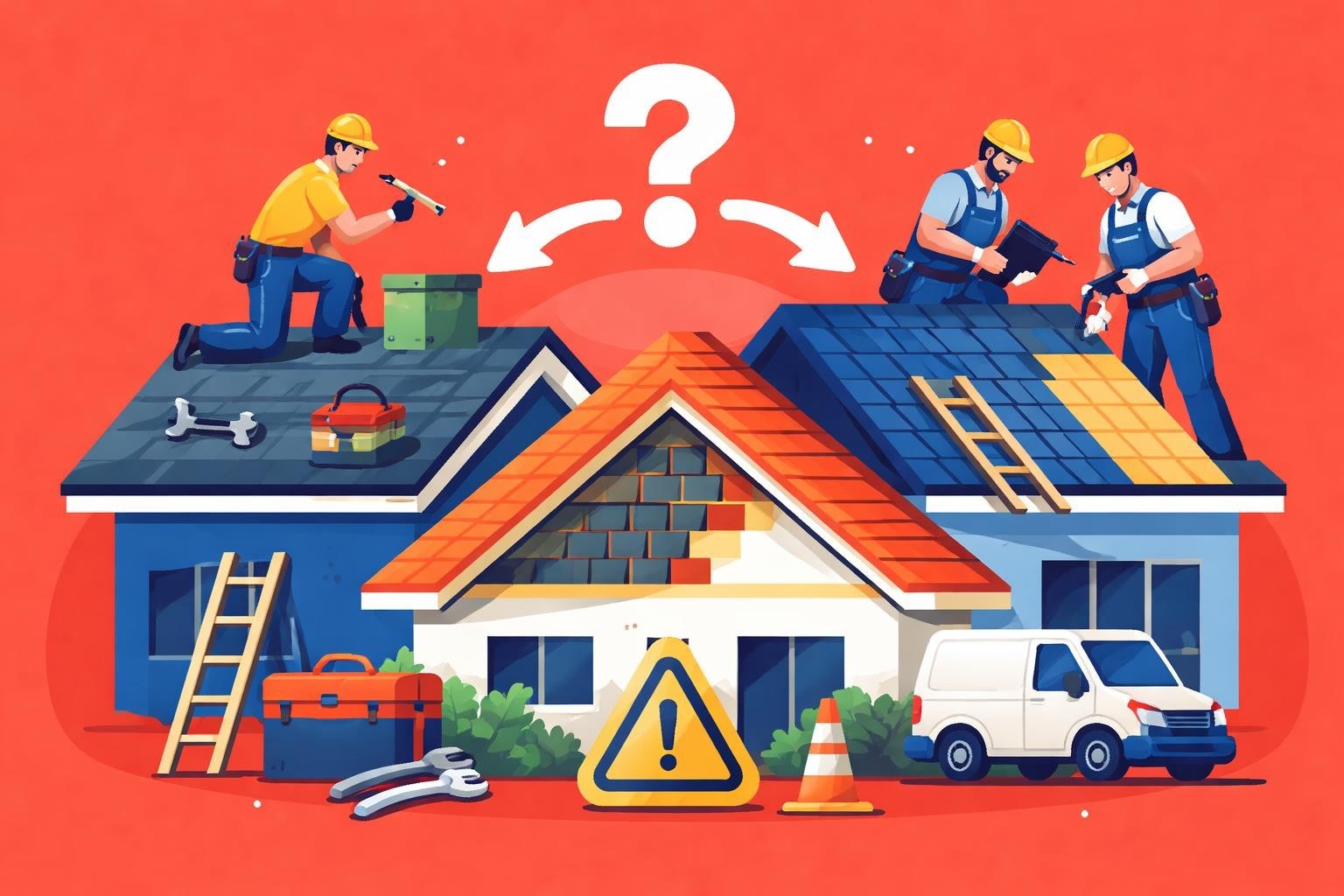
Homeowners facing damaged shingles, minor leaks, or worn flashing often wonder whether they can handle roof repair diy projects themselves or should hire professionals. While some roofing tasks are manageable for experienced DIYers with the right tools and safety equipment, many repairs require specialized knowledge and professional expertise to prevent further damage or personal injury. Understanding the scope of your roof's issues, your own capabilities, and the potential risks involved will help you make an informed decision that protects both your investment and your safety.
Understanding When Roof Repair DIY Makes Sense
Not every roofing issue requires professional intervention, but knowing which tasks you can safely tackle yourself requires honest assessment of your skills and the project scope. Simple maintenance tasks like cleaning gutters, removing debris, or replacing a single damaged shingle might fall within the capabilities of a confident homeowner with proper safety equipment.
Suitable DIY Tasks:
- Replacing individual asphalt shingles that have blown off
- Cleaning and clearing gutters and downspouts
- Removing moss or debris from roof surfaces
- Applying roof sealant to small, accessible areas
- Inspecting for visible damage from ground level
However, even these seemingly straightforward tasks come with significant risks. According to professional roofing safety experts, falls from roofs account for thousands of injuries annually, many occurring during DIY projects. Before climbing onto your roof, ensure you have proper fall protection equipment, stable ladder placement, and someone aware of your activities.
Evaluating Your Roofing Knowledge
The complexity of modern roofing systems extends far beyond visible shingles. Understanding underlayment, ventilation, flashing details, and moisture barriers requires extensive knowledge that professionals develop through years of training and hands-on experience.
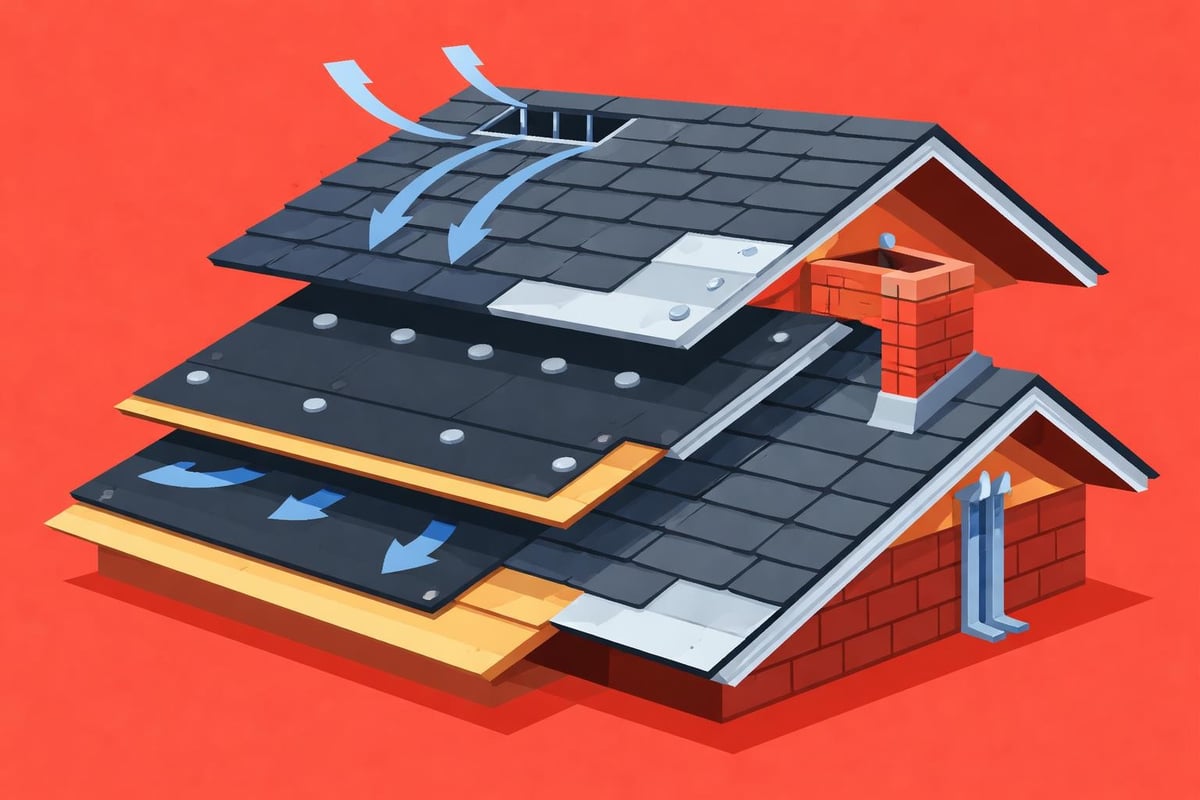
A thorough roof installation and inspection guide reveals how interconnected roof components work together. Improper repair of one element can compromise the entire system, leading to more extensive damage than the original problem. Great Roofing regularly encounters situations where well-intentioned DIY repairs created additional issues requiring more costly professional remediation.
Essential Tools and Materials for Basic Repairs
If you decide to proceed with roof repair diy work, having the correct tools and materials is non-negotiable. Cutting corners on equipment quality or safety gear significantly increases risk and reduces repair effectiveness.
| Tool Category | Required Items | Purpose |
|---|---|---|
| Safety Equipment | Fall harness, non-slip boots, hard hat, safety glasses | Personal protection and fall prevention |
| Basic Tools | Hammer, pry bar, utility knife, chalk line, measuring tape | Shingle removal and installation |
| Specialized Items | Roofing nailer, nail gun, shingle cutter | Professional-grade installation |
| Materials | Matching shingles, roofing nails, underlayment, flashing, sealant | Repair components |
Quality materials matter significantly in roof longevity. Purchasing contractor-grade products rather than big-box store alternatives often makes the difference between a repair lasting years versus months. When working with asphalt shingle roofing, matching the existing shingle style, color, and quality ensures proper performance and aesthetic consistency.
Weather Considerations and Timing
Timing your roof repair diy project correctly impacts both safety and results. Wet conditions create hazardous working surfaces, while extreme temperatures affect material installation and adhesive properties.
Optimal Repair Conditions:
- Dry weather with no rain forecasted for 48 hours
- Temperatures between 45°F and 85°F
- Light wind conditions (under 15 mph)
- Good visibility and daylight hours
- Stable atmospheric pressure
Early morning work allows you to complete repairs before afternoon heat makes shingles soft and easily damaged. However, extremely cold conditions make shingles brittle and difficult to work with. Planning your summer roof maintenance during moderate weather provides ideal conditions for inspection and minor repairs.
Common DIY Roof Repairs and Step-by-Step Approaches
Understanding proper technique separates successful repairs from projects that create additional problems. Even simple tasks require methodical approaches and attention to detail.
Replacing Individual Asphalt Shingles
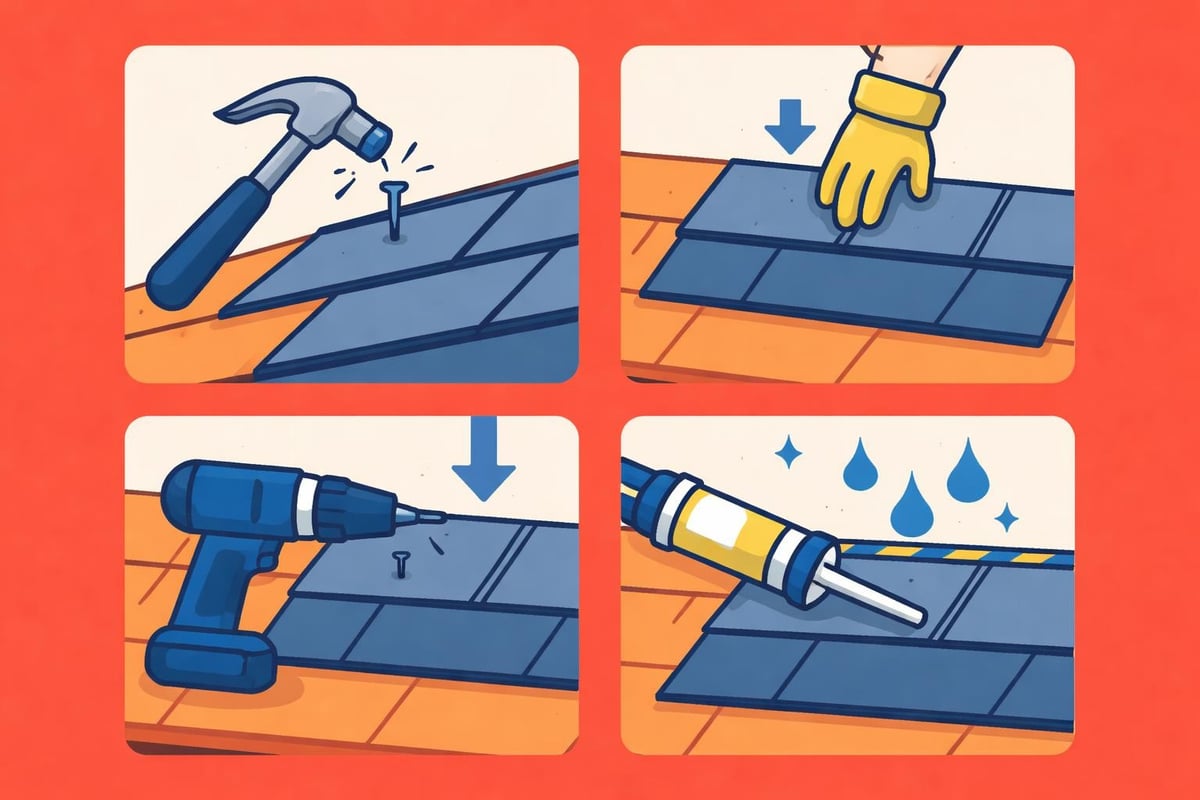
When a few shingles have blown off or cracked, replacement seems straightforward, but improper technique can damage surrounding shingles or compromise the waterproof seal.
- Preparation: Gather replacement shingles that match your existing roof in color, style, and thickness
- Removal: Carefully lift surrounding shingles and remove nails from damaged shingle using a pry bar
- Installation: Slide new shingle into position, ensuring proper overlap with surrounding shingles
- Securing: Nail shingle in place using four nails, positioned according to manufacturer specifications
- Sealing: Apply roofing sealant to nail heads and shingle edges for weatherproofing
The NRCA Repair Manual for Asphalt Shingle Roof Systems provides detailed photo illustrations showing proper techniques that ensure long-lasting repairs. Rushing through these steps or improvising methods often results in premature failure.
Addressing Minor Flashing Issues
Flashing around chimneys, vents, and valleys represents the most common leak source on residential roofs. While major flashing replacement requires professional expertise, minor sealant application might fall within DIY capabilities.
Warning Signs Requiring Professional Help:
- Rust or corrosion on metal flashing
- Gaps larger than 1/4 inch between flashing and roof deck
- Bent, damaged, or improperly installed flashing
- Water stains on interior ceilings near flashing locations
Minor sealant touch-ups should use high-quality roofing cement or appropriate sealant for your flashing material. However, understanding when roof repair exceeds DIY capabilities prevents turning small issues into major problems.
Significant Risks of Roof Repair DIY Projects
Beyond obvious fall hazards, numerous risks accompany DIY roofing work that homeowners often underestimate. Understanding these dangers helps you make informed decisions about when to call professionals.
Personal Safety Hazards
Working at heights presents inherent dangers even for experienced contractors using proper safety equipment. Homeowners attempting roof repair diy often lack fall protection training, appropriate harnesses, and proper ladder setup knowledge.
Falls account for the majority of roofing injuries, but other hazards include:
- Electrical shock from power lines near roof edges
- Heat exhaustion during summer repairs
- Tool injuries from improper equipment use
- Structural collapse from walking on weakened roof sections
- Weather exposure to lightning, wind, or sudden storms
Professional roofing contractors carry liability insurance, workers compensation, and extensive safety training. When accidents occur during DIY projects, homeowners bear full responsibility for medical costs, property damage, and potential legal liability if someone else gets injured.
Hidden Damage and Missed Problems
Perhaps the greatest risk in roof repair diy work involves what you cannot see. Visible damage often indicates more extensive underlying issues that require professional diagnosis.
According to roof failure experts, accurate diagnosis of roofing problems requires understanding complex interactions between roof components, building systems, and environmental factors. A missing shingle might signal wind damage, improper installation, or structural movement. Without proper investigation, you address symptoms rather than root causes.
| Visible Problem | Potential Hidden Issues | Professional Diagnosis Required |
|---|---|---|
| Missing shingles | Wind uplift, improper installation, deck damage | Yes |
| Small leak | Compromised underlayment, multiple penetration points | Yes |
| Curled shingles | Ventilation problems, aged materials, deck movement | Yes |
| Granule loss | Hail damage, wear, manufacturing defect | Yes |
Great Roofing frequently encounters situations where DIY repairs masked serious problems until they became emergencies requiring complete roof replacement. What might have been a modest professional repair becomes a major expense when delayed or improperly addressed.
When Professional Expertise Becomes Essential
Certain roofing situations demand professional intervention regardless of your DIY confidence or experience level. Recognizing these circumstances protects your home investment and personal safety.
Complex Structural Issues
Any repair involving roof structure, including rafters, trusses, or decking, exceeds DIY capabilities. These components provide critical support for your entire roof system, and improper repairs can lead to catastrophic failure. Professionals understand load distribution, proper framing techniques, and building code requirements that ensure structural integrity.
Situations Requiring Professional Assessment:
- Sagging roof sections or visible deflection
- Water damage to roof decking or structural members
- Ice dam damage affecting multiple roof areas
- Storm damage requiring insurance claims
- Complete roof system failures or extensive leak areas
Many homeowners wonder why DIY roof repair isn’t recommended for these situations. The answer lies in liability, warranty concerns, and the complexity of modern building codes. Professional contractors provide warranties on workmanship, carry proper insurance, and understand local building requirements that DIY projects cannot match.
Insurance and Warranty Considerations
Attempting roof repair diy work can void existing warranties on both materials and previous professional work. Most shingle manufacturers require certified contractor installation to maintain product warranties, and DIY repairs often disqualify you from coverage if problems develop.
Insurance claims present additional complications. After storm damage, insurance adjusters assess both initial damage and subsequent repairs. Amateur repair attempts can:
- Void insurance coverage by suggesting inadequate maintenance
- Create additional damage that insurers won't cover
- Complicate damage assessment and claim processing
- Reduce settlement amounts due to improper repairs
Working with established contractors like Great Roofing ensures proper documentation, warranty protection, and insurance coordination that DIY approaches cannot provide. For roof insurance claims, professional documentation and repair estimates often mean the difference between claim approval and denial.
Preventive Maintenance Reduces Repair Needs
The most effective roof repair diy strategy involves preventing damage through regular maintenance rather than attempting complex repairs. Proactive homeowners can extend roof life significantly through simple inspection and maintenance routines.
Regular Inspection Protocols
Conducting thorough roof inspections twice annually helps identify minor issues before they become major problems. Spring and fall inspections, combined with post-storm assessments, catch damage early when repairs are simpler and less expensive.
DIY Inspection Checklist:
- Check for missing, damaged, or curled shingles from ground level
- Inspect gutters for granule accumulation indicating shingle wear
- Look for moss, algae, or debris accumulation
- Examine flashing around chimneys, vents, and valleys with binoculars
- Check attic for water stains, daylight penetration, or moisture issues
- Document findings with photos and notes
The Roofing Learning Center offers detailed guidance on conducting effective roof inspections without climbing onto potentially dangerous surfaces. Many issues can be identified from ground level using quality binoculars or zoom cameras.
Simple Maintenance Tasks
While complex roof repair diy projects carry significant risks, routine maintenance falls well within homeowner capabilities and dramatically extends roof life.
Low-Risk Maintenance Activities:
- Trim overhanging tree branches that drop debris or scrape shingles
- Remove leaves, branches, and organic matter from roof surfaces
- Clean gutters and downspouts seasonally
- Ensure proper attic ventilation through unobstructed soffit vents
- Apply zinc or copper strips to prevent moss and algae growth
- Monitor and address minor sealant needs around penetrations
These preventive measures require minimal technical skill but provide substantial protection against common roofing problems. Homeowners who invest time in regular maintenance reduce repair frequency and extend the interval between major roofing projects.
Finding Professional Help When Needed
Recognizing when your project exceeds DIY capabilities represents wisdom rather than defeat. Professional roofing contractors bring expertise, equipment, safety protocols, and warranties that protect your investment.
Selecting Qualified Contractors
Not all roofing contractors provide equal quality or service. Research and due diligence help you identify reputable professionals who deliver lasting results.
Contractor Selection Criteria:
- Valid licensing and insurance documentation
- Established local presence and reputation
- Manufacturer certifications for products they install
- Written warranties on both materials and workmanship
- References from recent projects similar to yours
- Transparent pricing and detailed project proposals
Resources like Roof Repair Authority provide directories of verified contractors and educational content helping homeowners make informed decisions. Local contractors familiar with regional weather challenges and building codes often provide superior service compared to national chains or fly-by-night operators.
Understanding Professional Value
Professional roofing services cost more than roof repair diy materials alone, but this investment includes significant value beyond labor:
| Professional Service Component | DIY Equivalent | Value Difference |
|---|---|---|
| Accurate problem diagnosis | Visual inspection | Comprehensive assessment preventing recurring issues |
| Code-compliant installation | Best-guess approach | Legal compliance and resale value protection |
| Material warranties | Consumer-grade products | Contractor pricing and extended coverage |
| Liability insurance | Personal risk | Protection from injury costs and property damage |
| Workmanship warranties | No guarantees | Years of repair coverage |
When considering whether to attempt roof repair diy or hire professionals, calculate total project costs including safety equipment, tools, materials, time investment, and risk factors. Professional services often provide better value when these factors are honestly assessed.
For homeowners in the Joliet area, local expertise matters significantly. Understanding regional weather patterns, common roofing issues, and local building requirements ensures repairs address specific challenges rather than applying generic solutions.
While some homeowners successfully complete minor roof repairs themselves, understanding the limitations and risks of DIY roofing helps protect both your safety and your home's integrity. Regular maintenance and honest assessment of your capabilities determine when self-help makes sense and when professional expertise becomes essential. When your roofing needs exceed DIY capabilities, Great Roofing brings family-owned dedication and professional expertise to residential and commercial projects throughout Joliet, delivering quality repairs that protect your investment for years to come.