


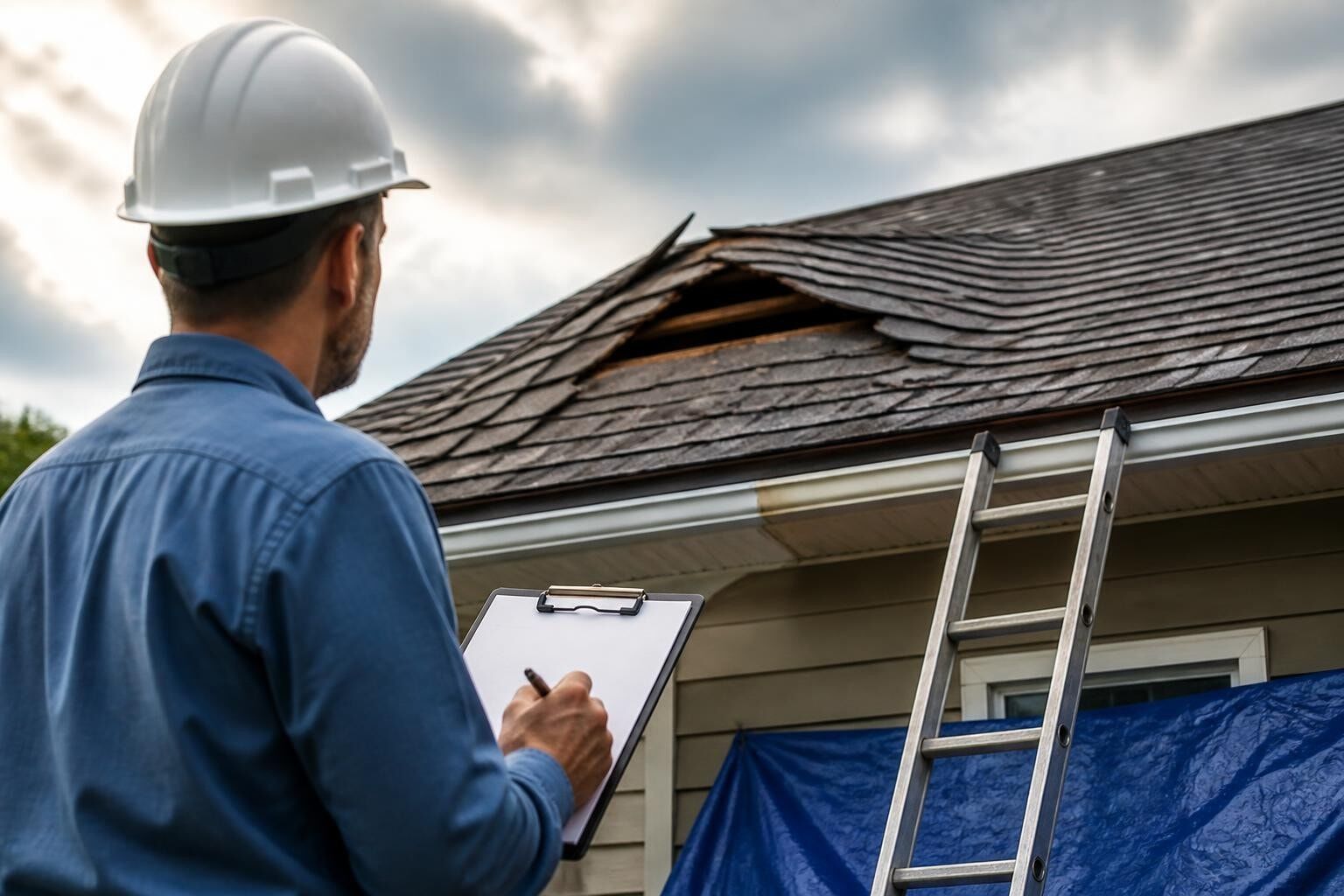
Understanding roof repair insurance can save homeowners thousands of dollars when storm damage strikes. Most homeowners assume their policy automatically covers all roof repairs, but the reality involves deductibles, coverage limits, depreciation calculations, and claim procedures that vary significantly between insurers. Whether you're dealing with hail damage, wind-torn shingles, or aging materials, knowing what your policy covers and how to navigate the claims process ensures you protect your investment while avoiding common pitfalls. This comprehensive guide breaks down coverage types, claim procedures, documentation requirements, and strategies for maximizing your roof repair insurance benefits.
Understanding What Roof Repair Insurance Covers
Homeowners insurance typically covers roof damage caused by sudden, accidental events rather than gradual wear and tear. Standard policies protect against perils like wind, hail, fire, fallen trees, and vandalism, but exclude damage from poor maintenance or normal aging.
Covered perils under most policies include:
- Wind damage from storms and tornadoes (typically covers wind speeds above policy thresholds)
- Hail impact that cracks, dents, or punctures roofing materials
- Fire and lightning strikes
- Falling objects including trees, branches, or aircraft debris
- Vandalism and malicious mischief
- Weight of ice or snow (subject to regional policy variations)
The National Insurance Crime Bureau warns about contractor fraud following major storms, emphasizing the importance of understanding your actual coverage before signing repair agreements.

Exclusions and Limitations
Insurance companies exclude certain types of roof damage from standard coverage. Maintenance-related deterioration, cosmetic damage that doesn't affect function, and pre-existing conditions typically fall outside policy protection.
Common exclusions include damage from neglect, wear and tear from age, mold or rot from poor ventilation, and cosmetic issues like fading or minor granule loss. Many policies also limit coverage based on roof age, applying depreciation schedules that reduce payouts for roofs older than 10-15 years.
When working with insurance claims, homeowners should review their policy's specific exclusions and understand how age affects their coverage tier.
Types of Coverage: ACV vs. Replacement Cost
The difference between Actual Cash Value and Replacement Cost coverage dramatically impacts your out-of-pocket expenses for roof repairs. Understanding these valuation methods helps you choose the right policy and set realistic claim expectations.
| Coverage Type | Definition | Payout Calculation | Homeowner Cost |
|---|---|---|---|
| Actual Cash Value (ACV) | Market value after depreciation | Replacement cost minus age/wear depreciation | Higher out-of-pocket for older roofs |
| Replacement Cost Value (RCV) | Full replacement without depreciation | Current cost to replace with similar materials | Lower out-of-pocket, higher premiums |
| Guaranteed/Extended Replacement | Exceeds policy limits for replacement | 120-150% of dwelling coverage limit | Highest premiums, best protection |
The NAIC explains the critical differences between ACV and RCV coverage, noting that replacement cost policies typically require homeowners to complete repairs before receiving full reimbursement.
How Depreciation Affects Your Claim
Insurance adjusters apply depreciation formulas based on your roof's age and expected lifespan. For asphalt shingle roofs with a 20-25 year life expectancy, depreciation typically accrues at 4-5% annually after the first 10 years.
A 15-year-old roof requiring $12,000 in replacement costs might receive only $8,000 under ACV coverage after 33% depreciation, leaving homeowners responsible for the $4,000 gap plus their deductible. Replacement cost policies eliminate this depreciation penalty but often withhold a portion of the payment until repairs are complete.
Filing a Roof Repair Insurance Claim
The claims process requires prompt action, thorough documentation, and clear communication with both your insurer and contractor. Following proper procedures protects your claim rights and maximizes your settlement potential.
Essential steps for filing claims:
- Document damage immediately with photographs from ground level and close-ups showing specific issues
- Prevent further damage by tarping exposed areas or making emergency temporary repairs
- Review your policy to understand coverage limits, deductibles, and claim filing deadlines
- Contact your insurer within the timeframe specified in your policy (typically 24-72 hours for storm damage)
- Schedule professional inspection from a licensed contractor to assess full extent of damage
- Meet the insurance adjuster during their inspection to point out all damaged areas
Great Roofing's experience with roof insurance claims in the Joliet area demonstrates that comprehensive documentation and professional contractor involvement significantly improve claim outcomes.
Working With Insurance Adjusters
Insurance adjusters evaluate damage to determine claim validity and payout amounts. Their assessment focuses on whether damage resulted from a covered peril, the extent of necessary repairs, and appropriate cost estimates.
Homeowners should accompany adjusters during roof inspections, pointing out all damage areas including secondary issues like damaged flashing, ventilation, or gutters. Taking notes during the inspection and requesting copies of the adjuster's report ensures transparency and provides documentation for potential disputes.
Common Challenges and How to Overcome Them
Roof repair insurance claims frequently encounter obstacles ranging from coverage disputes to lowball settlements. Understanding these challenges and response strategies protects homeowners from unfair denials or inadequate payouts.
Claim Denials and Disputes
Insurers may deny claims for pre-existing damage, maintenance-related issues, or insufficient evidence of covered perils. Weather event timing becomes critical when insurers argue damage occurred outside the reported storm window.
When facing denial, homeowners should request detailed written explanations citing specific policy language, obtain independent contractor assessments documenting storm damage, and review weather records from the National Weather Service that correlate damage timing with documented hail or wind events.
Many policies include appraisal clauses allowing neutral third-party evaluation when claim amounts are disputed. This formal process involves each party selecting an appraiser, with disagreements resolved by an independent umpire.
Assignment of Benefits Concerns
Some contractors request assignment of benefits (AOB), transferring claim rights directly to the repair company. While this arrangement simplifies the process for homeowners, it carries significant risks.
The NAIC cautions consumers about AOB agreements, noting that signing over claim control can lead to inflated repair costs, litigation between contractors and insurers, and potential policy cancellation. Homeowners lose negotiation leverage and may remain liable for costs exceeding insurance payouts.
Maximizing Your Roof Repair Insurance Benefits
Strategic preparation and informed decision-making increase claim settlements while reducing out-of-pocket expenses. Proactive measures before damage occurs and smart choices during the claims process protect your financial interests.
Pre-Loss Prevention and Documentation
Maintaining detailed roof records strengthens future claims. Keep installation receipts, maintenance logs, inspection reports, and upgrade documentation in a secure location accessible after disasters.
Preventive documentation should include:
- Original installation contracts with material specifications
- Annual inspection reports from licensed contractors
- Photographs documenting roof condition before storm seasons
- Records of all repairs, maintenance, and improvements
- Warranty information for materials and workmanship
Regular professional inspections identify minor issues before they escalate into major damage that insurers might attribute to neglect. Consider scheduling inspections after severe weather even without visible damage, as hidden issues often worsen over time.
Choosing Impact-Resistant Materials
Upgrading to impact-resistant roofing materials can reduce insurance premiums while improving storm resilience. Many insurers offer discounts ranging from 10-35% for Class 4 impact-rated shingles in hail-prone regions.
The IBHS impact resistance test protocol establishes performance standards that help homeowners and insurers evaluate shingle durability. Their hail performance ratings provide objective data for comparing products and justifying premium discounts.
When planning roof replacements, discuss insurance credit eligibility with your carrier and select materials that maximize both protection and cost savings.
Special Considerations for Different Roof Types
Roof repair insurance coverage varies based on roofing material, architectural complexity, and installation age. Understanding these distinctions helps homeowners set appropriate expectations and negotiate effectively with adjusters.
Asphalt Shingle Coverage
Asphalt shingles represent the most common residential roofing material, with coverage following standard homeowners policy terms. Three-tab shingles typically face steeper depreciation than architectural shingles due to shorter expected lifespans.
Insurers often require full roof replacement when damage exceeds 25-30% of total surface area, though this threshold varies by company and state regulations. Matching existing shingle colors discontinued by manufacturers can complicate partial repairs, sometimes justifying full replacement claims.
Modified Bitumen and Commercial Systems
Commercial properties using modified bitumen systems face different coverage considerations. These low-slope roofing systems require specialized inspection expertise and repair techniques that residential adjusters may not fully understand.
Business owners should ensure their commercial property policies specifically cover the installed roofing system type and consider hiring contractors with commercial roofing expertise for damage assessments. Great Roofing's experience with commercial modified bitumen systems in Joliet provides the technical knowledge needed for accurate insurance evaluations.
Red Flags: Avoiding Roofing Scams
Storm events attract fraudulent contractors who exploit homeowner stress and insurance complexities. Recognizing warning signs protects both your claim and your property from additional harm.
The FTC provides guidance on avoiding home improvement scams, emphasizing caution with door-to-door solicitors who pressure immediate decisions or claim insider insurance relationships.
Warning signs of contractor fraud include:
- Demanding full payment upfront before starting work
- Offering to waive or cover your insurance deductible
- Pressuring you to sign assignment of benefits agreements
- Providing estimates significantly lower than competitors
- Using out-of-state addresses or lacking local references
- Claiming to represent your insurance company
- Refusing to provide written contracts or licensing information
Legitimate contractors like Great Roofing maintain established local presence, proper licensing, comprehensive insurance, and transparent business practices. They provide detailed written estimates, respect your decision timeline, and never pressure you to inflate insurance claims.
Working With Professional Roofing Contractors
Partnering with experienced, reputable contractors streamlines the insurance process while ensuring quality repairs. The right contractor serves as your advocate during adjuster meetings and claim negotiations.
What to Expect From Your Contractor
Professional roofing companies provide comprehensive damage assessments that identify all repair needs, not just obvious issues. They document findings with photographs, detailed descriptions, and material specifications that support insurance claims.
Quality contractors attend adjuster meetings to explain technical damage aspects, point out issues adjusters might miss, and justify repair scope and costs. This advocacy ensures accurate settlements that cover all necessary work.
Consumer Reports’ roofing buying guide recommends obtaining multiple estimates, verifying licenses and insurance, and checking references before selecting a contractor for insurance work.
Contractor Estimates vs. Insurance Settlements
Discrepancies between contractor estimates and insurance settlements commonly occur. Contractors price actual market costs for quality materials and skilled labor, while insurers may use outdated pricing databases or lower-quality material allowances.
When gaps exist, homeowners should request detailed line-item comparisons identifying specific differences. Legitimate discrepancies in material quality, labor rates, or scope understanding can often be resolved through supplemental claims supported by contractor documentation.
Avoid contractors who suggest inflating claims or adding unnecessary work to offset low settlements. These practices constitute insurance fraud and can result in claim denial, policy cancellation, and potential legal consequences.
Regional Considerations for Joliet Homeowners
Geographic location significantly impacts roof repair insurance through weather patterns, building codes, and regional policy variations. Joliet homeowners face specific considerations related to Midwest storm exposure and Illinois insurance regulations.
The region's severe thunderstorm activity, including large hail and damaging winds, creates elevated roof damage risk. Illinois law requires insurers to offer replacement cost coverage, though homeowners may choose ACV policies for lower premiums.
| Weather Threat | Annual Risk | Typical Damage | Insurance Response |
|---|---|---|---|
| Severe hail (1"+ diameter) | Moderate-High | Shingle bruising, cracking | Usually covered if documented |
| High winds (60+ mph) | Moderate | Shingle lifting, flashing damage | Covered under standard wind provisions |
| Ice damming | Moderate | Water infiltration, membrane damage | Coverage varies; may exclude maintenance-related causes |
| Tornado activity | Low-Moderate | Catastrophic structural damage | Covered; may trigger special claim procedures |
Local contractors familiar with regional weather patterns provide more accurate damage assessments and understand insurance company tendencies in the area. Great Roofing's Joliet experience includes navigating claims after major regional storm events and understanding local building code requirements that affect repair costs.
Policy Review and Coverage Optimization
Annual policy reviews ensure your roof repair insurance keeps pace with changing property values, material costs, and coverage needs. Proactive adjustments prevent coverage gaps that emerge over time.
Questions to Ask Your Insurance Agent
Schedule regular conversations with your agent to verify coverage adequacy and explore optimization opportunities. Key questions include current dwelling coverage limits relative to replacement costs, whether your policy uses ACV or RCV for roof claims, available discounts for impact-resistant materials or recent roof replacement, and age-based coverage restrictions.
Understanding your deductible structure matters particularly for roof claims. Some policies apply percentage deductibles (typically 1-5% of dwelling coverage) rather than flat amounts, substantially increasing out-of-pocket costs for major repairs.
When to Consider Upgrading Coverage
Coverage upgrades make sense when roof age approaches policy restriction thresholds, property values increase significantly, or you complete major improvements that increase replacement costs. Converting from ACV to RCV coverage before roof damage occurs eliminates depreciation penalties during claims.
Homeowners with roofs older than 15 years should review coverage annually, as many insurers reduce coverage or increase premiums once roofs exceed certain ages. Planning proactive roof replacement before insurance restrictions take effect provides better financial control than emergency repairs under limited coverage.
Understanding Deductibles and Out-of-Pocket Costs
Deductibles represent your financial responsibility before insurance coverage applies. Choosing appropriate deductible levels balances premium costs against claim-time affordability.
Standard homeowners policies offer deductibles ranging from $500 to $5,000, with higher deductibles reducing monthly premiums. Some insurers apply separate wind/hail deductibles expressed as percentages rather than flat amounts, particularly in storm-prone regions.
Deductible calculation example:
A home insured for $300,000 with a 2% wind/hail deductible faces a $6,000 out-of-pocket cost before insurance covers remaining repair expenses. This percentage approach can create significant financial burden for major storm damage, making deductible structure understanding critical when purchasing policies.
Consider emergency fund availability when selecting deductible levels. Lower deductibles cost more monthly but reduce financial stress during unexpected damage events. Higher deductibles save premium dollars but require substantial accessible savings for claim situations.
The Role of Professional Inspections
Regular professional roof inspections serve dual purposes: identifying maintenance needs before they become insurance issues and documenting roof condition for future claim support. Annual or biannual inspections by qualified contractors catch small problems while they remain inexpensive repairs.
Inspection reports create timestamped condition records that prove damage timing when insurers question whether issues resulted from recent storms or pre-existing conditions. These documents become invaluable during claim disputes.
Quality inspections examine shingle condition, flashing integrity, ventilation adequacy, gutter function, and structural components. Inspectors document findings with photographs and detailed notes that supplement homeowner records.
When storm damage occurs, having recent pre-storm inspection reports clearly establishes which damage is new and covered versus pre-existing and excluded.
Understanding Total Loss vs. Repair Determinations
Insurance companies evaluate whether roof damage warrants full replacement or targeted repairs based on damage extent, roof age, and cost comparison. Understanding these determinations helps homeowners anticipate claim outcomes and negotiate effectively.
Replacement typically becomes necessary when damage affects more than 25-30% of roof surface area, though specific thresholds vary by insurer and state. Matching unavailable materials, extensive hidden damage, or code-required upgrades also justify replacement over repair.
Age factors significantly into these decisions. Newer roofs receive repair consideration for isolated damage, while older roofs approaching end-of-life may be replaced even for moderate damage. This approach prevents patchwork repairs that create aesthetic inconsistencies and prolong inevitable full replacement.
Navigating Partial Roof Replacement Coverage
Partial roof replacement presents unique insurance challenges regarding material matching and aesthetic consistency. When damage affects only one slope or section, insurers sometimes approve replacement of the damaged area rather than the entire roof.
Matching existing shingles becomes problematic when manufacturers discontinue colors or product lines change over time. These matching limitations may justify expanding replacement scope beyond the originally damaged area.
Some policies include "ordinance or law" coverage that pays for code-required upgrades when replacing portions of older roofs. Modern building codes may mandate improved ventilation, ice barrier installation, or upgraded underlayment that didn't exist when the original roof was installed. This coverage bridges the gap between repairing damage and meeting current compliance requirements.
Emergency Repairs and Temporary Protection
Homeowners must mitigate further damage after covered events to maintain claim eligibility. Emergency temporary repairs like tarping exposed areas prevent additional water intrusion that insurers might exclude as preventable.
Most policies reimburse reasonable emergency repair costs, but documentation remains essential. Photograph damage before and after temporary repairs, retain all receipts, and notify your insurer immediately about mitigation steps taken.
Avoid permanent repairs before adjuster inspection unless absolutely necessary to prevent imminent structural failure or catastrophic damage. Premature repairs can complicate damage assessment and potentially void coverage if the insurer cannot verify the original loss extent.
Understanding roof repair insurance transforms a stressful claims process into a manageable procedure that protects your investment and ensures adequate coverage. From documenting damage and navigating adjuster meetings to selecting quality materials and avoiding contractor scams, informed homeowners achieve better claim outcomes while maintaining their roofs' long-term performance. Great Roofing brings family-owned integrity and decades of Joliet experience to help homeowners navigate insurance claims, assess damage accurately, and complete repairs that restore both protection and peace of mind-contact our team today for expert assistance with your roof repair insurance needs.