

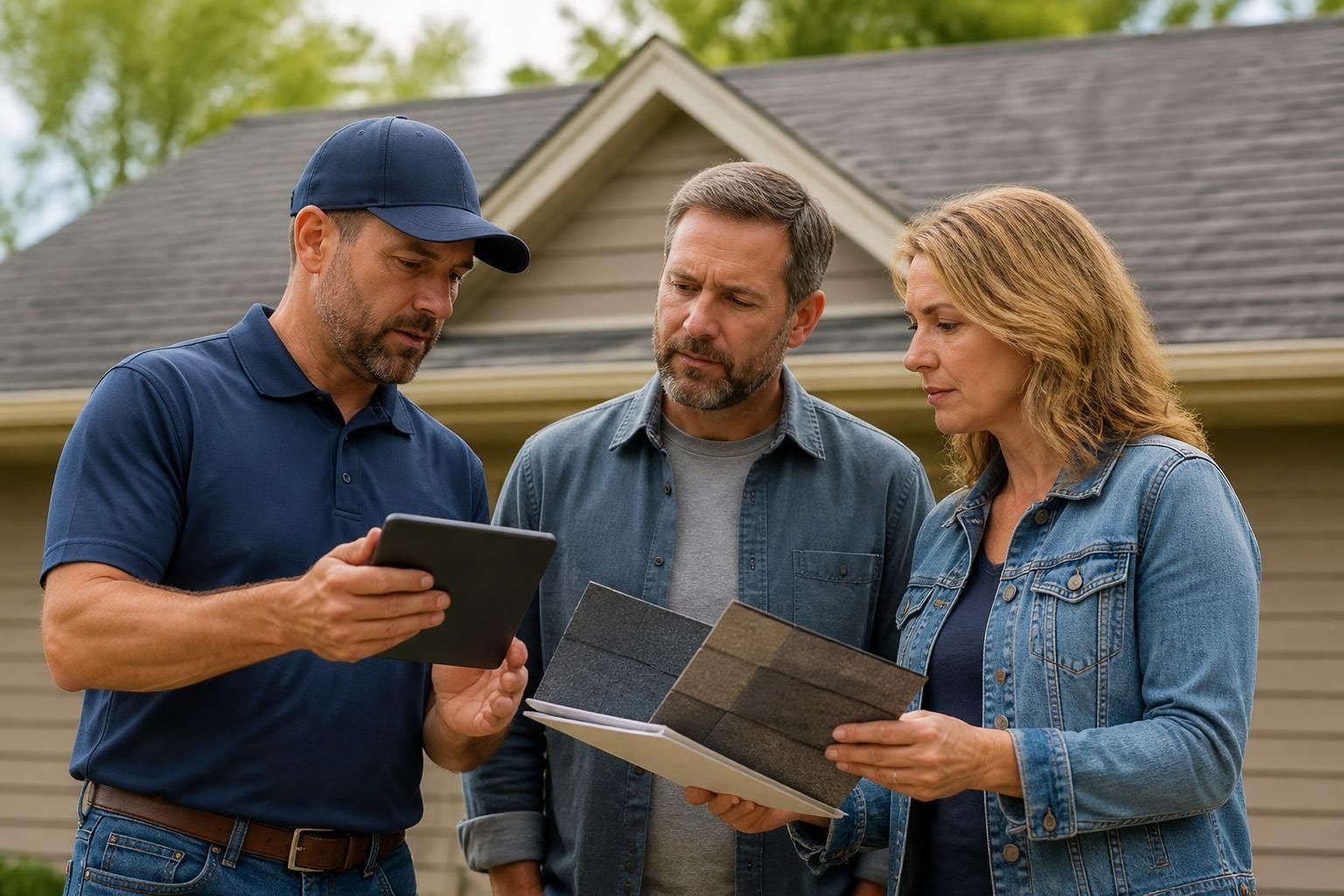
When your roof shows signs of damage, finding a trustworthy roof repair service near me becomes a top priority. Whether you're dealing with missing shingles after a storm, persistent leaks, or general wear and tear, choosing the right local contractor can mean the difference between a lasting repair and recurring problems. Understanding what to look for, how to evaluate options, and what questions to ask will help you make an informed decision that protects your home and your investment.
Understanding Common Roof Repair Needs
Residential and commercial properties face different roofing challenges, but certain issues appear consistently across the Joliet area. Recognizing these problems early helps you address them before they escalate into costly replacements.
Shingle Damage and Deterioration
Asphalt shingles represent the most common roofing material in residential applications, making shingle-related issues frequent repair requests. Wind damage, hail impact, and normal aging all contribute to shingle deterioration.
Common shingle problems include:
- Curling or cupping at the edges
- Granule loss exposing the underlying mat
- Cracked or broken shingles
- Missing shingles after severe weather
- Discoloration indicating algae or moisture issues
According to asphalt shingle repair best practices, addressing these issues promptly prevents water infiltration that can damage underlying structures. The repair process typically involves removing damaged shingles and installing replacements that match your existing roof.
Leak Detection and Water Damage
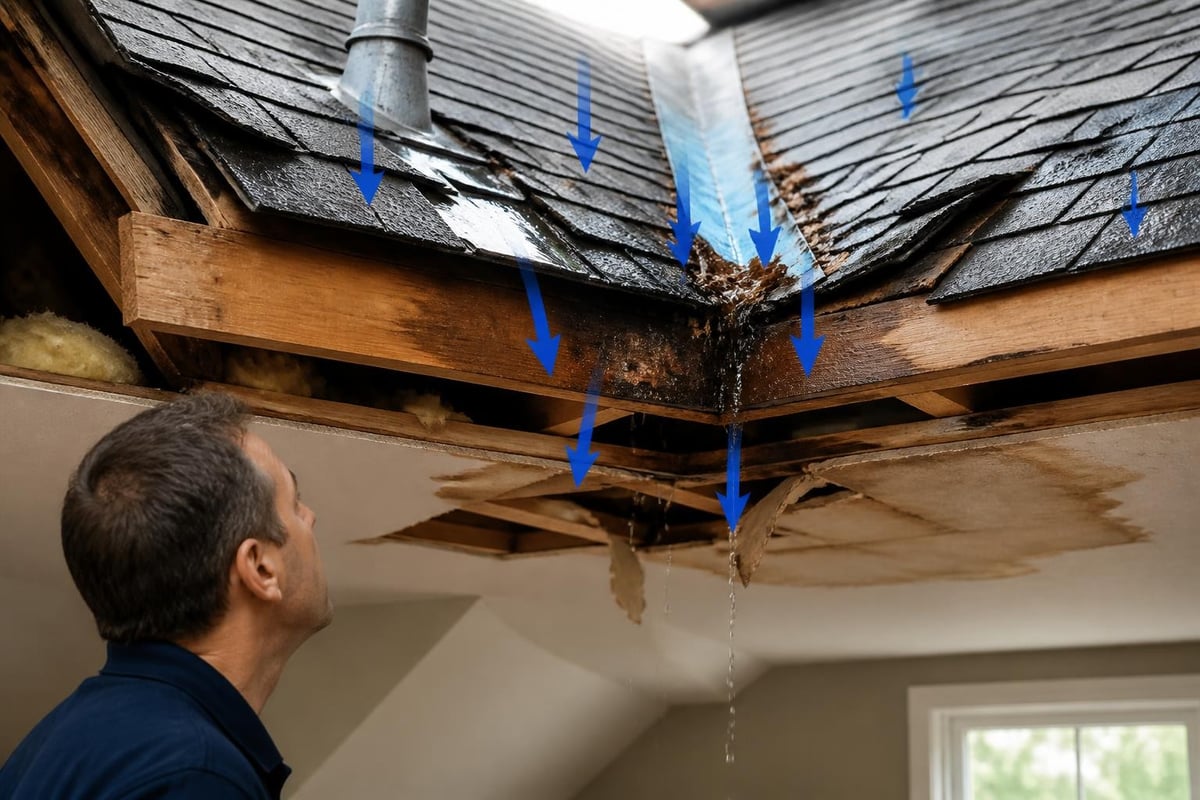
Water intrusion represents one of the most urgent reasons homeowners search for roof repair service near me. Leaks rarely announce themselves at their source; instead, water travels along roof decking and framing before appearing inside your home.
Identifying leak sources requires professional expertise. Water stains on ceilings, musty odors in attics, and visible moisture along walls all indicate potential roof leaks requiring immediate attention.
What to Look for in a Local Roofing Contractor
Selecting the right contractor involves more than comparing prices. Your chosen roof repair service should demonstrate expertise, reliability, and commitment to quality workmanship.
Licensing, Insurance, and Certifications
Professional roofing contractors maintain proper licensing and comprehensive insurance coverage. This protects you from liability if accidents occur during repairs and ensures the contractor meets local building code requirements.
| Verification Item | Why It Matters | What to Check |
|---|---|---|
| Business License | Legal operation compliance | Valid Illinois contractor license |
| Liability Insurance | Property damage protection | Minimum $1 million coverage |
| Workers' Compensation | Employee injury protection | Current policy for all workers |
| Manufacturer Certifications | Quality installation standards | GAF, Owens Corning, or similar credentials |
Request copies of these documents before signing any contracts. Legitimate contractors provide this information readily and understand its importance to homeowners.
Local Reputation and Experience
A family-owned business like Great Roofing builds its reputation through years of quality service within the community. Local contractors understand regional weather patterns, common roofing challenges, and building code requirements specific to your area.
Research potential contractors through:
- Online reviews on Google, Yelp, and Better Business Bureau
- References from recent customers
- Portfolio of completed projects in your neighborhood
- Years of operation in the Joliet area
- Specialization in your specific roofing system
Local contractors also remain accessible after repairs are complete, providing warranty support and addressing any concerns that arise.
The Roof Repair Process Explained
Understanding what happens during a professional roof repair helps you set realistic expectations and communicate effectively with your chosen contractor.
Initial Inspection and Assessment
When you contact a roof repair service near me, the process begins with a thorough inspection. Professional contractors examine your roof from both interior and exterior perspectives.
The inspection covers:
- External examination of all roof surfaces
- Checking flashing around chimneys, vents, and skylights
- Assessing valley integrity and drainage systems
- Interior attic inspection for moisture, mold, or structural damage
- Documentation through photos and detailed notes
This comprehensive approach, outlined in roof inspection best practices, ensures all issues are identified before repairs begin. Many contractors offer free inspections, particularly for storm damage assessments.
Detailed Estimate and Scope of Work
Following the inspection, reputable contractors provide written estimates detailing the work required, materials needed, and associated costs. Transparency at this stage prevents surprises and establishes clear expectations.
Your estimate should specify:
- Exact repair locations and methods
- Material brands, types, and quantities
- Labor costs broken down by task
- Timeline for completion
- Warranty coverage for materials and workmanship
- Payment terms and schedule
Cost Factors for Roof Repairs
Repair costs vary significantly based on damage extent, materials required, and roof accessibility. Understanding these factors helps you evaluate estimates and budget appropriately.
Material and Labor Considerations
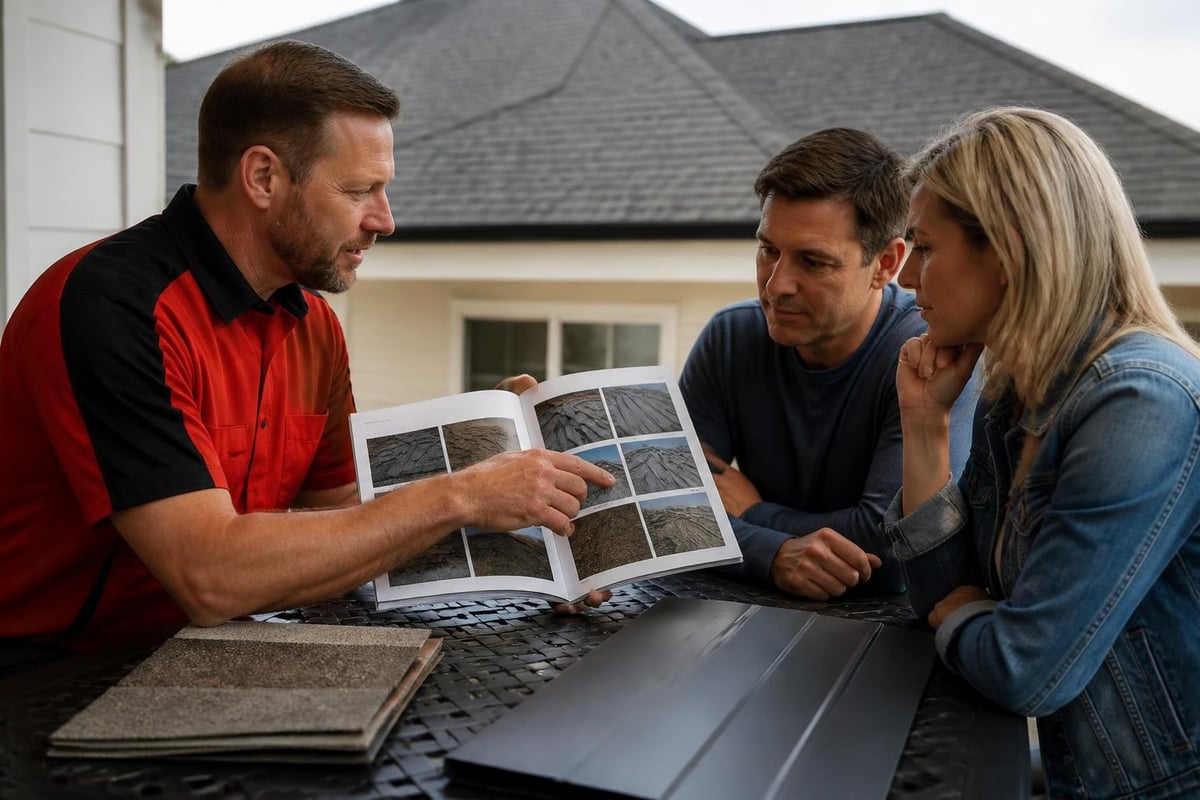
The type of roofing system on your property directly impacts repair costs. Asphalt shingle repairs generally cost less than specialized systems like modified bitumen or metal roofing.
Price ranges for common repairs (2026 estimates):
- Minor shingle replacement: $300-$800
- Flashing repair: $400-$1,000
- Valley repair: $500-$1,500
- Chimney flashing replacement: $800-$2,000
- Extensive storm damage: $2,000-$8,000
These estimates reflect typical scenarios but individual circumstances vary. Asphalt shingle pricing depends on quality grade and manufacturer, affecting both material costs and long-term durability.
Hidden Damage and Additional Work
Once contractors remove damaged materials, they sometimes discover underlying issues requiring additional attention. Rotted decking, compromised structural supports, or extensive water damage may necessitate work beyond the original estimate.
Professional contractors communicate these findings immediately and provide updated estimates before proceeding. This transparency builds trust and prevents billing disputes.
Timing Your Roof Repairs
When you need roof repair service near me often depends on urgency, weather conditions, and contractor availability. Strategic timing can save money and ensure optimal results.
Emergency vs. Scheduled Repairs
Some situations demand immediate attention, while others allow for scheduled repairs during favorable conditions.
| Emergency Repairs | Scheduled Repairs |
|---|---|
| Active leaks causing interior damage | Cosmetic shingle replacement |
| Missing shingles exposing decking | Preventive flashing upgrades |
| Storm damage compromising structure | Routine maintenance repairs |
| Fallen trees or impact damage | Gradual wear addressing |
Emergency services often carry premium pricing but prevent catastrophic damage. When safe to wait, scheduling during off-peak seasons (late fall or early spring) may yield better pricing and faster scheduling.
Weather Considerations
Roofing work requires specific weather conditions for proper installation and material adhesion. Extreme temperatures, precipitation, and high winds all affect repair quality.
Optimal conditions include:
- Temperatures between 45°F and 85°F
- Dry conditions for at least 24 hours before and after work
- Low wind speeds for worker safety
- Extended daylight hours for adequate working time
Experienced contractors monitor forecasts closely and schedule work during favorable windows. They also protect your property if unexpected weather interrupts repairs.
Preventive Maintenance to Minimize Future Repairs
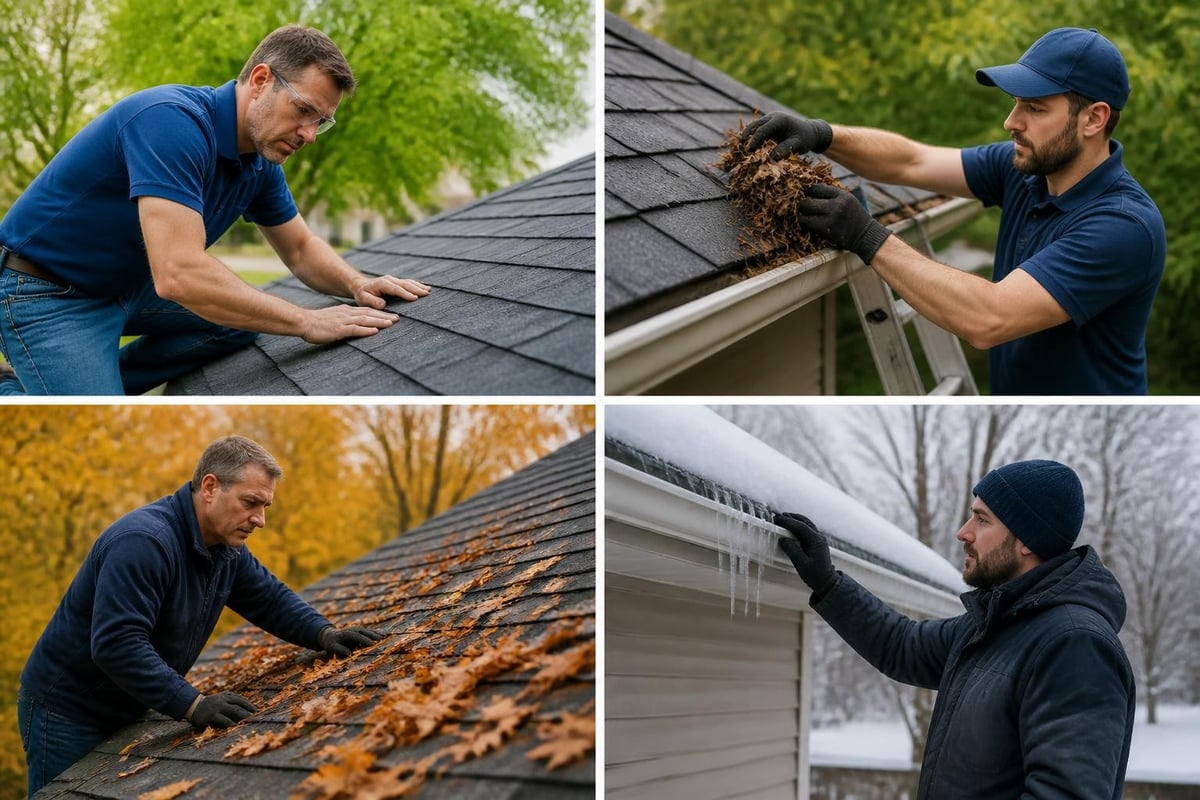
Regular maintenance significantly extends roof lifespan and reduces the frequency of expensive repairs. Implementing residential roof maintenance practices protects your investment year-round.
Annual Inspection Programs
Many roofing contractors offer annual inspection programs that identify minor issues before they escalate. These inspections typically occur in spring and fall, capturing damage from winter weather and preparing roofs for upcoming seasonal challenges.
Inspection programs include:
- Comprehensive roof surface examination
- Gutter cleaning and drainage assessment
- Flashing integrity verification
- Ventilation system evaluation
- Minor repair identification and pricing
According to roof maintenance best practices, proactive inspections prevent up to 80% of major roof failures. The modest investment in regular checkups pays dividends through extended roof life and fewer emergency repairs.
DIY Maintenance Tasks
While major repairs require professional expertise, homeowners can perform certain maintenance tasks safely.
Safe homeowner maintenance includes:
- Keeping gutters clean and free-flowing
- Removing debris from roof surfaces
- Trimming overhanging branches
- Monitoring for visible damage after storms
- Ensuring adequate attic ventilation
Never walk on steep or wet roofs, and always prioritize safety over DIY savings. When in doubt, contact a professional roof repair service near me for assessment.
Working with Insurance Claims
Storm damage often involves insurance claims, adding complexity to the repair process. Understanding how contractors assist with this process streamlines claim approval and payment.
Documentation and Evidence Collection
Insurance companies require thorough documentation proving damage occurred during covered events. Professional contractors experienced with insurance work understand these requirements and gather appropriate evidence.
Proper documentation includes:
- Detailed photographs of all damage
- Written descriptions of affected areas
- Matching damage patterns to weather events
- Estimates separated by damaged components
- Supporting evidence of pre-storm roof condition
Contractors familiar with insurance processes communicate directly with adjusters, advocating for complete coverage of necessary repairs. This expertise proves invaluable when navigating claim complexities.
Choosing Between Repair and Replacement
Insurance adjusters sometimes recommend repairs when replacement proves more cost-effective long-term. Experienced contractors provide honest assessments helping you make informed decisions.
Factors favoring replacement over repair:
- Roof age exceeding 15-20 years
- Widespread damage across multiple areas
- Recurring problems indicating system failure
- Cost of repairs approaching 40-50% of replacement cost
- Updated building codes requiring extensive modifications
A comprehensive roof repair guide helps you understand when repairs make sense versus investing in complete replacement.
Red Flags When Selecting Contractors
Unfortunately, not all contractors operate with integrity. Recognizing warning signs protects you from substandard work and potential fraud.
Warning Signs to Avoid
Be cautious of contractors who:
- Demand full payment upfront
- Lack proper licensing or insurance documentation
- Pressure you to sign contracts immediately
- Offer prices significantly below other estimates
- Cannot provide local references
- Suggest filing fraudulent insurance claims
- Operate without physical business addresses
- Use only P.O. boxes or out-of-state addresses
Storm-chasing contractors often appear after severe weather, offering suspiciously low prices and disappearing after collecting deposits. Established local businesses like Great Roofing maintain permanent locations and stand behind their work long-term.
Contract Essentials
Never begin work without a detailed written contract protecting both parties. Essential contract elements include completion timelines, payment schedules tied to milestones, material specifications, warranty terms, and cleanup responsibilities.
Review contracts carefully and ask questions about unclear provisions. Legitimate contractors welcome scrutiny and provide clarification readily.
Specialized Repair Scenarios
Certain roofing systems and damage types require specialized expertise beyond general roofing knowledge.
Commercial Roofing Repairs
Commercial properties often feature low-slope or flat roofing systems using modified bitumen, EPDM, or TPO membranes. These systems require different repair approaches than residential pitched roofs.
Commercial repair considerations include:
- Larger surface areas requiring extensive material quantities
- Business operations scheduling around minimal disruption
- Building code compliance for commercial structures
- Warranty preservation through manufacturer-approved methods
- Preventive maintenance programs for asset protection
Contractors specializing in commercial work understand these unique requirements and coordinate repairs to minimize business impact.
Multi-Family and HOA Properties
Apartment buildings, condominiums, and HOA-governed communities present additional coordination challenges. Repairs affect multiple residents and often require board approvals and special assessment considerations.
Successful multi-family repairs demand clear communication with property managers, transparent bidding processes, and scheduling that accommodates resident needs. Best practices for maintaining commercial roofs apply equally to multi-family properties requiring systematic approaches.
Material Selection for Repairs
Matching existing materials ensures aesthetic consistency and proper system integration. However, sometimes upgrades during repairs provide long-term benefits.
Matching Existing Systems
When repairing sections of existing roofs, material matching prevents visual inconsistencies and ensures compatible performance characteristics. Age, weathering, and manufacturer changes sometimes complicate exact matches.
Professional contractors maintain relationships with suppliers, accessing discontinued products or close substitutes that blend seamlessly with existing materials. They also understand how different shingle lines age and weather, predicting how repairs will look years later.
Upgrading During Repairs
Strategic upgrades during repairs can enhance performance without full replacement costs. Improved flashing materials, enhanced underlayment, or architectural shingles in visible sections provide incremental improvements.
Consider upgrades when:
- Original materials no longer meet current building codes
- Better options exist at modest additional cost
- Repairs occur in highly visible roof sections
- Enhanced durability justifies marginal expense
- Warranty improvements accompany material upgrades
Discuss upgrade options with your contractor, weighing costs against long-term benefits for your specific situation.
Environmental and Weather-Related Repairs
Joliet's climate subjects roofs to diverse weather challenges requiring different repair approaches throughout the year.
Storm Damage Assessment
Severe thunderstorms, hail, and high winds cause most residential roof damage. Understanding how weather impacts different roofing systems helps you assess damage severity and urgency.
Hail damage often appears as:
- Bruised or cracked shingles with random patterns
- Granule loss in circular impact zones
- Dented metal components (vents, flashing, gutters)
- Compromised shingle adhesive seals
Wind damage typically shows:
- Missing shingles in patterns following wind direction
- Lifted shingle edges and corners
- Exposed nail lines where shingles tore away
- Damaged ridge caps and edge metal
Professional storm damage assessment identifies all affected areas, ensuring comprehensive repairs that prevent future problems. Residential roof damage repair best practices emphasize thorough inspection following severe weather events.
Seasonal Considerations
Different seasons present unique challenges for roof repairs. Winter ice dams, spring rain, summer heat, and fall debris all impact repair approaches and material performance.
Winter repairs require special attention to temperature-sensitive materials and ice dam prevention. Summer work proceeds quickly but demands heat-safety precautions for workers. Spring and fall typically offer ideal conditions for most repair types, balancing favorable weather with moderate temperatures supporting proper material installation.
Questions to Ask Before Hiring
Informed questioning helps you evaluate contractors and select the best roof repair service near me for your specific needs.
Essential Interview Questions
Ask potential contractors:
- How long have you operated in the Joliet area?
- What specific experience do you have with my roofing system type?
- Can you provide references from recent similar projects?
- What warranties cover your repairs?
- How do you handle unexpected discoveries during repairs?
- What is your typical project timeline?
- Who will supervise the work crew?
- How do you protect my property during repairs?
- What happens if weather delays the project?
- Do you offer maintenance programs after repairs?
Contractor responses reveal their professionalism, expertise, and customer service approach. Hesitation, vague answers, or inability to provide specific information signals potential problems.
Understanding Warranties
Warranty coverage varies significantly between contractors and materials. Comprehensive protection includes both manufacturer material warranties and contractor workmanship guarantees.
| Warranty Type | Typical Coverage | Duration |
|---|---|---|
| Manufacturer Material | Defects in shingles or roofing products | 20-50 years (prorated) |
| Contractor Workmanship | Installation errors and leaks from improper work | 1-10 years |
| Extended System | Comprehensive coverage including materials and labor | 10-50 years (with certified installation) |
Ensure warranty terms appear in writing and understand what actions might void coverage. Some warranties require regular professional inspections to remain valid.
Building a Long-Term Relationship
The best roof repair service near me becomes a trusted partner in protecting your property for years. Establishing ongoing relationships with quality contractors provides peace of mind and ensures responsive service when issues arise.
Local contractors invested in community reputation prioritize customer satisfaction and long-term relationships over quick profits. They remain available for questions, warranty service, and future projects as your property needs evolve.
Consider factors beyond individual repairs:
- Availability for emergency service
- Preventive maintenance program options
- Multi-project discounts for additional work
- Responsiveness to questions and concerns
- Willingness to educate homeowners about their roofs
These relationship qualities distinguish contractors focused on customer partnerships from those treating each job as an isolated transaction.
Finding the right roof repair service near me requires research, careful evaluation, and clear communication about your specific needs and expectations. Quality repairs from experienced professionals protect your property investment while preventing minor issues from escalating into major expenses. When you need expert roofing services in the Joliet area, Great Roofing brings decades of family-owned expertise to every residential and commercial project, ensuring lasting repairs backed by comprehensive warranties and exceptional customer service.