


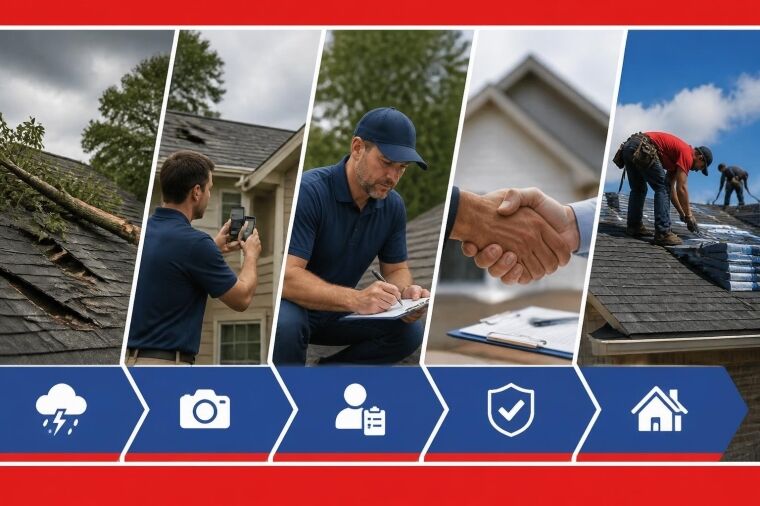
Navigating a roof replacement insurance claim can feel overwhelming, especially when you're already dealing with storm damage or deterioration to your home's most critical protective barrier. Understanding the claims process, knowing what documentation insurers require, and working with experienced professionals can make the difference between a denied claim and full coverage approval. Whether your roof sustained damage from severe weather, hail, or wind, following the proper steps ensures you maximize your insurance benefits while protecting your investment. This comprehensive guide walks you through every stage of the insurance claim process, from initial damage assessment to final installation.
Understanding Your Insurance Policy Coverage
Before filing a roof replacement insurance claim, you need to thoroughly understand what your homeowner's insurance policy actually covers. Most standard policies include provisions for roof damage caused by sudden, unexpected events such as storms, hail, wind, or falling debris. However, coverage limitations vary significantly between policies.
Key coverage factors include:
- Replacement cost versus actual cash value: Replacement cost policies pay for a new roof at current prices, while actual cash value policies factor in depreciation based on your roof's age
- Age-related restrictions: Many insurers reduce coverage or deny claims entirely for roofs older than 20 years
- Deductible amounts: You'll pay this out-of-pocket before insurance coverage begins
- Covered perils: Your policy specifies which types of damage qualify for claims
Review your policy documents carefully or contact your insurance agent to clarify these details before proceeding. According to Insurance.com’s guide on roof replacement coverage, understanding these nuances prevents surprises during the claims process.
Exclusions That May Affect Your Claim
Insurance policies typically exclude coverage for gradual deterioration, wear and tear, lack of maintenance, or pre-existing damage. If your roof has been neglected or shows signs of aging unrelated to a specific damaging event, your roof replacement insurance claim may face denial.
Regular residential roof maintenance documentation helps prove you've properly cared for your roof, strengthening your position when filing claims for legitimate storm damage.

Documenting Roof Damage Properly
Proper documentation forms the foundation of every successful roof replacement insurance claim. Insurance adjusters require clear evidence that damage occurred, its extent, and that it resulted from a covered peril rather than normal aging.
Essential documentation steps include:
- Photograph damage immediately: Take clear, dated photos from multiple angles showing affected areas
- Document the weather event: Save weather reports, news articles, or National Weather Service data confirming storms in your area
- Create a timeline: Note when damage occurred and when you discovered it
- Preserve evidence: Don't make temporary repairs that might hide damage before the adjuster's inspection
- Gather maintenance records: Compile receipts showing regular inspections and repairs
Many homeowners in the Joliet area experience roof damage from severe storms and hail, making thorough documentation especially critical for claims success.
Professional Roof Inspection Benefits
While personal documentation helps, a professional roofing contractor's inspection report carries significant weight with insurance companies. Experienced contractors identify damage homeowners might miss, including:
- Granule loss on asphalt shingles
- Bruising from hail impacts
- Wind-lifted or creased shingles
- Compromised flashing and seals
- Underlying deck damage
Professional inspections provide detailed reports with measurements, photos, and expert assessments that support your roof replacement insurance claim. The step-by-step guide from GigWise emphasizes working with qualified contractors throughout the claims process.
Filing Your Insurance Claim
Once you've documented the damage, promptly contact your insurance company to initiate your roof replacement insurance claim. Most policies require notification within a specific timeframe after discovering damage, typically ranging from 30 days to one year.
| Claim Filing Step | Timeline | Key Actions |
|---|---|---|
| Initial notification | Within 24-72 hours | Contact insurer, provide basic damage information |
| Adjuster assignment | 3-7 days | Insurer assigns adjuster to your claim |
| Inspection scheduling | 7-14 days | Coordinate inspection date with adjuster |
| Estimate submission | 1-2 weeks after inspection | Provide contractor estimates if requested |
| Claim decision | 2-4 weeks | Insurer approves, denies, or requests additional information |
When filing, provide your policy number, the date damage occurred, a brief description of the damage, and your contact information. Ask for your claim number and the assigned adjuster's contact details for follow-up.
What Happens During the Adjuster's Inspection
The insurance adjuster will visit your property to assess the damage firsthand. They'll examine the roof, take measurements, document affected areas with photos, and determine whether damage qualifies for coverage under your policy terms.
Having your roofing contractor present during this inspection proves invaluable. Contractors familiar with insurance processes can point out damage the adjuster might overlook and provide technical expertise about repair versus replacement needs. LegalClarity’s overview highlights how professional representation during inspections increases claim approval rates.
After the inspection, the adjuster prepares a report and estimate for your insurer. This estimate may differ from your contractor's assessment, potentially requiring negotiation to reach a fair settlement.
Working With Roofing Contractors During Claims
Selecting the right roofing contractor significantly impacts your roof replacement insurance claim success. Contractors experienced with insurance work understand policy language, adjustment processes, and documentation requirements that maximize your coverage.
Choose contractors who offer:
- Free inspections and damage assessments
- Detailed written estimates matching insurance requirements
- Experience working directly with insurance adjusters
- References from previous insurance claim projects
- Licensing, bonding, and insurance verification
Family-owned contractors serving specific communities often provide personalized service and deep familiarity with local weather patterns and common damage types. Understanding when to replace your roof in Joliet helps contractors provide accurate assessments aligned with insurance standards.
Understanding Contractor Estimates
Professional roofing estimates for insurance claims should include itemized costs for materials, labor, permits, disposal, and any additional work required. These estimates must align with insurance industry standards while accurately reflecting the scope of necessary work.
Be cautious of contractors who offer to "eat your deductible" or guarantee claim approval. These practices may violate insurance fraud laws and could jeopardize your claim. Legitimate contractors provide honest assessments and work within legal and ethical boundaries.
Navigating Common Claim Challenges
Even well-documented roof replacement insurance claims sometimes face obstacles. Understanding common challenges and how to address them prepares you for potential roadblocks.
Insufficient Damage Determination
Adjusters may conclude that damage doesn't warrant full replacement, instead approving only partial repairs. If you disagree, request a second inspection or hire an independent public adjuster to review the assessment.
Provide additional documentation showing why repairs won't adequately address the damage. For example, if widespread hail damage affects shingle integrity beyond visible dents, professional documentation supporting this claim strengthens your position.
Coverage Disputes
Insurers sometimes dispute whether damage resulted from a covered peril or pre-existing conditions. Counter these disputes with:
- Weather service data confirming storms on specific dates
- Professional inspection reports dating damage to covered events
- Maintenance records proving proper roof care before the damage
- Photographs showing undamaged conditions before the storm
The roof insurance claim process guide from Roof It Forward provides strategies for resolving coverage disagreements.
Low Settlement Offers
Initial settlement offers may fall short of actual replacement costs. Review the adjuster's estimate line by line, comparing it to your contractor's assessment. Discrepancies often arise from:
| Common Discrepancy | Adjuster Position | Contractor Counter |
|---|---|---|
| Material quality | Minimum code requirements | Matching existing materials |
| Labor rates | Generic market rates | Local prevailing wages |
| Additional damage | Not visible during inspection | Discovered during tear-off |
| Scope of work | Partial repairs only | Full replacement necessary |
Document these differences and request a reinspection or supplement to address legitimate cost gaps. Many claims require supplemental payments after work begins and additional damage becomes apparent.
Maximizing Your Insurance Settlement
Strategic approaches throughout the roof replacement insurance claim process help ensure you receive fair compensation for necessary work.
Maximize your settlement by:
- Obtaining multiple professional estimates to establish reasonable cost ranges
- Requesting detailed explanations for any denied or reduced line items
- Documenting all communications with your insurer in writing
- Understanding depreciation calculations and replacement cost benefit triggers
- Following up persistently on pending claims or information requests
For Joliet-area homeowners, understanding typical roof replacement costs in Joliet provides context for evaluating whether settlement offers adequately cover local market rates.
Understanding Depreciation and Recoverable Amounts
Many replacement cost policies initially pay actual cash value (depreciated amount), then release the remaining "recoverable depreciation" after you complete the replacement. This means you'll receive partial payment upfront, with the balance coming after providing completion documentation.
Track these recoverable amounts carefully and submit required proof of completion promptly to receive full benefits. Missing documentation deadlines can forfeit thousands of dollars in valid coverage.
The Replacement Process After Claim Approval
Once your roof replacement insurance claim receives approval, work with your contractor to schedule the installation. Timing considerations include weather conditions, material availability, and contractor schedules.
Replacement process steps:
- Finalize material selections: Choose shingles or roofing systems matching or upgrading from existing materials
- Sign contracts: Review all terms, warranties, payment schedules, and completion timelines
- Obtain permits: Ensure your contractor secures necessary building permits
- Schedule installation: Coordinate timing with your contractor and plan for household disruptions
- Prepare your property: Move vehicles, outdoor furniture, and protect landscaping
- Monitor progress: Stay engaged throughout the installation process
- Final inspection: Review completed work with your contractor and obtain final inspection approval
- Submit completion documentation: Provide required proof to your insurer for final payment
The detailed timeline from YICN Roofing outlines what homeowners should expect during each phase.
Quality Assurance and Post-Installation
After installation, conduct a thorough walkthrough with your contractor. Verify that all work matches the approved scope, materials meet specifications, and cleanup is complete. Address any concerns immediately before making final payment.
Most quality contractors provide warranties covering workmanship for several years beyond manufacturer material warranties. Understanding how long your new roof will last helps set proper expectations for your investment.
Special Considerations for Different Damage Types
Different types of roof damage require specific documentation and claim approaches to maximize approval chances.
Hail Damage Claims
Hail damage often appears as circular bruises or indentations on shingles, though severe impacts can crack or puncture materials. Adjusters look for consistent damage patterns across the roof rather than isolated impacts.
For roof repair after hail storms, document hail size from weather reports and photograph damaged areas extensively. Contractors use specialized tools to measure impact depths and patterns.
Wind Damage Claims
Wind damage typically manifests as lifted, creased, or missing shingles. Insurance companies may dispute whether wind speeds reached thresholds necessary to cause damage or whether improper installation contributed.
Combat these challenges with National Weather Service data confirming wind speeds, professional assessments ruling out installation defects, and photographic evidence of damage consistent with wind events. Understanding common storm damage in Joliet helps establish typical patterns adjusters recognize.
Age-Related Coverage Limitations
Roofs approaching the end of their expected lifespan face stricter scrutiny during roof replacement insurance claims. Insurers may apply higher depreciation rates or deny claims entirely for roofs exceeding 20-25 years.
If your roof falls into this category, emphasize damage from specific covered events rather than general deterioration. Professional inspection reports distinguishing new storm damage from age-related wear prove essential for these claims.
Dealing With Denied Claims
Claim denials don't necessarily end your options. Understanding denial reasons and available appeals processes protects your rights.
Common Denial Reasons
- Maintenance-related issues: Damage attributed to neglect or deferred maintenance
- Pre-existing conditions: Problems existing before the claimed event
- Non-covered perils: Damage from excluded causes
- Policy lapses: Claims filed outside notification windows
- Insufficient evidence: Inadequate documentation of damage or causation
Review denial letters carefully, noting specific policy provisions cited. This information guides your response strategy.
Appeals and Dispute Resolution
Most insurers offer internal appeals processes for denied claims. Submit additional documentation addressing specific denial reasons, such as:
- Independent professional inspections contradicting adjuster findings
- Maintenance records disproving neglect allegations
- Expert opinions on damage causation and timing
- Additional photographic or video evidence
If internal appeals fail, options include hiring public adjusters, mediation, arbitration, or legal action. The comprehensive claims guide from Spectrum Exteriors discusses escalation procedures when initial claims face denial.
Preventing Future Claim Issues
Proactive roof maintenance and documentation practices position you for smoother claims processes when future damage occurs.
- Schedule professional inspections annually or after severe weather events
- Maintain detailed records of all repairs, maintenance, and inspections
- Photograph your roof's condition regularly, creating a visual history
- Address minor issues promptly before they escalate
- Review and update your insurance coverage as your roof ages
- Understand your policy terms, exclusions, and coverage limits
Regular maintenance extends roof lifespan while providing documentation that supports legitimate insurance claims when storms strike. Professional inspections identify vulnerabilities before they develop into major problems.
Working With Local Contractors for Insurance Claims
Choosing contractors familiar with your local area offers distinct advantages during roof replacement insurance claims. Local contractors understand regional weather patterns, common damage types, building codes, and typical insurance company practices in your market.
Family-owned businesses often provide personalized attention throughout the lengthy claims process, serving as advocates when dealing with adjusters and insurers. Their reputation in the community depends on honest assessments and quality work, incentivizing ethical practices.
For homeowners throughout the Joliet area, working with experienced local roofing companies ensures your contractor understands specific challenges related to Illinois weather, building codes, and regional insurance practices. This local expertise translates into more accurate damage assessments and stronger claim documentation.
Successfully navigating a roof replacement insurance claim requires understanding your coverage, documenting damage thoroughly, working with experienced professionals, and persistently advocating for fair treatment. By following the strategies outlined in this guide, you'll maximize your chances of receiving appropriate compensation for necessary roof repairs or replacement. When you need expert guidance through the insurance claim process or professional roof replacement services in the Joliet area, Great Roofing brings decades of family-owned experience helping homeowners navigate insurance claims and restore their homes with quality craftsmanship. Contact our team today to schedule a comprehensive roof inspection and damage assessment.