

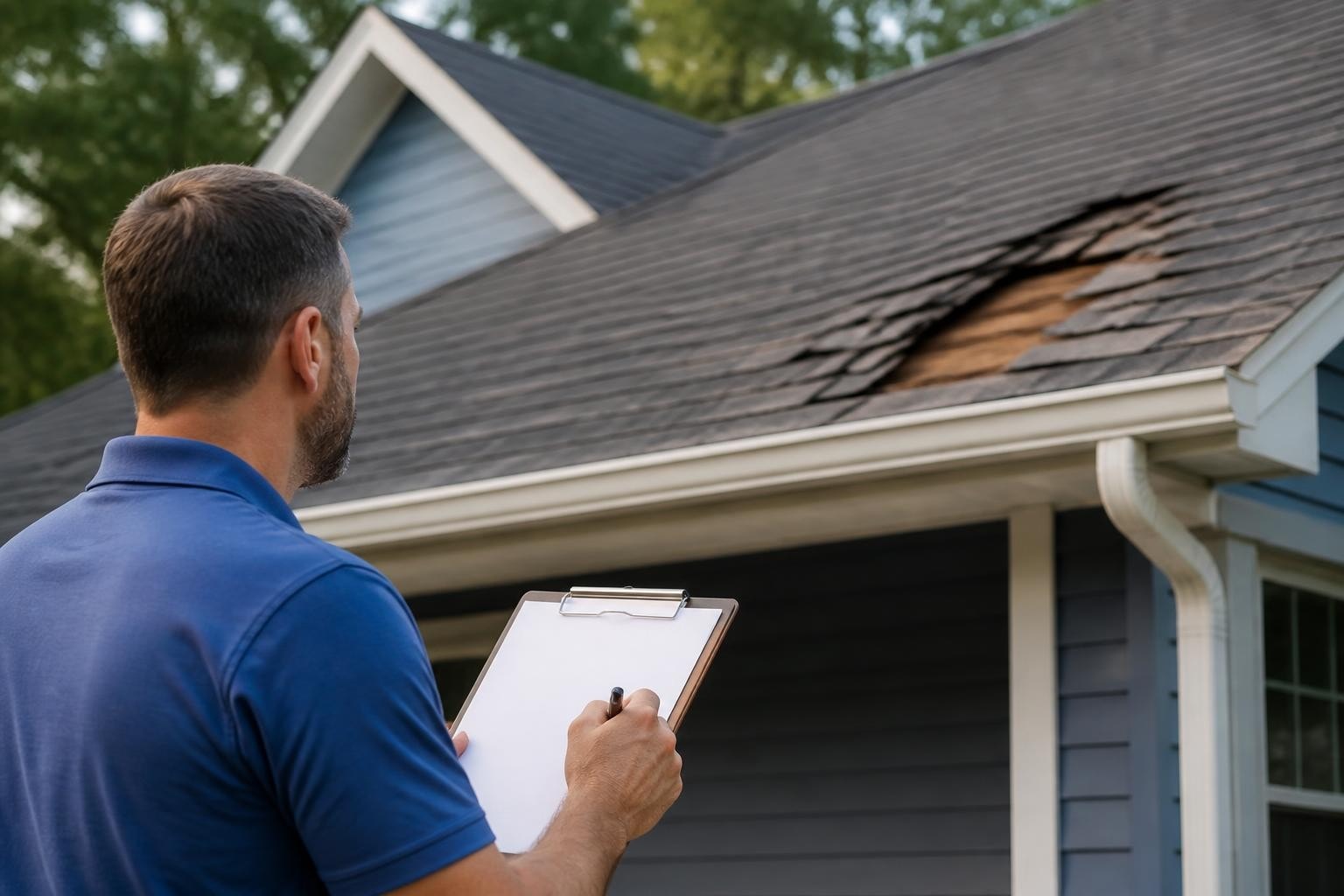
Understanding how roof replacement insurance works can save homeowners thousands of dollars when storm damage strikes or an aging roof finally reaches the end of its lifespan. Most homeowners insurance policies provide coverage for roof replacement under specific circumstances, but navigating the claims process requires knowledge of policy terms, coverage limits, and the documentation insurers expect. Whether you're dealing with hail damage in Joliet or planning ahead for an aging shingle roof, knowing what your policy covers and how to maximize your claim makes the difference between full reimbursement and unexpected out-of-pocket expenses.
How Insurance Policies Cover Roof Replacement
Homeowners insurance typically covers roof replacement when damage results from covered perils such as wind, hail, fire, or falling objects. Standard policies generally exclude damage from wear and tear, poor maintenance, or gradual deterioration. The key distinction lies in whether damage occurred suddenly and unexpectedly versus slowly over time.
Most policies use one of two valuation methods to determine payouts. Replacement Cost Value (RCV) reimburses the full cost to replace your roof with similar materials at current prices, while Actual Cash Value (ACV) factors in depreciation based on the roof's age and condition. The National Association of Insurance Commissioners explains that an RCV policy typically provides significantly higher payouts, particularly for older roofs.
Understanding Coverage Limits and Deductibles
Your policy's dwelling coverage limit sets the maximum amount available for all structural repairs, including roof replacement. Deductibles represent your out-of-pocket expense before insurance coverage begins, and many insurers now offer percentage-based deductibles specifically for wind and hail damage.
Consider these common deductible structures:
- Flat deductible: Fixed dollar amount (e.g., $1,000 or $2,500)
- Percentage deductible: Percentage of dwelling coverage (typically 1-5%)
- Separate wind/hail deductible: Higher percentage for storm-related claims
- Hurricane deductible: Special higher deductible in coastal areas
A homeowner with $300,000 in dwelling coverage and a 2% wind deductible would pay $6,000 out of pocket before insurance covers the remaining roof replacement costs.

Factors That Affect Roof Replacement Coverage
Several variables determine whether your roof replacement insurance claim will be approved and how much you'll receive. Insurance adjusters evaluate multiple factors when assessing roof damage and calculating payouts.
Roof age significantly impacts coverage decisions. Most insurers consider roofs over 20 years old higher risk, and some companies refuse to provide RCV coverage for roofs exceeding specific age thresholds. The Insurance Information Institute notes that older roofs may only qualify for ACV policies or face higher premiums and specialized deductibles.
Material type also plays a crucial role. Impact-resistant shingles rated Class 4 often qualify for premium discounts and may receive more favorable treatment during claims. The IBHS research on asphalt shingle durability demonstrates how material performance affects replacement decisions and insurer preferences.
Documentation and Maintenance History
Insurance companies expect homeowners to maintain their roofs properly. Documentation proves you've fulfilled this responsibility:
| Documentation Type | Purpose | Retention Period |
|---|---|---|
| Installation receipts | Proves roof age and material specs | Lifetime of roof |
| Annual inspection reports | Shows proactive maintenance | 5+ years |
| Repair invoices | Demonstrates upkeep efforts | Lifetime of roof |
| Pre-storm photos | Establishes pre-damage condition | Update annually |
Professional inspections provide third-party verification of your roof's condition. When you work with an experienced roofer on insurance claims, you gain expertise in documenting damage that adjusters recognize as legitimate.
Filing a Successful Roof Replacement Claim
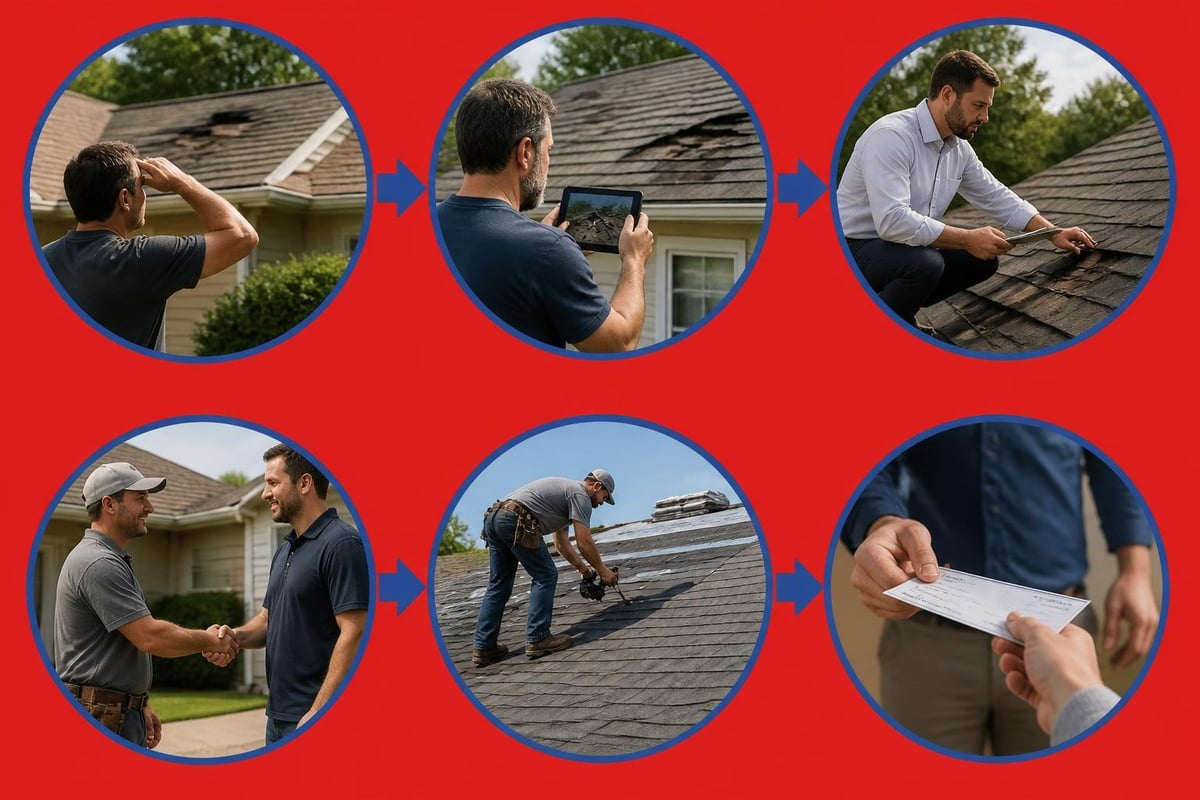
The claims process begins immediately after discovering damage. Quick action preserves evidence and prevents secondary damage that insurers might not cover. Homeowners should photograph damage from multiple angles, document the date of the storm or incident, and protect property from further harm using tarps or temporary repairs.
Contact your insurance company within the timeframe specified in your policy, typically 24-72 hours after discovering damage. Request a claim number and ask about the adjuster assignment timeline. Most insurers send adjusters within 3-10 days depending on the severity of local storm activity.
Working with Adjusters and Contractors
Insurance adjusters represent the insurance company's interests, not yours. They assess damage using standardized software and pricing databases that may not reflect local market rates or the full scope of necessary repairs. Having your own professional assessment protects your interests.
Great Roofing provides detailed damage assessments that complement adjuster reports. Our team documents damage invisible to untrained eyes, such as:
- Bruising on shingle underlayment
- Compromised seal strips
- Granule loss patterns indicating impact damage
- Flashing damage around penetrations
- Structural concerns in decking
The California Department of Insurance consumer guidance provides practical steps for working with adjusters and understanding your rights during the claims process, though specific regulations vary by state.
Common Coverage Scenarios and Exclusions
Understanding what roof replacement insurance covers versus what it excludes helps set realistic expectations. Most standard homeowners policies cover sudden, accidental damage while excluding predictable deterioration.
Covered scenarios typically include:
- Hail damage creating visible dents or cracks in shingles
- Wind damage tearing off shingles or lifting edges
- Falling tree limbs causing punctures or structural damage
- Fire damage requiring complete replacement
- Ice dam damage on properly maintained roofs
Common exclusions include:
- Normal wear and tear from aging
- Cosmetic damage not affecting function
- Damage from lack of maintenance
- Pre-existing conditions known before policy purchase
- Intentional damage or neglect
Flood damage presents unique challenges. Standard homeowners policies exclude flood-related roof damage, which falls under separate flood insurance through the National Flood Insurance Program. NFIP policies have specific coverage limits and requirements different from standard homeowner policies.
Handling Partial Damage and Matching Issues
Insurance companies sometimes approve partial roof replacement when damage affects only one section or slope. This creates matching challenges since discontinued shingle styles or aged materials can't perfectly match existing portions.
Most policies include provisions for reasonable matching, but "reasonable" remains subjective. Some insurers cover additional replacement areas to achieve acceptable aesthetics, while others limit coverage strictly to damaged sections. Documentation of discontinued materials strengthens arguments for broader replacement coverage.
Maximizing Your Insurance Benefit
Strategic planning and professional assistance maximize roof replacement insurance benefits. Homeowners who understand policy terms and claim procedures consistently receive higher payouts than those who passively accept initial offers.
Request detailed written estimates from licensed contractors before accepting settlement offers. Compare these estimates against adjuster assessments to identify discrepancies in pricing, scope, or material specifications. The National Roofing Contractors Association provides industry standards that help evaluate whether estimates reflect appropriate replacement costs.
Consider material upgrades that insurance may partially cover. If your damaged roof used basic three-tab shingles, upgrading to architectural shingles might cost only the price difference out of pocket while insurance covers the base replacement cost. Understanding asphalt shingle roof installation costs helps evaluate whether upgrades make financial sense.
Negotiating Claim Settlements
Initial settlement offers rarely represent the maximum available under your policy. Adjusters sometimes miss damage, underestimate repair complexity, or use outdated pricing. Homeowners have the right to dispute inadequate settlements through several channels:
- Submit supplemental damage documentation
- Request re-inspection by different adjuster
- Hire independent appraisers
- Invoke appraisal clause in policy
- File complaints with state insurance departments
Professional contractors familiar with roof insurance claim procedures identify overlooked damage and provide documentation adjusters must address. Great Roofing's experience with Joliet-area claims helps clients navigate disputes and maximize legitimate coverage.
Choosing the Right Contractor for Insurance Work
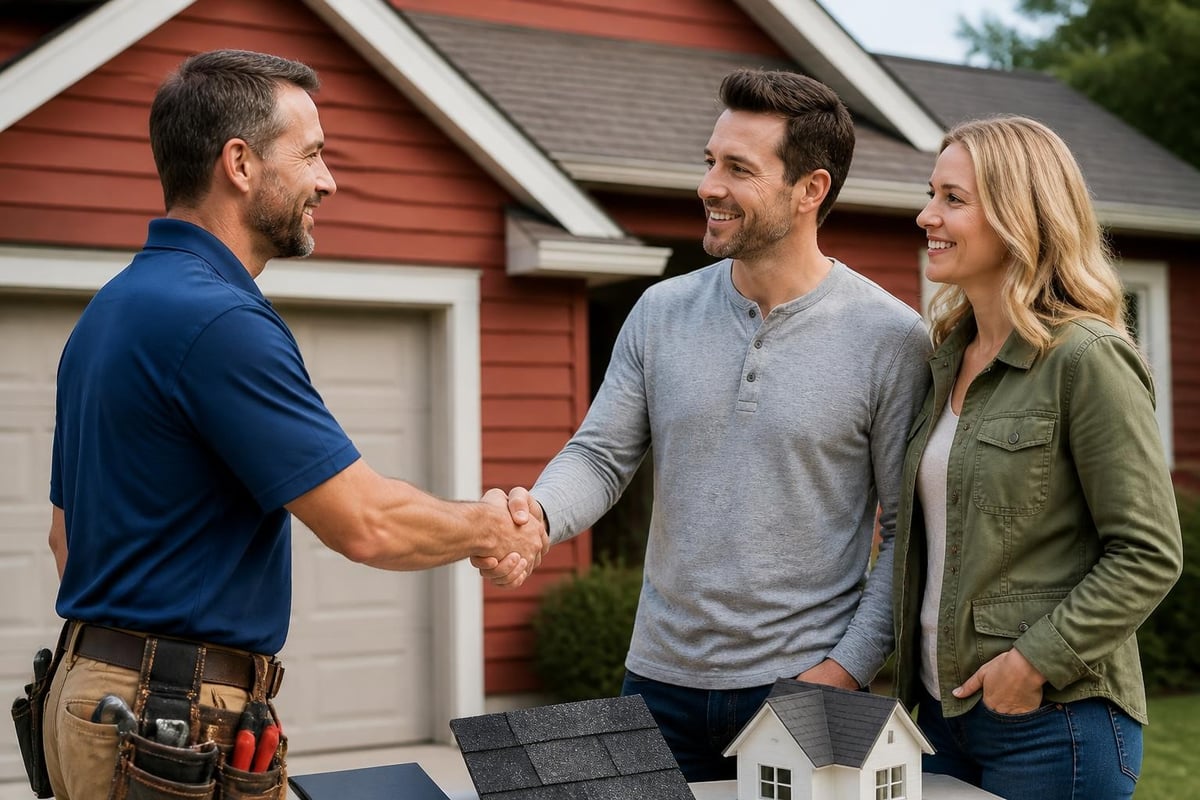
Selecting a qualified contractor affects both claim outcomes and final roof quality. Some contractors specialize in insurance restoration work and understand the documentation, communication, and timeline requirements insurers expect.
Verify these contractor qualifications:
| Qualification | Why It Matters | How to Verify |
|---|---|---|
| Active license | Legal requirement and liability protection | State licensing board |
| Insurance coverage | Protects homeowner from liability | Request certificate |
| Local references | Demonstrates quality and reliability | Contact past clients |
| Manufacturer certifications | Ensures proper installation | Check manufacturer website |
| Written warranties | Provides recourse for defects | Review contract terms |
Avoid contractors who offer to waive deductibles or promise to "work with your insurance." These practices violate most state regulations and insurance fraud laws. Legitimate contractors provide accurate estimates and let homeowners handle insurance negotiations, though they may assist with documentation.
Preventive Measures and Policy Maintenance
Proactive roof maintenance and regular policy reviews prevent coverage gaps before damage occurs. Many denied claims result from homeowners not understanding their coverage or failing to maintain their roofs according to policy requirements.
Schedule professional roof inspections every 2-3 years, or annually for roofs over 15 years old. The IBHS Roofing Roadmaps provide research-based guidance on roof performance expectations and when repairs versus replacement make sense. Regular inspections identify minor issues before they escalate into major problems insurers might attribute to neglect.
Reviewing and Updating Coverage
Insurance needs change as roofs age and property values fluctuate. Review your policy annually to ensure:
- Dwelling coverage reflects current replacement costs
- Roof coverage hasn't changed to ACV-only due to age
- Deductibles remain affordable for your financial situation
- Additional coverages like ordinance and law protection exist
Ordinance and law coverage pays for upgrades required by current building codes when replacing an older roof. Without this endorsement, homeowners pay code-compliance costs out of pocket, potentially adding thousands to replacement expenses.
Special Considerations for Commercial Properties
Commercial roof replacement insurance follows different rules than residential policies. Commercial property policies often use actual cash value by default, require higher deductibles, and include business interruption considerations residential policies don't address.
Modified bitumen roofing systems common on commercial buildings present unique assessment challenges. Damage may not be immediately visible, and replacement decisions factor in remaining service life, warranty status, and business operational needs. Great Roofing's expertise in commercial modified bitumen systems helps Joliet businesses navigate these complexities.
Commercial policies typically require:
- Higher coverage limits due to larger roof areas
- Separate wind and hail deductibles based on building value
- Business interruption coverage during repairs
- Equipment breakdown coverage for rooftop HVAC units
- Loss of income protection if damage forces closure
Commercial property owners should work with contractors experienced in commercial roofing systems and insurance claims to ensure proper documentation and maximum coverage.
Understanding Your Rights and Responsibilities
Homeowners have specific rights during the claims process, but also responsibilities that affect coverage eligibility. Most policies require prompt notification of damage, cooperation with investigations, and reasonable efforts to prevent additional loss.
State insurance regulations protect consumers from unfair claim practices. Insurers must respond to claims within specified timeframes, provide written explanations for denials, and follow standardized procedures when disputes arise. Consumer Reports’ roofing guide offers homeowner-facing advice on choosing contractors and managing insurance-related replacements.
Your responsibilities include:
- Reporting claims promptly per policy terms
- Providing accurate information during investigations
- Allowing reasonable property access for inspections
- Obtaining necessary permits for replacement work
- Maintaining property to prevent further damage
Failure to meet these responsibilities can result in claim denials or reduced payouts. Document all communications with insurers, keep copies of submitted materials, and maintain records of compliance with policy requirements.
Getting Professional Assistance
Complex claims benefit from professional expertise. Roofing contractors, public adjusters, and insurance specialists each offer different assistance levels depending on claim complexity and dispute severity.
Roofing contractors provide damage assessments, repair estimates, and technical expertise about proper replacement procedures. They identify damage adjusters might miss and ensure replacement work meets manufacturer specifications and building codes.
Public adjusters represent policyholders for a fee, typically 5-15% of the settlement. They handle all claim communications, documentation, and negotiations. Consider hiring public adjusters for:
- Large or complex claims exceeding $20,000
- Disputed claims with significant coverage disagreements
- Situations where homeowners lack time or expertise
- Claims involving business interruption or extensive property damage
Most residential roof replacement insurance claims don't require public adjusters if homeowners work with experienced contractors who understand documentation requirements and can identify all covered damage.
Understanding roof replacement insurance empowers homeowners to make informed decisions when storm damage occurs or aging roofs require replacement. Knowing your policy terms, documentation requirements, and claim procedures ensures you receive the full benefits your premiums have purchased. Whether you're filing a claim after severe weather or planning ahead for an aging roof, working with experienced professionals who understand both roofing and insurance processes makes the difference between adequate coverage and maximum reimbursement. Great Roofing brings decades of family-owned expertise to residential and commercial roof replacements in the Joliet area, providing the technical knowledge and insurance claim experience that helps homeowners navigate the complexities of coverage and receive quality replacements that protect their investment for years to come.