

Your roof represents one of the most significant investments in your property, whether residential or commercial. Over time, exposure to harsh weather conditions, UV radiation, and general wear can diminish its protective capabilities without necessarily requiring a complete replacement. Professional roof restoration services offer property owners in the Joliet area and beyond a cost-effective alternative that extends roof lifespan, improves performance, and protects against future damage. Understanding when restoration is appropriate, what the process involves, and how to choose the right contractor can save thousands of dollars while maintaining the structural integrity of your building.
Understanding Roof Restoration Services
Roof restoration services encompass a comprehensive set of procedures designed to rejuvenate aging roofing systems without the expense and disruption of full replacement. This approach involves thorough cleaning, repairing damaged sections, and applying protective coatings that seal the surface and enhance durability.
The restoration process typically begins with a detailed inspection to assess the roof's current condition. Professionals evaluate structural integrity, identify areas of concern, and determine whether restoration is viable or if replacement becomes necessary. According to industry experts discussing restoration versus replacement, a well-executed restoration can extend a roof's service life by 10 to 20 years when the underlying structure remains sound.
Key Components of Professional Restoration
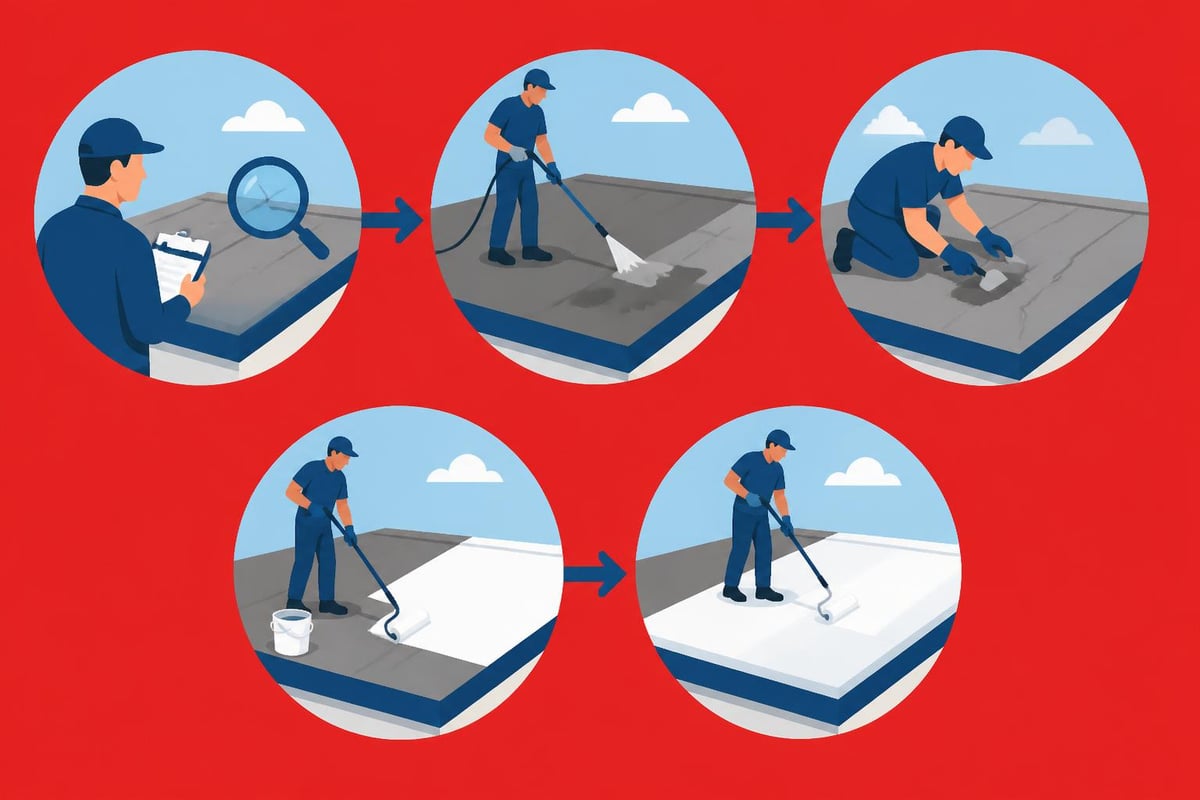
Professional roof restoration services involve multiple stages that work together to create a renewed roofing system:
- Surface preparation: Thorough power washing removes dirt, debris, algae, and loose materials
- Damage repair: Addressing cracks, punctures, and deteriorated sections before coating
- Primer application: Creating proper adhesion for coating systems on various substrates
- Coating installation: Applying seamless, waterproof membranes that reflect UV rays
- Quality inspection: Verifying complete coverage and proper thickness throughout
The International Institute of Building Enclosure Consultants emphasizes that properly executed restoration systems provide watertight performance comparable to new roofing installations. This makes restoration an increasingly popular choice for building owners seeking sustainable, cost-effective solutions.
When Restoration Makes Sense
Determining the right time for roof restoration services requires careful evaluation of several factors. Not every aging roof qualifies as a restoration candidate, and understanding these parameters helps property owners make informed decisions.
Ideal Candidates for Restoration
Roofs between 10 and 25 years old often present excellent restoration opportunities. The underlying structure should remain fundamentally sound, with rafters, decking, and support systems showing no signs of significant rot or damage. Minor leaks, surface weathering, and cosmetic deterioration don't necessarily disqualify a roof from restoration consideration.
Material compatibility plays a crucial role in restoration success. Single-ply membranes, modified bitumen systems, metal roofing, and certain shingle types respond well to restoration treatments. Commercial flat or low-slope roofs particularly benefit from coating systems that address common ponding water issues while providing additional protection layers.
Property owners should consider restoration when:
- The roof shows surface-level deterioration but maintains structural integrity
- Budget constraints make full replacement financially challenging
- Building operations cannot accommodate extended construction disruption
- Environmental considerations favor extending existing materials' lifespan
- Recent storms have caused damage that requires immediate attention
Understanding what roof storm damage looks like weeks after a storm has passed helps property owners identify issues before they escalate into major problems requiring complete replacement.
Warning Signs That Indicate Restoration Needs
| Warning Sign | Severity Level | Typical Response |
|---|---|---|
| Granule loss on shingles | Moderate | Coating or partial restoration |
| Minor leaks or moisture intrusion | Moderate to High | Repair and seal with restoration |
| Fading or discoloration | Low to Moderate | Cosmetic restoration with reflective coating |
| Ponding water on flat roofs | High | Drainage correction plus restoration |
| Cracking or splitting materials | Moderate to High | Repair damaged sections, then restore |
Recognizing these indicators early allows property owners to address problems through restoration rather than waiting until replacement becomes the only option. Professional inspections conducted annually help identify developing issues before they compromise the entire roofing system.
The Restoration Process Explained
Professional roof restoration services follow a systematic approach that ensures long-lasting results. Each step builds upon the previous one, creating a comprehensive solution that addresses current problems while preventing future deterioration.
Initial Assessment and Planning
Qualified contractors begin with thorough roof inspections that examine every component. They document existing damage, measure roof dimensions, assess substrate conditions, and identify potential complications. This information drives the restoration plan, including material selection, timeline development, and cost estimation.
Weather considerations significantly impact scheduling. Restoration work requires dry conditions and moderate temperatures for proper coating adhesion and curing. Experienced contractors like those at Great Roofing coordinate restoration projects around seasonal weather patterns to ensure optimal results.
Cleaning and Preparation
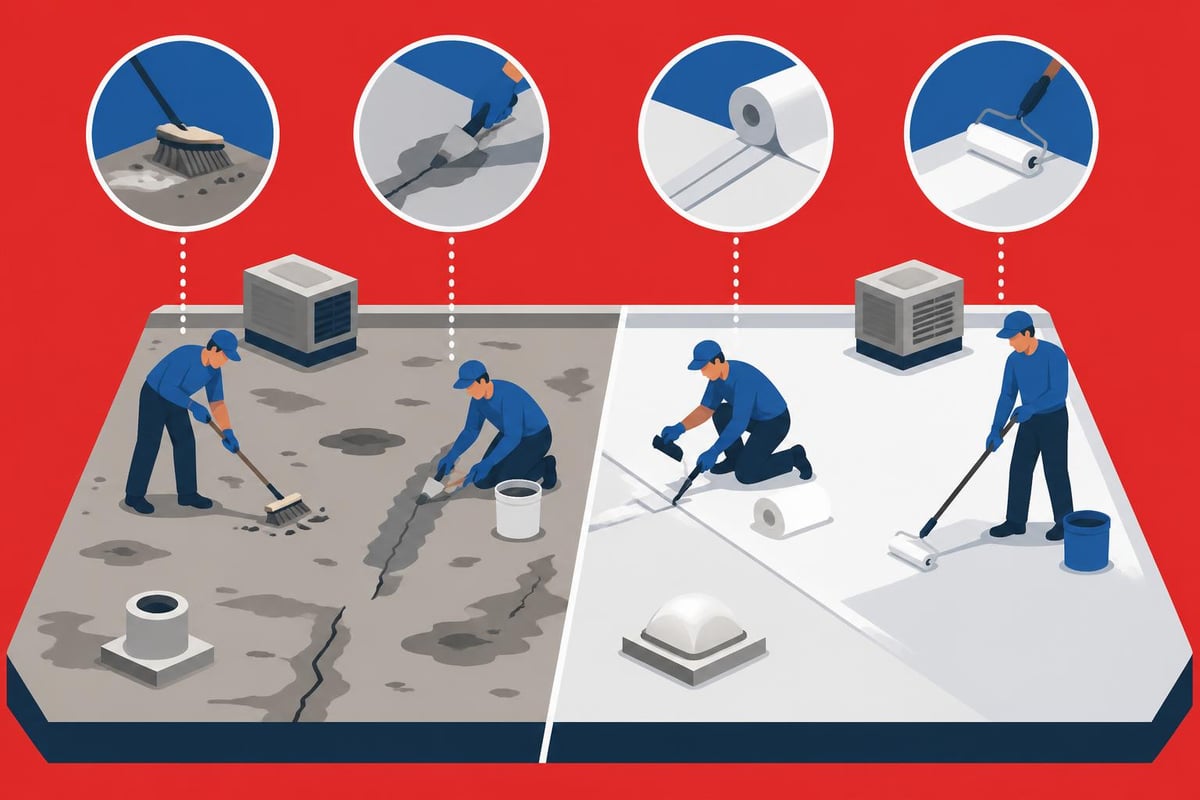
Surface preparation determines restoration success more than any other factor. Professional teams use specialized equipment to remove all contaminants, including:
- Algae, moss, and biological growth that compromise adhesion
- Loose granules or deteriorated surface materials
- Rust, corrosion, or oxidation on metal components
- Previous coating failures or incompatible products
After cleaning, contractors address all repairs identified during initial assessment. This includes patching holes, sealing seams, replacing damaged fasteners, and reinforcing vulnerable areas around penetrations, edges, and transitions.
Coating Application Techniques
Modern restoration coatings offer remarkable performance characteristics. Advanced coating technologies from manufacturers provide options for different roof types, climate conditions, and performance requirements. Silicone, acrylic, and polyurethane formulations each offer distinct advantages.
Application methods vary based on coating type and roof configuration. Spray application provides efficient coverage for large commercial roofs, while roller or brush techniques work better for smaller residential projects or detail work. Professional contractors apply multiple coats, ensuring minimum thickness requirements throughout the entire surface.
Proper curing time between coats and before exposing the roof to traffic or weather is essential. Rushing this process compromises the coating's protective qualities and can lead to premature failure.
Cost Considerations and Return on Investment
Roof restoration services typically cost 40 to 60 percent less than complete replacement, making them financially attractive for many property owners. This cost advantage becomes even more pronounced when factoring in avoided disruption, reduced waste disposal, and potential tax benefits.
Breaking Down Restoration Expenses
Several factors influence total restoration costs:
- Roof size and complexity: Larger roofs benefit from economies of scale
- Current condition: Extensive repairs increase overall expenses
- Coating type: Premium formulations cost more but often provide superior longevity
- Access challenges: Difficult-to-reach areas require additional labor
- Local market conditions: Material and labor costs vary by region
| Roof Size | Typical Restoration Cost | Replacement Cost | Savings |
|---|---|---|---|
| 1,500 sq ft | $3,000 – $6,000 | $7,500 – $15,000 | 50-60% |
| 3,000 sq ft | $5,500 – $11,000 | $15,000 – $30,000 | 50-63% |
| 10,000 sq ft | $15,000 – $30,000 | $40,000 – $80,000 | 56-63% |
Property owners should also consider long-term value when evaluating restoration versus replacement. A properly restored roof can last 10 to 20 additional years, delaying major capital expenditures while maintaining property protection and value.
Energy Efficiency Benefits
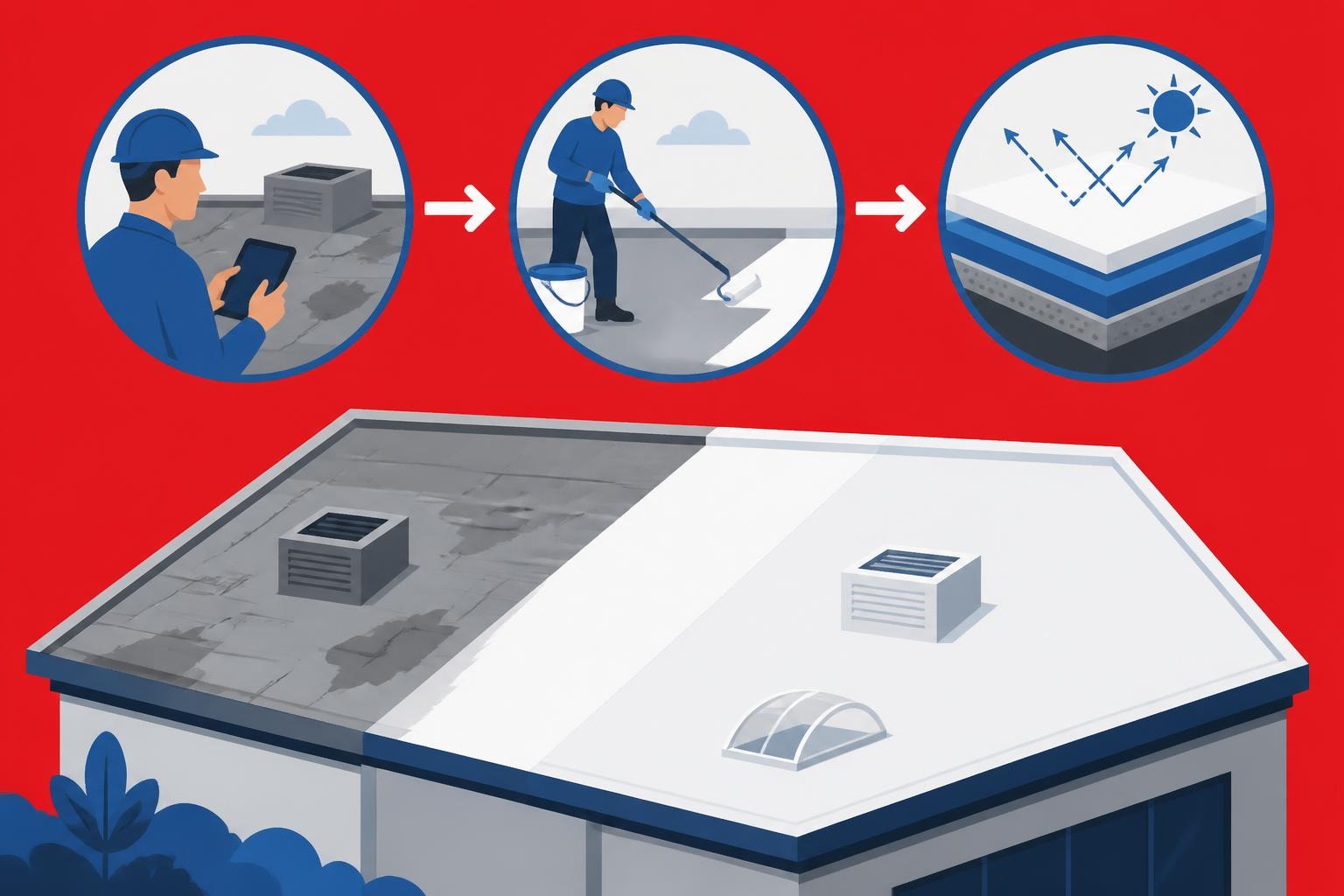
Reflective coating systems used in roof restoration services significantly reduce cooling costs by deflecting solar heat. White or light-colored coatings can lower roof surface temperatures by 50 to 80 degrees Fahrenheit compared to dark, heat-absorbing surfaces.
This translates to measurable energy savings, particularly for commercial buildings with substantial cooling loads. Many property owners recover their restoration investment through reduced utility bills within five to seven years, making restoration an economically sound decision beyond simple replacement avoidance.
Storm Damage and Emergency Restoration
The Joliet area experiences severe weather events that can suddenly compromise roofing systems. High winds, hail, and heavy precipitation create immediate restoration needs that require prompt professional attention. Understanding how to handle storm damage insurance claims helps property owners navigate the restoration process after weather events.
Post-Storm Assessment Procedures
Following significant weather events, the National Storm Authority recommends immediate professional inspections to document damage and prevent further deterioration. Waiting weeks or months allows minor damage to escalate into major problems, potentially complicating insurance claims and increasing repair costs.
Professional contractors conduct systematic evaluations that include:
- Exterior inspection of shingles, flashing, and roof penetrations
- Interior assessment for water intrusion, staining, or structural damage
- Gutter and drainage system functionality checks
- Documentation through photos and detailed written reports
- Emergency temporary repairs to prevent ongoing damage
Temporary protection measures like professional tarping services protect compromised roofs until permanent restoration work begins. Knowing when roof tarping becomes necessary during fall storm season helps property owners take appropriate action quickly.
Insurance Coordination
Roof restoration services after storm damage often involve insurance claim processes. Professional roofing contractors experienced in insurance work provide valuable assistance by documenting damage thoroughly, communicating with adjusters, and ensuring all covered repairs receive appropriate attention.
Property owners should understand their coverage limits, deductibles, and exclusions before filing claims. Many policies cover storm damage repairs but may have specific requirements regarding contractor selection, materials used, and timeline for completing work.
Selecting the Right Restoration Contractor
Choosing qualified professionals for roof restoration services directly impacts project outcomes. The restoration industry includes highly skilled specialists alongside less-qualified operators, making contractor selection critically important.
Essential Contractor Qualifications
Look for contractors who demonstrate:
- Proper licensing and insurance: Verify current credentials appropriate for your jurisdiction
- Manufacturer certifications: Training from coating manufacturers ensures proper application
- Established local presence: Benefits of hiring local roofing companies in Joliet include accountability and familiarity with regional conditions
- Proven track record: References, reviews, and completed project portfolios
- Comprehensive warranties: Coverage for both materials and workmanship
Ask potential contractors detailed questions about their experience with your specific roof type. Modified bitumen systems, single-ply membranes, metal roofing, and shingle roofs each require specialized knowledge and techniques.
Red Flags to Avoid
Be cautious of contractors who:
- Pressure immediate decisions without proper assessment
- Offer prices significantly below market rates
- Request large upfront payments before starting work
- Cannot provide verifiable references or insurance documentation
- Suggest restoration for roofs clearly requiring replacement
Written contracts should detail all work scope, materials specifications, timeline expectations, payment schedules, and warranty terms. Never proceed with restoration services based solely on verbal agreements or incomplete documentation.

Maintenance After Restoration
Successfully restored roofs require ongoing maintenance to maximize their extended lifespan. Establishing regular inspection and care routines protects your restoration investment and identifies minor issues before they become major problems.
Recommended Maintenance Schedule
Annual professional inspections help monitor coating condition, identify developing problems, and address minor repairs promptly. These examinations should occur in spring or fall when moderate temperatures allow comprehensive assessment without weather complications. Resources from Roof Mason offer practical roof care guidance for maintaining various roofing materials between professional inspections.
Property owners can perform quarterly visual checks for obvious issues:
- Standing water or drainage problems
- Visible coating damage or deterioration
- Debris accumulation in gutters or valleys
- Plant growth or organic material buildup
- Storm damage from recent weather events
Promptly addressing these concerns prevents minor issues from compromising the restored roofing system. Understanding common spring roof problems in Joliet helps property owners anticipate seasonal challenges specific to the region.
Extending Restoration Longevity
Simple maintenance practices significantly impact how long restored roofs perform effectively:
| Maintenance Task | Frequency | Impact on Lifespan |
|---|---|---|
| Professional inspection | Annual | High – catches problems early |
| Gutter cleaning | Quarterly | High – prevents water backup |
| Debris removal | After storms | Medium – prevents surface damage |
| Minor repairs | As needed | High – stops small issues escalating |
| Coating touch-ups | Every 5-7 years | Very High – refreshes protection |
Property owners should budget for occasional touch-up work as part of their long-term maintenance planning. Small coating repairs cost far less than addressing water damage from neglected problems.
Material-Specific Restoration Approaches
Different roofing materials require tailored restoration approaches. Understanding these variations helps property owners set appropriate expectations and evaluate contractor recommendations.
Residential Shingle Restoration
Asphalt shingle roofs represent the majority of residential installations in the Joliet area. When shingles show granule loss, minor cracking, or weathering but remain structurally sound, specialized coating systems can extend their service life by 10 to 15 years.
The restoration process for shingles emphasizes flexibility since roofing materials expand and contract with temperature changes. Elastomeric coatings accommodate this movement without cracking or peeling. Proper surface preparation is critical because loose granules or deteriorated shingle surfaces prevent adequate coating adhesion.
Color options allow property owners to refresh their roof's appearance while adding protection. Lighter colors provide enhanced energy efficiency by reflecting more solar radiation than original darker shingles absorbed.
Commercial Flat Roof Systems
Modified bitumen, built-up roofing, and single-ply membrane systems benefit tremendously from professional restoration services. These roof types face unique challenges including ponding water, seam failures, and UV degradation that restoration addresses effectively.
Silicone coatings excel on flat commercial roofs because they maintain elasticity across wide temperature ranges and resist ponding water damage. They create seamless, monolithic membranes that eliminate traditional roofing's weak points at seams and fasteners.
Commercial property owners should consider common causes of commercial roofing problems in Joliet when evaluating restoration needs and long-term maintenance strategies.
Metal Roof Restoration
Metal roofing systems develop rust, corrosion, and coating failures over time despite their inherent durability. Restoration involves removing rust, applying corrosion inhibitors, and installing protective coating systems specifically formulated for metal substrates.
Proper metal roof restoration requires addressing fastener issues, as exposed or deteriorated fasteners represent common leak sources. Contractors seal all penetrations and transitions with compatible sealants before applying final coating layers.
Environmental and Sustainability Considerations
Roof restoration services align with growing environmental awareness and sustainable building practices. Extending existing roof lifespan reduces construction waste, conserves raw materials, and minimizes the carbon footprint associated with manufacturing and transporting new roofing products.
Waste Reduction Benefits
Complete roof replacement generates substantial debris requiring disposal. A typical 2,000 square foot residential roof replacement produces approximately 3 to 5 tons of waste material sent to landfills. Commercial projects generate even larger quantities.
Restoration eliminates this waste stream by preserving existing materials and adding protective layers rather than removing and replacing entire systems. This approach particularly appeals to property owners, businesses, and institutions with sustainability commitments or environmental certifications.
Cool Roofing Performance
Reflective coating systems used in roof restoration services qualify as cool roofing solutions under various building standards and energy programs. These systems can achieve solar reflectance values exceeding 0.85, meaning they reflect 85 percent of incoming solar radiation back into the atmosphere.
Urban heat island effects decrease when buildings adopt reflective roofing. As more properties implement cool roof technologies through restoration or replacement, entire communities benefit from lower ambient temperatures, reduced energy consumption, and improved air quality.
Property owners interested in roofing trends to consider for 2026 will find that sustainable restoration approaches continue gaining popularity alongside other environmentally conscious building practices.
Professional roof restoration services provide property owners with cost-effective solutions that extend roof lifespan while improving performance and energy efficiency. By understanding when restoration makes sense, what the process involves, and how to maintain restored systems, you can make informed decisions that protect your investment for years to come. Great Roofing brings family-owned expertise and professional service to every restoration project in the Joliet area, helping residential and commercial property owners maximize their roofing systems' value through quality workmanship and comprehensive solutions tailored to your specific needs.