


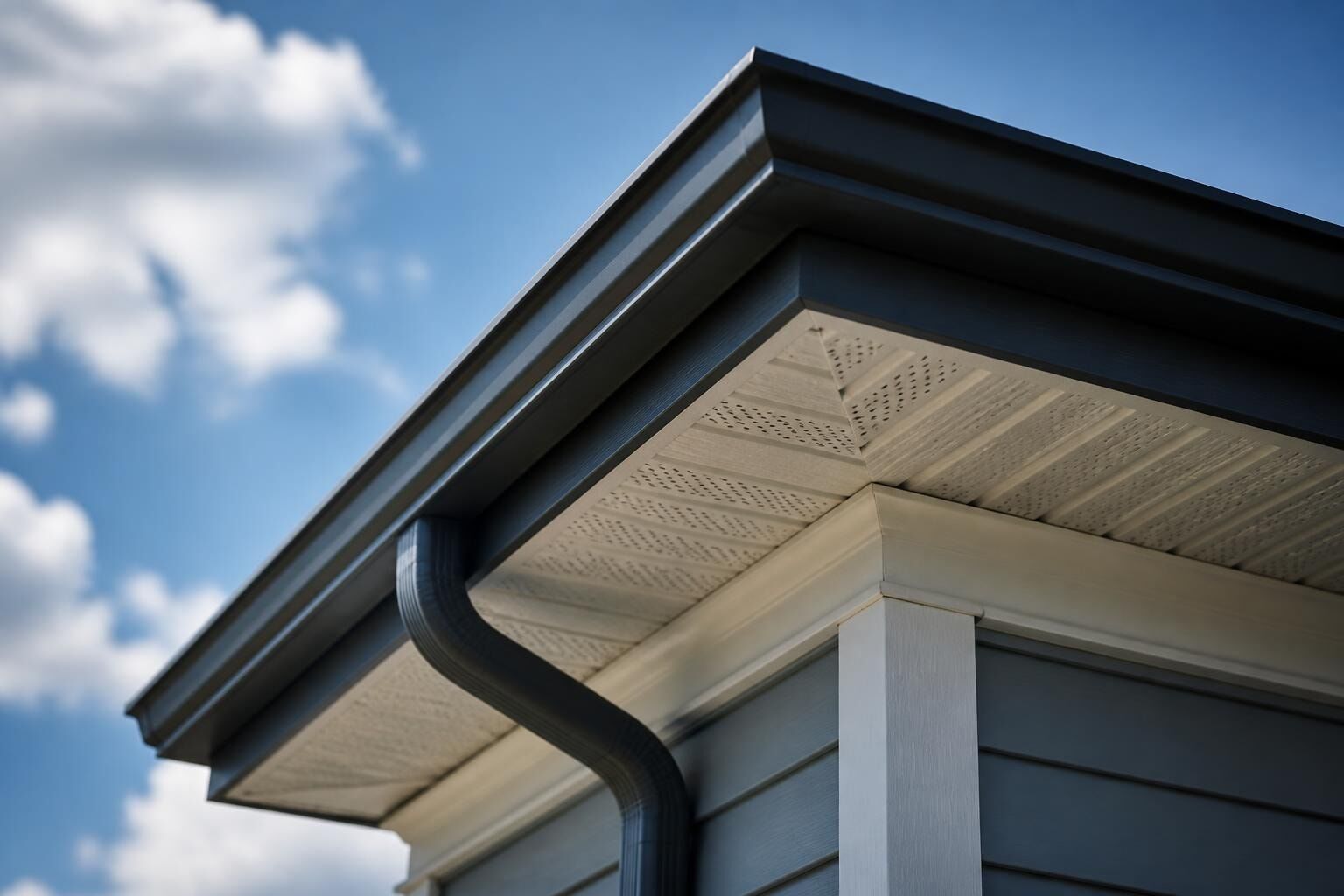
The exterior finishing elements of your home's roofline play a crucial role in protecting your property from weather damage and maintaining proper ventilation. Understanding the components that make up your roofline-specifically the soffit and fascia systems-helps homeowners make informed decisions about maintenance, repairs, and replacements. These architectural features work together to create a complete roofing system that protects your home's structure while enhancing its curb appeal. For property owners throughout Illinois, knowing how these components function can prevent costly damage and extend the life of your roofing investment.
Understanding Roof Soffit Fascia Components
The roof soffit fascia system consists of two distinct but interconnected elements that protect the roof edge and rafter ends. The fascia serves as a vertical finishing edge that runs along the roofline, while the soffit refers to the horizontal underside surface that connects the fascia to the exterior wall.
What Is Soffit?
Soffit represents the exposed surface beneath the overhanging section of your roof eave. This horizontal board bridges the gap between the exterior wall and the roof edge, creating a finished appearance while serving multiple functional purposes. Soffits play an essential role in home ventilation, allowing air to flow into the attic space and preventing moisture buildup that could lead to structural damage.
Key soffit functions include:
- Providing continuous attic ventilation to reduce heat and moisture
- Protecting exposed rafter ends from weather elements
- Preventing pest intrusion into the attic space
- Creating a clean, finished appearance along the roof edge
- Supporting proper air circulation for energy efficiency

What Is Fascia?
The fascia board mounts vertically at the point where the roof meets the outer walls of the house. This board runs horizontally along the roofline and serves as the mounting surface for gutters. Fascia boards provide the final layer of protection for the roof edge and rafter tails while creating a polished appearance that complements your home's architectural style.
Fascia components serve these critical purposes:
- Supporting and securing gutter systems
- Protecting roof rafters from weather exposure
- Providing a barrier against water infiltration
- Creating a uniform edge along the roofline
- Enhancing the home's overall aesthetic appeal
Material Options for Roof Soffit Fascia
Selecting appropriate materials for your roof soffit fascia system impacts both performance and longevity. Each material option offers distinct advantages in terms of durability, maintenance requirements, and cost considerations.
Wood Soffit and Fascia
Traditional wood remains a popular choice for soffit and fascia applications due to its natural appearance and workability. Cedar and pine represent the most common wood species for these applications, offering different characteristics based on climate conditions and budget constraints.
| Wood Type | Advantages | Disadvantages |
|---|---|---|
| Cedar | Natural resistance to decay, attractive grain patterns | Higher cost, requires periodic sealing |
| Pine | Affordable, easy to install, readily available | Requires regular painting, susceptible to moisture |
| Redwood | Excellent durability, natural insect resistance | Premium pricing, limited availability |
Wood soffit and fascia require consistent maintenance including painting or staining every three to five years to prevent rot and weather damage.
Vinyl Soffit and Fascia
Vinyl has become increasingly popular for roof soffit fascia installations due to its low maintenance requirements and cost-effectiveness. This synthetic material resists moisture, insects, and rot without requiring painting or sealing.
Vinyl benefits include:
- Minimal maintenance requirements
- Resistance to moisture and insect damage
- Wide range of colors and styles
- Cost-effective installation
- Long-term durability in various climates
Aluminum Soffit and Fascia
Aluminum presents an excellent option for homeowners seeking durability combined with low maintenance. This metal material withstands harsh weather conditions while maintaining its appearance over decades of service.
The lightweight nature of aluminum makes installation easier compared to wood, while the material's inherent properties resist warping, rotting, and insect damage. Many professional contractors recommend aluminum for its balance of performance and value.
Fiber Cement Options
Fiber cement combines durability with aesthetic versatility, creating a material that mimics wood's appearance while offering superior weather resistance. This composite material consists of cement, sand, and cellulose fibers that create a dense, weather-resistant board.
Installation Considerations
Proper installation of roof soffit fascia systems requires attention to detail and understanding of building science principles. Ventilation represents the most critical consideration during installation, as inadequate airflow can lead to moisture problems and reduced energy efficiency.
Ventilation Requirements
Building codes typically require a specific ratio of ventilation area to attic square footage. Most jurisdictions mandate one square foot of ventilation for every 150 square feet of attic space, with ventilation split equally between soffit intake and ridge exhaust.
Vented soffit panels feature perforations or screens that allow air to enter the attic while blocking insects and debris. Proper soffit and fascia installation ensures these ventilation openings remain unobstructed throughout the system's life span.
Professional Installation Process
- Assessment and measurement of existing conditions
- Removal of damaged or deteriorated materials
- Inspection of roof structure and rafter ends
- Installation of drip edge and water barriers
- Mounting of fascia boards with proper fastening
- Fitting of soffit panels with ventilation components
- Sealing of joints and connections
- Final inspection for proper ventilation and drainage
Common Problems and Solutions
Roof soffit fascia systems encounter various issues over time due to weather exposure and normal aging. Recognizing these problems early allows for timely intervention that prevents more extensive damage.
Water Damage and Rot
Moisture infiltration represents the primary threat to roof soffit fascia integrity. When gutters overflow or ice dams form, water can seep behind fascia boards and into soffit areas, causing wood rot and structural deterioration.
Warning signs of water damage:
- Discoloration or staining on soffit surfaces
- Peeling paint or bubbling finish
- Soft spots when pressing on boards
- Visible mold or mildew growth
- Sagging or warped sections
Pest Infiltration
Gaps in roof soffit fascia systems create entry points for insects, birds, and small mammals seeking shelter. These pests can cause significant damage to insulation and wiring while creating health hazards through droppings and nesting materials.
Regular inspection of soffit and fascia joints helps identify potential entry points before they become major problems. Sealing gaps and maintaining tight-fitting components prevents pest access to your attic space.
Ventilation Blockage
Paint buildup, debris accumulation, or improper installation can block soffit vents and reduce attic ventilation. Inadequate airflow increases cooling costs during summer months and promotes ice dam formation in winter.
Maintenance Best Practices
Consistent maintenance extends the life of your roof soffit fascia system and protects your home from weather-related damage. A proactive approach to care prevents small issues from developing into costly repairs.
Annual Inspection Schedule
Perform visual inspections of your roof soffit fascia components twice annually-once in spring and again in fall. These seasonal checks allow you to identify damage from winter weather or summer storms before problems escalate.
| Season | Inspection Focus | Action Items |
|---|---|---|
| Spring | Winter damage assessment | Check for ice dam damage, inspect paint condition |
| Summer | Ventilation verification | Ensure vents remain clear, assess cooling efficiency |
| Fall | Pre-winter preparation | Clean debris, repair damage, seal gaps |
| Winter | Storm damage monitoring | Check after major weather events, remove ice buildup |
Cleaning and Upkeep
Regular cleaning prevents debris accumulation that can trap moisture and accelerate deterioration. Use a soft brush or low-pressure water spray to remove dirt, leaves, and other materials from soffit vents and fascia surfaces.
For homes in the Joliet area and throughout Illinois, professional roofing services can provide comprehensive inspections that identify potential problems before they require extensive repairs.
Integration with Roofing Systems
The roof soffit fascia system functions as an integral component of your complete roofing structure. Understanding how these elements connect to other roofing components helps homeowners appreciate the importance of maintaining the entire system.
Gutter Attachment and Drainage
Fascia boards serve as the primary mounting surface for gutter systems. The structural integrity of your fascia directly impacts gutter performance and your home's water management capabilities. Deteriorated fascia can cause gutters to pull away from the roofline, leading to water damage around your foundation.
Proper gutter installation requires solid, well-maintained fascia boards that can support the weight of water-filled gutters during heavy rainfall.
Drip Edge Connection
The drip edge-a metal flashing component-bridges the gap between your roof covering and the fascia board. This critical element directs water away from the fascia and into the gutter system, preventing moisture infiltration behind the roofing materials.
When considering roof replacement, ensuring proper drip edge installation protects your new fascia investment and extends the life of your roofing system.
Cost Considerations and Return on Investment
Understanding the financial aspects of roof soffit fascia repair or replacement helps homeowners budget appropriately and make informed decisions about material selections and timing.
Material and Labor Costs
The total cost for roof soffit fascia installation varies based on material choice, home size, and accessibility factors. Material costs represent roughly 30-40% of the total project expense, with labor comprising the remainder.
Typical cost ranges per linear foot:
- Vinyl: $6-$12 installed
- Aluminum: $8-$15 installed
- Wood: $10-$18 installed
- Fiber cement: $12-$20 installed
Value Protection
Maintaining your roof soffit fascia system protects your home's value and prevents more expensive structural repairs. Damaged fascia can lead to rafter rot, while compromised soffits allow moisture into the attic, potentially damaging insulation and creating conditions for mold growth.
Properties in areas like Plainfield and New Lenox benefit from well-maintained exterior components that enhance curb appeal and protect against Illinois weather conditions.
Climate-Specific Considerations
Illinois homeowners face unique challenges due to the region's climate extremes. Understanding how weather patterns affect roof soffit fascia systems helps inform material selection and maintenance strategies.
Winter Weather Impact
Ice dams present a significant threat to roof soffit fascia integrity. When snow melts and refreezes at the roof edge, ice can push under shingles and behind fascia boards, causing water damage and structural problems. Proper attic ventilation through soffit vents helps maintain consistent roof temperatures that prevent ice dam formation.
Summer Heat and Humidity
High temperatures and humidity levels stress roof soffit fascia materials differently. Wood components can warp or crack when exposed to extreme heat cycles, while poor ventilation allows heat to build up in attic spaces, increasing cooling costs and accelerating shingle deterioration.
When to Replace vs. Repair
Determining whether to repair or replace roof soffit fascia components depends on the extent of damage, age of materials, and overall condition of your roofing system.
Repair Indicators
Minor issues often respond well to targeted repairs that restore function without complete replacement:
- Small sections of rot or damage
- Isolated areas of paint failure
- Single damaged boards
- Minor pest entry points
- Loose or separated joints
Replacement Indicators
Comprehensive replacement becomes necessary when damage extends beyond isolated areas or materials reach the end of their useful life:
- Extensive rot affecting multiple sections
- Structural damage to rafter ends
- System-wide ventilation inadequacy
- Material obsolescence or deterioration
- Complete home exterior renovation
For homes requiring storm damage repair, addressing roof soffit fascia damage promptly prevents secondary issues that could compromise your home's structural integrity.
Color and Style Selection
The aesthetic aspects of roof soffit fascia systems contribute significantly to your home's curb appeal and architectural character. Coordinating these elements with your roofing and siding creates a cohesive exterior appearance.
Coordination with Existing Elements
Select soffit and fascia colors that complement your roof covering and siding materials. Traditional white remains popular for its clean appearance and versatility, but colored options allow for personalized styling that enhances architectural features.
Color coordination guidelines:
- Match trim colors for unified appearance
- Contrast with siding for definition
- Coordinate with roofing undertones
- Consider neighborhood aesthetics
- Account for maintenance visibility
Architectural Style Matching
Different home styles benefit from specific soffit and fascia treatments. Colonial homes often feature simple, clean lines with minimal ornamentation, while Victorian styles may incorporate decorative trim elements. Understanding your home’s architectural character guides appropriate material and style selection.
Properly maintained roof soffit fascia systems protect your home's structure while enhancing its visual appeal and energy efficiency. Understanding these components, their materials, and maintenance requirements empowers homeowners to make informed decisions about repairs and replacements. Whether you need inspection, repair, or complete replacement of your soffit and fascia, Great Roofing brings decades of family-owned expertise to homes throughout the Joliet area and surrounding communities. Contact our team today for a comprehensive assessment of your roofing system's exterior components and discover how professional installation and maintenance can protect your investment for years to come.