

Navigating a roofer insurance claim can be one of the most challenging aspects of home maintenance, especially after unexpected storm damage or deterioration. Property owners in Joliet and surrounding areas face unique weather patterns that can wreak havoc on roofing systems, from severe hailstorms to high winds and heavy snow loads. Understanding how to properly file, document, and manage your insurance claim can mean the difference between a smooth replacement process and months of frustration with denied coverage or inadequate settlements. This comprehensive guide walks you through every step of the roofer insurance claim process, from initial damage assessment through final payment, ensuring you receive the coverage you deserve.
Understanding Your Roofing Insurance Policy
Before filing any roofer insurance claim, you must thoroughly understand your policy's coverage, exclusions, and limitations. Most homeowners policies cover sudden and accidental damage, such as storm-related losses, but exclude gradual deterioration or wear and tear. Your policy likely includes specific provisions for roof age, replacement cost versus actual cash value, and depreciation schedules that directly impact your settlement amount.
The distinction between replacement cost coverage and actual cash value is critical when processing a roofer insurance claim. Replacement cost policies pay for a new roof without depreciation, while actual cash value policies subtract depreciation based on your roof's age and condition. A 15-year-old asphalt shingle roof might receive only 50-60% of replacement cost under an ACV policy, leaving you with substantial out-of-pocket expenses.
Coverage Types and Limits
Insurance policies typically include several coverage components that affect roofing claims:
- Dwelling coverage: Primary protection for your home's structure, including the roof
- Matching coverage: Pays for replacing sections to match existing materials when exact matches are unavailable
- Code upgrade coverage: Covers costs to bring repairs up to current building codes
- Ordinance or law coverage: Additional protection for demolition and construction mandated by local regulations
Most policies also include a deductible, typically ranging from $500 to $5,000, which you pay before insurance coverage begins. Understanding your specific deductible amount helps you budget appropriately and determine whether filing a claim makes financial sense for smaller repairs.
Documenting Roof Damage Properly
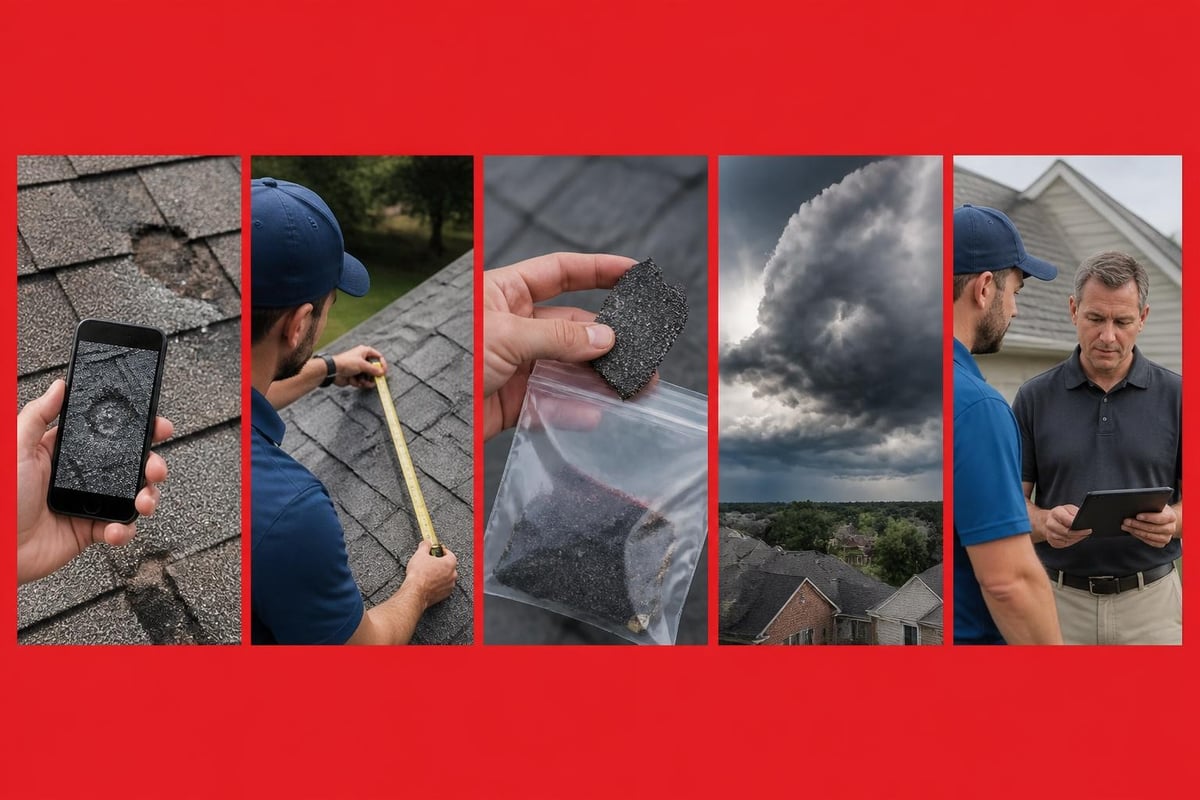
Thorough documentation is the foundation of every successful roofer insurance claim. The moment you suspect damage, begin creating a comprehensive record that includes photographs, videos, written descriptions, and professional assessments. Insurance adjusters review hundreds of claims monthly, so clear, organized evidence helps your claim stand out and prevents disputes.
Start by photographing your roof from ground level, capturing overall conditions from multiple angles. If safely accessible, take close-up images of specific damage areas, including missing shingles, dented flashing, cracked tiles, or punctured membranes. Date-stamp all images and videos, and consider using a smartphone app that automatically embeds GPS coordinates and timestamps.
Creating a Damage Inventory
Develop a detailed inventory that catalogs every damaged component:
- Roofing materials: Shingles, tiles, metal panels, or membrane sections
- Underlayment: Damaged felt, synthetic underlayment, or ice and water shield
- Flashing: Valleys, chimneys, skylights, and penetrations
- Ventilation: Ridge vents, soffit vents, or turbine vents
- Gutters and downspouts: Dented, detached, or missing sections
- Interior damage: Water stains, ceiling damage, or insulation saturation
The FloodSmart claims checklist offers an excellent framework for organizing documentation, particularly when roof damage results in water infiltration. This systematic approach ensures you don't overlook critical evidence that supports your roofer insurance claim.
Working With Insurance Adjusters
Insurance adjusters serve as the company's representatives who evaluate damage and determine settlement amounts. Understanding their role and how to work effectively with them significantly improves your claim outcome. Adjusters follow specific protocols, use standardized pricing software, and must justify their assessments to their employers, which sometimes creates tension with policyholders seeking maximum coverage.
When the adjuster schedules an inspection, ensure you or a trusted representative is present during the entire assessment. This allows you to point out all damaged areas, ask questions about their findings, and understand their evaluation methodology. Many homeowners make the mistake of allowing adjusters to inspect alone, missing opportunities to highlight damage or correct misconceptions.
Adjuster Inspection Preparation
Before the adjuster arrives, complete these preparation steps:
- Clean debris from the roof surface to expose damage clearly
- Compile all documentation into an organized folder or digital file
- Note any interior damage with photos and descriptions
- Research typical roof replacement costs in your area for comparison
- Prepare questions about coverage, depreciation, and settlement calculations
Consider having your own roofing contractor present during the inspection. Professional contractors understand construction costs, building codes, and hidden damage that untrained eyes might miss. Their expertise often identifies additional damage the adjuster might overlook, strengthening your roofer insurance claim.
Selecting a Qualified Roofing Contractor
Choosing the right contractor to complete your insurance repairs is one of the most important decisions in the claim process. Storm-chasing contractors often flood areas after severe weather, offering "free inspections" and promising to handle insurance claims. While some are legitimate, many engage in predatory practices that leave homeowners with substandard work and unresolved claims.
The Better Business Bureau warns homeowners about common scams involving free roof inspections and high-pressure sales tactics. Verify any contractor's credentials, insurance coverage, references, and local reputation before signing agreements. Established local contractors like Great Roofing have long-term reputations to protect and remain available for warranty service years after completion.
| Contractor Red Flags | Legitimate Contractor Indicators |
|---|---|
| Requests full payment upfront | Standard payment schedule tied to milestones |
| Offers to waive deductibles | Respects insurance requirements and policy terms |
| Pressures immediate signing | Provides written estimates with time to review |
| Lacks local references | Established local presence with verifiable work history |
| No physical business address | Licensed, insured, and bonded with documentation |
Contractor's Role in Your Claim
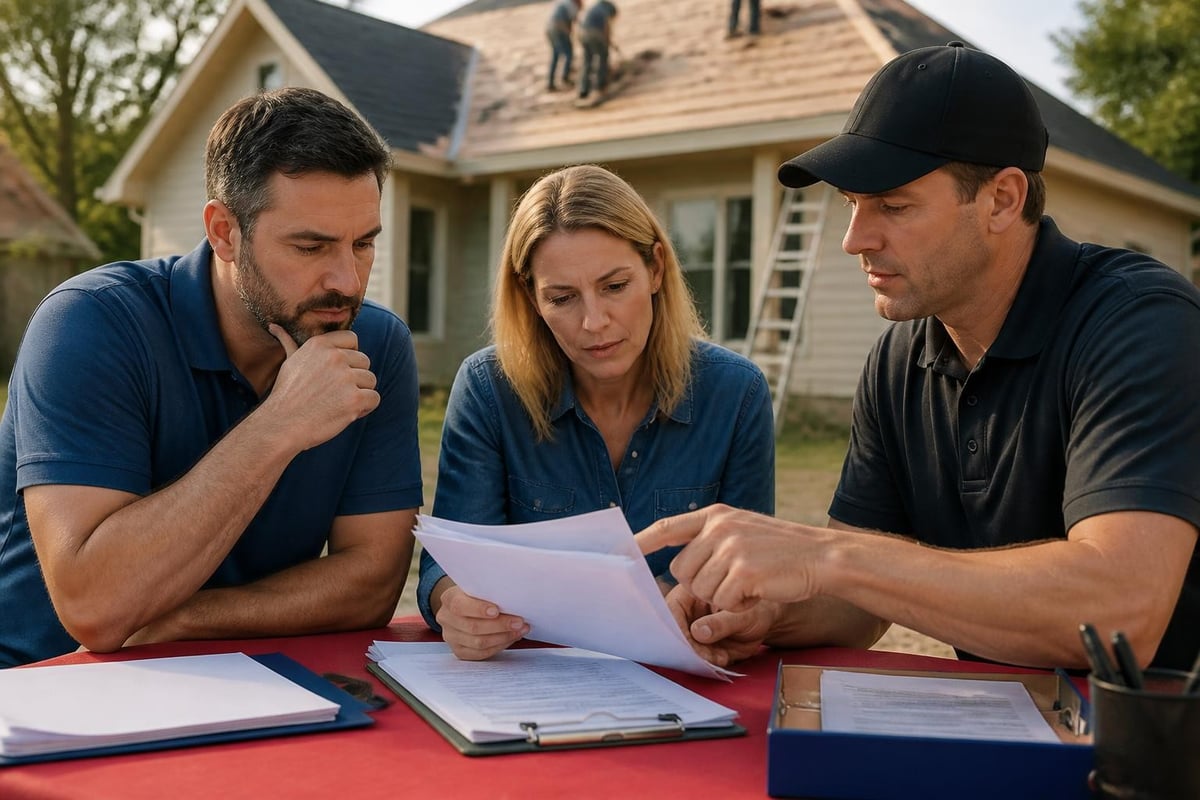
Quality contractors assist with your roofer insurance claim in several valuable ways. They provide detailed estimates that help you understand the full scope of repairs, identify hidden damage during initial inspections, and communicate with adjusters using industry terminology and standards. Many experienced contractors can spot discrepancies between adjuster assessments and actual repair requirements.
However, contractors cannot and should not control your insurance claim. You remain responsible for communicating with your insurance company, signing settlement agreements, and ensuring satisfactory completion. The Federal Trade Commission provides guidance on avoiding contractor scams and maintaining appropriate boundaries in these professional relationships.
Filing Your Roofer Insurance Claim
The actual claim filing process begins with notifying your insurance company as soon as you discover damage. Most policies require prompt notification and may deny coverage for unreported damage or delayed claims. Contact your agent or the company's claims department immediately, providing your policy number and a brief description of the damage.
Your insurance company will assign a claim number and adjuster, typically within 24-48 hours for storm-related damage. They'll schedule an inspection and request preliminary documentation. Respond promptly to all requests and maintain detailed records of every communication, including dates, times, names, and discussion summaries.
Initial Claim Documentation
Submit these documents with your initial claim filing:
- Completed claim forms with accurate damage descriptions
- Photographic and video evidence of all damage
- Professional inspection reports or estimates
- Weather reports correlating damage dates with storm events
- Repair history showing proper maintenance and previous work
The Insurance Information Institute’s roof toolkit provides excellent guidance on preparing documentation that meets insurance industry standards and improves claim approval rates. This resource helps homeowners understand what adjusters look for and how to present evidence effectively.
Negotiating Insurance Settlements
Initial settlement offers from insurance companies often fall short of actual repair costs. Adjusters may overlook damage, use outdated pricing data, or apply aggressive depreciation schedules that undervalue your claim. You have the right to dispute inadequate settlements and negotiate for fair compensation based on actual replacement costs.
When you receive an estimate that seems insufficient, obtain detailed written estimates from at least two reputable contractors. Compare these estimates with the adjuster's assessment, noting specific discrepancies in quantities, materials, or labor rates. Professional contractors familiar with quality roofing work can identify where insurance assessments fall short.
Common Settlement Disputes
Several issues frequently arise during roofer insurance claim settlements:
- Material quality: Adjusters may specify basic materials while your policy covers comparable quality to existing systems
- Hidden damage: Underlayment, decking, or structural issues not identified during initial inspections
- Code compliance: Costs to meet current building codes often exceed basic repair estimates
- Matching requirements: Difficulty finding discontinued materials necessitates larger replacement areas
- Labor rates: Insurance pricing software may not reflect current local market rates
Document all disputes in writing and request formal explanations for any denied coverage or reduced payments. Your policy includes an appeals process, and you can escalate disagreements through supervisory adjusters or your state's insurance department if necessary.
Managing Storm Damage Claims
Storm damage creates unique challenges in the roofer insurance claim process due to the volume of claims filed simultaneously and the prevalence of fraudulent contractors. After significant weather events, insurance companies often deploy catastrophe teams to handle claim volumes, which can speed processing but may also result in rushed assessments that miss damage.
Hail damage particularly complicates claims because impact marks can be subtle and require trained inspection to identify properly. Adjusters and contractors assess hail damage using different criteria, sometimes leading to significant disagreement about the extent of coverage warranted. Understanding how your insurance company evaluates hail damage helps you prepare appropriate evidence.
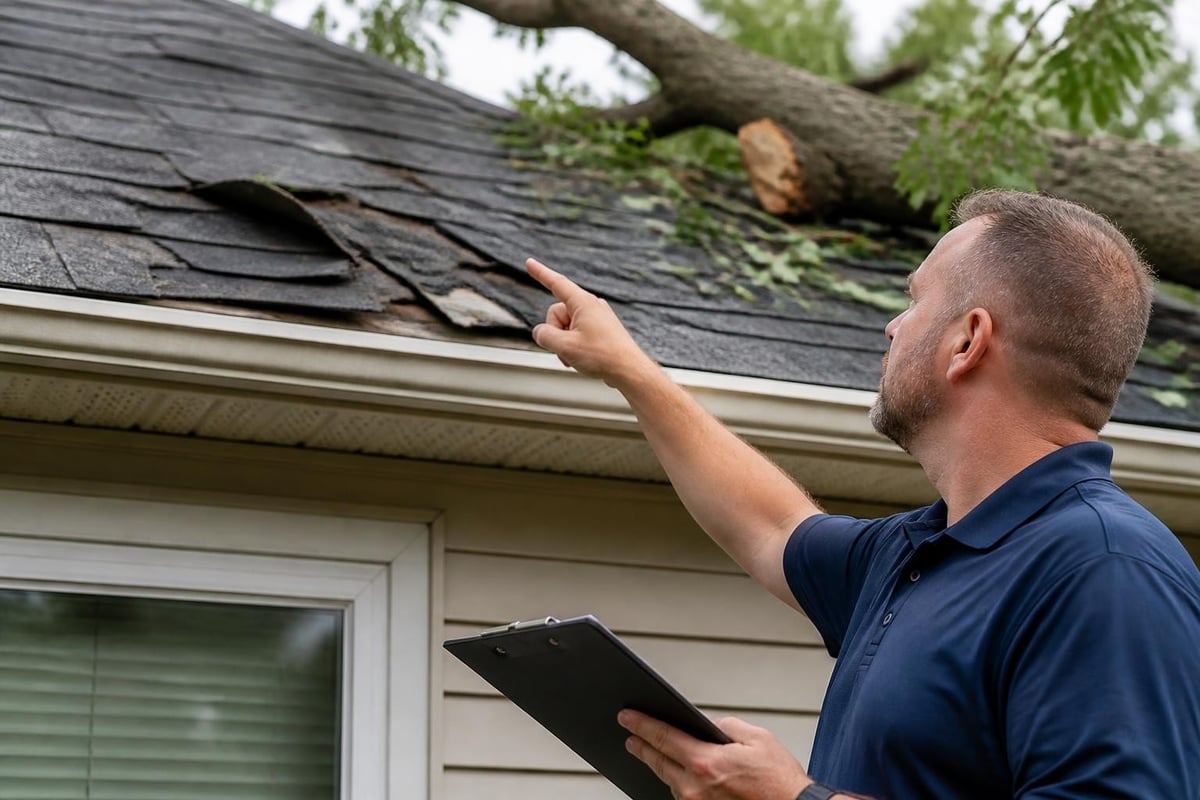
Wind damage from severe storms typically presents more obvious signs, such as missing shingles, lifted roof edges, or torn membranes. However, wind can also cause hidden damage to fasteners, underlayment, and structural components that only become apparent during repairs. When filing claims for storm-damaged roofs, insist on thorough inspections that include underlayment and decking assessment.
Post-Storm Claim Tips
Maximize your storm damage settlement with these strategies:
- File claims promptly while damage evidence remains fresh
- Correlate damage with specific weather events using official reports
- Photograph conditions before any temporary repairs
- Document all emergency mitigation efforts and expenses
- Resist pressure from contractors offering immediate repairs before adjuster inspection
The Illinois Attorney General warns residents about storm-related repair scams that exploit homeowners' urgency to fix damage quickly. Taking time to vet contractors and understand your claim rights prevents costly mistakes that could jeopardize your settlement.
Understanding Depreciation and Recoverable Amounts
Insurance policies with replacement cost coverage typically pay claims in two stages. The initial payment includes actual cash value (depreciated amount) minus your deductible. After you complete repairs and submit proof, the company releases recoverable depreciation, which brings the total payment to full replacement cost.
This two-stage payment process protects insurance companies from overpaying but can create cash flow challenges for homeowners. You must complete repairs using the initial payment, then wait for reimbursement of the depreciation holdback. Understanding this process helps you plan financing and avoid surprises during your roofer insurance claim.
| Payment Component | When Paid | Calculation Method |
|---|---|---|
| Actual Cash Value | After claim approval | Replacement cost minus depreciation |
| Deductible | Subtracted from ACV | Fixed amount per policy terms |
| Recoverable Depreciation | After repair completion | Withheld depreciation amount |
| Supplemental Claims | After additional damage discovered | Additional approved amounts |
Keep detailed records of all repair expenses, including invoices, receipts, and proof of payment. Insurance companies require this documentation before releasing recoverable depreciation. Submit your claim for the holdback immediately after completing work to minimize delays in receiving full payment.
Handling Claim Denials and Appeals
Insurance companies deny roofer insurance claims for various reasons, from policy exclusions to insufficient documentation or disputes about damage causes. A denial doesn't necessarily end your claim; most policies include appeals processes that allow you to challenge unfavorable decisions with additional evidence or expert opinions.
Common denial reasons include:
- Pre-existing damage: Insurer argues damage occurred before the covered event
- Maintenance issues: Claims gradual deterioration rather than sudden damage
- Policy exclusions: Damage type falls outside coverage scope
- Insufficient evidence: Documentation doesn't prove covered loss occurred
- Timely reporting: Claim filed outside policy notification requirements
Review denial letters carefully to understand the specific reasons cited. Gather additional evidence addressing the insurer's concerns, such as expert inspections, maintenance records, or weather data. Submit appeals in writing with all supporting documentation, clearly referencing your policy provisions and explaining why coverage applies.
In some cases, you may need professional assistance navigating complex claims or appeals. Public adjusters work for policyholders rather than insurance companies, helping document damage and negotiate settlements. While they charge fees (typically 10-15% of settlements), their expertise often increases settlement amounts significantly. For legal disputes involving policy interpretation or bad faith claims, consulting with an attorney experienced in insurance matters, similar to specialists like Randall J. Borden, Attorney at Law who navigates complex legal situations, may prove valuable.
Coordinating Repairs and Final Payment
Once your roofer insurance claim is approved and you've selected a contractor, coordinate the repair schedule carefully. Most policies require you to mitigate further damage by making temporary repairs and completing permanent restoration within a reasonable timeframe. Delays could jeopardize your claim or result in denied coverage for additional damage.
Quality contractors provide detailed project timelines, material specifications, and communication protocols. Verify that your contractor's scope of work matches the insurance settlement before signing contracts. Any gaps between approved coverage and necessary repairs should be identified and resolved through supplemental claims or out-of-pocket agreements.
During construction, insurance adjusters may conduct progress inspections or final inspections before releasing payments. Coordinate these visits with your contractor and document all completed work. If the contractor discovers additional damage during tear-off or reconstruction, stop work and notify your adjuster immediately to file a supplemental claim.
Final Payment Process
Complete your roofer insurance claim with these final steps:
- Obtain final inspection and approval from your contractor
- Request lien waivers from all contractors and suppliers
- Submit completion documentation to your insurance company
- Apply for recoverable depreciation release
- Verify all warranty documentation is in place
- Update your home maintenance records
For homeowners working with established contractors on roof replacement projects, the final payment process typically proceeds smoothly with proper documentation. However, maintaining detailed records protects you if disputes arise months or years later regarding warranty coverage or workmanship issues.
Preventing Future Claim Problems
After successfully completing your roofer insurance claim, take steps to prevent future problems and streamline any subsequent claims. Regular maintenance, documentation of repairs, and policy reviews help ensure you're adequately protected and prepared for future damage events.
Implement a proactive roof maintenance program that includes:
- Annual inspections: Professional assessments identifying minor issues before they become major problems
- Gutter maintenance: Regular cleaning preventing water backup and ice dam formation
- Trim management: Keeping trees trimmed away from the roof surface
- Ventilation checks: Ensuring proper attic ventilation to prevent premature aging
- Documentation: Photographing your roof annually to establish condition baselines
Understanding how professional gutter installation services complement your roofing system helps prevent water damage that might otherwise lead to insurance claims. Proper water management extends roof life and reduces the likelihood of coverage disputes related to maintenance.
Review your insurance policy annually, particularly after completing roof replacement. New roofing may qualify you for premium discounts or improved coverage terms. Conversely, as your roof ages, you may face increased deductibles or coverage limitations that warrant policy adjustments or upgrades.
Successfully navigating a roofer insurance claim requires thorough documentation, clear communication with adjusters, and partnership with qualified contractors who understand the process. By following the strategies outlined in this guide, you can maximize your settlement and ensure quality repairs that protect your property investment. When you need expert assistance with insurance claims in the Joliet area, Great Roofing brings decades of family-owned experience helping homeowners and businesses navigate the claim process from initial damage assessment through final restoration. Contact their team today to schedule a comprehensive inspection and receive expert guidance tailored to your specific insurance situation.