

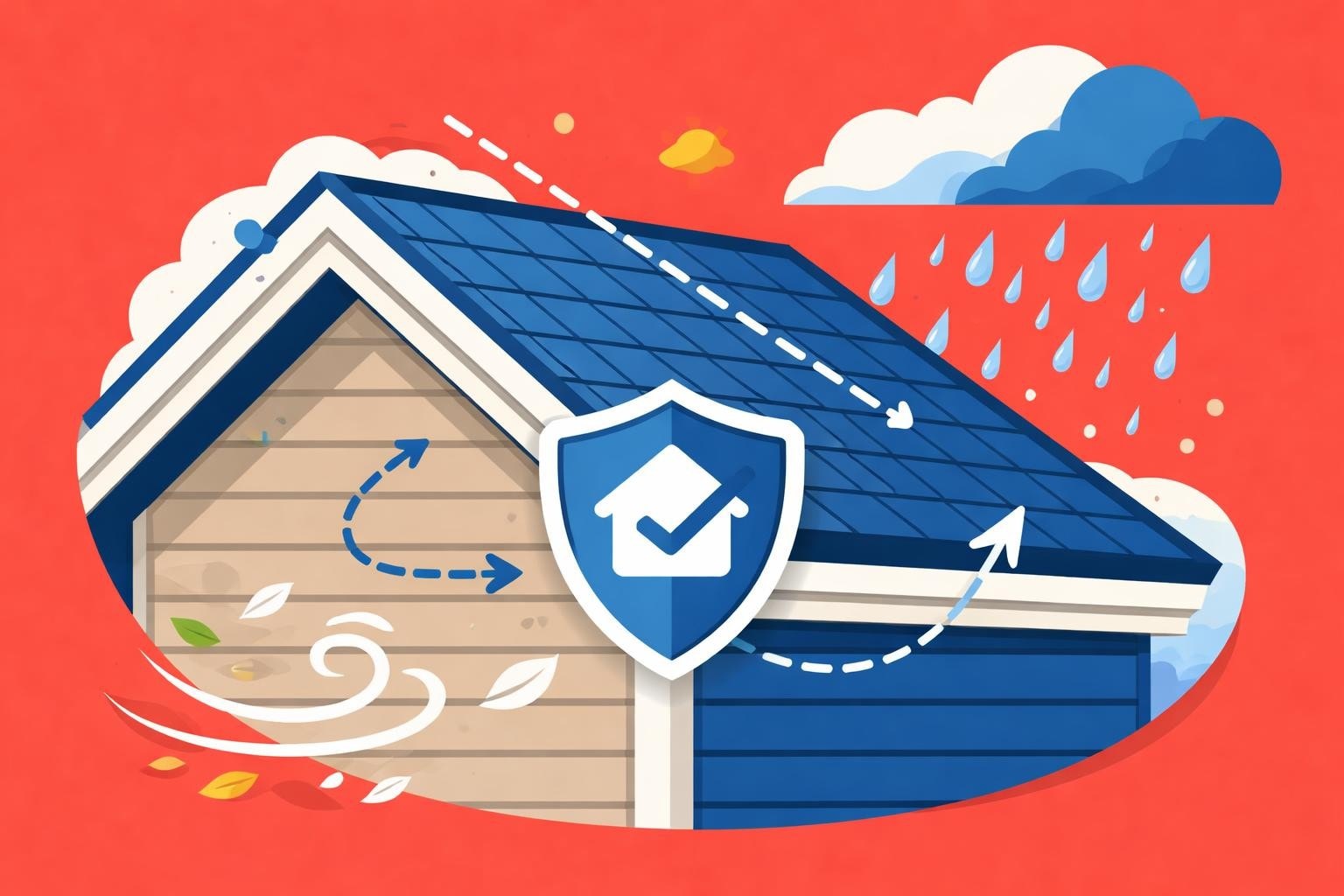
Homeowners in Joliet and throughout the Midwest face unique challenges when it comes to protecting their properties from harsh weather conditions. Your home's exterior systems work together as a unified defense against rain, snow, wind, and temperature extremes. When considering major exterior renovations, understanding how roofers and siding professionals coordinate their work can save you money, time, and future headaches. These two critical components of your home's envelope require specialized expertise, and knowing when to address both simultaneously versus separately makes a significant difference in project outcomes and long-term performance.
Why Coordinating Roofing and Siding Projects Makes Sense
Many homeowners don't realize that their roof and siding systems share critical integration points. The areas where these two systems meet require careful attention to ensure proper water management and energy efficiency. When you hire separate contractors at different times, you risk compromising these crucial transition zones.
Key benefits of coordinating these projects include:
- Reduced labor costs through shared scaffolding and equipment
- Consistent warranty coverage across your entire exterior
- Better color coordination and curb appeal
- Minimal disruption to your daily routine
- Improved energy efficiency through comprehensive sealing
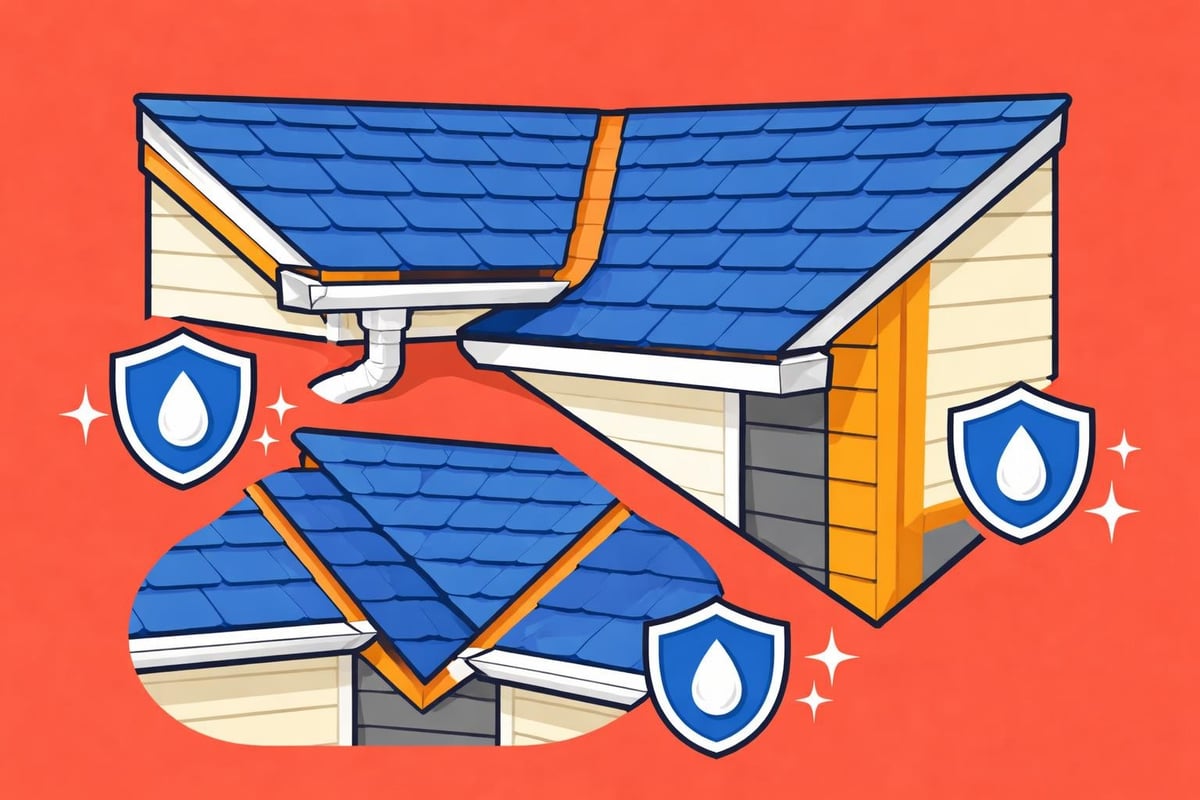
Professional roofers and siding contractors understand these integration points intimately. They know how to properly flash valleys, install kick-out flashing where rooflines meet sidewalls, and ensure that water flows away from vulnerable areas. This expertise becomes especially important in commercial applications where best practices for commercial roofing installations require precise coordination between different building envelope components.
Material Selection for Coordinated Projects
Selecting materials that complement each other aesthetically while meeting performance requirements takes careful planning. Your roof covers roughly 40% of your home's visible exterior, while siding accounts for the remaining 60%. These surfaces need to work together visually and functionally.
| Material Category | Roofing Options | Siding Options | Coordination Factor |
|---|---|---|---|
| Budget-Friendly | 3-Tab Asphalt Shingles | Vinyl Siding | Easy color matching |
| Mid-Range | Architectural Shingles | Fiber Cement | Enhanced durability |
| Premium | Designer Shingles | Composite/Cedar | Maximum curb appeal |
| Commercial | Modified Bitumen | Metal Panels | Weather resistance |
When working with asphalt shingle roofing systems, homeowners benefit from the widest variety of color choices. Modern architectural shingles feature multiple color granules that create depth and dimension, making it easier to find siding colors that enhance rather than clash with your roof. Understanding the differences between various roofing and siding materials helps you make informed decisions that balance aesthetics, performance, and budget.
Timeline Advantages of Combined Installation
Scheduling both projects together streamlines the construction process significantly. Instead of mobilizing crews, equipment, and materials twice, you complete everything in one concentrated effort. This approach minimizes the time your home remains under construction and reduces exposure to weather-related delays.
A typical combined project timeline looks like this:
- Pre-construction phase (1-2 weeks): Material selection, permits, and scheduling
- Roof removal and installation (2-4 days): Complete tear-off and new roof system
- Siding preparation (1-2 days): Remove old siding and install house wrap
- Siding installation (4-7 days): Install new siding, trim, and accessories
- Final inspection and cleanup (1 day): Quality check and site restoration
This compressed timeline proves especially valuable for commercial roofing projects where business disruption needs minimizing. Property managers appreciate the efficiency of coordinating exterior work during slower business periods.
Weather Considerations in the Midwest
Joliet's climate presents specific challenges for exterior work. Contractors who understand local weather patterns schedule projects during optimal windows, typically spring through fall. However, experienced roofers and siding specialists can work safely in various conditions with proper precautions.
Spring considerations include frequent rain events and temperature fluctuations. Teams must work quickly between weather systems while ensuring proper adhesive curing times for both roofing and siding materials.
Summer months offer the most stable conditions but require careful attention to thermal expansion. Materials installed during peak heat need appropriate spacing to accommodate contraction during winter months.
Fall projects benefit from moderate temperatures ideal for material handling. However, shortening daylight hours may extend project timelines slightly. Learn more about fall storm season preparations to understand timing considerations.
Cost Efficiency Through Combined Contracting
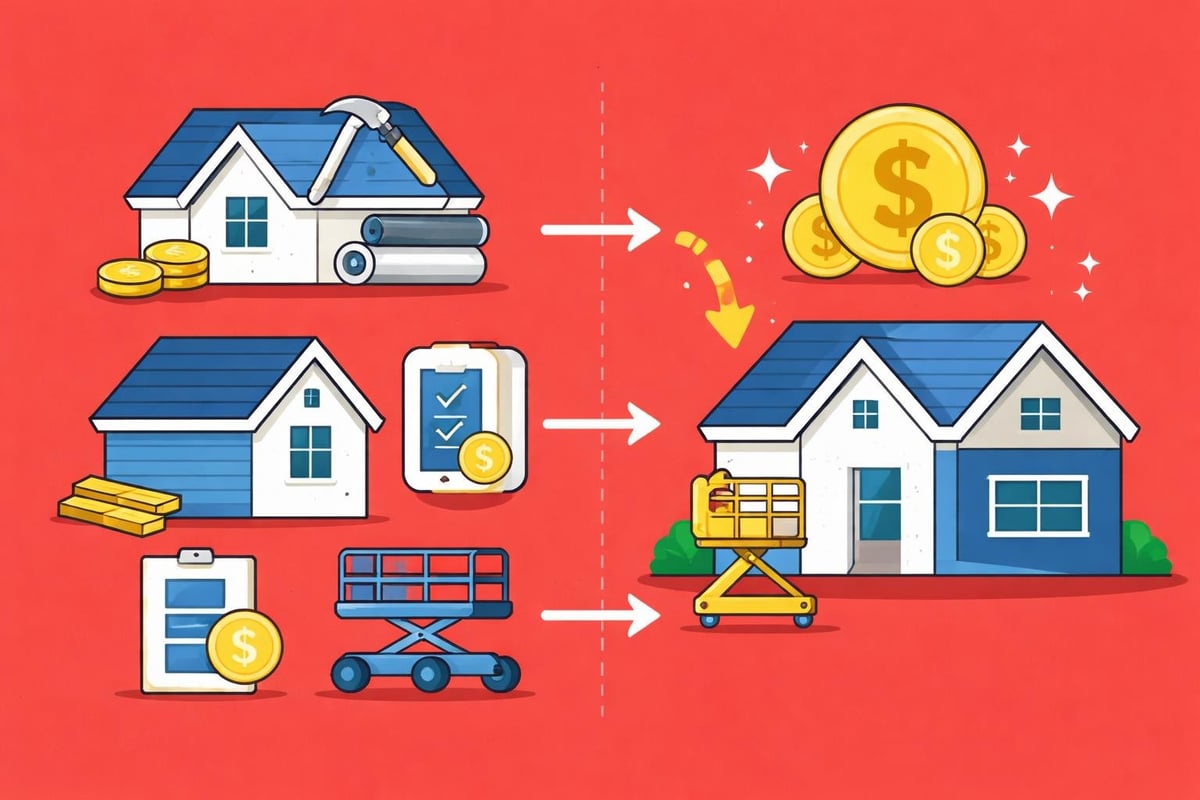
Homeowners consistently save money when bundling roofing and siding projects. The savings come from multiple sources beyond just combined labor costs. Contractors can negotiate better material pricing when ordering larger quantities, and they spread fixed costs like permits and insurance across a larger project scope.
Breaking Down the Financial Benefits
Labor savings represent the most obvious advantage. When crews mobilize once instead of twice, you eliminate duplicate setup costs, equipment rental fees, and transportation expenses. Scaffolding alone can cost $800-$1,500 per project-you pay this once instead of twice.
Material discounts add up quickly. Suppliers often provide 10-15% discounts on larger orders, and buying complementary products together sometimes unlocks additional savings. Delivery fees also consolidate into a single charge rather than multiple trips.
- Single permit application instead of two separate filings
- One dumpster rental covering both tear-offs
- Coordinated inspection schedules reducing delays
- Bulk purchasing power for accessories and trim
- Shared equipment costs across projects
Professional contractors who specialize in both disciplines bring additional value through their comprehensive understanding of building science. They recognize how proper attic ventilation impacts both roofing performance and siding longevity, creating truly integrated solutions.
Quality Control Benefits
When one contractor handles both aspects of your exterior renovation, accountability becomes crystal clear. There's no finger-pointing between separate companies if problems arise. Your single point of contact manages the entire project, ensuring consistent quality standards and cohesive workmanship.
Quality-focused roofers and siding professionals implement comprehensive inspection protocols. They understand that their reputation depends on the long-term performance of integrated systems, not just individual components. This perspective drives attention to details that separate contractors might overlook.
Critical Integration Points
Several areas require extra attention when coordinating roofing and siding work:
Sidewall flashing must extend properly under siding while sealing against the roof deck. Improper installation creates pathways for water intrusion that may go undetected for years. Experienced contractors know the exact overlap specifications and fastening patterns required for different material combinations.
J-channel installation around windows and doors needs coordination with roof drainage patterns. Water must shed away from vulnerable penetrations, and both roof and siding systems contribute to this water management strategy.
Soffit and fascia work connects directly to both roofing and siding systems. These transitional elements require precise measurement and installation to maintain proper ventilation while creating clean, finished appearances.
According to insights from roofing and siding contractors, homeowners who understand these integration points make better decisions throughout the project. They ask informed questions and recognize quality workmanship when they see it.
Material Delivery and Project Management
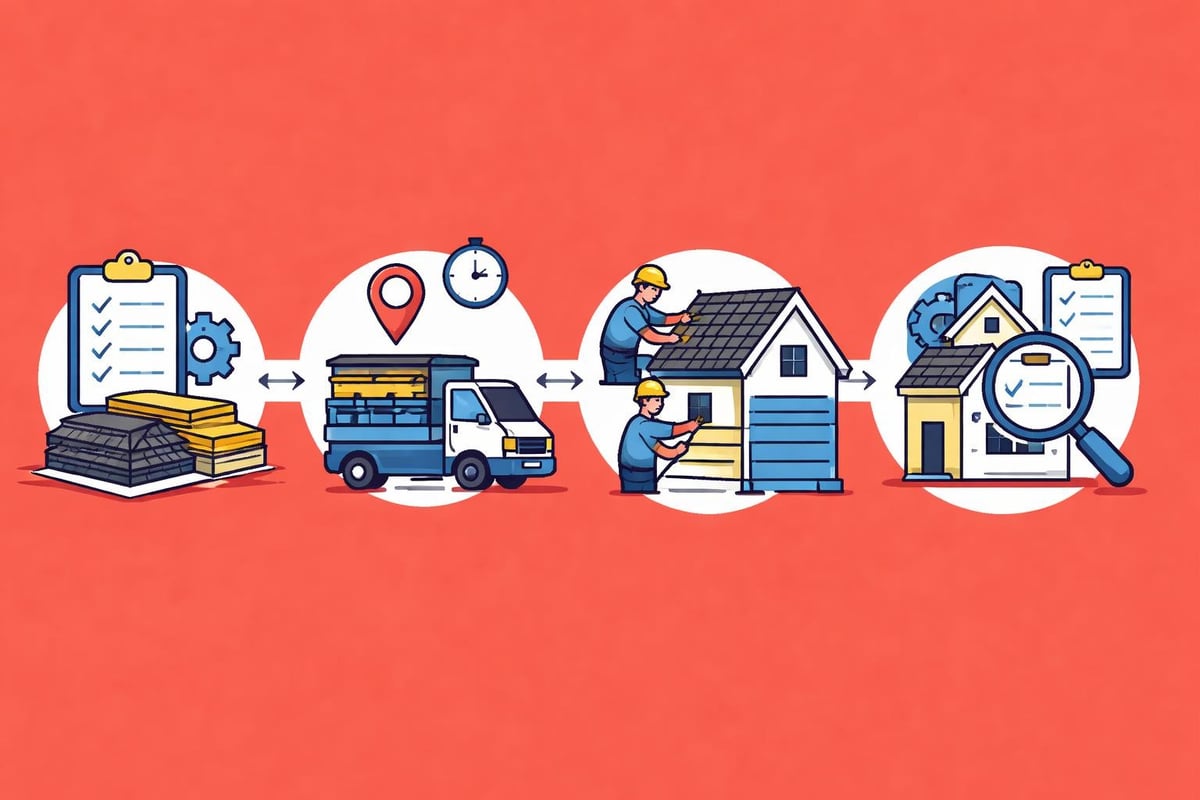
Coordinating material deliveries for combined projects requires sophisticated logistics. Successful contractors sequence arrivals to match installation schedules while minimizing on-site storage requirements. This planning prevents damage to materials and keeps job sites organized and safe.
Following delivery and handling guidelines for roofing and siding materials ensures products arrive in optimal condition and remain protected until installation. Damaged materials discovered during installation cause delays and additional costs that proper handling prevents.
| Material Type | Storage Requirements | Protection Needs | Typical Lead Time |
|---|---|---|---|
| Asphalt Shingles | Flat, dry surface | Cover from UV/rain | 3-7 days |
| Vinyl Siding | Level ground | Shade, climate control | 5-10 days |
| Fiber Cement | Elevated platform | Moisture barrier | 7-14 days |
| Metal Panels | Padded supports | Scratch prevention | 10-21 days |
Professional contractors maintain relationships with reliable suppliers who prioritize their orders and accommodate scheduling needs. This network becomes particularly valuable when specialty materials or custom colors require extended manufacturing times.
Warranty Protection and Long-Term Value
Comprehensive warranty coverage represents one of the most valuable yet overlooked benefits of coordinated projects. When the same contractor installs both your roof and siding, warranty terms typically cover the entire building envelope under unified conditions. This eliminates gaps or disputes about which system caused a particular issue.
Manufacturer warranties on materials remain separate, but workmanship warranties from your contractor cover all labor. This distinction matters significantly if problems develop years after installation. With separate contractors, determining responsibility for issues at integration points becomes contentious and complicated.
Quality contractors stand behind their work with substantial labor warranties ranging from 5-10 years or more. They understand that proper installation of both systems protects their reputation and reduces callback expenses. This confidence in their work translates to better initial installation practices and more thorough quality control.
Insurance Claim Coordination
When storm damage affects both roofing and siding, working with contractors experienced in both disciplines simplifies the insurance process. They document damage comprehensively, understanding what adjusters look for in roof storm damage assessments. Their detailed reports support complete restoration rather than piecemeal repairs.
Experienced contractors who handle roof insurance claims regularly know how to present damage documentation that insurance companies accept. They photograph critical integration points, measure affected areas accurately, and provide detailed scope-of-work descriptions that justify comprehensive repairs.
Choosing the Right Contractor
Selecting contractors who excel at both roofing and siding requires evaluating multiple factors beyond basic licensing and insurance. You need professionals who demonstrate expertise in material science, building codes, and integrated system design. Their experience should include projects similar to yours in scope and complexity.
Essential qualifications include:
- State contractor licensing with proper classifications
- Comprehensive general liability and workers' compensation insurance
- Manufacturer certifications for products they install
- Local references from recent projects
- Detailed written estimates with material specifications
- Clear warranty documentation covering labor and materials
When evaluating potential contractors, ask about their experience with integrated projects. Request examples of homes where they've coordinated both roofing and siding work. Quality contractors maintain photo portfolios showcasing completed projects and readily provide references.
Questions to Ask During Consultations
Smart homeowners prepare questions that reveal contractor expertise and professionalism. These conversations help you assess whether candidates understand the complexities of coordinated exterior work:
- How do you handle integration points between roofing and siding systems?
- What specific flashing techniques do you use at sidewalls and valleys?
- How do you coordinate material deliveries and installation sequences?
- What happens if weather delays interrupt the project?
- Who supervises daily work and handles quality control?
A local roofing contractor familiar with Joliet's building codes and climate conditions brings valuable regional expertise. They understand permit requirements, inspection protocols, and material performance in Midwest weather patterns.
Modern Marketing for Service Providers
The roofing and siding industry continues evolving, with successful companies recognizing the importance of digital presence. Property owners increasingly research contractors online before making contact, making professional websites and positive reviews critical for business growth. Companies investing in SEO for roofing, siding, and gutter companies position themselves to capture these online searchers.
This digital evolution benefits homeowners by making contractor research easier and more transparent. Online reviews, photo galleries, and detailed service descriptions help property owners make informed decisions before requesting estimates. The competitive marketplace rewards contractors who demonstrate expertise through educational content and customer testimonials.
Energy Efficiency and Performance
Modern roofers and siding professionals understand building science principles that dramatically impact home energy performance. The exterior envelope-comprising roofing, siding, insulation, and air sealing-determines how efficiently your home maintains comfortable temperatures year-round.
Key performance factors include:
- Proper ventilation preventing moisture accumulation
- Continuous insulation minimizing thermal bridging
- Air barrier systems reducing infiltration losses
- Reflective roofing materials lowering cooling loads
- Moisture management preventing rot and mold
When contractors coordinate both systems, they optimize these factors holistically. They ensure attic ventilation requirements align with soffit and fascia design. They coordinate house wrap installation with roof underlayment for continuous weather protection. This integrated approach delivers superior performance compared to separately installed systems.
Return on Investment
Beyond immediate curb appeal improvements, quality roofing and siding installations provide measurable financial returns. Energy savings accumulate monthly through reduced heating and cooling costs. Property values increase through enhanced aesthetics and verified system upgrades. Maintenance costs decrease as modern materials require less frequent attention than older products.
Comprehensive guides like This Old House’s roofing and siding resource emphasize these long-term value propositions. Homeowners who view exterior improvements as investments rather than expenses make better material selections and contractor choices.
Commercial Applications
Commercial property managers face different considerations when planning exterior renovations. Building codes impose stricter requirements, and business operations cannot tolerate extended disruptions. Commercial-grade materials must meet higher performance standards for wind uplift, fire resistance, and durability.
Professional roofers and siding contractors with commercial experience understand these elevated requirements. They coordinate with property managers to schedule work during low-occupancy periods. They implement safety protocols that protect building occupants and comply with OSHA regulations. Their material selections prioritize longevity and low maintenance over initial cost savings.
Modified bitumen roofing systems commonly used in commercial applications require specialized installation expertise. These torch-applied or cold-adhesive systems demand precision and experience that residential-focused contractors may lack. Similarly, commercial siding projects often involve metal panel systems with engineered attachment requirements beyond typical residential applications.
Coordinating your roofing and siding projects delivers substantial benefits through cost savings, improved quality, and comprehensive warranty protection. Whether you're planning a residential renovation or managing commercial property maintenance, partnering with experienced professionals who understand integrated exterior systems ensures optimal results. Great Roofing brings family-owned dedication and specialized expertise to every project, serving Joliet homeowners and commercial property managers with quality craftsmanship in both residential shingle and commercial modified bitumen systems. Contact our team today to discuss how coordinated exterior improvements can transform and protect your property.