

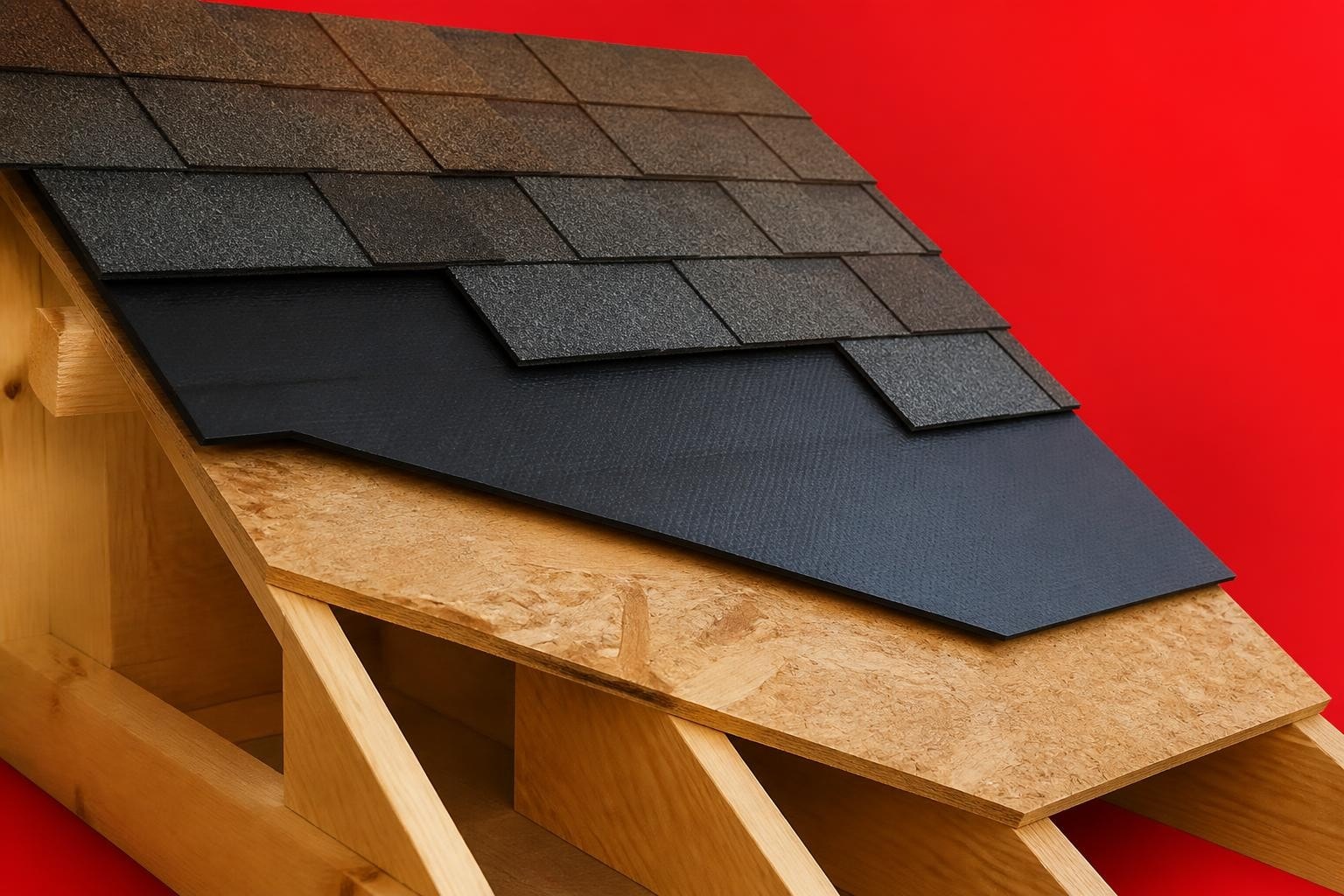
Roofing systems involve multiple layers working together to protect your home from the elements, and one of the most critical yet often overlooked components is the underlayment. Roofers felt, also known as roofing felt or tar paper, serves as a secondary barrier between your roof deck and the final roofing material. This essential layer provides waterproofing protection, extends the life of your roof, and ensures your home remains dry during severe weather conditions. Whether you're planning a roof replacement or simply want to understand what protects your home, knowing about roofers felt will help you make informed decisions about your roofing investment.
Understanding Roofers Felt and Its Purpose
Roofers felt is a flexible sheet material saturated with asphalt or tar, designed to create a water-resistant barrier on roof decks before the installation of shingles or other final roofing materials. This underlayment has been a staple in the roofing industry for over a century, evolving from simple organic materials to advanced synthetic options.
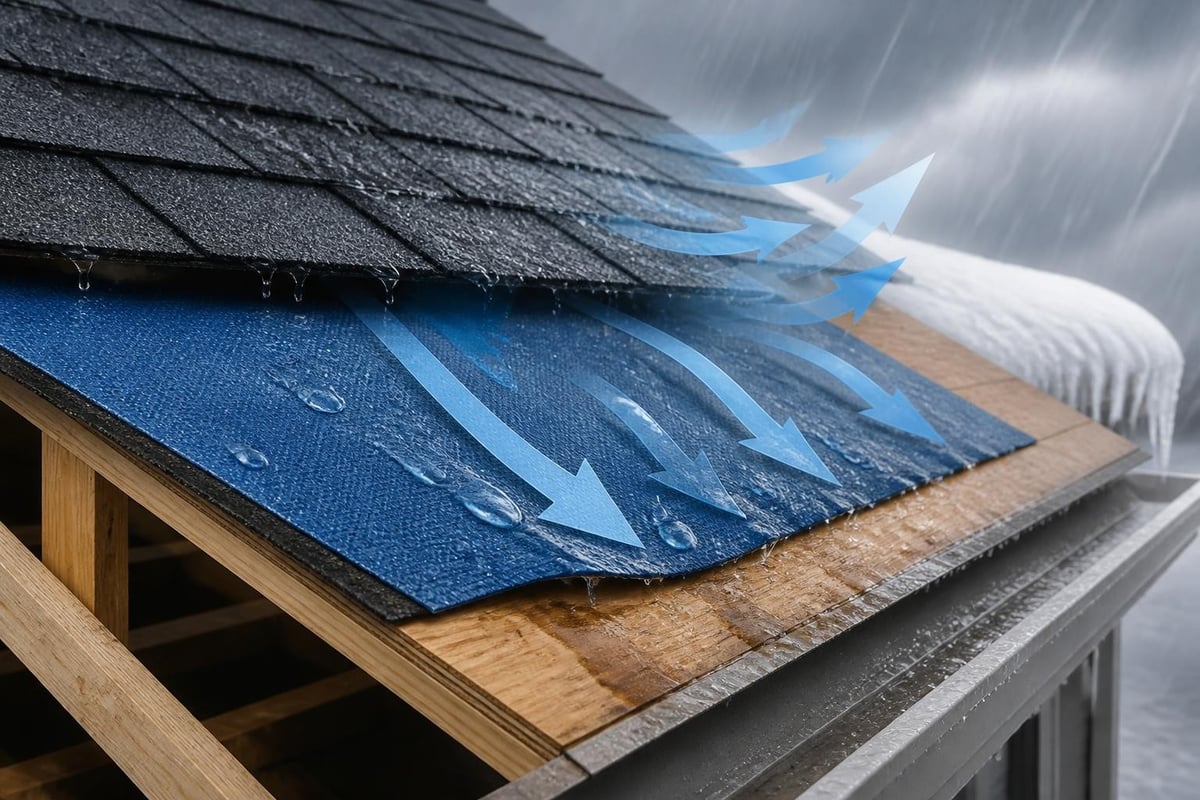
The primary function of this underlayment is to provide an additional layer of protection against water infiltration. When properly installed, it prevents moisture from reaching the wooden roof decking, which could otherwise lead to rot, mold growth, and structural damage. This protection becomes especially important in areas prone to wind-driven rain or ice dams.
Key Benefits of Proper Underlayment
Installing quality roofers felt offers multiple advantages that extend beyond basic waterproofing:
- Moisture barrier: Prevents water from penetrating to the roof deck if shingles are damaged or blown off
- Secondary protection: Provides backup defense during severe weather events
- Improved longevity: Extends the overall lifespan of your roofing system
- Temporary weather protection: Protects exposed decking during multi-day installation projects
- Fire resistance: Adds an extra layer of fire protection to your home
Professional contractors understand that the quality of underlayment directly impacts the performance of the entire roofing system. When you work with experienced roofing and siding services providers, they ensure proper underlayment selection and installation as part of their comprehensive approach.
Types of Roofers Felt Materials
The roofing industry offers several types of felt underlayment, each with distinct characteristics suited for different applications and climates. Understanding these options helps property owners make appropriate choices for their specific needs.
Traditional Asphalt-Saturated Felt
The most common type consists of an organic or fiberglass base material saturated with asphalt. These products are designated by weight, typically available in 15-pound and 30-pound varieties.
15-Pound Felt: This lighter-weight option provides basic protection and works well for standard residential applications in moderate climates. It's easier to handle during installation and costs less than heavier alternatives.
30-Pound Felt: The heavier grade offers enhanced durability and better tear resistance. This option performs better in harsh weather conditions and provides longer-lasting protection, making it ideal for areas experiencing extreme temperatures or frequent storms.
According to comprehensive guides on roofing felt types, the weight designation historically referred to the actual weight of felt covering 100 square feet, though modern manufacturing standards have evolved.
Synthetic Underlayment Options
Modern synthetic underlayments have gained popularity due to their superior performance characteristics. Made from polyethylene or polypropylene, these materials offer several advantages over traditional felt.
| Feature | Traditional Felt | Synthetic Underlayment |
|---|---|---|
| Weight | Heavier, harder to handle | Lightweight, easier installation |
| Durability | Tears more easily | High tear resistance |
| UV Resistance | Limited exposure time | Extended exposure tolerance |
| Water Resistance | Good | Excellent |
| Cost | Lower initial investment | Higher upfront cost |
Synthetic options provide extended UV protection, allowing roofs to remain exposed for longer periods during construction delays. This feature proves particularly valuable for large commercial projects or situations where weather interrupts installation schedules.
Rubberized Asphalt Membranes
Self-adhering rubberized asphalt membranes represent premium underlayment technology. These products feature a sticky backing that bonds directly to the roof deck, creating a watertight seal around nails and fasteners.
This type excels in vulnerable areas such as valleys, eaves, and around penetrations where water infiltration risks run highest. Many building codes now require ice and water shield protection in regions prone to ice dam formation. When addressing roof leak repairs, professionals often discover that inadequate underlayment in critical areas contributed to the problem.
Installation Considerations and Best Practices
Proper installation of roofers felt requires attention to detail and adherence to manufacturer specifications. The quality of installation directly affects how well the underlayment performs throughout its service life.
Preparation and Surface Requirements
Before installing any underlayment, the roof deck must be clean, dry, and properly prepared. Contractors inspect for protruding nails, gaps between decking boards, and damaged sections that require repair. The deck should be smooth to prevent tears in the felt during installation and use.
Weather conditions play a crucial role in installation success. Installing roofers felt during rain or when temperatures fall below recommended ranges can compromise adhesion and create wrinkles that trap moisture. Professional roof installation companies schedule work during optimal weather windows to ensure proper installation.
Installation Steps and Techniques
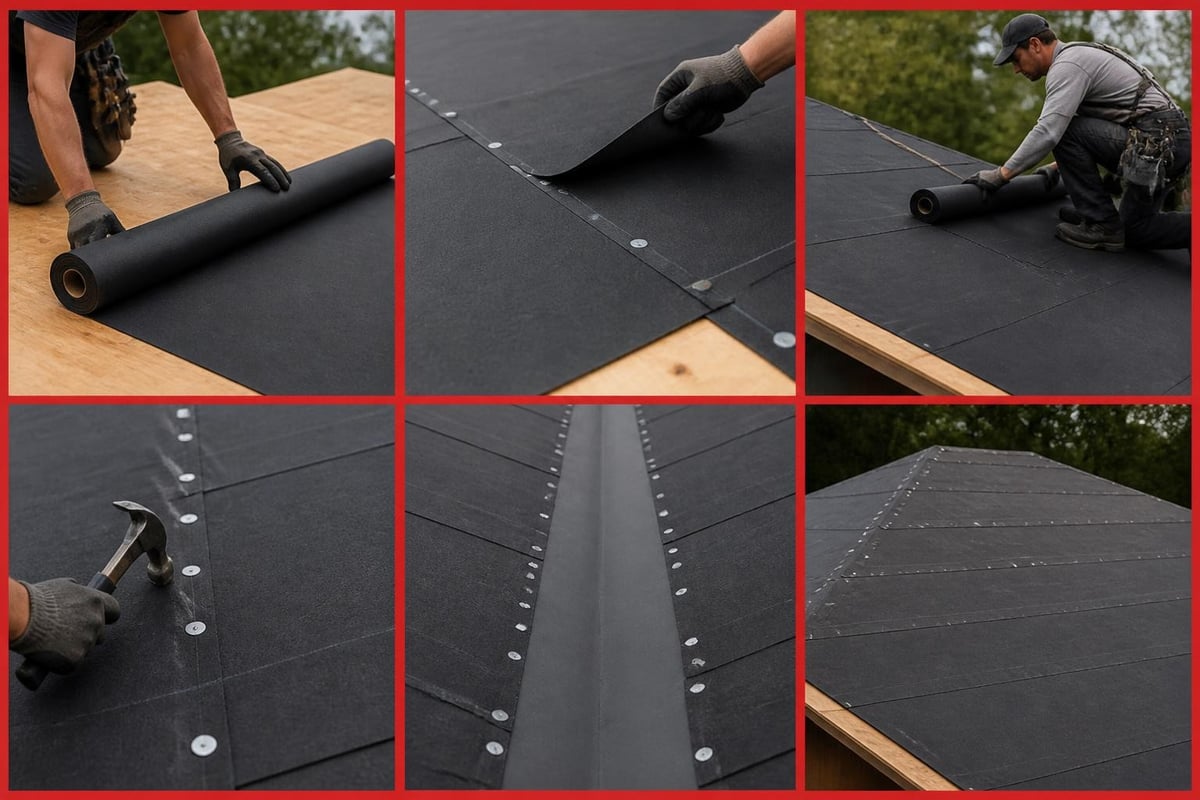
- Start at the eaves: Begin with a starter strip along the roof's edge, ensuring proper overhang into gutters
- Horizontal application: Roll out felt horizontally across the roof, working from bottom to top
- Maintain proper overlap: Create 2-6 inch overlaps between rows, depending on roof pitch and product specifications
- Secure adequately: Use appropriate fasteners spaced according to manufacturer recommendations
- Address valleys and hips: Apply additional protection in these vulnerable areas
- Seal penetrations: Carefully cut and seal around vents, chimneys, and other roof penetrations
The overlap pattern creates a shingling effect that directs water downward and away from the roof deck. Resources like the practical installation guides provide detailed specifications for various scenarios.
Selecting the Right Roofers Felt for Your Project
Choosing appropriate underlayment involves evaluating multiple factors specific to your building, location, and roofing system. The right selection balances performance requirements with budget considerations while meeting local building code requirements.
Climate and Environmental Factors
Geographic location significantly influences underlayment selection. Homes in northern climates require products that resist ice dam formation and handle freeze-thaw cycles. The National Roofing Authority’s underlayment guide explains how different regions demand different protection levels.
Properties in coastal areas benefit from enhanced wind and salt resistance, while desert environments require UV-resistant products that withstand prolonged sun exposure during installation. Joliet homeowners face varied weather conditions throughout the year, making it essential to select underlayment that performs across temperature extremes.
Roof Pitch and Design Complexity
Steep-pitched roofs shed water more effectively, potentially allowing for lighter-weight felt options. Low-slope applications demand more robust waterproofing solutions, often requiring multiple layers or premium synthetic products.
Complex roof designs with multiple valleys, dormers, and penetrations benefit from higher-quality underlayment with superior tear resistance. These areas experience increased stress during installation and throughout the roof's service life. When dealing with valley roof configurations, enhanced protection becomes even more critical.
Building Code Requirements
Local building codes establish minimum standards for underlayment based on regional conditions and roofing types. These regulations specify requirements for:
- Minimum underlayment weight or grade
- Ice and water shield placement
- Overlap specifications
- Fastening patterns
- Fire rating requirements
Professional contractors stay current with evolving code requirements and ensure all installations meet or exceed these standards. Working with reputable providers ensures compliance and optimal protection.
Cost Considerations and Return on Investment
Understanding the financial aspects of roofers felt helps property owners make informed decisions that balance immediate costs with long-term value. While underlayment represents a relatively small portion of total roofing expenses, choosing the wrong product can lead to costly problems.
Material Cost Comparison
Traditional 15-pound felt typically costs $15-25 per roll covering approximately 400 square feet, while 30-pound felt ranges from $25-40 per roll. Synthetic underlayment costs $40-100 per roll, and premium rubberized membranes range from $75-150 per roll for similar coverage.
However, these material costs don't tell the complete story. Labor efficiency, durability, and warranty considerations affect total project economics. Synthetic products often install faster due to their lighter weight and larger coverage areas, potentially offsetting higher material costs through reduced labor hours.
Long-Term Value Analysis
| Investment Level | Initial Cost | Expected Performance | Potential Savings |
|---|---|---|---|
| Minimum Code | Lowest | Basic protection | None, higher risk |
| Standard Grade | Moderate | Reliable performance | Prevents common issues |
| Premium Products | Highest | Maximum protection | Extends roof life, reduces repairs |
Investing in quality underlayment pays dividends through extended roof life and reduced maintenance needs. When storms damage shingles, superior underlayment continues protecting the structure while repairs are scheduled. This becomes particularly valuable during periods of high contractor demand following severe weather events.
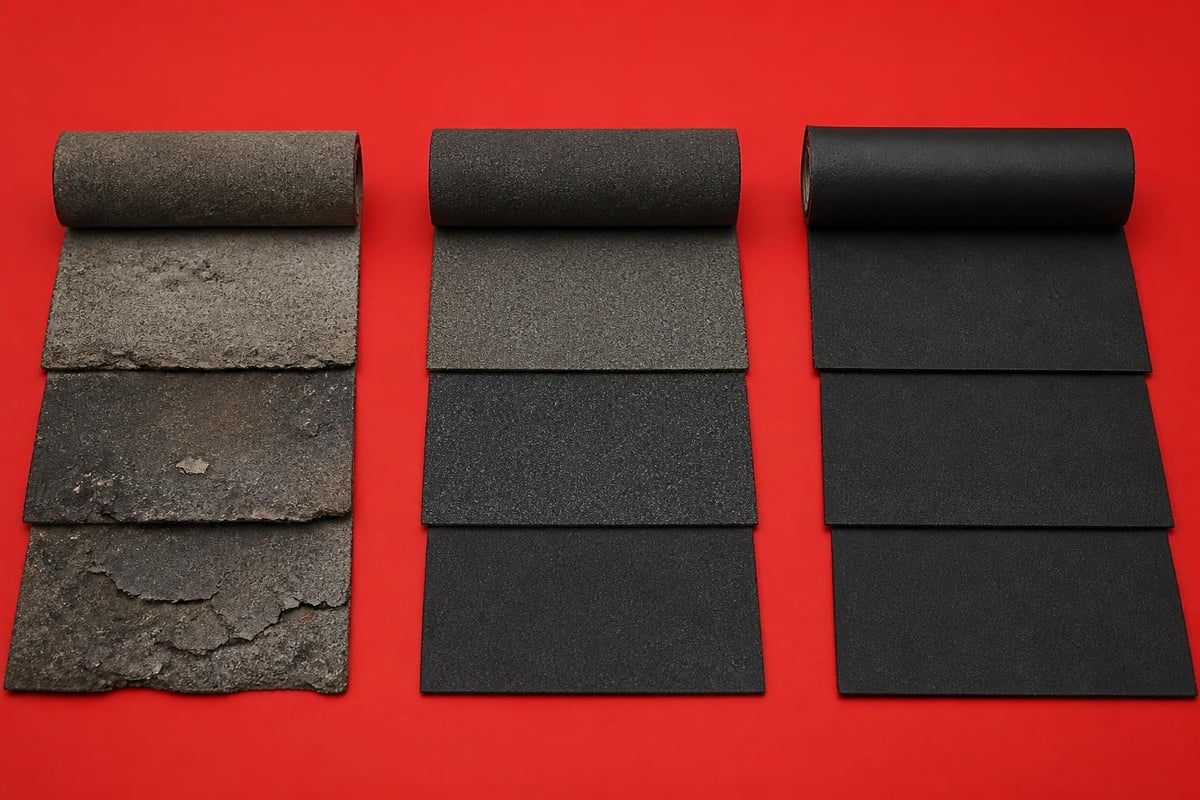
The purpose and function of quality roofing felt extends beyond initial installation, contributing to overall system resilience and homeowner peace of mind.
Common Problems and How to Avoid Them
Even quality roofers felt can fail to perform adequately when installed incorrectly or when inappropriate products are selected for specific applications. Recognizing common issues helps property owners and contractors prevent problems before they occur.
Installation Errors That Compromise Performance
Wrinkles and buckling represent frequent installation mistakes that create channels for water to pool and penetrate. These issues typically result from installing felt over damp decking or failing to properly tension the material during application. Proper technique requires smooth, flat installation with appropriate fastening to prevent movement.
Insufficient overlap between rows creates vulnerable seams where water can penetrate to the roof deck. Following manufacturer specifications for overlap distances ensures proper shingling effect and water shedding. Wind can exploit inadequate overlaps, potentially tearing or lifting the underlayment.
Weather-Related Challenges
Extended exposure to UV radiation degrades traditional felt, causing it to become brittle and crack. This becomes problematic when construction delays leave underlayment exposed for weeks or months. Synthetic products resist UV damage better, but even these have exposure limits specified by manufacturers.
Temperature extremes during installation affect how felt performs. Installing during very hot weather can cause asphalt-saturated products to become sticky and difficult to work with, while cold temperatures make materials brittle and prone to cracking. Professional contractors time installations appropriately and use products rated for current conditions.
Moisture and Ventilation Issues
Trapped moisture between the felt and roof deck creates ideal conditions for rot and mold growth. Proper ventilation systems allow air circulation that prevents moisture accumulation. When planning small roof repair near me projects, addressing underlying ventilation deficiencies often proves as important as replacing damaged materials.
Condensation forms when warm, moist interior air contacts cold roof decking in winter. Quality underlayment helps manage this moisture, but proper attic insulation and ventilation remain essential for preventing long-term problems.
Maintenance and Inspection Guidelines
While roofers felt sits hidden beneath final roofing materials, understanding its condition helps property owners make informed maintenance decisions and recognize when problems require professional attention.
Signs That Underlayment May Be Failing
Water stains on ceilings or in attic spaces often indicate underlayment compromise, though these symptoms typically appear after significant damage has occurred. Regular attic inspections reveal early warning signs:
- Visible moisture or wet spots on decking
- Daylight showing through roof boards
- Sagging or damaged decking
- Musty odors indicating mold growth
- Ice buildup in winter months
When addressing hail damage on roof shingles, inspectors also evaluate whether impacts compromised underlying protection layers. Storm damage often affects multiple roof system components simultaneously.
Professional Inspection Recommendations
Homeowners should schedule professional roof inspections every 3-5 years, or following severe weather events. Experienced contractors assess both visible exterior conditions and underlying system integrity. These evaluations identify developing problems while they remain manageable and cost-effective to address.
During inspections, professionals examine:
- Shingle condition and remaining service life
- Flashing integrity around penetrations
- Evidence of water infiltration
- Ventilation system performance
- Overall structural soundness
Comprehensive assessments from qualified Joliet roofing companies provide property owners with accurate information about their roof's condition and remaining lifespan.
Underlayment and Warranty Considerations
The relationship between underlayment selection and roofing warranties deserves careful attention. Many shingle manufacturers require specific underlayment types to validate their product warranties, making this component selection more than just a performance decision.
Manufacturer Warranty Requirements
Premium shingle products often stipulate that contractors must use certain underlayment grades or brands to maintain full warranty coverage. Installing bargain-grade felt beneath high-end shingles may void protection against defects, leaving property owners financially exposed if problems develop.
System warranties that cover both materials and installation typically require all components meet manufacturer specifications. These comprehensive warranties provide superior protection but demand strict adherence to installation protocols and material requirements. When comparing top roofing shingles, review complete system requirements rather than evaluating shingles in isolation.
Contractor Workmanship Guarantees
Reputable roofing contractors stand behind their work with workmanship warranties that guarantee proper installation. These guarantees typically cover labor-related defects for specified periods, complementing manufacturer material warranties. Quality contractors use appropriate underlayment products because they understand that cutting corners creates callback risks and damages their reputation.
Questions to ask contractors about underlayment and warranties include:
- What grade of felt do you recommend for my specific roof?
- How does underlayment selection affect warranty coverage?
- What workmanship guarantee do you provide?
- Are you certified by major roofing manufacturers?
- How do you handle warranty claims if issues arise?
Understanding these warranty relationships helps property owners make informed decisions that protect their investment. The additional cost of specified underlayment products typically pales compared to potential expenses from voided warranties.
Environmental and Sustainability Aspects
Modern construction increasingly emphasizes environmental responsibility, and underlayment selection presents opportunities to reduce roofing projects' ecological footprint while maintaining performance standards.
Recycled Content and Manufacturing
Some synthetic underlayment products incorporate recycled materials, reducing demand for virgin resources. Manufacturers have developed processes that reclaim and repurpose materials that would otherwise enter landfills. While traditional asphalt-saturated felt uses petroleum-based products, newer formulations may include bio-based components or recycled fibers.
The production energy required for different underlayment types varies significantly. Synthetic products typically require more energy to manufacture initially but may offset this through enhanced durability and longer service life. Property owners prioritizing sustainability should request information about product environmental profiles.
Disposal and Recyclability
End-of-life considerations affect overall environmental impact. Traditional felt generally cannot be recycled and contributes to landfill waste during tear-off projects. Some synthetic underlayments offer better recyclability, though infrastructure for processing these materials remains limited in many areas.
During shingle tear off operations, separating materials for recycling requires additional effort but reduces environmental impact. Progressive contractors implement waste management practices that maximize recycling and minimize landfill contributions.
The Future of Roofing Underlayment Technology
Innovation continues advancing underlayment technology, with manufacturers developing products that offer enhanced performance, easier installation, and improved sustainability. These advancements benefit both contractors and property owners through better-performing roofing systems.
Advanced Material Technologies
Research into polymer science produces underlayment materials with superior strength, flexibility, and weather resistance. Some newer products incorporate multiple layers with specialized functions-one layer optimizes water resistance while another provides mechanical strength and UV protection.
Smart underlayment products under development integrate moisture sensors that alert property owners to leaks before visible damage occurs. While these technologies remain emerging, they represent the direction of roofing system evolution toward proactive monitoring and maintenance.
Installation Efficiency Improvements
Manufacturers focus on making products easier and faster to install without compromising performance. Wider rolls reduce seams, printed alignment guides ensure proper overlap, and improved adhesive technologies simplify application. These enhancements reduce labor costs while improving installation consistency.
Self-sealing technologies that activate through heat or pressure eliminate the need for additional sealants around fasteners, creating more reliable waterproofing. As these innovations become mainstream, they'll contribute to more durable, longer-lasting roofing systems across residential and commercial applications.
Selecting and installing quality roofers felt represents a crucial decision that impacts your roof's performance and longevity for decades. Understanding the various types, installation requirements, and performance characteristics empowers you to make informed choices that protect your investment. Whether you're planning a complete roof replacement or addressing specific issues, working with experienced professionals ensures proper material selection and installation. Great Roofing brings decades of family-owned expertise to every project, combining technical knowledge with commitment to quality that has made us Joliet's trusted roofing partner. Contact our team today to discuss your roofing needs and discover how proper underlayment selection contributes to a roofing system that protects your property through all weather conditions.