

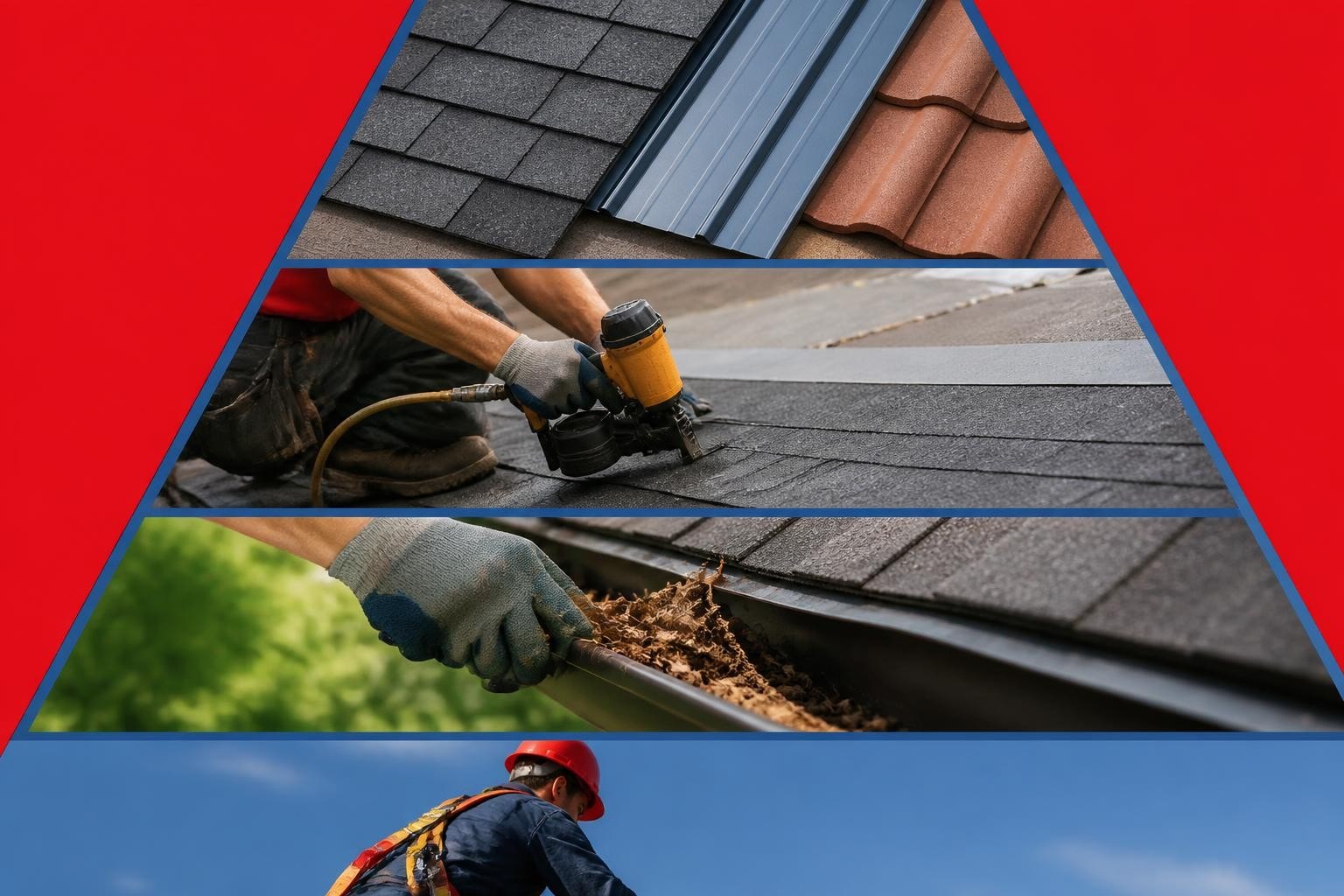
Choosing the right roofing approach can mean the difference between a roof that lasts decades and one that requires constant repairs. When property owners and contractors seek roofing best practices, they're looking for proven methods that deliver durability, energy efficiency, and long-term value. From material selection to installation standards and maintenance protocols, understanding what constitutes the roofing best approach for your specific needs requires careful consideration of climate, building type, budget, and performance goals. This comprehensive guide explores industry-leading practices that help you make informed decisions about your roofing investment.
Understanding Roofing Best Practices for Material Selection
The foundation of any successful roofing project begins with selecting appropriate materials. The roofing best choice for your property depends on several critical factors including climate conditions, building structure, local building codes, and intended lifespan.
Climate-Driven Material Decisions
In regions experiencing extreme weather variations, material performance becomes paramount. Asphalt shingles remain the most popular residential choice due to their cost-effectiveness and versatility, with architectural shingles offering enhanced wind resistance up to 130 mph when properly installed. For commercial applications, modified bitumen systems provide excellent waterproofing and durability, particularly in flat or low-slope configurations.
Metal roofing continues gaining popularity for both residential and commercial properties, offering lifespans exceeding 50 years with minimal maintenance. Energy-efficient materials certified through programs like ENERGY STAR cool roofs can significantly reduce cooling costs by reflecting solar heat rather than absorbing it.
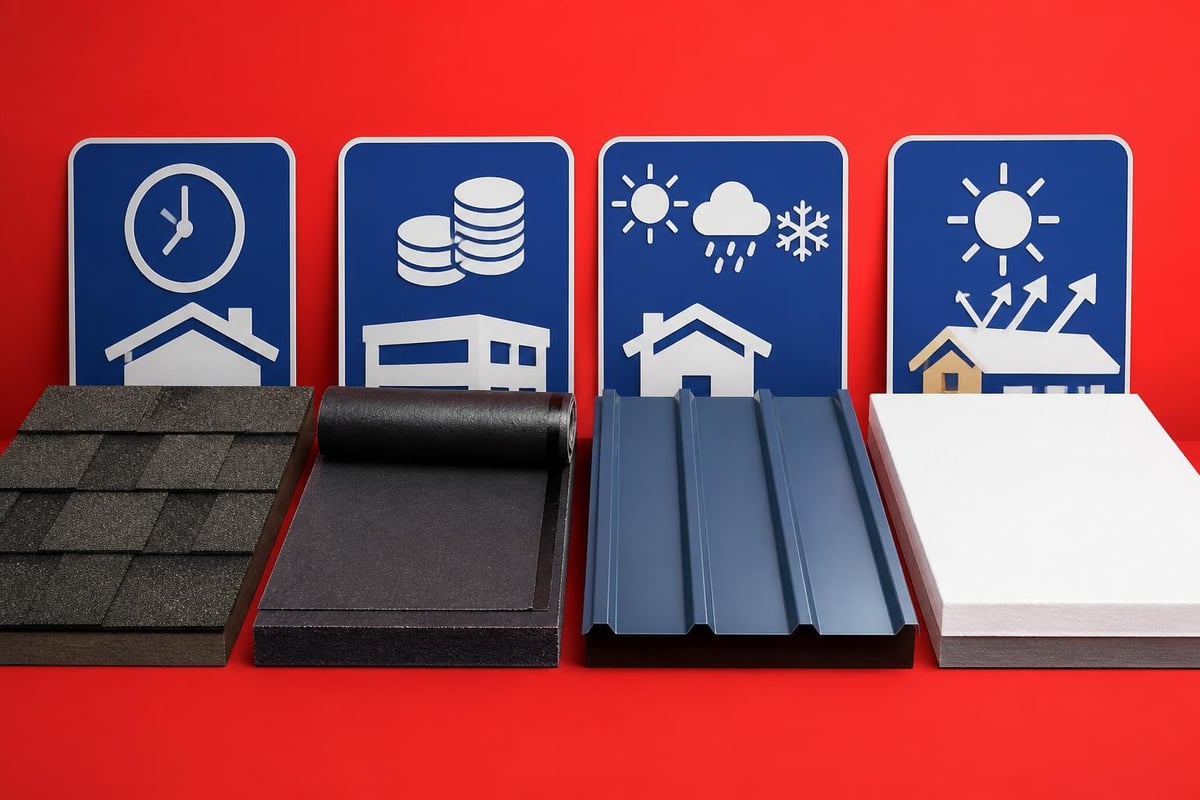
Consider these key material selection factors:
- Wind and hail resistance ratings appropriate for your geographic zone
- Fire resistance classifications meeting local code requirements
- Thermal performance and reflectivity values for energy efficiency
- Warranty coverage from reputable manufacturers
- Local availability of replacement materials for future repairs
The Cool Roof Rating Council provides third-party ratings that help property owners compare the solar reflectance and thermal emittance of different roofing products, making it easier to identify materials that will reduce heat absorption and lower energy costs.
Installation Standards and Professional Best Practices
Even premium roofing materials fail when installation doesn't meet industry standards. The roofing best practices for installation emphasize proper technique, manufacturer specifications, and adherence to professional guidelines established by organizations like the National Roofing Contractors Association.
Critical Installation Components
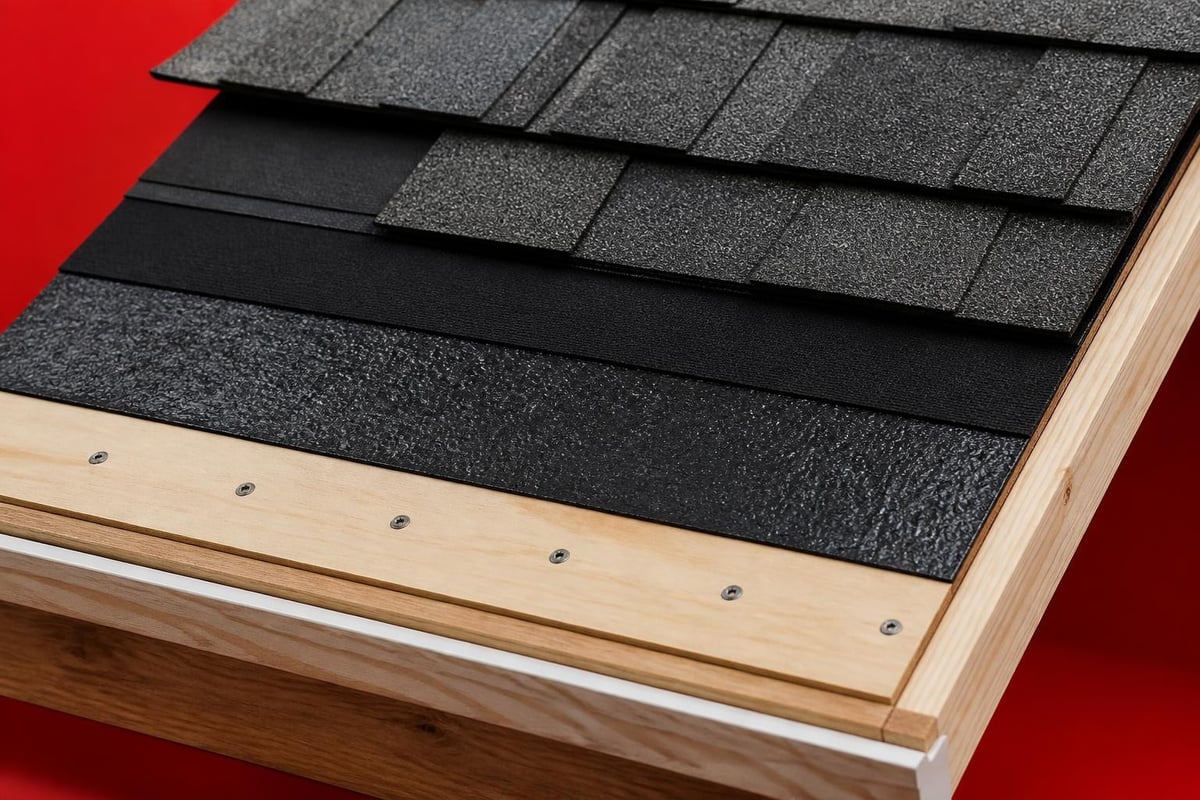
Deck preparation forms the foundation for every roofing system. Contractors must inspect and repair structural damage, ensure proper ventilation, and verify that the roof deck provides adequate support. Any compromised sheathing should be replaced before installing underlayment.
Proper underlayment installation creates the secondary water barrier that protects against ice dams, wind-driven rain, and moisture infiltration. In cold climates, ice and water shield should extend at least 24 inches beyond the interior wall line to prevent ice dam damage. Understanding how to prevent and address ice dams protects your investment year-round.
| Installation Phase | Key Requirements | Common Issues to Avoid |
|---|---|---|
| Deck Preparation | Structural integrity, proper ventilation | Skipping damaged board replacement |
| Underlayment | Complete coverage, proper overlap | Insufficient ice barrier coverage |
| Starter Courses | Correct positioning, adequate overhang | Improper drip edge installation |
| Field Shingles | Manufacturer nailing patterns, alignment | Over-driving or under-driving nails |
| Ridge Ventilation | Adequate airflow, weather protection | Blocked ventilation paths |
Following Manufacturer Specifications
Warranty coverage depends entirely on following manufacturer installation requirements. Most shingle manufacturers require specific nailing patterns, typically four to six nails per shingle, positioned within designated zones. Over-driving nails tears the shingle material, while under-driving allows wind uplift.
Proper fastener selection matters significantly. Roofing nails must be corrosion-resistant, with sufficient length to penetrate the deck by at least three-quarters of an inch. In high-wind zones, enhanced attachment methods and specialty fasteners may be required to meet local building codes.
When working with professional roofing contractors, verify they maintain manufacturer certifications and follow industry-standard installation protocols that protect both performance and warranty coverage.
Maintenance Protocols for Maximum Roof Lifespan
The roofing best maintenance program combines regular inspections, proactive repairs, and preventive measures that extend system lifespan while avoiding costly emergency repairs. Property owners who implement structured maintenance schedules typically achieve 20-30% longer roof life compared to those who adopt reactive approaches.
Seasonal Inspection Guidelines
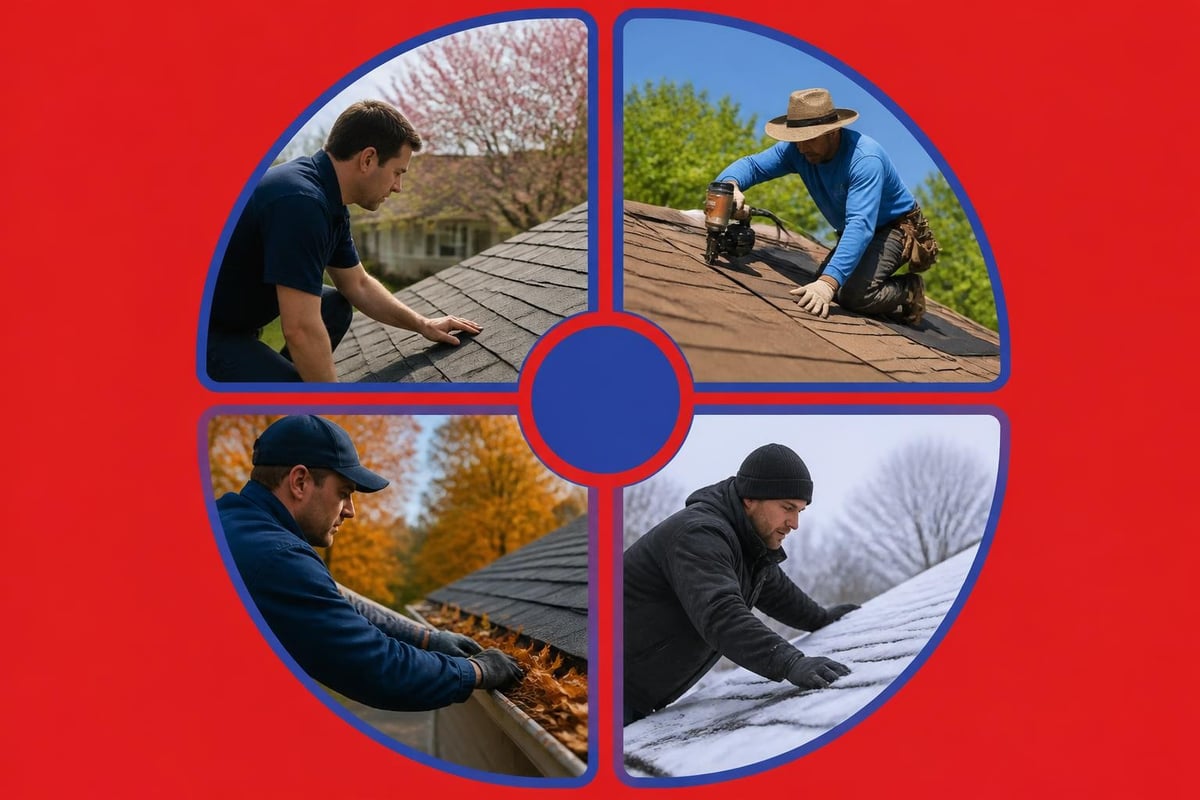
Spring inspections should focus on winter damage assessment, including checking for missing or damaged shingles, examining flashing integrity around chimneys and vents, and clearing debris from valleys and gutters. Look for signs of ice dam damage or water infiltration in attic spaces.
Fall preparations involve clearing gutters and downspouts, trimming overhanging branches, inspecting and repairing roof fascia and soffit components, and ensuring proper attic ventilation before winter months.
Schedule professional inspections annually or after severe weather events. Trained contractors can identify subtle issues that homeowners might miss:
- Granule loss patterns indicating shingle aging or manufacturing defects
- Flashing deterioration around penetrations and roof-to-wall transitions
- Fastener backing out or sealant failure on metal roofing
- Moisture indicators suggesting ventilation problems or active leaks
- Structural concerns including sagging, soft spots, or inadequate support
Addressing Minor Issues Before They Escalate
Small problems become expensive disasters when ignored. A single lifted shingle allows water infiltration that damages underlayment, sheathing, insulation, and interior finishes. Addressing leaky roof repairs promptly prevents secondary damage that often costs ten times more than the initial repair.
Proactive gutter maintenance prevents water backup that damages roof edges, fascia boards, and foundation systems. Clean gutters at least twice annually, more frequently if trees overhang the roof. Consider gutter guards to reduce debris accumulation while maintaining water flow.
Safety Standards and Regulatory Compliance
Roofing ranks among the most dangerous construction activities, with falls from elevation accounting for significant injuries and fatalities annually. Implementing roofing best safety practices protects workers, property owners, and contractors from preventable accidents while ensuring regulatory compliance.
Fall Protection Requirements
OSHA roofing safety standards mandate fall protection for workers exposed to falls of six feet or greater. Contractors must implement guardrail systems, safety net systems, or personal fall arrest systems depending on roof configuration and work scope.
Proper safety equipment includes:
- Personal fall arrest systems with full-body harnesses and shock-absorbing lanyards
- Guardrail systems along roof perimeters and openings
- Warning line systems combined with safety monitoring for low-slope roofs
- Ladder safety including proper angle, securing, and three-point contact
- Weather monitoring to avoid working during high winds, storms, or icy conditions
Professional roofing contractors invest in comprehensive safety training, regular equipment inspections, and site-specific safety plans. When evaluating contractors, ask about their safety record, training programs, and compliance certifications.
Building Code Compliance
Local building codes establish minimum standards for roofing system performance, fire resistance, wind uplift resistance, and structural adequacy. The roofing best approach always meets or exceeds these requirements, ensuring legal compliance and optimal performance.
Wind resistance requirements vary by geographic location, with coastal and high-wind zones requiring enhanced attachment and materials rated for severe weather. Some jurisdictions require impact-resistant shingles in hail-prone areas or mandate specific fire ratings in wildfire interface zones.
Advanced Roofing Technologies and Innovations
The roofing industry continues evolving with new materials, installation methods, and performance monitoring technologies. Staying current with innovations helps property owners and contractors achieve superior results.
Cool Roofing and Energy Efficiency
Cool roofing technology reduces building cooling loads by reflecting solar radiation rather than absorbing it. The EPA’s cool roof guidance explains how reflective roofing materials reduce urban heat island effects while lowering individual building energy consumption.
Modern cool roof products include specially formulated shingles, reflective coatings, and light-colored membranes that maintain lower surface temperatures. A conventional dark roof might reach 150-190°F in direct summer sunlight, while a cool roof stays 50-60°F cooler under identical conditions.
| Roof Type | Summer Surface Temp | Annual Energy Savings | Urban Heat Reduction |
|---|---|---|---|
| Traditional Dark Shingle | 160-180°F | Baseline | Baseline |
| Medium-Color Shingle | 140-160°F | 10-15% | Moderate |
| Cool Roof Shingle | 110-130°F | 20-30% | Significant |
| White Membrane | 100-120°F | 25-35% | Maximum |
Resilient Roofing Design
Climate change brings increased frequency and severity of extreme weather events. FORTIFIED roofing standards provide specific design and installation criteria that significantly improve roof resistance to high winds, hurricanes, and severe storms.
Enhanced attachment methods, sealed roof deck systems, and impact-resistant materials create layered protection against multiple hazard types. While FORTIFIED designation requires upfront investment, many insurance companies offer premium discounts for certified properties, providing ongoing cost recovery.
Moisture management represents another critical resilience factor. Proper moisture control strategies including ventilation design, vapor barriers, and drainage planes prevent rot, mold, and structural deterioration that compromise long-term performance.
Commercial Roofing Considerations
Commercial properties present unique challenges requiring specialized approaches. The roofing best practices for commercial applications emphasize system redundancy, maintenance accessibility, and lifecycle cost optimization.
Low-Slope and Flat Roof Systems
Modified bitumen systems remain popular for commercial applications due to their proven performance, repair-friendly nature, and cost-effectiveness. These multi-ply systems feature reinforced membranes bonded together with heat or cold adhesives, creating monolithic waterproofing barriers.
TPO and EPDM membranes offer single-ply alternatives with excellent weathering resistance and energy efficiency. TPO's white surface provides superior reflectivity, making it ideal for cooling-dominated climates, while EPDM's durability suits variable climate zones.
Proper commercial roof design includes:
- Adequate drainage with positive slope to roof drains and scuppers
- Membrane compatibility with existing substrates and planned equipment
- Penetration management for HVAC units, vents, and electrical service
- Walkway pads to protect membranes from foot traffic damage
- Regular maintenance access for inspection and minor repairs
Roof Asset Management
Large commercial property portfolios benefit from systematic roof asset management programs that track condition, prioritize repairs, and optimize replacement timing. Condition assessments using infrared thermography, core sampling, and visual inspection identify problems before they cause interior damage.
Many commercial property owners work with contractors offering comprehensive waterproofing services that address roofs, foundations, and building envelope components as integrated systems.
Regional Considerations and Local Expertise
The roofing best practices for properties in the Joliet area and greater Chicago region must account for specific climate challenges including heavy snow loads, ice dams, severe thunderstorms with hail, and temperature extremes ranging from sub-zero winters to humid summers.
Midwest-Specific Challenges
Ice dam prevention requires careful attention to attic insulation levels, ventilation adequacy, and air sealing to prevent warm air from reaching the roof deck. Properties experiencing recurring ice dams need comprehensive solutions addressing heat loss sources rather than superficial repairs.
Hail damage assessment requires expertise in identifying subtle granule loss and bruising that may not cause immediate leaks but compromises shingle lifespan. Professional evaluation helps property owners document hail damage to shingle roofs for insurance claims and replacement decisions.
Working with local roofing contractors familiar with regional building codes, weather patterns, and material performance provides significant advantages over national chains lacking local expertise. Family-owned businesses often maintain stronger relationships with suppliers, enabling faster material procurement and better pricing.
Building Integrated Systems
Modern roofing doesn't exist in isolation. Successful projects consider integration with other building systems including gutters, downspouts, fascia, soffit, ventilation, insulation, and even components like garage doors that affect overall property protection. Just as property owners benefit from coordinated exterior maintenance, seeking comprehensive gate repair services from specialized professionals ensures all property protection systems function optimally.
Quality Control and Project Management
The roofing best outcomes result from rigorous quality control throughout every project phase. Successful contractors implement systematic processes ensuring consistent results regardless of project size or complexity.
Pre-Installation Planning
Material verification confirms all products match specifications, quantities meet calculated needs plus reasonable overage, and manufacturer certifications are current. Delivery timing must align with weather forecasts and crew availability to prevent material exposure or project delays.
Site preparation includes establishing safe material storage areas, protecting landscaping and property features, securing permits, and coordinating with property occupants regarding timing, access, and disruption expectations.
Installation Oversight
Daily quality checks during installation catch problems immediately when corrections cost less and cause minimal disruption. Supervisory oversight ensures crews follow proper techniques, safety protocols, and manufacturer specifications.
Weather monitoring throughout the project prevents installing materials during rain, high winds, or temperature extremes that compromise adhesive performance or worker safety. Experienced contractors maintain flexible scheduling to accommodate weather disruptions without compromising quality.
Post-Installation Documentation
Complete project documentation includes warranty registration, material certifications, installation photographs, and maintenance recommendations. This information proves invaluable for future repairs, insurance claims, and property transfers.
Final inspections verify all work meets contract specifications, manufacturer requirements, and local building codes. Property owners should conduct walk-throughs with contractors, asking questions and ensuring complete satisfaction before final payment.
Selecting the Right Roofing Professional
Your roofing investment's success depends largely on contractor selection. The roofing best choice balances experience, reputation, pricing, and service quality.
Qualification Verification
Check multiple credentials including:
- Licensing and insurance appropriate for your jurisdiction
- Manufacturer certifications for products being installed
- Industry association memberships such as NRCA or local builder groups
- References from recent projects similar to yours in scope and materials
- Online reviews from multiple independent platforms
Written estimates should detail material specifications, labor scope, project timeline, payment schedule, warranty coverage, and cleanup procedures. Compare multiple bids focusing on value rather than lowest price alone.
Communication and Service
Professional contractors maintain clear communication throughout every project phase. They explain options thoroughly, answer questions patiently, and address concerns promptly. Project timelines should be realistic with contingency plans for weather delays.
Post-installation support matters significantly. Reputable contractors stand behind their work, responding quickly to warranty concerns and maintaining relationships beyond project completion.
When evaluating roofing contractors, consider their commitment to ongoing education, investment in quality tools and equipment, and reputation within the local community. Family-owned businesses often provide more personalized service and stronger accountability than large franchises.
Financial Planning and Investment Protection
Roofing represents a significant property investment requiring careful financial planning. Understanding costs, financing options, and value optimization helps property owners make sound decisions.
Cost Factors and Budgeting
Multiple variables affect total project cost:
- Material selection with premium products costing 50-200% more than basic options
- Roof complexity including pitch, penetrations, and architectural features
- Accessibility affecting labor efficiency and equipment requirements
- Removal and disposal of existing roofing materials
- Structural repairs discovered during tear-off
- Upgrades such as improved ventilation or enhanced underlayment
Request detailed estimates breaking down material costs, labor, disposal fees, and any optional upgrades. This transparency enables informed decisions and prevents surprise charges.
Return on Investment Considerations
Energy-efficient roofing materials typically cost more initially but deliver ongoing savings through reduced cooling and heating costs. Calculate payback periods considering utility rate trends and expected system lifespan.
Property value impact varies by market, but quality roofing generally returns 60-70% of project cost in increased home value. Premium materials and professional installation appeal to buyers prioritizing low maintenance and long-term durability.
Insurance implications include potential premium reductions for impact-resistant shingles in hail-prone areas or FORTIFIED certification in hurricane zones. Discuss available discounts with your insurance agent before finalizing material selections.
Understanding roofing shingle pricing structures helps property owners budget effectively while making informed decisions about material quality and performance features.
Implementing roofing best practices throughout material selection, installation, maintenance, and contractor selection maximizes your investment while ensuring decades of reliable protection. Whether you're planning a residential roof replacement, addressing commercial roofing needs, or simply maintaining your existing system, applying these proven strategies delivers superior results. Great Roofing brings three generations of family expertise to every project, combining time-tested craftsmanship with modern materials and techniques to protect Joliet-area properties with the quality and service you deserve.