


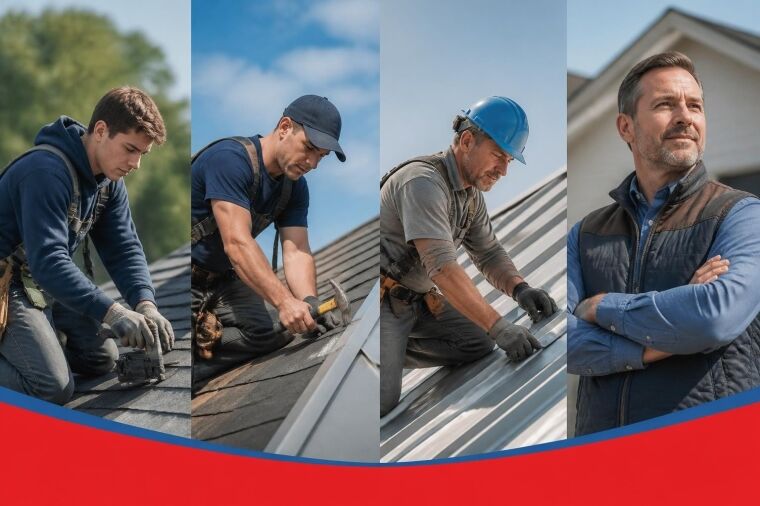
The roofing industry offers exceptional opportunities for individuals seeking stable, well-paying careers with clear advancement pathways. As the construction sector continues to expand across the United States, demand for skilled roofing professionals remains consistently strong. Whether you're exploring trade careers for the first time or considering a career transition, roofing careers provide hands-on work, competitive compensation, and the satisfaction of protecting homes and businesses from the elements. This comprehensive guide examines what makes roofing an attractive career choice, the training required, earning potential, and how to build a successful long-term career in this essential trade.
Why Choose Roofing as a Career Path
The roofing profession stands out among construction trades for several compelling reasons. Unlike many industries vulnerable to automation, roofing requires skilled human expertise that technology cannot easily replace. Every project presents unique challenges, from architectural variations to weather considerations, making each workday different from the last.
Job security ranks among the top benefits of roofing careers. Buildings require roof maintenance, repair, and replacement regardless of economic conditions. Storm damage, aging materials, and routine wear ensure consistent demand for qualified roofers throughout all seasons and economic cycles.
Physical fitness and outdoor work appeal to many who pursue roofing careers. Rather than spending days in an office environment, roofers work outdoors, developing strength, endurance, and practical problem-solving skills. The work provides tangible results-you can drive through neighborhoods and see the roofs you've installed or repaired, creating a genuine sense of accomplishment.
Financial Rewards and Benefits
Compensation in roofing careers often surprises those unfamiliar with the trades. Entry-level positions typically start above minimum wage, with experienced roofers earning substantial incomes. According to CareerOneStop occupation profiles for roofers, median wages continue climbing as workers gain experience and certifications.
Many roofing companies, including Great Roofing, offer comprehensive benefits packages that include:
- Health insurance coverage
- Retirement savings plans
- Paid time off and holidays
- Tool allowances
- Continuing education support
- Performance bonuses
The earning potential increases significantly for those who develop specialized skills in commercial roofing systems, such as modified bitumen or TPO installations. Supervisors, foremen, and project managers command even higher salaries, while experienced professionals often launch their own successful contracting businesses.

Training and Education Pathways
Starting a career in roofing doesn't require a four-year college degree or massive student loan debt. Multiple pathways exist for entering the profession, each offering distinct advantages depending on your circumstances and goals.
Apprenticeship Programs
Registered apprenticeship programs represent the gold standard for roofing training. These programs combine classroom instruction with paid on-the-job training, allowing you to earn while you learn. The U.S. Department of Labor’s apprenticeship standards for roofers outline comprehensive training requirements that typically span three to four years.
Apprentices work under experienced journeymen, learning:
- Safety protocols and fall prevention techniques
- Material identification and selection
- Measurement and estimation skills
- Installation methods for various roofing systems
- Quality control and inspection procedures
- Customer service and professionalism
Programs often partner with community colleges or technical schools to provide classroom instruction covering mathematics, blueprint reading, and building codes. This structured approach ensures apprentices develop well-rounded skills that prepare them for advanced positions.
Technical Schools and Certification Programs
For those seeking faster entry into roofing careers, technical schools and vocational programs offer concentrated training. The NCCER roofing curriculum provides nationally recognized credentials that employers value. These programs typically run several weeks to several months and cover fundamental skills needed to begin working safely and effectively.
Certifications demonstrate competency and commitment to professional development. The NRCA’s PROCertification program offers various credential levels, from basic installations to advanced system applications, helping workers stand out in competitive job markets.
On-the-Job Training
Many roofing companies hire motivated individuals and provide comprehensive on-the-job training. This pathway suits those who learn best through hands-on experience. Starting positions might involve material handling, site preparation, and assisting experienced roofers before gradually taking on more complex tasks.
| Training Pathway | Duration | Cost | Benefits |
|---|---|---|---|
| Registered Apprenticeship | 3-4 years | Free (earn while learning) | Comprehensive, recognized credential |
| Technical School | 3-12 months | $3,000-$15,000 | Faster entry, focused curriculum |
| On-the-Job Training | Varies | Free (paid position) | Immediate employment, practical experience |
| NCCER Certification | Self-paced modules | $200-$500 per level | Portable credential, industry recognition |
Essential Skills and Qualifications
Successful roofing careers require a combination of physical capabilities, technical knowledge, and professional attributes. Understanding these requirements helps prospective roofers assess their fit for the profession and identify areas for development.
Physical Requirements
Roofing is physically demanding work that requires:
- Strength and stamina for lifting materials weighing 50-80 pounds repeatedly
- Balance and coordination for working safely on sloped surfaces
- Heat tolerance for summer installations often exceeding 100 degrees
- Manual dexterity for precise material handling and tool operation
- Good vision for quality inspection and measurement accuracy
Regular physical activity and proper conditioning help roofers maintain the fitness levels necessary for long, productive careers. Companies increasingly emphasize ergonomic techniques and mechanical assists to reduce physical strain and extend working longevity.
Technical Competencies
Beyond physical abilities, roofing careers demand technical proficiency in multiple areas:
Material knowledge forms the foundation of quality work. Roofers must understand different shingle types, underlayment options, flashing materials, and ventilation components. This expertise allows proper system selection for each project's specific requirements.
Tool proficiency encompasses everything from basic hand tools to specialized equipment like roofing nailers, hot-air welders, and cutting tools. Experienced roofers maintain their tools properly and understand which implements work best for specific applications.
Mathematical skills prove essential for calculating material quantities, measuring roof areas, and determining proper slopes and pitches. Accurate calculations prevent waste and ensure sufficient materials arrive on schedule.
Safety Considerations and Best Practices
Safety represents the highest priority in roofing careers. Falls from elevation remain the leading cause of construction fatalities, making comprehensive safety training non-negotiable for everyone entering the profession. Understanding and implementing proper safety protocols protects workers, reduces liability, and demonstrates professionalism that clients value.
Fall Protection Systems
Modern roofing safety relies on multiple layers of protection. The CPWR data bulletin on roofing safety provides detailed guidance on implementing effective fall prevention strategies. Primary systems include:
- Guardrail systems that create physical barriers at roof edges
- Personal fall arrest equipment including harnesses, lanyards, and anchor points
- Warning line systems that alert workers to proximity hazards
- Safety monitoring systems with dedicated spotters for certain applications
The National Association of Home Builders’ fall prevention resources emphasize proactive planning before workers access roofs. Proper safety implementation requires investment in quality equipment and ongoing training, but prevents injuries that devastate workers and businesses alike.
Equipment and PPE Requirements
Personal protective equipment forms the last line of defense against workplace hazards. Standard roofing PPE includes:
- Hard hats for head protection
- Safety glasses or goggles for eye protection
- Work boots with slip-resistant soles
- Gloves appropriate for specific tasks
- High-visibility clothing for traffic areas
- Respirators when working with certain materials
Companies committed to safety, such as those specializing in commercial roofing projects, invest in regular equipment inspections and replacement schedules. This commitment protects workers while building reputations for professional operations that attract quality clients.
Career Advancement Opportunities
Roofing careers offer clear advancement pathways for ambitious professionals. Unlike some industries where advancement depends primarily on educational credentials, roofing rewards skill development, leadership abilities, and business acumen.
Specialization Routes
As roofers gain experience, many choose to specialize in specific systems or project types. Residential specialists become experts in shingle installation, working with materials like asphalt, wood shake, tile, and metal. Projects ranging from basic roof repairs to complete residential roof replacements require nuanced understanding of homeowner needs and aesthetic considerations.
Commercial roofing specialists work on larger-scale projects involving flat or low-slope systems. Expertise in modified bitumen, EPDM, TPO, and PVC installations opens doors to lucrative commercial contracts. These projects often involve longer-term relationships with property management companies and commercial developers.
Service and repair technicians focus on diagnostic work, leak detection, and targeted repairs. This specialization requires detective skills to identify problems and creative solutions to fix issues without complete replacements. Service specialists often enjoy more predictable schedules and build strong customer relationships through repeat business.
Leadership Positions
Demonstrated competency and reliability lead to supervisory opportunities. Crew leaders manage small teams, coordinating daily activities and ensuring quality standards. This position develops management skills while maintaining hands-on involvement in installations.
Project managers oversee entire jobs from estimation through completion. Responsibilities include material ordering, scheduling, customer communication, and quality control. Project management positions typically command salaries 30-50% higher than installation positions and prepare professionals for ownership opportunities.
Estimators combine technical knowledge with business acumen to calculate accurate project costs. This specialized role requires understanding material costs, labor productivity, overhead expenses, and competitive pricing strategies. Skilled estimators become invaluable assets to growing companies.
| Position Level | Typical Experience | Average Annual Salary Range | Key Responsibilities |
|---|---|---|---|
| Entry-Level Laborer | 0-1 year | $32,000-$42,000 | Material handling, site prep, basic tasks |
| Apprentice Roofer | 1-3 years | $38,000-$50,000 | Installation assistance, skill development |
| Journeyman Roofer | 3-7 years | $48,000-$68,000 | Independent installation, quality control |
| Crew Leader/Foreman | 5-10 years | $58,000-$78,000 | Team supervision, scheduling |
| Project Manager | 7-12 years | $65,000-$95,000 | Job oversight, client relations |
| Estimator/Sales | 5-15 years | $60,000-$100,000+ | Bidding, customer acquisition |
Building Your Own Roofing Business
For entrepreneurial professionals, roofing careers can culminate in business ownership. Many successful roofing company owners started as installers, gaining technical expertise and industry knowledge before launching their own operations. This progression allows practical understanding of every aspect of the business.
Steps to Business Ownership
Transitioning from employee to owner requires careful planning and preparation. Key steps include:
Developing business acumen through courses in accounting, marketing, and business management complements technical roofing skills. Understanding financial statements, cash flow management, and profit margins proves essential for sustainable operations.
Building capital for startup costs typically requires personal savings, investor partnerships, or business loans. Initial expenses include vehicles, equipment, insurance, licensing, and working capital to cover expenses before receiving payment for completed jobs.
Establishing systems for operations, safety, quality control, and customer service differentiates professional companies from competitors. Documented procedures ensure consistent results regardless of which crew handles specific projects.
Creating a brand identity that communicates professionalism and quality attracts ideal customers. Companies like Great Roofing build reputations through consistent quality, transparent communication, and community involvement.
Marketing Your Services
Successful roofing businesses develop diverse customer acquisition strategies. Digital marketing through websites, social media, and online reviews increasingly drives customer decisions. Traditional approaches like vehicle signage, yard signs, and community networking remain effective, particularly in local markets.
Specialization can differentiate new businesses in competitive markets. Focusing on specific services such as storm damage repair or particular materials like asphalt shingle roofing allows targeted marketing to specific customer segments.
Building referral networks with insurance agents, real estate professionals, and property managers creates steady lead flow. Exceptional customer service converts satisfied clients into advocates who recommend your services to friends and neighbors.
Industry Trends Shaping Roofing Careers
Understanding emerging trends helps professionals position themselves for future opportunities. The roofing industry continues evolving through technological advances, changing materials, and shifting customer expectations.
Technology Integration
Digital tools increasingly enhance roofing careers. Drones facilitate safer, faster roof inspections without requiring workers to access every area. Measurement software creates accurate estimates from aerial imagery, reducing time on ladders and improving bidding accuracy.
Project management applications coordinate crews, track materials, and communicate with customers in real-time. Roofers comfortable with technology gain competitive advantages and access to positions with forward-thinking companies.
Sustainable Roofing Systems
Environmental consciousness drives demand for energy-efficient and sustainable roofing options. Cool roofs that reflect solar heat, solar panel integration, and recyclable materials represent growth areas. Professionals who develop expertise in these systems position themselves for expanding market segments.
Green building certifications like LEED create opportunities for roofers who understand sustainable construction principles. Commercial clients increasingly prioritize environmental performance, rewarding contractors who deliver certified green solutions.
Workforce Development Initiatives
Industry associations recognize that workforce development determines the profession's future. The NRCA’s recruitment initiatives focus on attracting talented individuals and supporting their career development. These programs benefit both employers seeking skilled workers and individuals exploring rewarding career options.
Partnerships between contractors, manufacturers, and educational institutions create pipelines of trained professionals. Scholarship programs, mentorship initiatives, and career awareness campaigns help address skilled labor shortages while providing opportunities for motivated individuals.
Finding the Right Employer
Choosing your employer significantly impacts career satisfaction and advancement opportunities. Not all roofing companies offer equivalent working conditions, training support, or growth potential. Researching prospective employers helps identify organizations aligned with your values and goals.
Evaluating Company Culture
Safety commitment should rank as your top evaluation criterion. Companies that invest in proper equipment, comprehensive training, and safety-first cultures demonstrate respect for their workforce. Ask about injury rates, safety protocols, and equipment standards during interviews.
Training and development opportunities indicate companies invested in employee growth. Organizations offering apprenticeship programs, certification support, and continuing education create environments where ambitious professionals thrive.
Compensation and benefits packages vary significantly across employers. Beyond base wages, consider health insurance, retirement plans, paid time off, and performance incentives. Comprehensive benefits often outweigh slightly higher hourly rates without benefits.
Reputation and stability provide insights into long-term prospects. Established companies with positive community reputations, such as those serving residential roofing needs across multiple communities, typically offer more stable employment and advancement opportunities than startups or companies with questionable practices.
Questions to Ask Potential Employers
During job interviews, asking informed questions demonstrates professionalism and helps assess company fit:
- What training programs do you offer for new hires?
- How do you handle safety on job sites?
- What does a typical career progression look like?
- How do you support certification and continuing education?
- What differentiates your company from competitors?
- How do you handle seasonal fluctuations in work volume?
Thoughtful questions reveal company priorities and help you make informed decisions about where to invest your career energy.
Work-Life Balance Considerations
Roofing careers involve unique lifestyle considerations that prospective professionals should understand. The physical demands, weather dependence, and seasonal patterns create rhythms different from office-based careers.
Seasonal Variations
In many regions, roofing work peaks during spring and fall when weather conditions optimize installations. Summer brings hot conditions but steady work, while winter may slow in areas with snow and ice. Understanding these patterns helps with financial planning and lifestyle expectations.
Some professionals appreciate seasonal variations that provide natural breaks for rest, family time, or additional training. Others prefer companies with diverse service offerings that maintain steadier year-round schedules through repair work and commercial projects during slower seasons.
Physical Longevity
Smart professionals recognize that roofing careers require attention to physical wellness. Proper lifting techniques, regular exercise, adequate recovery time, and listening to your body help extend productive careers. Many experienced roofers transition into less physically demanding roles such as estimating, project management, or sales as they age, leveraging their technical knowledge in new capacities.
Companies increasingly invest in ergonomic equipment and techniques that reduce physical strain. Mechanical lifts, lighter materials, and better tool design help protect workers' long-term health while maintaining productivity.
Getting Started in Roofing Careers
For those ready to pursue roofing careers, taking concrete first steps transforms interest into action. Multiple entry points exist depending on your current situation, location, and preferences.
Immediate Action Steps
Research local opportunities by identifying roofing contractors in your area. Companies often advertise openings on their websites-checking the careers pages of established contractors reveals current opportunities and application processes.
Connect with apprenticeship programs through local workforce development agencies, union halls, or community colleges. Many programs accept applications year-round, with classes starting at specific intervals throughout the year.
Attend job fairs and career events focused on construction trades. These events provide opportunities to meet employers, learn about different companies, and sometimes conduct on-the-spot interviews for available positions.
Obtain basic certifications such as OSHA 10-hour construction safety training demonstrates commitment to safety and professionalism. This credential costs approximately $50-100 and can be completed online, giving you an advantage over completely unprepared applicants.
Building Your Professional Network
Success in roofing careers often depends on relationships as much as skills. Joining professional associations, even as students or apprentices, provides networking opportunities and industry insights. Attending local chapter meetings, trade shows, and training events builds visibility and connections that lead to opportunities.
Mentorship relationships accelerate learning and career development. Identifying experienced professionals willing to share knowledge and guidance provides invaluable support as you navigate early career challenges. Many successful roofing professionals credit mentors with helping them avoid costly mistakes and recognize opportunities.
Social media platforms, particularly LinkedIn, allow you to connect with industry professionals, follow roofing companies, and stay informed about industry trends. Building a professional online presence demonstrates seriousness about your career and increases visibility to potential employers.
Roofing careers offer exceptional opportunities for motivated individuals seeking stable, well-compensated work with clear advancement pathways. The combination of hands-on problem-solving, physical activity, and tangible results creates deeply satisfying careers for those suited to the trade. Whether you're just starting your career journey or looking for a change that offers both immediate income and long-term growth potential, the roofing industry welcomes dedicated professionals. If you're in the Joliet area and interested in exploring roofing career opportunities with a company that values quality, safety, and professional development, Great Roofing offers a supportive environment where skilled professionals build rewarding careers while serving residential and commercial clients with excellence.