

Finding reliable roofing contractors in Illinois requires more than a quick internet search. Homeowners and commercial property owners across the Prairie State face unique challenges, from severe storm damage and temperature extremes to navigating state licensing requirements and municipal permit regulations. Whether you're planning a complete roof replacement, addressing storm damage, or upgrading your commercial building's roofing system, understanding what separates qualified professionals from opportunistic operators is essential. This comprehensive guide walks you through everything you need to know about hiring roofing contractors in Illinois, from licensing verification to material selection and contract negotiations.
Understanding Illinois Roofing Contractor Requirements
Illinois maintains specific regulatory standards for roofing contractors operating within the state. Every roofing contractor must register with the Illinois Department of Financial and Professional Regulation, which oversees the state's roofing industry to protect consumers from unlicensed and unqualified workers.
The Illinois Department of Financial and Professional Regulation requires all roofing contractors to obtain a license before performing work. This licensing process includes demonstrating adequate insurance coverage, passing examinations, and maintaining compliance with state regulations. When evaluating potential contractors, always verify their license status directly through the state database.
Key Licensing Components
Licensed roofing contractors in Illinois must maintain several critical requirements:
- General liability insurance covering property damage and injuries
- Workers' compensation insurance protecting employees on job sites
- Surety bonds guaranteeing contract performance
- Registration renewal on an annual or biennial basis
- Continuing education to stay current with building codes and best practices
Municipal requirements add another layer of regulation. The City of Chicago requires separate permits and trade licenses for roofing work, with specific application processes and inspection protocols. Many suburbs maintain their own permitting systems as well.

Types of Roofing Services Offered in Illinois
Roofing contractors in Illinois provide a wide range of services tailored to the state's diverse architectural landscape and climate challenges. Understanding these service categories helps property owners identify specialists who match their specific needs.
Residential Roofing Services
Asphalt shingle installation dominates the residential market across Illinois. These systems offer excellent value, durability, and variety in colors and styles. Asphalt shingle roof installation costs vary based on material grade, roof complexity, and regional labor rates, but typically range from moderate to competitive pricing.
Metal roofing has gained popularity among homeowners seeking longevity and energy efficiency. These systems withstand Illinois weather extremes and can last 50 years or more with proper installation.
Tile and slate roofing serve upscale residential markets, particularly in historic neighborhoods throughout Chicago and established suburbs. These premium materials require specialized installation expertise and structural considerations.
Commercial Roofing Solutions
Commercial properties require different roofing approaches than residential structures. Modified bitumen systems provide excellent performance for low-slope commercial buildings, offering heat resistance and durability against ponding water.
| Roofing System | Typical Lifespan | Best Applications | Key Benefits |
|---|---|---|---|
| Modified Bitumen | 20-30 years | Commercial low-slope | Heat resistance, durability |
| TPO (Single-Ply) | 15-25 years | Commercial flat roofs | Energy efficiency, reflectivity |
| EPDM Rubber | 25-35 years | Industrial buildings | Weather resistance, flexibility |
| Built-Up Roofing (BUR) | 20-30 years | Large commercial | Proven performance, cost-effective |
Single-ply membrane systems like TPO and EPDM continue to expand their market share in commercial roofing applications. These lightweight, reflective materials offer excellent energy efficiency and simplified installation.
Storm Damage Repair and Restoration
Illinois experiences frequent severe weather events, from powerful thunderstorms and hail to winter ice damming. Many roofing contractors in Illinois specialize in storm damage assessment and insurance claim assistance.
Wind damage assessment requires trained eyes to identify lifted shingles, compromised flashing, and structural impacts. Hail damage evaluation involves documenting bruising patterns on shingles, dents in metal components, and granule loss.
Working with contractors experienced in insurance claims for roof damage streamlines the restoration process. These professionals document damage thoroughly, communicate effectively with adjusters, and ensure proper scope development.
Evaluating and Selecting the Right Contractor
Choosing among roofing contractors in Illinois demands careful evaluation beyond price comparison. Several critical factors separate exceptional contractors from mediocre operators.
Verification and Background Research
Start by confirming licensing and insurance status through official channels. Request certificate of insurance directly from the contractor's insurance carrier, not just a copy of the certificate. Verify coverage amounts meet or exceed local requirements.
Check online reviews across multiple platforms, but read them critically. Look for patterns in feedback rather than focusing on individual complaints or praise. The Illinois Attorney General provides guidance on home repair consumer protection that helps identify red flags.
Request and contact references from recent projects similar to yours. Ask specific questions about communication, timeline adherence, cleanup practices, and problem resolution.
Comparing Estimates and Proposals
Quality roofing contractors in Illinois provide detailed written estimates that break down costs by category:
- Material specifications including manufacturer, product line, and warranty coverage
- Labor costs separated from materials for transparency
- Permit fees and any required inspections
- Debris removal and site cleanup provisions
- Project timeline with start and completion estimates
- Payment schedule tied to project milestones
Beware of estimates significantly lower than competitors. Lowball bids often indicate substandard materials, uninsured workers, or plans to increase costs through change orders. The National Roofing Contractors Association provides technical guidelines that help property owners understand proper installation practices.
Contract Essentials
Never proceed without a comprehensive written contract. Essential elements include:
- Detailed scope of work describing all tasks and deliverables
- Material specifications with brand names and model numbers
- Total project cost with payment schedule
- Start and completion dates with weather delay provisions
- Warranty information covering both materials and workmanship
- Cleanup and debris removal responsibilities
- Permit acquisition and inspection coordination
- Change order procedures for any scope modifications

Material Selection and Performance Considerations
Illinois's climate presents unique challenges that influence roofing material performance. Temperature swings from sub-zero winters to sweltering summers, combined with freeze-thaw cycles and severe storm exposure, demand materials engineered for durability.
Asphalt Shingle Options
Architectural shingles have largely replaced traditional three-tab shingles in new installations. These dimensional shingles offer superior wind resistance, longer warranties, and enhanced curb appeal. Impact-resistant shingles feature modified asphalt formulations that better withstand hail damage, potentially qualifying for insurance discounts.
Color selection impacts more than aesthetics. Lighter shingle colors reflect solar radiation, reducing cooling costs during Illinois summers. Darker colors absorb heat, potentially beneficial for winter energy efficiency but increasing summer cooling demands.
High-Performance Roofing Systems
The Insurance Institute for Business & Home Safety conducts extensive wind and hail research that informs material selection for storm-prone regions. Their findings guide contractors toward products proven to perform in Midwest weather conditions.
FORTIFIED roofing represents a higher standard of construction designed to withstand severe weather. The FORTIFIED program provides detailed technical specifications for enhanced roof systems that reduce disaster-related damage. While not all roofing contractors in Illinois offer FORTIFIED certification, those who do provide measurable resilience benefits.
Cool roofing technology has gained traction for both residential and commercial applications. These systems utilize highly reflective materials that reduce surface temperatures and lower cooling costs. The EPA’s cool roof guidance explains environmental and economic benefits, while the Cool Roof Rating Council certifies product performance through standardized testing.
Avoiding Storm Chaser Scams and Fraudulent Operators
After significant weather events, illegitimate operators flood affected areas offering quick repairs at attractive prices. These "storm chasers" prey on stressed homeowners desperate for repairs, then disappear after collecting deposits or performing substandard work.
Common Storm Chaser Tactics
Door-to-door solicitation immediately following storms represents a major red flag. Legitimate roofing contractors in Illinois maintain established local presences and don't need to canvas neighborhoods for business.
Pressure tactics create artificial urgency. Scammers claim to have materials available "only today" or insist you must sign immediately to lock in pricing. Professional contractors provide reasonable decision timeframes.
Requests for full payment upfront signal potential fraud. Standard practice involves deposits of 10-33% with remaining payments tied to project milestones and completion. Never pay the full amount before work begins.
Protecting Yourself from Fraud
The Illinois Attorney General has issued specific warnings about storm-related repair scams that help consumers identify and avoid fraudulent contractors. Key protective steps include:
- Verify licensing through official state databases, not contractor-provided documentation
- Obtain multiple estimates from established local companies
- Research company history and physical business addresses
- Avoid contractors who offer to waive insurance deductibles
- Never sign contracts with blank sections or incomplete information
- Report suspicious operators to the Illinois Attorney General's office
Working with established local contractors provides accountability that transient operators lack. Local businesses maintain reputations within their communities and remain accessible for warranty service and future needs.
Regional Considerations Across Illinois
Roofing contractors in Illinois must adapt their approaches to regional variations in climate, building codes, and architectural styles across the state's diverse geography.
Northern Illinois and Chicagoland
The Chicago metropolitan area presents unique regulatory complexity. Multiple municipalities maintain independent permitting systems, building codes, and inspection requirements. Contractors working across the region must navigate this patchwork of regulations while maintaining compliance.
Lake effect weather impacts northeastern Illinois, bringing heavier snow loads and ice damming challenges. Proper attic ventilation and insulation become critical for preventing ice dam formation and associated water damage.
Central Illinois
The state's agricultural heartland experiences temperature extremes and tornado exposure. Wind resistance becomes paramount, with proper shingle nailing patterns and enhanced fastening systems essential for storm survival.
Lower population density means fewer contractors serve larger geographic areas. This can extend project timelines during busy seasons when contractors juggle multiple jobs across wide territories.
Southern Illinois
Warmer temperatures and higher humidity in southern regions create different performance demands. Algae-resistant shingles help prevent unsightly black streaks common in humid climates. Ventilation systems require careful design to manage moisture accumulation in attic spaces.
Insurance Claims and Documentation
Many roofing projects in Illinois result from insured storm damage rather than planned replacements. Understanding the claims process and working with experienced roofers who navigate insurance claims protects your interests and maximizes claim approval.
Damage Documentation Process
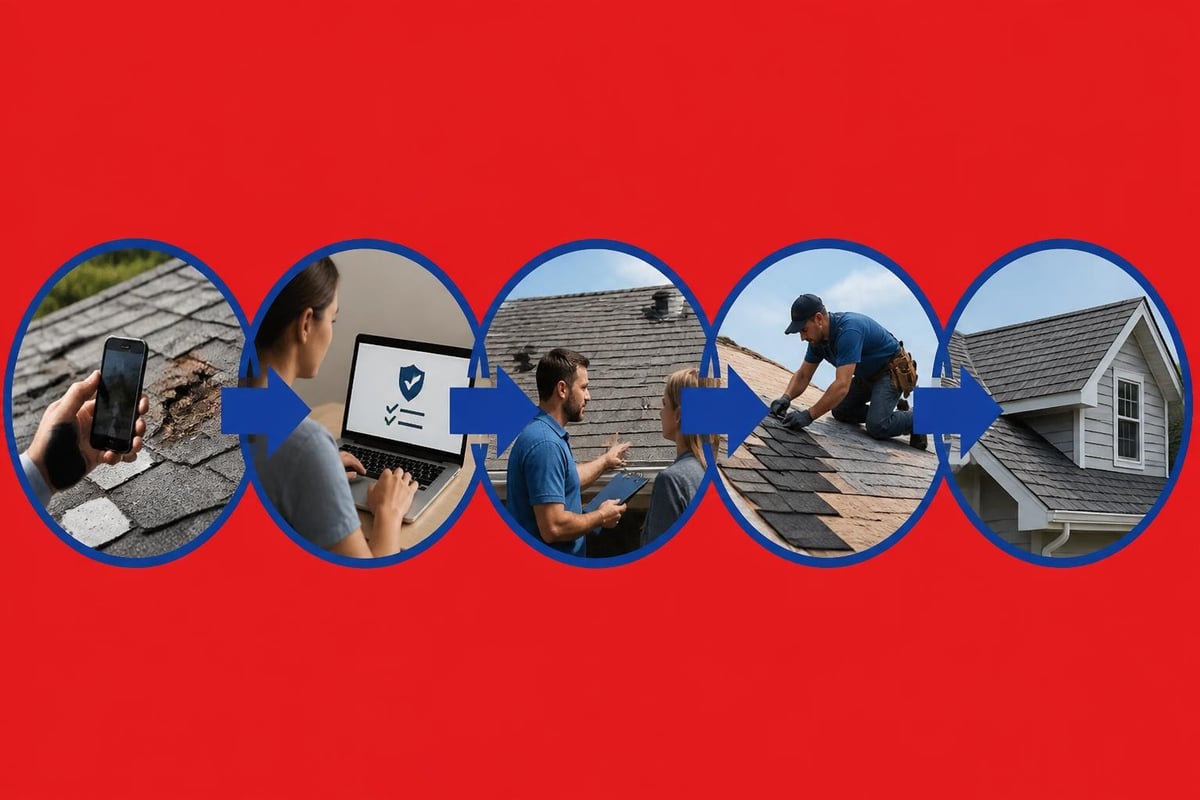
Professional documentation begins immediately after suspected damage occurs:
- Initial visual inspection from ground level photographing obvious damage
- Professional roof assessment by qualified contractors identifying all damage
- Detailed measurement of affected areas with precise square footage calculations
- Photographic evidence showing damage from multiple angles and distances
- Written damage report describing all impacts and required repairs
Quality contractors provide comprehensive documentation packages that insurance adjusters respect and accept. This thoroughness reduces claim disputes and speeds approval processes.
Working with Insurance Adjusters
Coordination between contractors and adjusters ensures accurate damage assessment. Many roofing contractors in Illinois offer to meet adjusters on-site, walking roofs together to identify all damage and agree on scope.
Understand that initial adjuster estimates may not include all necessary repairs. Contractors often identify additional damage or code-required upgrades that weren't included in preliminary assessments. Supplemental claims address these gaps, requiring additional documentation and negotiation.
Maintenance and Long-Term Performance
Selecting quality roofing contractors in Illinois represents just the first step toward long-term roof performance. Ongoing maintenance extends system lifespan and prevents minor issues from becoming major problems.
Routine Inspection Schedule
Professional inspections should occur:
- Annually for roofs under 10 years old
- Biannually for roofs 10-20 years old
- After severe weather events regardless of roof age
- When selling property to identify issues before buyer inspections
Inspections identify developing problems like loose or damaged shingles, deteriorating flashing, clogged gutters, and ventilation issues. Early detection allows simple repairs instead of costly emergency interventions.
Preventive Maintenance Tasks
Property owners can perform simple maintenance between professional inspections:
- Clear debris from roof surfaces and gutters quarterly
- Trim overhanging branches that drop leaves and provide animal access
- Check attic spaces for water stains, moisture, and adequate ventilation
- Monitor interior ceilings for discoloration indicating leaks
- Ensure proper drainage away from foundation walls
Professional maintenance programs offered by some contractors include regular inspections, minor repairs, gutter cleaning, and priority emergency service. These programs provide peace of mind while protecting your roofing investment.
Energy Efficiency and Sustainable Roofing
Modern roofing systems contribute significantly to building energy performance. Roofing contractors in Illinois increasingly offer solutions that reduce energy consumption while improving comfort and lowering utility costs.
Reflective Roofing Technologies
Cool roofing materials reflect solar radiation rather than absorbing it, reducing heat transfer into buildings. Benefits include:
- Lower cooling costs during summer months, particularly for air-conditioned spaces
- Extended shingle lifespan due to reduced thermal cycling and UV exposure
- Improved comfort in upper floor rooms and attic spaces
- Environmental benefits through reduced energy consumption and urban heat island mitigation
Light-colored architectural shingles, specialized cool-roof coatings, and metal roofing systems all provide varying degrees of solar reflectance. Product selection should balance energy performance with aesthetic preferences and local architectural contexts.
Ventilation and Insulation Integration
Proper attic ventilation works in concert with roofing systems to manage heat and moisture. Ridge vents combined with soffit vents create continuous airflow that removes excess heat in summer and moisture year-round.
Insulation levels significantly impact overall building energy performance. Illinois building codes specify minimum R-values for attic insulation, but exceeding these minimums provides enhanced comfort and energy savings. Quality contractors coordinate roofing work with insulation upgrades, ensuring comprehensive thermal performance.
Working with Family-Owned Contractors
Family-owned roofing contractors in Illinois often provide advantages that larger corporate operations cannot match. These locally-rooted businesses build reputations over decades, relying on word-of-mouth referrals and community relationships rather than aggressive marketing.
Benefits of Local Expertise
Long-term accountability distinguishes established local contractors. They remain accessible for warranty service, follow-up inspections, and future projects. Their permanent physical presence within communities ensures they can't simply disappear after collecting payment.
Deep local knowledge helps contractors anticipate regional challenges. They understand which materials perform best in specific microclimates, navigate local permitting processes efficiently, and maintain relationships with building inspectors.
Personalized Service Approach
Family businesses typically offer more personalized communication and project management. Owners often remain directly involved in projects rather than delegating everything to managers and crews. This hands-on approach ensures quality control and responsive problem-solving.
Flexibility in scheduling and project customization often exceeds what corporate contractors provide. Family businesses can adapt to client preferences and unique property requirements without bureaucratic approval processes.
Selecting among roofing contractors in Illinois requires careful research, thorough vetting, and clear communication about project expectations. By verifying licensing, checking references, comparing detailed proposals, and understanding material options, property owners position themselves for successful roofing projects that deliver lasting performance and value. Great Roofing brings three generations of family expertise to residential and commercial roofing projects throughout the Joliet area, combining technical excellence with the personalized service that only a locally-owned contractor can provide. Contact us today to discuss your roofing needs and discover how our commitment to quality craftsmanship protects your most important investment.