

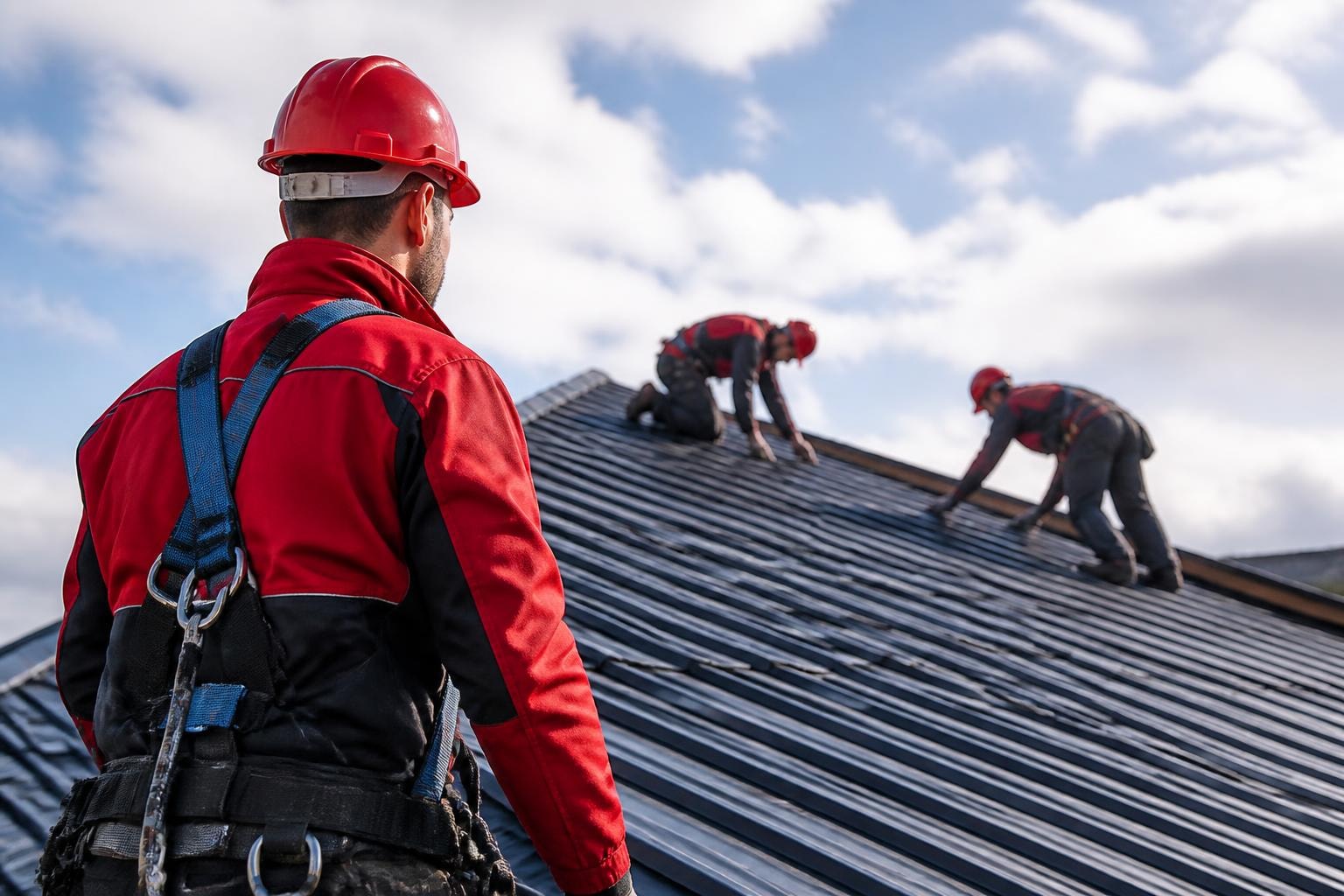
A successful roofing project depends on more than quality materials and careful planning. The team executing the work plays an equally critical role in determining whether a job meets expectations or falls short. Building and managing an effective roofing crew requires attention to hiring practices, safety protocols, clear communication, and ongoing training. For roofing contractors serving residential and commercial clients across Joliet and surrounding communities, assembling the right team represents a fundamental business priority that directly impacts customer satisfaction, project timelines, and overall profitability.
Core Components of an Effective Roofing Crew
The foundation of any high-performing roofing crew starts with understanding the essential roles and responsibilities. Each team member contributes specific skills that combine to deliver comprehensive service.
Crew Leader Responsibilities
A crew leader serves as the operational backbone, coordinating all aspects of daily work. This individual translates project plans into actionable tasks, assigns roles based on worker strengths, and maintains direct communication with project managers and property owners. Strong leadership ensures work progresses efficiently while maintaining quality standards.
Military veterans often excel in crew leadership positions because they bring disciplined approaches to structure and accountability that benefit roofing operations. Their experience with clear chains of command and mission-focused thinking translates naturally to construction environments.
Essential Crew Member Roles
Beyond leadership, a balanced roofing crew includes specialists who handle specific tasks:
- Tear-off specialists who safely remove existing roofing materials
- Installation experts skilled in residential shingle and commercial systems
- Flashing technicians who ensure proper water management
- Clean-up crew members responsible for job site organization and debris removal
- Safety monitors who enforce protocols and identify hazards
The size of your roofing crew varies based on project scope, but even smaller teams benefit from clearly defined roles that prevent confusion and improve workflow.
Hiring Practices That Build Strong Teams
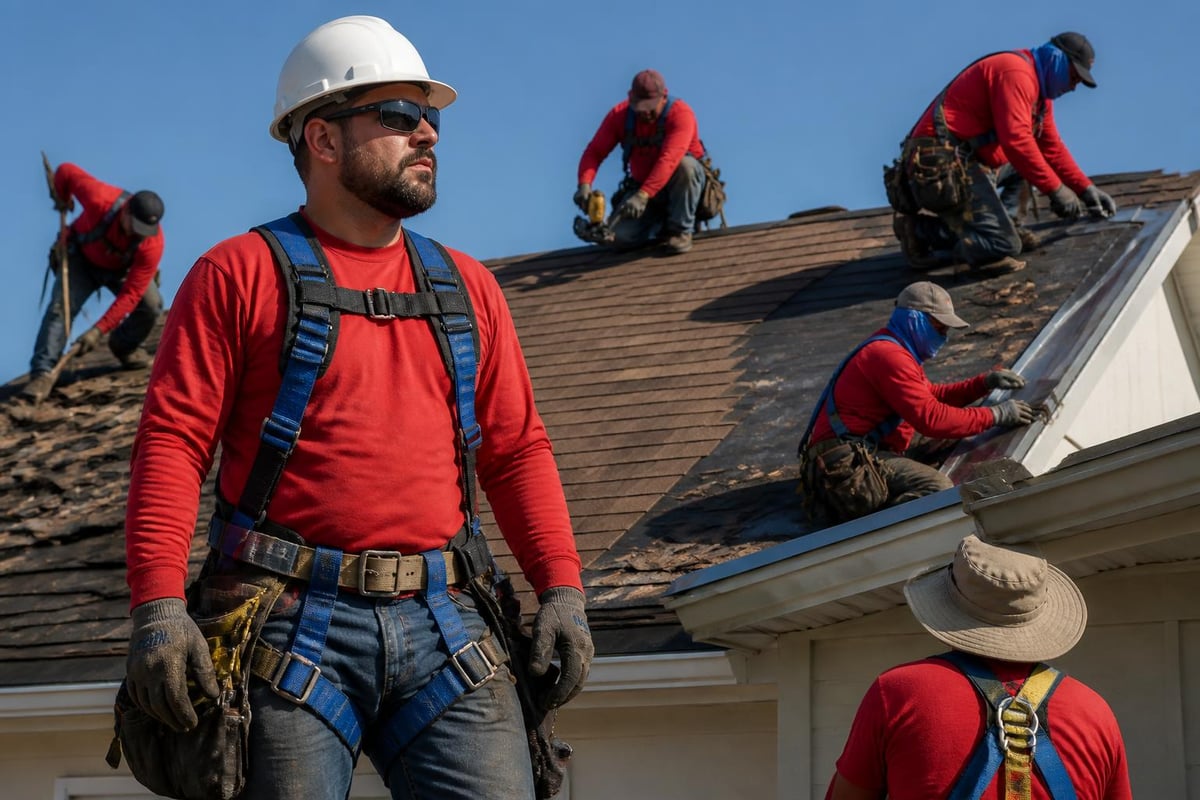
Recruiting the right people determines your crew's long-term success. Property owners investing in residential roofing projects expect professionalism, skill, and reliability from everyone who arrives at their home or business.
Evaluating Technical Skills
Technical competency forms the baseline requirement. Prospective crew members should demonstrate familiarity with roofing materials, proper installation techniques, and tool operation. For companies handling both residential and commercial work, versatility across different roofing systems adds significant value.
Experience with modified bitumen systems, asphalt shingles, and various commercial applications creates flexibility in crew assignments. Workers who understand storm damage repair protocols bring additional value during peak seasons when severe weather impacts local communities.
| Skill Level | Experience Required | Typical Responsibilities | Training Timeline |
|---|---|---|---|
| Entry-level | 0-6 months | Material handling, clean-up, basic tear-off | 3-6 months |
| Intermediate | 6-24 months | Installation assistance, flashing work, measuring | 12-18 months |
| Advanced | 2-5 years | Lead installation, quality control, mentoring | 2-3 years |
| Expert | 5+ years | Complex systems, problem-solving, crew leadership | Ongoing |
Assessing Soft Skills and Work Ethic
Technical knowledge alone doesn't guarantee success. The best crew members combine skill with strong work ethic, communication abilities, and problem-solving mindsets. During interviews, look for candidates who demonstrate:
- Accountability for their work quality
- Willingness to learn new techniques
- Respect for safety protocols
- Team-oriented attitudes
- Punctuality and reliability
References from previous employers provide valuable insights into work habits and dependability. Companies committed to maintaining high standards should verify employment history and check credentials thoroughly before extending offers.
Safety Standards and Compliance Requirements
Safety represents the most critical aspect of roofing crew management. Falls remain the leading cause of fatalities in construction, making comprehensive safety protocols essential for every project.
OSHA Compliance Essentials
Understanding and implementing OSHA requirements protects workers and shields contractors from liability. Key regulations include:
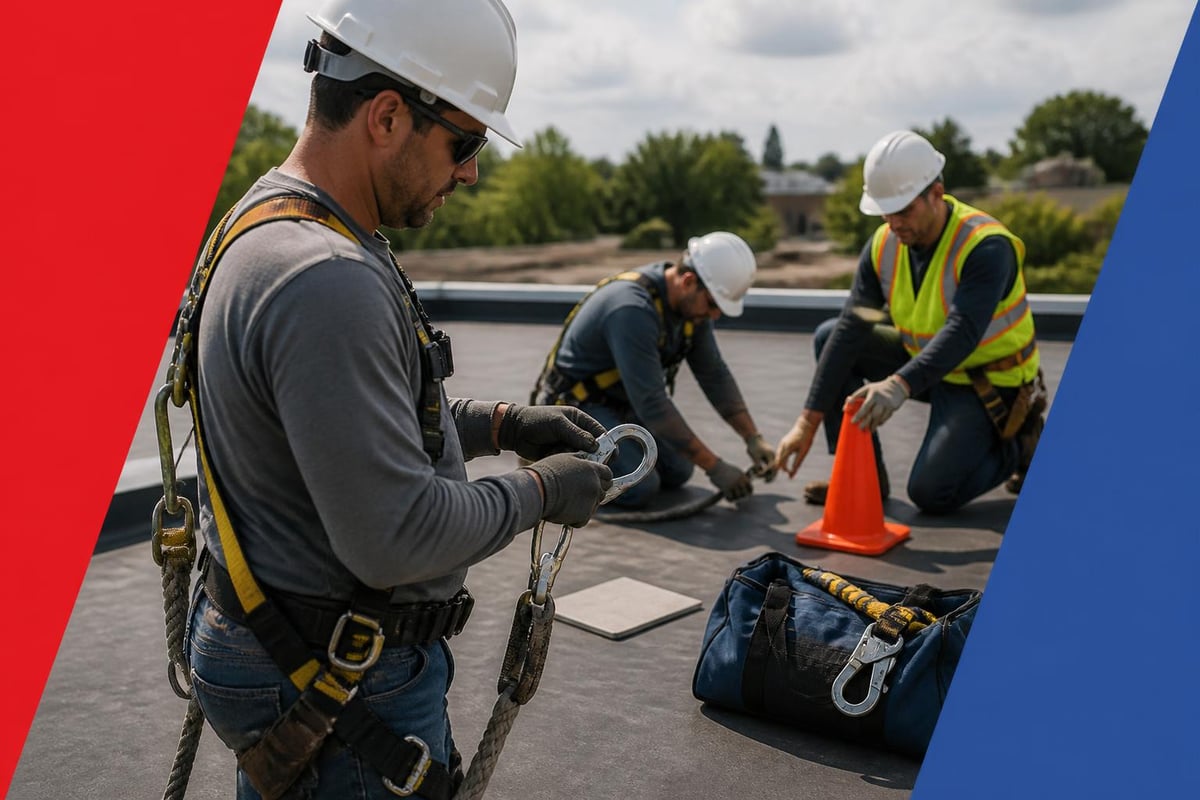
Fall Protection Systems: Any work performed at heights of six feet or more requires appropriate fall protection. This includes guardrails, safety nets, or personal fall arrest systems properly anchored and inspected.
Equipment Inspection: Regular examination of ladders, scaffolding, harnesses, and other safety equipment ensures reliability when needed most. Damaged equipment must be removed from service immediately.
Training Documentation: All crew members need documented training in hazard recognition, equipment use, and emergency procedures. Annual refresher courses keep safety awareness high.
Job Site Housekeeping
Clean work sites significantly reduce accident risks. Proper housekeeping practices prevent trips, falls, and OSHA violations that can result in substantial fines.
A disciplined roofing crew maintains organization throughout the workday by:
- Staging materials in designated areas away from work zones
- Promptly removing debris and cut materials
- Securing tools when not in use
- Keeping pathways clear for safe movement
- Installing warning signs and barriers around hazard areas
Companies working across communities from Bolingbrook to Frankfort benefit from establishing consistent housekeeping standards that crews follow regardless of project location.
Managing Productivity and Performance
Effective crew management balances productivity expectations with quality standards. Rushing work compromises results, while excessive delays frustrate customers and reduce profitability.
Setting Clear Daily Expectations
Each morning should begin with a brief meeting where the crew leader outlines the day's objectives, discusses any challenges, and answers questions. This communication practice keeps everyone aligned and prevents misunderstandings that waste time.
Clear expectations include:
- Specific tasks to be completed
- Quality standards that must be met
- Safety protocols for particular work areas
- Timeline targets for major milestones
- Communication procedures for addressing problems
When crew members understand what success looks like, they can work more independently while maintaining accountability.
Monitoring Progress Without Micromanaging
Crew leaders walk a fine line between oversight and autonomy. Experienced workers resent constant supervision, yet projects need regular monitoring to catch issues early. The solution involves structured check-ins at logical intervals rather than continuous hovering.
Effective monitoring strategies include:
- Mid-morning reviews to verify setup and early progress
- Lunch-break assessments to address any morning challenges
- Afternoon walk-throughs to confirm quality and timeline adherence
- End-of-day evaluations to plan the following day's work
This approach maintains accountability while respecting worker expertise and independence.
Training and Skill Development
Investing in crew development pays dividends through improved quality, reduced errors, and enhanced worker loyalty. The roofing industry evolves constantly with new materials, techniques, and safety requirements.
Manufacturer Certification Programs
Many roofing material manufacturers offer certification programs that train installers in proper application methods. These certifications benefit both workers and contractors by:
Enhancing Installation Quality: Manufacturer-specific training ensures crews understand the nuances of particular products, reducing warranty claims and callbacks.
Building Customer Confidence: Property owners value knowing their roofing crew has formal training and credentials from respected manufacturers.
Accessing Better Warranties: Some manufacturers offer enhanced warranties when certified installers perform the work, providing additional value to customers.
For contractors serving both residential and commercial markets, certifications covering different system types expand the projects crews can handle competently.
On-the-Job Mentoring
Formal training complements but doesn't replace hands-on experience. Pairing newer crew members with experienced roofers creates natural learning opportunities that develop skills more effectively than classroom instruction alone.
Structured mentoring includes:
- Assigning apprentices to shadow skilled workers during complex tasks
- Encouraging questions and explanations throughout the workday
- Gradually increasing responsibility as competence grows
- Providing constructive feedback on technique and quality
- Recognizing improvement and celebrating skill development
Companies interested in building strong teams through internal development create pathways for advancement that motivate workers and reduce turnover.
Communication With Property Owners
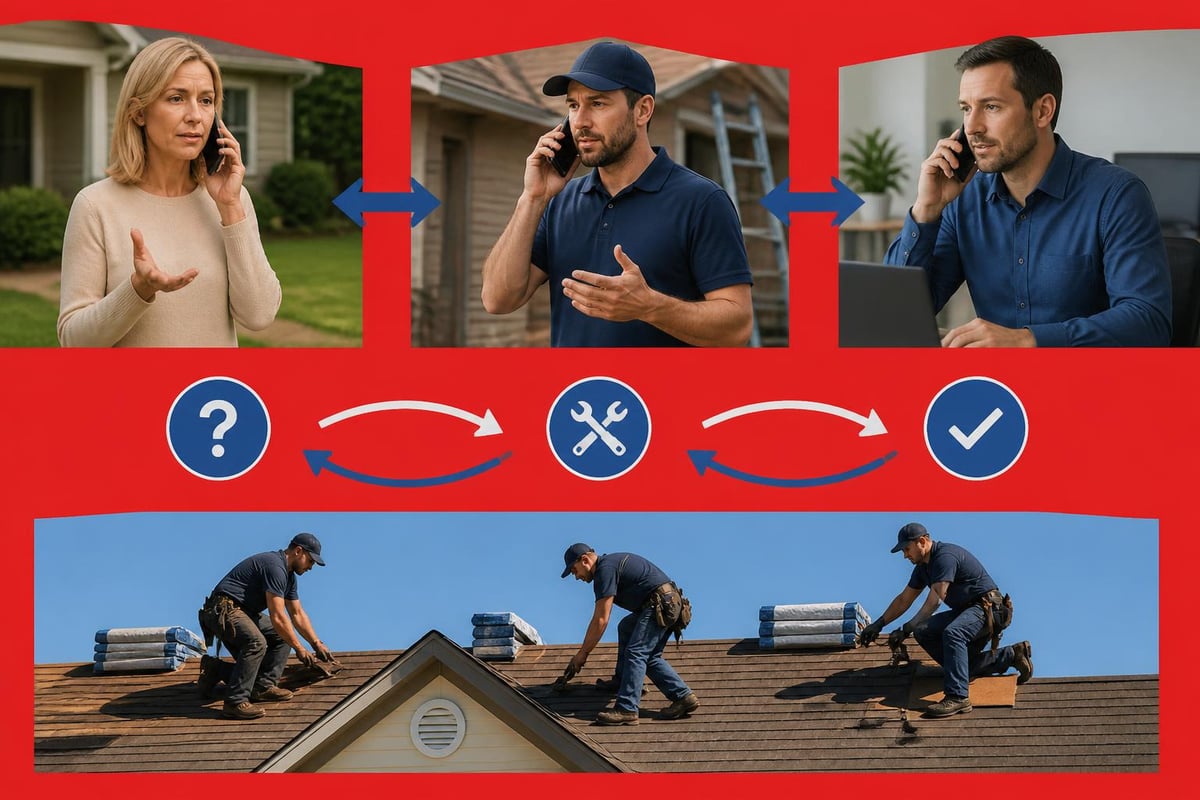
Professional roofing crews understand their interactions with property owners significantly impact company reputation. Every crew member represents the business through their conduct, appearance, and communication.
Maintaining Professional Standards
First impressions matter. Crews arriving in clean company vehicles, wearing branded uniforms, and displaying professional demeanor set positive expectations. Throughout the project, maintaining courteous communication and respecting property boundaries reinforces these initial impressions.
Professional standards include:
- Introducing the crew leader to property owners
- Explaining the day's planned activities
- Requesting permission before accessing certain areas
- Protecting landscaping and property features
- Keeping noise levels reasonable
- Addressing owner questions respectfully
Handling Questions and Concerns
Property owners naturally have questions about work progress, timelines, and observed activities. While crew leaders typically handle detailed discussions, all crew members should know appropriate responses.
Basic guidelines help maintain consistency:
| Situation | Recommended Response | Follow-Up Action |
|---|---|---|
| Timeline questions | "The crew leader has the current schedule" | Direct owner to crew leader |
| Material concerns | "All materials meet manufacturer specifications" | Inform crew leader of question |
| Unexpected issues | "I'll have the crew leader discuss this with you" | Immediately notify crew leader |
| Scope changes | "Any changes need approval through the office" | Report request to management |
This approach ensures accurate information reaches property owners while preventing confusion from inconsistent messages.
Equipment and Tool Management
Proper equipment management affects both productivity and safety. A well-organized roofing crew maintains tools systematically and ensures everyone has necessary resources.
Essential Tool Categories
Complete roofing crews require comprehensive tool inventories organized by function:
- Safety equipment: harnesses, anchors, hard hats, safety glasses
- Power tools: nail guns, saws, drills, compressors
- Hand tools: hammers, utility knives, measuring tapes, chalk lines
- Specialty items: flashing tools, caulking guns, roof jacks
- Material handling: hoists, conveyors, staging equipment
Daily equipment checks verify everything functions properly before work begins. Damaged or malfunctioning tools must be repaired or replaced immediately to prevent work delays and safety hazards.
Inventory and Maintenance Systems
Larger crews benefit from formal systems tracking tool location, condition, and maintenance schedules. Simple approaches include:
- Assigning specific tools to individual crew members who maintain responsibility
- Creating checkout systems for shared equipment
- Scheduling preventive maintenance on power tools and safety gear
- Maintaining backup equipment for critical items
- Partnering with reliable suppliers for quick replacements when needed
These systems reduce downtime caused by missing or broken tools while extending equipment lifespan through proper care.
Adapting to Different Project Types
Versatile roofing crews handle both residential and commercial projects effectively by adjusting approaches based on project characteristics. The skills overlap significantly, but each project type presents unique considerations.
Residential Project Considerations
Residential roofing prioritizes homeowner communication, property protection, and minimizing disruption to daily life. Crews working on local residential projects should:
- Work within reasonable hours that respect neighborhood norms
- Protect gardens, driveways, and landscaping features
- Maintain clean work areas to prevent nail hazards
- Communicate proactively about noise, access needs, and timelines
- Complete projects efficiently to reduce homeowner inconvenience
Understanding asphalt shingle roofing systems thoroughly ensures quality installations that meet manufacturer specifications and warranty requirements.
Commercial Project Requirements
Commercial roofing demands different approaches focused on business continuity, larger scale coordination, and system complexity. Following best practices for commercial installations prevents common failures and ensures long-term performance.
Commercial crews must:
- Coordinate with facility managers to minimize business disruption
- Work efficiently across larger surface areas
- Handle specialized systems like modified bitumen properly
- Manage increased safety requirements for height and complexity
- Communicate with multiple stakeholders including managers and tenants
The ability to transition seamlessly between project types makes crews more valuable and keeps work schedules full throughout seasonal fluctuations.
Weather Considerations and Adaptability
Weather significantly impacts roofing work schedules and safety. Skilled roofing crews monitor conditions closely and make sound decisions about when work can proceed safely and when delays are necessary.
Safe Working Conditions
Certain weather conditions make roofing work unsafe or ineffective:
High Winds: Wind speeds exceeding 40 mph create dangerous conditions for workers and materials. Lighter winds still require extra caution with staging and material handling.
Wet Conditions: Rain makes surfaces slippery and prevents proper adhesive bonding for many roofing materials. Work should cease when precipitation begins.
Extreme Temperatures: Very hot conditions stress workers and affect material performance, while cold temperatures below manufacturer minimums prevent proper installation.
Crew leaders must balance project timelines against safety and quality requirements, sometimes making difficult decisions to pause work despite schedule pressure.
Maximizing Productive Days
Strategic planning helps crews capitalize on favorable weather. This includes:
- Monitoring extended forecasts to plan multi-day tasks during stable periods
- Scheduling weather-dependent activities like torch applications during ideal conditions
- Preparing alternative tasks for days with marginal weather
- Completing interior work or maintenance during unsuitable outdoor conditions
- Maintaining clear communication with property owners about weather-related delays
Companies serving storm-prone areas understand the importance of rapid response when severe weather damages roofs across communities throughout the region.
Building Long-Term Team Cohesion
Employee retention strengthens roofing crews by preserving institutional knowledge and maintaining consistent quality. High turnover disrupts operations and requires constant retraining that reduces productivity.
Creating Positive Work Culture
Respectful, supportive work environments attract and retain skilled workers. Key elements include:
- Fair compensation that reflects skill levels and experience
- Recognition for quality work and extra effort
- Clear advancement pathways for ambitious workers
- Consistent enforcement of safety and quality standards
- Team-building activities that strengthen relationships
Workers who feel valued and see growth opportunities remain loyal even when competitors offer slightly higher wages.
Providing Stability and Benefits
Family-owned operations often build stronger teams by offering stability that larger corporations cannot match. Consistent work schedules, reliable paychecks, and genuine concern for employee wellbeing create loyalty.
Additional retention strategies include:
- Health insurance and retirement benefits for full-time workers
- Performance bonuses tied to quality and safety metrics
- Paid time off that allows work-life balance
- Equipment and training investments showing commitment to development
- Open communication channels for concerns and suggestions
These investments in crew wellbeing pay returns through reduced recruitment costs, higher productivity, and superior quality that enhances company reputation.
Building an exceptional roofing crew requires deliberate attention to hiring, training, safety, and communication. Teams that combine technical skill with professional conduct and safety awareness deliver the quality results that property owners expect and deserve. Great Roofing has built its reputation across Joliet and surrounding communities by assembling skilled crews committed to excellence in every residential and commercial project. Contact us today to experience the difference that professional roofing teams make in protecting your most valuable investment.