


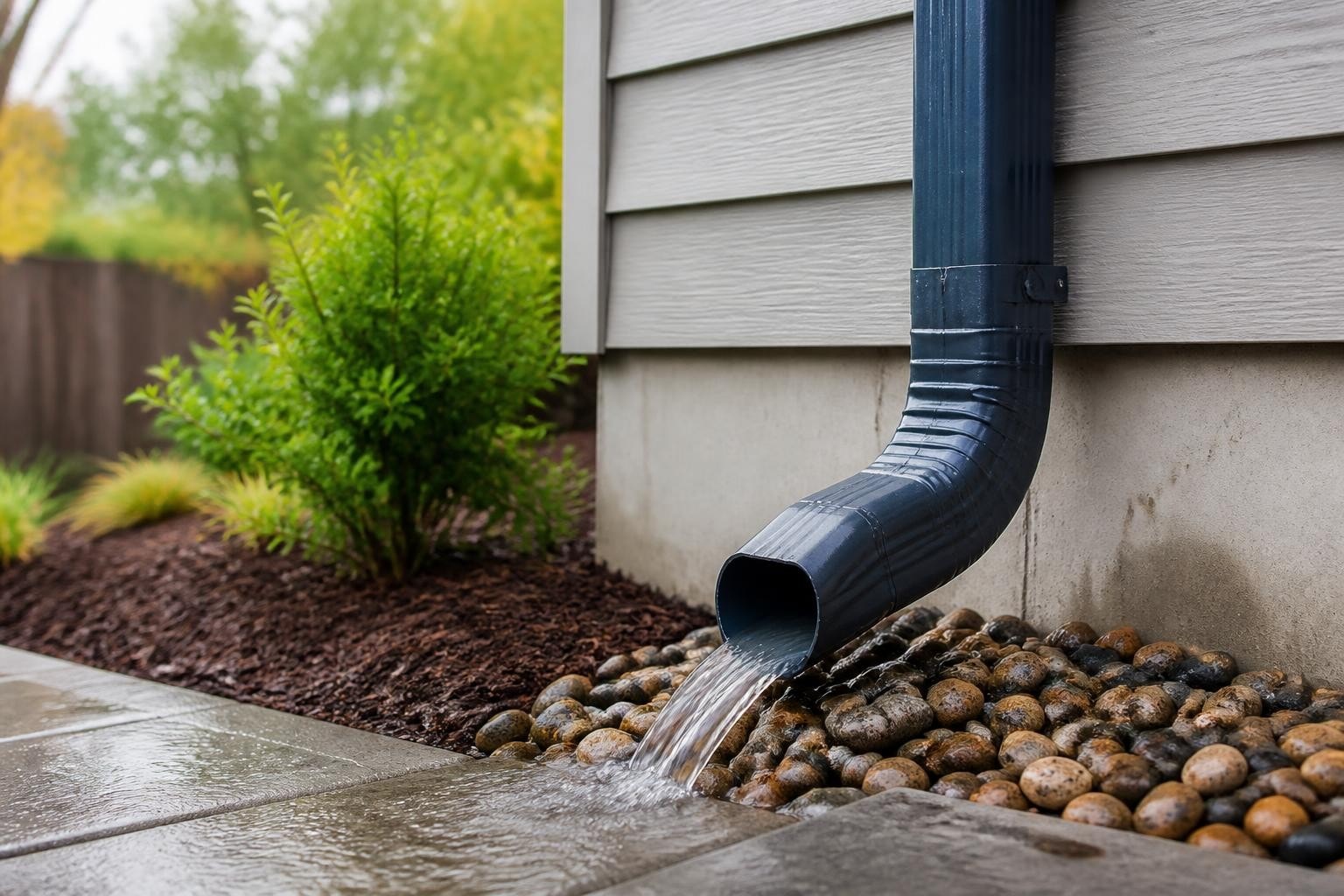
Roofing downspouts serve as the critical final component of your home's water management system, channeling thousands of gallons of water away from your foundation each year. While homeowners often focus on selecting the right shingles or maintaining gutters, downspouts deserve equal attention as they directly impact your property's structural integrity. Understanding how these vertical channels work, the different types available, and proper maintenance requirements can save Joliet homeowners from costly foundation repairs and water damage.
Understanding the Function of Roofing Downspouts
Roofing downspouts work in tandem with your gutter system to collect and transport water from your roof to ground level and beyond. When rain falls on your roof, it flows into gutters that channel water toward strategically placed downspout openings. From there, gravity pulls the water down through these vertical pipes, ideally depositing it at least six to ten feet away from your foundation.
The primary functions of downspouts include:
- Preventing water accumulation near foundation walls
- Reducing soil erosion around your property
- Protecting basement and crawl space areas from moisture intrusion
- Minimizing landscape damage from concentrated water flow
- Preventing ice dam formation during winter months
The National Gutter Authority outlines proper downspout placement standards that ensure adequate water management. Most residential properties require one downspout for every 30 to 40 feet of gutter run, though this varies based on roof pitch, local rainfall intensity, and gutter size.
Sizing Considerations for Effective Drainage
Proper sizing directly affects how well roofing downspouts handle water volume during heavy storms. Standard residential downspouts measure two inches by three inches or three inches by four inches for rectangular profiles, while round downspouts typically range from three to four inches in diameter.
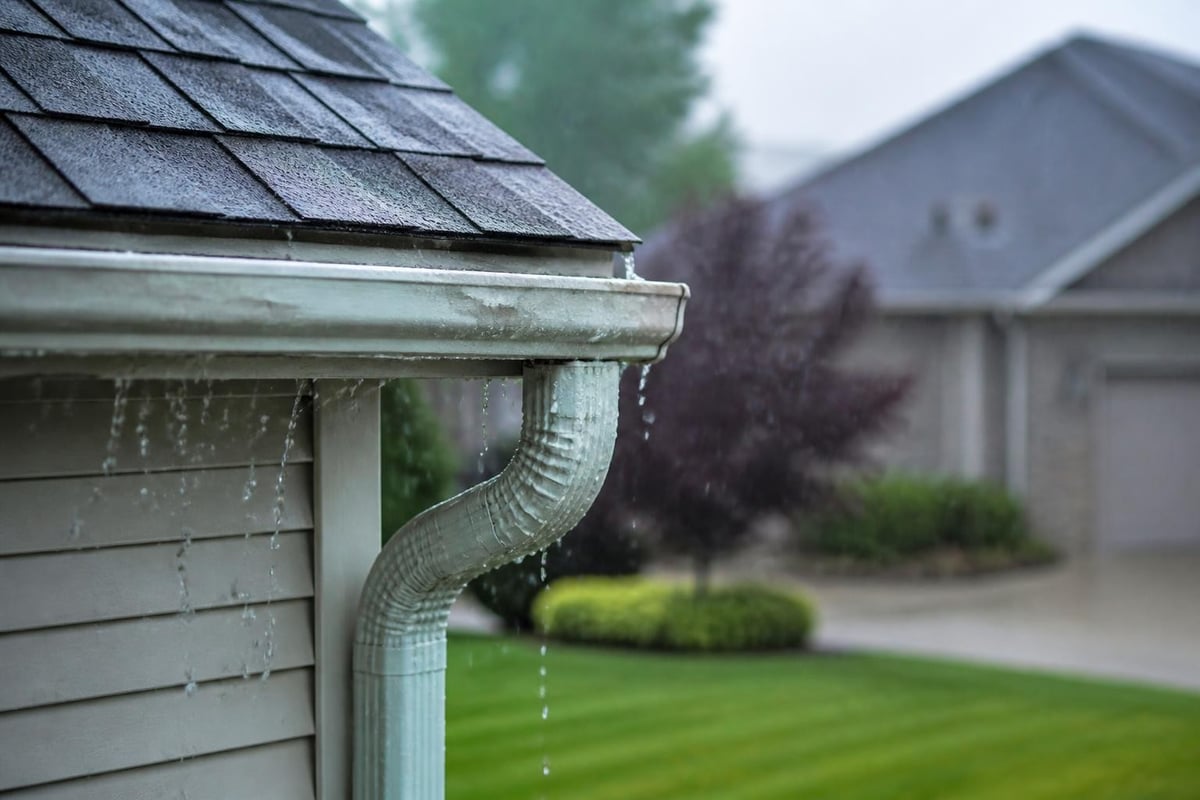
The size you need depends on several factors including roof square footage, gutter capacity, and regional rainfall patterns. Joliet experiences periodic heavy rainfall events, making adequate downspout capacity essential for preventing overflow and water damage. A professional roof inspection can identify whether your current downspout system meets your home's drainage needs.
Types of Roofing Downspouts Available
Different downspout materials and styles offer varying benefits for aesthetic appeal, durability, and cost-effectiveness. Selecting the right type depends on your home's architectural style, climate conditions, and budget considerations.
| Material | Lifespan | Maintenance | Best For |
|---|---|---|---|
| Aluminum | 20-25 years | Low | Most residential applications |
| Copper | 50+ years | Minimal | Historic or high-end homes |
| Vinyl | 10-15 years | Low | Budget-conscious projects |
| Steel | 15-20 years | Moderate | Commercial buildings |
Material Selection Guide
Aluminum downspouts represent the most popular choice for residential applications due to their rust resistance, light weight, and reasonable cost. They accept paint well, allowing homeowners to match their home's exterior color scheme. The material withstands Midwest weather conditions effectively without warping or cracking.
Copper downspouts provide unmatched longevity and develop an attractive patina over time. While significantly more expensive than other options, copper complements historic homes and upscale properties. Many quality roofing and siding projects incorporate copper elements for enhanced curb appeal.
Vinyl downspouts offer affordability and easy installation for homeowners working within tight budgets. However, they become brittle in extreme cold and may crack during harsh Illinois winters. UV exposure can also cause fading and degradation over time.
Configuration Options
Beyond material selection, roofing downspouts come in various configurations:
- Round downspouts: Traditional circular profile that handles water flow efficiently
- Rectangular downspouts: Contemporary appearance that lies flatter against walls
- Corrugated downspouts: Flexible design useful for navigating obstacles
- Decorative downspouts: Ornamental styles featuring chains or artistic elements
Each configuration serves specific aesthetic and functional purposes. Round downspouts handle higher water volumes more efficiently due to their shape, while rectangular versions offer a sleeker modern appearance that many homeowners prefer.
Proper Placement and Installation Standards
Strategic downspout placement prevents foundation damage, landscape erosion, and basement flooding. InterNACHI’s inspection guidelines emphasize that improper installation creates more problems than having no downspouts at all.
Location Requirements
Position roofing downspouts at corners and every 30 to 40 feet along gutter runs for optimal performance. Avoid placing them near:
- Windows and doorways where splashing causes problems
- Air conditioning units and outdoor electrical components
- Garden beds susceptible to erosion
- Areas with poor soil drainage
The topography of your Joliet property influences ideal placement. Sloping yards may allow gravity-fed drainage to natural low points, while flat lots require more deliberate planning. A comprehensive roof replacement project should include downspout evaluation and repositioning as needed.
Extension and Splash Block Installation
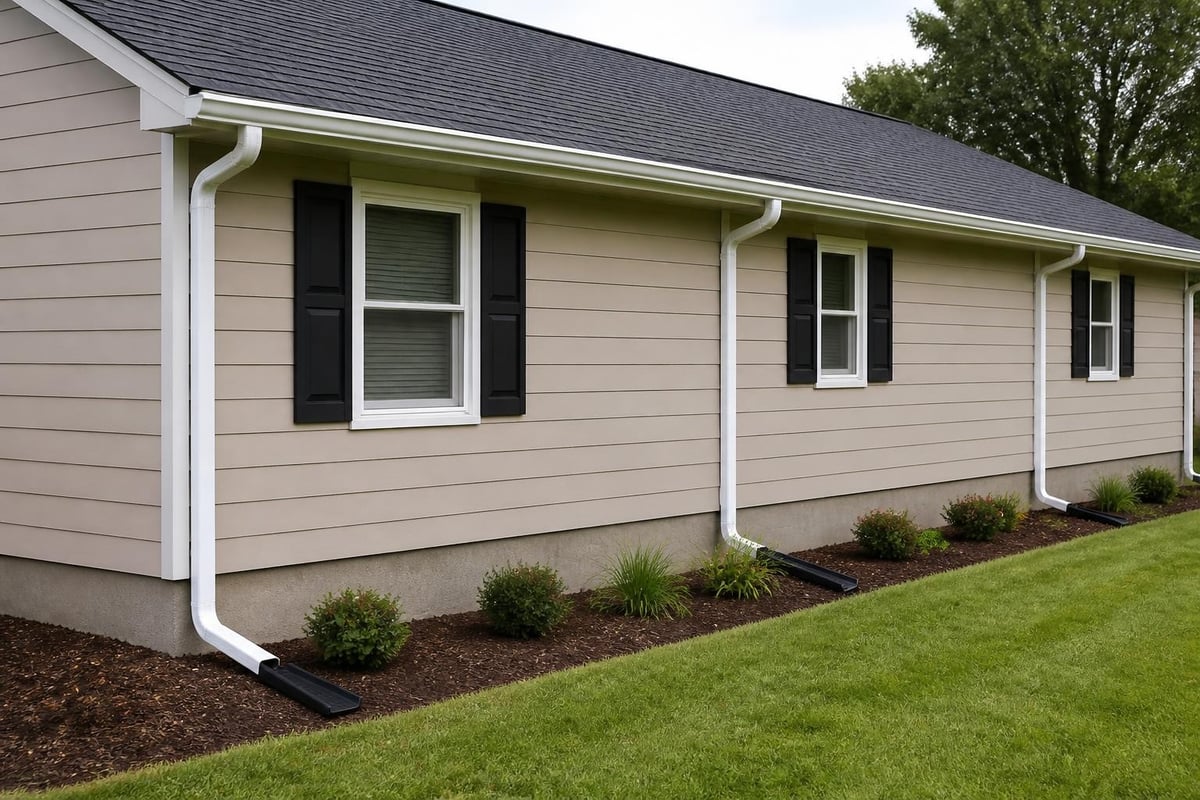
Downspouts without proper extensions dump water directly beside foundations, defeating their entire purpose. Install extensions that carry water at least six feet from foundation walls, preferably ten feet for optimal protection. The EPA’s guidance on redirecting downspouts provides environmental benefits while protecting your home.
Extension options include:
- Rigid extensions: Permanent aluminum or PVC pipes angled away from foundations
- Flexible extensions: Corrugated tubes that roll up when not needed
- Underground drainage: Buried pipes connecting to drainage systems or dry wells
- Splash blocks: Concrete or plastic troughs that disperse water flow
Underground drainage systems offer the cleanest appearance but require professional installation and periodic maintenance to prevent clogging. Many residential roofing upgrades incorporate underground drainage for comprehensive water management.
Maintenance Requirements and Common Issues
Regular downspout maintenance prevents expensive repairs and extends system lifespan. Neglected roofing downspouts develop clogs, separations, and damage that compromise your home's protection against water intrusion.
Seasonal Maintenance Checklist
Spring and fall represent ideal times for thorough downspout inspection and cleaning. Remove accumulated leaves, twigs, and debris that restrict water flow. This Old House offers practical tips for maintaining downspouts throughout the year.
Complete these tasks twice annually:
- Flush downspouts with garden hose to identify clogs
- Check mounting brackets and secure loose fasteners
- Inspect seams and joints for separation or leaks
- Clear outlet areas of mud, vegetation, and debris
- Verify extensions remain properly positioned
- Look for rust spots or material deterioration
Winter months present unique challenges as ice accumulation can crack downspouts or pull them away from walls. After severe storms, inspect for wind damage that may have dislodged components.
Troubleshooting Performance Problems
| Problem | Likely Cause | Solution |
|---|---|---|
| Overflow during rain | Clog or insufficient capacity | Clean thoroughly; add downspouts |
| Sagging or pulling away | Loose brackets or ice damage | Reinstall with proper spacing |
| Pooling near foundation | Short or missing extensions | Install adequate extensions |
| Rust or corrosion | Material age or poor drainage | Replace damaged sections |
When downspouts fail to channel water properly, foundation problems develop quickly. Watch for basement moisture, soil erosion, or cracks in foundation walls that indicate drainage issues requiring immediate attention.
Integration With Complete Drainage Systems
Roofing downspouts represent just one component of comprehensive property drainage. For maximum protection, they should work in harmony with foundation drains, grading, and landscape features. Building Science Education resources explain how these systems interconnect to prevent water infiltration.
Connecting to Foundation Drainage
Older homes may have existing foundation drain tiles that roofing downspouts can connect to for efficient water removal. This creates a closed system that channels roof runoff directly into storm sewers or designated drainage areas. However, local building codes regulate these connections, and some municipalities prohibit direct downspout-to-sewer hookups.
Before connecting downspouts to underground drainage, verify:
- Local code compliance and permit requirements
- Drain tile condition and functionality
- Proper slope toward discharge points
- Cleanout access for maintenance
Professional contractors familiar with Joliet building standards can design systems that meet regulatory requirements while providing optimal protection.
Working With Landscape Features
Strategic landscaping enhances downspout effectiveness while creating attractive outdoor spaces. Rain gardens positioned at downspout discharge points absorb runoff while supporting native plants. Dry creek beds channeled from downspout outlets add visual interest while directing water away from structures.
Fairfax County’s drainage solutions demonstrate how proper grading and vegetation work together with downspouts. Slope soil away from foundations at a minimum grade of six inches over ten feet. This ensures gravity assists downspout efforts rather than working against them.
Upgrades and Enhancement Options
Modern roofing downspouts offer features beyond basic water channeling. Homeowners investing in gutter and roof replacement projects should consider these value-adding enhancements.
Rain Harvesting Integration
Environmental consciousness and water conservation make rain barrels increasingly popular. Specialized downspout adapters allow easy connection to collection systems that capture runoff for landscape irrigation. A single inch of rain on a 1,000-square-foot roof produces over 600 gallons of water, representing substantial savings during dry periods.
Rain harvesting considerations include:
- Barrel capacity and overflow management
- Mosquito prevention through screened openings
- Winter disconnection in freezing climates
- Diverter valves for seasonal switching
While rain barrels require disconnecting standard extensions, diverter systems allow switching between collection and drainage modes. This flexibility helps homeowners balance conservation goals with foundation protection needs.
Leaf Guards and Strainers
Downspout strainers installed at gutter outlets prevent large debris from entering and causing clogs. These simple devices significantly reduce maintenance requirements while ensuring consistent water flow. For properties surrounded by mature trees, this small investment prevents numerous service calls and potential overflow damage.
Heat tape installations prevent ice formation inside downspouts during winter months. While adding operational costs, heated downspouts maintain drainage capacity throughout freeze-thaw cycles that plague Illinois winters. This proves particularly valuable for homes experiencing ice dam problems.
Professional Assessment and Installation
While some homeowners handle basic downspout maintenance, proper installation and system design require professional expertise. Incorrectly placed or sized roofing downspouts create problems rather than solving them, potentially causing thousands in foundation repairs.
Professional contractors bring specialized knowledge including:
- Accurate water volume calculations based on roof area
- Code compliance for local regulations
- Integration with existing drainage infrastructure
- Proper pitch and fastening techniques
- Material selection for climate conditions
When scheduling storm damage repairs or planning system upgrades, work with established local contractors familiar with regional weather patterns and soil conditions. Their experience prevents costly mistakes while ensuring long-term performance.
When to Replace Versus Repair
Roofing downspouts typically last 15 to 25 years depending on material and maintenance quality. Replace downspouts showing:
- Significant rust or corrosion
- Multiple separations or leaks
- Severe dents or crushing
- Inadequate sizing for current needs
- Incompatibility with new gutter systems
Minor issues like loose brackets or small separations accept straightforward repairs. However, when addressing major problems, complete replacement often proves more cost-effective than piecemeal fixes. Coordinate downspout work with roof replacement projects for comprehensive system updates.
Properly functioning roofing downspouts protect your home's foundation, prevent landscape erosion, and maintain structural integrity throughout severe weather events. Understanding the types, placement requirements, and maintenance needs ensures your drainage system performs reliably for decades. Whether you need professional installation, system upgrades, or comprehensive property assessment, Great Roofing brings family-owned expertise to every Joliet-area project, ensuring your home stays protected from water damage season after season.