

Winter weather presents unique challenges for homeowners and contractors alike when it comes to maintaining and replacing roofs. While many people assume roofing work halts completely during cold months, the reality is more nuanced. Understanding the complexities of roofing during winter helps property owners make informed decisions about necessary repairs, emergency work, and planned replacements. Whether you're dealing with unexpected damage or considering a scheduled project, knowing what's possible and what precautions are essential can save you time, money, and potential headaches.
Understanding Winter Roofing Feasibility
The question of whether roofing during winter is possible doesn't have a simple yes or no answer. Temperature plays the most critical role in determining project viability. Asphalt shingles, the most common roofing material in residential applications, require specific temperature ranges for proper installation. Most manufacturers recommend installing shingles when temperatures are consistently above 40°F, though some specialized products can be installed in colder conditions with proper precautions.
Commercial roofing systems like modified bitumen have different considerations. These materials often require heat application during installation, which can be challenging but not impossible in winter conditions. Understanding winter roofing challenges helps contractors and property owners set realistic expectations.
Temperature Constraints and Material Performance
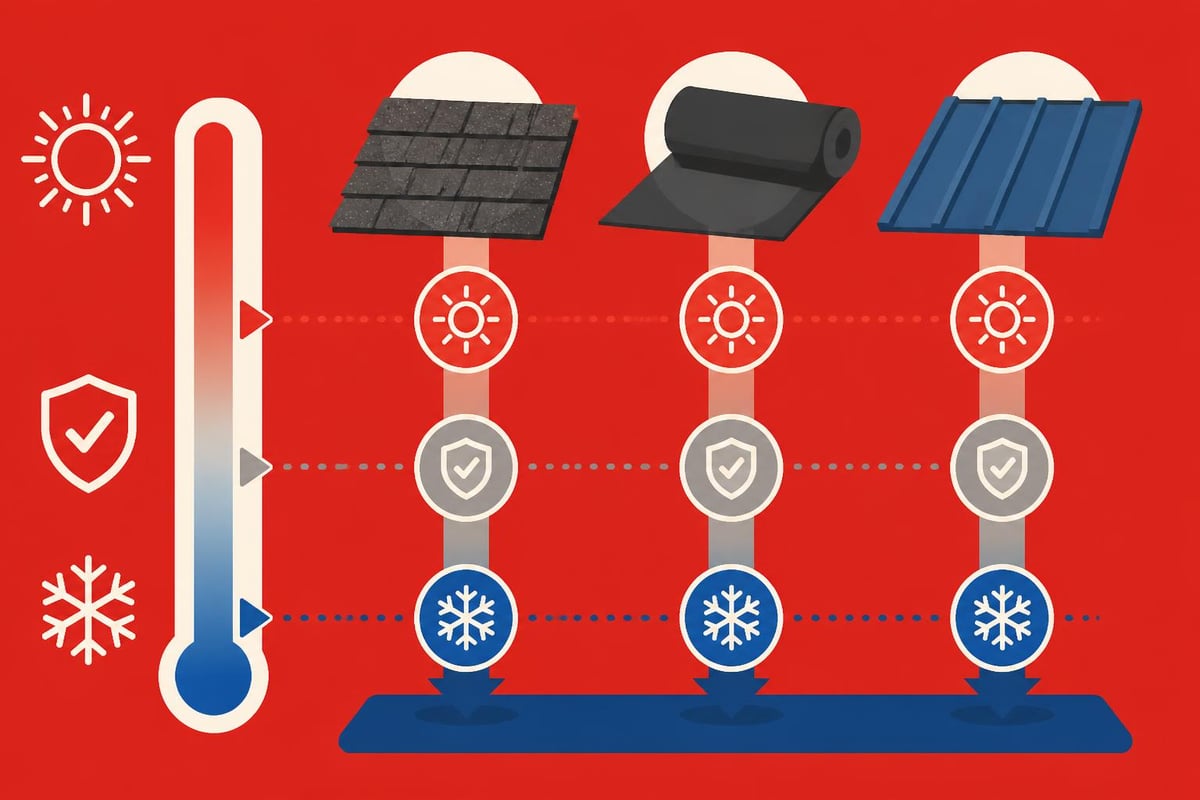
Material behavior changes significantly in cold weather. Shingles become brittle, adhesive strips don't seal properly, and workers face increased safety risks. Here's what happens to common roofing materials in winter:
- Asphalt shingles lose flexibility below 40°F, making them prone to cracking during installation
- Underlayment materials may not adhere properly to cold surfaces
- Sealant strips require warmth and sunlight to activate properly
- Metal roofing contracts in cold temperatures, affecting fastener placement
The thermal properties of roofing materials affect long-term performance when installed in suboptimal conditions. A shingle that doesn't seal properly in winter may remain vulnerable to wind damage throughout its lifespan.
Emergency Repairs vs. Planned Installations
Not all roofing during winter is optional. Emergency repairs often cannot wait for warmer weather, especially when dealing with active leaks or storm damage. Distinguishing between urgent needs and projects that can be postponed is crucial for protecting your investment.
When Winter Roofing Cannot Wait
| Situation | Urgency Level | Typical Solution |
|---|---|---|
| Active leak causing interior damage | Immediate | Emergency patch or tarp installation |
| Missing shingles after storm | High | Temporary repair and monitoring |
| Ice dam causing water infiltration | High | Ice removal and temporary sealing |
| Complete roof failure | Immediate | Emergency replacement required |
| Minor wear and tear | Low | Schedule for spring |
Emergency situations demand immediate attention regardless of weather conditions. If you notice signs of storm damage during winter months, addressing them quickly prevents secondary issues like water damage, mold growth, and structural deterioration.
Professional contractors have techniques for handling emergency roofing during winter. These include using specialized cold-weather adhesives, hand-sealing shingles with roofing cement, and employing heating methods to ensure proper material activation.
Safety Considerations for Winter Roofing Projects
Safety becomes paramount when undertaking roofing during winter months. Cold temperatures, ice accumulation, and reduced daylight hours create hazardous working conditions. Winter roofing safety protocols should never be compromised, whether you're a professional contractor or homeowner attempting minor repairs.
Critical Safety Measures
Workers face multiple hazards during cold-weather roofing projects. Hypothermia and frostbite pose serious health risks, while ice and snow create slip hazards. Proper preparation includes:
- Personal protective equipment specifically designed for cold weather
- Fall protection systems that account for bulky winter clothing
- Regular warming breaks to prevent cold-related injuries
- Enhanced communication protocols due to reduced visibility
The six essential winter safety tips for roofing contractors provide comprehensive guidance for anyone working at height during cold months. These protocols apply equally to commercial and residential projects.
Daylight limitations significantly impact winter roofing schedules. Shorter days mean fewer productive hours, which extends project timelines and increases labor costs. Contractors must plan carefully to maximize efficiency during available daylight hours.
Material Storage and Handling in Cold Weather
Proper material management is essential for successful roofing during winter. Shingles and other materials should be stored in temperature-controlled environments before installation. Even brief exposure to freezing temperatures can affect material performance.
Best Practices for Material Preparation
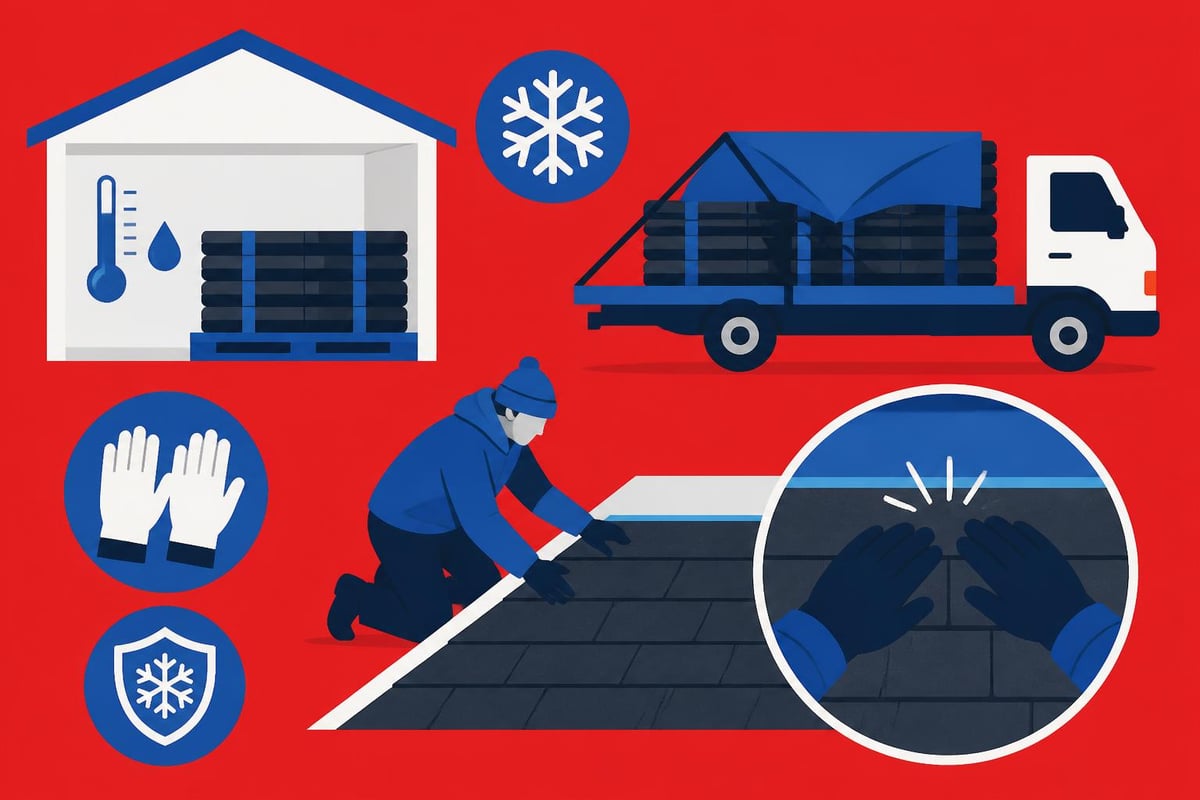
Storing materials correctly before installation improves outcomes significantly. Shingles kept in warm storage until immediately before use remain more pliable and easier to work with. Contractors often use these strategies:
- Store shingles indoors at temperatures above 60°F for at least 24 hours before installation
- Transport materials in enclosed, heated vehicles when possible
- Minimize exposure time by moving materials to the roof in small batches
- Use hand sealant on all shingles rather than relying on thermal activation
- Inspect materials for brittleness before installation
Modified bitumen and other commercial roofing systems require specialized equipment for cold-weather installation. Torch-applied systems need additional safety precautions when snow and ice are present on surrounding surfaces.
Ice Dams and Winter Roof Damage Prevention
Understanding ice dam formation is critical for homeowners in cold climates. These ice buildups occur when heat escaping through the roof melts snow, which then refreezes at the eaves. Preventing ice dams from damaging your roof requires addressing the root causes, not just treating symptoms.
Ice dams create several problems beyond immediate water damage. They add significant weight to roof edges, potentially damaging gutters and fascia boards. Water backing up behind ice dams can infiltrate underlayment and cause interior ceiling damage.
Preventing Ice Dam Formation
The most effective ice dam prevention strategies focus on keeping your roof uniformly cold. This requires proper attic insulation and ventilation, which many homeowners overlook. Proper attic ventilation plays a crucial role in preventing heat loss that leads to ice dam formation.
Key prevention measures include:
- Adequate attic insulation to prevent heat loss to the roof deck
- Proper ventilation allowing cold air circulation in the attic space
- Sealing air leaks around chimneys, vents, and other penetrations
- Installing ice and water barriers at vulnerable eaves and valleys
- Professional roof inspections to identify potential problem areas
When ice dams do form, removal requires careful techniques to avoid damaging roofing materials. Never use sharp tools or excessive force, as brittle shingles crack easily in cold weather. Professional removal services use steam methods that safely melt ice without causing collateral damage.
Commercial vs. Residential Winter Roofing Considerations
Commercial and residential properties face different challenges when roofing during winter. Commercial buildings often have low-slope or flat roofs that can be easier to work on in terms of safety but may have different material requirements. Commercial roofs require specific preparation before cold weather arrives.
System-Specific Requirements
| Roofing System | Winter Installation Difficulty | Special Considerations |
|---|---|---|
| Asphalt Shingles | Moderate to High | Temperature-dependent adhesive activation |
| Modified Bitumen | Moderate | Requires heat application equipment |
| TPO/EPDM | High | Adhesives fail below recommended temperatures |
| Metal Roofing | Low to Moderate | Thermal expansion considerations |
| Built-Up Roofing | High | Multiple layers complicate cold-weather application |
Residential projects typically involve steeper slopes, which compounds safety concerns during winter. Snow and ice accumulation on steep roofs creates dangerous working conditions that may make some projects impossible until conditions improve.
Commercial buildings may have ongoing operations that cannot tolerate roof leaks, making winter repairs non-negotiable despite challenging conditions. Professional roofing contractors develop specialized techniques for maintaining business operations while completing necessary work.
Preparing Your Roof Before Winter Arrives
The ideal time to think about roofing during winter is before winter arrives. Fall inspections and preventive maintenance dramatically reduce the likelihood of emergency repairs during cold months. Proactive homeowners schedule inspections well before the first snowfall.
A comprehensive pre-winter inspection should evaluate all critical roof components. Professional inspectors look for damaged shingles, compromised flashing, clogged gutters, and signs of wear that could worsen under winter stress. Regular roof inspections help identify issues before they become emergencies.
Pre-Winter Maintenance Checklist
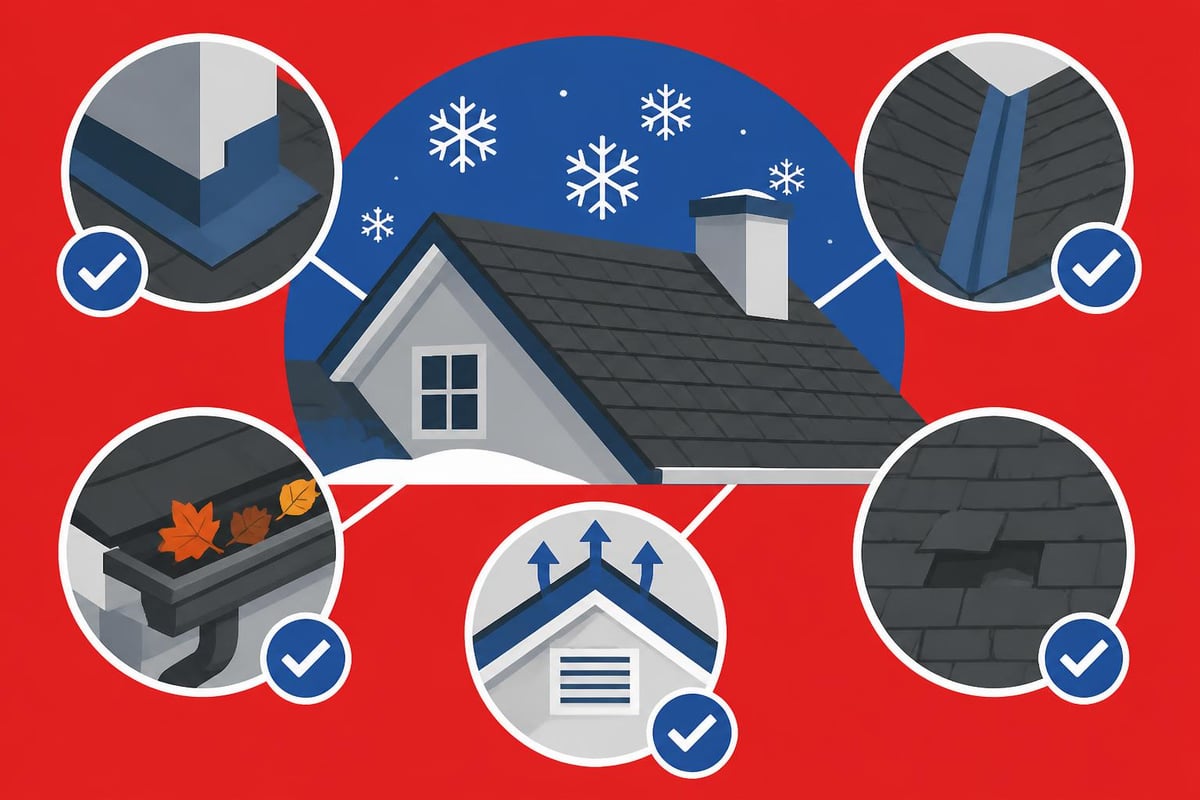
Completing these tasks before winter protects your roof and reduces repair needs:
- Clean gutters and downspouts to ensure proper drainage
- Inspect and repair flashing around chimneys, vents, and skylights
- Replace damaged or missing shingles while conditions are favorable
- Trim overhanging branches that could damage the roof under snow load
- Verify attic ventilation is functioning properly
- Check for signs of previous leak damage in the attic space
Minor repairs completed in fall prevent major problems in winter. A few missing shingles might seem insignificant, but they can allow water infiltration when ice dams form or snow accumulates.
Working with Contractors on Winter Roofing Projects
Selecting the right contractor for roofing during winter requires careful evaluation. Not all roofing companies have the expertise, equipment, or willingness to work in cold weather. Those who do often charge premium rates to compensate for challenging conditions and reduced productivity.
Questions to Ask Potential Contractors
When winter roofing becomes necessary, thoroughly vet contractors before signing contracts. Professional companies should demonstrate specific cold-weather expertise and have protocols for managing temperature-sensitive materials.
Important questions include:
- What is your experience with winter roofing installations in our climate?
- What specific techniques do you use for cold-weather installations?
- How do you handle material storage and preparation in winter?
- What warranty coverage applies to winter installations?
- What contingency plans exist if conditions become unsafe?
- How do you ensure worker safety in winter conditions?
Reputable contractors provide detailed answers demonstrating their expertise. They should explain how they'll adapt standard procedures for cold weather and what temperature thresholds trigger project delays.
Understanding when to replace your roof helps homeowners plan projects during optimal seasons whenever possible. However, when winter work becomes necessary, choosing experienced professionals makes all the difference.
Cost Implications of Winter Roofing Projects
Budget considerations play a significant role in roofing during winter decisions. Cold-weather projects typically cost more than identical work performed in warmer months. Understanding these cost factors helps homeowners make informed financial decisions.
Premium pricing for winter roofing reflects several factors. Reduced productivity due to shorter days and challenging conditions increases labor costs. Specialized materials and techniques add expenses. Premium rates may range from 10% to 30% higher than peak-season pricing, depending on project complexity and weather severity.
Cost-Benefit Analysis Factors
| Factor | Impact on Winter Costs | Potential Savings |
|---|---|---|
| Labor rates | 15-25% higher | Off-season availability may reduce scheduling delays |
| Material costs | Similar to year-round | Potential off-season supplier discounts |
| Project timeline | Extended by 30-50% | Faster contractor response during slow season |
| Specialized techniques | Additional 10-15% | Prevents damage from delayed repairs |
| Emergency repairs | Significantly higher | Avoids secondary damage costs |
Despite higher upfront costs, necessary winter roofing often provides long-term savings by preventing progressive damage. Water infiltration from delayed repairs can cause thousands of dollars in interior damage, far exceeding the premium for cold-weather installation.
Homeowners should also consider insurance implications. Some policies require timely repairs after storm damage, regardless of season. Delaying repairs until spring might jeopardize coverage for secondary damage. Understanding storm damage insurance claims helps navigate these requirements.
Alternative Solutions for Winter Roof Protection
When full roofing during winter isn't feasible, temporary solutions can protect your property until permanent repairs become practical. These interim measures prevent damage progression while avoiding the challenges of cold-weather installation.
Professional-grade temporary repairs differ significantly from basic tarping. Quality temporary solutions use specialized materials designed for extended exposure and provide reliable protection for months if necessary. Contractors employ techniques like heat-welded patches for commercial roofs and professionally installed weather barriers for residential properties.
Temporary Protection Options
Temporary solutions vary in sophistication and longevity:
- Professional tarping systems with properly secured edges and ventilation considerations
- Emergency patch repairs using cold-weather adhesives and sealants
- Temporary roof coatings designed for low-temperature application
- Ice and water barriers installed over vulnerable areas
- Heat cable systems to prevent ice dam formation
These measures allow homeowners to wait for optimal installation conditions while maintaining roof integrity. For projects involving roof replacement in Joliet, temporary protection ensures the existing structure remains watertight until weather permits permanent work.
Quality temporary repairs require professional installation to ensure effectiveness. Improper tarping can cause additional damage through wind uplift, water pooling, or inadequate securement.
Regional Climate Considerations for Winter Roofing
Geographic location significantly impacts roofing during winter feasibility. The Joliet area experiences true winter conditions with sustained freezing temperatures, significant snowfall, and occasional extreme cold snaps. These conditions create specific challenges for roofing projects.
Understanding local climate patterns helps property owners plan appropriately. Joliet's winter weather typically includes:
- Average temperatures ranging from 15°F to 35°F during peak winter months
- Significant snow accumulation requiring regular roof monitoring
- Freeze-thaw cycles that accelerate material degradation
- Ice dam vulnerability due to sustained cold periods
Regional expertise matters when selecting contractors for winter work. Companies familiar with Joliet's specific climate understand local challenges and have developed appropriate techniques. Siding that withstands Midwest winters requires similar regional knowledge.
Long-Term Performance of Winter-Installed Roofs
A common concern about roofing during winter involves longevity and warranty coverage. Properly executed cold-weather installations can perform as well as those completed in ideal conditions, but shortcuts or improper techniques create lasting problems.
Ensuring Quality Winter Installations
Manufacturers often modify warranties for winter installations, requiring specific installation protocols. These enhanced procedures compensate for challenging conditions:
- Hand-sealing every shingle with roofing cement rather than relying on thermal activation
- Extended observation periods to verify seal activation during warmer weather
- Enhanced underlayment protection in vulnerable areas
- Documentation of temperatures and installation techniques
- Follow-up inspections after winter to verify proper sealing
Professional contractors understand these requirements and implement them without compromising quality. They also provide documentation supporting warranty claims if issues arise.
The key difference between successful and problematic winter installations lies in contractor expertise and willingness to follow enhanced procedures. Companies that take shortcuts to save time or money create roofs prone to premature failure.
Making the Decision: Timing Your Roofing Project
Ultimately, deciding whether to proceed with roofing during winter requires balancing multiple factors. Emergency situations leave no choice, but discretionary projects deserve careful consideration. Evaluating project urgency, weather forecasts, contractor availability, and budget constraints leads to informed decisions.
For non-emergency situations, consider these decision factors:
Proceed with winter installation when:
- Active leaks threaten interior damage
- Structural integrity is compromised
- Insurance requirements mandate timely repairs
- Experienced contractors are available with appropriate cold-weather protocols
Delay until spring when:
- Damage is cosmetic rather than functional
- Temporary protection can adequately safeguard the structure
- Budget constraints make premium winter pricing prohibitive
- Extended cold weather forecasts suggest unfavorable conditions
Understanding common spring roof problems that result from delayed winter repairs helps homeowners evaluate risks of postponing work. Sometimes waiting causes more extensive damage requiring costlier repairs.
Weather window identification also matters. Mild spells during winter provide opportunities for successful installations when contractors can work during days with favorable temperatures. Experienced local contractors monitor forecasts and schedule accordingly.
Successfully managing roofing during winter requires understanding material limitations, safety protocols, and when professional intervention becomes necessary. Whether facing emergency repairs or planning scheduled maintenance, informed decisions protect both your property and investment. Great Roofing brings family-owned dedication and expertise to every winter roofing challenge in Joliet and surrounding communities, with specialized knowledge in both residential shingle systems and commercial modified bitumen applications. Contact their experienced team to discuss your winter roofing needs and discover solutions tailored to cold-weather conditions.