

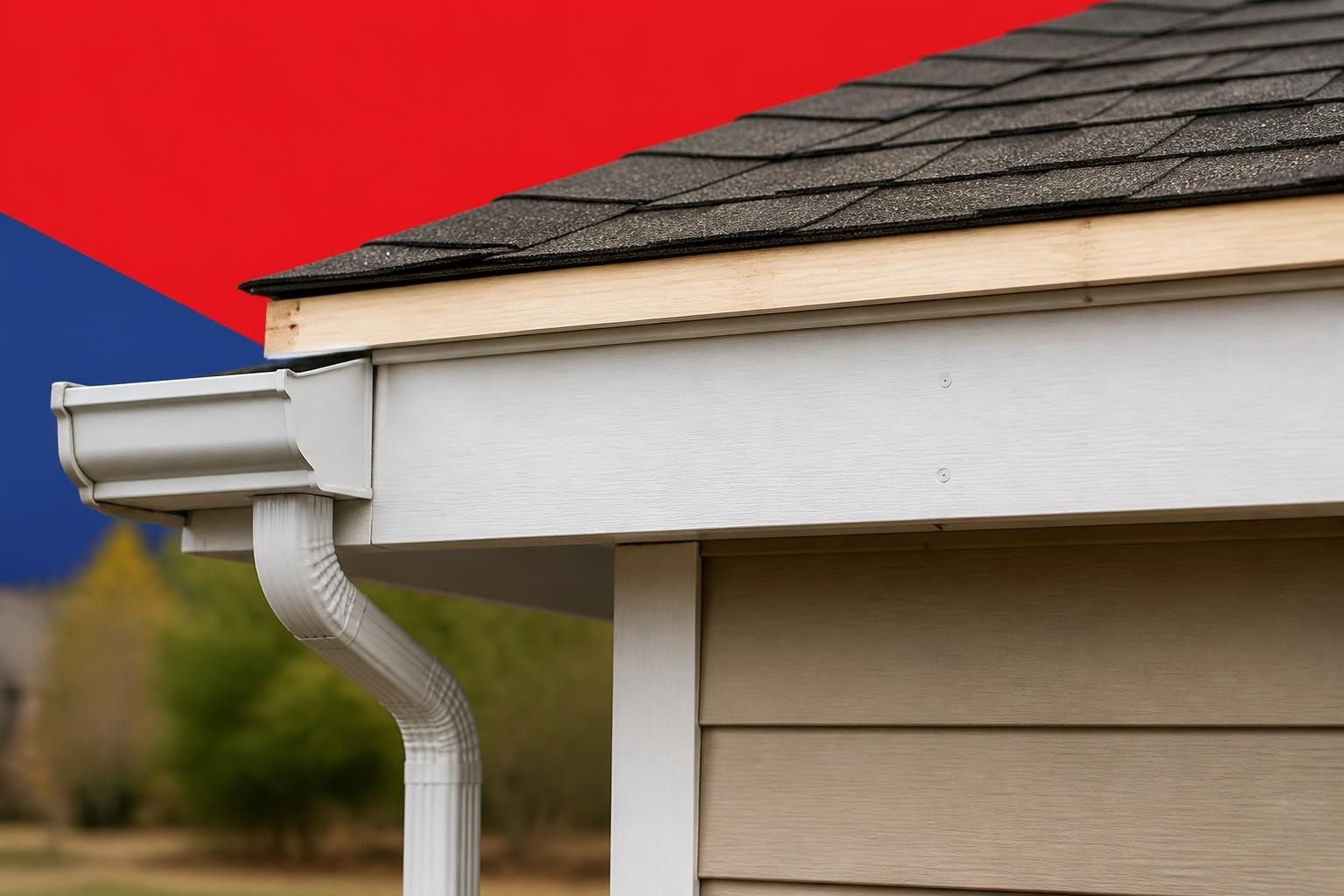
The roofing fascia serves as one of the most critical yet frequently overlooked components of your home's exterior system. This horizontal board runs along the edge of your roofline, acting as a mounting point for gutters while providing essential protection against weather damage and pest infiltration. Understanding the function, materials, and maintenance requirements of roofing fascia helps homeowners make informed decisions about repairs and replacements, ultimately protecting their investment and ensuring long-term structural integrity.
Understanding Roofing Fascia Function and Importance
Roofing fascia performs multiple essential roles in your home's exterior envelope. The primary function involves supporting your gutter system, bearing the weight of water collection during storms and providing a stable mounting surface for proper drainage. Beyond gutter support, the fascia board creates a finished appearance along your roofline, concealing the ends of rafters and providing a polished transition between roof and walls.
Structural Protection Elements
The fascia acts as a critical barrier against water intrusion at the roof edge. When properly installed and maintained, it prevents moisture from reaching the vulnerable junction between your roof deck and exterior walls. This protection extends to blocking wind-driven rain from entering the attic space while providing a defense against ice dam formation during winter months.
Key protective functions include:
- Preventing water penetration behind exterior wall cladding
- Blocking wind-driven moisture at the roof edge
- Supporting proper ventilation patterns in attic spaces
- Creating a barrier against pest entry points
Professional contractors recognize that fascia damage often indicates broader roofing system issues. Residential roofing specialists regularly inspect fascia boards during comprehensive roof evaluations, identifying early warning signs before they escalate into costly structural repairs.
Material Options for Roofing Fascia Boards
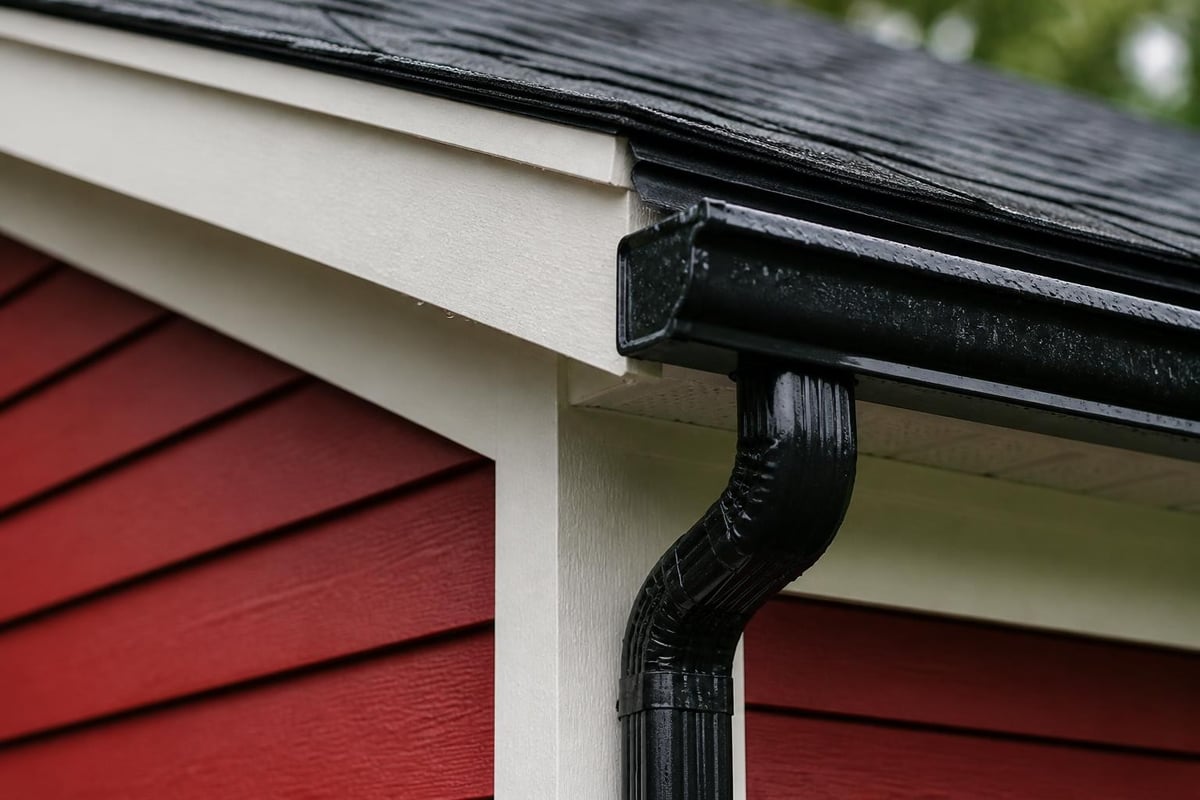
Homeowners today can choose from several fascia materials, each offering distinct advantages in durability, maintenance requirements, and aesthetic appeal. The selection depends on climate conditions, budget constraints, architectural style, and long-term maintenance preferences.
Wood Fascia Characteristics
Traditional wood fascia remains popular for its natural appearance and compatibility with historic homes. Cedar, pine, and fir represent common species choices, with cedar offering superior rot resistance due to natural oils. Wood fascia requires regular painting or sealing every three to five years, demanding ongoing maintenance commitment from homeowners.
| Material Type | Lifespan | Maintenance Level | Cost Range | Best Use Case |
|---|---|---|---|---|
| Wood (Cedar) | 15-20 years | High | $$ | Historic homes, traditional architecture |
| Vinyl | 20-30 years | Low | $ | Budget-conscious, low-maintenance preference |
| Aluminum | 30-40 years | Medium | $$$ | Coastal areas, modern designs |
| Composite | 25-35 years | Low | $$$ | Balanced performance, diverse climates |
| Fiber Cement | 50+ years | Low | $$$$ | Premium applications, high-wind zones |
Modern Synthetic Alternatives
Vinyl and composite materials have gained significant market share due to minimal maintenance requirements and excellent weather resistance. These products resist rot, insect damage, and moisture absorption while maintaining dimensional stability across temperature fluctuations. Many manufacturers offer color-matched systems coordinating with popular siding choices, creating cohesive exterior aesthetics.
Aluminum fascia provides exceptional durability in coastal environments where salt air accelerates wood deterioration. The material won't rot, requires no painting, and effectively resists corrosion when properly coated. Understanding metal roofing installation best practices helps ensure proper techniques for metal fascia applications.
Fiber cement fascia represents the premium tier, offering fire resistance, extreme durability, and superior performance in severe weather zones. While initial costs exceed other options, the extended lifespan and minimal maintenance often justify the investment for long-term property ownership.
Installation Standards and Building Code Requirements
Proper roofing fascia installation requires adherence to specific building codes and manufacturer specifications. The International Residential Code establishes baseline requirements for fascia attachment, material specifications, and integration with other roofing components. IRC requirements for exterior products clarify how fascia boards must perform in standard and high-wind exposure zones.
Professional Installation Process
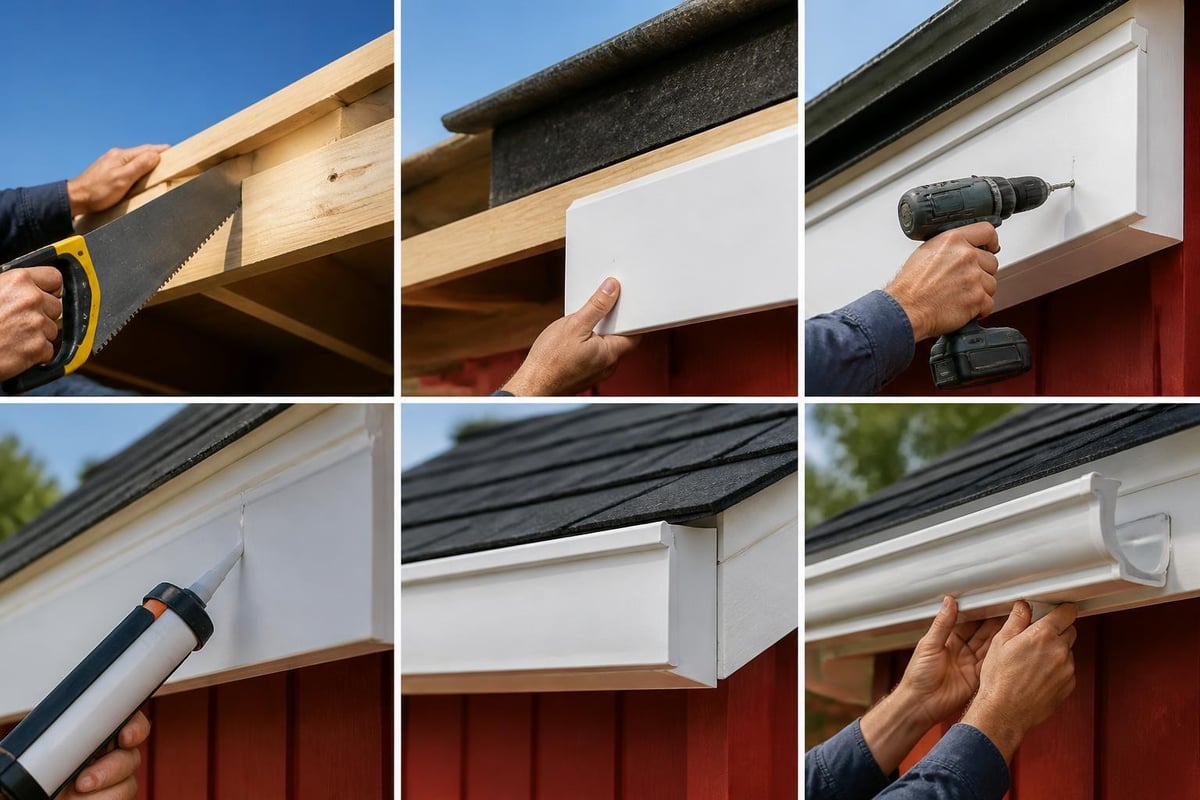
- Inspect and prepare the substrate: Examine rafter tails for rot or damage, replacing compromised sections before fascia installation
- Ensure proper measurements: Cut fascia boards to exact lengths with appropriate expansion gaps for thermal movement
- Apply weatherproofing: Install drip edge flashing behind fascia to direct water away from the board face
- Secure with appropriate fasteners: Use corrosion-resistant fasteners at manufacturer-specified intervals, typically every 16 inches
- Seal all joints: Apply appropriate caulking at seams and end joints to prevent moisture infiltration
- Integrate gutter mounting: Attach gutter brackets to fascia with proper spacing and structural support
The National Roofing Contractors Association provides comprehensive guidance on edge metal performance standards, including metal fascia systems designed for high-wind applications. These standards ensure adequate attachment strength and weather resistance for commercial and residential applications.
Common Roofing Fascia Problems and Warning Signs
Recognizing early indicators of fascia deterioration allows homeowners to address issues before they compromise roof system integrity. Regular visual inspections from ground level reveal many common problems, though professional evaluation provides comprehensive assessment of hidden damage.
Visible Damage Indicators
Peeling paint or visible wood grain indicates failing protective coatings that expose fascia to moisture absorption. Water stains suggest active leaks requiring immediate attention, while soft spots detected during physical inspection reveal rot progression. Warping or sagging sections demonstrate structural compromise that affects gutter performance and may indicate broader roofing issues.
Critical warning signs include:
- Gaps between fascia and soffit panels allowing pest entry
- Staining on exterior walls below the roofline suggesting overflow
- Visible separation between gutter and fascia mounting points
- Cracking, splitting, or deterioration in fascia material
- Evidence of carpenter bee or woodpecker activity creating access holes
Homeowners experiencing leaky roof conditions should include fascia inspection as part of comprehensive leak investigation. Water intrusion often originates at roof edges where damaged fascia permits moisture bypass of protective barriers.
Gutter System Integration Issues
The relationship between gutters and roofing fascia creates critical performance dependencies. Clogged gutters generate excessive weight loads that stress fascia mounting points, while improper gutter pitch causes water backup against fascia surfaces. Ice accumulation during winter amplifies these stresses, potentially pulling gutters away from compromised fascia boards.
Understanding gutter and roof system interactions helps homeowners recognize how regular gutter maintenance protects fascia longevity. Professional contractors evaluate both systems simultaneously, addressing underlying causes rather than isolated symptoms.
Maintenance Practices for Extended Fascia Lifespan
Proactive maintenance significantly extends roofing fascia service life while preventing expensive emergency repairs. A structured inspection and maintenance schedule identifies developing issues during early stages when simple repairs remain cost-effective.
Seasonal Inspection Checklist
Spring inspections should focus on winter damage assessment, checking for ice dam impacts, snow load stress, and freeze-thaw deterioration. Fall evaluations prepare the system for winter, ensuring proper drainage, secure gutter attachments, and intact protective coatings before severe weather arrives.
Recommended maintenance tasks:
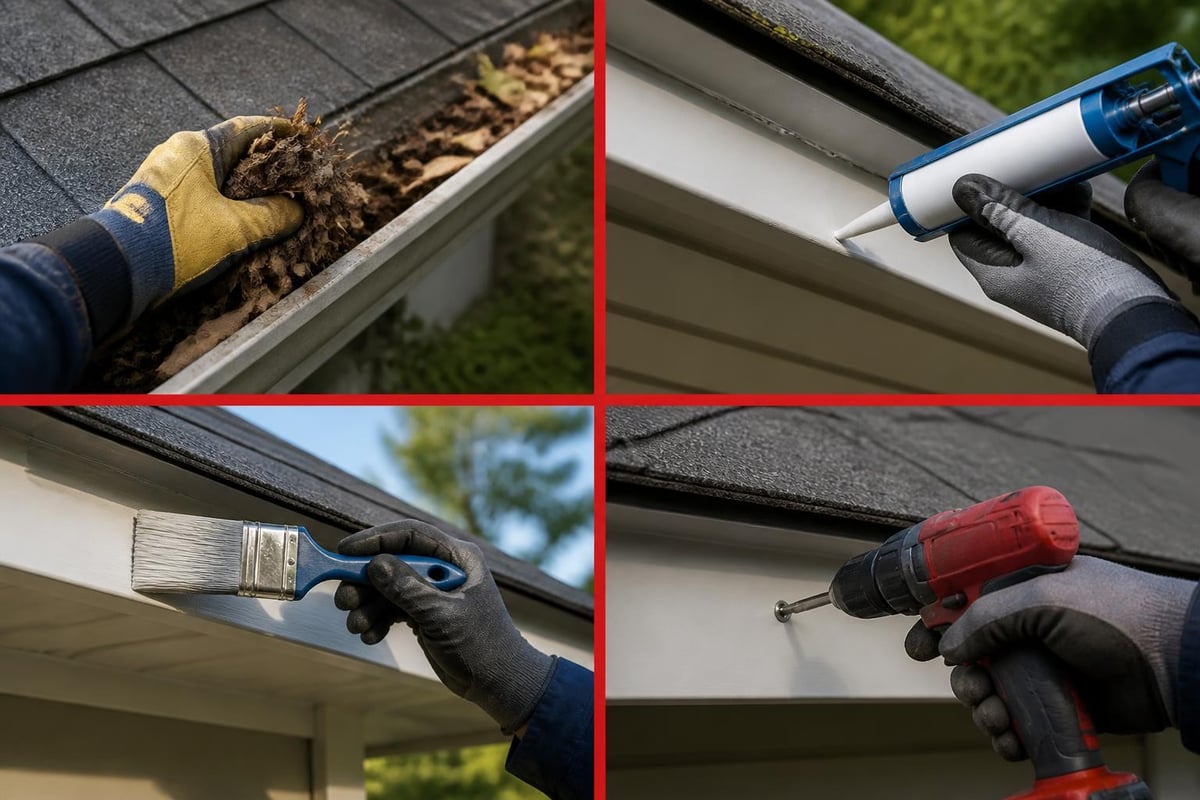
- Clean gutters quarterly to prevent overflow and weight stress on fascia
- Inspect caulking and sealant annually, reapplying at deteriorated joints
- Examine paint or coating condition on wood fascia every two years
- Check fascia-to-rafter attachment security after severe storms
- Remove debris accumulation between fascia and soffit panels
- Verify proper drip edge alignment directing water away from fascia face
Many contractors offering comprehensive roofing services include fascia and soffit evaluation as standard practice during roof inspections. This integrated approach identifies system-wide issues affecting multiple components simultaneously.
Climate-Specific Considerations
Regional climate patterns dictate specific maintenance priorities. High-humidity environments accelerate wood rot, requiring frequent inspection of moisture-related damage and enhanced protective coating schedules. Desert climates generate UV degradation and thermal cycling stress, particularly affecting vinyl and composite materials requiring periodic replacement despite advertised longevity.
Coastal properties face salt air corrosion requiring corrosion-resistant fasteners and more frequent inspection intervals. Storm-prone regions demand verification of attachment integrity after severe weather events, as storm damage often affects multiple exterior components simultaneously.
Repair Versus Replacement Decision Factors
Determining whether to repair or replace damaged roofing fascia involves evaluating damage extent, material condition, cost comparisons, and long-term performance expectations. Localized damage often permits successful spot repairs, while widespread deterioration justifies complete replacement.
Repair Candidacy Assessment
Limited sections of damaged fascia measuring less than three linear feet generally qualify for repair approaches. Surface damage affecting only protective coatings without structural compromise responds well to cleaning, priming, and refinishing. Small cracks or minor splits accept epoxy filler treatment when surrounding material remains sound.
However, extensive damage spanning multiple sections, evidence of active rot or insect infestation, or structural sagging indicates replacement necessity. Attempting repairs on severely compromised fascia creates false economy, delaying inevitable replacement while permitting continued damage to adjacent components.
| Damage Type | Repair Option | Replacement Indicators | Expected Cost |
|---|---|---|---|
| Paint failure | Surface prep and recoat | None | $2-4 per linear foot |
| Minor cracks | Epoxy filler and seal | Cracks exceeding 6 inches | $50-150 per section |
| Localized rot | Cut out and patch | Rot affecting >30% length | $200-400 per section |
| Sagging | Re-secure and brace | Structural deformation | $300-600 per section |
| Complete failure | N/A | Any structural compromise | $6-12 per linear foot |
Professional assessment provides accurate damage evaluation beyond homeowner capabilities. Many local roofing companies offer free inspection services, delivering expert recommendations balancing immediate needs with long-term value.
Impact of Fascia on Overall Roofing System Performance
The roofing fascia represents one component within an integrated exterior protection system. Its condition and performance directly influence adjacent elements including soffits, ventilation effectiveness, gutter function, and even roof membrane longevity.
System Integration Considerations
Properly functioning fascia enables effective soffit ventilation by creating appropriate air pathways into attic spaces. Damaged or improperly installed fascia disrupts these ventilation patterns, potentially causing excessive attic heat buildup during summer months and moisture accumulation during winter. These conditions accelerate asphalt shingle deterioration and reduce overall roof system lifespan.
The fascia-to-drip edge relationship proves equally critical. Drip edge flashing must extend over the fascia face, directing water away from the board while preventing wind-driven rain from accessing the gap between fascia and roof deck. Comprehensive guidance on external moisture control emphasizes proper fascia installation within complete weatherproofing strategies.
Return on Investment Considerations
Quality fascia installation and maintenance delivers measurable returns through extended roof system lifespan, reduced energy costs via improved ventilation, and enhanced property value. Potential buyers recognize well-maintained exterior components as indicators of overall property care, while visible fascia damage raises concerns about hidden structural issues.
Insurance considerations also factor into fascia maintenance decisions. Hail damage affecting roofing systems frequently impacts fascia boards, particularly metal varieties susceptible to denting. Documented maintenance history supports insurance claims by demonstrating proper upkeep and facilitating damage versus neglect determinations.
Selecting Qualified Contractors for Fascia Work
Professional installation and repair ensure proper techniques, appropriate materials, and warranty-backed performance. Contractor selection should prioritize experience with fascia systems, proper licensing and insurance, and demonstrated commitment to building code compliance.
Evaluation Criteria
Request detailed written estimates specifying materials, installation methods, and project timelines. Quality contractors provide itemized pricing separating material costs from labor, allowing comparison across multiple proposals. Verify contractor licensing through state regulatory agencies and confirm adequate liability insurance and workers' compensation coverage.
Questions to ask potential contractors:
- How many years of experience do you have with fascia installation and repair?
- What material brands do you recommend for my specific climate and home style?
- Do you handle necessary building permits and final inspections?
- What warranty coverage applies to materials and workmanship?
- Can you provide references from recent projects similar to mine?
Established roofing contractors with comprehensive service offerings typically maintain relationships with quality material suppliers, accessing professional-grade products unavailable through retail channels. These relationships often translate to better pricing and extended warranty coverage.
Project Timeline and Coordination
Fascia replacement often coordinates with related projects including gutter replacement, soffit work, or complete roof replacement. Bundling these projects can reduce overall costs through consolidated mobilization and efficient material procurement. However, timing considerations must account for weather windows appropriate for exterior work and contractor scheduling availability during peak seasons.
Understanding realistic project timelines prevents frustration and enables proper planning. Typical fascia replacement on average residential homes requires two to four days depending on accessibility, material selection, and weather conditions. Complex architectural details, multiple roof levels, or extensive rot repair extend timelines proportionally.
Future Trends in Fascia Materials and Technology
Emerging technologies and materials continue advancing fascia performance, sustainability, and aesthetic options. Manufacturers increasingly focus on products combining traditional appearance with modern performance characteristics, addressing homeowner desires for low maintenance without sacrificing curb appeal.
Sustainable Material Development
Recycled composite materials incorporating reclaimed wood fiber and recycled plastics deliver environmental benefits while matching or exceeding traditional material performance. These products divert waste from landfills, reduce virgin material consumption, and typically qualify for green building certifications including LEED points.
Advanced coating technologies extend paint and finish longevity on wood and composite fascia products. Nanotechnology-based coatings create self-cleaning surfaces resisting dirt accumulation and biological growth while maintaining color stability under intense UV exposure.
Smart Integration Opportunities
Emerging smart home technologies create opportunities for fascia-integrated sensors monitoring moisture levels, temperature variations, and structural movement. These systems provide early warning of developing issues before visible damage occurs, enabling proactive maintenance interventions.
Integrated lighting systems concealed within fascia profiles deliver architectural accent lighting while improving home security. LED technology enables energy-efficient operation with minimal heat generation affecting fascia materials, while color-changing capabilities support seasonal decoration preferences.
Understanding roofing fascia function, materials, and maintenance requirements empowers homeowners to protect their investment through informed decisions and timely interventions. Whether you're addressing existing damage, planning preventive maintenance, or considering complete replacement, professional expertise ensures proper execution and long-term performance. Great Roofing brings decades of family-owned experience serving Joliet homeowners with comprehensive exterior services including expert fascia evaluation, repair, and replacement backed by quality craftsmanship and customer-focused service. Contact our team today for a thorough inspection and customized recommendations tailored to your home's specific needs.