


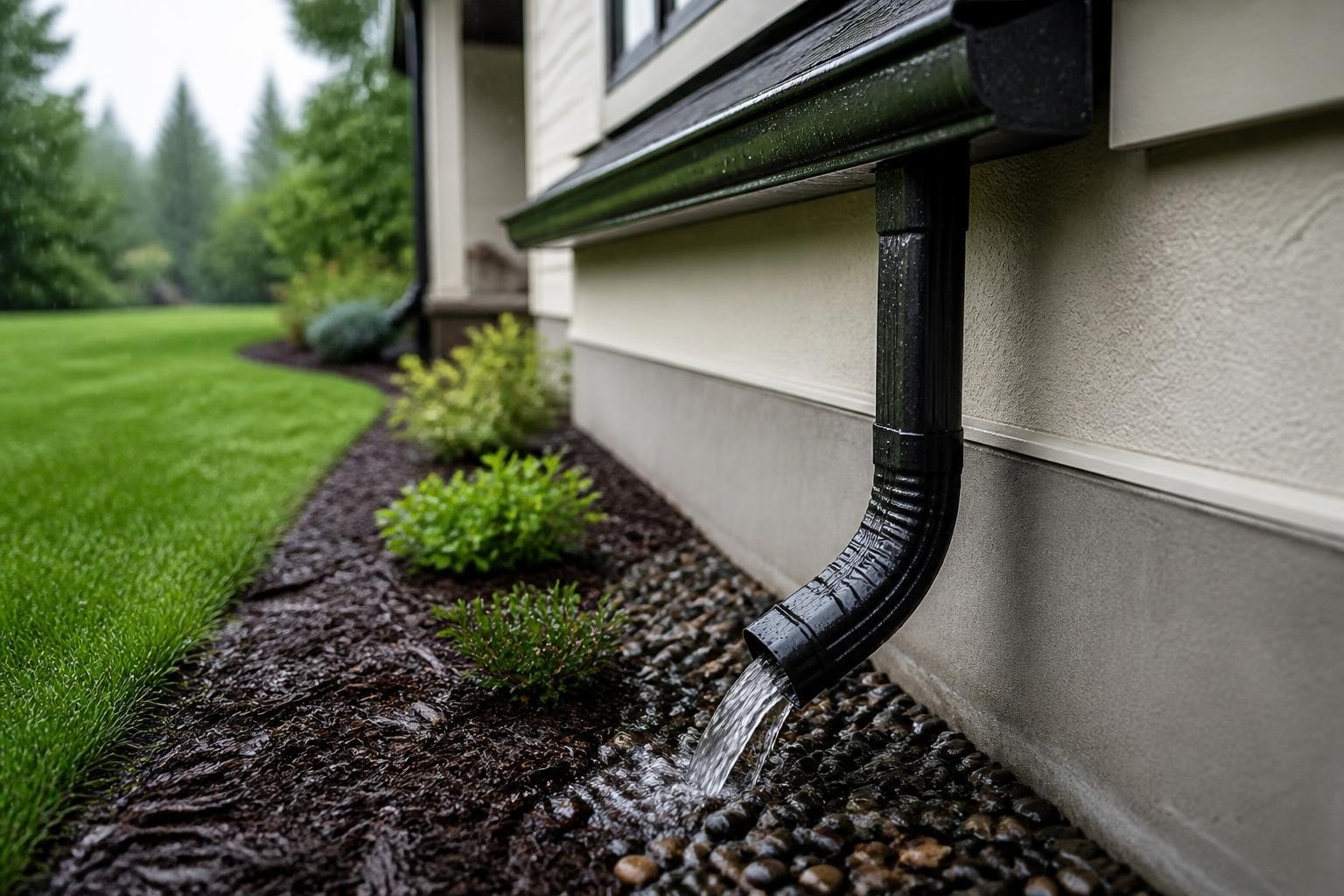
Roofing gutters represent one of the most critical yet often overlooked components of your home's exterior protection system. These essential channels serve as the first line of defense against water damage, directing thousands of gallons of rainwater away from your foundation, walls, and landscaping each year. Without properly functioning roofing gutters, even the most well-constructed home in Joliet can experience serious structural issues, from basement flooding to foundation cracks and landscape erosion. Understanding how to select, install, and maintain your gutter system ensures your investment in roofing and siding remains protected for decades to come.
Understanding Roofing Gutter Systems and Their Critical Role
Roofing gutters function as part of a comprehensive roof drainage system that protects your entire property. When rain falls on your roof, it needs somewhere to go. Without gutters, water cascades directly off the roof edge, creating a concentrated waterfall that pounds the ground near your foundation. This constant deluge erodes soil, saturates foundation walls, and creates the perfect conditions for basement leaks and structural settling.
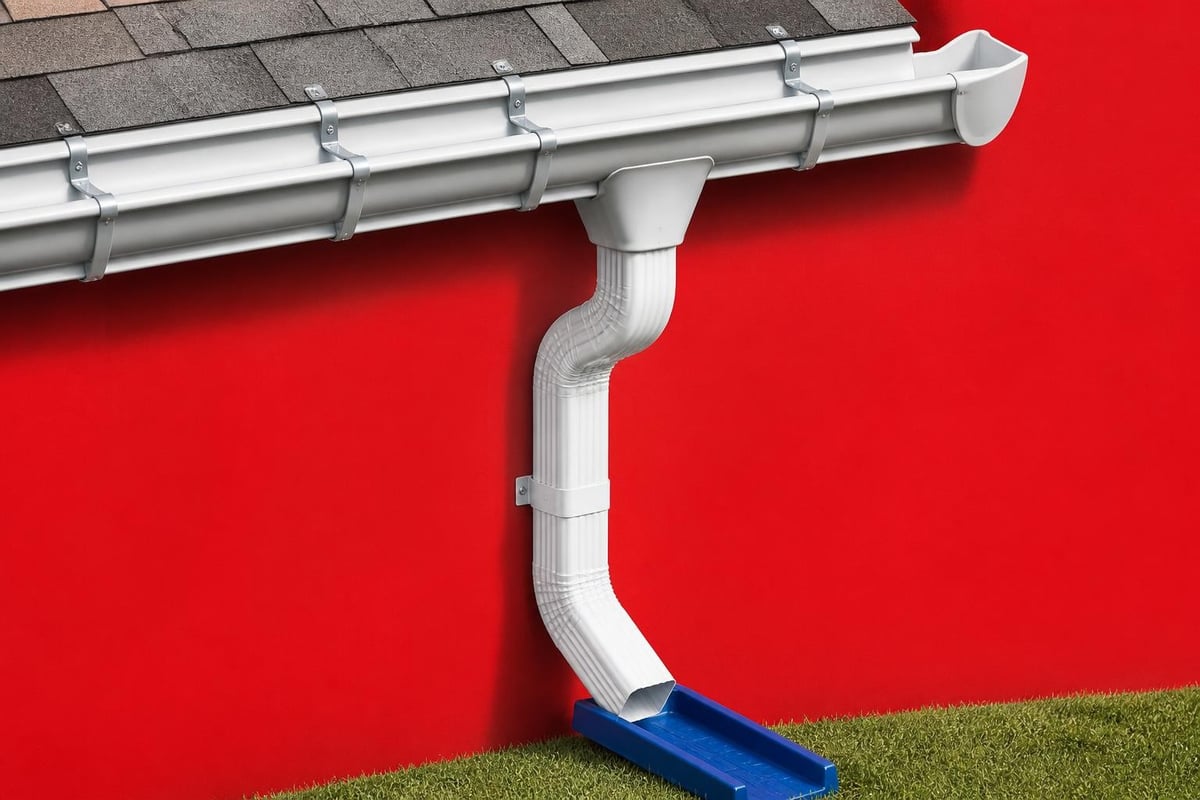
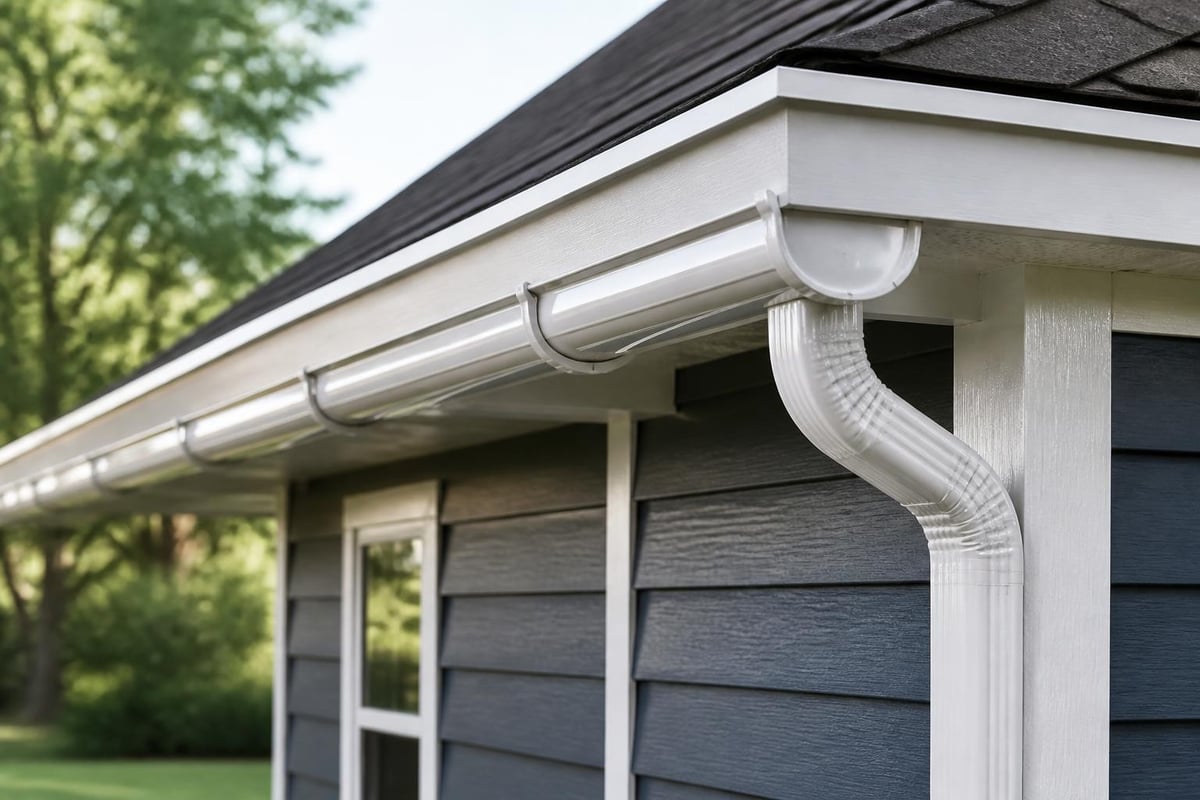
A complete gutter system includes several integrated components working together. The horizontal channels mounted along roof edges collect water, while downspouts carry it vertically to ground level. Elbows and extensions then direct the flow away from the foundation. End caps seal channel ends, and hangers or brackets secure everything firmly to your fascia boards.
Primary Functions of Effective Gutter Systems
Foundation protection stands as the primary mission of roofing gutters. Your foundation represents your home's structural backbone, and excess moisture threatens its integrity. Properly installed gutters prevent water from pooling around your foundation perimeter, eliminating hydrostatic pressure that causes cracks, bowing, and eventual failure.
Landscape preservation also depends on functional gutters. Without them, heavy rainfall creates erosion channels in your yard, washes away mulch, damages plants, and creates unsightly trenches along your home's perimeter. The concentrated water flow from unguttered roof edges can destroy years of careful landscaping in a single severe storm.
Exterior wall protection extends the value of your gutter investment. Water running down siding causes staining, promotes rot in wooden components, and accelerates deterioration of paint and finishes. When you've invested in quality roofing and siding, protecting these surfaces from constant water exposure becomes essential.
Types and Materials for Roofing Gutters
Modern homeowners face numerous choices when selecting roofing gutters for their properties. Different gutter types and materials offer distinct advantages depending on your climate, budget, and aesthetic preferences. Making an informed choice requires understanding how each option performs in real-world conditions.
Gutter Profile Options
K-style gutters dominate the residential market due to their decorative appearance and efficient water-carrying capacity. The flat back mounts flush against fascia boards, while the front profile resembles crown molding. This design holds more water than rounded profiles of the same width, making it ideal for homes with larger roof areas or regions experiencing heavy rainfall.
Half-round gutters provide a traditional aesthetic that complements historic homes and specific architectural styles. These semi-circular channels offer easier cleaning than K-style profiles because debris doesn't collect in corners. However, they carry less water volume and require more downspouts for equivalent roof coverage.
Box gutters integrate directly into roof construction, creating a built-in channel. These systems appear on commercial buildings and older residential structures. While aesthetically invisible from ground level, they require expert installation and regular maintenance to prevent catastrophic failures.
Material Comparisons for Long-Term Performance
| Material | Lifespan | Benefits | Considerations |
|---|---|---|---|
| Aluminum | 20-30 years | Lightweight, rust-resistant, affordable, available in multiple colors | Dents easily, may need frequent repainting |
| Copper | 50+ years | Premium appearance, naturally antimicrobial, develops protective patina | High initial cost, requires experienced installers |
| Steel | 20-25 years | Strong, handles heavy snow loads, durable | Prone to rust without proper coating maintenance |
| Vinyl | 10-20 years | Budget-friendly, easy DIY installation, no painting needed | Cracks in extreme cold, UV degradation over time |
| Zinc | 50+ years | Self-healing patina, environmentally friendly, minimal maintenance | Premium pricing, limited installer availability |
Professional installation becomes particularly important when working with shingle roofing systems, as improper gutter mounting can void roof warranties or create leak points along the drip edge.
Installation Standards and Best Practices
Proper installation determines whether your roofing gutters function effectively for decades or fail within years. Even premium materials perform poorly when installed incorrectly. Understanding professional standards helps homeowners evaluate contractor proposals and recognize quality workmanship.
Critical Installation Measurements
Pitch requirements ensure water flows toward downspouts rather than pooling in channels. Professional installers create a slope of one-quarter inch for every ten feet of horizontal run. This gentle grade remains invisible to casual observation but proves critical for drainage efficiency. Sections that sag or slope backward collect standing water, promoting rust, ice damage, and mosquito breeding.
Downspout spacing must accommodate your roof's water volume. As a general guideline, install one downspout for every 30-40 feet of gutter run. Homes with particularly large or steeply pitched roofs may require closer spacing to prevent overflow during heavy storms. The right number of downspouts prevents water from backing up and spilling over gutter edges.
Hanger placement provides structural support that prevents sagging over time. Quality installations feature hangers every 24-30 inches along the gutter run. In regions with heavy snow loads, closer spacing at 16-inch intervals provides additional strength. Hidden hangers create a cleaner appearance than visible spike-and-ferrule systems while offering superior holding power.
Integration with Roof Components
Successful gutter installation requires coordination with existing roofing elements. The drip edge, installed during roof construction, directs water into gutters while protecting fascia boards from moisture. Gutters mount slightly below the roof line so water flows naturally into channels rather than shooting over them.
When coordinating with storm damage repair services, verify that gutter replacement addresses any fascia or soffit damage. Water intrusion from failed gutters often damages these wooden components, requiring repair before new gutters go up.
Maintenance Requirements and Seasonal Care
Regular maintenance extends the functional life of roofing gutters and prevents costly emergency repairs. Neglected systems fail prematurely, causing thousands of dollars in water damage to homes that could have been protected through simple preventive care.
Essential Cleaning Procedures
Spring and fall cleaning sessions remove accumulated debris before it causes problems. In spring, clear out decomposed leaves and seedlings trying to take root in organic matter. Fall cleaning becomes even more critical, removing the season's leaf drop before winter weather arrives.
Safe cleaning practices protect both you and your gutters:
- Use stable ladders with stand-off stabilizers to avoid crushing gutter edges
- Wear heavy gloves to protect against sharp debris and metal edges
- Work in small sections, moving the ladder frequently rather than overreaching
- Use plastic scoops rather than metal tools that can scratch protective coatings
- Flush channels with a garden hose to verify proper flow and identify leaks
Professional cleaning services provide value when safety concerns exist or gutter access proves difficult. Certified roofing specialists combine cleaning with inspection services, identifying potential problems before they escalate into emergencies.
Inspection Points for Homeowners
Between professional maintenance visits, homeowners should monitor several critical indicators:
- Standing water in gutters signals pitch problems requiring adjustment
- Peeling paint or rust spots indicate coating failure needing attention
- Separated seams at joints allow leaks that damage fascia and siding
- Loose hangers create sagging sections that worsen during storms
- Downspout discharge should flow freely, not dribble or back up
During heavy rainstorms, observe your gutters from indoors through windows. Water should flow smoothly through channels and exit downspouts forcefully. Overflowing edges or waterfalls at seams indicate blockages or capacity issues requiring immediate attention.
Gutter Guards and Protection Systems
Gutter guards promise to eliminate cleaning chores while maintaining proper water flow. These protective systems span a wide range of designs and price points, from simple mesh screens to sophisticated surface tension systems. Understanding their capabilities and limitations helps homeowners make cost-effective decisions.
Types of Gutter Protection
Mesh screens stretch across gutter openings, blocking leaves and large debris while allowing water entry. These affordable options reduce cleaning frequency but don't eliminate it entirely. Small particles pass through mesh openings, eventually creating sediment that requires removal. Installation typically involves sliding screens under shingles and clipping them to gutter fronts.
Reverse curve systems use surface tension principles to guide water around a curved hood into the gutter while debris falls to the ground. These premium systems work well but require professional installation and specific pitch requirements. They also become visible from ground level, affecting home aesthetics.
Foam inserts fill gutter channels with porous material that allows water penetration while blocking debris. While inexpensive and easy to install, foam breaks down under UV exposure and can harbor mold growth. These represent temporary solutions rather than long-term investments.
| Protection Type | Debris Blocking | Maintenance Reduction | Installation Cost | Visibility |
|---|---|---|---|---|
| Mesh Screens | Good | 70-80% | Low-Moderate | Minimal |
| Reverse Curve | Excellent | 85-95% | High | Noticeable |
| Foam Inserts | Fair | 50-60% | Very Low | None |
| Micro-Mesh | Excellent | 90-95% | Moderate-High | Minimal |
| Brush Inserts | Good | 60-70% | Low | None |
Realistic Expectations for Protected Systems
No gutter guard system delivers truly maintenance-free performance. All designs require periodic inspection and occasional cleaning, though significantly less frequently than unprotected gutters. Small particles like pine needles, roof grit, and seed pods can accumulate on or beneath guards, eventually requiring removal.
Protected roofing gutters excel in specific situations. Homes surrounded by deciduous trees benefit dramatically, as guards block the majority of fall leaf accumulation. Properties with pine or evergreen coverage require guards designed specifically for needle-sized debris. Open lots with minimal tree coverage may not justify guard expenses, as cleaning requirements remain minimal.
Common Problems and Professional Repairs
Even well-maintained roofing gutters eventually require repairs or replacement. Recognizing common failure patterns helps homeowners address issues promptly before minor problems cascade into major damage requiring extensive repairs to roofing, siding, or foundation systems.
Identifying Failure Modes
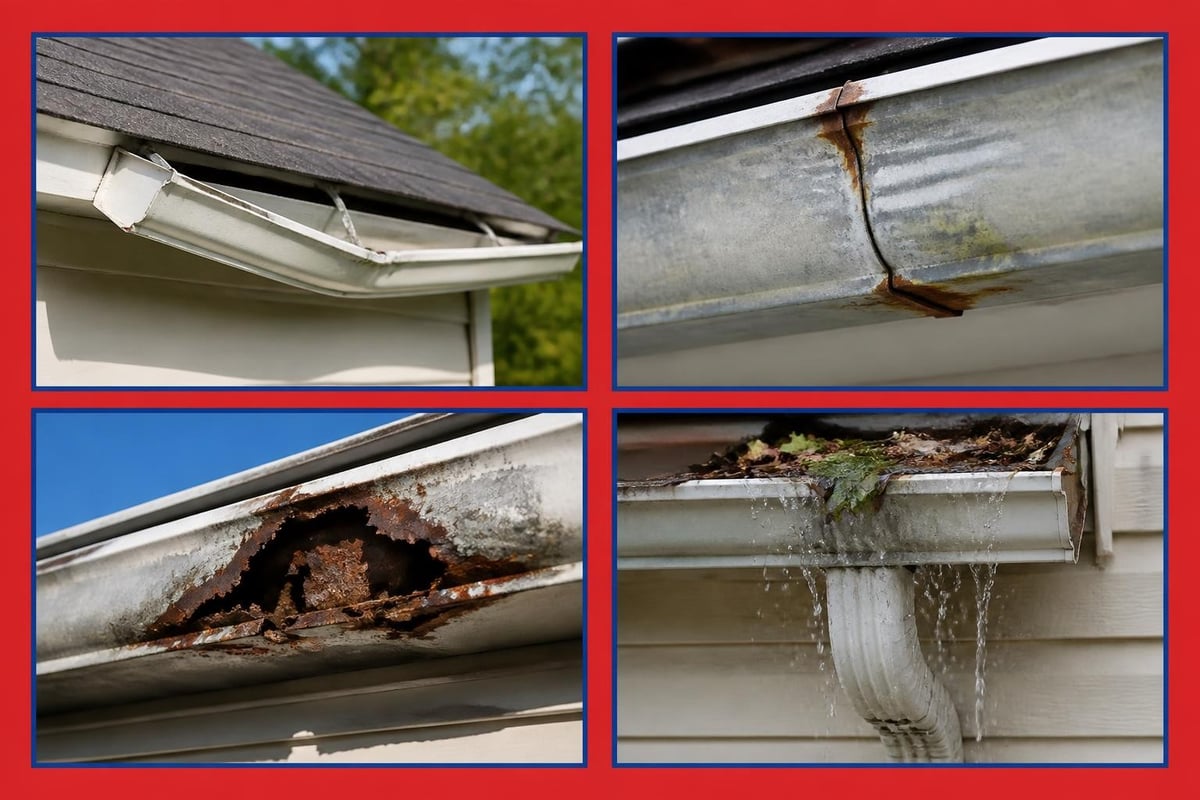
Leaking seams develop where gutter sections connect. Temperature cycling expands and contracts metal, breaking sealant bonds and creating gaps. These leaks direct water onto fascia boards, causing rot and paint failure. Professional repairs involve disassembling joints, cleaning surfaces thoroughly, and resealing with commercial-grade sealants designed for outdoor metal applications.
Sagging sections result from failed hangers or fascia attachment points. The weight of water and debris overwhelms inadequate support systems, creating low spots where water pools. Addressing sag requires installing additional hangers, replacing damaged fascia boards, and potentially re-pitching entire gutter runs.
Rust-through and corrosion eventually affect all metal gutters except copper and zinc. Once holes develop, patching provides only temporary relief. Extensive rust indicates replacement rather than repair represents the cost-effective solution.
When to Repair Versus Replace
Strategic repair decisions maximize your investment in roofing gutters. Single-section problems on otherwise sound systems justify targeted repairs. When multiple sections show degradation, or the system exceeds its expected lifespan, full replacement makes financial sense.
After storm damage events, insurance coverage may fund complete gutter replacement along with roofing repairs. Coordinating these projects ensures color matching and prevents multiple disruptions to your property.
Downspout Placement and Water Management
While gutters collect water, downspouts deliver it safely away from your foundation. Improper downspout design or placement undermines even the most efficient gutter systems. Effective water management requires careful planning of where thousands of gallons of water discharge during each rainfall event.
Strategic Downspout Positioning
Distance from foundation determines whether your gutter system protects or threatens your home's structural integrity. Downspouts discharging within three feet of foundation walls create the very problems gutters aim to prevent. Extension pipes, splash blocks, or underground drain lines carry water to safe discharge points at least six feet from the foundation perimeter.
Drainage solutions range from simple to sophisticated based on property characteristics and local regulations. Homes with proper grading use splash blocks or flexible extensions to direct surface water away from structures. Properties with poor drainage or high water tables benefit from underground systems connecting downspouts to dry wells or storm sewers. Some municipalities prohibit certain discharge methods, requiring verification before installation.
Capacity planning ensures downspouts handle peak water volumes. Standard residential downspouts measure 2×3 inches or 3×4 inches. Larger roof areas or commercial applications require correspondingly larger or more numerous downspouts. Undersized systems create backups that overflow gutters or separate joints.
Winter Considerations and Ice Management
Frozen downspouts create dangerous ice dams and prevent proper drainage. Strategic planning minimizes winter problems:
- Position downspouts in sunny locations when possible
- Install heat tape in downspouts prone to freezing
- Ensure positive slope from gutter outlets to ground discharge
- Disconnect extensions before winter to prevent ice blockages
- Clear snow accumulation around downspout bases promptly
Properties in Joliet and surrounding areas face significant freeze-thaw cycles requiring winter-ready gutter systems. Storm roofing specialists understand regional climate challenges and design systems accordingly.
Professional Installation Versus DIY Approaches
Homeowners evaluating roofing gutters must decide between professional installation and do-it-yourself approaches. This choice involves assessing not just immediate costs but also long-term performance, warranty coverage, and safety considerations. Both paths offer advantages depending on individual circumstances and capabilities.
Skills and Tools Required for DIY Success
Successful gutter installation demands more than basic handyman skills. Critical capabilities include:
- Accurate measurement and mathematical pitch calculations for proper drainage
- Comfortable work at heights on ladders for extended periods
- Power tool proficiency for cutting and securing metal components
- Understanding of roof construction and drainage principles
- Physical strength to handle unwieldy sections and maintain precise positioning
Required tools extend beyond basic home inventories. Professional-quality installations need tin snips, pop rivet guns, crimping tools, seamers, level-measuring equipment, and specialized gutter hangers. Purchasing these tools for single-use projects often exceeds professional installation cost savings.
Value of Professional Expertise
Experienced roofing contractors bring advantages that transcend technical skill. They identify and address underlying fascia damage, ensure compatibility with existing roof components, and provide warranty coverage for materials and workmanship. Professional installations include proper disposal of old materials and protection of landscaping during work.
Licensed contractors carry insurance protecting homeowners from liability if accidents occur during installation. They also understand local building codes and permit requirements that DIY installers might overlook. In many jurisdictions, unpermitted work creates problems during property sales or insurance claims.
Time investment represents another crucial factor. What professionals complete in one or two days might consume an entire weekend or multiple evenings for homeowners learning as they work. The opportunity cost of that time deserves consideration in total project evaluation.
Integrating Gutters with Complete Exterior Protection
Roofing gutters function as one component within your home's comprehensive weather protection system. Maximum effectiveness requires thoughtful integration with roofing, siding, and landscaping elements. This holistic approach ensures all systems work together rather than against each other.
Coordination with Roofing Projects
When replacing or repairing roofing systems, coordinate gutter work simultaneously. This timing provides several benefits. Contractors can verify and repair fascia boards before installing new gutters. Color matching becomes simpler when selecting both materials concurrently. Most importantly, avoiding separate projects prevents damage to new gutters from roofing work or new roofing from gutter installation.
After hail or wind events requiring storm repair services, insurance adjusters should evaluate both roofing and gutter damage together. Gutters damaged by falling branches or hail impact qualify for coverage under the same claim as roof repairs, maximizing your insurance benefits.
Complementary Landscape Planning
Effective water management extends beyond gutter systems to include grading, drainage swales, and rain gardens. Downspouts should discharge onto surfaces directing water away from structures. French drains or underground piping may prove necessary on properties where surface grading directs water toward rather than away from foundations.
Rain barrels or cisterns harvest gutter water for irrigation purposes, reducing water bills while managing discharge. These systems require overflow provisions and seasonal maintenance but provide environmental benefits and utility savings. Local regulations sometimes mandate or incentivize rainwater harvesting, making investigation worthwhile.
Protecting your home from water damage starts with properly designed, installed, and maintained roofing gutters that work seamlessly with your entire exterior system. Whether you need new installation, repairs, or complete system replacement, professional expertise ensures long-lasting protection for your investment. The family-owned team at Great Roofing combines decades of experience with commitment to quality workmanship, serving Joliet area homeowners with comprehensive roofing and gutter solutions tailored to your property's specific needs. Contact us today for a thorough evaluation and detailed proposal for keeping your home safe and dry.