


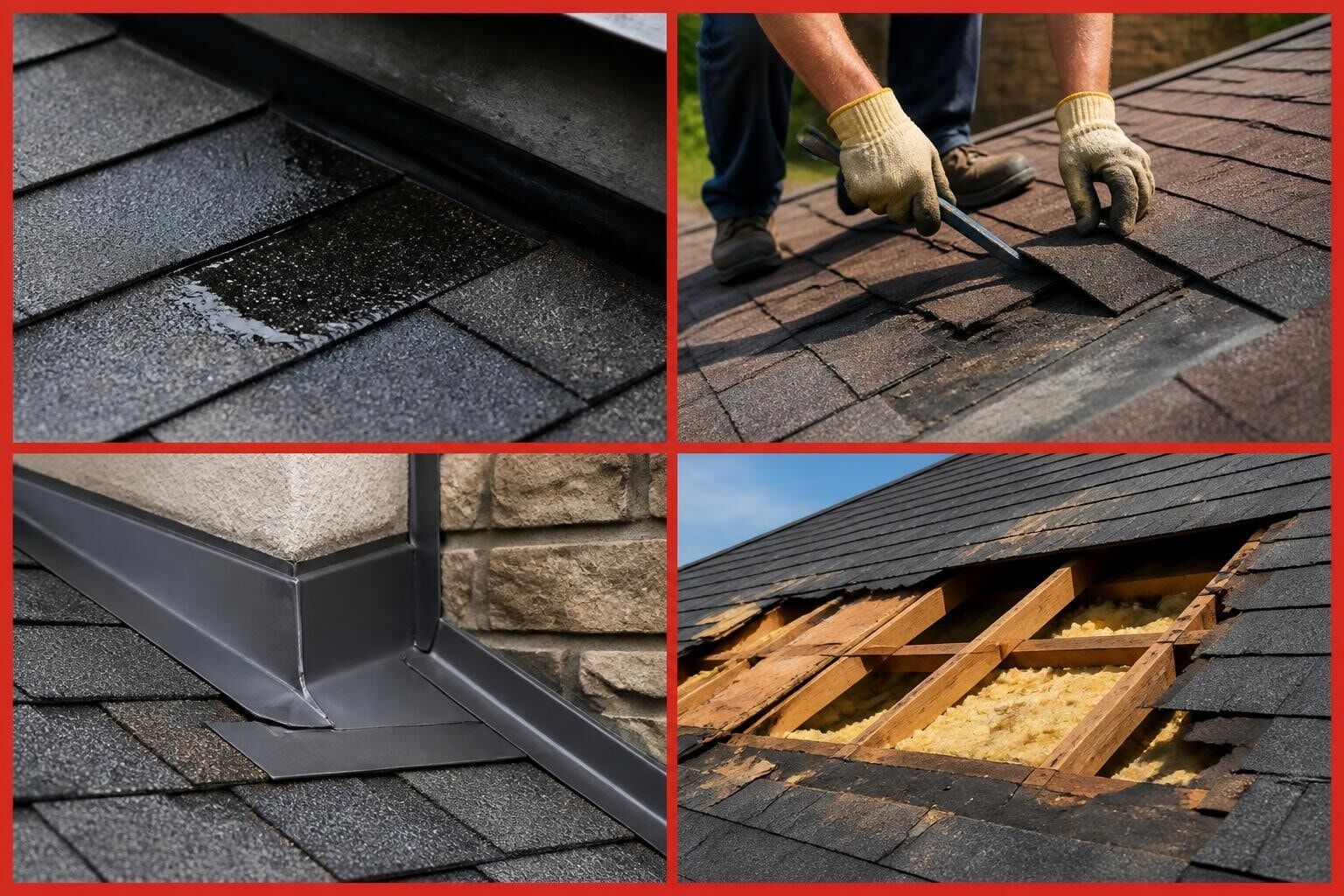
Understanding roofing repair cost is essential for property owners who want to maintain their investment and prevent minor issues from escalating into major problems. Whether you're dealing with a small leak or significant storm damage, knowing what influences pricing helps you budget appropriately and make informed decisions about your property's protection. The roofing repair cost spectrum ranges widely depending on damage severity, materials required, labor complexity, and regional factors, making it crucial to understand the various elements that determine your final invoice.
Factors That Influence Roofing Repair Cost
Multiple variables contribute to the final price you'll pay for roof repairs. The roofing repair cost isn't determined by a single factor but rather a combination of elements that professional contractors evaluate during their assessment.
Material Type and Availability
The roofing material on your property significantly affects repair pricing. Asphalt shingles remain the most affordable option for residential repairs, while specialized materials like slate, tile, or metal require higher labor costs and more expensive replacement components. Modified bitumen systems commonly found on commercial properties also have distinct pricing considerations based on the number of plies and installation method.
Material availability in 2026 has stabilized compared to the supply chain disruptions of previous years, though certain specialty products still command premium prices. When contractors need to match existing materials, especially discontinued or rare products, expect additional expenses for sourcing and potential minimum order quantities.
Extent and Complexity of Damage
Repair complexity directly correlates with cost. A straightforward roof leak repair affecting just a few shingles will cost substantially less than addressing widespread water damage that has penetrated the decking and insulation layers.
Common damage levels include:
- Minor repairs: Individual shingle replacement, small flashing adjustments, minor seal issues
- Moderate repairs: Section replacements, valley repairs, multiple penetration fixes
-
- Major repairs: Structural decking replacement, extensive water damage remediation, large-scale storm restoration
The accessibility of damaged areas also affects pricing. Repairs on steep slopes, multiple-story buildings, or areas requiring specialized safety equipment increase labor costs and project duration.

Average Roofing Repair Cost Breakdown
National averages provide a baseline for budgeting, though regional variations and specific project requirements will adjust these figures. Understanding typical price ranges helps you evaluate contractor quotes and identify potential red flags.
| Repair Type | Average Cost Range | Typical Timeline |
|---|---|---|
| Minor shingle replacement | $150 – $400 | 2-4 hours |
| Flashing repair | $200 – $600 | 3-5 hours |
| Valley repair | $300 – $1,000 | 4-8 hours |
| Chimney flashing | $400 – $900 | 4-6 hours |
| Skylight repair | $300 – $800 | 3-6 hours |
| Deck replacement (per square) | $400 – $800 | 1-2 days |
| Emergency leak repair | $300 – $1,500 | 2-8 hours |
These ranges reflect materials and labor for typical residential projects in the Midwest region. Commercial properties generally see higher costs due to larger scale, specialized systems, and additional safety requirements.
Regional Cost Variations
The Joliet area experiences moderate pricing compared to coastal markets or major metropolitan centers. Local building codes, permit requirements, and weather patterns specific to Illinois influence both initial repair costs and long-term maintenance needs.
Seasonal demand also affects pricing. Spring and summer represent peak seasons when contractors have full schedules, potentially leading to premium rates for immediate service. Winter repairs often involve additional complexity due to weather conditions, though some contractors offer off-season discounts for non-emergency work.
Residential vs. Commercial Roofing Repair Cost
The roofing repair cost structure differs significantly between residential and commercial properties. Understanding these distinctions helps property owners set realistic expectations and budget accordingly.
Residential Repair Considerations
Residential properties typically feature pitched roofs with asphalt shingles, making repairs more standardized and often more affordable. Residential roofing projects benefit from readily available materials and straightforward repair processes for common issues.
Typical residential repair scenarios:
- Shingle blow-offs from wind storms (10-20 shingles): $300-$700
- Ice dam damage requiring shingle and underlayment replacement: $500-$2,000
- Vent boot deterioration causing leak points: $200-$450 per boot
- Ridge cap replacement due to wind or age: $400-$900
Homeowners insurance frequently covers storm-related damage, potentially reducing out-of-pocket expenses significantly. Working with experienced contractors who understand storm damage insurance claims streamlines the process and maximizes coverage benefits.
Commercial Property Requirements
Commercial roofing repair cost typically exceeds residential pricing due to scale, system complexity, and business interruption considerations. Modified bitumen, TPO, EPDM, and built-up roofing systems each have unique repair requirements and material costs.
Commercial projects also involve:
- Enhanced safety protocols requiring additional equipment and labor
- Off-hours scheduling to minimize business disruption, potentially commanding premium rates
- Warranty preservation requiring manufacturer-approved materials and certified installers
- Building code compliance for commercial structures with stricter requirements
A commercial roof repair addressing membrane damage might range from $1,500 to $5,000 depending on affected area, while comprehensive section replacements can easily exceed $10,000 for larger buildings.
Emergency Repairs vs. Planned Maintenance
Timing significantly impacts the roofing repair cost you'll ultimately pay. Emergency situations require immediate response, while planned maintenance allows for competitive bidding and scheduling flexibility.
Emergency Repair Pricing
When water actively enters your property or severe damage threatens structural integrity, emergency response becomes necessary regardless of cost. Emergency roofing repair cost typically includes:
- Premium labor rates for immediate dispatch and after-hours service
- Temporary protection measures like tarping to prevent additional damage
- Expedited material sourcing potentially from retail suppliers at higher prices
- Safety considerations for working during storms or dangerous conditions
Emergency repairs often serve as temporary solutions requiring follow-up permanent repairs once conditions allow. Budget for both the immediate stabilization and subsequent comprehensive fix when planning total project costs.
Preventive Maintenance Benefits
Regular inspections and proactive repairs significantly reduce long-term roofing repair cost. Small issues identified early remain minor repairs, while neglected problems escalate into major structural concerns requiring extensive remediation.
Preventive maintenance delivers:
- Lower per-incident repair costs through early detection
- Extended roof lifespan by addressing minor issues before they spread
- Maintained warranty coverage requiring regular professional inspections
- Predictable budgeting with scheduled maintenance rather than emergency expenses
Most professional roofing contractors recommend bi-annual inspections, particularly after severe weather seasons, to identify developing issues before they require emergency intervention.
Hidden Costs and Budget Considerations
The quoted roofing repair cost sometimes represents just the visible portion of total project expenses. Understanding potential additional charges helps you budget accurately and avoid surprise costs.
Structural Issues Discovery
Roof repairs frequently reveal underlying problems invisible during initial assessment. Water damage may have compromised decking, rafters, or insulation, requiring additional work beyond the original scope. Reputable contractors will document these findings and provide supplemental estimates before proceeding with expanded repairs.
| Hidden Cost Category | Potential Addition | When It Occurs |
|---|---|---|
| Decking replacement | $50-$80 per sheet | Water damage discovered |
| Insulation replacement | $1.50-$3.00 per sq ft | Moisture saturation found |
| Rafter repair/sistering | $200-$600 per rafter | Structural damage identified |
| Mold remediation | $500-$3,000 | Prolonged moisture exposure |
| Code compliance upgrades | Varies significantly | Permit-required work |
Permit and Inspection Fees
Certain repairs trigger permit requirements depending on scope and local regulations. While minor repairs typically don't require permits, substantial work or structural modifications do. Permit costs generally range from $75 to $300, with required inspections adding to project timeline and potential additional fees.
Cost-Saving Strategies Without Compromising Quality
Managing roofing repair cost effectively requires balancing immediate expenses with long-term value. Several approaches help reduce costs while maintaining repair quality and roof integrity.
Timing and Scheduling Flexibility
Contractors appreciate customers who offer scheduling flexibility. Non-emergency repairs scheduled during slower seasons or combined with other projects in your neighborhood may qualify for discounted rates. Some contractors offer reduced pricing for repairs scheduled 2-3 weeks in advance rather than immediate service.
Smart timing strategies include:
- Schedule non-urgent repairs during fall when demand decreases
- Bundle multiple small repairs into a single service call
- Coordinate with neighbors for volume discounts on similar repairs
- Address issues during regular maintenance visits rather than separate trips
Material Selection Balance
While premium materials offer enhanced durability and aesthetics, they're not always necessary for every repair. Discussing options with your contractor helps identify where standard materials suffice and where upgrades provide genuine value.
For example, architectural shingles might be worth the premium for visible front slopes but offer minimal benefit for rear sections. Similarly, standard flashing works perfectly well in most applications compared to specialty copper or stainless steel options.
Working With Professional Contractors
Selecting the right contractor affects both immediate roofing repair cost and long-term satisfaction with results. Professional contractors provide transparent pricing, quality workmanship, and accountability for their repairs.
Getting Accurate Estimates
Detailed written estimates should itemize materials, labor, and any additional fees. Be wary of quotes significantly below market average, as they often indicate cut corners, inferior materials, or incomplete scope understanding. Similarly, extremely high quotes may reflect unnecessary upselling or inefficient practices.
Request multiple estimates from established roofing companies to understand the reasonable price range for your specific repair needs. Ensure each contractor inspects the damage in person rather than providing phone estimates, as accurate assessment requires physical evaluation.
Warranty Coverage and Value
Professional repairs should include workmanship warranties protecting against installation defects. Standard warranties range from one to ten years, with reputable contractors standing behind their work. Material warranties from manufacturers provide additional protection, though they typically cover product defects rather than installation issues.
Understanding warranty terms helps evaluate total repair value beyond initial cost. A slightly higher price including comprehensive warranty coverage often provides better long-term value than the cheapest option with minimal guarantees.
Insurance Claims and Roofing Repair Cost
Storm damage frequently triggers insurance coverage, potentially reducing or eliminating out-of-pocket roofing repair cost. Understanding the claims process and working with experienced contractors maximizes your recovery while ensuring proper repairs.
Documentation Requirements
Successful insurance claims require thorough damage documentation. Professional contractors experienced with insurance work provide detailed reports, photographs, and material specifications supporting your claim. They can identify all covered damage elements, including issues homeowners might miss during casual inspection.
Essential documentation includes:
- Dated photographs showing damage extent and specific affected areas
- Written contractor assessment detailing repair requirements
- Material specifications and pricing for replacement components
- Comparison documentation showing pre-existing versus new damage
Deductible Considerations
Even with insurance coverage, you'll typically pay your deductible before benefits apply. If your roofing repair cost falls below or only slightly exceeds your deductible, filing a claim may not provide financial benefit. Additionally, claims can affect future premium rates, making small repairs better handled out-of-pocket in some situations.
Discuss the cost-benefit analysis with your contractor before filing. They can provide accurate repair estimates helping you make informed decisions about claim submission versus private payment.
Long-Term Investment Perspective
While immediate roofing repair cost matters, evaluating repairs as long-term investments provides better decision-making framework. Quality repairs extend roof lifespan, prevent secondary damage, and maintain property value, often justifying higher initial expenditures.
Return on Investment
Proper roof maintenance and timely repairs protect your larger roofing investment. A well-maintained roof can last 20-30 years for asphalt shingles or 30-50 years for premium materials, while neglected roofs fail prematurely requiring complete replacement decades early.
Consider that delaying a $500 repair might lead to $5,000 in water damage restoration and structural repairs within months. The true cost of repairs includes both the immediate price and potential consequences of inaction.
Property Value Protection
Roof condition significantly influences property value and marketability. Documented maintenance history and recent repairs provide selling points during real estate transactions, while deferred maintenance creates negotiation leverage for buyers seeking price reductions or repair credits.
Investment in quality repairs maintains your property's market position and prevents value erosion from visible deterioration or known defects requiring disclosure during sales processes.
Material-Specific Repair Costs
Different roofing materials present unique repair challenges and associated costs. Understanding your specific roof type helps set appropriate budget expectations.
Asphalt Shingle Repairs
The most common residential roofing material, asphalt shingles offer relatively affordable repair options. Individual shingle replacement costs $150-$300 for minor damage, while section repairs addressing 10-20 square feet range from $300-$800 depending on accessibility and matching requirements.
Three-tab shingles cost less to repair than architectural styles, though the difference primarily reflects material costs rather than labor variations. Color matching sometimes proves challenging for older roofs with discontinued product lines, potentially requiring larger section replacements to blend properly.
Metal Roofing Considerations
Metal roofing repairs typically address fastener issues, sealant failure, or panel damage from falling debris. Repair costs range from $300 for simple fastener replacement to $1,500+ for panel replacement requiring specialized tools and skills.
Metal roofing's durability means repairs occur less frequently, but when needed, they often require specialized contractors with metal roofing experience. Standard asphalt shingle contractors may lack the expertise or equipment for proper metal repairs, making contractor selection particularly important.
Modified Bitumen and Commercial Systems
Commercial roofing systems using modified bitumen, EPDM, TPO, or built-up roofing require specialized repair techniques. Small membrane repairs start around $300-$500, while larger section replacements easily reach $2,000-$5,000 depending on affected area and system type.
These repairs often require hot application equipment, specialized adhesives, or torch-applied methods best performed by commercial roofing specialists with proper certifications and insurance coverage for such techniques.
Seasonal Impact on Repair Costs and Scheduling
Weather conditions and seasonal demand patterns influence both roofing repair cost and contractor availability. Strategic timing can reduce expenses while ensuring quality results.
Weather Limitations
Certain repairs require specific temperature ranges and dry conditions for proper material adhesion and curing. Cold weather increases labor difficulty and may require additional materials like cold-weather adhesives or heating equipment. Extreme summer heat can make roof surfaces dangerously hot and affect worker productivity.
Spring and fall typically provide ideal conditions for most repair types, though these seasons also represent peak demand periods. Winter repairs remain possible for many issues, particularly emergency situations, though they may include weather-related surcharges.
Demand-Based Pricing
Contractor schedules fill quickly during peak seasons, potentially limiting availability or commanding premium rates. Off-season repairs during late fall or winter may qualify for discounted pricing as contractors seek to maintain steady workflow between major replacement projects.
However, balance cost savings against practical considerations. Delaying necessary repairs to save 10-15% on labor makes little sense if additional damage occurs during the waiting period, ultimately costing more than immediate professional attention.
Understanding roofing repair cost empowers property owners to budget effectively, make informed decisions, and protect their investments through timely, quality repairs. Whether you're addressing minor damage or planning comprehensive restoration, working with experienced professionals ensures proper solutions at fair prices. Great Roofing brings family-owned reliability and expert craftsmanship to every repair project, from residential shingle fixes to commercial modified bitumen systems throughout the Joliet area. Contact their team today for a detailed assessment and transparent pricing on your roofing repair needs.