

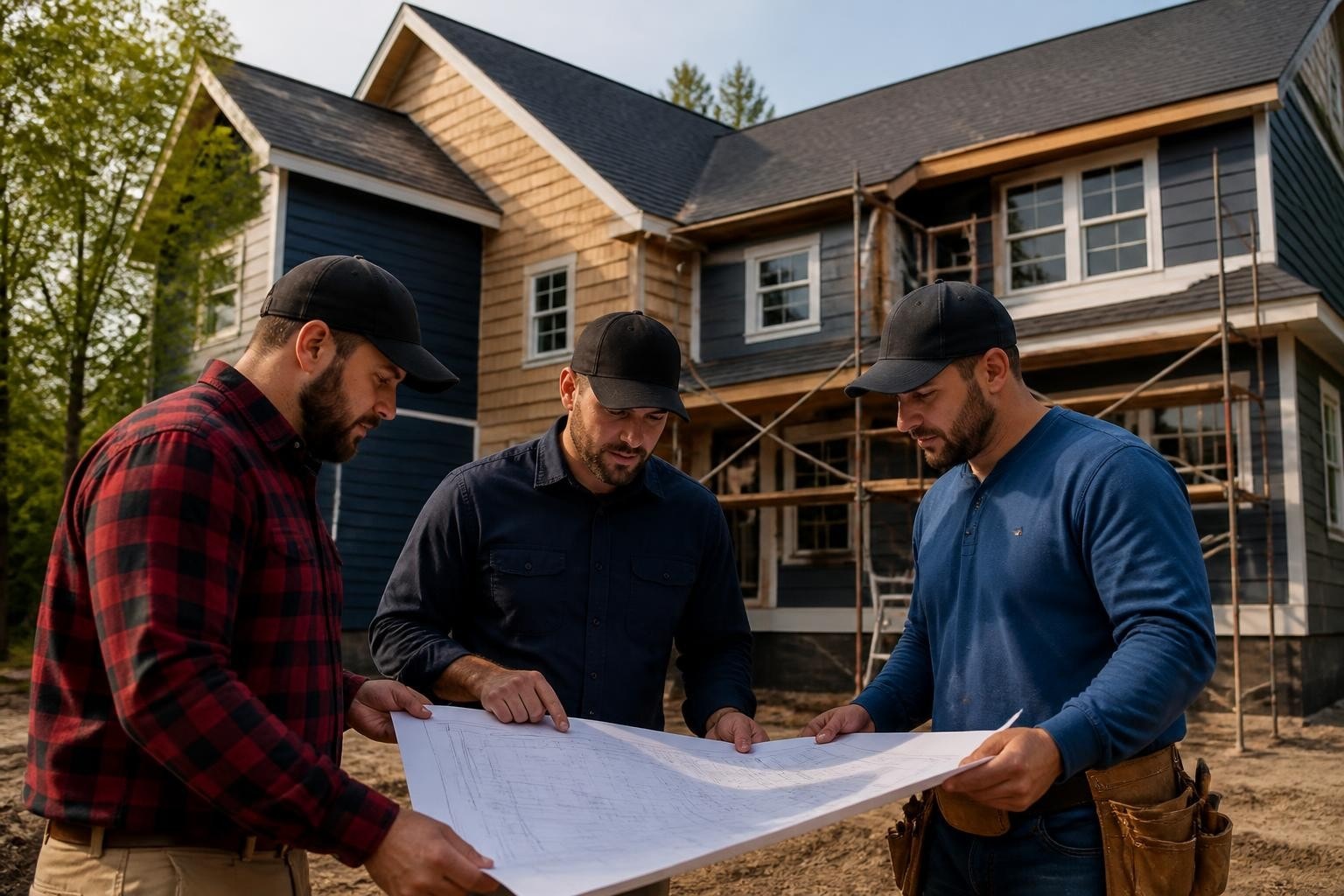
Homeowners and property managers across Illinois and nationwide face critical decisions when their buildings need exterior improvements. Selecting among roofing siding companies requires careful consideration of expertise, materials, service quality, and long-term value. Whether you're dealing with storm damage, aging materials, or planning a complete exterior transformation, understanding what distinguishes exceptional contractors from mediocre ones can save you thousands of dollars and years of frustration. This comprehensive guide explores what property owners should know when evaluating roofing siding companies for their next project.
Understanding the Scope of Roofing and Siding Services
Roofing siding companies offer far more than basic installation work. These specialized contractors provide comprehensive exterior protection services that address multiple building envelope components simultaneously.
Complete Exterior System Solutions
Professional contractors understand that roofing and siding work together as an integrated weather protection system. When one component fails, it often affects the other. Quality roofing siding companies assess your entire exterior envelope to identify potential vulnerabilities before they become expensive problems.
Key services typically include:
- Complete roof replacement and repairs for residential and commercial properties
- Siding installation, replacement, and restoration
- Gutter systems and proper water management
- Soffit and fascia repairs
- Ventilation system upgrades
- Storm damage assessment and insurance claim assistance
The U.S. roofing and siding contractors industry generates billions in revenue annually, reflecting the critical importance of these services. This market size also means homeowners have numerous options when selecting contractors, making informed decision-making essential.
Material Options and Technology Advances
The materials available through roofing siding companies have evolved dramatically over the past decade. Understanding these options helps property owners make informed choices that balance aesthetics, durability, and budget considerations.
Roofing Material Selection
Modern roofing materials offer diverse performance characteristics suited to different climates and architectural styles. Asphalt shingle roofing remains the most popular choice for residential applications due to its cost-effectiveness and proven performance.
| Roofing Material | Lifespan | Cost Range | Best Applications |
|---|---|---|---|
| Asphalt Shingles | 20-30 years | $$ | Residential, moderate climates |
| Modified Bitumen | 15-25 years | $$ | Commercial flat/low-slope roofs |
| Metal Roofing | 40-70 years | $$$ | Residential and commercial |
| Cedar Shakes | 25-30 years | $$$$ | Premium residential |
Siding Material Innovation
According to emerging trends in polymeric siding products, manufacturers are responding to consumer demands for natural aesthetics combined with energy efficiency. Modern siding options include:
- Vinyl siding: Low maintenance, color variety, affordable pricing
- Fiber cement: Superior durability, fire resistance, paintable surfaces
- Engineered wood: Natural appearance with enhanced weather resistance
- Metal panels: Contemporary aesthetics, exceptional longevity
- Composite materials: Sustainable options with reduced environmental impact
Metal options deserve special attention. The latest metal roofing and siding trends showcase advancements in sustainable materials and protective coatings that extend product lifespan while reducing maintenance requirements.
Evaluating Contractor Qualifications and Credentials
Not all roofing siding companies maintain the same standards of excellence. Property owners should thoroughly vet potential contractors before signing contracts or making deposits.
Essential Credentials to Verify
Start by confirming basic business legitimacy. Licensed contractors carry proper insurance coverage protecting both workers and property owners. Request copies of:
- Current business license and contractor registration
- General liability insurance (minimum $1 million coverage)
- Workers' compensation insurance
- Manufacturer certifications for specific products
- Better Business Bureau ratings and complaint history
Local roofing experts understand regional building codes, weather patterns, and permit requirements that national chains might overlook.
Experience and Specialization
General contractors often perform roofing and siding work as sideline services. Dedicated roofing siding companies bring specialized expertise that general contractors cannot match. Ask prospective contractors about:
- Years in business specifically performing exterior work
- Number of projects completed similar to yours
- Specialized training in specific material systems
- Relationships with material suppliers and manufacturers
- Warranty programs offered beyond manufacturer coverage
Look for contractors who:
- Provide detailed written estimates with material specifications
- Offer multiple references from recent projects
- Maintain permanent physical business locations
- Employ trained installation crews rather than day laborers
- Communicate clearly throughout the project timeline
The Importance of Proper Installation Techniques
Even premium materials fail when installed incorrectly. Top roofing siding companies invest heavily in crew training and quality control processes that ensure proper installation.
Roof Installation Best Practices
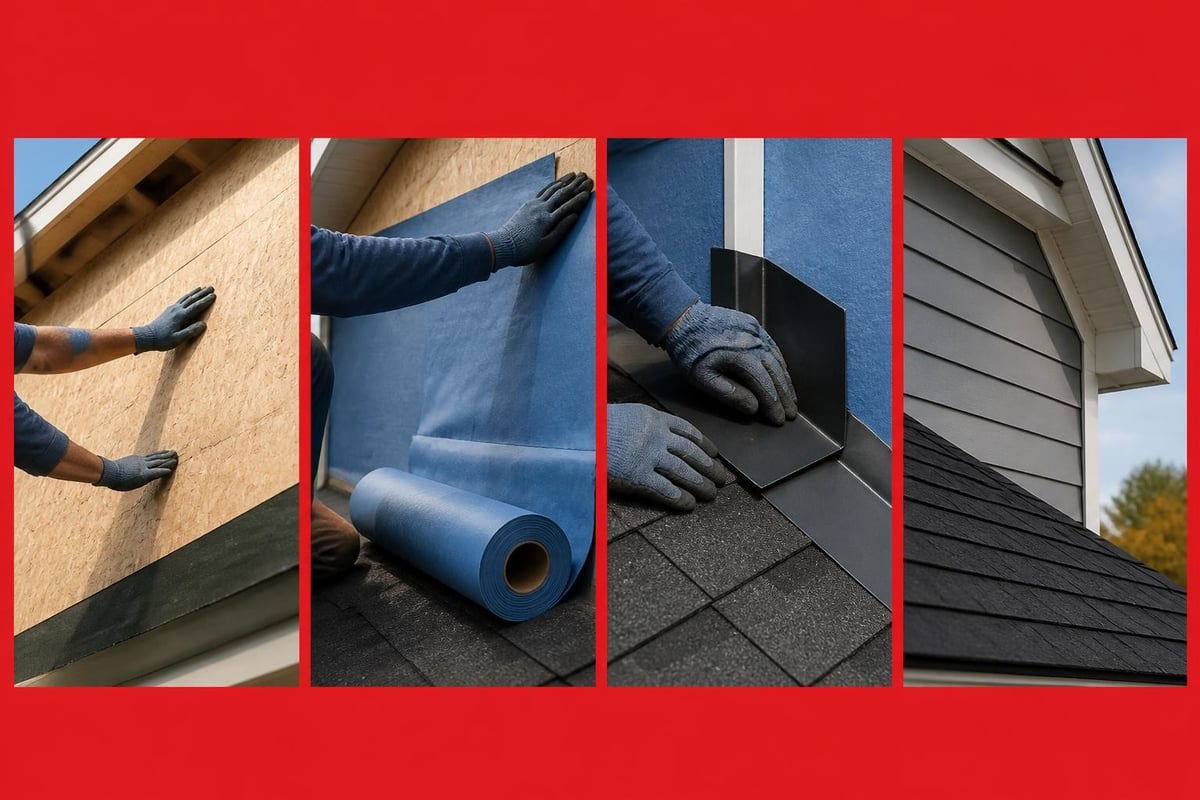
Professional roof installation follows industry standards that address substrate preparation, underlayment selection, ventilation requirements, and flashing details. Critical installation elements include:
- Proper deck inspection and repair before material application
- Ice and water shield installation in vulnerable areas
- Adequate attic ventilation preventing moisture accumulation
- Correct nailing patterns and fastener placement
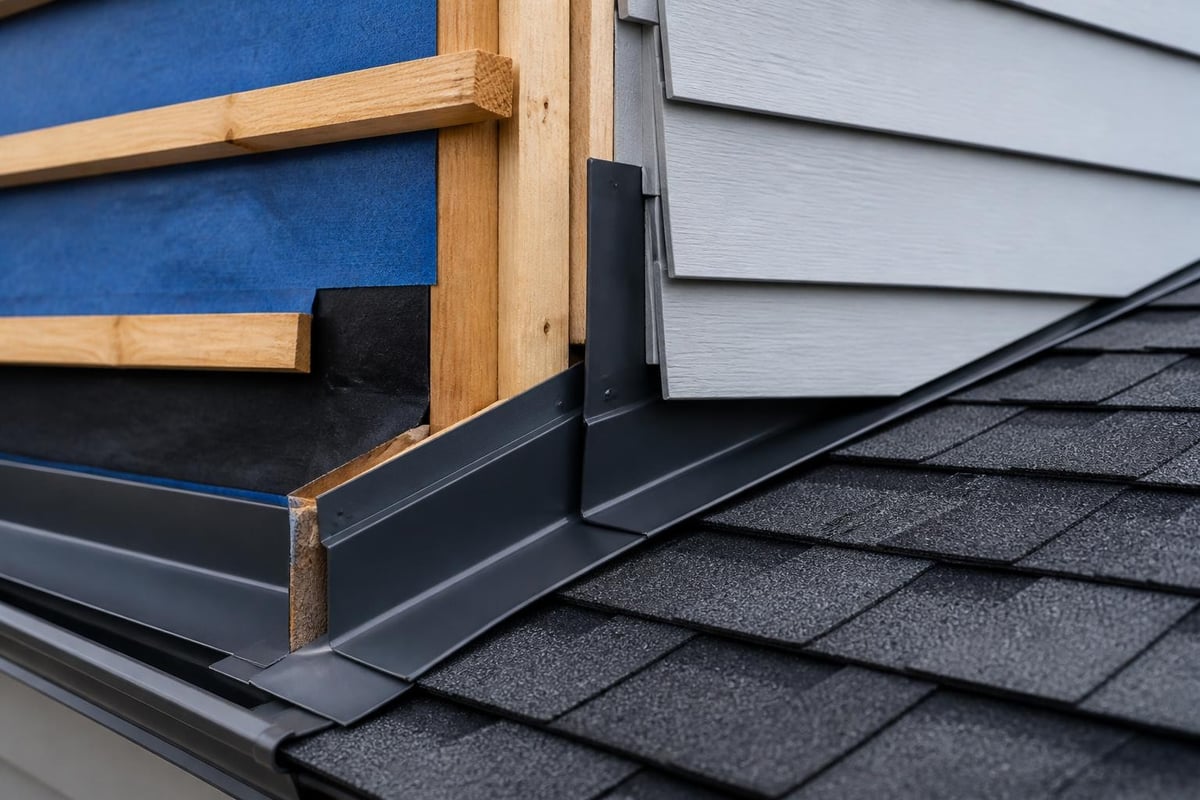
- Proper valley and flashing integration
- Ridge cap ventilation for thermal management
For commercial applications, modified bitumen systems require specialized equipment and techniques. Commercial roofing demands contractors experienced with flat and low-slope installations that residential specialists may not possess.
Siding Installation Standards
Best practice guidelines for siding installation emphasize moisture management and proper fastening techniques. Quality installations feature:
- House wrap or moisture barrier application
- Proper J-channel and trim installation
- Correct expansion gap allowances
- Strategic fastener placement avoiding material restriction
- Caulking only where manufacturer specifications require
- Proper corner post and transition piece integration
Property owners in areas like Orland Park can benefit from contractors familiar with local conditions. Specialists in siding installation in Orland Park understand moisture patterns, wind exposure, and architectural styles prevalent in specific communities.
Managing Storm Damage and Insurance Claims
Severe weather events create urgent needs for roofing siding companies. Hail, wind, and ice damage require immediate attention to prevent secondary water intrusion problems.
Storm Damage Assessment
After significant weather events, reputable contractors provide thorough damage assessments. Professional evaluations document:
- Granule loss on asphalt shingles
- Denting or punctures in metal components
- Cracked or missing siding panels
- Damaged flashing and trim elements
- Gutter and downspout issues
- Interior water staining indicating leaks
Property owners facing storm damage should review resources on roof repair after hail storms to understand the assessment process.
Insurance Claim Support
Experienced roofing siding companies assist homeowners navigating insurance claims. Quality contractors:
- Document damage with detailed photographs and measurements
- Provide written damage assessments for insurance adjusters
- Meet with adjusters during property inspections
- Explain policy coverage and claim processes
- Submit detailed estimates matching insurance requirements
Navigating storm damage insurance claims becomes significantly easier with contractor support throughout the process.
Cost Considerations and Value Assessment
Pricing varies dramatically among roofing siding companies. Understanding cost components helps property owners evaluate quotes and avoid both overpriced contracts and unrealistically low bids.
Roofing Cost Factors
| Cost Component | Impact on Total Price | Typical Percentage |
|---|---|---|
| Materials | High | 40-50% |
| Labor | High | 30-40% |
| Disposal/Cleanup | Moderate | 5-10% |
| Permits/Inspection | Low | 2-5% |
| Overhead/Profit | Moderate | 10-15% |
Detailed information about asphalt shingle pricing helps homeowners understand cost breakdowns for common residential applications.
Siding Project Budgeting
Siding costs depend on material selection, project size, and installation complexity. Two-story homes require scaffolding increasing labor costs. Homes with complex architectural details demand additional trim work and cutting precision.
Budget considerations include:
- Square footage of wall area requiring coverage
- Material grade and thickness selection
- Trim and accessory requirements
- Removal and disposal of existing materials
- Substrate repairs discovered during removal
- Color customization and special order items
Warranty Protection and Long-Term Support
Comprehensive warranties distinguish professional roofing siding companies from fly-by-night operators. Understanding warranty coverage protects your investment for decades.
Manufacturer Warranties
Material manufacturers offer warranties covering defects and premature failure. Standard coverage periods include:
- Asphalt shingles: 25-50 years limited coverage
- Vinyl siding: Lifetime limited warranties common
- Metal roofing: 30-50 years paint and panel warranties
- Fiber cement siding: 30-50 years product warranties
Premium warranties often require certified installer participation and proper installation verification.
Contractor Workmanship Warranties
Installation warranties cover labor defects and installation errors. Quality contractors provide:
- Minimum 2-5 year workmanship guarantees
- Leak repair commitments
- Fastener and flashing coverage
- Service response timeframes
- Transferable warranties for property sales
Companies offering residential roof maintenance programs often extend warranty periods for participating homeowners.

Regional Considerations and Local Expertise
Climate, building codes, and architectural traditions vary significantly across regions. Roofing siding companies with local expertise deliver superior results compared to distant contractors unfamiliar with area-specific challenges.
Climate-Specific Solutions
Illinois weather presents unique challenges requiring specialized approaches:
- Winter conditions: Ice damming prevention through proper ventilation and insulation
- Summer heat: Reflective roofing materials reducing cooling costs
- Wind exposure: Enhanced fastening specifications for high-wind zones
- Moisture management: Proper drainage and vapor barrier systems
Local contractors understand these regional factors intimately. Companies serving specific communities like those providing residential roofing in Bolingbrook bring neighborhood-specific knowledge to every project.
Building Code Compliance
Municipal building codes specify minimum standards for roofing and siding installations. Local roofing siding companies maintain current knowledge of:
- Permit application requirements and processes
- Inspection scheduling and compliance verification
- Energy code requirements for new installations
- Historic district restrictions and approval procedures
- Homeowner association architectural guidelines
Contractors familiar with multiple jurisdictions streamline permitting across service areas including New Lenox, Mokena, and Frankfort.
Project Timeline and Communication Expectations
Understanding typical project timelines helps property owners plan accordingly and recognize when contractors are causing unnecessary delays.
Residential Roofing Timelines
Most residential roof replacements complete within 1-3 days depending on size and complexity. Factors affecting duration include:
- Square footage and roof pitch
- Number of layers requiring removal
- Weather conditions and seasonal timing
- Crew size and experience level
- Material availability and delivery schedules
- Complexity of valley and flashing details
Siding Installation Schedules
Siding projects typically span 1-2 weeks for average homes. Timeline variables include:
- Total wall area and building height
- Existing material removal requirements
- Substrate repair needs
- Window and door trim replacement
- Weather delays and temperature restrictions
- Color-match delays for discontinued products
Professional roofing siding companies provide detailed project schedules with milestone dates and maintain regular communication throughout installation.
Maintenance Programs and Ongoing Service
The relationship with quality roofing siding companies extends beyond initial installation. Preventive maintenance programs protect your investment and maximize material lifespan.
Preventive Maintenance Benefits
Regular inspections identify minor issues before they become major problems:
- Annual roof inspections detecting early wear patterns
- Gutter cleaning preventing water backup and ice damming
- Sealant and caulk renewal maintaining weather barriers
- Fastener inspection and replacement preventing wind damage
- Debris removal protecting material surfaces
- Ventilation assessment ensuring proper airflow
Repair Services and Emergency Response
Established contractors provide ongoing repair services addressing:
- Storm damage requiring immediate tarping and temporary protection
- Missing shingles or siding panels from wind events
- Leak investigation and targeted repairs
- Gutter and downspout adjustments
- Trim replacement and painting coordination
Companies offering comprehensive storm damage repair services provide peace of mind when severe weather strikes.
Making Your Final Contractor Selection
After researching options and meeting with multiple roofing siding companies, property owners must make final selections. This critical decision impacts your home for decades.
Comparison Checklist
Create a standardized evaluation comparing all candidates:
Business qualifications:
- Years in business and project portfolio
- License, insurance, and bonding verification
- Manufacturer certifications and training
- References and review ratings
- Better Business Bureau accreditation
Project specifics:
- Detailed written estimate completeness
- Material specifications and grade quality
- Warranty coverage details
- Project timeline commitments
- Payment schedule reasonableness
- Contract clarity and comprehensiveness
Red Flags to Avoid
Certain warning signs indicate contractors to eliminate from consideration:
- Requests for full payment upfront
- Pressure tactics demanding immediate decisions
- Absence of physical business location
- Unwillingness to provide references
- Lack of proper licensing or insurance
- Significantly lower bids than competitors
- Poor communication or missed appointments
Trust your instincts when evaluating professionalism and communication quality. The lowest bid rarely delivers the best long-term value.
Selecting among roofing siding companies requires balancing multiple factors including expertise, materials, pricing, and long-term support. Property owners who invest time researching options, verifying credentials, and comparing detailed proposals protect themselves from costly mistakes while securing quality installations that last for decades. When you're ready to transform your property's exterior with professional roofing and siding services, Great Roofing brings family-owned dedication and specialized expertise to every residential and commercial project throughout the Joliet area. Contact our team today to schedule your comprehensive property assessment and receive a detailed project proposal.