

Finding qualified rubber roof installers near me has become increasingly important as more property owners recognize the benefits of rubber roofing systems for both residential and commercial applications. Whether you're searching for EPDM rubber roofing for your flat garage or TPO membrane installation for your commercial building, selecting the right contractor requires careful consideration of experience, certification, and local reputation. This comprehensive guide walks you through everything you need to know about locating, vetting, and hiring professional rubber roofing installers in your area.
Understanding Rubber Roofing Systems and Installation Requirements
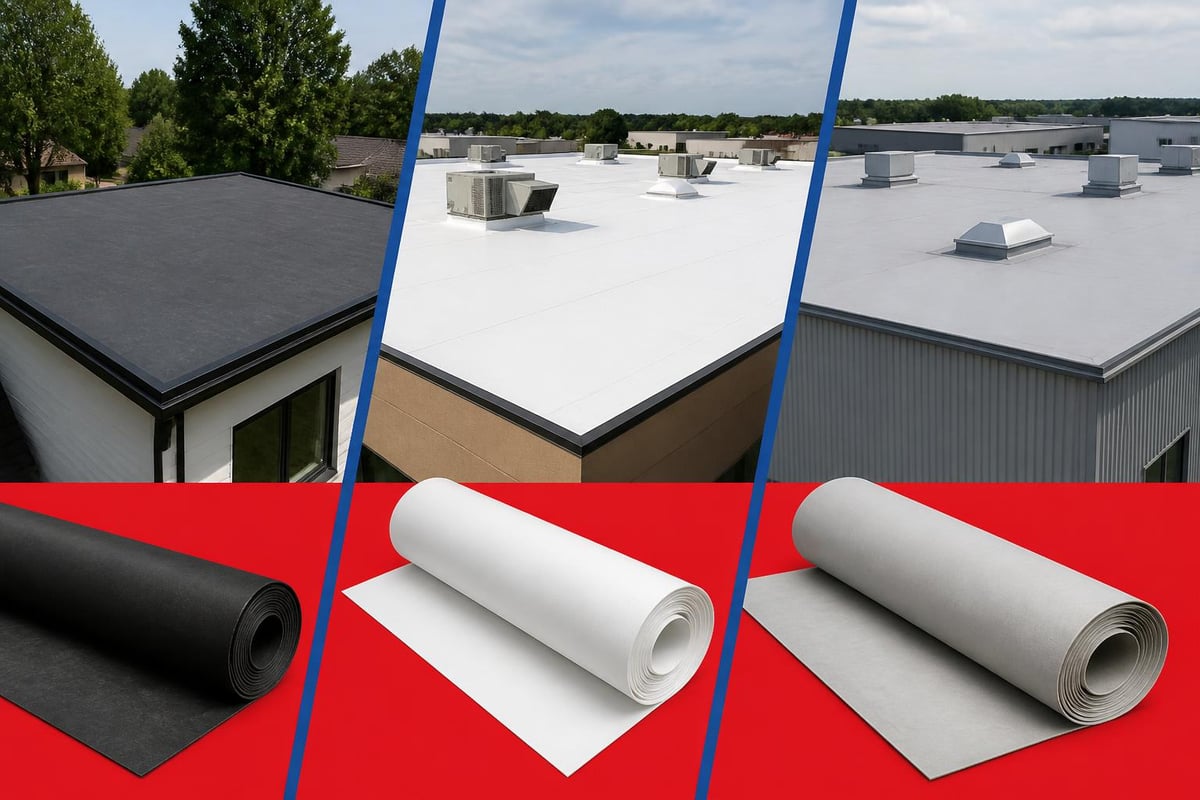
Rubber roofing encompasses several distinct membrane types, each requiring specialized installation knowledge and equipment. EPDM (ethylene propylene diene monomer) remains the most common residential rubber roofing material, known for its durability and weather resistance. TPO (thermoplastic polyolefin) and PVC membranes serve commercial applications with their heat-welded seams and reflective properties.
Professional installation makes the difference between a roof lasting 20 years versus failing within five. Understanding the advantages and disadvantages of rubber roofing helps you appreciate why proper installation matters so significantly. The membrane must be cut precisely, seams sealed correctly, and flashings detailed properly to prevent water infiltration.
Key Rubber Roofing Materials Used in 2026
| Material Type | Primary Use | Expected Lifespan | Installation Method |
|---|---|---|---|
| EPDM | Residential flat roofs | 20-30 years | Fully adhered or mechanically attached |
| TPO | Commercial low-slope | 15-25 years | Heat-welded seams |
| PVC | Commercial applications | 20-30 years | Heat-welded seams |
How to Search for Rubber Roof Installers Near Me Effectively
Starting your search requires more than typing "rubber roof installers near me" into a search engine. While that basic search provides initial results, you need strategic approaches to identify truly qualified contractors in the Joliet area and surrounding communities.
Begin with these targeted search methods:
- Search specific rubber roofing types: "EPDM installers near Joliet"
- Include your neighborhood or suburb for hyper-local results
- Look for contractors with manufacturer certifications
- Check roofing contractor associations and directories
- Request recommendations from commercial property managers
Local roofing contractors like Great Roofing often maintain expertise across multiple roofing systems, including rubber membranes for flat or low-slope applications. Their familiarity with local building codes and weather patterns provides advantages that national chains cannot match.
Geographic Considerations for Contractor Selection
Distance matters when selecting rubber roof installers near me. Contractors within a 30-mile radius typically offer better warranty support and faster emergency response times. They understand regional weather patterns-crucial for Illinois properties facing harsh winters and severe storm seasons.
Local contractors also maintain relationships with regional suppliers, ensuring access to materials even during supply chain disruptions. This proved essential during the 2024-2025 construction material shortages when distant contractors struggled to complete projects.
Evaluating Credentials and Certifications
Not all contractors advertising rubber roofing services possess equal expertise. Certification requirements and industry credentials separate experienced professionals from general handymen attempting specialized work.
Essential certifications to verify:
- Manufacturer certifications from Firestone, GAF, or Carlisle
- State of Illinois roofing contractor license
- OSHA safety training compliance
- NRCA (National Roofing Contractors Association) membership
- Better Business Bureau accreditation
Manufacturer certifications prove contractors completed formal training on specific rubber roofing systems. These programs require hands-on installation experience and written examinations covering proper techniques, safety protocols, and warranty requirements.
Request certification documentation during initial consultations. Legitimate contractors willingly provide proof of credentials and explain their training background. Hesitation or vague responses signal potential concerns about qualifications.
Comparing Quotes from Multiple Rubber Roofing Contractors
Obtaining multiple quotes reveals pricing variations and helps identify potential red flags. When searching for rubber roof installers near me, plan to collect at least three detailed proposals from licensed contractors.
What Comprehensive Quotes Should Include
| Quote Component | Details to Verify | Red Flags |
|---|---|---|
| Material specifications | Brand, thickness, warranty type | Generic "rubber roofing" without specifics |
| Labor breakdown | Installation, tear-off, disposal | Single lump sum with no detail |
| Timeline | Start date, completion estimate | Vague "few days" timeframe |
| Warranty terms | Material and workmanship coverage | No written warranty information |
| Payment schedule | Deposit, progress payments, final | Full payment upfront request |
Abnormally low bids often indicate shortcuts in materials or workmanship. A quote 40% below competitors likely means the contractor plans to use thinner membranes, skip essential underlayment, or employ inexperienced labor.
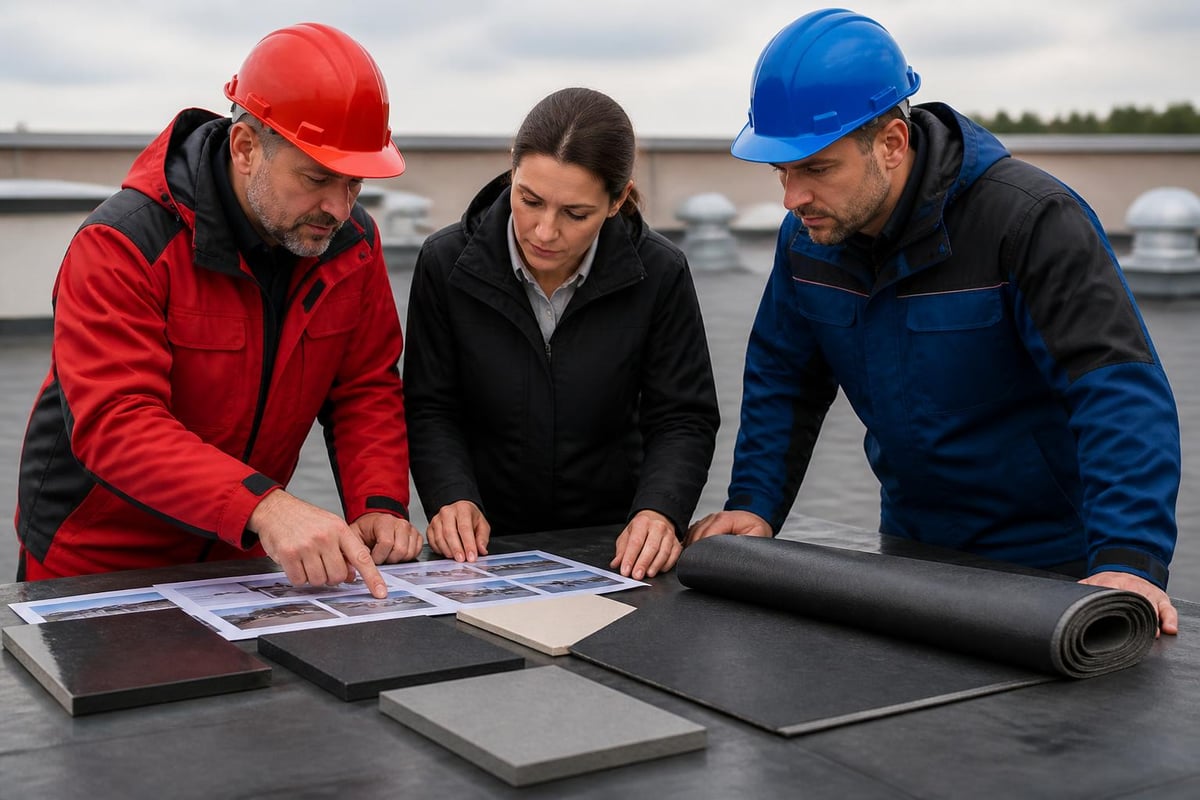
Conversely, the highest quote doesn't guarantee superior quality. Analyze what each contractor includes and excludes. Some itemize every component while others bundle services, making direct comparisons challenging without careful review.
Reviewing References and Past Rubber Roofing Projects
References provide insight into contractor reliability, workmanship quality, and customer service that no advertisement can convey. When evaluating rubber roof installers near me, request contact information for at least five recent customers with similar project scopes.
Ask references specific questions:
- Did the project finish on schedule and within budget?
- How did the contractor handle unexpected issues?
- What condition did they leave your property in daily?
- Would you hire them again for future roofing work?
- How responsive are they to warranty claims or questions?
Visit completed installations when possible. Examine seam quality, flashing details around penetrations, and overall workmanship. Well-executed rubber roofing shows clean, straight seams and properly terminated edges without wrinkles or bubbles.
Digital Reputation Research
Online reviews supplement personal references but require critical evaluation. Look for patterns across multiple platforms rather than focusing on individual extreme reviews. Check Google Business, Better Business Bureau, HomeAdvisor, and industry-specific sites.
Pay attention to how contractors respond to negative reviews. Professional responses acknowledging concerns and explaining resolutions demonstrate accountability. Defensive or argumentative replies suggest poor customer service practices.
Understanding Installation Processes and Timelines
Professional rubber roof installers follow systematic processes ensuring proper installation. Detailed installation guides outline the technical steps involved, helping property owners understand what contractors should perform during your project.
Standard installation phases include:
- Substrate inspection and preparation
- Deck repairs if needed
- Insulation installation or upgrade
- Primer application
- Membrane installation
- Seam welding or adhesive bonding
- Flashing installation
- Final inspection
Timeline estimates depend on project size, weather conditions, and crew availability. A typical residential rubber roof installation ranges from two to four days. Commercial projects require one to three weeks depending on square footage and complexity.
Weather significantly impacts rubber roofing installation. EPDM adhesives require specific temperature ranges for proper bonding. TPO and PVC heat-welding demands dry conditions. Reputable contractors build weather contingencies into schedules rather than promising unrealistic completion dates.
Insurance, Bonding, and Liability Protection
Financial protection separates legitimate contractors from fly-by-night operators. When searching for rubber roof installers near me, verify comprehensive insurance coverage before signing any agreements.
Required Insurance Coverage Types
- General liability insurance: Protects against property damage and bodily injury claims
- Workers' compensation: Covers employee injuries during your project
- Commercial auto insurance: Covers vehicle-related incidents
- Completion bonds: Guarantees project completion (recommended for large commercial jobs)
Request certificates of insurance directly from the contractor's insurance carrier. Accepting contractor-provided documents without verification leaves you vulnerable to fraudulent coverage claims. Insurance companies readily confirm active policies for certificate holders.
Similar to how storm damage insurance claims require proper documentation, contractor insurance verification protects you from financial liability if accidents occur during installation.
Warranty Considerations for Rubber Roofing Systems
Warranty coverage represents long-term value and contractor confidence in their workmanship. Rubber roofing warranties typically include two components: manufacturer material warranties and contractor workmanship guarantees.
Manufacturer warranties range from:
- 10-year standard coverage
- 15-year enhanced coverage
- 20-30 year premium warranties
Premium warranties require certified installers using specific installation methods and materials. Contractors cutting corners to reduce costs often void manufacturer warranty coverage through improper techniques.
Workmanship warranties from installers cover labor and installation defects. Quality contractors offer 5-10 year workmanship guarantees demonstrating confidence in their crews and processes. One-year warranties or "lifetime" guarantees without written terms signal potential concerns.
Questions to Ask During Contractor Consultations
Initial consultations reveal contractor expertise and professionalism. Prepare questions addressing technical knowledge, business practices, and project-specific concerns when meeting with rubber roof installers near me.
Technical expertise questions:
- What rubber roofing systems do you install most frequently?
- How do you handle substrate moisture issues before installation?
- What insulation options do you recommend for my building?
- How do you detail penetrations and transitions?
- What warranty options apply to my specific project?
Business practice questions:
- How long have you operated in the Joliet area?
- Do you use employee crews or subcontractors?
- What happens if material prices increase after contract signing?
- How do you handle change orders and unexpected repairs?
- What's your typical payment schedule?
Vague or evasive answers indicate insufficient expertise or questionable business practices. Experienced contractors provide detailed responses demonstrating technical knowledge and transparent business operations.
Red Flags to Avoid When Hiring Contractors
Certain warning signs indicate contractors you should eliminate from consideration regardless of pricing or promises. Recognizing these red flags protects you from substandard work, abandoned projects, or financial losses.
Immediate disqualification indicators:
- Requests for full payment upfront
- No physical business address or only P.O. box
- Pressure tactics demanding immediate decisions
- Unwillingness to provide references or credentials
- No written contract or warranty documentation
- Significant price drops if you "sign today"
Door-to-door contractors following storms often employ high-pressure sales tactics and disappear after collecting deposits. Legitimate rubber roof installers near me maintain established offices, provide detailed written proposals, and allow time for informed decision-making.
Local Building Codes and Permit Requirements
Municipal building codes govern roofing installations to ensure structural safety and weather resistance. Professional contractors understand local requirements and handle permit applications as part of their service.
Joliet and surrounding municipalities require permits for most roofing projects. Permit processes verify:
- Structural load capacity for new roofing systems
- Proper ventilation and insulation
- Fire resistance ratings
- Drainage design adequacy
- Code compliance for commercial occupancies
Contractors suggesting you skip permits to save money expose you to serious risks. Unpermitted work voids insurance coverage, creates resale complications, and may require complete tear-off and reinstallation when discovered during future inspections.
Seasonal Considerations for Rubber Roof Installation
Timing significantly impacts installation quality and project costs. While modern rubber roofing materials accommodate year-round installation, certain seasons offer advantages for scheduling projects with rubber roof installers near me.
| Season | Advantages | Challenges | Cost Implications |
|---|---|---|---|
| Spring | Ideal temperatures, contractor availability | Weather unpredictability | Moderate pricing |
| Summer | Fastest curing, longest workdays | Heat stress, high demand | Premium pricing |
| Fall | Stable weather, competitive pricing | Shorter days, winter rush | Best value |
| Winter | Immediate availability, lowest prices | Temperature limitations | Discount opportunities |
Illinois weather patterns require contractors to monitor forecasts closely and maintain flexible scheduling. Understanding various roofing material options helps you appreciate how different systems perform across seasons.
Maintenance Requirements After Installation
Rubber roofing requires minimal maintenance compared to traditional shingle systems, but regular inspections extend lifespan and prevent minor issues from becoming major problems. Establish maintenance expectations with your contractor during the selection process.
Essential maintenance activities include:
- Semi-annual inspections for damage or deterioration
- Debris removal from roof surface and drains
- Seam inspection and repair if needed
- Flashing condition assessment
- Ponding water evaluation and drainage improvement
Some contractors offer maintenance agreements providing scheduled inspections and priority service for repairs. These programs help property owners without roofing expertise identify problems early when repairs cost hundreds rather than thousands.
Similar to how regular roof inspections for hail damage protect your investment, proactive rubber roof maintenance prevents premature failure and maximizes your warranty coverage.
Commercial versus Residential Installation Differences
Commercial and residential rubber roofing projects require different expertise levels and equipment. When searching for rubber roof installers near me, verify contractors possess experience relevant to your specific property type.
Residential rubber roofing typically involves:
- Smaller surface areas (under 3,000 square feet)
- Simpler drainage systems
- Fewer penetrations and equipment
- Homeowner association considerations
- Aesthetic concerns for visible roof sections
Commercial installations demand:
- Large-scale material handling and logistics
- Complex HVAC and equipment integration
- Occupancy coordination to minimize business disruption
- Enhanced fire ratings and code requirements
- Multi-year maintenance agreements
Contractors specializing in residential work may lack equipment or expertise for commercial projects. Conversely, commercial-focused contractors might find small residential jobs unprofitable, resulting in inflated pricing or disinterest.
Energy Efficiency and Reflective Roofing Options
Modern rubber roofing systems offer energy-saving opportunities through reflective surfaces and enhanced insulation integration. Discussing energy efficiency with rubber roof installers near me can reduce long-term operating costs significantly.
White or light-colored TPO and PVC membranes reflect solar radiation, reducing cooling costs by 10-25% compared to traditional dark roofing. EPDM now comes in white formulations providing similar benefits for residential applications.
Energy Star certification indicates roofing products meeting strict reflectivity and emissivity standards. These products qualify for various utility rebates and tax incentives in Illinois, offsetting installation costs. Experienced contractors identify applicable programs and assist with documentation requirements.
Exploring the advantages and disadvantages of rubber roofing materials helps you understand how different formulations impact energy performance and long-term value.
Financing Options for Rubber Roofing Projects
Rubber roof installation represents a significant investment, particularly for commercial properties or large residential applications. Many rubber roof installers near me offer financing programs or partnerships with lending institutions to make projects more accessible.
Common financing approaches include:
- Contractor-sponsored payment plans
- Home equity lines of credit
- Personal loans from banks or credit unions
- Commercial property improvement loans
- Energy efficiency financing programs
Compare interest rates, terms, and fees across options before committing to financing. Some contractor-sponsored programs charge higher interest than traditional lending sources. Others partner with competitive lenders providing genuine value.
Verify whether financing approval affects contractor pricing. Some companies increase project costs to offset financing program fees. Request cash-price comparisons before accepting financed proposals.
Working with Your Insurance Company
Storm damage and unexpected roof failures often involve insurance claims requiring documentation and coordination between rubber roof installers near me and your insurance carrier. Select contractors experienced in insurance restoration work who understand claims processes.
Professional contractors assist by:
- Documenting damage with photos and measurements
- Providing detailed repair estimates in insurance-preferred formats
- Meeting with adjusters to explain necessary repairs
- Identifying all covered damage components
- Working within approved budgets while maintaining quality
Insurance companies often recommend contractors from preferred vendor lists. While these contractors meet minimum standards, you're not obligated to use them. Compare preferred vendors against independent contractors to ensure you receive the best combination of quality and value.
Post-Installation Inspection and Documentation
Comprehensive final inspections protect both property owners and contractors by documenting completed work and verifying warranty compliance. Professional rubber roof installers near me conduct thorough inspections before requesting final payment.
Final inspection checklist includes:
- Complete membrane coverage without gaps or thin spots
- Properly sealed seams without wrinkles or bubbles
- Flashing integration around all penetrations
- Edge termination security and weather-tightness
- Drainage system functionality
- Cleanup completion and debris removal
Request copies of all documentation including material receipts, warranty certificates, permit approvals, and inspection reports. Store these records with your property documents for future reference during warranty claims, insurance needs, or property sales.
Long-Term Value and Return on Investment
Rubber roofing systems provide excellent long-term value despite higher upfront costs compared to some alternatives. When evaluating proposals from rubber roof installers near me, consider total lifecycle costs rather than just initial installation prices.
Calculate return on investment by factoring:
- Installation costs versus expected lifespan
- Maintenance requirements and associated expenses
- Energy savings from reflective membranes
- Reduced repair frequency compared to alternatives
- Property value enhancement for commercial buildings
A rubber roof costing $12,000 lasting 25 years with minimal maintenance delivers better value than a $7,000 system requiring replacement after 12 years and frequent repairs. Professional contractors help property owners understand these long-term financial considerations rather than focusing solely on lowest initial costs.
For property owners exploring comprehensive exterior services, reviewing roofing and guttering services together helps maximize protection and value across your entire building envelope.
Selecting qualified rubber roof installers near me requires research, patience, and attention to detail, but the investment in finding the right contractor pays dividends through decades of reliable protection. By verifying credentials, comparing detailed proposals, and prioritizing long-term value over short-term savings, you'll ensure your rubber roofing project meets the highest standards. The team at Great Roofing brings family-owned dedication and professional expertise to every project, whether you need residential rubber roofing or commercial membrane systems throughout the Joliet area. Contact them today to discuss your roofing needs and receive a comprehensive proposal backed by quality workmanship and reliable service.