

Roof emergencies don't wait for convenient timing. When severe weather strikes, trees fall, or unexpected leaks appear, homeowners and business owners need immediate solutions to protect their properties from further damage. Same day roof repair services have become essential for addressing these urgent situations, providing rapid response when water intrusion threatens to compromise interior spaces, damage belongings, and create costly secondary problems. Understanding when you need emergency service, what the repair process involves, and how to choose the right contractor can make the difference between minor repairs and extensive restoration work.
Understanding Same Day Roof Repair Services
Same day roof repair refers to emergency roofing services that address critical damage within 24 hours of initial contact. Unlike scheduled maintenance or planned replacement projects, these urgent interventions focus on stopping active leaks, securing compromised areas, and preventing further deterioration.
Professional roofing contractors offering same-day service maintain dedicated teams and materials specifically for emergency calls. This preparation enables them to respond quickly when property owners face urgent situations that cannot wait for standard scheduling.
What Qualifies as a Roofing Emergency
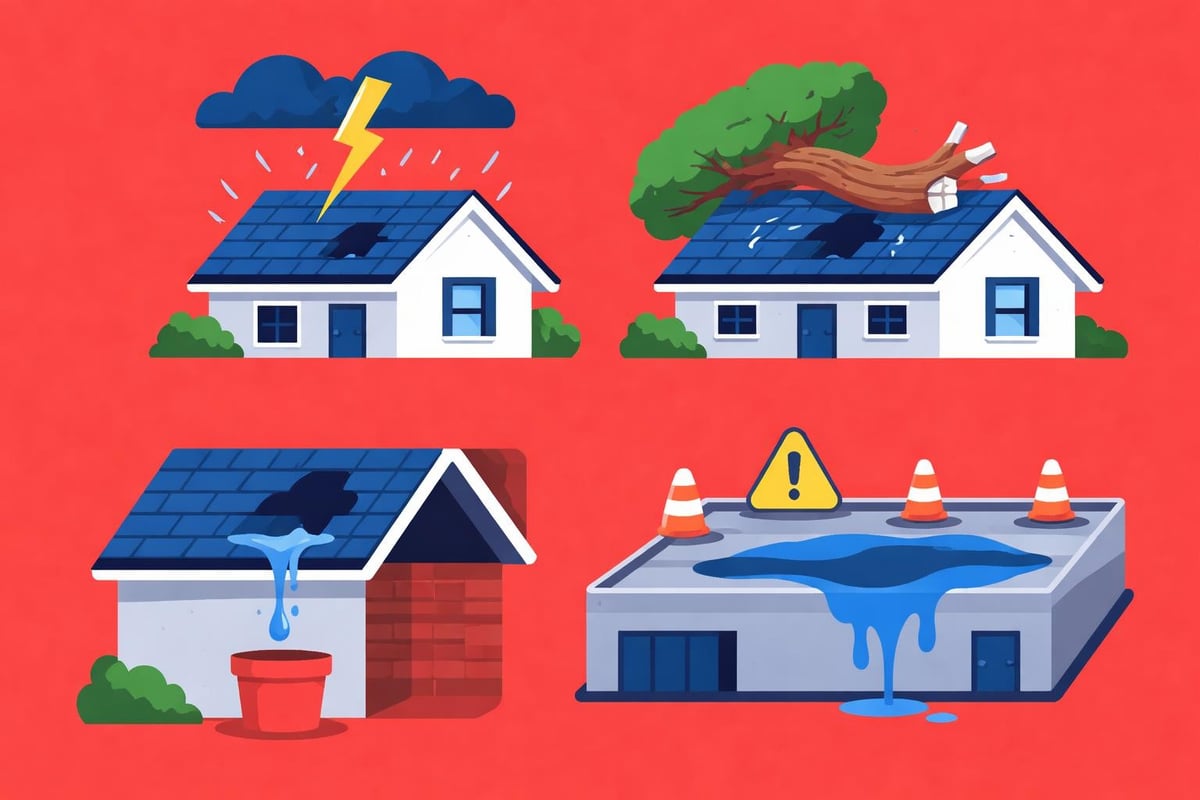
Not every roof issue requires immediate attention, but certain situations demand prompt professional intervention. Active leaks during storms represent the most common emergency, as water entering your home can cause extensive damage to ceilings, walls, insulation, and electrical systems. Professional contractors perform effective same-day roof leak fixes by identifying the source and implementing both temporary and permanent solutions.
Storm damage from high winds, hail, or fallen debris creates vulnerabilities that worsen rapidly. Missing shingles, torn membranes, or punctured roofing materials expose underlayment and decking to moisture. Structural damage from fallen trees or heavy snow loads also requires immediate assessment and stabilization.
Other emergency situations include:
- Sudden collapse or sagging in roof sections
- Fire or smoke damage affecting roof integrity
- Significant hail damage compromising multiple areas
- Vandalism or impact damage creating openings
- Commercial roof failures threatening business operations
The Same Day Roof Repair Process
When you contact a roofing contractor for emergency service, understanding the typical workflow helps set realistic expectations. Time-sensitive repairs follow a structured approach that prioritizes safety and damage mitigation while delivering lasting solutions.
Initial Contact and Assessment
The emergency repair process begins when you reach out to a contractor. Reputable companies ask specific questions about the damage type, severity, and any immediate safety concerns. This information helps them prioritize your call and dispatch the appropriate crew with necessary materials.
Response time varies based on weather conditions, crew availability, and the number of concurrent emergencies. Most professional contractors strive to reach your property within 2-4 hours for true emergencies. Upon arrival, technicians conduct a thorough inspection to identify all damaged areas, not just obvious problems.
Documentation plays a crucial role at this stage. Experienced contractors photograph damage extensively for insurance purposes and create detailed notes about conditions they observe. This documentation proves invaluable when filing claims or explaining necessary repairs to property owners.
Temporary Protection Measures
Before permanent repairs begin, contractors often implement temporary protective measures to prevent further damage. Emergency roofing procedures focus on safety and temporary solutions until comprehensive repairs can be completed safely.
Common temporary measures include:
- Tarping exposed areas to create weathertight barriers
- Installing temporary flashing around compromised penetrations
- Securing loose materials that pose safety hazards
- Removing standing water from flat or low-slope roofs
- Boarding openings created by falling debris
These steps buy time and protect interiors while technicians prepare for permanent repairs. For commercial roofing applications, temporary measures may include additional considerations for business continuity and liability protection.
Permanent Repair Implementation
Once the site is secured, contractors move forward with lasting repairs. Same day roof repair doesn't necessarily mean completing every aspect of restoration within hours, but rather addressing the critical damage that caused the emergency call.
For residential shingle roofs, repairs typically involve replacing damaged shingles, repairing or replacing underlayment in affected areas, and ensuring proper sealing around flashings and penetrations. Technicians match existing materials as closely as possible to maintain aesthetic consistency.
Commercial roofing systems require specialized approaches depending on the membrane type. Modified bitumen, TPO, EPDM, and built-up roofing systems each have specific repair protocols. Professional contractors experienced with commercial applications understand these nuances and carry appropriate materials.
| Repair Component | Residential (Shingle) | Commercial (Modified Bitumen) |
|---|---|---|
| Average completion time | 3-6 hours | 4-8 hours |
| Material matching complexity | Moderate | Low |
| Weather dependency | High | Moderate |
| Warranty considerations | Critical | Critical |
| Follow-up requirements | Inspection in 30 days | Inspection in 14-30 days |
Costs and Considerations for Emergency Repairs
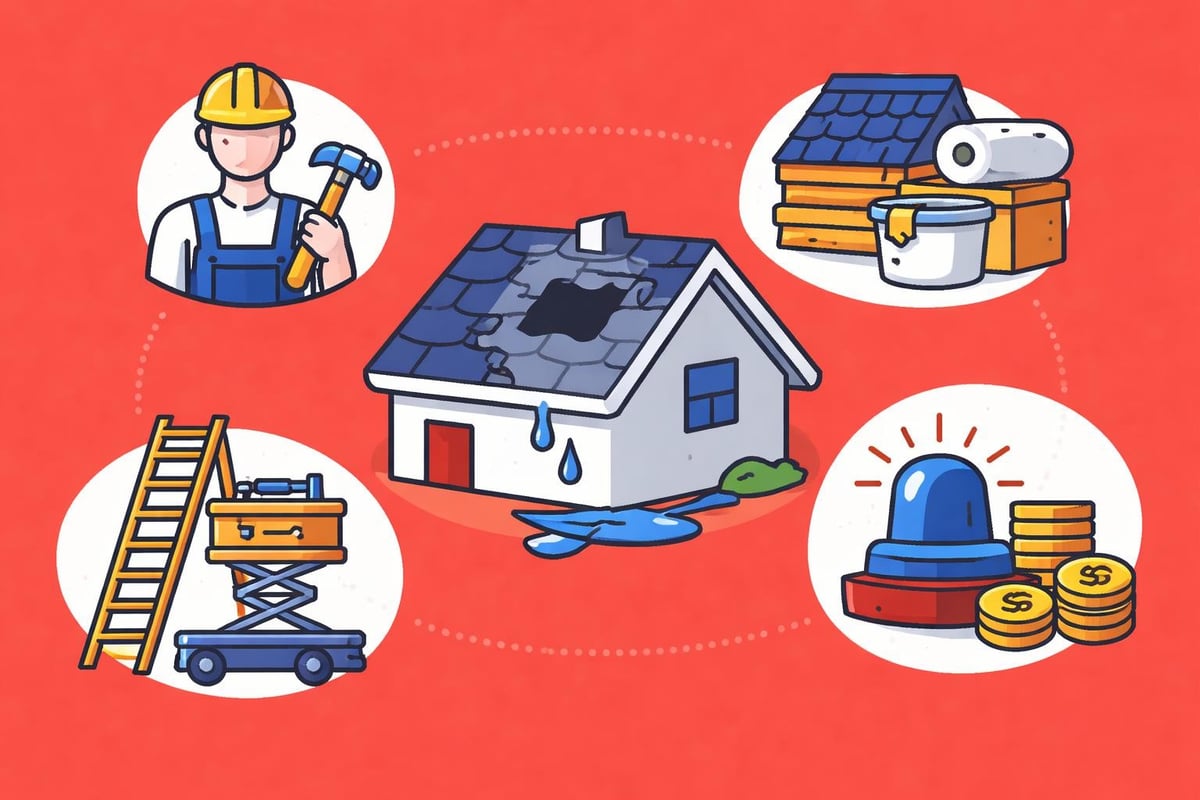
Emergency roofing services typically cost more than scheduled repairs due to the immediate response requirement, after-hours availability, and resource allocation needed for rapid deployment. Understanding pricing structures helps property owners make informed decisions during stressful situations.
Pricing Factors
Several variables influence the cost of same day roof repair. Damage extent serves as the primary cost driver, with small leak repairs ranging from $300 to $1,000, while more extensive storm damage can reach $2,000 to $5,000 for emergency intervention.
Time of service affects pricing significantly. Repairs during normal business hours cost less than evening, weekend, or holiday emergencies. Weather conditions also impact costs, as contractors charge premium rates for working in challenging conditions.
Material costs vary based on your existing roofing system. Standard asphalt shingle roofing materials are readily available and affordable, while specialty tiles, metal roofing, or commercial membranes may require sourcing from specific suppliers.
Additional cost factors include:
- Accessibility challenges requiring specialized equipment
- Extent of interior damage requiring immediate mitigation
- Structural issues discovered during inspection
- Permit requirements for certain repair types
- Insurance deductibles and coverage limitations
Insurance Considerations
Most homeowners and commercial property insurance policies cover sudden, unexpected roof damage from covered perils. Understanding your policy before emergencies occur streamlines the claims process and reduces out-of-pocket expenses.
Documentation requirements vary by insurer but generally include photographs of damage, contractor estimates, proof of proper maintenance, and timeline of events. Professional contractors familiar with insurance processes provide comprehensive documentation that supports claims.
Working with experienced roofing contractors who understand insurance protocols simplifies claim navigation. Many companies assist with documentation, communicate directly with adjusters, and even provide emergency mitigation services that insurers reimburse separately from repair costs.
Choosing the Right Contractor for Emergency Service
Selecting a qualified contractor during an emergency requires quick decision-making, but certain criteria help identify reputable professionals who deliver quality work under pressure.
Essential Qualifications
Legitimate roofing contractors maintain proper licensing, insurance, and bonding for your jurisdiction. These credentials protect you from liability and ensure contractors meet minimum competency standards. Verify credentials directly with issuing agencies rather than relying solely on contractor claims.
Experience with your roof type matters significantly. A contractor specializing in residential shingle work may lack expertise for commercial membrane systems and vice versa. Family-owned operations with diverse service offerings often maintain broader capabilities for handling various emergency scenarios.
Emergency response capabilities separate full-service contractors from general repair companies. Ask specific questions about:
- Average response times for emergency calls
- After-hours availability and contact procedures
- Materials inventory for common emergency repairs
- Number of crews available for simultaneous emergencies
- Geographic service area and travel time to your location
Red Flags to Avoid
Certain warning signs indicate contractors you should avoid, even during emergencies. Storm chasers who appear immediately after severe weather often provide substandard work and disappear before warranty issues arise. Legitimate local contractors maintain permanent locations and long-term community presence.
Contractors demanding full payment upfront raise serious concerns. Standard practice involves deposits for materials with final payment upon completion and satisfaction. Be wary of anyone pressuring immediate decisions or claiming they can waive insurance deductibles, which constitutes insurance fraud.
Other concerning behaviors include:
- Refusing to provide written estimates or contracts
- Lacking proper safety equipment or protocols
- Offering significantly lower prices than competitors
- Unable to provide verifiable references or past project examples
- Pressuring you to make immediate decisions without proper assessment
Preventing Future Roofing Emergencies
While some damage remains unavoidable, proactive maintenance and timely repairs significantly reduce emergency situations. Implementing preventive strategies protects your investment and provides peace of mind.
Regular Inspection Schedules
Professional roof inspections identify developing problems before they become emergencies. Most experts recommend annual inspections for residential properties and semi-annual evaluations for commercial buildings. IKO’s emergency repair guide emphasizes the importance of professional assessment in preventing and addressing roof problems effectively.
Seasonal timing matters for inspections. Spring assessments reveal winter damage while summer evaluations prepare roofs for fall storms. Post-storm inspections catch problems immediately, when repairs cost less and prevent cascading issues.
Property owners should also conduct visual checks between professional inspections. From ground level, look for obvious signs like missing shingles, damaged flashing, or debris accumulation. Inside your home or building, check attics for water stains, daylight penetration, or unusual odors indicating moisture problems.
Maintenance Best Practices
Routine maintenance extends roof lifespan and minimizes emergency repairs. Gutter cleaning ranks among the most important preventive measures, as clogged gutters cause water backup that damages roof edges and penetrates fascia boards.
Debris removal prevents moisture retention and material breakdown. Leaves, branches, and other organic matter trap moisture against roofing materials, accelerating deterioration. Tree trimming eliminates overhanging branches that drop debris and provide animal access to your roof.
| Maintenance Task | Frequency | Benefit | DIY or Professional |
|---|---|---|---|
| Gutter cleaning | Twice yearly | Prevents water damage | DIY with caution |
| Debris removal | Quarterly | Extends material life | DIY |
| Flashing inspection | Annually | Identifies leak points | Professional |
| Sealant checking | Annually | Maintains waterproofing | Professional |
| Ventilation assessment | Annually | Prevents moisture buildup | Professional |
Prompt minor repairs prevent major problems. When you notice a few missing shingles or minor flashing damage, scheduling repairs immediately costs far less than waiting until leaks develop. Small investments in maintenance yield significant returns through avoided emergency situations.
What to Do Before Help Arrives
When you discover roof damage requiring same day roof repair, taking appropriate immediate action minimizes damage while keeping you safe. Safety measures and temporary solutions protect your property until professional help arrives.
Safety First
Never attempt roof access during storms or when conditions create fall hazards. Even after weather clears, wet or damaged roofs present serious dangers. Leave physical repairs to professionals with proper equipment and training.
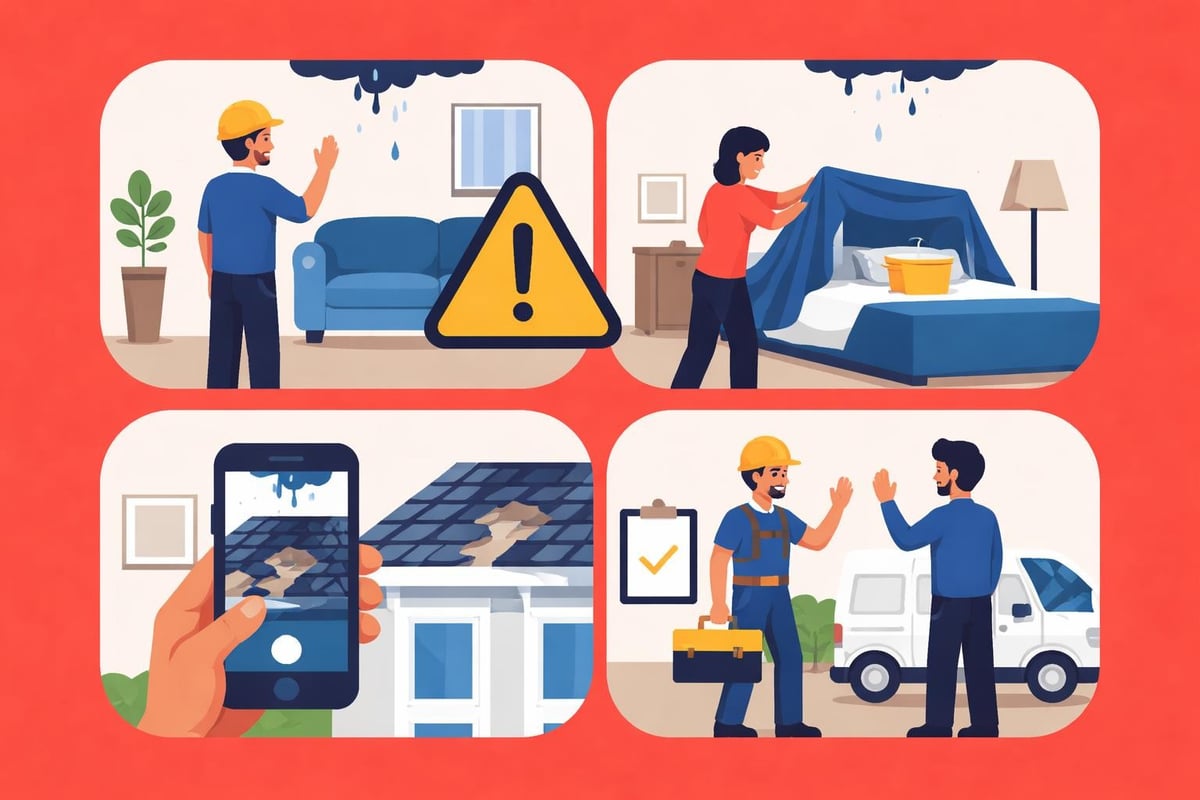
Interior protection focuses on minimizing water damage to belongings and structures. Move furniture and valuables away from leak areas, place containers to catch dripping water, and use towels or tarps to protect flooring. If water contacts electrical fixtures or outlets, shut off power to affected circuits at your breaker panel.
Document everything with photographs and videos showing damage progression. This evidence supports insurance claims and helps contractors understand conditions before arrival. Note the time damage occurred and any relevant weather events or other causes.
Temporary Mitigation Steps
Emergency roof repair tips emphasize safe, temporary measures property owners can implement while waiting for professionals. From inside your attic (if safely accessible), locate leak sources and mark them for contractors. Place buckets or containers to catch water and reduce ceiling damage.
If you can safely access your roof from ground level or through windows, removing debris near leak areas sometimes provides temporary relief. However, never climb onto damaged roofs or work in dangerous conditions. Professional contractors have safety equipment and experience for hazardous situations.
For commercial property managers, additional considerations include protecting inventory, maintaining business operations where possible, and notifying tenants or employees about affected areas. Facilities management approaches to emergency repairs emphasize safety protocols and clear communication.
Regional Considerations for Joliet Area Properties
Climate and weather patterns in the Joliet area create specific challenges for roofing systems. Understanding these regional factors helps property owners anticipate potential problems and recognize when same day roof repair becomes necessary.
Weather-Related Challenges
Severe thunderstorms during spring and summer months bring high winds, hail, and heavy rainfall that test roofing systems. Wind gusts exceeding 60 mph can lift shingles, while hail damages materials and creates penetration points for water intrusion.
Winter conditions in northern Illinois create unique stresses on roofing systems. Ice dams form when heat escaping through roofs melts snow, which refreezes at eaves and creates backup under shingles. Heavy snow loads stress structural components, particularly on flat or low-slope commercial roofs.
Temperature fluctuations between seasons cause expansion and contraction cycles that fatigue roofing materials over time. These stresses make proper installation and maintenance critical for longevity. Understanding how materials perform in Midwest winters helps property owners make informed decisions about repairs and replacements.
Local Building Codes and Requirements
Joliet area building codes establish minimum standards for roofing repairs and replacements. Permits may be required for certain repair scopes, even in emergency situations. Professional contractors familiar with local regulations ensure compliance and help property owners navigate bureaucratic requirements.
Working with local roofing contractors who understand regional requirements, maintain relationships with local inspectors, and stock appropriate materials for common repair situations provides significant advantages during emergencies. Their familiarity with Joliet-area property types and common issues enables faster, more effective responses.
Making the Most of Your Emergency Repair
When facing roof emergencies, strategic thinking and proper communication with contractors maximize repair effectiveness and long-term value. Understanding what to expect and how to work with professionals creates better outcomes.
Communication with Your Contractor
Clear, detailed communication helps contractors understand your situation and respond appropriately. When calling for emergency service, provide specific information about damage location, visible problems, whether active leaking is occurring, and any safety concerns like downed power lines or structural instability.
Ask contractors about their emergency service procedures, including estimated arrival times, crew composition, and materials they'll bring. Understanding their process reduces anxiety and helps you prepare your property for their arrival.
During repairs, maintain open dialogue about discovered issues beyond initial damage. Contractors often find related problems requiring attention, and understanding these findings helps you make informed decisions about addressing them immediately or scheduling future work.
Long-Term Planning
Emergency repairs often reveal underlying issues or aging systems nearing replacement. Professional contractors provide honest assessments about whether repairs make sense or if replacement offers better long-term value. When significant portions of your roof show deterioration, investing in comprehensive replacement may cost less than repeated emergency interventions.
For residential roofing systems, discuss expected remaining lifespan after repairs. Understanding when replacement becomes necessary allows you to plan financially and avoid future surprises. Many contractors offer financing options or phased approaches for major work.
Warranty protection represents another critical consideration. Quality repairs should include warranties covering both materials and workmanship. Understand warranty terms, duration, and what actions (like DIY repairs) might void coverage. Maintaining relationships with contractors who honor warranties provides security for your investment.
Same day roof repair services provide essential protection when emergencies threaten your property, combining rapid response with professional expertise to minimize damage and restore security. By understanding when you need emergency service, what the repair process involves, and how to choose qualified contractors, you can navigate urgent situations confidently and protect your investment effectively. Great Roofing brings decades of family-owned expertise to emergency situations throughout the Joliet area, maintaining dedicated crews and materials for rapid response when you need it most. Contact our team 24/7 for emergency roofing services that protect your property and provide lasting peace of mind.