


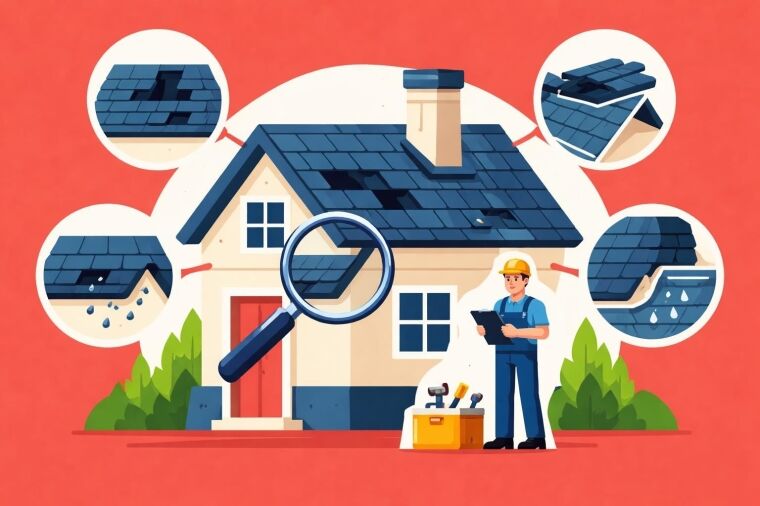
Your roof protects your home from the elements, and asphalt shingles remain the most popular roofing material across America. Over time, even the most durable shingle systems develop problems that require attention. Understanding when and how to address shingle damage can prevent minor issues from escalating into expensive structural problems. This comprehensive guide examines the repair process, from initial damage assessment through professional intervention, helping you make informed decisions about maintaining your home's first line of defense against weather.
Understanding Common Shingle Roof Damage
Asphalt shingles face constant assault from weather, temperature fluctuations, and environmental factors. Missing shingles represent the most visible form of damage, typically caused by high winds or improper installation. When adhesive strips fail or nails loosen, individual shingles can lift and eventually tear away completely.
Curling and cupping occur as shingles age and lose their flexibility. Curling happens when shingle edges turn upward, while cupping creates a concave appearance in the center. Both conditions expose your roof to water infiltration and indicate that shingles have passed their prime performance years.

Granule loss deserves particular attention because these small, sand-like particles protect the asphalt layer from UV radiation. Excessive granules in gutters signal advanced shingle aging. According to professional roofing industry standards, understanding these deterioration patterns helps contractors develop appropriate repair strategies.
Identifying Structural Concerns
Beyond surface-level shingle problems, structural issues demand immediate intervention:
- Sagging deck areas indicating water damage to underlying plywood
- Daylight visible through roof boards from inside the attic
- Water stains on ceiling or walls suggesting active leaks
- Damaged flashing around chimneys, vents, and valleys
The American Society of Home Inspectors recommends biannual roof inspections to catch problems early. Spring and fall assessments allow homeowners to address damage before severe weather seasons arrive.
When to Repair Versus Replace
Determining whether shingle roof repair makes financial sense requires evaluating several factors. Age stands as the primary consideration. Most asphalt shingles last 20-30 years depending on quality and environmental exposure. Repairs make sense for roofs in their first two-thirds of expected lifespan.
Extent of damage directly influences the repair-versus-replace decision. Localized damage affecting less than 30% of the roof typically warrants targeted repairs. Widespread deterioration across multiple roof planes suggests replacement provides better long-term value.
| Damage Type | Repair Territory | Replace Territory |
|---|---|---|
| Missing shingles | Under 20 shingles | Entire sections bare |
| Granule loss | Isolated areas | Widespread bare spots |
| Age | Under 15 years | Over 20 years |
| Leaks | 1-2 locations | Multiple active leaks |
Storm damage presents unique considerations. Hail can bruise shingles without creating immediately visible damage. Professional inspection becomes essential after severe weather events, as many homeowners discover problems only after subsequent leaks develop. Great Roofing's storm damage repair services include comprehensive assessments that insurance companies accept for claims processing.
Cost Analysis for Repair Decisions
Shingle roof repair costs vary based on damage severity, accessibility, and material matching requirements. Minor repairs addressing a few damaged shingles typically cost several hundred dollars. Extensive repairs involving multiple roof sections, flashing replacement, or deck repairs can reach several thousand dollars.
Compare repair costs against replacement value. If repairs exceed 40% of full replacement cost, replacement usually provides better value. Consider also that multiple repair sessions over consecutive years often total more than a single replacement would have cost.
DIY Assessment and Safety Considerations
Homeowners can conduct preliminary assessments from ground level using binoculars. Look for obvious missing shingles, significant granule accumulation in gutters, or visible sagging. Never attempt roof access without proper safety equipment and experience.
Professional assessment remains crucial for several reasons:
- Hidden damage beneath surface shingles escapes untrained observation
- Safety risks increase dramatically on steep or wet surfaces
- Insurance documentation requires professional inspection reports
- Warranty concerns arise when unlicensed individuals perform work
Walking on shingle roofs can cause additional damage, particularly in cold weather when shingles become brittle. Professionals know proper foot placement and use appropriate equipment to minimize impact on existing materials.
For those pursuing summer roof maintenance, visual inspections from safe vantage points help identify problems before they worsen. Attic inspections reveal water stains or daylight penetration that signal exterior problems requiring professional attention.
Professional Repair Techniques and Materials
Licensed contractors follow systematic approaches to shingle roof repair that ensure lasting results. The NRCA’s repair manual for asphalt shingle systems provides industry-standard procedures for over thirty common repair scenarios, establishing best practices that quality contractors implement.
Shingle Replacement Methods
Individual shingle replacement begins with careful removal of damaged pieces. Professionals lift surrounding shingles to access nails without causing additional damage. New shingles must match existing materials in color, style, and dimensional specifications. Proper nailing patterns and adhesive application ensure replacement shingles perform identically to originals.
Section repairs address larger damaged areas by removing and replacing multiple courses. This approach maintains proper shingle overlap patterns and ensures water-shedding capabilities. Contractors extend repairs beyond visible damage to include potentially compromised adjacent shingles.
Flashing repairs often accompany shingle replacement around penetrations and valleys. Deteriorated flashing allows water infiltration regardless of shingle condition. Professional repairs include:
- Removing shingles around flashing areas
- Installing new step flashing or counter flashing
- Properly integrating flashing with surrounding shingles
- Sealing all joints with appropriate roofing cement
Material Selection for Repairs
Matching existing shingle specifications ensures repairs blend seamlessly with surrounding roof areas. Factors include manufacturer, product line, color, and style. Even slight variations create visible patches that diminish curb appeal.
Discontinued shingle lines present challenges. Contractors maintain relationships with suppliers who stock remnant materials or can source close matches. In cases where matching proves impossible, strategic repairs use complementary colors in less visible roof areas.
Quality repairs demand premium materials beyond just shingles. Underlayment, ice and water shield, roofing nails, and sealants all contribute to repair longevity. Contractors affiliated with manufacturers often access warranties that cover both materials and workmanship.
Weather Considerations and Timing
Temperature and weather conditions significantly impact shingle roof repair quality. Optimal temperature ranges fall between 50°F and 85°F. Shingles become brittle in cold weather, making them prone to cracking during handling. Extreme heat softens shingles, causing damage from foot traffic and making proper adhesion difficult to achieve.
Rain obviously prevents repair work, but humidity levels matter too. High moisture content in roof decking can trap water beneath new shingles, leading to rot and premature failure. Contractors assess moisture levels before proceeding with repairs.
Seasonal Repair Strategies
| Season | Advantages | Challenges | Best Practices |
|---|---|---|---|
| Spring | Moderate temps, dry conditions | Scheduling competition | Book early, avoid rainy periods |
| Summer | Long working days, consistent weather | Heat stress, thermal sealing issues | Morning work, heat considerations |
| Fall | Ideal temperatures, urgent repairs | Shorter days, leaf cleanup | Priority scheduling before winter |
| Winter | Availability, urgent leak repairs | Cold brittleness, limited adhesion | Emergency only, temporary solutions |
Emergency repairs during unfavorable weather focus on temporary weatherproofing rather than permanent solutions. Tarping, temporary sealing, and emergency patching prevent additional interior damage until proper repairs become feasible.
Great Roofing's residential roofing services include emergency response capabilities for homeowners facing active leaks or storm damage requiring immediate attention.
Preventive Maintenance to Minimize Repairs
Proactive maintenance extends shingle roof lifespan and reduces repair frequency. Regular cleaning removes debris that traps moisture against shingles. Accumulated leaves, pine needles, and organic matter create environments where algae and moss thrive, accelerating shingle deterioration.
Trim overhanging branches to prevent physical damage from falling limbs and reduce shade that promotes biological growth. Branches scraping across shingles during windy conditions abrade protective granules, shortening shingle lifespan significantly.
Gutter maintenance protects roof edges and prevents water backup. Clogged gutters allow water to pool along roof edges, potentially causing ice dams in winter and rot in warmer months. Clean gutters twice yearly, more frequently with nearby trees.
Professional Inspection Schedules
Even well-maintained roofs benefit from professional inspections every three to five years. Contractors identify developing problems before they cause leaks or structural damage. Inspection services typically include:
- Complete surface examination for damaged, missing, or deteriorating shingles
- Flashing assessment around all penetrations and transitions
- Ventilation evaluation to ensure proper attic airflow
- Structural review for sagging, deck damage, or other concerns
- Photographic documentation of current conditions
Many contractors, including Great Roofing, offer complimentary inspections that help homeowners understand their roof's current condition and anticipated maintenance requirements.
Working with Professional Contractors
Selecting qualified contractors ensures repairs meet industry standards and provide lasting value. Licensing and insurance represent non-negotiable requirements. Licensed contractors maintain bonds and liability coverage protecting homeowners from financial risk if accidents or property damage occur during repairs.
References and reviews provide insight into contractor reliability and work quality. Request recent project examples similar to your repair needs. Online reviews offer unfiltered customer perspectives, though balanced evaluation considers both positive and negative feedback patterns.
Detailed written estimates should specify materials, labor, timeline, and payment terms. Vague proposals create opportunities for disputes and unexpected costs. Quality contractors provide itemized breakdowns explaining each aspect of proposed work.
Questions to Ask Potential Contractors
Before hiring a contractor for shingle roof repair, gather essential information:
- How long have you specialized in residential roofing?
- What manufacturer certifications do you maintain?
- Can you provide recent references from similar projects?
- What warranty coverage applies to materials and workmanship?
- How do you handle unexpected discoveries during repairs?
- What insurance coverage protects my property during work?
Manufacturer certifications indicate contractors meet specific training and quality standards. Certified contractors often access extended warranty programs unavailable through non-certified installers.
Understanding Warranties and Guarantees
Shingle roof repair warranties typically include both material warranties from manufacturers and workmanship warranties from contractors. Material warranties cover manufacturing defects but exclude damage from improper installation or external factors. Standard manufacturer warranties range from 20 to 50 years, with prorated coverage after initial periods.
Workmanship warranties guarantee proper installation and typically span one to ten years depending on contractor and project scope. These warranties cover installation errors, improper techniques, and related failures. Read warranty terms carefully, understanding exclusions and maintenance requirements that might void coverage.
Transferability matters for homeowners planning to sell properties. Some warranties transfer to subsequent owners, adding value during real estate transactions. Others remain specific to original homeowners and provide no benefit to buyers.
Maintaining warranty coverage requires proper maintenance and using authorized contractors for subsequent work. Document all inspections, maintenance activities, and repairs. This documentation proves compliance with warranty terms if claims become necessary.
Protecting your home starts with maintaining its most critical component: the roof. Regular inspections, prompt attention to damage, and professional shingle roof repair ensure your investment remains secure for decades. When repair needs arise, working with experienced contractors who understand proper techniques and quality materials makes the difference between temporary fixes and lasting solutions. Great Roofing brings three generations of roofing expertise to every project throughout the Joliet area, delivering the quality repairs and honest service your home deserves.