


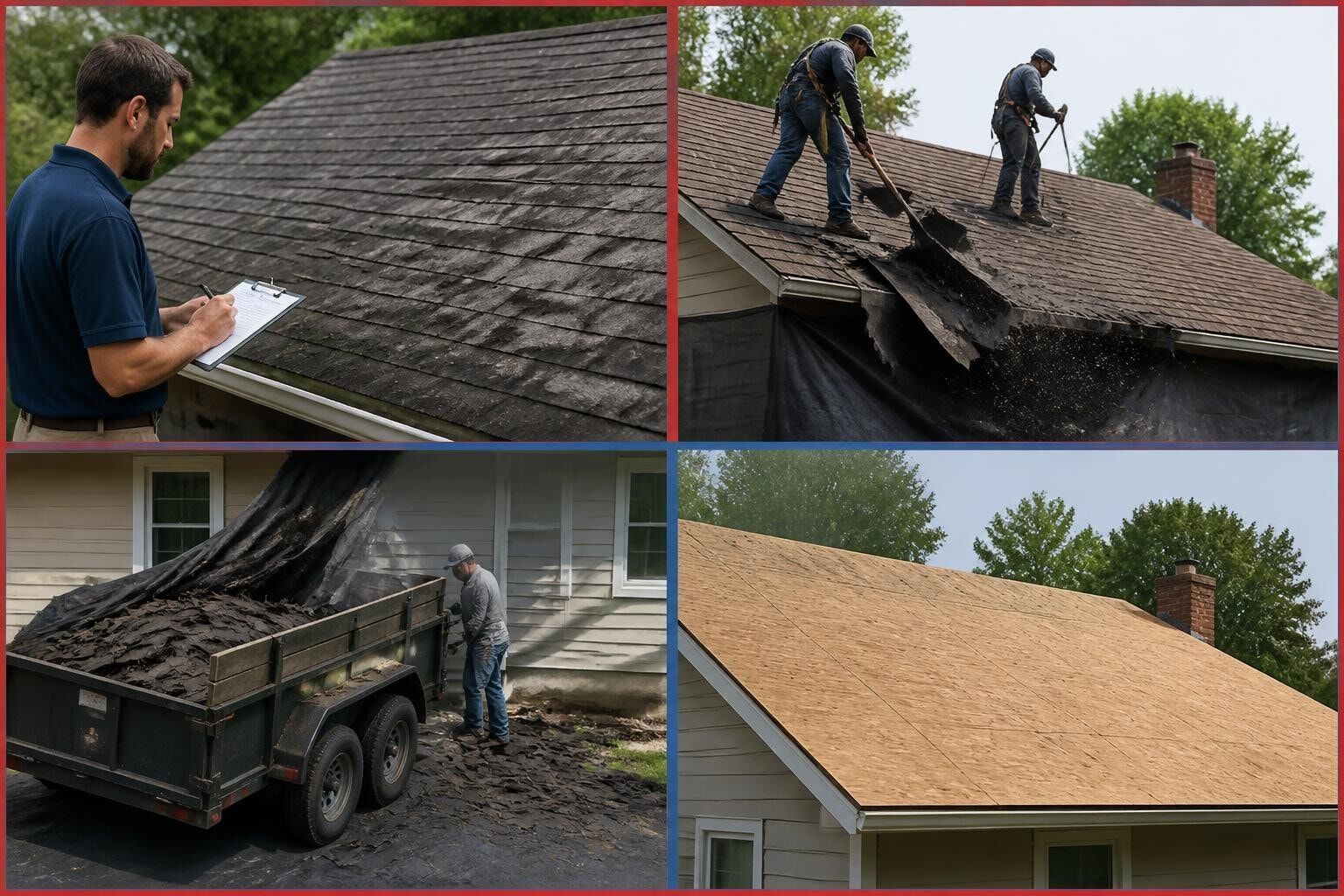
Removing an old asphalt shingle roof is one of the most critical phases of any residential roofing replacement project. Whether your roof has reached the end of its lifespan, suffered storm damage, or you're simply upgrading to more durable materials, understanding the shingle roof tear off process helps homeowners make informed decisions about their investment. This comprehensive guide walks you through every aspect of roof removal, from initial planning and cost considerations to disposal methods and safety protocols that professional contractors follow to ensure a successful project outcome.
Understanding When a Shingle Roof Tear Off Becomes Necessary
Most asphalt shingle roofs last between 15 and 30 years depending on material quality, climate conditions, and maintenance history. Several clear indicators signal when it's time to consider a complete removal rather than simple repairs.
Signs Your Roof Needs Complete Removal
Visible damage is the most obvious indicator that a shingle roof tear off may be necessary. Curling, cracking, or missing shingles across large sections of your roof indicate that the protective layer has failed. When you notice granules accumulating in gutters or downspouts, the shingles have likely deteriorated beyond their functional life.
Multiple layers of existing shingles create additional problems. Many older homes have two or even three layers of roofing material, which adds excessive weight to the structure and makes proper inspection of the deck impossible. Building codes in most jurisdictions now limit roofing to two layers maximum, and professional roofing contractors typically recommend complete removal to ensure a proper installation.
- Widespread water damage or leaks in multiple locations
- Sagging roof deck indicating structural issues
- Age exceeding manufacturer's warranty period
- Failed previous repair attempts
- Presence of moss, algae, or biological growth

Building Code and Permit Requirements
Local building departments require permits for roof replacement projects in most areas. The permitting process ensures that the work meets current code standards and includes proper inspections. When planning your shingle roof tear off, factor in permit costs ranging from $150 to $500 depending on your municipality and project scope.
Code requirements often dictate specific procedures for tear-off work, particularly regarding waste disposal, worker safety, and environmental protection. Properties built before 1978 may require additional testing for lead-based paint, which falls under EPA regulations for renovation and repair projects. Compliance with these regulations protects both workers and homeowners from hazardous material exposure.
The Complete Shingle Roof Tear Off Process
Professional contractors follow a systematic approach to roof removal that minimizes property damage, ensures worker safety, and prepares the deck for new installation. Understanding this process helps homeowners recognize quality workmanship and set realistic expectations.
Preparation and Protection Measures
Before any shingles come off, experienced crews take extensive steps to protect your property. Tarps cover landscaping, air conditioning units, and other vulnerable features around the house perimeter. Magnetic sweepers collect nails and metal debris from driveways and yards.
Interior preparation matters equally. Contractors advise homeowners to remove valuable items from attics and take pictures off walls, as the vibration from tear-off work can dislodge hanging objects. Vehicles should be moved from the driveway and garage to prevent damage from falling debris.
Safety equipment deployment includes roof brackets, harnesses, and edge protection systems. Professional crews follow OSHA guidelines for fall protection, which become mandatory on roofs with pitches exceeding certain angles or heights above 6 feet.
Systematic Shingle Removal Techniques
The actual removal begins at the roof peak and works downward in sections. Workers use specialized tools including roofing shovels, tear-off forks, and pry bars designed specifically for efficient shingle removal. This top-down approach prevents water infiltration if weather delays occur mid-project.
| Removal Method | Best For | Efficiency | Deck Preservation |
|---|---|---|---|
| Hand Tools | Small areas, repairs | Moderate | Excellent |
| Power Tools | Large commercial jobs | High | Good with care |
| Combination Approach | Most residential projects | High | Excellent |
Experienced crews remove not just the shingles but all underlayment, felt paper, and fasteners down to the bare deck. This complete shingle roof tear off reveals the true condition of the wooden substrate and allows for necessary repairs before new materials go down. According to NRCA roofing guidelines, thorough deck inspection at this stage prevents future problems that could compromise the new roof system.
Deck Inspection and Repair
Once the old materials are removed, contractors conduct a comprehensive deck assessment. They look for rotted or damaged plywood, missing or broken rafters, and improper spacing or ventilation issues. This critical inspection phase determines what repairs are needed before proceeding.
Common deck repairs include:
- Replacing damaged or rotted plywood sheets
- Reinforcing or replacing broken rafters
- Installing additional blocking for proper ventilation
- Correcting previous installation errors
- Upgrading deck thickness to meet current codes
These repairs add to project costs but prove essential for long-term roof performance. Understanding roofing construction standards helps homeowners appreciate why deck integrity cannot be compromised even when it increases the budget.
Cost Factors and Budget Planning
A shingle roof tear off represents a significant portion of total replacement costs, typically accounting for 20-25% of the project budget. Several variables influence final pricing, making accurate estimates dependent on property-specific factors.
Labor and Disposal Expenses
Labor costs vary by region, roof complexity, and crew experience. In the Joliet area and throughout Illinois, expect tear-off labor to range from $1.00 to $1.50 per square foot for standard single-layer removal. Multiple layers, steep pitches, or difficult access increase these rates significantly.
Disposal fees represent another major expense category. A typical residential roof generates 2-3 tons of waste material. Landfill tipping fees vary by location, generally ranging from $50 to $100 per ton. Some contractors include disposal in their quoted price, while others itemize it separately.
The roofing industry has made strides in recycling tear-off materials. The Federal Highway Administration’s reclaimed asphalt shingles program details how old shingles can be processed for use in asphalt pavement, reducing landfill burden and sometimes lowering disposal costs.
Additional Cost Considerations
Beyond basic removal and disposal, several factors affect total project investment:
- Roof complexity: Multiple valleys, chimneys, skylights, and dormers increase labor time
- Accessibility: Second or third-story homes require additional safety equipment
- Deck repairs: Unexpected rot or damage discovered during tear-off
- Permit fees: Local government requirements for inspections and approvals
- Dumpster rental: On-site waste containers for efficient debris management
Homeowners should budget an additional 10-15% contingency for unexpected repairs discovered during the shingle roof tear off. Properties with storm damage often reveal hidden issues once old materials are removed, making this reserve essential for project completion without delays.
Safety Protocols and Risk Management
Roof work ranks among the most dangerous construction activities, with falls representing the leading cause of contractor injuries. Professional companies implement comprehensive safety programs that protect workers and minimize liability for property owners.
Worker Protection Standards
OSHA mandates specific fall protection measures for roofing work. These include personal fall arrest systems, guardrail systems, or safety net systems depending on roof configuration and height. Contractors must provide proper training and ensure all workers use assigned personal protective equipment.
Beyond fall protection, shingle roof tear off creates other hazards including:
- Flying debris from power tool use
- Heat exhaustion during summer projects
- Electrical hazards near service masts and power lines
- Respiratory issues from dust and particulates
- Nail puncture wounds from exposed fasteners
Professional crews wear hard hats, safety glasses, gloves, and non-slip footwear as standard equipment. Some situations require respirators, especially when working on roofs potentially containing asbestos materials in older homes.
Property Protection Strategies
Reputable contractors carry comprehensive liability insurance and workers' compensation coverage. Before signing any contract, homeowners should verify these protections and request certificates of insurance. This documentation proves coverage and protects you from liability if accidents occur.
Ground-level safety matters as much as roof-level protection. Professional crews establish clear work zones around the property perimeter, preventing children, pets, and unauthorized individuals from entering dangerous areas where falling materials could cause injury.
For homeowners considering whether to attempt DIY removal, the risks typically outweigh any cost savings. Professional roofing services provide expertise, proper equipment, and insurance protection that individual homeowners cannot match.
Environmental Considerations and Waste Management
Responsible disposal of roofing waste reflects growing environmental awareness in the construction industry. A typical shingle roof tear off generates substantial waste, making proper handling both an ecological and regulatory concern.
Recycling and Reclamation Options
Modern waste management extends beyond simply hauling materials to landfills. Many contractors now partner with facilities that process asphalt shingles for recycling. These materials find new life in road paving projects, where ground shingles supplement or replace virgin asphalt.
The recycling process offers multiple benefits:
- Reduces landfill burden and associated environmental impact
- Conserves natural resources by repurposing existing materials
- Sometimes lowers disposal costs compared to landfill fees
- Demonstrates environmental stewardship and corporate responsibility
- Meets LEED and green building certification requirements
However, not all tear-off materials qualify for recycling. Shingles contaminated with excessive nails, wood, or other debris may be rejected by processing facilities. Multi-layer tear-offs containing different shingle generations sometimes create separation challenges that make recycling economically unfeasible.
Hazardous Material Handling
Older homes present special disposal challenges. Properties built before the 1980s may contain asbestos in roofing felt, flashing, or shingle materials. Disturbing these materials without proper precautions creates serious health risks and potential legal violations.
When asbestos presence is suspected or confirmed, specialized abatement contractors must handle removal following strict regulatory protocols. These procedures significantly increase project costs but ensure compliance with environmental protection laws and worker safety standards.
Timing and Weather Considerations
Successful roof replacement depends heavily on favorable weather conditions. While the shingle roof tear off itself can proceed in various conditions, leaving the deck exposed creates vulnerability that contractors must carefully manage.
Optimal Season Selection
Spring and fall typically offer ideal conditions for roofing projects in the Midwest. Moderate temperatures between 45 and 85 degrees Fahrenheit provide comfortable working conditions and allow new materials to seal properly. Summer heat can make physical labor challenging, while winter cold prevents proper adhesive activation in new shingles.
Weather forecasting becomes critical during tear-off operations. Professional contractors monitor extended forecasts closely and maintain contingency plans for unexpected precipitation. Most aim to complete tear-off and weather-tight installation within a single day to minimize exposure risk.
| Season | Advantages | Challenges | Best Practices |
|---|---|---|---|
| Spring | Moderate temps, long days | Unpredictable rain | Flexible scheduling |
| Summer | Consistent weather | Extreme heat | Early morning starts |
| Fall | Ideal conditions | Shorter days | Efficient crews |
| Winter | Lower demand, better pricing | Cold, snow, ice | Limited to emergencies |
Weather Protection Measures
Even with careful planning, weather can turn unexpectedly. Professional crews carry heavy-duty tarps sized to cover entire roof sections if precipitation threatens. These emergency covers prevent water infiltration that could damage interior spaces or compromise deck integrity.
For multi-day projects, contractors often install temporary underlayment at the end of each work session. This approach provides overnight protection while maintaining project momentum. The practice proves especially important on complex roofs where complete tear-off and installation cannot reasonably occur in a single day.
Working with Professional Contractors
Selecting the right contractor makes the difference between a smooth project and a frustrating experience. The shingle roof tear off phase particularly reveals contractor competence, as it requires both technical skill and careful property protection.
Credentials and Qualifications
Verify that contractors hold proper licensing for your jurisdiction. Many states require specific roofing contractor licenses, and working with unlicensed operators creates legal and insurance complications. For contractors navigating licensing requirements, specialized services like RMO Construction Agency Inc help ensure compliance with local and state regulations.
Manufacturer certifications demonstrate additional expertise. Major shingle manufacturers operate certification programs that train contractors in proper installation techniques and provide extended warranty options. These programs typically include specific tear-off protocols that protect warranty coverage.
Request references from recent projects similar to yours. Speak with previous customers about crew professionalism, property protection, cleanup quality, and how the contractor handled unexpected issues. Online reviews provide additional perspective but should supplement rather than replace direct reference checks.
Contract Elements and Project Scope
A comprehensive written contract protects both parties and establishes clear expectations. For tear-off work, contracts should specify:
- Complete scope including number of layers to remove
- Debris disposal methods and responsibility
- Property protection measures
- Timeline and weather contingency plans
- Payment schedule tied to completion milestones
- Warranty coverage for workmanship
Understand what happens if deck damage exceeds initial estimates. Quality contractors conduct preliminary inspections and provide reasonable estimates, but hidden damage cannot always be predicted. Establish a change order process that requires written authorization before additional work proceeds.
Preparing Your Home and Property
Homeowners play an important role in project success. Proper preparation facilitates efficient work and minimizes disruption to daily life during the shingle roof tear off phase.
Interior Preparations
Clear attics of stored items or cover them with protective sheeting. The vibration and impact of tear-off work can shift boxes, damage fragile items, or create dust that settles on belongings. Remove wall hangings, especially heavy mirrors or frames, which may fall from vibration.
Alert household members about noise levels and timing. Roof tear-off creates significant noise that makes working from home or sleeping challenging. Plan around these disruptions by scheduling important calls or activities away from the house if possible.
Exterior Property Management
Trim tree branches that overhang the roof or might interfere with workers and equipment. Clear driveways and garage spaces to provide room for dumpsters and material deliveries. Move vehicles, outdoor furniture, grills, and decorative items away from the house perimeter.
Protect delicate landscaping with plywood sheets or heavy tarps. Despite careful work, some debris inevitably falls into planted areas. Professional crews take precautions, but homeowner preparation provides additional protection for valued plants and garden features.
Notify neighbors about the upcoming project, especially in closely-spaced developments where noise and activity affect surrounding properties. This courtesy maintains good relationships and allows neighbors to make their own preparations for the temporary disruption.
Insurance and Financial Considerations
Many roof replacements involve insurance claims, particularly when storm damage necessitates the work. Understanding how insurance companies evaluate tear-off costs helps homeowners maximize their claim settlements.
Insurance Claim Components
Most homeowner policies cover necessary roof replacement due to covered perils like wind, hail, or fire. The tear-off represents a line item in insurance estimates that adjusters calculate based on industry standard pricing. Understanding how insurance claims work for roofing helps homeowners advocate effectively during the claims process.
Depreciation factors affect claim payouts for older roofs. Insurance companies typically pay actual cash value initially, withholding depreciation until work completion. Recoverable depreciation reimburses this amount once you submit proof of completed repairs and paid invoices.
Some policies include code upgrade coverage that pays for improvements required to meet current building standards. This coverage can offset costs for deck repairs or enhanced materials that exceed basic replacement specifications.
Financing Options for Out-of-Pocket Expenses
When insurance doesn't cover the full cost or replacement isn't claim-related, financing helps manage the investment. Many contractors offer payment plans or work with third-party lenders specializing in home improvement loans. Understanding affordable roofing options helps budget-conscious homeowners proceed with necessary work.
Home equity lines of credit typically offer lower interest rates than personal loans or contractor financing. For significant projects, this approach may provide the most economical path to funding while preserving cash reserves for other needs.
Understanding the shingle roof tear off process empowers homeowners to make informed decisions about one of their property's most important systems. From recognizing when complete removal becomes necessary through selecting qualified contractors and managing project logistics, knowledge leads to better outcomes and fewer surprises. Great Roofing brings decades of family-owned expertise to every tear-off and replacement project in the Joliet area, combining technical skill with genuine care for your home and investment. Contact our team today to schedule a comprehensive roof inspection and receive a detailed estimate for your roofing project.