

Choosing the right shingles of roof for your home represents one of the most significant investments in your property's protection and appearance. The roofing industry has evolved considerably over recent decades, offering homeowners an extensive range of materials, styles, and performance characteristics. Whether you're planning a complete roof replacement or simply researching options for future needs, understanding the fundamentals of roof shingles empowers you to make informed decisions that align with your budget, aesthetic preferences, and long-term protection requirements.
Understanding the Fundamentals of Roof Shingles
Roof shingles serve as the first line of defense against weather elements while significantly contributing to your home's curb appeal and energy efficiency. The shingles of roof systems available today range from traditional three-tab asphalt options to premium architectural styles that mimic the appearance of natural materials.
Modern shingles provide multiple protective benefits:
- Waterproofing barrier against rain, snow, and ice
- UV radiation resistance to prevent heat transfer
- Wind uplift protection during severe weather events
- Fire resistance ratings for enhanced safety
- Algae and moss resistance in humid climates
The composition and manufacturing processes have advanced significantly, with manufacturers now incorporating advanced polymer technology, enhanced adhesive systems, and improved granule formulations. These innovations extend the lifespan of shingles while reducing maintenance requirements.
Material Composition and Construction
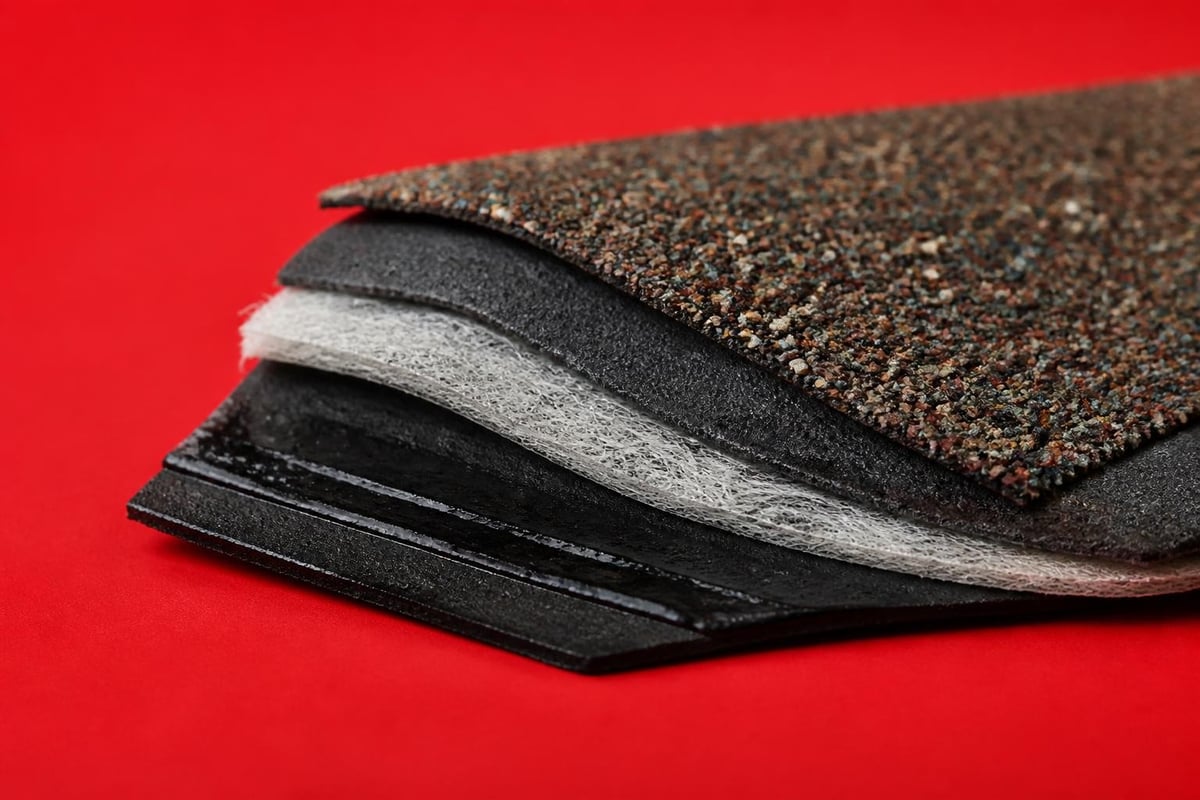
Today's shingles consist of multiple layers engineered to work together. The base mat provides structural integrity, while asphalt impregnation creates the waterproof barrier. Ceramic-coated granules protect against UV damage and add color, and adhesive strips create wind-resistant seals between shingle courses.
When evaluating different types of roof shingles, understanding these construction elements helps explain the performance differences between budget and premium options.
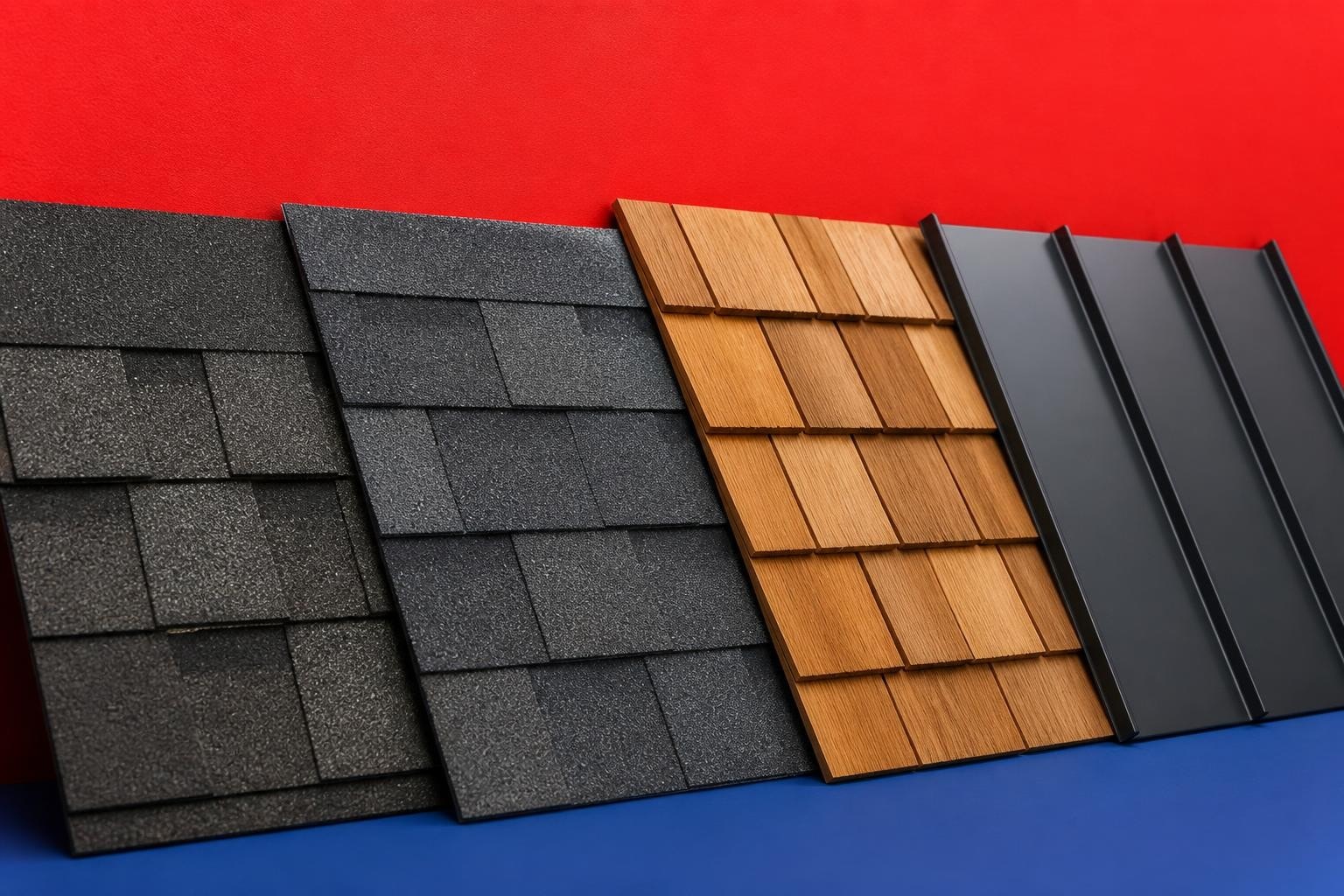
Popular Shingle Materials for Residential Roofing
The material selection process significantly impacts both immediate installation costs and long-term performance. Each type of shingle offers distinct advantages suited to different climate conditions, architectural styles, and budget parameters.
| Shingle Type | Average Lifespan | Cost Range | Best For |
|---|---|---|---|
| 3-Tab Asphalt | 15-20 years | $90-$150/square | Budget-conscious projects |
| Architectural Asphalt | 25-30 years | $150-$250/square | Most residential homes |
| Designer/Premium | 30-50 years | $250-$500/square | High-end aesthetics |
| Wood Shake | 30-40 years | $400-$700/square | Traditional architecture |
| Metal Shingles | 40-70 years | $500-$900/square | Longevity priority |
Asphalt Shingles Dominate the Market
Asphalt composition shingles represent approximately 80% of residential roofing installations across the United States. Their popularity stems from an optimal balance of affordability, performance, and aesthetic versatility. The cost of asphalt shingles varies based on quality tier, but even premium options remain competitively priced compared to alternative materials.
Three-tab shingles provide the most economical entry point. These flat, uniform shingles create a consistent pattern and meet basic protection requirements. However, architectural shingles have gained substantial market share due to their enhanced dimensional appearance and superior performance characteristics.
Architectural shingles feature a laminated construction with multiple layers creating shadow lines and texture. This dimensional quality produces a more upscale appearance resembling wood shake or slate. Performance advantages include improved wind resistance ratings (often 110-130 mph), enhanced impact resistance, and extended warranty coverage.
Premium and Specialty Options
Designer shingles push aesthetic boundaries while maintaining practical performance standards. These premium products replicate the appearance of luxury materials like slate tiles or cedar shakes at a fraction of the cost. They incorporate advanced color blending techniques and varied shingle sizes to create authentic visual depth.
Understanding various roof shingle materials helps homeowners appreciate the engineering behind these premium products. Metal shingles crafted from steel or aluminum offer exceptional longevity and fire resistance, while composite options combine recycled materials with polymer technology for sustainable performance.
Installation Considerations and Best Practices
Proper installation directly determines how long shingles of roof systems will protect your home. Even the highest-quality materials will underperform if installation shortcuts compromise the roof system's integrity.
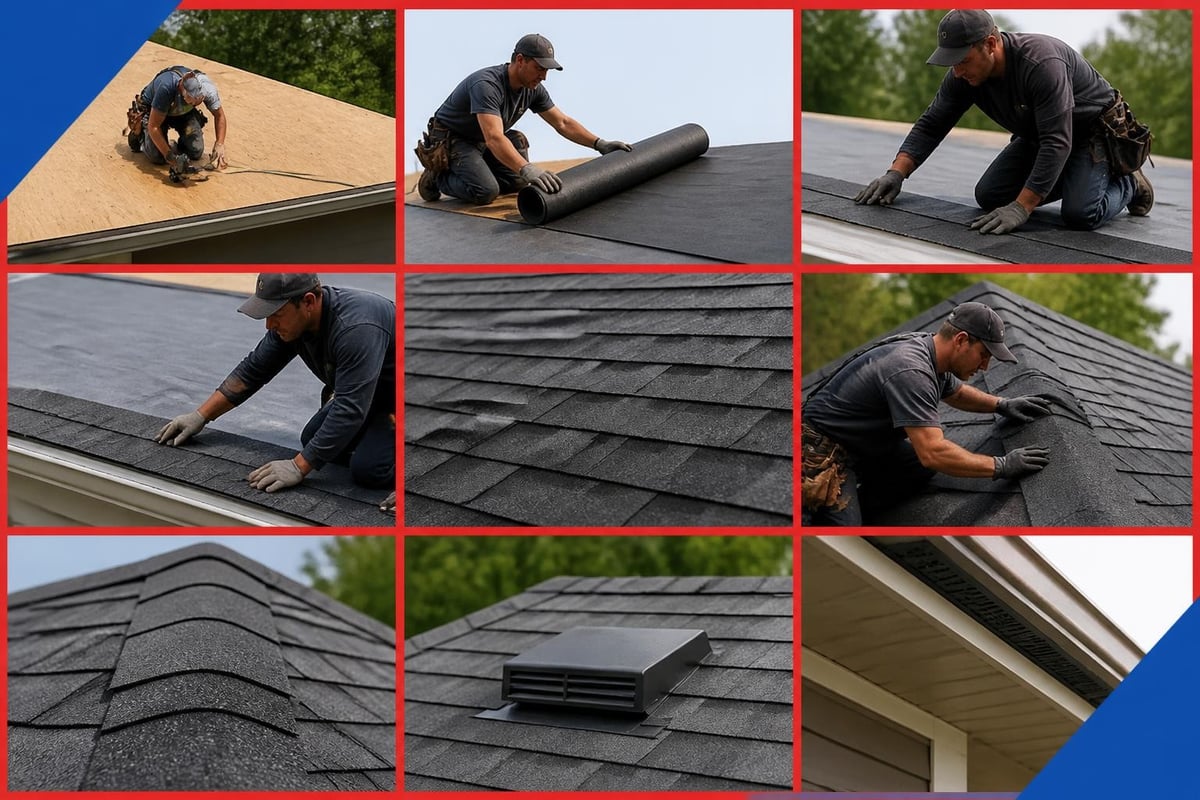
Critical installation factors include:
- Deck preparation and inspection – Identifying damaged sheathing before shingle application
- Underlayment selection – Choosing synthetic or felt based on climate and budget
- Starter strip installation – Preventing wind-driven rain infiltration at eaves
- Proper nail placement – Following manufacturer specifications for warranty compliance
- Valley treatment – Implementing appropriate techniques for water channeling
- Ridge ventilation integration – Ensuring adequate attic airflow
Professional shingle installation requires specialized knowledge of local building codes, manufacturer specifications, and weather-appropriate techniques. The Midwest climate presents particular challenges with temperature extremes, requiring installers to adjust adhesive application and installation timing.
Climate-Specific Installation Requirements
Joliet and surrounding Illinois communities experience significant temperature fluctuations throughout the year. Winter installations require special attention to shingle flexibility and adhesive activation, while summer heat demands different handling techniques to prevent damage during application.
Ice dam prevention represents a crucial consideration for northern climates. Installing ice and water shield membrane in vulnerable areas provides critical protection during freeze-thaw cycles. This self-adhering membrane creates a waterproof barrier that prevents meltwater infiltration when ice dams form along eaves.
Maintenance and Longevity Factors
The service life of shingles of roof systems depends significantly on maintenance practices and environmental exposure. While manufacturers provide warranty periods, actual performance varies based on numerous factors beyond material quality.
Regular Inspection Protocols
Homeowners should conduct visual inspections twice annually and after significant weather events. Key observation points include:
- Missing, cracked, or curling shingles
- Granule accumulation in gutters indicating wear
- Exposed nails or lifted edges
- Moss or algae growth patterns
- Flashing condition around penetrations
Early identification of minor issues prevents progression into major problems requiring extensive repairs. Professional roof inspections provide comprehensive assessments that identify subtle degradation invisible from ground level.
Storm damage frequently affects roof integrity. Understanding your coverage options and documentation requirements streamlines the storm damage insurance claim process when severe weather impacts your property.
| Maintenance Task | Frequency | Benefits |
|---|---|---|
| Gutter cleaning | Twice yearly | Prevents water backup |
| Professional inspection | Every 2-3 years | Identifies hidden issues |
| Moss/algae treatment | As needed | Prevents material degradation |
| Tree trimming | Annually | Reduces debris and damage |
| Attic ventilation check | Annually | Extends shingle lifespan |
Environmental Impact on Shingle Performance
UV radiation, thermal cycling, moisture exposure, and wind stress gradually degrade even the most durable shingles. Southern and western exposures typically show accelerated aging due to increased sun exposure. Adequate attic ventilation mitigates heat buildup that accelerates shingle deterioration from beneath.
Algae-resistant shingles incorporate copper or zinc granules that inhibit organism growth in humid environments. While these shingles resist discoloration longer than standard products, they eventually require treatment as the algae-fighting compounds deplete over time.
Comparing Performance Across Shingle Types
Selecting appropriate shingles requires evaluating performance criteria beyond initial cost. The comprehensive guide to roof shingle types offers detailed comparisons including wind ratings, impact resistance, and warranty coverage across manufacturers.
Wind Resistance Ratings
Asphalt shingle wind resistance classifications range from Class D (90 mph) through Class H (150 mph). Illinois experiences severe thunderstorms and occasional tornadoes, making wind resistance a practical consideration rather than theoretical specification.
Architectural shingles typically achieve higher wind ratings through their laminated construction and enhanced adhesive systems. The additional weight and interlocking design create superior uplift resistance compared to traditional three-tab products.
Impact Resistance Classifications
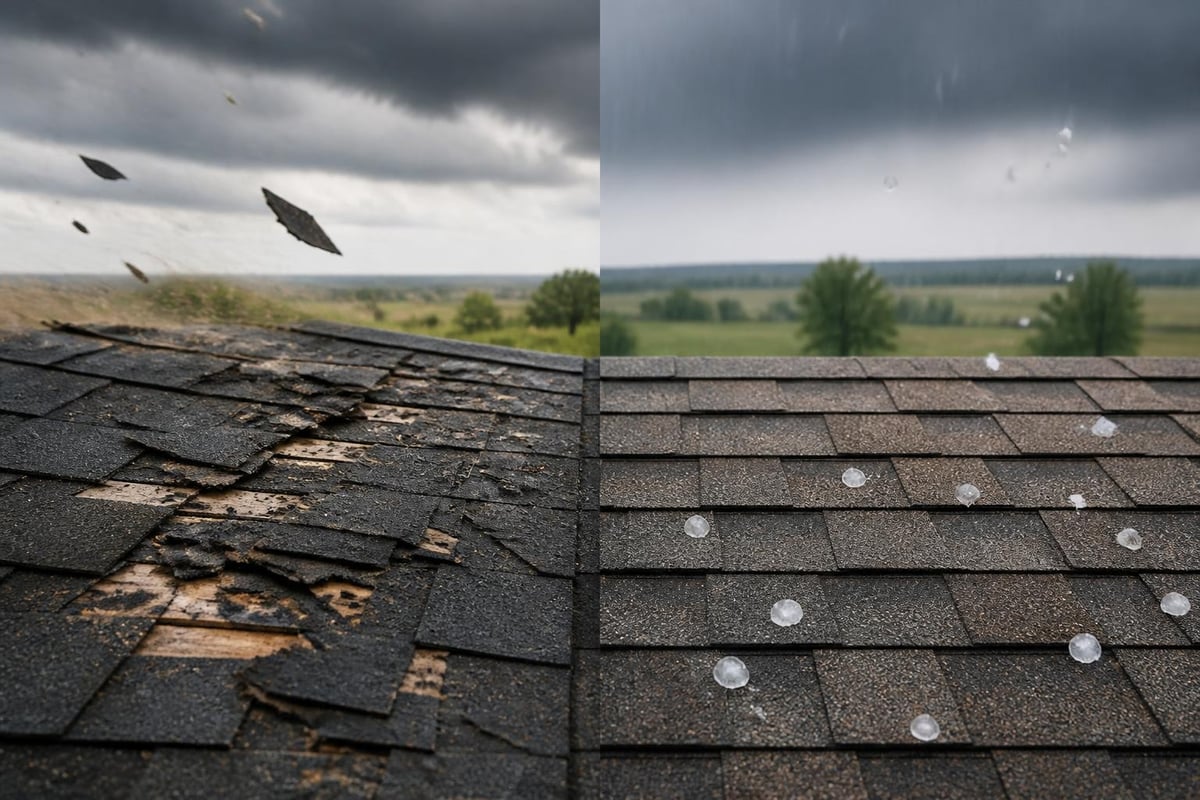
The UL 2218 standard classifies shingles into four impact resistance categories based on steel ball drop testing. Class 4 impact-rated shingles withstand hits from two-inch diameter steel balls without damage, providing superior hail protection.
Many insurance companies offer premium discounts for Class 4 impact-resistant roofing, partially offsetting the higher material cost. For homeowners in hail-prone areas, this represents both practical protection and financial benefit.
Color Selection and Aesthetic Considerations
The color and style of shingles of roof installations dramatically affect your home's exterior appearance and energy efficiency. Beyond personal preference, strategic color selection influences cooling costs and neighborhood conformity.
Practical color considerations include:
- Light colors reflect sunlight, reducing cooling loads in summer
- Dark colors absorb heat, potentially beneficial in northern climates
- Medium tones provide balanced thermal performance
- Multi-colored blends add visual depth and hide dirt accumulation
Architectural compatibility represents another crucial factor. Traditional colonial homes typically feature classic colors like charcoal, weathered wood, or estate gray. Contemporary designs often incorporate bolder choices or high-contrast combinations.
Energy Efficiency Through Reflective Technology
Cool roof technology incorporates specially formulated granules that reflect infrared radiation while maintaining desired colors. These advanced shingles reduce surface temperatures by 20-30 degrees compared to standard products, potentially lowering cooling costs by 10-15% during summer months.
Energy Star certified shingles meet specific solar reflectance and thermal emittance criteria. While primarily marketed for southern climates, research shows measurable benefits even in northern regions with significant summer heat.
Warranty Coverage and Manufacturer Support
Understanding warranty terms protects your investment and establishes realistic performance expectations. Shingle warranties typically include both material defect coverage and wind damage guarantees, each with specific limitations and exclusions.
Most manufacturers offer tiered warranty structures:
- Limited lifetime coverage on premium architectural lines (typically 50 years)
- 30-40 year coverage on mid-grade products
- 20-25 year coverage on economy options
The "limited" designation includes important restrictions. Coverage often diminishes over time, with full replacement only guaranteed during initial years. Subsequently, compensation follows depreciated value schedules reducing reimbursement as shingles age.
Installation Requirements for Warranty Validation
Manufacturers require specific installation practices for warranty activation. Common stipulations include certified installer requirements, proper ventilation standards, and approved underlayment products. Failure to meet these conditions may void coverage regardless of shingle quality.
Professional contractors maintain certification through ongoing training and demonstrated installation competency. Working with certified roofing specialists ensures installations meet manufacturer specifications while providing additional workmanship guarantees.
Cost Analysis and Budget Planning
Determining the total investment for new shingles of roof installations requires considering multiple expense categories beyond material costs. A comprehensive budget includes tear-off and disposal, deck repairs, underlayment upgrades, ventilation improvements, and waste factor calculations.
Average cost components for typical residential projects:
- Material costs: 30-40% of total project
- Labor: 40-50% of total project
- Disposal and permits: 5-10% of total project
- Accessories and upgrades: 5-10% of total project
Square footage directly impacts total cost, but roof complexity significantly affects labor requirements. Multiple valleys, dormers, skylights, and steep pitch increase installation difficulty and time requirements. Simple gable roofs with minimal penetrations optimize efficiency and minimize costs.
The best roof for your house balances upfront investment with long-term value, considering factors like expected ownership duration, resale implications, and regional weather patterns.
Long-Term Value Considerations
Premium shingles cost 50-100% more than economy options initially, but enhanced durability and extended warranties often justify the investment. A 50-year architectural shingle costing $250 per square delivers better lifetime value than a 20-year product at $120 per square requiring replacement within decades.
Energy-efficient shingles provide ongoing operational savings through reduced cooling costs. Cool roof products may qualify for energy efficiency tax credits or utility rebates, further improving return on investment calculations.
Regional Considerations for Illinois Homeowners
The Midwest climate presents unique challenges requiring specific shingle selection and installation approaches. Temperature extremes, severe thunderstorms, occasional tornadoes, and ice dam potential demand robust roofing systems engineered for variable conditions.
Winter temperatures frequently plunge below zero while summer heat exceeds 90 degrees, creating annual temperature swings spanning 120+ degrees. This thermal cycling stresses roofing materials through continuous expansion and contraction cycles.
Storm Preparedness and Damage Prevention
Severe weather represents the primary threat to residential roofing throughout Illinois. High winds, large hail, and heavy precipitation test shingle performance annually. Selecting impact-resistant products rated for high wind speeds provides crucial protection against these recurring threats.
Following significant storm events, professional inspection identifies compromised shingles before leaks develop. Timely storm damage repair services prevent minor damage from escalating into extensive interior water damage requiring costly remediation.
Local building codes reflect regional climate challenges, specifying minimum installation standards appropriate for expected weather conditions. Professional contractors familiar with these requirements ensure compliant installations that perform reliably throughout their service life.
Sustainability and Environmental Impact
Modern shingle manufacturing increasingly incorporates environmental considerations, from recycled content to end-of-life recyclability. While asphalt shingles traditionally faced criticism regarding sustainability, industry improvements have significantly reduced environmental impact.
Many manufacturers now produce shingles containing post-consumer recycled content, including reclaimed asphalt from tear-offs and recycled plastics. These products meet identical performance standards while diverting waste from landfills.
Sustainable roofing practices include:
- Utilizing recycled content shingles
- Participating in shingle recycling programs during tear-off
- Selecting long-lasting products reducing replacement frequency
- Choosing cool roof technology lowering energy consumption
- Maintaining proper ventilation extending material lifespan
Energy efficiency represents perhaps the most significant environmental consideration. Reflective shingles reduce urban heat island effects while lowering building energy consumption. Over a typical service life, energy savings from cool roof technology can offset the carbon footprint of shingle production and installation.
Selecting appropriate shingles of roof for your property requires balancing numerous factors from budget constraints to performance requirements and aesthetic preferences. Understanding available options, installation best practices, and maintenance requirements enables informed decisions protecting your home for decades. The family-owned team at Great Roofing brings extensive expertise in residential shingle systems throughout the Joliet area, offering professional guidance from material selection through expert installation and ongoing support. Contact us today to discuss how we can protect your most valuable investment with quality roofing solutions tailored to your specific needs.