


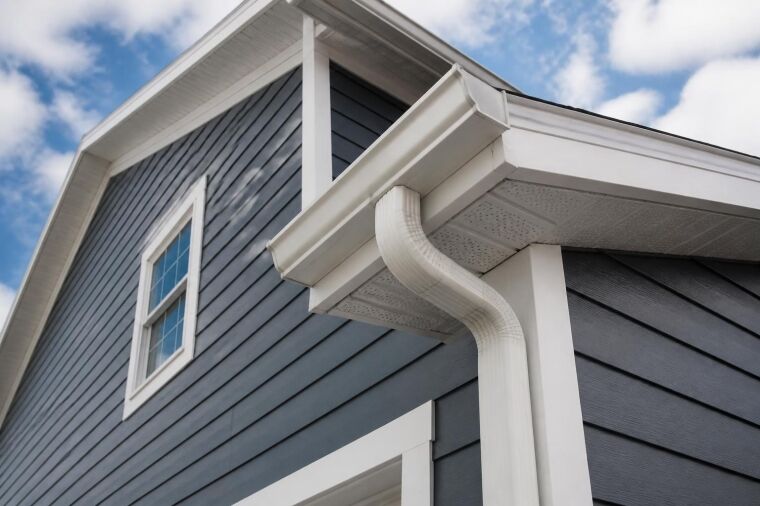
Your home's exterior protection relies on two critical systems working in harmony: the protective walls and the drainage network that channels water away from your foundation. Understanding how these components function together helps property owners make informed decisions about maintenance, repairs, and upgrades. Whether you manage a residential property in Joliet or oversee commercial facilities, these exterior systems deserve careful attention and strategic investment.
Why Siding and Gutters Matter for Building Protection
Siding and gutters form your property's first line of defense against weather, moisture, and environmental damage. The siding shields exterior walls from rain, wind, snow, and ultraviolet radiation while providing insulation and aesthetic appeal. Meanwhile, gutters collect runoff from your roof and direct it away from your foundation, preventing basement flooding, soil erosion, and structural damage.
When either system fails, the consequences cascade quickly. Compromised siding allows moisture penetration that leads to rot, mold growth, and insulation damage. Faulty gutters cause water to pool around foundations, creating hydrostatic pressure that cracks basement walls and damages landscaping. The average cost of foundation repairs ranges from $2,000 to $7,000, making preventive exterior maintenance a cost-effective investment.
The Connection Between Roofing and Exterior Systems
Your roof, siding, and gutters function as an integrated weather barrier. The NRCA roofing guidelines emphasize proper coordination between roof edges, fascia boards, and gutter installation to prevent water intrusion. When contractors install new siding without assessing gutter condition or roof edge details, gaps in protection emerge.
Professional contractors evaluate all three systems together. During a roof replacement project, experienced teams inspect siding condition and gutter functionality to identify potential weak points. This comprehensive approach ensures water management works seamlessly from roof surface to ground-level drainage.

Choosing the Right Siding Material
Material selection significantly impacts durability, maintenance requirements, and long-term costs. Consumer Reports’ siding buying guide evaluates popular options based on laboratory testing and real-world performance data.
Common Siding Options Compared
| Material | Lifespan | Maintenance | Cost per Sq Ft | Key Benefits |
|---|---|---|---|---|
| Vinyl | 20-40 years | Low | $3-$8 | Affordable, weather-resistant, color variety |
| Fiber Cement | 30-50 years | Moderate | $6-$12 | Fire-resistant, rot-proof, paintable |
| Wood | 20-40 years | High | $8-$20 | Natural beauty, customizable, eco-friendly |
| Metal | 40-70 years | Low | $7-$15 | Extremely durable, fire-proof, recyclable |
| Engineered Wood | 30-40 years | Moderate | $5-$10 | Wood appearance, better moisture resistance |
Vinyl siding dominates the residential market due to its affordability and minimal upkeep. Modern vinyl products resist fading, withstand temperature extremes, and require only occasional washing. However, fiber cement gains popularity among homeowners seeking superior fire resistance and paintability. This Old House’s material comparison provides practical insights into installation complexity and regional suitability for each option.
Energy Efficiency Considerations
Insulated siding products deliver measurable energy savings by reducing thermal bridging through wall studs. The Department of Energy’s research on insulated siding demonstrates how foam-backed panels create continuous insulation layers that minimize heat transfer. Properties in climates with extreme temperatures benefit most from these advanced products.
When evaluating siding and gutters together, consider how material choices affect water management. Dark siding absorbs more heat, potentially increasing ice dam formation in winter. Gutters must handle the resulting melt-water volume without overflowing. Coordinating these systems prevents seasonal drainage problems.
Gutter Systems: Types and Performance
Gutter selection depends on roof size, regional rainfall patterns, and architectural style. Standard residential gutters measure five inches wide, but properties with steep roofs or large surface areas require six-inch systems for adequate capacity.
Gutter Material Options
Aluminum gutters dominate residential installations due to their rust resistance, light weight, and affordability. Seamless aluminum sections reduce leak points and accommodate custom lengths for most homes. These systems typically last 20 to 25 years with proper maintenance.
Copper gutters offer exceptional durability and distinctive appearance, developing a natural patina over time. Premium properties and historic buildings favor copper for its 50-plus-year lifespan and architectural elegance. The material costs significantly more than aluminum but requires minimal maintenance.
Steel gutters provide superior strength for commercial applications and properties with heavy debris loads. Galvanized or stainless steel options resist damage from ladders, falling branches, and ice accumulation better than softer metals.
Gutter Guards and Protection Systems
Debris accumulation causes most gutter failures. Leaves, shingle granules, and organic material create clogs that force water over gutter edges, undermining the entire drainage system. Gutter guards reduce maintenance frequency and extend system lifespan.
Screen-style guards block large debris while allowing water flow. Mesh systems filter finer particles but require periodic cleaning. Reverse-curve designs use surface tension to guide water into gutters while shedding debris. Each approach offers distinct advantages depending on surrounding vegetation and roof configuration.
Installation Standards and Safety Requirements
Professional installation ensures siding and gutters perform as designed. Improper techniques void manufacturer warranties, create water intrusion pathways, and accelerate material deterioration.
Siding Installation Best Practices
Proper installation begins with moisture barriers and flashing details. House wrap creates a secondary weather barrier behind siding, allowing vapor transmission while blocking liquid water. Flashing around windows, doors, and penetrations prevents water from migrating behind siding panels.
The NAHB siding contractor safety program outlines essential protocols for material handling, fall protection, and jobsite organization. These standards protect workers and ensure quality results. Contractors working on pre-1978 properties must follow EPA lead safety requirements when disturbing painted surfaces.
Gutter Slope and Fastening
Gutters require precise slope for proper drainage. The standard specification calls for one-quarter inch of drop per ten feet of gutter run. Insufficient slope causes standing water that breeds mosquitoes and accelerates corrosion. Excessive slope creates fast-moving water that overshoots downspouts during heavy rain.
Fascia-mounted gutters demand secure fastening into rafter tails or blocking. Hangers spaced every 24 inches provide adequate support in most climates, but areas with heavy snow loads require closer spacing. Proper fastening prevents sagging that pools water and damages both gutters and fascia boards.
Maintenance Requirements and Inspection Schedules
Regular maintenance preserves system functionality and identifies problems before they escalate. Most property owners should inspect siding and gutters twice annually, typically in spring and fall.
Siding Inspection Checklist
- Check for cracks, warping, or loose panels that indicate moisture damage or installation problems
- Examine caulk and sealant around windows, doors, and trim for gaps or deterioration
- Look for water stains on interior walls that suggest siding penetration
- Inspect ventilation to ensure soffit vents remain clear of debris and paint
- Clean surfaces with appropriate products for your siding material
Vinyl siding requires gentle cleaning with soap and water or specialized vinyl cleaners. Pressure washers damage material when used at close range or with excessive pressure. Fiber cement tolerates more aggressive cleaning but benefits from periodic repainting to maintain moisture resistance.
Gutter Maintenance Tasks
| Season | Task | Frequency | Purpose |
|---|---|---|---|
| Spring | Clean debris, check slope | Annually | Prepare for rain season |
| Summer | Inspect fasteners, test flow | As needed | Identify storm damage |
| Fall | Remove leaves, flush system | Annually | Prevent winter ice dams |
| Winter | Monitor ice dams, check weight load | Monthly | Prevent structural damage |
Downspout extensions should direct water at least six feet from foundations. Properties on slopes may require longer extensions or underground drainage systems to prevent erosion. During inspections, verify that extensions remain properly positioned and connected.
When to Repair or Replace
Determining whether siding and gutters need repair or full replacement requires honest assessment of damage extent, system age, and cost-effectiveness.
Repair Scenarios
Minor siding damage from hail, falling branches, or impact typically qualifies for spot repairs. Contractors can replace individual vinyl panels, fiber cement boards, or wood sections without affecting adjacent areas. Color matching challenges arise with faded siding, but professional suppliers often stock discontinued colors or can custom-blend replacements.
Gutter repairs address localized problems like leaking seams, damaged sections, or failed hangers. Sealant repairs work for small holes and separated joints. Patches and section replacements handle physical damage without requiring complete system removal.
Replacement Indicators
Siding replacement becomes necessary when:
- Damage affects more than 30 percent of total surface area
- Moisture has penetrated wall cavities, causing structural rot
- Material has reached the end of its expected lifespan
- Energy bills increase due to compromised insulation
- Severe weather damage compromises weather resistance
Gutter replacement is warranted when:
- Rust or corrosion creates multiple leak points
- Fascia boards show rot from prolonged gutter failure
- Sagging cannot be corrected through re-hanging
- Capacity proves inadequate for roof size
- Entire system approaches 20-year service life
Storm Damage and Insurance Claims
Severe weather events damage both siding and gutters, often qualifying for insurance coverage when property owners document losses properly. The storm damage insurance claim process involves specific steps that maximize claim approval rates.
Documenting Weather Damage
Photograph all damage immediately after storms, capturing wide angles that show extent and close-ups revealing specific problems. Date-stamped images establish timelines that satisfy insurance adjusters. Record model numbers, colors, and installation dates for damaged materials to streamline replacement specifications.
Insurance policies typically cover sudden, weather-related damage but exclude gradual deterioration from deferred maintenance. Adjusters differentiate between hail dents and age-related wear, storm-blown panel damage and long-term moisture problems. Maintaining service records demonstrates responsible property care that supports legitimate claims.
Working with Contractors During Claims
Reputable contractors provide detailed estimates that itemize labor, materials, and scope of work. These documents help insurance companies understand repair requirements and associated costs. Some contractors offer assistance navigating the claims process, coordinating with adjusters to ensure comprehensive damage assessment.
Properties in flood-prone areas face additional considerations. HUD guidance on flood risk management outlines requirements for federally-backed mortgages, including drainage system adequacy and elevation standards. Upgrading siding and gutters during repairs may trigger compliance requirements that affect project scope and cost.
Commercial vs. Residential Considerations
Commercial properties demand more robust siding and gutters than typical residences due to larger surface areas, higher foot traffic, and stricter code requirements.
Commercial Siding Requirements
Commercial buildings often utilize metal panel systems, fiber cement boards, or architectural concrete that withstand heavy use and meet fire ratings. Multi-story structures require specialized installation equipment and coordination with other trades. Commercial repair projects integrate siding work with roofing modifications, ensuring weather barriers remain continuous across system transitions.
Box-style gutters and internal drainage systems handle the greater water volumes from large commercial roofs. These systems require precise engineering to prevent overflow during peak rainfall events. Certified products backed by ICC evaluation reports provide performance documentation that satisfies building officials and property insurers.
Code Compliance and Permitting
Commercial projects navigate complex code requirements covering fire resistance, accessibility, energy efficiency, and structural loading. Permits require sealed drawings from licensed professionals and inspections at multiple construction phases. Contractors specializing in commercial work maintain relationships with local building departments that streamline approval processes.
Residential projects face simpler requirements but still demand permits for siding replacement and gutter installation in most jurisdictions. Permit costs vary by location and project scope, typically ranging from $100 to $500. Working without required permits creates liability issues and complicates future property sales.
Selecting Qualified Contractors
Professional installation determines whether siding and gutters deliver decades of reliable service or require premature replacement. Vetting contractors carefully protects your investment and ensures quality results.
Contractor Qualifications to Verify
Legitimate contractors carry current liability insurance and workers' compensation coverage. Request certificates of insurance and verify policy status directly with insurance companies. This protection shields property owners from liability if workers suffer injuries or installation damages adjacent property.
Licensing requirements vary by state and municipality. Many jurisdictions require general contractor licenses, specialty siding licenses, or both. Confirm licenses remain active and check disciplinary records through state licensing boards. Membership in professional organizations like the National Association of Home Builders indicates commitment to industry standards.
Evaluating Proposals and Warranties
Quality proposals detail specific materials by manufacturer and model number, installation methods, timeline, and payment schedule. Vague estimates lacking specifics often lead to disputes over scope and change orders. Compare multiple proposals on equivalent specifications rather than lowest price alone.
Manufacturer warranties cover material defects while contractor workmanship warranties address installation problems. Standard material warranties range from 20 to 50 years depending on product grade. Workmanship warranties should extend at least five years, with ten years preferable. Transferable warranties add value for homeowners planning to sell within warranty periods.
Color Coordination and Curb Appeal
Siding and gutters significantly impact property appearance and market value. Thoughtful color selection enhances architectural features while complementing roofing and trim.
Design Principles for Exterior Color Schemes
Classic combinations pair neutral siding tones with contrasting trim colors. Light siding with dark trim creates crisp definition, while monochromatic schemes deliver subtle sophistication. Gutter color traditionally matches trim, creating visual continuity along rooflines.
Regional preferences influence color trends. Traditional neighborhoods may favor historically appropriate palettes, while contemporary developments embrace bold, modern combinations. Local roofing companies often maintain portfolios showing popular regional color combinations that guide decision-making.
Impact on Property Value
Updated siding and gutters deliver strong returns on investment, with national averages showing 75 to 85 percent cost recovery at resale. Premium materials and professional installation command higher returns than budget products or DIY work. Properties with dated or damaged exteriors sell slower and attract lower offers than comparable homes with updated facades.
Energy-efficient siding options appeal to environmentally-conscious buyers and may qualify for local incentives or rebates. Marketing properties with upgraded exterior systems emphasizes reduced maintenance, lower utility costs, and improved weather protection that justifies asking prices.
Protecting your property investment starts with reliable siding and gutters that work together to shield your building from weather and water damage. Whether you need repairs, replacements, or expert guidance on material selection, Great Roofing brings family-owned dedication and professional expertise to every project. Our team serves residential and commercial properties throughout Joliet with comprehensive exterior services that include roofing, siding, and integrated water management solutions. Contact us today for a detailed assessment of your property's exterior protection needs.