


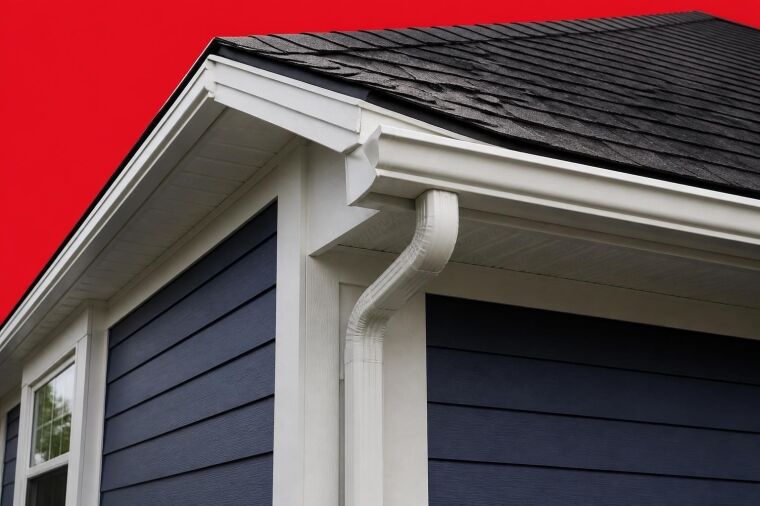
Your home's exterior protection system relies on three interconnected components working in harmony: your siding, roofing, and gutters. While homeowners often think of these elements separately, understanding how they function together is essential for maintaining structural integrity, preventing water damage, and maximizing your property investment. Whether you're planning a complete exterior renovation or addressing specific maintenance concerns, knowing how siding roofing gutters interact will help you make informed decisions that protect your home for decades to come.
Understanding the Integrated Exterior System
Your home's exterior isn't just about curb appeal. Each component serves a specific purpose in defending against the elements.
Roofing creates the primary barrier against rain, snow, and UV radiation. Modern roofing systems include multiple layers: decking, underlayment, and the visible surface material. For residential properties, asphalt shingles remain the most popular choice due to their balance of cost, durability, and aesthetic flexibility. Commercial buildings often utilize modified bitumen or TPO systems designed for low-slope applications.
Siding protects your walls from moisture intrusion, wind-driven rain, and impact damage. It also provides insulation value and defines your home's architectural character. According to Consumer Reports’ siding buying guide, vinyl, fiber cement, wood, and engineered wood each offer distinct advantages in terms of maintenance, longevity, and cost.
Gutters complete the protection triangle by managing roof runoff and directing water away from your foundation. Without properly functioning gutters, even the best roofing and siding systems will eventually fail due to moisture accumulation at critical junctures.

Why Integration Matters
The connection points between these three systems represent your home's most vulnerable areas. Where your roof meets your siding, water must transition smoothly from one surface to another. Where gutters attach to fascia boards, proper flashing and sealing prevent moisture from penetrating behind your siding.
Building Science Corporation’s research on rain control demonstrates that failures typically occur at transitions and penetrations rather than within the field of materials themselves. This makes coordinated planning essential when addressing siding roofing gutters on your property.
Roofing Systems: The First Line of Defense
Your roof takes the brunt of weather exposure. Understanding roofing materials and their lifecycle helps you plan maintenance and replacement strategically.
Residential Roofing Options
| Material | Average Lifespan | Best For | Maintenance Level |
|---|---|---|---|
| Asphalt Shingles | 20-30 years | Most climates, budget-conscious | Moderate |
| Architectural Shingles | 30-50 years | Enhanced durability, aesthetics | Low-Moderate |
| Metal Roofing | 40-70 years | Longevity, energy efficiency | Low |
| Clay/Concrete Tile | 50-100 years | Hot, dry climates | Low |
The NRCA’s roofing guidelines provide comprehensive standards for installation and maintenance. Following these industry best practices ensures your roof performs as designed throughout its expected lifespan.
For homeowners dealing with damage from severe weather, understanding when roof storm damage requires professional assessment versus simple repair is crucial. Wind, hail, and ice can compromise roofing integrity in ways that aren't immediately visible from the ground.
Ventilation and Its Impact
Proper attic ventilation directly affects your roofing system's performance and longevity. According to ENERGY STAR guidance on attic ventilation, inadequate ventilation leads to:
- Premature shingle deterioration from excessive heat
- Ice dam formation in cold climates
- Moisture accumulation promoting mold growth
- Increased cooling costs in summer months
When evaluating siding roofing gutters as a system, ventilation at the roof level influences moisture management throughout your home's exterior envelope.
Siding Selection and Installation
Your siding choice impacts aesthetics, maintenance requirements, and long-term durability. Modern siding systems incorporate rainscreen principles to manage moisture effectively.
Material Comparison
Vinyl siding offers the lowest maintenance requirements and comes in an extensive color palette. However, it can crack in extreme cold and fade over time in intense sun exposure.
Fiber cement siding provides excellent durability, fire resistance, and can replicate the appearance of wood. It requires repainting every 10-15 years but resists moisture, insects, and rot better than natural wood.
Wood siding delivers unmatched natural beauty but demands regular maintenance. Cedar and redwood offer natural rot resistance, making them preferred choices for traditional architectural styles.
Engineered wood combines wood fiber with binding resins to create a moisture-resistant alternative to natural wood. It offers better dimensional stability than solid wood while maintaining a natural appearance.
Moisture Management Behind Siding
The Building America Solution Center’s guide on exterior siding emphasizes that siding performance depends heavily on what's behind it. A complete wall assembly includes:
- Structural sheathing
- Weather-resistant barrier (house wrap)
- Drainage plane or rainscreen gap
- Siding material
The rainscreen approach creates a small air gap between the weather barrier and siding, allowing any moisture that penetrates the siding to drain downward and evaporate. Research from RDH’s rainscreen performance review shows this design significantly extends siding life and prevents moisture-related problems.
Lead-Safe Practices for Older Homes
If your home was built before 1978, exterior renovations involving siding roofing gutters may disturb lead-based paint. The EPA’s Renovate Right guidelines mandate specific work practices to protect occupants and workers from lead exposure. Contractors must be EPA-certified and follow containment, cleanup, and disposal procedures for any renovation affecting more than six square feet of painted surfaces.
Gutter Systems: Managing Water Flow
Gutters seem simple, but proper design and maintenance prevent thousands of dollars in foundation, basement, and landscape damage.
Gutter Sizing and Capacity
Standard residential gutters come in 5-inch and 6-inch widths. The appropriate size depends on:
- Roof square footage
- Roof pitch (steeper roofs concentrate water flow)
- Local rainfall intensity
- Number and placement of downspouts
A 1,500-square-foot roof with moderate pitch typically requires 5-inch gutters with downspouts every 40 feet. Larger homes or areas with intense rainfall events benefit from 6-inch systems.
Gutter Materials
| Material | Durability | Maintenance | Cost | Best Application |
|---|---|---|---|---|
| Aluminum | 20+ years | Low | $$ | Most residential |
| Copper | 50+ years | Very Low | $$$$ | Premium homes |
| Steel | 20-25 years | Moderate | $$$ | Heavy snow loads |
| Vinyl | 10-15 years | Moderate | $ | Budget projects |
Seamless gutters, formed on-site to exact measurements, eliminate most leak points found in sectional systems. The upfront cost premium pays dividends through reduced maintenance and longer lifespan.
Gutter Guards and Protection Systems
Gutter guards reduce cleaning frequency but don't eliminate maintenance entirely. Various designs include:
- Screen guards: Block large debris, require periodic cleaning
- Surface tension systems: Water adheres to curved surface while debris falls off
- Micro-mesh guards: Fine mesh blocks even small particles
- Foam inserts: Fill gutter trough, allowing water through while blocking debris
No system works perfectly in all conditions. Properties with heavy tree coverage may still require annual cleaning regardless of guard type installed.
Critical Intersection Points
Where siding roofing gutters meet, proper detailing prevents the most common failure modes.
Roof-to-Wall Transitions
Step flashing at roof-wall junctions creates a watertight seal between roofing and siding. Each shingle course receives an individual flashing piece that extends under the siding's weather barrier. This overlapping design ensures water flows downward without finding pathways into the wall assembly.
Continuous flashing would seem simpler but creates a single point of failure. The stepped approach follows the fundamental principle that water can only flow downhill, never uphill.
Gutter Attachment and Fascia Protection
Gutters attach to fascia boards that cap your roof's rafter tails. When fascia boards deteriorate from moisture exposure, gutter systems fail regardless of the gutter condition. Proper installation includes:
- Drip edge installed under roofing felt, extending over fascia
- Gutter hangers spaced no more than 24 inches apart
- Fascia protection flashing when installing new gutters on older homes
- Slight downward slope toward downspouts (1/4 inch per 10 feet)
Homeowners considering roof repair for asphalt shingles should simultaneously inspect gutter attachment points, as these systems age together and often require coordinated attention.
Maintenance Schedules for Exterior Systems
Proactive maintenance extends the life of all three components and prevents minor issues from becoming major expenses.
Annual Maintenance Tasks
Spring inspection (after winter weather):
- Check for loose or damaged shingles
- Inspect siding for cracks, warping, or separation
- Clean gutters and test downspout flow
- Verify caulking around windows and penetrations remains intact
Fall preparation (before winter):
- Final gutter cleaning before leaf drop completes
- Trim overhanging branches that could damage roofing or siding
- Inspect and clear soffit and ridge vents
- Check that gutters slope properly and haven't sagged
Professional Inspections
While homeowners can perform basic visual checks, professional evaluation every 3-5 years identifies problems before they're visible from the ground. Contractors have specialized knowledge to spot:
- Early signs of roofing material failure
- Moisture intrusion behind siding
- Inadequate ventilation affecting roof longevity
- Gutter capacity issues during heavy rainfall
Understanding cost factors for various exterior projects helps budget for both routine maintenance and eventual replacement of siding roofing gutters components.
Coordinating Replacement Projects
When multiple exterior components near the end of their service life, coordinated replacement offers significant advantages over piecemeal approaches.
Benefits of Integrated Projects
Cost efficiency: Contractors already have scaffolding, dumpsters, and crews on-site. Adding siding replacement to a roofing project typically costs 15-20% less than separate projects.
Aesthetic consistency: New roofing with 15-year-old faded siding creates visual discord. Coordinating replacements ensures color harmony and consistent material quality.
Improved detailing: Installing new roofing, siding, and gutters simultaneously allows optimal flashing and transition details that may be compromised when working around existing materials.
Reduced disruption: One construction period instead of multiple projects spread over years minimizes inconvenience to your household.
Planning Considerations
When planning comprehensive exterior updates for siding roofing gutters:
- Start with professional inspection and documentation
- Prioritize based on condition and remaining life
- Consider energy efficiency upgrades during replacement
- Verify contractor licensing, insurance, and manufacturer certifications
- Understand warranty coverage for materials and labor
Material selection should account for climate conditions, architectural style, and long-term maintenance preferences rather than initial cost alone.
Climate-Specific Considerations
Regional weather patterns dictate which materials perform best and which maintenance issues require most attention.
Cold Climate Challenges
Northern properties face ice damming when heat loss melts snow on the roof, which then refreezes at the eaves. Proper solutions include:
- Adequate attic insulation to prevent heat loss
- Continuous soffit and ridge ventilation
- Ice and water shield underlayment at eaves and valleys
- Gutter heating cables in severe ice dam areas
Siding in cold climates must accommodate thermal expansion and contraction without cracking. Vinyl siding requires careful installation allowing for movement, while fiber cement provides superior dimensional stability.
Hot, Humid Climate Requirements
Southern properties battle intense UV exposure, wind-driven rain, and high humidity. Material considerations include:
- Cool-roof shingles with reflective granules
- Moisture-resistant siding materials (fiber cement, vinyl)
- Larger gutter systems sized for intense rainfall events
- Enhanced ventilation to combat attic heat buildup
Coastal Environments
Salt air accelerates corrosion and deterioration. Coastal properties benefit from:
- Corrosion-resistant gutter materials (aluminum, copper)
- Impact-resistant roofing rated for high winds
- Siding materials resistant to salt spray and moisture
- Stainless steel or coated fasteners throughout
Working with Professional Contractors
The complexity of properly integrating siding roofing gutters systems makes contractor selection crucial.
Contractor Qualification Checklist
Before hiring, verify:
- Licensing: Valid contractor license for your state and locality
- Insurance: Both liability and workers' compensation coverage
- Manufacturer certifications: Many quality manufacturers only warranty installations by certified contractors
- Local references: Recent projects in your area with contactable homeowners
- Written estimates: Detailed scope of work, materials specified by brand and grade, payment schedule
- Warranty terms: Separate coverage for materials and workmanship, duration and exclusions clearly stated
Red Flags to Avoid
Be cautious of contractors who:
- Require large upfront deposits (more than 25%)
- Pressure immediate decisions with "today only" pricing
- Can't provide current insurance certificates
- Offer suspiciously low bids compared to competitors
- Suggest shortcuts that violate manufacturer specifications
Choosing established local contractors like Great Roofing ensures accountability and availability for warranty service long after project completion.
Energy Efficiency and Sustainability
Modern siding roofing gutters installations increasingly emphasize energy performance and environmental responsibility.
Energy-Efficient Roofing
Cool-roof technology reflects more sunlight and absorbs less heat than standard materials. Benefits include:
- Reduced cooling costs (10-15% in hot climates)
- Extended roofing material life through lower thermal stress
- Decreased urban heat island effect in dense neighborhoods
- Potential utility rebates and tax credits
Insulated Siding Systems
Insulated vinyl siding adds foam backing that increases wall R-value by 2-4 points. While not a substitute for proper wall cavity insulation, it eliminates thermal bridging through studs and reduces air infiltration.
Rainwater Harvesting
Well-designed gutter systems can feed rainwater collection systems for landscape irrigation. A 1,000-square-foot roof captures approximately 600 gallons of water from one inch of rainfall. In areas with periodic drought conditions or high water costs, rainwater harvesting provides both environmental and economic benefits.
Protecting your home's exterior requires understanding how siding, roofing, and gutters function as an integrated system rather than isolated components. Whether you're planning routine maintenance, addressing storm damage, or considering comprehensive replacement, the coordination between these three elements determines long-term performance and value. Great Roofing brings family-owned dedication and professional expertise to every exterior project, ensuring your Joliet-area property receives the quality installation and attentive service that protects your investment for decades to come.