

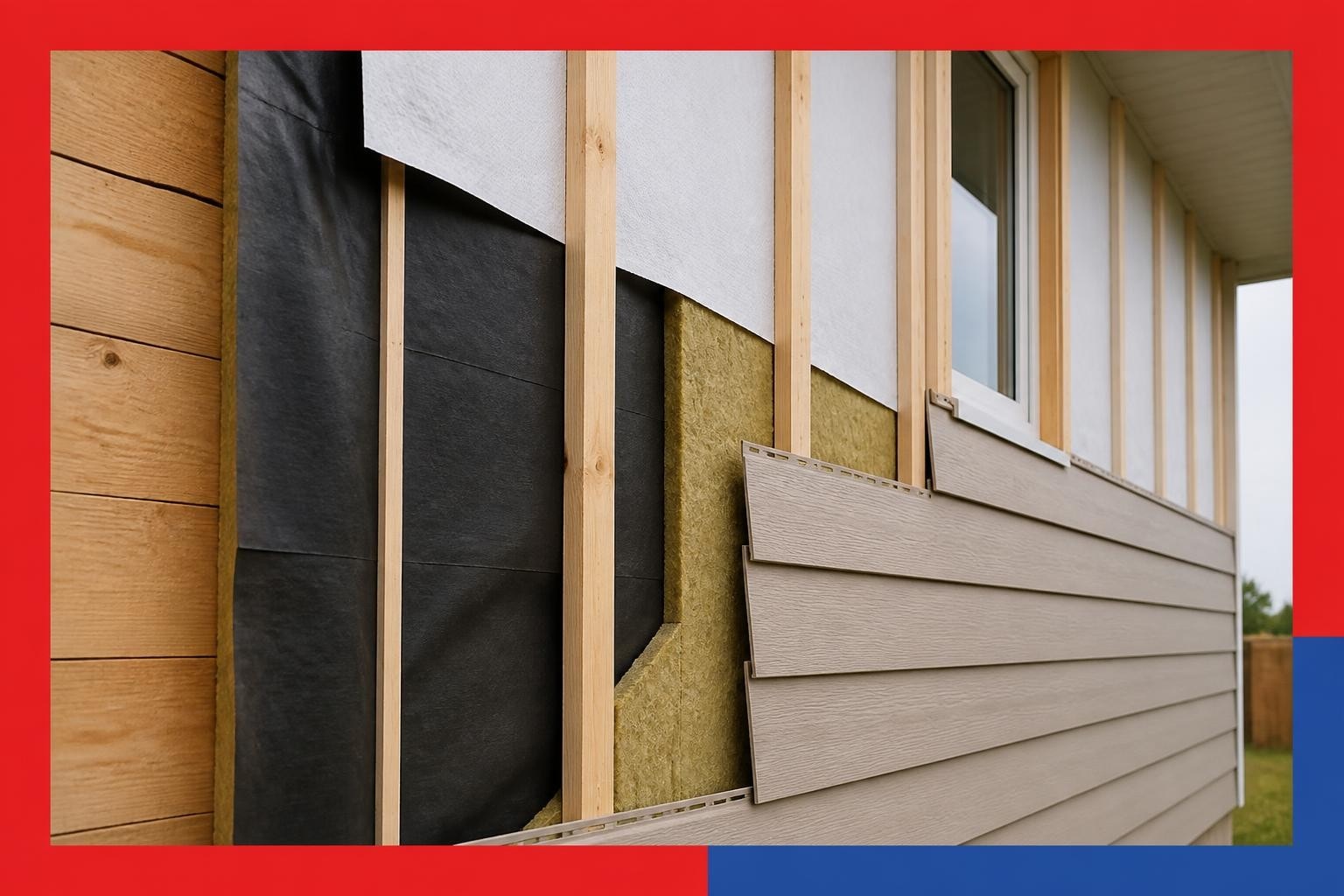
Your home's exterior serves as the first line of defense against weather, moisture, and temperature extremes. Quality siding not only protects your property's structural integrity but also significantly impacts curb appeal and energy efficiency. Professional siding service encompasses everything from initial material selection through expert installation and ongoing maintenance, ensuring your investment delivers decades of reliable performance. Understanding what goes into professional siding work helps homeowners make informed decisions about one of their most important exterior upgrades.
Understanding the Scope of Professional Siding Service
A comprehensive siding service involves much more than simply nailing panels to your home's exterior walls. Professional contractors evaluate your property's specific needs, considering factors like local climate conditions, architectural style, and building envelope performance.
Initial Assessment and Planning
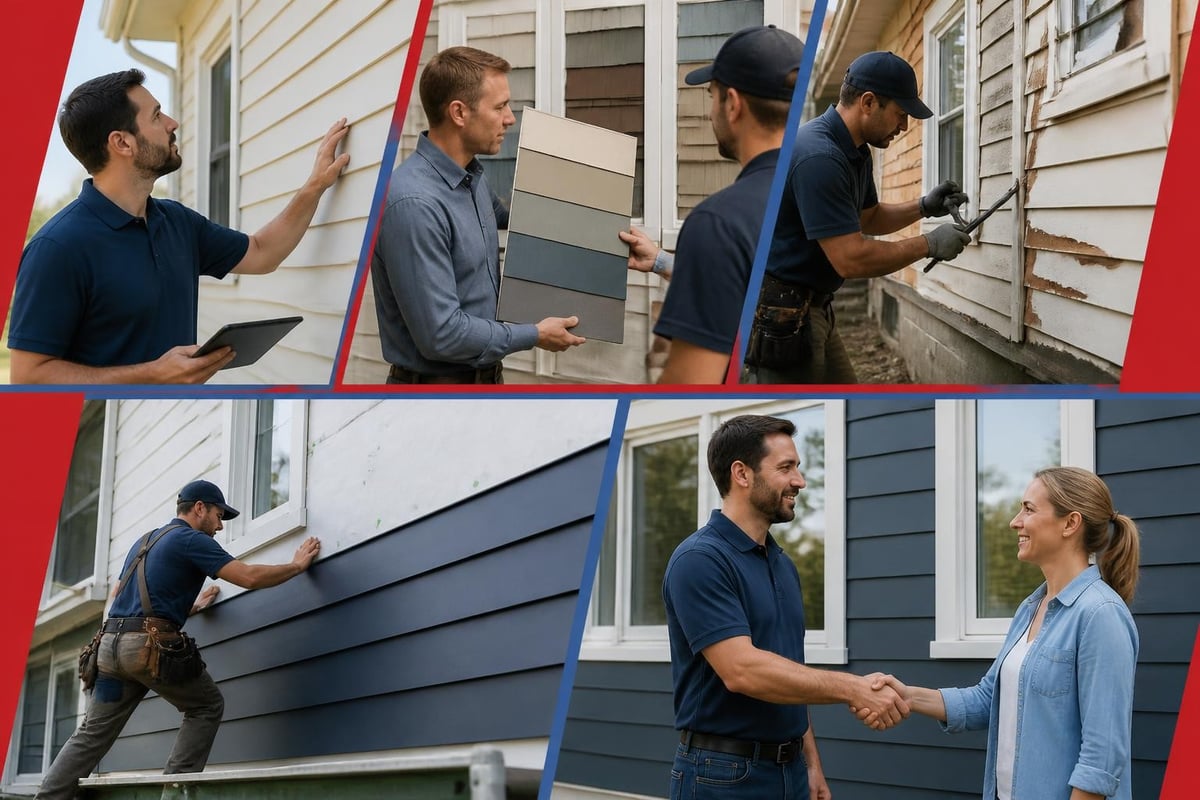
The process begins with a thorough inspection of your existing exterior. Qualified contractors examine the current siding condition, checking for moisture damage, rot, pest infiltration, and structural issues that might affect new installation. This assessment identifies underlying problems that must be addressed before new siding goes up.
Key evaluation points include:
- Existing sheathing condition and moisture barriers
- Wall flatness and structural soundness
- Ventilation adequacy in wall cavities
- Flashing details around windows, doors, and penetrations
- Current insulation performance and energy efficiency
Professional contractors also discuss your goals and budget during this phase. Some homeowners prioritize low maintenance, while others focus on specific aesthetic outcomes or maximum energy savings. Understanding these priorities shapes material recommendations and project scope.
Material Selection and Specifications
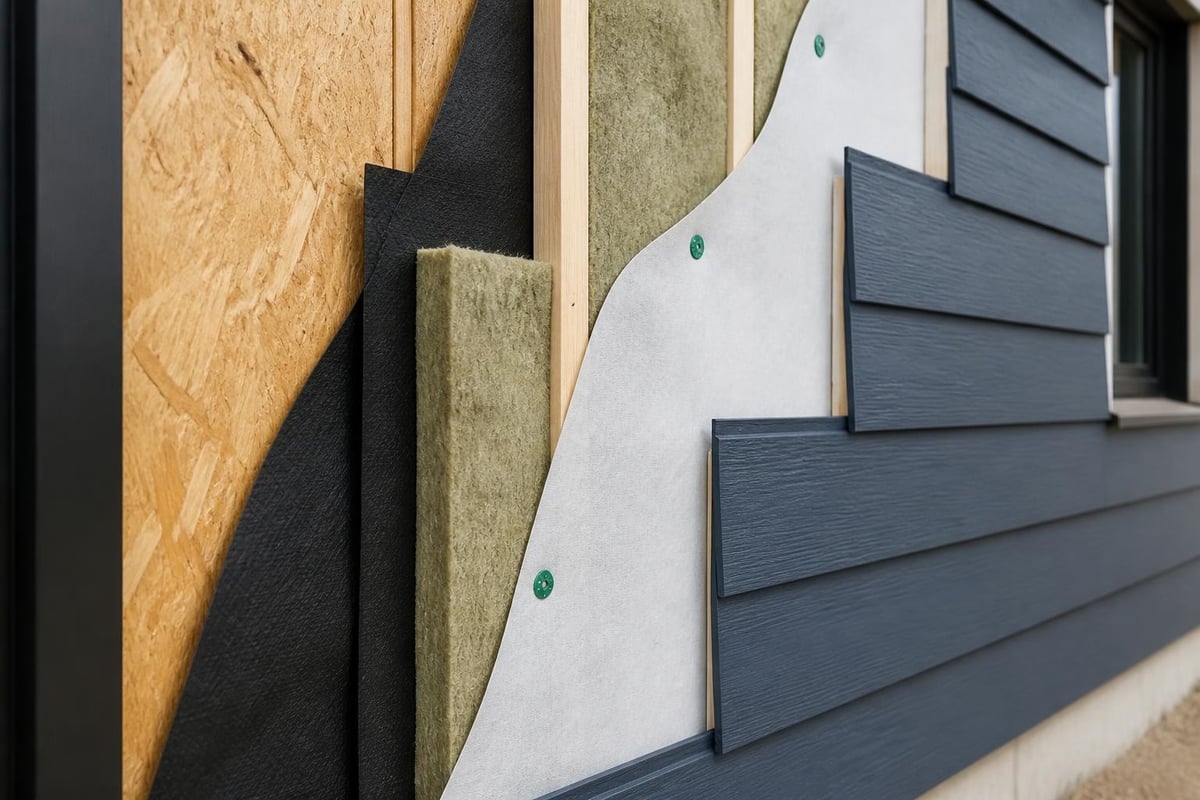
Modern siding markets offer diverse options, each with distinct performance characteristics, maintenance requirements, and price points. Professional siding service providers help navigate these choices based on your home's specific needs.
| Material Type | Typical Lifespan | Maintenance Level | Best Applications |
|---|---|---|---|
| Vinyl | 20-40 years | Very Low | Budget-conscious projects, low-maintenance preference |
| Fiber Cement | 30-50 years | Low to Moderate | Durability priority, fire-resistant needs |
| Engineered Wood | 25-35 years | Moderate | Natural appearance, value balance |
| Natural Wood | 20-40 years | High | Premium aesthetics, traditional architecture |
According to the National Association of Home Builders, vinyl remains the most popular choice for single-family homes, but fiber cement continues gaining market share due to superior durability and fire resistance. Each material requires specific installation techniques and compatible accessories.
The Consumer Reports buying guide provides independent testing data showing how different materials perform under various conditions. This research helps homeowners understand real-world performance beyond manufacturer claims.
Professional Installation Standards and Techniques
Quality installation separates lasting performance from premature failure. Professional siding service follows established industry standards and manufacturer specifications to ensure water management, structural attachment, and thermal performance.
Water Management and Building Science
Effective siding systems function as part of your home's complete weather barrier. The Building Science Corporation’s technical guidance on rain control explains how proper drainage planes, flashing sequences, and cavity design prevent moisture intrusion.
Professional installers create continuous drainage paths behind siding, allowing any water that penetrates the outer cladding to drain safely downward and outward. This approach prevents the moisture accumulation that leads to rot, mold, and structural damage. Weather-resistant barriers must be properly lapped and sealed, with special attention to vulnerable areas around openings.
Critical installation details include:
- Proper flashing at all horizontal terminations
- Continuous weather-resistant barrier with sealed seams
- Adequate clearance from grade and roof surfaces
- Correct fastener type, placement, and penetration depth
- Expansion gaps for thermal movement
The APA technical documentation provides detailed specifications for engineered wood products, including required nail schedules and substrate preparation. Following these standards prevents common installation failures.
Energy Efficiency Considerations
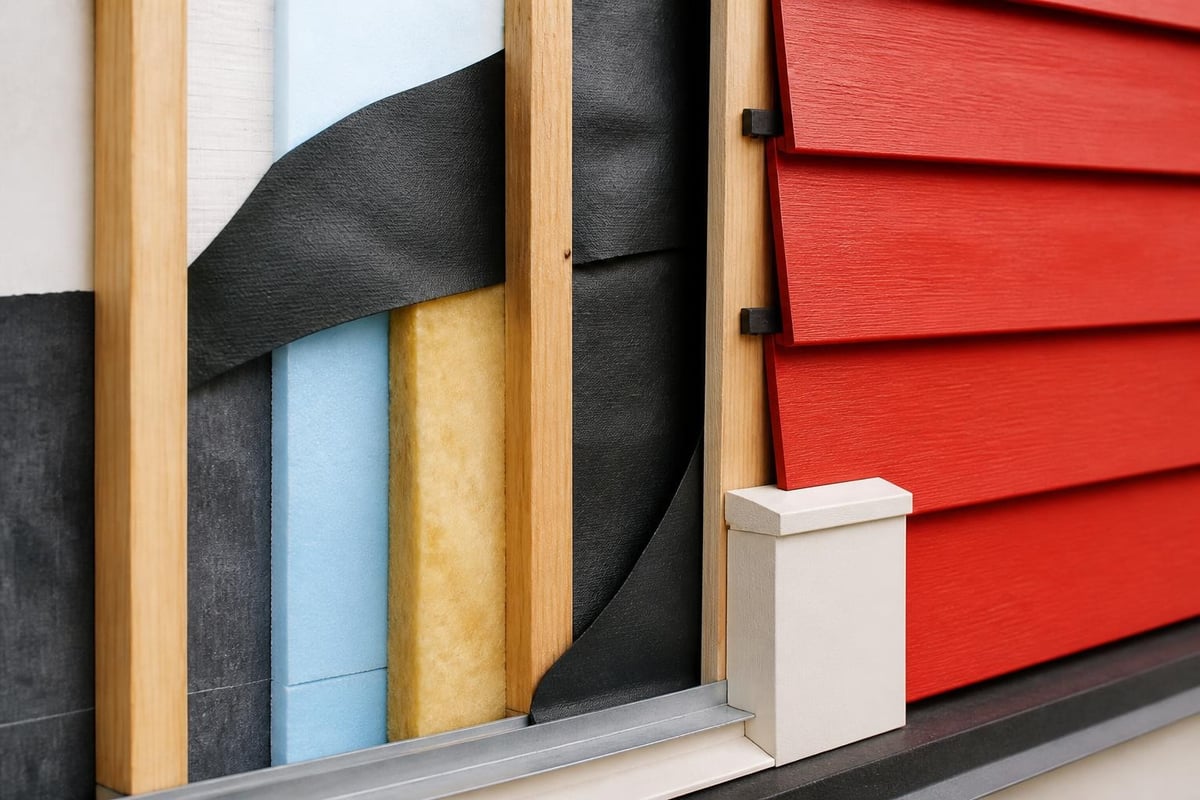
Modern siding service increasingly addresses thermal performance as homeowners seek lower utility costs and improved comfort. Traditional siding provides minimal insulation value, but newer systems integrate continuous insulation layers that significantly enhance energy efficiency.
The Department of Energy’s research on insulated siding demonstrates how continuous insulation reduces thermal bridging through wall studs. This approach can improve whole-wall R-values by 20-30% compared to cavity insulation alone. For Joliet's climate with cold winters and warm summers, this thermal performance translates to measurable energy savings.
When combined with roof replacement projects, comprehensive exterior upgrades maximize building envelope performance. Addressing both systems simultaneously ensures proper integration at roof-wall transitions where thermal bypasses commonly occur.
Cost Factors and Investment Value
Understanding siding service costs helps homeowners budget appropriately and evaluate contractor proposals. Multiple variables influence total project investment, from material selection through labor complexity and site-specific conditions.
Pricing Structure and Variables
Primary cost drivers include:
- Material type and quality grade selected
- Total square footage of siding area
- Architectural complexity (corners, windows, trim details)
- Removal and disposal of existing siding
- Underlying repairs to sheathing or framing
- Insulation upgrades and energy improvements
According to Remodeling Magazine’s cost data, mid-range vinyl siding replacement averaged specific returns on investment in recent years, while premium fiber cement projects showed different value recovery patterns. These figures vary by region and local market conditions.
For Joliet-area homeowners, local siding cost information provides more specific guidance based on regional labor rates and material availability. Geographic factors significantly influence pricing, as transportation costs, local building codes, and seasonal demand affect contractor pricing.
Long-Term Value and Return on Investment
Professional siding service delivers value beyond initial curb appeal improvements. Quality installations reduce maintenance requirements, lower energy costs, and protect structural components from weather damage that would require expensive repairs.
When evaluating proposals, homeowners should consider total lifetime costs rather than just upfront investment. A premium material with higher initial cost but 50-year lifespan and minimal maintenance may provide better value than budget options requiring replacement or significant upkeep within 20 years.
| Investment Consideration | Short-Term Impact | Long-Term Value |
|---|---|---|
| Material Quality | Higher initial cost | Reduced replacement frequency |
| Professional Installation | Labor expense | Warranty coverage, proper performance |
| Energy Upgrades | Added upfront investment | Ongoing utility savings |
| Maintenance Requirements | Minimal immediate cost | Cumulative time and expense over decades |
Working with Professional Contractors
Selecting the right contractor for your siding service makes the difference between a successful project and costly problems. Professional exterior contractors bring specialized knowledge, proper equipment, and accountability that DIY approaches or unlicensed workers cannot match.
Credentials and Qualifications
Legitimate siding contractors maintain proper licensing, insurance coverage, and manufacturer certifications. Many quality contractors hold certifications from major manufacturers, demonstrating they've completed specialized training in proper installation techniques for specific products.
Essential contractor qualifications include:
- Valid business license and contractor registration
- General liability insurance protecting property damage
- Workers' compensation coverage for all employees
- References from recent similar projects
- Established local business presence and reputation
Local roofing companies that also offer siding service provide advantages including familiarity with regional weather patterns, established relationships with local suppliers, and accountability to the community. Family-owned operations often take particular pride in reputation and long-term customer relationships.
Project Communication and Management
Professional contractors establish clear communication channels from initial consultation through final walkthrough. Detailed written proposals specify materials, scope of work, timeline, payment schedule, and warranty coverage. This documentation protects both parties and prevents misunderstandings.
Throughout installation, quality contractors maintain job site safety, protect landscaping and property, and manage debris removal. They coordinate inspections if required by local building departments and ensure compliance with all applicable codes.
The James Hardie technical documentation illustrates the detailed specifications professional installers must follow for fiber cement products. Proper installation requires understanding these technical requirements, not just general carpentry skills.
Maintenance and Longevity
Even the best siding service requires some ongoing attention to maximize lifespan and performance. Understanding maintenance requirements for your specific material helps preserve appearance and protective function.
Regular Inspection and Cleaning
Annual inspections identify small issues before they become major problems. Homeowners should examine siding for cracks, gaps, loose pieces, or signs of moisture infiltration. Early detection allows simple repairs rather than extensive replacement.
Most siding materials benefit from periodic cleaning to remove dirt, mildew, and organic growth. Vinyl and fiber cement typically need only gentle washing with appropriate cleaning solutions. Wood siding may require more intensive maintenance including refinishing or repainting on manufacturer-recommended schedules.
Seasonal maintenance checklist:
- Spring: Inspect for winter damage, clean surfaces, check caulking
- Summer: Monitor for pest activity, ensure vegetation clearance
- Fall: Clear debris from horizontal surfaces, verify drainage function
- Winter: Check for ice dam effects, monitor moisture signs
Addressing Repairs Promptly
Small siding damage should be repaired quickly to prevent water infiltration and progressive deterioration. Professional siding service providers can match existing materials and colors for seamless repairs that maintain protective function and appearance.
Storm damage represents a particular concern for Joliet-area properties. Understanding the insurance claim process for storm damage helps homeowners navigate coverage for wind-damaged or hail-impacted siding. Many policies cover sudden weather-related damage when properly documented and claimed.
Special Considerations for Different Property Types
Siding service requirements vary significantly between residential and commercial applications. Professional contractors adapt their approach based on building type, use, and specific performance requirements.
Residential Applications
Single-family homes prioritize aesthetics, energy efficiency, and long-term durability. Homeowners typically select materials that complement architectural style while meeting practical performance needs. Color selection, texture options, and trim details receive significant attention in residential projects.
For properties combining multiple exterior upgrades, coordinating roof and siding replacement ensures proper integration at transitions. Professional contractors sequence these projects to maintain weather protection throughout construction and optimize flashing details where systems meet.
Commercial Property Needs
Commercial siding service emphasizes durability, maintenance efficiency, and sometimes specific fire ratings or impact resistance. Retail properties may prioritize distinctive appearance supporting brand identity, while industrial buildings focus primarily on weather protection and longevity.
Commercial projects often involve larger surface areas, specialized access equipment, and coordination with business operations to minimize disruption. Professional contractors experienced in commercial roofing and exterior work understand these unique requirements and can structure projects around operational constraints.
Emerging Trends and Innovations
The siding industry continues evolving with new materials, installation techniques, and performance capabilities. Staying informed about these developments helps homeowners make future-focused decisions.
Modern Material Technologies
Recent innovations include improved color retention formulations that resist fading, enhanced impact resistance for severe weather zones, and integrated pest barriers. Some manufacturers now offer products with antimicrobial additives that inhibit mold and mildew growth on exterior surfaces.
Environmental considerations increasingly influence material development. Recycled content options, sustainably harvested wood products, and manufacturing processes with reduced carbon footprints appeal to environmentally conscious homeowners. Professional siding service providers can explain the environmental attributes of different material choices.
Installation Advancements
Modern installation practices benefit from improved fastening systems, more effective weather barriers, and better understanding of building science principles. Rainscreen systems that create ventilated cavities behind siding are becoming more common, particularly in moisture-prone climates or with materials sensitive to bulk water exposure.
Digital tools now assist with color visualization, allowing homeowners to preview different siding options on their actual home before making final selections. Professional contractors using these technologies help clients make confident decisions about significant aesthetic choices.
Quality siding service protects your most valuable asset while enhancing both appearance and efficiency. The right materials, professional installation following current building science principles, and appropriate ongoing maintenance deliver decades of reliable performance. Whether you're addressing storm damage, upgrading an aging exterior, or building new construction, Great Roofing brings family-owned expertise and commitment to quality that Joliet-area property owners have trusted for years. Contact our team today to discuss your siding needs and discover how professional exterior services protect your investment for the long term.