


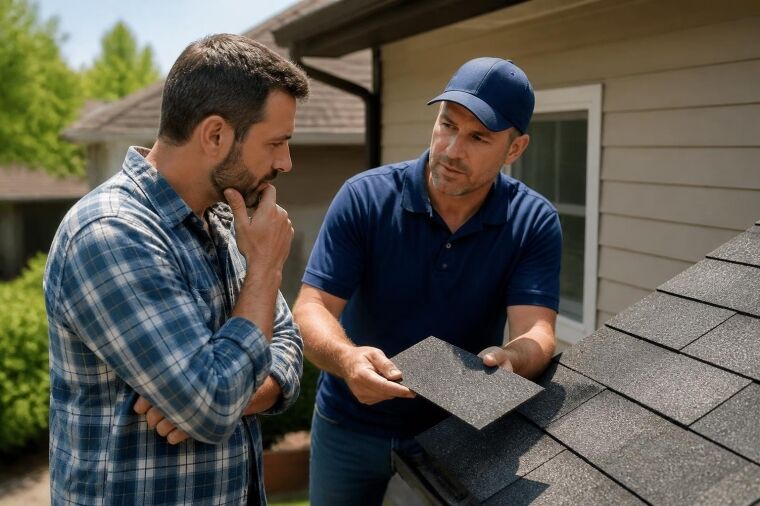
When minor roof damage strikes, homeowners and business owners need quick, reliable solutions that don't require replacing an entire roof. Small roof repair contractors specialize in diagnosing and fixing isolated issues before they escalate into major problems. These professionals handle everything from missing shingles and flashing repairs to leak patching and minor storm damage, offering cost-effective solutions that extend your roof's lifespan. Understanding how to find, evaluate, and work with the right contractor ensures your repair project delivers lasting results without unnecessary expense or hassle.
Why Small Roof Repairs Matter for Property Owners
Ignoring minor roof damage creates a domino effect of problems throughout your property. A single missing shingle allows water infiltration that saturates insulation, rots decking, and eventually damages interior ceilings and walls.
Small repairs prevent major expenses. Addressing issues early typically costs hundreds of dollars, while delayed repairs often escalate into complete roof replacements costing thousands. Property owners who invest in timely maintenance through qualified small roof repair contractors protect their investment and avoid emergency situations during severe weather.
The financial benefits extend beyond immediate repair costs:
- Energy efficiency preservation – Sealed roof systems maintain proper insulation performance
- Insurance compliance – Many policies require documented maintenance to honor claims
- Property value protection – Well-maintained roofs support resale values and buyer confidence
- Warranty preservation – Manufacturer warranties often require professional repairs to remain valid
Regular inspections by qualified contractors catch problems in their earliest stages, when fixes remain simple and affordable.
What Small Roof Repair Contractors Actually Do
Small roof repair contractors focus on targeted fixes rather than wholesale replacement projects. Their expertise lies in precise diagnostics and surgical repairs that restore roof integrity without disturbing functioning sections.
Common Repair Services Offered
These specialists handle a wide range of isolated issues that don't warrant full replacement. Roof repair services typically address specific problem areas identified through inspection or visible damage.
| Repair Type | Typical Scope | Average Duration |
|---|---|---|
| Shingle replacement | 5-20 shingles in damaged area | 2-4 hours |
| Flashing repair | Chimney, vent, or valley flashing | 3-6 hours |
| Leak sealing | Penetration points, damaged membrane | 2-5 hours |
| Minor storm damage | Hail damage, wind-lifted shingles | 4-8 hours |
| Ventilation fixes | Ridge vents, soffit repair | 3-5 hours |
Professional contractors bring specialized knowledge of different roofing systems. Expertise in asphalt shingle repair requires understanding how different manufacturers' products integrate and how aging affects material compatibility.

Diagnostic Skills That Set Professionals Apart
Experienced small roof repair contractors don't just fix visible problems-they investigate root causes. A ceiling stain might originate from damaged flashing twenty feet from where water appears inside. Proper diagnosis prevents repeat callbacks and ensures repairs actually solve the underlying issue.
The NRCA’s technical guidelines emphasize systematic inspection protocols that professional contractors follow to identify both obvious damage and hidden vulnerabilities.
How to Find Qualified Small Roof Repair Contractors
Selecting the right contractor requires more than searching online reviews. A methodical evaluation process protects you from substandard work, inflated pricing, and potential scams.
Essential Credentials and Qualifications
Start by verifying fundamental business requirements. Legitimate contractors carry proper licensing, insurance, and bonding appropriate for their service area. These protections safeguard you from liability if workers are injured on your property or if repairs fail to meet standards.
Must-have credentials include:
- Active business license for your municipality
- General liability insurance ($1 million minimum coverage)
- Workers' compensation insurance for all crew members
- Manufacturer certifications for products they install
- Better Business Bureau accreditation or state contractor registration
Request written proof of insurance and verify coverage directly with the insurance company. Expired or insufficient policies leave you financially exposed.
Evaluating Experience and Specialization
Not all roofing contractors excel at small repairs. Some crews focus exclusively on large replacement projects and view minor jobs as inconvenient fillers. Seek contractors who actively promote repair services and demonstrate expertise in your specific roofing system.
Ask prospective contractors these qualifying questions:
- How many years have you performed residential/commercial repairs?
- What percentage of your annual business involves repair versus replacement?
- Do you employ dedicated repair specialists or use general installation crews?
- Which roofing systems do you have the most experience repairing?
- Can you provide references for similar repair projects completed in the past year?
Customer reviews from previous repair clients reveal how contractors handle small projects, communicate timelines, and stand behind their work.
Understanding Repair Costs and Getting Fair Estimates
Pricing for small roof repairs varies dramatically based on damage extent, roofing material, accessibility, and local market conditions. Educated property owners request detailed estimates that break down labor, materials, and any additional charges.
Typical Price Ranges for Common Repairs
Budget expectations help you identify outliers during the estimate process. While every project differs, general ranges provide useful benchmarks for 2026 pricing in the Midwest region.
| Repair Category | Typical Cost Range | Key Variables |
|---|---|---|
| Minor shingle replacement (under 100 sf) | $350 – $800 | Shingle type, pitch steepness |
| Flashing repair/replacement | $400 – $1,200 | Location complexity, material |
| Small leak repair | $300 – $900 | Accessibility, extent of damage |
| Storm damage (localized) | $500 – $1,500 | Insurance deductible, material matching |
| Vent boot replacement | $250 – $600 | Number of penetrations, roof access |
Emergency repairs typically carry premium pricing, sometimes 25-50% above standard rates. Scheduling non-urgent work during contractors' slower seasons often yields better pricing and faster service.
What Should Be Included in Repair Estimates
Comprehensive estimates protect both parties by establishing clear expectations. Small roof repair contractors should provide written quotes detailing every aspect of the project before work begins.
Essential estimate components:
- Detailed description of work to be performed
- Specific materials (brand, grade, color) to be used
- Labor costs itemized separately from materials
- Timeline with start and completion dates
- Warranty coverage for workmanship and materials
- Payment schedule and accepted payment methods
- Permit costs if applicable
The Consumer Reports roofing guide recommends obtaining at least three estimates to compare pricing, scope, and contractor professionalism. Significantly low bids often indicate corners will be cut or additional charges will appear later.
The Repair Process: What to Expect
Understanding typical project workflow helps you monitor progress and recognize potential problems early. Professional small roof repair contractors follow systematic procedures that ensure quality results and minimize disruption to your property.
Initial Inspection and Assessment
Quality repairs begin with thorough evaluation. Contractors should physically inspect your roof, not provide estimates based solely on photos or descriptions. Comprehensive assessments identify all existing issues, not just the obvious problem that prompted your call.
During inspection, professionals examine:
- Primary damage area – The visible issue requiring immediate attention
- Surrounding materials – Adjacent shingles, underlayment, and decking condition
- Related components – Flashing, ventilation, gutters, and drainage systems
- Interior indicators – Attic moisture, insulation condition, structural elements
- Overall roof health – Remaining service life and potential future concerns
Honest contractors distinguish between urgent repairs and maintenance items you can address later. Pressure to approve unnecessary work signals problems with the contractor's integrity.
Work Execution and Quality Standards
Reputable contractors follow manufacturer specifications and industry best practices during repairs. Shortcuts undermine repair longevity and may void material warranties.
Professional execution includes proper material preparation, correct fastener placement, adequate sealant application, and appropriate integration with existing roofing. The updated NRCA roofing manual provides current technical standards contractors should follow for various repair scenarios.
Quality indicators during work:
- Matching replacement materials to existing roof specifications
- Protecting landscaping and property with drop cloths and barriers
- Systematic debris removal and cleanup throughout the project
- Daily communication about progress and any discovered issues
- Photo documentation of work stages for your records
Weather considerations affect repair timing. Small roof repair contractors monitor forecasts and delay work when conditions compromise material performance or worker safety.
Code Compliance and Permit Requirements
Even minor repairs may trigger permit requirements depending on your jurisdiction and project scope. Professional contractors understand local regulations and handle necessary paperwork as part of their service.
When Repairs Require Permits
Building departments establish thresholds that determine permit necessity. While replacing a few shingles rarely requires permits, more extensive repairs often do. The International Code Council standards provide the framework many municipalities adopt for residential and commercial repairs.
Common permit triggers include:
- Repairs exceeding a specified square footage (often 100-200 square feet)
- Structural repairs involving decking replacement
- Changes to roof ventilation systems
- Flashing modifications around chimneys or skylights
- Any work affecting fire-rated assemblies on commercial buildings
Unpermitted work creates liability issues and complicates future property sales. Reputable small roof repair contractors pull appropriate permits and arrange required inspections, building these costs into their estimates.
Contractor Responsibilities vs. Property Owner Responsibilities
Clear responsibility division prevents misunderstandings. Contractors typically handle permit applications, inspection scheduling, and code compliance verification. Property owners usually pay permit fees (either directly or through the contractor) and ensure site access for inspectors.
Verify that your contractor commits to obtaining necessary permits in writing. Contractors who avoid permitting or suggest working without required approvals raise serious red flags about their professionalism and legal compliance.
Warranties and Guarantees: Protecting Your Investment
Warranty coverage separates professional contractors from fly-by-night operators. Small roof repair contractors should stand behind their work with clear, written guarantees that specify exactly what's covered and for how long.
Types of Warranties Offered
Repair projects typically involve two distinct warranty categories. Material warranties come from manufacturers and cover product defects. Workmanship warranties come from contractors and cover installation errors or failures.
| Warranty Type | Typical Coverage Period | What's Covered | Provider |
|---|---|---|---|
| Material defect | 10-30 years (varies) | Manufacturing flaws, premature failure | Manufacturer |
| Workmanship | 1-10 years (varies) | Installation errors, improper integration | Contractor |
| Leak-free guarantee | 1-5 years | Water infiltration at repair area | Contractor |
Premium contractors offer longer workmanship warranties and maintain comprehensive service records. Ask how warranty claims are processed and what documentation you need to retain.
Reading the Fine Print
Warranty exclusions matter as much as coverage promises. Standard exclusions include damage from severe weather events, improper maintenance, or modifications by other parties. Understanding limitations prevents disputes if problems arise.
Request warranties in writing before authorizing work. Verbal promises provide no protection if the contractor disputes coverage later. Professional small roof repair contractors provide detailed warranty certificates that clearly specify terms, transferability, and claim procedures.
Seasonal Considerations for Roof Repairs
Timing affects both repair quality and pricing. Small roof repair contractors experience seasonal demand fluctuations that create opportunities for savvy property owners.
Best Times for Non-Emergency Repairs
Spring and fall typically offer ideal conditions for roof work. Moderate temperatures allow proper material adhesion and sealant curing. Contractors' schedules also offer more flexibility during shoulder seasons compared to peak summer months.
Seasonal advantages:
- Spring (April-May) – Moderate weather, contractors not yet swamped with summer projects
- Early Fall (September-October) – Excellent temperatures, contractors eager to book work before winter
- Summer (June-August) – Peak season with premium pricing but fastest material curing
- Winter (November-March) – Limited availability, weather delays common, potential cost savings on non-urgent work
Emergency repairs can't wait for perfect weather. Qualified contractors perform temporary weatherproofing during harsh conditions and schedule permanent repairs when weather permits.
Weather-Related Repair Urgencies
Storm damage creates repair backlogs that stress contractor availability. Property owners in areas like Joliet understand how severe Midwest weather demands prompt attention to prevent secondary damage.
After significant storms, document damage immediately with photos and contact your insurance company. Then reach out to established local contractors rather than storm chasers who flood affected areas. Service areas matter-local contractors remain accountable long after repairs are complete, while traveling crews disappear when problems arise.
Environmental and Disposal Considerations
Responsible small roof repair contractors manage waste properly and consider environmental impacts of materials and disposal methods. These practices protect the community and often reduce project costs.
Shingle Recycling and Waste Management
Asphalt shingles represent the largest component of construction debris in U.S. landfills. Progressive contractors participate in recycling programs that divert old shingles from waste streams. The EPA’s guidelines on construction materials document environmental benefits of shingle recycling and proper material management.
Recycled shingles become:
- Asphalt pavement aggregate
- Road base material
- Cold-patch asphalt for pothole repair
- Alternative fuel sources
Ask contractors about their waste disposal practices. Responsible companies separate recyclable materials, properly dispose of hazardous components, and provide documentation of legal disposal when required.
Energy-Efficient Repair Upgrades
Small repairs present opportunities to improve roof performance. Adding proper ventilation during flashing repairs or upgrading to energy-efficient materials when replacing sections enhances overall roof function. The Department of Energy building resources explain how proper attic ventilation and roof assembly details affect home energy consumption.
Smart upgrades during repairs include installing ridge vents, adding ice-and-water barrier at eaves, or upgrading to impact-resistant shingles in hail-prone areas. These improvements add modest costs but deliver long-term value through reduced energy bills and enhanced protection.
Red Flags: Avoiding Contractor Scams
The roofing industry unfortunately attracts dishonest operators who prey on uninformed property owners. Recognizing warning signs protects you from costly mistakes and substandard work.
Common Contractor Scam Tactics
Storm chasers and fraudulent contractors use predictable strategies to pressure quick decisions. Small roof repair contractors with legitimate businesses don't employ high-pressure sales tactics or create artificial urgency around non-emergency repairs.
Warning signs of potential scams:
- Requesting full payment before starting work
- Offering unusually large discounts for "signing today"
- Providing only cell phone contact information with no business address
- Arriving unsolicited to offer "free inspections" after storms
- Claiming they have leftover materials from another job in your area
- Pressuring you to finance through their preferred lender
- Refusing to provide written estimates or contracts
Legitimate contractors provide detailed proposals, maintain professional office locations, and offer reasonable payment schedules that protect both parties. Never pay the full amount upfront-standard practice involves a modest deposit with remaining balance due upon satisfactory completion.
Verifying Contractor Legitimacy
Simple verification steps reveal contractor credibility. Check business registration with your state's contractor licensing board. Search Better Business Bureau records for complaint history. Request and actually contact references from recent projects.
Online presence indicates established businesses. Review websites, verify physical addresses, and check how long domains have been registered. Contractors operating for years in your community have reputations to protect, while scammers frequently change business names and vanish after collecting payments.
Working With Insurance for Storm Damage Repairs
Insurance claims add complexity to repair projects. Understanding the process helps you navigate paperwork, deductibles, and contractor relationships when storm damage affects your roof.
When to Involve Your Insurance Company
Not every repair warrants an insurance claim. Small damage below your deductible costs more in premium increases than paying directly. However, significant storm damage, especially affecting large areas or causing interior water damage, typically justifies claims.
Contact your insurance company immediately after discovering major damage. Document everything with photos showing both wide-area context and close-up damage details. Avoid allowing contractors to perform work before insurance adjusters complete their inspection unless emergency tarping is necessary to prevent additional damage.
How Contractors Work With Insurance Adjusters
Experienced small roof repair contractors understand insurance processes and can assist with claims. However, they represent your interests, not the insurance company's. Ethical contractors document damage thoroughly, provide detailed repair estimates, and attend adjuster meetings to ensure all damage is recognized.
Contractor's proper role in insurance claims:
- Conducting independent damage assessments
- Providing detailed repair estimates for your submission
- Meeting with adjusters to explain required repairs
- Identifying damage adjusters might overlook
- Performing only approved repairs after claim settlement
Avoid contractors who offer to "handle everything" with your insurance company or suggest inflating claims to cover deductibles. These practices constitute insurance fraud and expose you to legal liability.
DIY Repairs vs. Professional Contractors: Making the Right Choice
Some property owners consider tackling minor roof repairs themselves to save money. Understanding the limitations and risks of DIY work helps you decide when professional expertise justifies the investment.
When DIY Might Be Appropriate
Very minor, easily accessible repairs sometimes suit handy homeowners with proper safety equipment. Replacing a single damaged shingle on a low-slope roof or sealing an obvious crack in flashing might fall within DIY capabilities for experienced individuals.
However, most roof work involves significant risks. Falls from roofs cause serious injuries and fatalities annually. Improper repairs void warranties, cause additional damage, and create liability issues if you ever sell your property.
Why Professional Contractors Provide Better Value
Small roof repair contractors bring specialized knowledge, proper equipment, and efficiency that DIY approaches can't match. Professionals complete in hours what might take untrained homeowners days while avoiding common mistakes that create larger problems.
Professional advantages include:
- Safety protocols – Proper fall protection and experience working at heights
- Diagnostic expertise – Identifying underlying issues, not just visible symptoms
- Material access – Wholesale pricing and manufacturer relationships
- Warranty protection – Work guarantees that DIY repairs can't provide
- Code compliance – Knowledge of requirements and inspection coordination
- Insurance coverage – Protection from liability if accidents occur
The cost difference between professional and DIY repairs often proves minimal when you factor in tool purchases, material waste, time investment, and risk of errors requiring professional correction anyway. Commercial roofing repairs especially require professional expertise due to different materials and liability considerations.
Maintaining Your Roof Between Repairs
Professional repairs deliver maximum value when combined with proper ongoing maintenance. Property owners who invest in routine care extend roof lifespan and minimize future repair needs.
Simple Maintenance Tasks Property Owners Can Perform
Regular inspection and basic upkeep prevent many common repair issues. Quarterly visual checks from the ground identify developing problems before they cause damage. Use binoculars to examine roof surfaces without climbing.
Effective maintenance checklist:
- Clear gutters and downspouts seasonally to prevent water backup
- Trim overhanging branches that scrape roofing or drop debris
- Remove accumulated leaves and organic matter from valleys and behind chimneys
- Check attic ventilation for proper airflow and moisture control
- Inspect ceilings for stains indicating potential leaks
- Document roof condition with dated photos for comparison over time
These simple tasks require no special skills but significantly impact roof health. Property owners who maintain consistent schedules catch problems early when repairs remain minor.
When to Schedule Professional Inspections
Annual professional inspections by qualified small roof repair contractors identify issues invisible from ground level. Contractors spot early signs of material deterioration, improper previous repairs, and developing vulnerabilities that property owners miss.
Schedule inspections in spring or fall when moderate temperatures make comprehensive examination comfortable. Professional assessments typically cost $150-300 but prevent expensive surprises by revealing problems while they remain manageable. Many contractors offer free inspections when you establish ongoing maintenance relationships.
Finding the right small roof repair contractors protects your property investment and ensures quality repairs that last. Look for licensed, insured professionals with proven local reputations, clear warranties, and transparent pricing. When you need expert roof repair services in the Joliet area, Great Roofing brings family-owned dedication to every project, combining technical expertise with personalized service that treats your property like our own.