


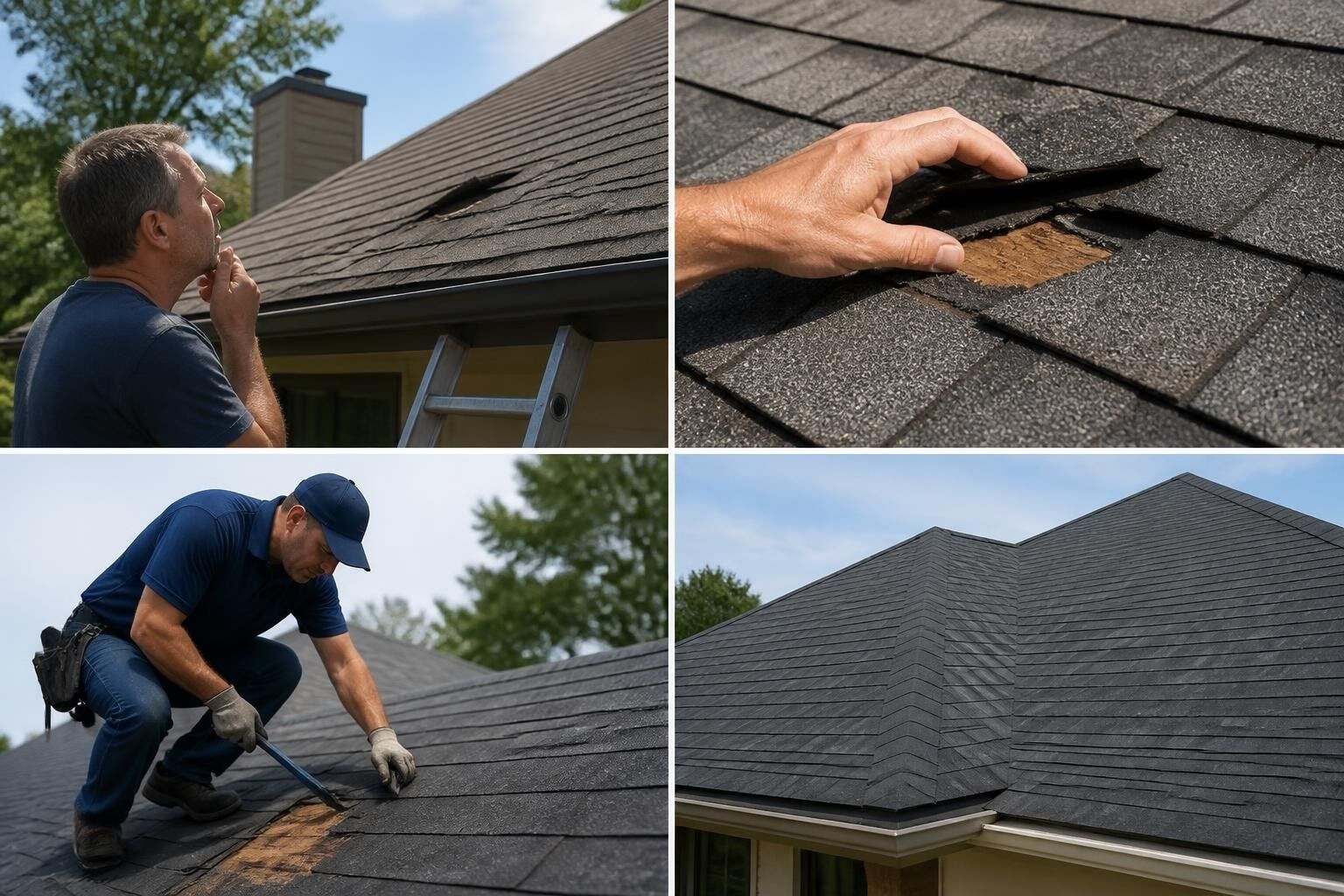
When you notice a small leak, missing shingles, or minor damage to your roof, acting quickly can prevent major expenses down the road. Searching for "small roof repair near me" signals you're ready to address the problem before it escalates into a costly replacement project. Understanding what constitutes a minor repair, how to find qualified local contractors, and when to take action empowers homeowners to protect their investment while keeping costs manageable. This comprehensive guide walks you through everything you need to know about small roof repairs, from initial assessment to selecting the right professional for the job.
Identifying Common Small Roof Repairs
Small roof repairs typically involve addressing localized damage before it spreads throughout your roofing system. These repairs differ significantly from full replacements or major structural work, both in scope and cost.
Missing or Damaged Shingles
Individual shingles can become damaged through various means. Wind can lift and tear them, hail can crack them, and age can cause them to curl or break. Replacing a few damaged shingles represents one of the most common small roof repairs homeowners encounter.
When you spot missing shingles after a storm, immediate action prevents water infiltration. The exposed underlayment provides temporary protection, but it wasn't designed for long-term exposure to the elements.

Flashing Issues Around Penetrations
Roof flashing around chimneys, vents, skylights, and valleys frequently develops problems years before the surrounding shingles show wear. These metal barriers direct water away from vulnerable seams and penetrations.
- Loose flashing can allow water to seep beneath shingles
- Corroded flashing loses its waterproof integrity
- Improperly installed flashing fails during the first heavy rain
- Missing sealant around flashing edges creates entry points
According to comprehensive roof maintenance guidelines, regular inspection of flashing should be part of your annual maintenance routine. Catching these issues early transforms a simple repair into a manageable project rather than emergency water damage remediation.
Seal and Caulk Deterioration
The sealant around roof penetrations, including vent pipes and satellite dish mounts, deteriorates over time. UV exposure and temperature fluctuations cause caulking to crack and shrink, creating gaps where water can enter.
Replacing deteriorated sealant ranks among the simplest roof repairs. This preventive maintenance costs significantly less than repairing water damage to ceilings and walls.
When to Search "Small Roof Repair Near Me"
Timing matters when addressing roof damage. Certain situations demand immediate attention from a local contractor, while others allow for scheduled maintenance.
Emergency Repair Situations
Some scenarios require urgent professional intervention. Active leaks during rainfall, large sections of missing shingles, or visible roof deck damage cannot wait for convenient scheduling. When searching for small roof repair near me during emergencies, prioritize contractors who offer rapid response services.
Water intrusion causes exponential damage the longer it continues. What starts as a small stain on your ceiling can quickly become mold growth, insulation damage, and structural deterioration.
| Damage Type | Urgency Level | Typical Response Time |
|---|---|---|
| Active leak during rain | Immediate | Same day |
| Missing shingles (no active leak) | High | Within 48 hours |
| Damaged flashing | Medium | Within one week |
| Worn sealant | Low | Schedule with next maintenance |
Seasonal Timing Considerations
Spring and fall represent ideal seasons for small roof repairs. Moderate temperatures allow roofing materials to seal properly, and contractors typically have more flexible scheduling before and after peak storm seasons.
Summer heat can make shingles too pliable for optimal repairs, while winter cold prevents proper adhesion of sealants and adhesives. If you discover damage during extreme weather seasons, temporary repairs might bridge the gap until conditions improve.
Homeowners in the Joliet area should be particularly mindful of scheduling asphalt shingle roof repair during favorable weather windows to ensure lasting results.
Finding Qualified Local Roofing Contractors
Your search for "small roof repair near me" yields numerous results, but not all contractors deliver equal quality and value. Selecting the right professional requires research and verification.
Essential Contractor Credentials
Before allowing anyone on your roof, verify their credentials. Legitimate roofing contractors carry proper licensing, insurance, and bonding specific to your state and municipality.
Insurance coverage should include:
- General liability insurance protecting your property
- Workers' compensation covering their employees
- Proof of current coverage with recent policy dates
Request certificates of insurance directly from their insurance provider, not just copies the contractor provides. This verification step prevents fraudulent claims.
Local Reputation Research Methods
Online reviews provide insight into contractor reliability, but dig deeper than star ratings. Read detailed reviews noting specific experiences, response times, and how the company handled challenges.
- Check Better Business Bureau ratings and complaint history
- Review Google Business profiles for recent customer feedback
- Ask neighbors and local community groups for recommendations
- Verify membership in professional organizations like the NRCA
Local contractors familiar with regional weather patterns, building codes, and common roofing materials specific to your area deliver superior results. A local roof company understands the unique challenges Joliet homeowners face, from harsh winters to summer storm damage.
Getting Accurate Repair Estimates
Quality contractors provide detailed written estimates outlining specific work to be performed, materials used, labor costs, and project timeline. Beware of vague estimates lacking itemization.
Request at least three estimates for comparison. The lowest bid isn't always the best value. Extremely low estimates might indicate substandard materials, inadequate insurance coverage, or planned shortcuts.
Understanding Small Roof Repair Costs
Price transparency helps you budget appropriately and recognize fair market rates. Small roof repair costs vary based on damage extent, materials, roof accessibility, and regional labor rates.
Typical Price Ranges for Common Repairs
Minor repairs typically cost substantially less than major work or replacement. Understanding average pricing helps you evaluate estimates and spot outliers.
- Single shingle replacement: $100-$300
- Flashing repair: $200-$500
- Vent boot replacement: $150-$400
- Small leak patch: $200-$600
- Gutter repair: $100-$350
These ranges reflect typical costs in the Midwest region but can vary based on roof pitch, height, and accessibility challenges. Roofs requiring safety equipment or difficult access command higher labor charges.
Factors Affecting Repair Pricing
Several variables influence the final cost of your small roof repair project. Roof pitch affects safety requirements and labor time. Steeper roofs require additional safety equipment and take longer to navigate.
Material matching presents another cost factor. If your shingles are discontinued or specialty products, sourcing matching replacements adds expense. Some contractors maintain relationships with suppliers who stock older shingle lines, while others may need to special order materials.
The National Roofing Directory’s repair guide offers detailed cost breakdowns for various repair types, helping homeowners understand what drives pricing in their specific situations.
DIY vs. Professional Small Roof Repairs
Some homeowners consider tackling small roof repairs themselves to save money. While certain minor tasks suit DIY approaches, others require professional expertise and equipment.
When DIY Makes Sense
Simple ground-level work like cleaning gutters or replacing accessible sealant around roof-mounted fixtures falls within many homeowners' capabilities. These tasks require basic tools and minimal risk.
Before attempting any roof work yourself, understand safe roof access protocols to prevent falls and injuries. Fall protection equipment and proper ladder usage aren't optional-they're essential safety measures.
However, DIY roof repair approaches should be limited to very minor issues when you have proper safety equipment and knowledge.
When to Call Professionals
Most small roof repair near me searches should end with hiring qualified professionals. Working at height carries inherent risks, and improper repairs often create larger problems than the original damage.
Professional contractors bring specialized tools, safety equipment, and experience identifying hidden damage. What appears as a single damaged shingle might indicate broader problems a trained eye can spot during inspection.
- Repairs requiring ladder work above one story
- Any work involving flashing or waterproofing systems
- Damage assessment after severe weather events
- Repairs on steep-pitch roofs
- Any situation involving exposed roof deck
Insurance considerations also favor professional repairs. DIY work that fails or causes additional damage typically isn't covered by homeowner's insurance policies. Professional repairs come with warranties protecting your investment.
Preventing Future Small Roof Repairs
Proactive maintenance reduces the frequency and severity of roof repairs. Regular inspections and preventive care extend roof lifespan while catching minor issues before they escalate.
Annual Inspection Protocols
Schedule professional roof inspections annually, ideally in spring and fall. These inspections identify developing problems when repairs remain minor and affordable.
Key inspection focus areas include:
- Shingle condition and granule loss
- Flashing integrity around all penetrations
- Gutter and downspout function
- Attic ventilation adequacy
- Signs of water intrusion or staining
Detailed roof maintenance guidelines from NRCA provide comprehensive checklists professionals use during inspections. Following these protocols helps maximize your roof's service life.
Routine Maintenance Tasks
Between professional inspections, homeowners can perform simple maintenance tasks that prevent damage. Keep gutters clean to prevent water backup that can damage roof edges and fascia boards.
Trim overhanging tree branches that scrape shingles or drop debris. Remove leaves and organic material that trap moisture against roofing materials. These simple tasks take minimal time but prevent common damage scenarios.
Establishing a relationship with a reliable roofing and construction company for regular maintenance ensures consistent care and quick response when repairs become necessary.
Insurance Coverage for Small Roof Repairs
Understanding your homeowner's insurance policy helps you navigate the financial aspects of roof repairs. Coverage varies significantly based on damage causes and policy specifics.
Covered vs. Non-Covered Damage
Insurance typically covers sudden, unexpected damage from storms, hail, falling trees, or fire. Gradual wear from age, lack of maintenance, or improper installation generally falls outside coverage parameters.
When storm damage occurs, document everything with photos before making temporary repairs to prevent further damage. Your insurance company needs evidence of both the damage and your reasonable efforts to minimize losses.
| Damage Cause | Typically Covered | Documentation Needed |
|---|---|---|
| Hail damage | Yes | Photos, inspection report |
| Wind damage | Yes | Photos, inspection report |
| Age deterioration | No | N/A |
| Maintenance neglect | No | N/A |
| Falling tree/branch | Yes | Photos, incident report |
Working with contractors experienced in roof replacement home insurance claims streamlines the process and ensures proper documentation.
Filing Claims for Small Repairs
Small repairs sometimes cost less than your deductible, making insurance claims impractical. Calculate whether claim filing makes financial sense before initiating the process.
Consider long-term implications. Multiple small claims can increase premiums or affect policy renewal. For repairs just above your deductible, evaluate whether paying out of pocket protects your insurance history.
When filing claims, obtain multiple contractor estimates. Insurance adjusters appreciate thorough documentation and competitive pricing verification. Professional contractors familiar with insurance processes can assist with proper claim documentation.
Emergency Temporary Roof Repairs
When damage occurs outside business hours or during severe weather, temporary repairs prevent additional damage until professionals can complete permanent fixes. Understanding basic emergency measures protects your home.
Safe Temporary Patching Methods
Tarping represents the most common emergency roof protection method. Use heavy-duty tarps secured with boards-never nails through existing good shingles. Extend the tarp beyond damaged areas to ensure water runoff doesn't penetrate at the edges.
Roofing cement can temporarily seal small leaks around flashing or minor shingle damage. Apply generously, ensuring complete coverage of the affected area. Remember these are stopgap measures, not permanent solutions.
Safety considerations from the UK Health and Safety Executive’s roofwork guidelines emphasize proper planning even for emergency repairs. Never attempt emergency repairs during active storms or on wet, slippery surfaces.
When to Wait for Professionals
Some damage scenarios exceed safe DIY emergency repair capabilities. Structural damage, large areas of missing shingles, or situations requiring extensive roof navigation demand professional intervention.
If you're uncomfortable with heights, lack proper safety equipment, or question your ability to safely execute repairs, wait for professionals. The additional water damage from waiting several hours costs less than medical bills from fall injuries.
Professional emergency roof repair services often provide 24/7 response for active leaks and severe damage. When searching "small roof repair near me" during emergencies, specify your need for immediate service.
Selecting Materials for Small Roof Repairs
Material selection impacts both immediate repair success and long-term durability. Quality materials cost more initially but deliver better performance and longevity.
Matching Existing Roofing Materials
Shingle matching presents challenges, especially on older roofs. Exact matches might be unavailable if your shingles were discontinued. Contractors with established supplier relationships often access archived inventory or suitable alternatives.
Color fading complicates matching even when identical shingles are available. New shingles appear darker than weathered existing ones. Consider whether aesthetic concerns warrant replacing an entire slope rather than just damaged sections.
For commercial properties with modified bitumen systems, proper material selection requires professional assessment. These specialized roofing systems demand specific repair materials and application techniques beyond typical residential repairs.
Quality vs. Economy Materials
Premium materials justify higher initial costs through superior performance and warranties. Economy options might save money upfront but fail prematurely, requiring repeated repairs.
- Premium shingles offer better wind resistance and longer warranties
- Quality flashing materials resist corrosion longer
- Professional-grade sealants maintain flexibility through temperature extremes
- Proper underlayment provides additional leak protection
How to fix common roof leaks guides often recommend specific material grades for lasting repairs. Following these specifications prevents premature failure.
Questions to Ask Potential Contractors
Thorough contractor vetting protects you from poor workmanship and fraudulent operators. Prepare specific questions addressing credentials, processes, and guarantees.
Essential Pre-Hire Questions
Start with fundamental qualification questions. How long have you been in business? Do you carry current liability and workers' compensation insurance? Can you provide local references from recent projects?
Ask about their inspection process. Will they provide a written assessment identifying all issues, or just address the obvious problem? Comprehensive inspections often reveal related damage requiring attention.
Warranty and guarantee questions include:
- What warranty covers the repair work?
- How long does the warranty last?
- What does the warranty cover and exclude?
- Who honors the warranty if your company closes?
Clarify the payment schedule. Avoid contractors demanding full payment upfront. Reasonable payment terms typically include a deposit with the balance due upon satisfactory completion.
Red Flags to Recognize
Certain warning signs indicate unreliable contractors. Door-to-door solicitors following storms often operate without proper licensing or insurance. Legitimate contractors stay busy through reputation and don't need aggressive sales tactics.
Pressure tactics demanding immediate decisions signal problems. Quality contractors provide written estimates you can review thoroughly before committing. They understand major home decisions require consideration time.
Contractors unable or unwilling to provide insurance certificates, references, or written estimates should be eliminated from consideration. These basics indicate professionalism and legitimacy.
Regional Considerations for Joliet Homeowners
Local climate, weather patterns, and building codes affect both damage frequency and repair approaches. Joliet's climate presents specific challenges for residential roofing systems.
Common Local Damage Patterns
Midwest weather extremes stress roofing materials. Temperature swings cause expansion and contraction that accelerates shingle aging. Ice dams during harsh winters damage edges and gutters, while summer storms bring hail and high winds.
Selecting contractors familiar with these regional challenges ensures appropriate repair techniques and material selection. Local experience matters when addressing climate-specific damage patterns.
Homeowners should familiarize themselves with roof hail damage repair processes common in the Joliet area, where severe storms frequently impact residential properties.
Building Code Compliance
Local building codes specify minimum standards for roofing materials and installation methods. Professional contractors maintain current knowledge of code requirements and obtain necessary permits for qualifying work.
Some jurisdictions require permits even for small repairs, while others exempt minor work below certain dollar thresholds. Verify local requirements to avoid code violations that can complicate future home sales or insurance claims.
Working with established roofing and siding services providers ensures compliance with local regulations and proper permit acquisition when necessary.
Long-Term Roof Care Strategies
Small repairs represent tactical responses to immediate problems. Strategic long-term planning maximizes roof lifespan and minimizes total ownership costs.
Budgeting for Future Repairs and Replacement
Roofs have finite lifespans. Asphalt shingle roofs typically last 20-30 years depending on material quality, installation, and maintenance. Planning financially for eventual replacement prevents emergency scrambling when failure occurs.
Set aside annual reserves for maintenance and repairs. Small investments in preventive care extend service life significantly. A well-maintained roof reaching 25-30 years outperforms a neglected roof failing at 15 years.
Maintenance Documentation
Maintain detailed records of all inspections, repairs, and maintenance work. Documentation serves multiple purposes:
- Provides service history for future repair planning
- Demonstrates maintenance for insurance claims
- Adds value during home sales
- Helps identify recurring problem areas
Include dates, contractor information, work performed, materials used, and costs. Photographs documenting conditions before and after work prove valuable for insurance and resale purposes.
Professional contractors provide detailed work orders and invoices. File these systematically for easy reference. Digital copies backed up to cloud storage ensure documents survive even if physical copies are lost.
Addressing minor roof damage promptly through qualified local contractors prevents small problems from becoming major expenses while protecting your home's structural integrity and value. Whether you need emergency leak repair, shingle replacement, or preventive maintenance, working with experienced professionals ensures quality results and peace of mind. Great Roofing brings decades of family-owned expertise to every project, from minor repairs to complete roof replacements, serving Joliet homeowners with the quality workmanship and personal service you deserve. Contact our team today for a comprehensive roof assessment and discover why local homeowners trust us with their most important investment.