

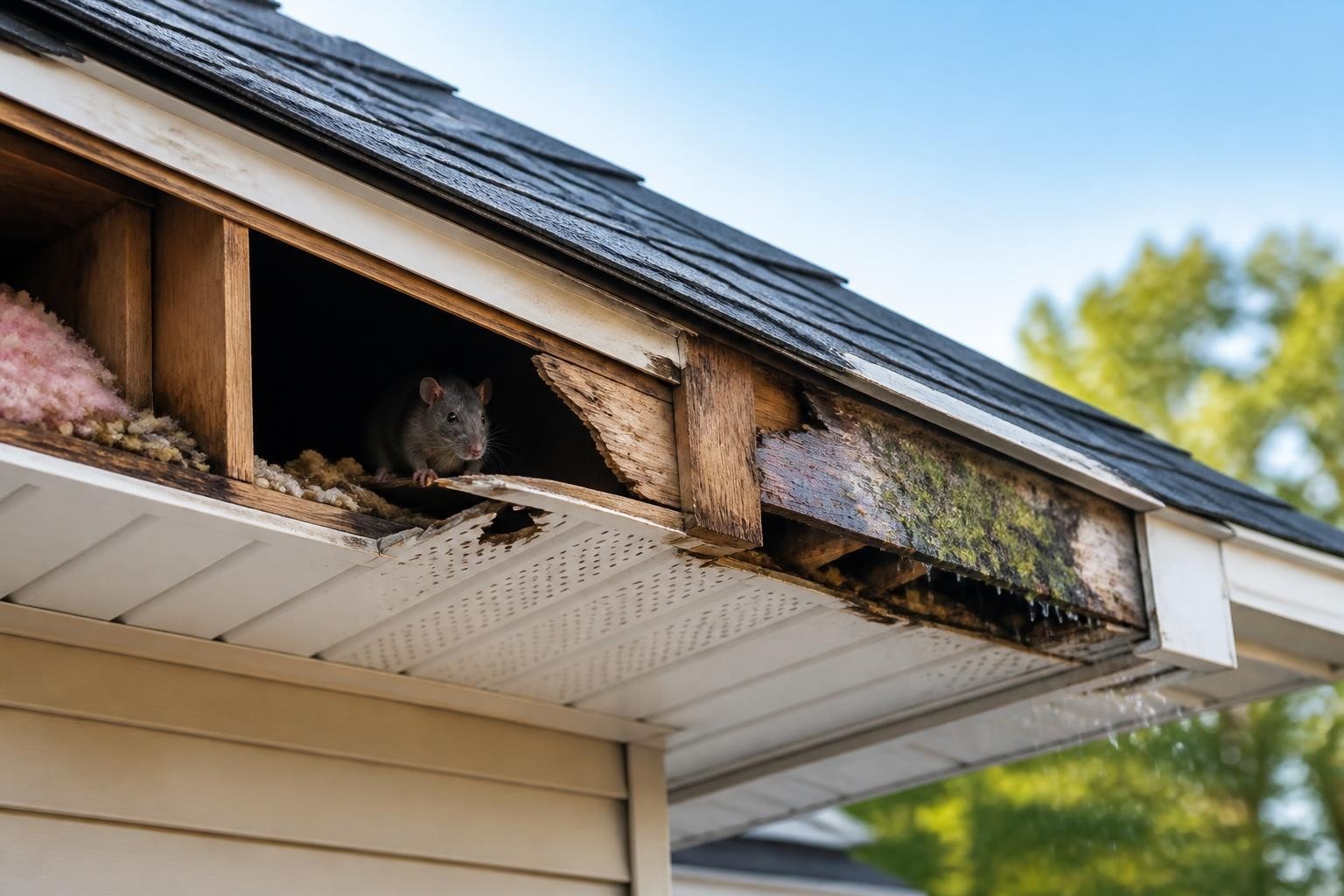
Your home's soffit serves as a critical protective barrier between your roofline and the elements, yet it often goes unnoticed until serious problems develop. These horizontal panels beneath your roof's overhang perform multiple essential functions, from ventilation to weather protection, making timely soffit repairs vital to maintaining your property's structural integrity. When soffits deteriorate due to moisture, pest damage, or age, the consequences can extend far beyond cosmetic concerns, potentially affecting your attic ventilation, energy efficiency, and even your roof's lifespan. Understanding when and how to address soffit damage empowers you to protect one of your most significant investments.
Why Soffits Matter More Than You Think
Soffits are the unsung heroes of your roofing system, working silently to protect your home from multiple threats. Most homeowners focus on the roof itself, overlooking the critical role these underside panels play in overall home health.
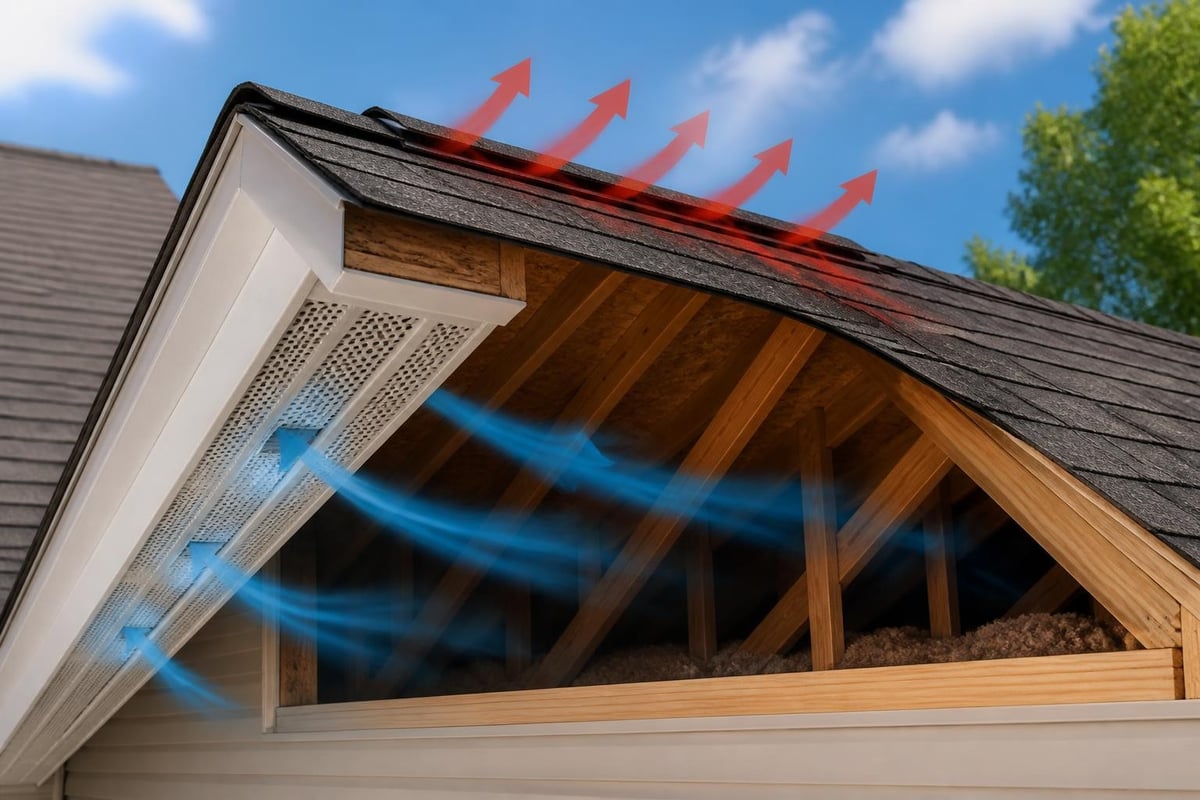
The primary function of properly maintained soffits is to provide intake ventilation for your attic space. Vented soffits allow cool air to enter near the eaves while warm air escapes through ridge vents or gable vents at the peak. This continuous airflow prevents moisture buildup that can lead to mold growth, wood rot, and premature shingle failure. According to DOE guidance on reducing wind-washing, properly installed soffits also prevent air leakage that compromises your insulation's effectiveness.
Beyond ventilation, soffits serve as a defensive barrier against:
- Pest intrusion: Gaps or damage create entry points for birds, squirrels, bats, and insects
- Water infiltration: Compromised soffits allow wind-driven rain to reach structural components
- Visual deterioration: Damaged soffits detract from curb appeal and property value
- Structural exposure: Failed soffit panels leave roof framing vulnerable to the elements
The materials used in soffit construction directly impact longevity and maintenance requirements. Wood soffits offer traditional aesthetics but require regular painting and are susceptible to rot. Vinyl soffits provide low maintenance and affordability but can crack in extreme cold. Aluminum soffits resist moisture and pests while maintaining ventilation, though they may dent from impact. Fiber cement combines durability with fire resistance but costs more upfront.
Common Causes of Soffit Damage
Understanding what damages soffits helps homeowners prevent problems before they escalate. Water damage tops the list, often stemming from clogged gutters that overflow and saturate soffit panels. When gutters fail to direct water away from the roofline, the constant exposure leads to wood rot in traditional soffits or warping in synthetic materials.
Inadequate attic ventilation creates a vicious cycle. When warm, moist air becomes trapped in your attic, condensation forms on cooler surfaces, including the back side of soffit panels. This moisture accelerates deterioration from the inside out, where it remains invisible until significant damage occurs. The NRCA’s technical resources emphasize proper ventilation ratios to prevent these moisture-related failures.
Wildlife poses another significant threat. Squirrels, raccoons, and birds actively seek entry points into attics for nesting. They exploit small gaps or weak spots in soffits, chewing or tearing panels to create openings. Once inside, these pests can cause extensive damage to insulation, wiring, and stored items while creating unsanitary conditions.
Age and weather exposure gradually degrade all soffit materials. Ultraviolet radiation breaks down paint and synthetic materials over years of sun exposure. Freeze-thaw cycles stress joints and fasteners in northern climates. Wind-driven debris impacts soffit surfaces, creating dents and cracks that compromise weather resistance.
Identifying When You Need Soffit Repairs
Early detection of soffit problems saves money and prevents secondary damage to other building systems. Visible signs often appear before structural issues develop, giving observant homeowners a window to address problems proactively.
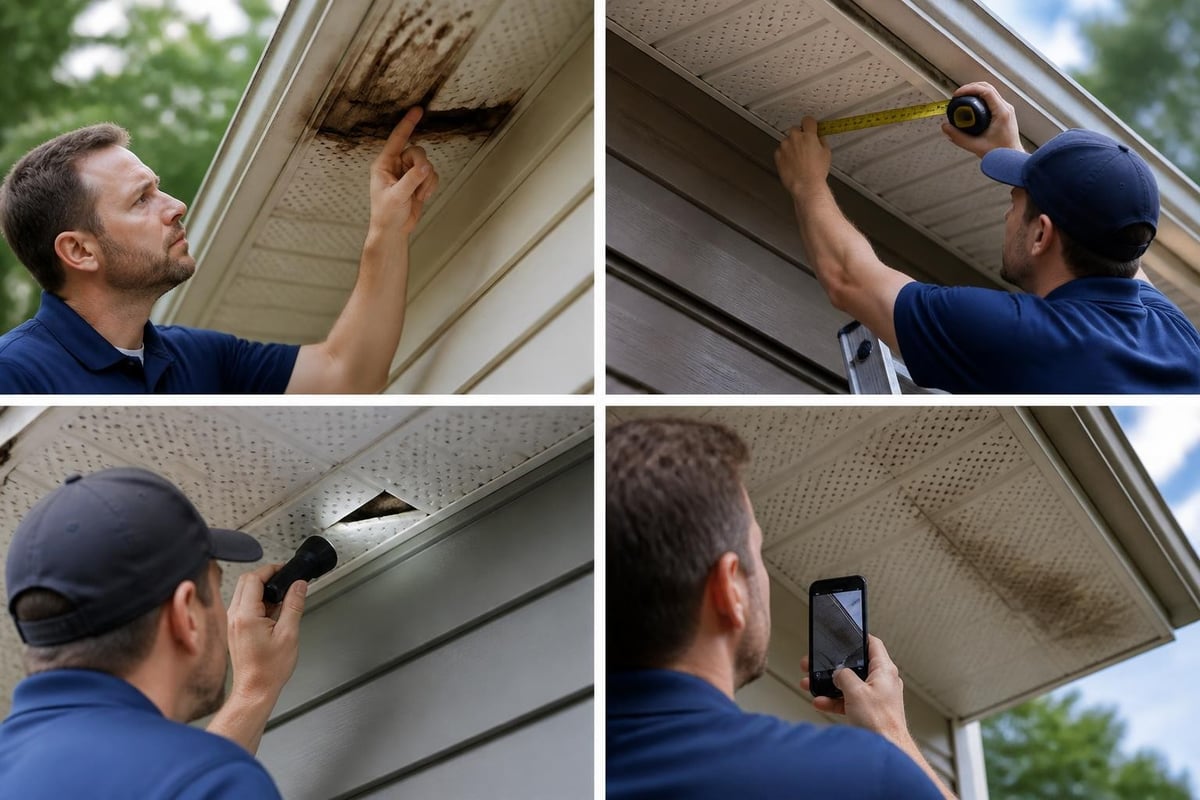
Visual indicators from ground level include:
- Staining or discoloration on soffit panels
- Sagging or bowing sections
- Missing or damaged vents
- Peeling paint or exposed wood grain
- Gaps between soffit panels and fascia
From closer inspection using a ladder (always prioritizing safety), look for soft spots that indicate rot when you press gently on wood soffits. Check for daylight visible through seams or holes, which signals both ventilation loss and pest entry potential. Water stains on the underside point to drainage problems above that require attention beyond just soffit repairs.
Interior Warning Signs
Sometimes soffit damage reveals itself through indoor symptoms. Attic inspections may uncover animal droppings, nesting materials, or actual pest presence near eaves. Water stains on attic sheathing or rafters near the roof edge suggest that damaged soffits are allowing moisture infiltration during storms.
Increased energy bills can indicate compromised soffit ventilation. When intake airflow becomes restricted, your attic overheats in summer, forcing your air conditioning to work harder. In winter, trapped moisture and inadequate ventilation can lead to ice dam formation, which creates its own cycle of damage. Energy efficiency guidelines demonstrate how proper soffit ventilation directly impacts heating and cooling costs.
| Symptom | Likely Cause | Urgency Level |
|---|---|---|
| Soft, spongy spots | Wood rot from moisture | High |
| Animal noises in attic | Pest entry through damaged soffit | High |
| Visible gaps or holes | Physical damage or deterioration | Medium to High |
| Peeling paint | Surface weathering | Medium |
| Increased cooling costs | Ventilation restriction | Medium |
Professional vs. DIY Soffit Repairs
The decision to tackle soffit repairs yourself or hire professionals depends on several factors: the extent of damage, your comfort working at heights, material availability, and the underlying cause of failure.
Simple repairs may fall within DIY capabilities for handy homeowners. Replacing a single damaged panel, reattaching loose sections, or caulking minor gaps requires basic tools and moderate skill. This Old House provides detailed guidance on assessing and repairing rotted soffits with clear step-by-step instructions for confident do-it-yourselfers.
However, professional contractors bring distinct advantages. They identify hidden damage that inexperienced eyes miss, ensuring repairs address root causes rather than just symptoms. Licensed contractors understand building codes and proper ventilation requirements, preventing repairs that create new problems. Their established relationships with suppliers ensure material consistency when matching existing soffits.
When to call professionals:
- Damage extends across multiple panels or entire elevations
- Structural components show rot or deterioration
- Repairs require roof system modifications
- Wildlife infestation needs remediation before repairs
- Your home exceeds one story, creating safety concerns
- Insurance claims require licensed contractor documentation
Professional soffit repairs often integrate with broader roofing services, addressing fascia damage, gutter issues, and ventilation optimization simultaneously. This comprehensive approach prevents patchwork solutions that fail prematurely.

Understanding Repair Costs and Timelines
Soffit repair expenses vary widely based on damage extent, material choice, and labor market conditions in your region. Minor spot repairs might cost a few hundred dollars, while complete soffit replacement on a typical home ranges from several thousand to over ten thousand dollars.
Material costs represent one component. Vinyl soffits typically cost less per linear foot than aluminum or fiber cement alternatives. Wood soffits fall somewhere in the middle but require additional finishing work. The Consumer Reports siding guide offers useful comparisons of exterior material durability that apply equally to soffit selection.
Labor constitutes the larger portion of professional repair bills. Contractors must safely access the work area, remove damaged materials, prepare surfaces, install new components, and ensure proper integration with existing systems. Complex roof geometries, multi-story heights, and difficult access increase labor time and cost.
Timeline expectations depend on project scope. Simple repairs might complete in a single day, while comprehensive soffit replacement could span several days or weeks when weather, material availability, or coordination with other trades factor in. Pest damage that requires remediation before repairs adds time for inspection, exclusion, and cleanup phases.
Material Selection for Long-Lasting Repairs
Choosing appropriate soffit materials ensures repairs stand the test of time and complement your home's architecture. Each material option presents distinct trade-offs between cost, durability, maintenance, and aesthetics that homeowners should evaluate carefully.
Wood Soffits
Traditional wood soffits offer unmatched versatility for custom designs and historical home restoration. Premium woods like cedar and redwood naturally resist decay, though they command higher prices. Paint-grade options like pine cost less but require diligent maintenance to prevent rot.
Wood soffit advantages include:
- Ability to match historical architectural details
- Superior strength for wide spans
- Accepts stains and paints for custom colors
- Can be milled for intricate ventilation patterns
Disadvantages center on maintenance demands and vulnerability. Wood requires periodic painting or staining, inspection for rot, and protection against carpenter bee damage. In humid climates or areas with poor drainage, wood soffits may deteriorate within 15-20 years despite proper maintenance.
Vinyl Soffits
Vinyl dominates the residential soffit market due to low cost and minimal maintenance requirements. Modern vinyl products resist fading better than earlier generations and come in multiple colors, though white and neutral tones remain most popular.
Performance characteristics include exceptional resistance to moisture and insects, no painting requirements, and easy cleaning with soap and water. Pre-vented panels simplify installation while ensuring consistent ventilation ratios. However, vinyl becomes brittle in extreme cold, lacks the rigidity of metal alternatives, and offers limited color choices compared to painted options.
Aluminum and Steel Soffits
Metal soffits provide the longest service life, often lasting 40+ years with minimal attention. Aluminum combines light weight with corrosion resistance, while steel offers greater strength for commercial applications. Both accept painted finishes for color coordination.
Metal soffit benefits include fire resistance, immunity to pest damage, and dimensional stability across temperature ranges. They accommodate various vent perforation patterns without compromising structural integrity. The primary drawbacks involve higher initial cost and potential for denting from hail or impacts, though this varies by gauge thickness.
Ventilation Requirements and Building Science
Proper ventilation represents the most critical functional aspect of soffit repairs. Inadequate or improperly balanced ventilation causes problems that extend throughout your roofing system and living space, making this technical detail essential to understand.
The building science principle behind soffit ventilation involves creating a continuous airflow path from eaves to peak. Cool outside air enters through soffit vents, travels up the underside of roof sheathing, absorbs heat and moisture, then exits through upper ventilation points. This convection current naturally moves without mechanical assistance when properly designed.
Key ventilation ratios:
- Minimum 1 square foot of net free ventilation area per 150 square feet of attic space
- Balanced intake (soffit) to exhaust (ridge/gable) ratio of approximately 50:50
- Increased ventilation requirements for dark-colored roofing that absorbs more heat
When planning soffit repairs, calculate existing ventilation adequacy before selecting replacement materials. Insufficient intake ventilation creates negative pressure that can draw conditioned air from your living space, wastes energy, and reduces the effectiveness of exhaust vents. APA’s technical guidance provides detailed specifications for proper soffit construction that maintains ventilation integrity.
Avoiding Common Ventilation Mistakes
Many well-intentioned repairs inadvertently compromise ventilation by blocking airflow paths. When installing new soffit panels, ensure insulation baffles maintain clear channels between the soffit vent and attic space. Loose-fill insulation commonly blocks soffit vents when blown into attics without proper baffles, negating the ventilation benefit.
Mixing ventilation types can create short-circuit airflow that prevents effective attic ventilation. For example, combining ridge vents with powered attic fans often causes the fan to draw air from the ridge vent rather than pulling it up from soffit vents. Similarly, turbine vents positioned near ridge vents compete rather than complement each other.
Paint or debris accumulation on vented soffit panels gradually restricts airflow without obvious visual cues. During repairs, clean existing vent screens and consider upgrading to larger net free area if original ventilation barely met minimum requirements. Modern building codes in many jurisdictions require higher ventilation ratios than older homes were built to, making repairs an opportunity to improve performance.
Integration with Fascia and Gutter Systems
Soffit repairs rarely exist in isolation from related roofline components. The fascia board that supports your gutters provides the mounting surface for soffit panels, while gutters protect both elements from water damage. Addressing these systems together ensures lasting results and prevents recurring problems.
Damaged fascia often underlies soffit failures. Water running behind gutters rots fascia boards, which then fail to support soffit panels properly. Before completing soffit repairs, inspect fascia thoroughly. Look for soft spots, water stains, and peeling paint that indicate moisture problems. Professional roofing contractors can assess whether fascia requires attention before new soffits are installed.
Gutter condition directly impacts soffit longevity. Clogged or improperly pitched gutters overflow during heavy rain, saturating soffits with water they're not designed to handle continuously. Leaking gutter seams or missing downspout extensions direct water precisely where it causes maximum damage. When undertaking soffit repairs, evaluate whether gutter replacement should proceed simultaneously to protect your investment.
The physical connection between these components requires careful detailing during repairs:
- Drip edge: Properly installed drip edge directs water into gutters rather than behind fascia
- Soffit-fascia joint: This seam must seal against wind-driven rain while allowing panel expansion
- Gutter apron: The flashing that guides water from roof into gutter protects the fascia-soffit junction
- Trim pieces: J-channel, F-channel, and other trim components secure soffits while accommodating movement
Preventing Future Soffit Problems
Proactive maintenance extends soffit lifespan and prevents minor issues from escalating into expensive repairs. A systematic approach to inspection and care protects your investment while avoiding emergency situations that demand immediate attention at premium prices.
Seasonal maintenance checklist:
- Spring: Clean gutters and downspouts; inspect for winter damage; check for pest activity
- Summer: Look for wasp nests; verify ventilation isn't blocked; touch up paint on wood soffits
- Fall: Final gutter cleaning before winter; seal minor gaps before cold weather; trim overhanging branches
- Winter: Monitor for ice dams; check for icicles forming at soffit-fascia junction; document any damage after storms
Regular gutter maintenance prevents the most common cause of soffit deterioration. Clean gutters at least twice annually, more frequently if large trees overhang your roof. Consider installing gutter guards that reduce debris accumulation while maintaining water flow. Verify that downspout extensions direct water at least 4-6 feet from your foundation, protecting both soffits and basement waterproofing.
Moisture Management Strategies
Controlling moisture protects soffits from both exterior and interior threats. Outside, maintain proper drainage around your home's perimeter. Soil should slope away from the foundation, and splash blocks should prevent water from pooling near exterior walls where it can wick up into soffit areas.
Inside your attic, manage humidity sources to prevent condensation problems. Ensure bathroom and kitchen exhaust fans vent to the exterior rather than into the attic space. Check that recessed lighting fixtures are rated for insulation contact (IC-rated) or have proper clearances that don't block soffit ventilation paths. During winter, maintain attic temperatures close to outdoor temperatures through adequate ventilation, which prevents warm, moist air from condensing on cold surfaces.
Apply caulk and sealant strategically. While you want to prevent water entry at joints, soffits need to "breathe" somewhat to allow moisture vapor to escape. Use high-quality exterior sealants designed for the specific material you're protecting, and reapply every few years as weathering degrades the seal.
Working with Professional Contractors
When soffit repairs exceed DIY capabilities, selecting the right contractor ensures quality work, fair pricing, and warranty protection. The roofing and exterior trades include both highly skilled professionals and less scrupulous operators, making careful vetting essential.
Start by seeking contractors who specialize in complete exterior systems rather than general handymen. Companies like Great Roofing that handle roofing, siding, and related components understand how these systems interact and can identify problems beyond the immediate repair area. Their comprehensive expertise prevents the fragmented approach that occurs when multiple specialists each address isolated symptoms.
Verify credentials before committing to any contractor:
| Credential | Why It Matters | How to Verify |
|---|---|---|
| License | Demonstrates minimum competency and legal operation | State licensing board database |
| Insurance | Protects you from liability for worker injuries | Request certificates of insurance |
| References | Shows track record with real clients | Contact recent customers directly |
| Warranties | Indicates confidence in workmanship | Review written warranty terms |
| Local presence | Ensures availability for future service | Verify physical business location |
Request detailed written estimates from multiple contractors before deciding. Quality estimates specify materials by brand and model, break down labor and material costs separately, outline the scope of work in detail, provide a timeline for completion, and clearly state payment terms and warranty coverage. Be wary of estimates that arrive as a single lump-sum number without supporting detail.
Questions to Ask Potential Contractors
Understanding a contractor's approach reveals their expertise and professionalism. Ask how they'll protect landscaping and property during work, what cleanup procedures they follow, whether they pull required permits, and how they handle unexpected damage discovered during repairs.
Inquire about their experience with your specific soffit material and home style. A contractor primarily experienced with vinyl may not bring the right skills to fiber cement or custom wood soffit repairs. Ask for examples of similar projects and whether you can view completed work or speak with those clients.
Discuss ventilation explicitly. A quality contractor should evaluate your current ventilation balance and explain how repairs will maintain or improve attic airflow. If they don't mention ventilation without prompting, that suggests a less thorough approach to soffit work.
Material-Specific Repair Techniques
Different soffit materials require distinct repair approaches and specialized knowledge. Understanding these differences helps homeowners communicate effectively with contractors and make informed decisions about repair versus replacement.
Repairing Wood Soffits
Wood soffit repairs begin with identifying rot extent. Probe suspicious areas with a screwdriver or awl, testing for soft, spongy wood that indicates decay. Small isolated rot spots may be cut out and replaced with dutchman patches, epoxy wood fillers designed for exterior use can restore minor damaged areas.
Extensive rot requires panel replacement. Remove damaged sections by cutting along joist locations to provide solid backing for new material. Match wood species and thickness to existing soffits for consistent appearance. Prime all six sides of replacement wood before installation to seal against moisture, then apply two coats of exterior paint or stain after installation.
Wood soffit repairs also demand addressing the moisture source. Install or repair roofing fascia as needed, correct gutter problems that caused water exposure, and verify that attic ventilation isn't creating condensation issues. Without eliminating the cause, new wood will rot just as the original did.
Working with Vinyl and Aluminum
Synthetic and metal soffits typically require panel replacement rather than patching when damaged. Most systems use interlocking panels that install in sequence, meaning you may need to remove multiple panels to replace one damaged section.
Start at the panel nearest the fascia and work backward toward the building wall. Release the locking lip carefully to avoid breaking adjacent panels. Replacement panels should come from the same manufacturer and product line when possible to ensure proper fit and color match, though exact color matching may prove difficult for faded original installations.
Metal soffit dents sometimes can be improved with careful manipulation from behind, though deep creases rarely restore to original smoothness. For visible areas where appearance matters, replacement usually provides better results than attempted repairs of significantly damaged metal panels.
The Role of Pest Control in Soffit Maintenance
Wildlife damage to soffits creates a unique repair challenge that combines structural restoration with animal exclusion. Addressing only the physical damage without preventing re-entry results in repeated repairs and escalating costs.
Common soffit-invading pests include squirrels that chew through wood and vinyl, raccoons that tear at weak points to access attic spaces, birds that nest in soffit vents, and bats that squeeze through surprisingly small gaps. Each species requires specific exclusion techniques beyond simply patching holes.
Professional wildlife removal may be necessary before repairs proceed. Trapping and relocating active infestations prevents animals from being sealed inside, where they'll either escape by creating new damage or die and create odor problems. Many jurisdictions regulate wildlife removal, requiring licensed professionals for certain species.
After animal removal, repairs should incorporate exclusion features:
- Heavy-gauge galvanized wire mesh over vent openings
- Rodent-proof materials like metal rather than vinyl in high-risk areas
- Sealed joints and gaps smaller than pest entry dimensions
- One-way exclusion devices that allow exit but prevent re-entry
Protecting your home through timely soffit repairs safeguards not just your roofline but your entire property's structural integrity, energy efficiency, and value. By understanding damage causes, material options, and ventilation requirements, you can make informed decisions that prevent small problems from becoming major expenses. When soffit damage exceeds simple fixes or you need expert assessment of your roofing system, Great Roofing brings family-owned dedication and professional expertise to homes throughout the Joliet area, ensuring your exterior systems provide lasting protection for decades to come.