

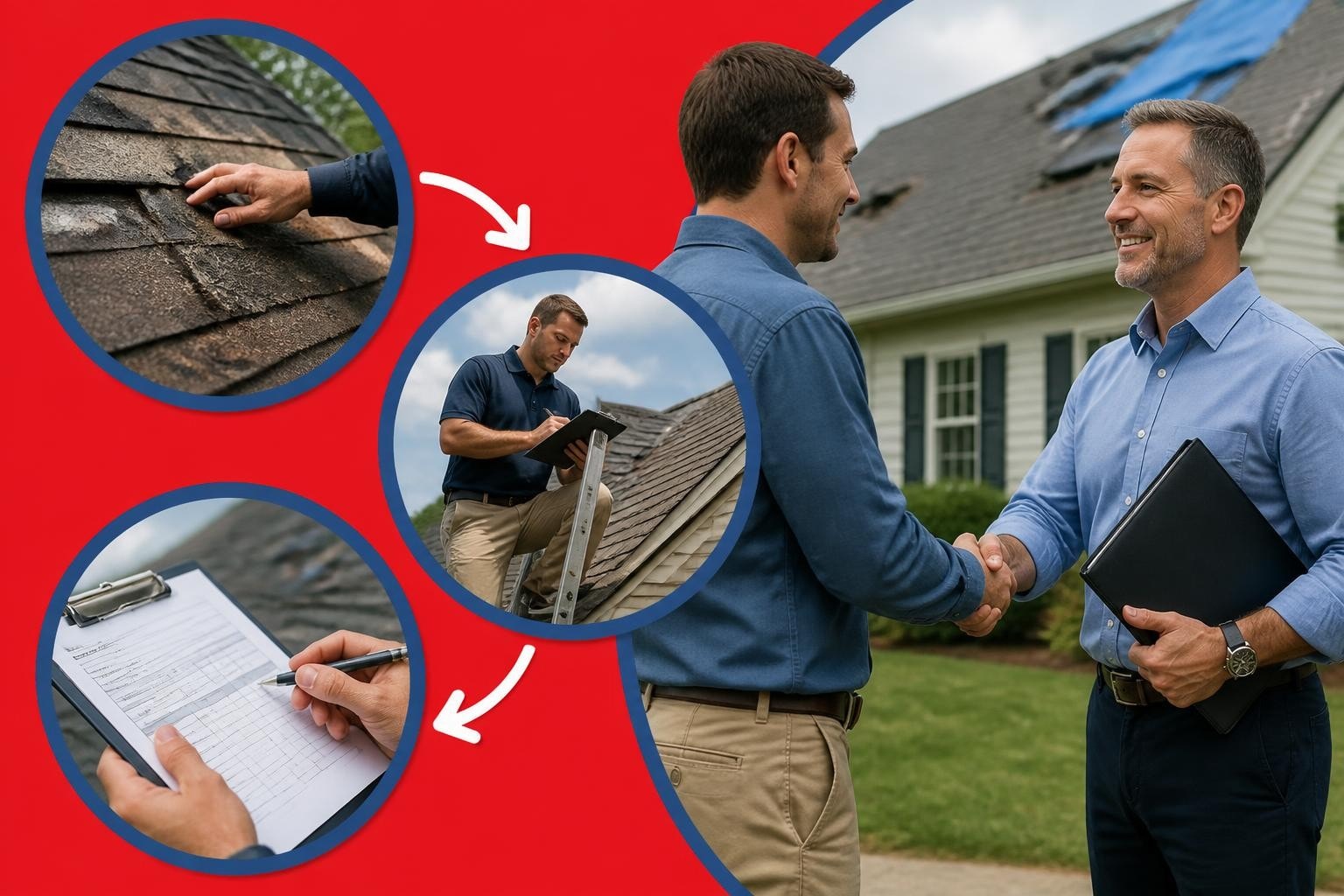
Severe weather events can cause devastating damage to your property in a matter of minutes. When a storm strikes your Joliet home or business, understanding the storm damage insurance claim process becomes critical to protecting your investment and ensuring a swift recovery. From the moment you discover roof damage to the final settlement check, each step requires careful attention to detail, thorough documentation, and clear communication with your insurance carrier. This comprehensive guide walks you through every phase of filing a successful claim, helping you avoid common pitfalls and maximize your settlement.
Understanding Your Coverage Before Disaster Strikes
Review your homeowner's insurance policy well before storm season arrives. Most standard policies cover wind, hail, and storm damage to roofing systems, but exclusions and limitations vary significantly between carriers. Deductibles for storm damage often differ from standard coverage, with some policies applying percentage-based deductibles specifically for wind or hail claims.
The Insurance Information Institute provides detailed information about which perils typically fall under standard homeowners coverage. Understanding these distinctions helps you set realistic expectations when filing your claim. Pay special attention to:
- Actual cash value versus replacement cost coverage for your roof
- Age-based depreciation schedules that may reduce your payout
- Special deductibles for named storms or hail damage
- Coverage limits for additional living expenses during repairs
- Exclusions for pre-existing damage or deferred maintenance
Documentation of your roof's condition before a storm proves invaluable during the claims process. Maintain photographs, recent inspection reports, and records of all maintenance and repairs. These materials establish a baseline that helps adjusters differentiate between storm damage and pre-existing conditions.
Immediate Actions After Storm Damage Occurs
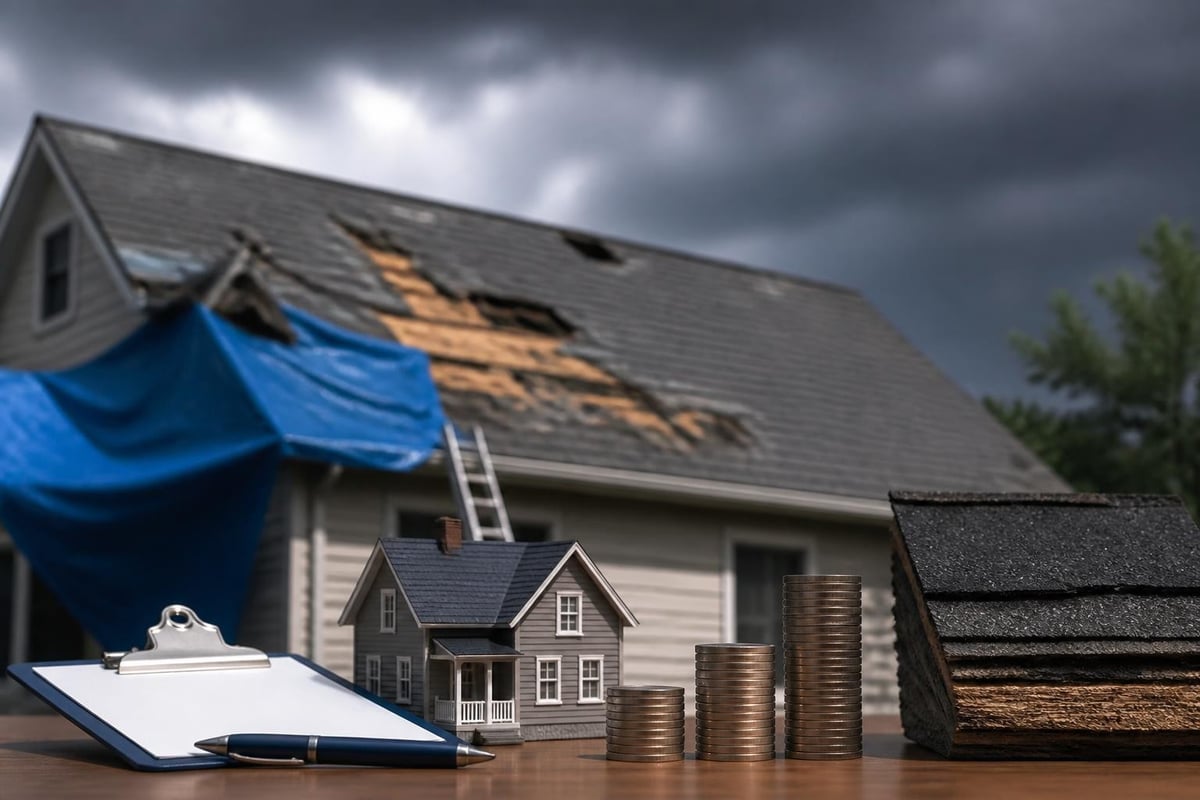
Safety must be your first priority immediately following severe weather. Once you've confirmed that everyone is safe, begin the claims process promptly. Most insurance policies require timely notification of damage, typically within a specific window outlined in your policy documents.
Document Everything Thoroughly
Before making any repairs beyond emergency mitigation, photograph and video all damage extensively. Capture wide shots showing the overall affected areas and close-ups of specific damage points. For roof damage, document:
- Missing or damaged shingles from ground level
- Debris in gutters or on the ground
- Interior water damage or stains on ceilings
- Damaged flashing, vents, or other roof penetrations
- Dents or cracks in siding or exterior components
The Consumer Financial Protection Bureau recommends specific documentation steps to protect your financial interests after a disaster. Create a detailed inventory of all damaged property, including dates of purchase when possible.
Contact Your Insurance Carrier Immediately
Report your claim as soon as possible after discovering damage. Have your policy number, contact information, and a preliminary description of damage ready when you call. Ask the representative about:
- Your claim number and adjuster assignment timeline
- Specific documentation requirements
- Temporary repair authorization limits
- Expected timeline for adjuster visit
- Company-preferred contractor lists (you are not required to use these)
Request all instructions in writing via email to maintain a paper trail throughout the storm damage insurance claim process.
Mitigating Further Damage
Your insurance policy requires you to take reasonable steps to prevent additional damage after a storm. This obligation, known as duty to mitigate, protects both you and your insurer from escalating losses. However, balance this requirement carefully against the need to preserve evidence of the original damage.
For roofing damage, appropriate mitigation measures include:
- Covering exposed areas with tarps secured properly to prevent wind displacement
- Placing buckets under active leaks
- Moving valuable items away from damaged areas
- Arranging for emergency board-up services if necessary
Keep all receipts for mitigation expenses. Most policies reimburse these costs separately from your deductible. Take photographs before and after any emergency repairs to maintain documentation of the original damage extent.
Never authorize permanent repairs before your adjuster completes their inspection. Premature repairs can void coverage or significantly complicate your claim. Working with experienced contractors like Great Roofing ensures that emergency mitigation proceeds appropriately while preserving your claim rights.
The Insurance Adjuster Inspection Process
The insurance adjuster inspection represents a critical phase in your storm damage insurance claim process. Adjusters evaluate damage extent, determine coverage applicability, and calculate settlement amounts. Understanding their role and preparing properly maximizes your chances of fair compensation.
Preparing for the Adjuster Visit
Schedule the inspection at a time when you can be present throughout the entire process. Before the adjuster arrives:
- Compile all documentation including photos, videos, and repair estimates
- Create a written list of all damaged areas and items
- Have your policy documents readily available for reference
- Clear safe access paths to damaged areas
- Arrange for any necessary safety equipment if roof access is required
Consider having your own roofing professional present during the inspection. A qualified contractor can identify damage the adjuster might miss and provide expert perspective on repair scope and costs. Many homeowners find value in obtaining an independent assessment from roofing insurance claim specialists before the adjuster's visit.
Understanding the Adjuster's Assessment
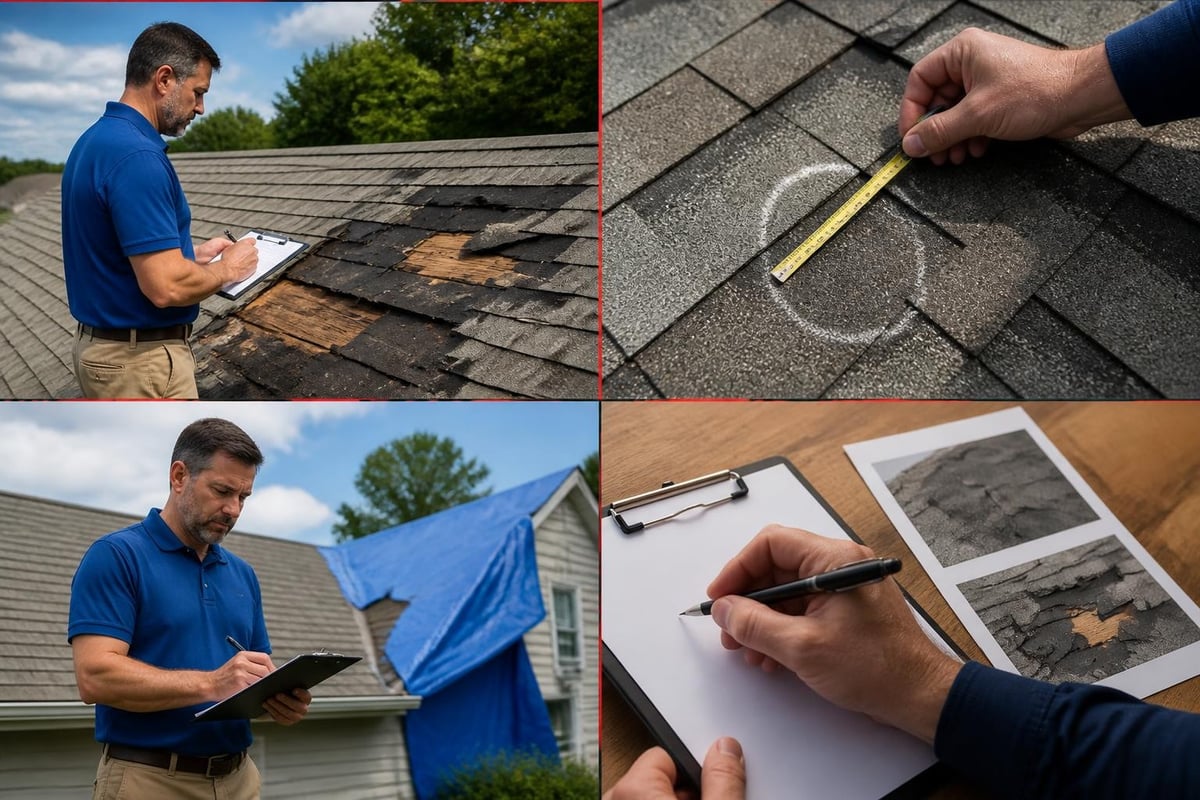
Insurance adjusters follow specific protocols when evaluating storm damage. They measure affected areas, photograph damage, assess causation, and apply depreciation schedules. Their initial estimate often differs significantly from contractor quotes you've obtained.
| Evaluation Component | What Adjusters Consider | Common Disputes |
|---|---|---|
| Damage Causation | Storm versus wear/aging | Pre-existing conditions |
| Repair Scope | Minimum necessary repairs | Matching, code upgrades |
| Material Costs | Standard-grade materials | Quality, availability |
| Labor Rates | Regional averages | Actual contractor pricing |
| Depreciation | Age-based schedules | Functional lifespan |
Review the adjuster's report carefully and immediately question any discrepancies. Point out damage they may have missed or areas where their assessment differs from your documentation. Polite, fact-based discussion often resolves disagreements without formal disputes.
Evaluating the Insurance Settlement Offer
After the adjuster completes their inspection, your insurance carrier issues a settlement offer. This initial offer represents the insurer's calculation of covered damage minus your deductible and any applicable depreciation. Most first offers are negotiable, particularly when you present solid evidence supporting higher costs.
The settlement typically arrives in two forms: an initial payment covering actual cash value and a recoverable depreciation payment issued after repairs complete. Read all accompanying documents thoroughly, including:
- The adjuster's scope of loss detailing exactly what they covered
- Itemized cost breakdowns showing materials and labor allowances
- Depreciation calculations explaining withheld amounts
- Requirements for recoverable depreciation payment
- Claim closure timelines and deadlines
Compare the insurance estimate against detailed quotes from licensed contractors. Significant discrepancies warrant further discussion with your adjuster. The National Association of Insurance Commissioners offers guidance on navigating disagreements and understanding your rights during the claims process.
When to Consider Professional Representation
Complex claims, large settlements, or carrier disputes sometimes justify hiring professional representation. Public adjusters work on your behalf to negotiate with insurance companies, typically charging a percentage of the final settlement.
The National Association of Public Insurance Adjusters explains when policyholders benefit from professional advocacy. Consider this option if:
- Your claim exceeds $50,000 in total damages
- The insurance company denies coverage you believe is valid
- You lack time or expertise to manage the process
- Initial settlement offers seem unreasonably low
- Your property requires extensive reconstruction
Public adjusters in Illinois require state licensing. Verify credentials before signing any contracts, and understand fee structures clearly. Some contractors offer assistance with insurance claims for roof repair as part of their services, providing valuable expertise without additional fees.
Negotiating a Fair Settlement
If the initial settlement offer falls short of actual repair costs, prepare a supplemental claim with supporting documentation. Professional contractor estimates carry significant weight during negotiations, particularly when they detail specific deficiencies in the adjuster's scope.
Building Your Supplemental Case
Compile evidence systematically to support your position:
- Detailed contractor estimates with line-item breakdowns
- Photographs highlighting damage the adjuster missed
- Material specifications and pricing documentation
- Code requirement explanations for necessary upgrades
- Written statements from roofing professionals
Present this information professionally in writing to your adjuster. Reference specific policy language supporting your position and remain factual rather than emotional in all communications. Many carriers authorize revised estimates when presented with credible evidence.
Matching requirements for roof replacement often generate disputes. When storm damage affects only one slope or section, insurance companies may cover only that area. However, discontinuation of your shingle style or significant color variation may make partial replacement impractical. Document these issues with manufacturer letters and contractor statements.

Selecting a Qualified Roofing Contractor
Choosing the right contractor significantly impacts both your claim outcome and repair quality. The storm damage insurance claim process often brings numerous contractors to affected neighborhoods, some more reputable than others. Exercise caution and select based on qualifications rather than aggressive sales tactics.
Evaluate contractors using these criteria:
| Selection Factor | What to Verify | Red Flags |
|---|---|---|
| Licensing | Illinois contractor license, current bond | Out-of-state only, no local presence |
| Insurance | General liability, workers compensation | Inadequate coverage, expired policies |
| Experience | Years in business, storm claim expertise | Recently formed, no references |
| References | Local customers, completed projects | Only distant references, evasive |
| Contract Terms | Detailed scope, payment schedule | Vague terms, large upfront deposits |
Storm chasers flood disaster areas offering quick repairs and insurance claim assistance. While some provide legitimate services, many disappear after collecting deposits or perform substandard work. Prioritize established local contractors with permanent offices and long-term community presence. Companies like those offering residential shingle roof services typically maintain higher accountability standards.
Never sign contractor agreements containing assignment of benefits clauses or allowing the contractor to act as your insurance representative without your explicit oversight. You maintain control of your claim and settlement funds throughout the process.
Completing Repairs and Final Settlement
Once you've negotiated a fair settlement and selected a qualified contractor, repairs can proceed. Maintain organized documentation throughout construction to facilitate final settlement and recoverable depreciation payment.
Managing the Repair Process
Stay actively involved as work progresses. Request regular updates, inspect completed phases before covering them, and address concerns immediately. Document:
- Daily progress with dated photographs
- Material deliveries matching specifications
- Quality control issues and their resolution
- Change orders for additional discovered damage
- Final completion and cleanup
Many insurance policies allow supplemental claims for damage discovered during repairs. Hidden issues beneath roofing materials or inside wall cavities often don't become apparent until contractors begin work. Report these findings to your adjuster promptly with supporting documentation and estimates.
Obtaining Recoverable Depreciation
After repairs complete, submit proof to your insurance carrier to receive withheld depreciation amounts. Required documentation typically includes:
- Final contractor invoice marked "Paid in Full"
- Lien waivers from contractor and major suppliers
- Completion photographs showing finished work
- Building permits and final inspection approvals
- Warranty documentation for materials and labor
Submit these materials promptly to avoid claim closure issues. Most policies specify timeframes for recoverable depreciation requests, typically ranging from six months to two years after the initial claim.
State-Specific Considerations and Resources
Storm damage claim processes vary somewhat by state based on regulations and typical weather patterns. Illinois homeowners benefit from specific consumer protections and resources administered by the state Department of Insurance.
Understanding regional variations helps you navigate the process effectively. States experiencing frequent severe weather often develop specialized programs and guidance. For example, Florida’s storm claim resources demonstrate comprehensive state-level support, while California’s Department of Insurance alerts provide relevant checklists following major storms.
Illinois requires specific licensing for public adjusters and contractors performing storm repairs. Verify all credentials through state databases before engaging services. Your state Department of Insurance provides complaint resolution assistance if disputes with your carrier remain unresolved.
Working With Local Experts
Local roofing contractors understand regional building codes, common storm damage patterns, and insurance carrier practices specific to your area. This knowledge proves invaluable during the storm damage insurance claim process. Joliet experiences various severe weather events including hail storms, high winds, and occasional tornadoes, each creating distinct damage signatures.
Experienced local contractors recognize these patterns and communicate effectively with adjusters familiar with regional conditions. They understand material availability in your market, appropriate installation methods for local climate conditions, and code requirements specific to your jurisdiction.
Common Claim Mistakes to Avoid
Even well-intentioned homeowners make errors that jeopardize their claims or reduce settlements. Awareness of common pitfalls helps you navigate the process successfully.
Delaying claim notification ranks among the most damaging mistakes. Insurance policies contain specific reporting requirements, and delays complicate damage assessment by allowing additional deterioration or making causation determination difficult.
Other frequent errors include:
- Making permanent repairs before adjuster inspection
- Discarding damaged materials before documentation
- Accepting lowball settlements without contractor consultation
- Signing contractor agreements with unfavorable terms
- Missing deadlines for supplemental claims or depreciation recovery
- Failing to maintain detailed records throughout the process
Consumer Reports research identifies documentation quality as the single most important factor distinguishing successful claims from disputed ones. Invest time in thorough, organized record-keeping from initial damage discovery through final settlement.
Appeals and Dispute Resolution Options
When negotiations fail to resolve claim disputes, formal appeal processes offer recourse. Most insurance carriers maintain internal appeal procedures for denied or underpaid claims. Request written denial explanations citing specific policy provisions, then respond systematically addressing each stated reason.
Escalation Paths
If internal appeals prove unsuccessful, external options include:
- State Department of Insurance complaints triggering regulatory review
- Appraisal clauses in your policy allowing neutral third-party valuation
- Mediation services facilitating negotiated settlements
- Legal action as a final resort for serious disputes
Appraisal clauses provide effective dispute resolution for disagreements about damage amount when coverage itself isn't contested. Both parties select appraisers who attempt to reach agreement or select an umpire to make binding decisions. This process typically costs less and resolves faster than litigation.
Document every interaction throughout any dispute, maintaining organized files with dates, times, participant names, and conversation summaries. This documentation proves essential if disputes escalate to formal proceedings.
Insurance Considerations for Commercial Properties
Commercial property owners face additional complexities in the storm damage insurance claim process. Business interruption coverage, tenant improvements, and revenue loss calculations require specialized attention beyond standard property damage claims.
Commercial policies often feature higher deductibles, more complex coverage structures, and stricter notification requirements. Modified bitumen roofing systems common on commercial buildings require specialized assessment expertise. Work with contractors experienced in commercial flat roof repair who understand these systems and can provide detailed damage documentation supporting your claim.
Business interruption claims necessitate thorough financial documentation proving lost revenue directly attributable to storm damage. Maintain detailed records of:
- Historical revenue data for comparison periods
- Actual post-storm revenue with explanations for decline
- Additional expenses incurred due to property damage
- Mitigation efforts to reduce business interruption
- Timeline connecting property damage to operational impacts
Commercial claims benefit significantly from early contractor involvement, detailed damage documentation, and proactive communication with adjusters familiar with commercial property issues.
Successfully navigating the storm damage insurance claim process requires organization, persistence, and expert support. By documenting thoroughly, understanding your coverage, and working with qualified professionals, you protect your rights and maximize your settlement.
When storm damage affects your Joliet property, partnering with experienced contractors ensures both quality repairs and effective insurance claim support. The team at Great Roofing brings decades of experience helping property owners through every phase of the claims process, from initial damage assessment through final settlement and expert restoration.