

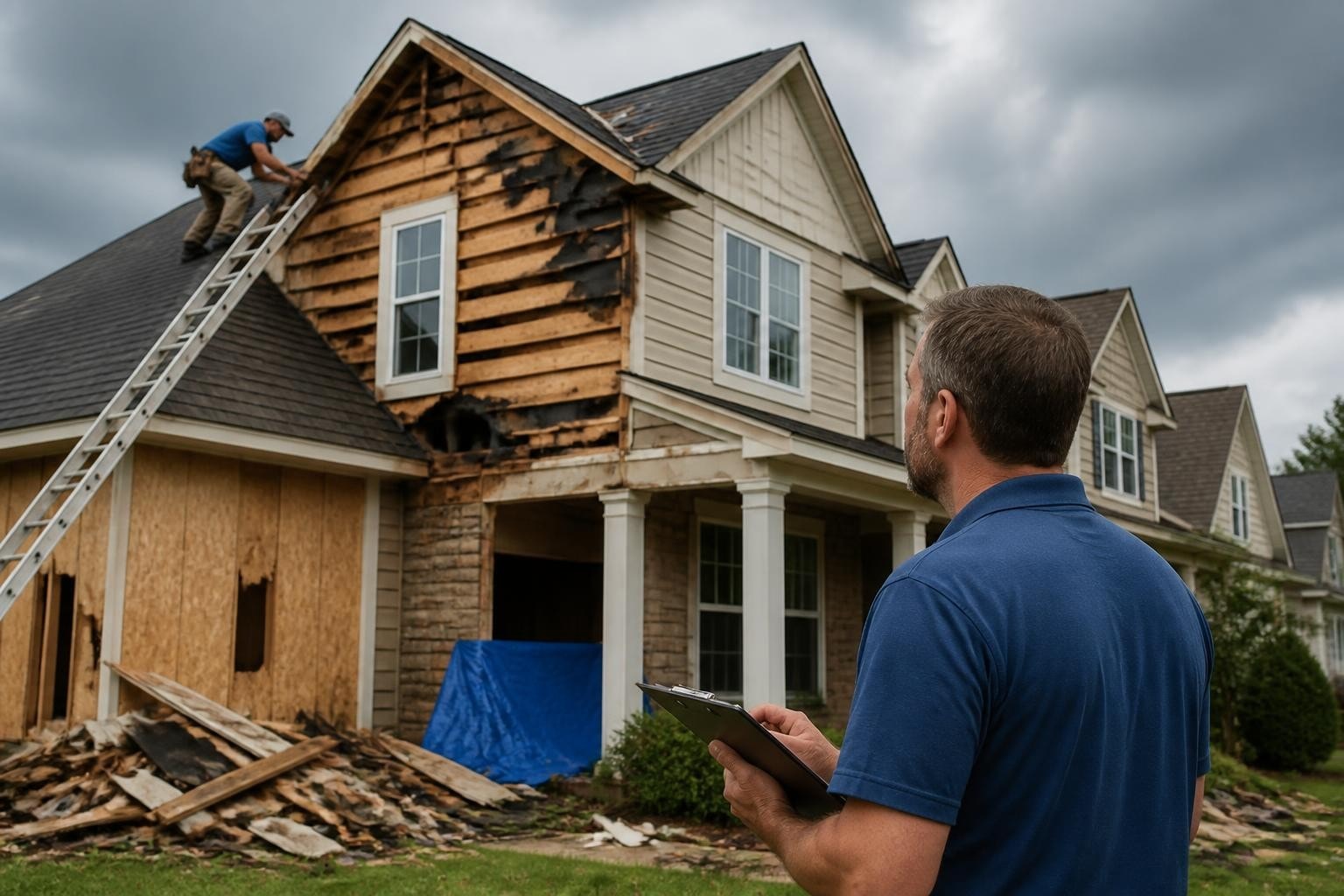
When severe weather strikes the Joliet area, the aftermath can leave homeowners and business owners facing significant property damage that requires immediate attention. Storm damage repair services encompass a comprehensive range of restoration work designed to return your property to its pre-storm condition, from emergency roof tarping to complete exterior reconstruction. Understanding what these services entail, how to select qualified contractors, and the proper steps to document damage for insurance purposes can make the difference between a smooth recovery and a prolonged, costly ordeal.
Understanding the Scope of Storm Damage Repair Services
Professional storm damage repair services extend far beyond simple patch jobs. These specialized contractors assess the full extent of damage to your property's exterior, including roofing systems, siding, gutters, windows, and structural elements that may have been compromised by high winds, hail, heavy rain, or flying debris.
The initial assessment phase determines whether your property requires emergency stabilization, targeted repairs, or complete system replacement. For instance, a roof with minor shingle loss might need selective repairs, while extensive hail damage across the entire surface typically necessitates full replacement to maintain warranty coverage and structural integrity.
Emergency Response and Temporary Protection
When storms strike during evening hours or weekends, immediate action prevents secondary damage from water infiltration. Emergency tarping services protect exposed areas of your roof until permanent repairs can be scheduled and completed.
Key emergency services include:
- 24/7 availability for critical damage situations
- Temporary roof tarping and board-up services
- Water extraction from interior spaces
- Debris removal from damaged areas
- Structural stabilization for safety
These rapid response measures minimize the risk of mold growth, interior water damage, and further structural deterioration. Professional storm damage restoration services follow established protocols to ensure comprehensive protection during the critical hours following severe weather events.
The Storm Damage Assessment Process
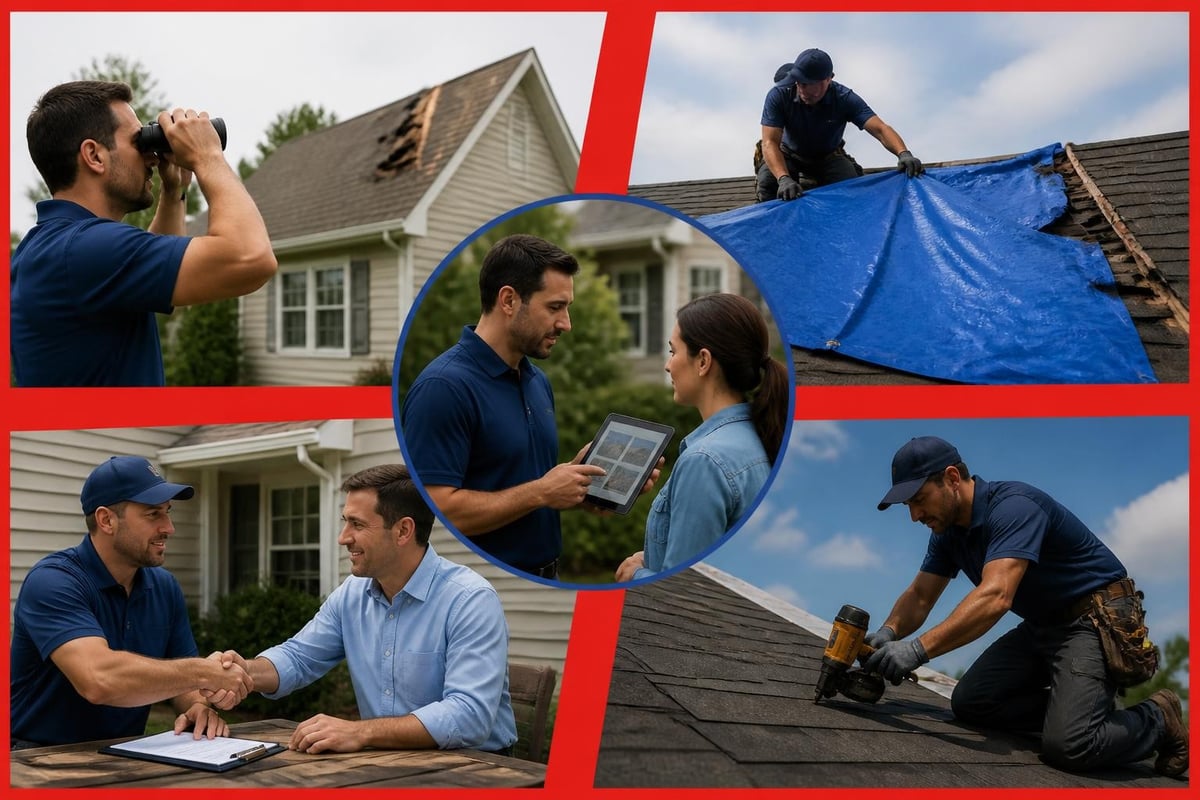
Professional contractors conduct systematic inspections that examine every vulnerable component of your property's exterior envelope. This thorough evaluation identifies both obvious damage and subtle issues that might escape untrained eyes but could lead to significant problems if left unaddressed.
During the assessment, experienced technicians climb onto the roof to inspect shingles, flashing, vents, chimneys, and penetrations. They examine siding for impact damage, check gutters for detachment or dents, and evaluate window seals and trim. Ground-level inspections using binoculars can identify some issues, but hands-on roof inspections provide the detailed information needed for accurate repair estimates.
Documentation Standards for Insurance Claims
Proper documentation forms the foundation of successful insurance claims. Creating comprehensive records of all damage ensures that your claim accurately reflects the scope of necessary repairs and increases the likelihood of fair settlement.
| Documentation Element | Purpose | Best Practice |
|---|---|---|
| Date-stamped photos | Visual evidence of damage | Multiple angles of each damaged area |
| Video walkthroughs | Comprehensive damage overview | Narrate observations while filming |
| Written descriptions | Detailed damage inventory | Note materials, measurements, locations |
| Professional reports | Expert validation | Certified inspector assessments |
| Weather records | Proof of storm occurrence | NOAA data for specific dates |
Following storm damage documentation best practices protects your interests throughout the insurance claim process and provides clear communication between you, your contractor, and your insurance adjuster.
Choosing Qualified Storm Damage Contractors
The aftermath of severe weather unfortunately attracts both legitimate professionals and unscrupulous operators looking to exploit vulnerable property owners. Selecting the right contractor requires careful vetting and a clear understanding of what credentials and practices indicate trustworthy service providers.
Reputable contractors carry proper licensing for your state and municipality, maintain comprehensive insurance coverage including general liability and workers' compensation, and provide verifiable references from recent projects. They offer detailed written estimates, use standard industry contracts, and never pressure homeowners into immediate decisions.
Warning Signs of Storm Chaser Scams
Storm chasers follow severe weather patterns, arriving in affected areas with aggressive sales tactics and questionable business practices. These operators often disappear after collecting deposits, perform substandard work, or leave projects incomplete.
Red flags that indicate potential scams:
- Demanding full payment upfront before starting work
- Offering to waive insurance deductibles or rebate them
- Knocking on doors immediately after storms with "special deals"
- Operating from out-of-state addresses with no local presence
- Pressuring immediate signing without time for review
- Lacking proper licensing or insurance documentation
The South Carolina Department of Consumer Affairs warns about storm damage repair scams that follow similar patterns nationwide, emphasizing the importance of verifying contractor credentials before signing any agreements. When working with established local companies like those offering storm damage repair services in your area, you benefit from their community reputation and ongoing accountability.
Residential Storm Damage Repairs
Homeowners face unique challenges when storms damage their most valuable asset. Residential storm damage repair services address the specific needs of single-family homes, townhouses, and condominiums, with particular attention to matching existing materials and maintaining architectural consistency.
Roof systems represent the most frequently damaged component during severe weather. Asphalt shingles can be torn away by high winds, cracked by hail impact, or lifted by pressure differentials. Understanding your specific roofing material helps determine appropriate roof repair approaches after hail storms and other weather events.
Common Types of Residential Storm Damage
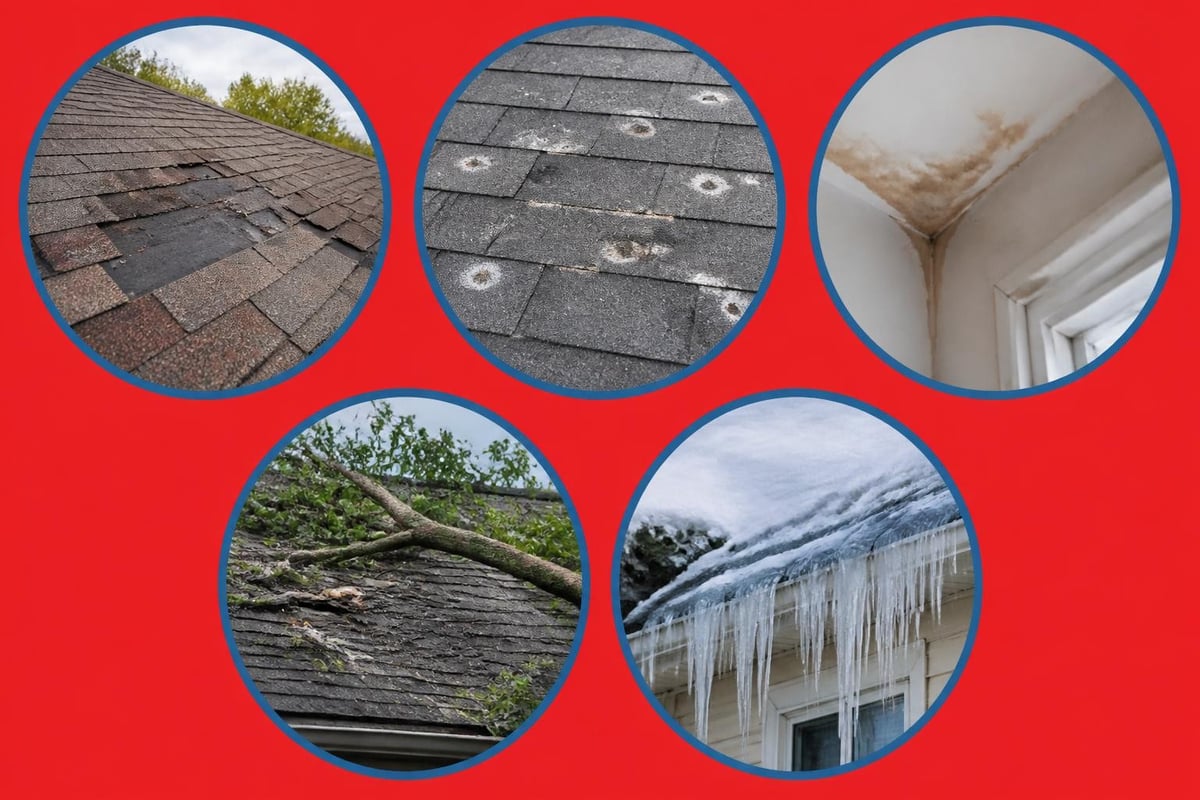
Different weather phenomena create distinct damage patterns that require specialized repair techniques:
- Wind Damage: Missing shingles, lifted edges, damaged flashing, torn siding panels
- Hail Damage: Granule loss on shingles, dented metal components, cracked tiles
- Rain Infiltration: Water stains, saturated insulation, damaged interior finishes
- Debris Impact: Punctured roofing, broken windows, damaged siding sections
- Ice Dam Formation: Compromised underlayment, deteriorated edge details, gutter damage
Each damage type requires specific repair methods and materials. Professional contractors tailor their approach based on the damage mechanism, existing materials, and building codes applicable to your location.
Commercial Storm Damage Solutions
Commercial properties present additional complexity in storm damage scenarios due to larger surface areas, specialized roofing systems, and business continuity concerns. Storm damage repair services for commercial clients prioritize minimizing operational disruption while ensuring comprehensive restoration.
Modified bitumen, TPO, EPDM, and built-up roofing systems common on commercial buildings each require specific repair expertise. Commercial roofing contractors familiar with these systems can efficiently assess damage and implement repairs that maintain warranty coverage and system integrity.
Business Continuity During Repairs
Commercial property owners must balance thorough repairs with maintaining business operations. Strategic planning minimizes downtime and protects both the building and ongoing business activities.
Strategies for maintaining operations include:
- Phased repair schedules that work around business hours
- Temporary protection systems for sensitive areas
- Clear communication protocols with tenants and customers
- Coordinated logistics to minimize access disruptions
- Safety protocols that protect workers and building occupants
Professional contractors experienced in commercial work understand these requirements and incorporate business needs into project planning and execution timelines.
Navigating the Insurance Claim Process
Successfully managing storm damage insurance claims requires understanding policy coverage, documentation requirements, and the interaction between contractors and insurance adjusters. Most homeowners' and commercial property insurance policies cover sudden storm damage, but the claim process demands attention to detail and persistent follow-through.
Your insurance policy likely includes specific deadlines for reporting damage and filing claims. Contact your insurance company immediately after discovering storm damage, even if you haven't yet obtained repair estimates. Early notification prevents potential coverage disputes related to reporting timelines.
Working with Adjusters and Contractors
The relationship between your contractor and insurance adjuster significantly impacts claim outcomes. Professional contractors provide detailed damage assessments that help adjusters understand the full scope of necessary repairs.
| Claim Phase | Your Role | Contractor Role | Adjuster Role |
|---|---|---|---|
| Initial Report | Contact insurer promptly | Document damage thoroughly | Schedule inspection |
| Inspection | Be present, ask questions | Point out all damage | Assess covered items |
| Estimate Review | Compare with contractor | Provide detailed scope | Determine settlement |
| Supplement Filing | Approve additional work | Document hidden damage | Evaluate new findings |
| Final Settlement | Sign releases | Complete repairs | Issue payment |
Understanding storm damage insurance claims and the specific requirements of your policy ensures you receive fair compensation for legitimate damage. Many policies also cover temporary protection measures and additional living expenses if storm damage renders your home uninhabitable during repairs.
Material Selection for Storm Repairs
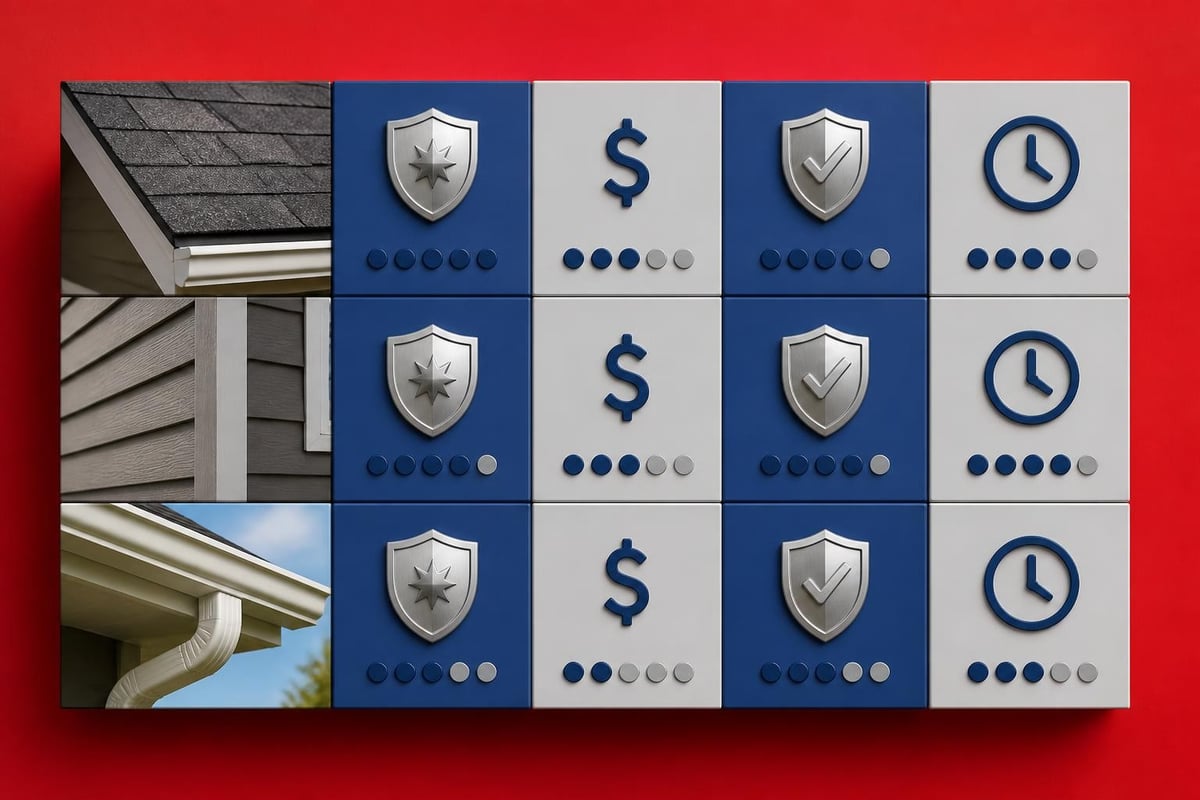
Choosing appropriate materials for storm damage repairs affects both the immediate restoration quality and long-term durability of your property's exterior systems. While matching existing materials maintains aesthetic consistency, property owners sometimes upgrade to more resilient options during repair projects.
For roofing repairs, impact-resistant shingles offer enhanced protection against future hail damage and may qualify for insurance discounts. These specially designed products meet UL 2218 Class 4 impact resistance standards, demonstrating superior performance during standardized testing.
Balancing Cost and Performance
Material decisions involve weighing upfront costs against long-term value, considering factors like expected lifespan, warranty coverage, maintenance requirements, and energy efficiency.
Material considerations for different components:
- Roofing: Impact resistance, wind rating, warranty terms, color matching
- Siding: Durability, maintenance needs, insulation value, appearance
- Windows: Energy efficiency, impact resistance, seal integrity
- Gutters: Capacity, durability, ice dam prevention features
Professional contractors guide material selection based on your specific damage situation, budget parameters, and performance priorities. When complete replacement is necessary rather than targeted repairs, waterproof roofing systems provide enhanced protection against future weather events.
Timeline Expectations for Storm Repairs
Understanding realistic timelines for storm damage repair services helps property owners plan accordingly and identify contractors making unrealistic promises. Numerous factors influence project duration, including damage extent, material availability, weather conditions, and contractor scheduling.
Emergency protection measures typically occur within 24 to 48 hours of initial contact. Complete damage assessments might take several days, particularly when insurance adjusters need to coordinate their inspections with contractor evaluations.
Factors Affecting Repair Duration
After major storm events affecting entire regions, material shortages and contractor capacity constraints can extend timelines beyond normal expectations. Properties requiring extensive repairs naturally take longer than those needing targeted fixes.
- Immediate Response (0-48 hours): Emergency stabilization and protection
- Assessment Phase (3-7 days): Complete inspection and documentation
- Insurance Review (1-3 weeks): Adjuster inspection and claim processing
- Material Procurement (1-4 weeks): Ordering and delivery of supplies
- Repair Execution (1-4 weeks): Actual construction and restoration work
- Final Inspection (1-3 days): Quality verification and project closeout
Regional disaster events create simultaneous demand that can strain contractor availability and material supply chains. Planning for realistic timelines prevents frustration and helps you make informed decisions about temporary accommodations if necessary.
Quality Assurance and Warranty Coverage
Reputable storm damage repair services stand behind their work with comprehensive warranties covering both materials and workmanship. Understanding what these warranties cover and how long they remain in effect protects your investment in property restoration.
Manufacturer warranties on roofing materials typically cover defects in the products themselves, ranging from 20 years to lifetime coverage depending on the product line. These warranties often include prorated coverage that decreases over time or non-prorated protection that maintains full value throughout the warranty period.
Workmanship Guarantees
Contractor workmanship warranties protect against installation errors, flashing failures, and other issues resulting from improper installation techniques. Quality contractors offer workmanship warranties ranging from one year minimum to ten years or more for premium services.
Essential warranty components:
- Clear definition of covered items and exclusions
- Specific warranty duration for different components
- Transferability terms if you sell the property
- Procedures for filing warranty claims
- Maintenance requirements to maintain coverage
Regular maintenance and periodic inspections help identify minor issues before they escalate into major problems, potentially preserving warranty coverage that might be voided by neglect or deferred maintenance.
Advanced Technology in Damage Assessment
Modern storm damage repair services increasingly leverage technology to improve assessment accuracy, documentation quality, and repair planning efficiency. Drone photography captures detailed roof imagery without requiring contractors to access every section of steep or dangerous roofs.
Thermal imaging cameras detect moisture infiltration that might not be visible during standard visual inspections. These tools identify saturated insulation, hidden leaks, and thermal bridging that compromise energy efficiency even when structural damage appears minimal.
Digital Documentation Systems
Sophisticated software platforms help contractors create detailed damage reports with integrated photographs, measurements, and repair recommendations. These digital systems facilitate clear communication between property owners, contractors, and insurance adjusters.
Advanced approaches to identifying and scheduling storm damage repairs demonstrate how technology continues evolving to serve property owners facing weather-related damage. While these tools enhance assessment capabilities, they complement rather than replace experienced contractor expertise in determining appropriate repair strategies.
Preventing Future Storm Damage
While no property can be completely storm-proof, strategic improvements during repair projects reduce vulnerability to future weather events. Impact-resistant materials, enhanced attachment methods, and proper maintenance all contribute to better storm resilience.
Regular maintenance extends the life of all exterior systems and helps them withstand severe weather more effectively. Annual inspections identify minor issues like loose shingles, deteriorated sealants, or clogged gutters before they compromise system performance during storms.
Proactive Maintenance Strategies
Developing a maintenance schedule that addresses vulnerable components before storm season arrives provides the best protection for your investment:
- Spring Inspections: Assess winter damage, clear debris, verify secure attachment
- Summer Preparation: Check sealants, repair minor issues, trim overhanging branches
- Fall Maintenance: Clean gutters, inspect flashing, ensure proper drainage
- Winter Readiness: Remove ice dams promptly, monitor for excessive snow loads
Working with established local contractors for routine maintenance creates relationships that prove valuable when emergency storm damage repairs become necessary. These ongoing partnerships ensure contractors familiar with your property can respond quickly during crisis situations.
Regional Considerations for Illinois Properties
Properties in the Joliet area and throughout Illinois face specific storm damage risks related to the region's climate patterns and weather phenomena. Severe thunderstorms with high winds and large hail occur frequently during spring and summer months, while winter brings ice accumulation and heavy snow loads.
Understanding these regional patterns helps property owners prepare appropriately and recognize damage that might not be immediately obvious. Hail damage, for instance, may not cause immediate leaks but compromises shingle integrity in ways that lead to premature failure and water infiltration over time.
Local Building Code Requirements
Illinois building codes and local municipal requirements affect repair approaches, material specifications, and permit processes. Professional contractors familiar with residential roofing requirements throughout the region ensure compliance with all applicable regulations while maximizing storm resistance.
Permit requirements vary by municipality and project scope. Minor repairs often proceed without permits, while substantial work including complete roof replacement typically requires proper permitting, inspections, and code compliance verification. Working with contractors who handle these administrative requirements streamlines the repair process and ensures legal compliance.
Understanding the comprehensive nature of storm damage repair services, from emergency response through final restoration, empowers property owners to make informed decisions during stressful post-storm situations. Proper documentation, careful contractor selection, and strategic material choices position your property for successful recovery and improved resilience against future weather events. When severe weather impacts your Joliet-area property, Great Roofing brings decades of family-owned expertise to your restoration project, combining responsive service with the quality craftsmanship that protects your investment for years to come.