


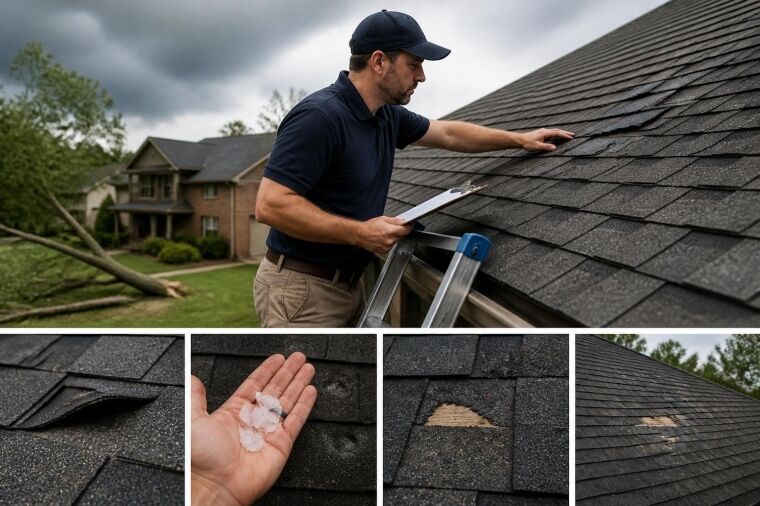
When severe weather strikes the Joliet area, your roof bears the brunt of nature's force. High winds, hail, heavy rain, and debris can compromise your home's first line of defense, leaving you vulnerable to water intrusion, structural damage, and costly repairs. Finding a qualified storm damage roofing company quickly becomes a top priority for homeowners and business owners who need immediate assessment, emergency repairs, and comprehensive restoration. Understanding what to look for in a contractor, how to document damage properly, and navigating the insurance claim process can make the difference between a smooth recovery and months of frustration. This guide will help you make informed decisions when storm damage strikes your property.
Recognizing Storm Damage on Your Roof
Storm damage isn't always immediately visible from ground level, which is why many homeowners underestimate the severity of their roof's condition after severe weather. Wind damage often manifests as lifted, creased, or missing shingles, especially along roof edges and ridge lines where wind forces concentrate. Hail creates distinctive circular bruises on asphalt shingles, dents in metal flashing, and granule loss that exposes the underlying mat.
Common signs of storm damage include:
- Missing or displaced shingles and tiles
- Granule accumulation in gutters and downspouts
- Dented or damaged metal components
- Cracked or split shingles
- Compromised flashing around chimneys and vents
- Visible water stains on interior ceilings
A professional storm damage roofing company will conduct a thorough inspection from the roof surface itself, documenting every area of concern with photographs and detailed notes. This documentation becomes critical when filing insurance claims and ensuring comprehensive repairs.

Wind Damage Patterns
Wind damage follows predictable patterns based on roof geometry and local wind direction. Corners and edges experience uplift forces that can tear shingles completely away, while the field area typically shows creasing and lifting. According to research from the Insurance Institute for Business & Home Safety, properly installed roofs with sealed shingles perform significantly better in wind events, highlighting the importance of quality installation.
The National Roofing Contractors Association provides technical guidance on identifying wind damage that separates storm-related issues from normal wear and aging, which is essential for insurance claim success.
Hail Impact Assessment
Hail damage severity depends on hail size, wind speed during the storm, and the age and condition of your roofing materials. Fresh hail strikes appear as dark spots where granules have been knocked away, exposing the asphalt beneath. Over time, these damaged areas accelerate weathering and can lead to leaks. When working with a storm damage roofing company, ask for a detailed hail impact map showing the concentration and severity of strikes across your roof surface.
Immediate Steps After Storm Damage
Taking prompt action after a storm protects your property from secondary damage and strengthens your insurance claim. Your first priority should be safety, ensuring no one attempts roof access during dangerous conditions. Once conditions stabilize, document visible damage from the ground using photographs and video, noting the date and time of the storm event.
| Timeline | Action | Purpose |
|---|---|---|
| 0-24 hours | Document visible damage, protect exposed areas | Prevent secondary water damage |
| 1-3 days | Contact insurance company, schedule inspection | Initiate claims process |
| 3-7 days | Meet with roofing contractors, obtain estimates | Begin repair planning |
| 1-2 weeks | Select contractor, finalize scope with adjuster | Move toward restoration |
Contact your insurance company immediately to report the claim. Many policies have strict notification deadlines, and early reporting demonstrates diligence. Request a copy of your policy to understand coverage limits, deductibles, and any requirements for multiple estimates.
Emergency Tarping and Temporary Repairs
If your roof has active leaks or exposed areas, emergency tarping prevents additional water intrusion that could damage insulation, ceilings, walls, and personal property. A reputable storm damage roofing company offers 24/7 emergency response to secure your property quickly. Temporary repairs should be documented with photographs before and after, as these costs are typically reimbursable under your insurance policy.
The IICRC standards for water damage restoration outline best practices for mitigating water intrusion, which becomes critical if storm damage allows moisture into your home's structure.
Choosing the Right Storm Damage Roofing Company
Not all roofing contractors have equal experience with storm damage repairs and insurance claim processes. The weeks following major storms often bring an influx of "storm chasers" – contractors from out of state who offer quick fixes but disappear when warranty issues arise. Selecting a local, established contractor ensures accountability and long-term support.
Verification checklist for roofing contractors:
- Valid Illinois contractor licensing and local business permits
- Current general liability and workers compensation insurance
- Established local address and verifiable references
- Manufacturer certifications for the products they install
- Written warranties covering both materials and workmanship
- Clear written estimates detailing scope, materials, and timeline
Great Roofing has served the Joliet community for years, building relationships that extend beyond single projects. This local commitment ensures we remain available for warranty service, follow-up inspections, and future roofing needs.
Understanding the Claims Process
A qualified storm damage roofing company serves as your advocate during the insurance claims process, helping ensure complete and accurate damage assessment. When your insurance adjuster inspects your roof, having your contractor present provides technical expertise that protects your interests. Adjusters work for the insurance company, while your contractor works for you.
The Insurance Information Institute provides guidance on settling claims that helps homeowners understand their rights and responsibilities throughout the process. Documentation quality directly impacts claim outcomes, making professional photography and detailed damage reports essential.
Repair vs. Replacement: Making the Right Decision
Insurance adjusters determine whether damaged roofs require repairs or full replacement based on the percentage of damage, roof age, and matching material availability. Replacement typically occurs when damage exceeds 30-40% of the roof surface or when matching materials for partial repairs aren't available. Your storm damage roofing company should provide an independent assessment that you can compare with the adjuster's findings.
Scope Agreement Considerations
The scope agreement defines exactly what work your insurance company will cover. Review this document carefully with your contractor before signing, ensuring all damaged components are included. Common overlooked items include:
- Ice and water shield upgrades
- Drip edge replacement
- Proper ventilation components
- Chimney flashing and counter-flashing
- Pipe boot replacements
- Gutter and downspout repairs
If you need guidance on the broader insurance claim process, working with experienced professionals ensures nothing gets missed. A detailed scope protects both you and your contractor from disputes during the project.
Material Selection for Storm Resistance
When replacement becomes necessary, consider upgrading to more storm-resistant materials. Impact-resistant shingles rated Class 4 offer superior hail protection and often qualify for insurance discounts. Consumer Reports testing data demonstrates significant performance differences between standard and impact-resistant products, especially in areas prone to severe weather.
For residential properties, architectural shingles with higher wind ratings provide better protection than standard three-tab shingles. Commercial properties benefit from modified bitumen systems that offer excellent wind uplift resistance and puncture protection.
Residential vs. Commercial Storm Damage Considerations
Residential and commercial properties face different challenges after storm damage, requiring specialized approaches from your storm damage roofing company. Residential roofs typically feature sloped asphalt shingle systems where damage is more visible but repairs can often wait a few days. Commercial flat or low-slope roofs demand immediate attention because ponding water can quickly penetrate damaged membranes.
| Property Type | Common Systems | Damage Risks | Response Priority |
|---|---|---|---|
| Residential | Asphalt shingle, tile | Missing shingles, hail bruising | High (1-3 days) |
| Commercial | Modified bitumen, TPO, EPDM | Membrane punctures, seam failure | Critical (24 hours) |
| Multi-family | Combination systems | Flashing failures, drainage issues | High (1-2 days) |
Great Roofing specializes in both residential roofing and commercial roofing, understanding the unique requirements each property type demands. Commercial projects often require coordination with building management, tenant notification, and work scheduling that minimizes business disruption.
Commercial Flat Roof Emergency Response
Commercial flat roofs can't shed water like sloped residential systems, making them vulnerable to rapid leak development after storm damage. Punctured membranes, torn seams, and damaged flashings allow water to saturate insulation and compromise roof decking quickly. Emergency commercial flat roof repair often involves temporary patches and drainage improvements while permanent repairs are planned.
Modified bitumen systems, which Great Roofing specializes in, offer excellent repairability after storm damage. Individual sections can be heat-welded to patch punctures and torn areas without replacing the entire roof system.
Regional Considerations for Joliet Area Properties
The Joliet area experiences diverse weather patterns that impact roof performance, from winter ice dams to severe summer thunderstorms with damaging hail. Local building codes and insurance requirements reflect these regional risks, influencing both repair specifications and material selections. A storm damage roofing company familiar with local conditions provides more accurate assessments and appropriate solutions.
Spring and early summer bring the highest risk of severe thunderstorms with large hail and straight-line winds exceeding 60 mph. These events can damage hundreds of roofs in a single neighborhood, creating contractor shortages and extended wait times. Early documentation and contractor selection becomes critical during these high-demand periods.
Regional weather threats include:
- Severe thunderstorms with hail and high winds (May-July)
- Winter ice dams from freeze-thaw cycles (December-February)
- Heavy snow loads (January-March)
- Tornado potential (April-June)
Working with Local Contractors
Choosing a locally based storm damage roofing company ensures familiarity with regional building codes, permit requirements, and inspection procedures. Great Roofing maintains relationships with local building departments, streamlining the permitting process and ensuring all work meets or exceeds code requirements. Our service extends throughout the region, including specialized roofing services in New Lenox, Frankfort, and Orland Park.
Local contractors also understand insurance company patterns in the area, knowing which adjusters require additional documentation and how to present estimates effectively. This experience accelerates claim resolution and reduces friction during the restoration process.
Quality Indicators During the Repair Process
Once you've selected a storm damage roofing company and your insurance claim is approved, monitoring quality during repairs protects your investment. Reputable contractors welcome homeowner involvement and provide regular updates throughout the project. Expect daily communication about progress, material deliveries, and any unexpected findings that might affect the scope or timeline.
Material Verification and Installation Standards
Quality begins with proper materials delivered directly from manufacturers or authorized distributors. Inspect bundles when they arrive, verifying they match the specifications in your contract and insurance agreement. Mismatched shingles, wrong colors, or substitute products should be rejected immediately.
Installation quality matters as much as material selection. The NRCA technical resources detail proper installation techniques, including fastener placement, starter strip requirements, and valley installation methods. While you don't need to become a roofing expert, understanding basic quality indicators helps you recognize proper workmanship.
Key installation quality indicators:
- Straight, aligned shingle courses
- Proper fastener placement (not overdriven or exposed)
- Complete seal strips activated
- Clean, sealed valleys and penetrations
- Adequate ventilation components installed
- Thorough cleanup with magnetic sweeps for nails
Project Timeline Expectations
Weather-dependent work like roofing requires realistic timeline expectations. Most residential roof replacements complete in one to three days under favorable conditions, while commercial projects may extend longer depending on size and system complexity. Quality contractors provide weather-contingent schedules and communicate promptly when delays occur.
Post-Repair Maintenance and Future Storm Preparation
Completing storm damage repairs returns your roof to proper condition, but ongoing maintenance extends its lifespan and improves performance during future storms. Annual inspections identify minor issues before they become major problems, and regular gutter cleaning prevents water backup that can damage roof edges and fascia.
| Maintenance Task | Frequency | Benefit |
|---|---|---|
| Professional inspection | Annually | Early problem detection |
| Gutter cleaning | Spring and fall | Proper drainage maintenance |
| Tree trimming | As needed | Reduces debris and branch damage |
| Attic ventilation check | Annually | Controls moisture and temperature |
| Flashing inspection | Semi-annually | Prevents leak development |
Consider scheduling inspections before severe weather seasons, giving you time to address vulnerabilities before storms strike. A proactive storm damage roofing company offers maintenance programs that include regular inspections, minor repairs, and priority emergency response when needed.
Storm Preparation Checklist
Preparing your property before storm season reduces damage severity and simplifies recovery. Trim overhanging branches that could break and puncture your roof during high winds. Secure loose objects in your yard that could become airborne projectiles. Document your roof's condition with photographs for insurance reference, and review your policy to understand coverage limits and deductibles.
For homeowners considering roof replacement, timing the project before severe weather season provides maximum protection. Installing impact-resistant materials and upgrading to higher wind ratings significantly improves your roof's storm survivability.
Financing and Budget Considerations
Storm damage repairs covered by insurance typically involve only your deductible payment, but additional upgrades or uncovered items may require out-of-pocket expenses. Understanding financing options before starting work prevents surprises and allows you to make informed decisions about optional improvements.
Most insurance policies cover replacement materials of "like kind and quality," which may not include upgrades to impact-resistant or architectural shingles. The cost difference between standard and upgraded materials might be manageable when you're already paying a deductible and receiving insurance coverage for the base system.
Working with Insurance Depreciation
Many insurance policies depreciate roof coverage based on age, paying actual cash value initially and recovering depreciation upon completion. This means you'll receive a partial payment upfront, then submit proof of completed work with paid invoices to receive the depreciation holdback. Your storm damage roofing company should understand this process and work with your payment schedule accordingly.
Some contractors offer financing for deductibles or upgrades, though this deserves careful consideration. Government programs through HUD disaster resources may provide assistance after major disaster declarations, offering low-interest loans or grants for storm damage repairs.
Warranty Protection and Long-Term Support
Quality storm damage roofing companies stand behind their work with comprehensive warranties covering both materials and workmanship. Manufacturer warranties typically cover material defects for 20-50 years depending on the product line, while contractor workmanship warranties should extend at least five years and preferably ten or more.
Read warranty documents carefully, understanding what's covered, exclusion clauses, and transferability if you sell your property. Some warranties require annual inspections or specific maintenance to remain valid. Regular maintenance through your installing contractor often satisfies these requirements while protecting your investment.
Warranty components to verify:
- Material defect coverage duration and transferability
- Workmanship coverage length and scope
- Required maintenance or inspection schedules
- Process for warranty claims and repairs
- Contractor's insurance and bonding status
- Manufacturer certification status
Great Roofing maintains manufacturer certifications that extend warranty coverage and demonstrates our commitment to quality installation. Our local presence ensures we're available when you need warranty service, unlike out-of-state contractors who may be unreachable after departing the area.
Protecting your property from storm damage requires selecting a qualified storm damage roofing company that combines technical expertise with local knowledge and insurance claim experience. From initial damage assessment through final inspection, working with experienced professionals ensures complete restoration and maximum insurance recovery. Great Roofing brings family-owned commitment and comprehensive expertise to every storm damage project in the Joliet area, serving both residential and commercial properties with the quality and accountability you deserve. Contact us today for a thorough storm damage assessment and detailed restoration plan that protects your property investment.