

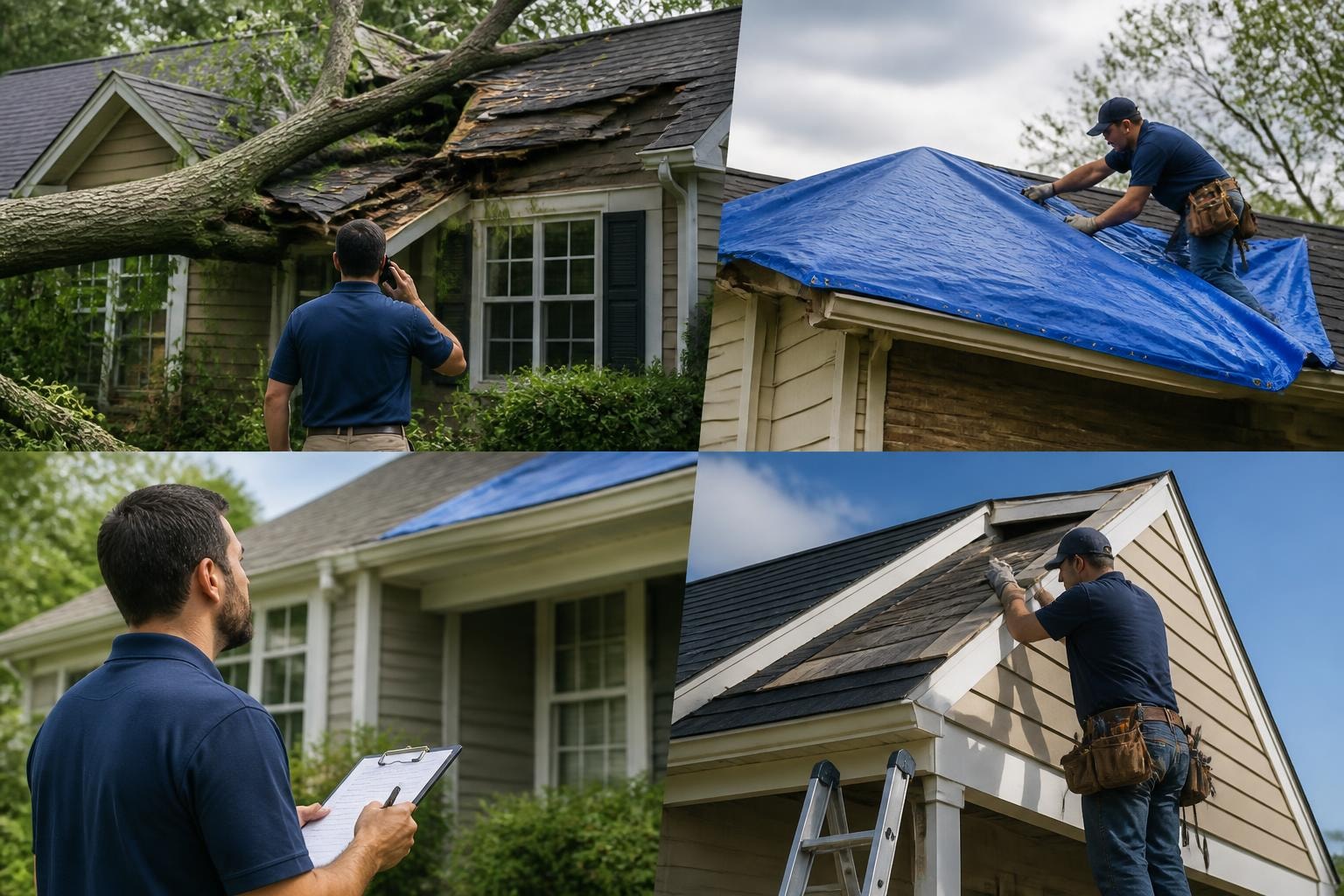
When severe weather strikes the Joliet area, property damage can occur within minutes, leaving homeowners scrambling to protect their investment and restore their homes to pre-storm condition. Understanding the storm repair process, knowing which immediate steps to take, and working with qualified professionals can make the difference between a smooth restoration and months of frustration. Whether you're dealing with wind-damaged shingles, hail impacts, or structural concerns, having a comprehensive approach to storm repair ensures your property receives proper attention while maximizing insurance coverage and minimizing long-term problems.
Understanding Common Types of Storm Damage
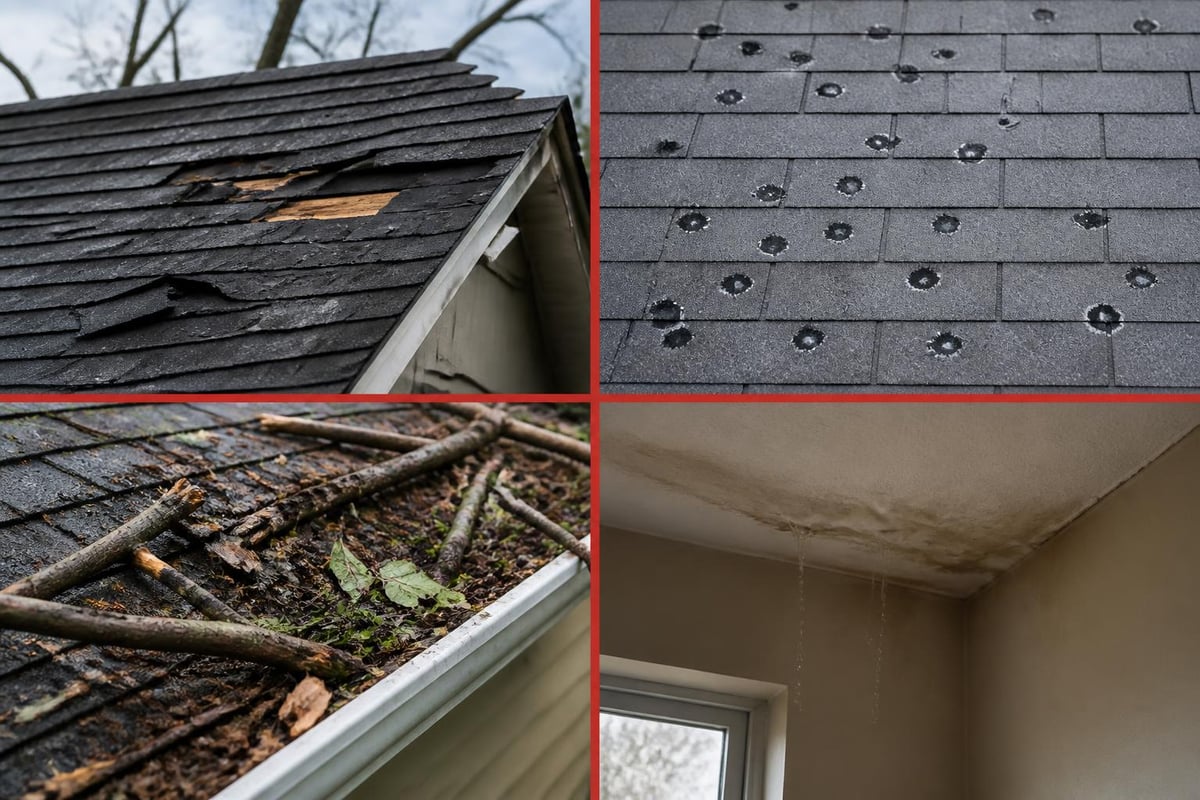
Storm systems bring various forms of destruction that require different repair approaches. Wind damage typically manifests as missing shingles, lifted flashing, and compromised roof edges where high-velocity gusts create uplift pressure. These conditions allow water infiltration and can worsen rapidly without intervention.
Hail damage presents unique challenges because impacts may not be immediately visible from ground level. Hail creates bruising on asphalt shingles, dents in metal components, and granule loss that compromises the protective coating. The severity depends on hail size, wind speed during the event, and the age of your roofing materials.
Identifying Structural Vulnerabilities
Beyond surface damage, storms can compromise structural integrity through several mechanisms:
- Debris impact creating punctures or fractures in roofing substrates
- Water infiltration leading to decking deterioration and insulation damage
- Fastener withdrawal where extreme winds pull nails through weakened materials
- Flashing separation at critical junctions including chimneys, valleys, and penetrations
The storm damage documentation process becomes crucial for establishing the full extent of these issues. Professional contractors conduct thorough inspections that identify both obvious and hidden damage, ensuring nothing gets overlooked during the repair phase.
Immediate Response After Storm Events
The first 24-48 hours following a severe weather event are critical for protecting your property from additional damage. Emergency mitigation should be your top priority, even before contacting insurance companies or scheduling formal inspections.
If you discover active leaks, place buckets to catch water and move valuables away from affected areas. For significant roof openings, emergency board-up and tarping procedures provide temporary protection until permanent storm repair can be completed. These measures prevent water damage from spreading to ceilings, walls, and personal property.
Creating a Damage Inventory
Document everything immediately while conditions are fresh. This inventory serves multiple purposes throughout the repair and insurance claim process:
- Take photographs from multiple angles showing damage locations and severity
- Record video walkthroughs of affected areas, both interior and exterior
- Note the date, time, and weather conditions when damage was discovered
- List damaged personal property with approximate values and purchase dates
- Save receipts for any emergency repairs or temporary protective measures
Professional contractors who specialize in commercial roofing and residential systems understand insurance requirements and can help ensure your documentation meets carrier standards.
Working With Insurance for Storm Repair Claims
Most homeowners insurance policies cover storm-related damage, but navigating the claims process requires attention to detail and proper timing. Contact your insurance company as soon as safely possible after discovering damage, but avoid agreeing to settlements before having independent professional assessments.
| Claim Step | Timeline | Key Actions |
|---|---|---|
| Initial Report | Within 24-48 hours | Contact insurer, get claim number, understand coverage |
| Documentation | Within 1 week | Complete photo/video inventory, contractor inspection |
| Adjuster Visit | 3-7 days from report | Be present, provide documentation, ask questions |
| Estimate Review | 7-14 days | Compare adjuster and contractor assessments |
| Approval | Variable | Negotiate discrepancies, finalize scope |
Your contractor should provide a detailed estimate that addresses all storm repair needs, not just the most obvious damage. Insurance adjusters may initially identify only readily visible issues, making a comprehensive professional assessment invaluable for ensuring complete coverage.
Understanding Depreciation and Coverage Limits
Many policies include actual cash value (ACV) provisions that account for depreciation based on roof age and condition. You'll typically receive an initial payment for depreciated value, with the remainder (recoverable depreciation) paid after completing repairs. This structure protects insurance companies while ensuring work gets completed properly.
Deductibles apply to storm damage claims just as with other covered events. Wind and hail deductibles may differ from your standard policy deductible, so review your specific coverage before proceeding. Some areas prone to severe weather have percentage-based deductibles calculated on your home's insured value rather than flat dollar amounts.

Selecting Qualified Storm Repair Contractors
The contractor you choose directly impacts repair quality, timeline, and overall experience. Unfortunately, major storm events attract both legitimate professionals and opportunistic "storm chasers" who provide substandard work before disappearing to the next affected area.
Local, established companies offer distinct advantages over traveling contractors. They maintain reputations within their communities, stand behind their work long-term, and understand regional building codes and weather patterns. Family-owned operations like those providing residential roofing services in Plainfield typically prioritize customer satisfaction because their business depends on referrals and repeat clients.
Verification and Credentials
Before signing any contracts, verify these essential qualifications:
- Active Illinois contractor licensing and proper registration
- Comprehensive liability insurance and workers' compensation coverage
- Manufacturer certifications for the roofing products they install
- Physical business address and established local presence
- References from recent projects similar to your repair needs
Request proof of insurance directly from the contractor's insurance carrier rather than accepting certificates that might be outdated. This extra step protects you from liability if workers are injured on your property during the storm repair process.
Best Practices for Roof Storm Repair
Quality storm repair extends beyond simply patching visible damage. Professional contractors follow systematic approaches that address underlying issues while restoring your roof's complete protective function. The best practices for roof storm damage repair emphasize comprehensive assessment before beginning work.
Inspection and Assessment Protocols
Thorough inspections examine every roof component and system:
- Shingle field: Check for granule loss, bruising, cracks, tears, and missing shingles
- Flashings: Inspect all metal components for dents, separation, and proper sealing
- Ventilation: Verify intake and exhaust vents remain functional and undamaged
- Gutters and downspouts: Assess for dents, detachment, and proper drainage capacity
- Interior spaces: Examine attics and ceilings for water stains, insulation damage, and structural issues
This comprehensive approach identifies all damage that occurred during the storm event, preventing future problems from unaddressed issues. Contractors serving areas like New Lenox understand how local weather patterns create specific vulnerabilities requiring targeted attention.
Repair vs. Replacement Decisions
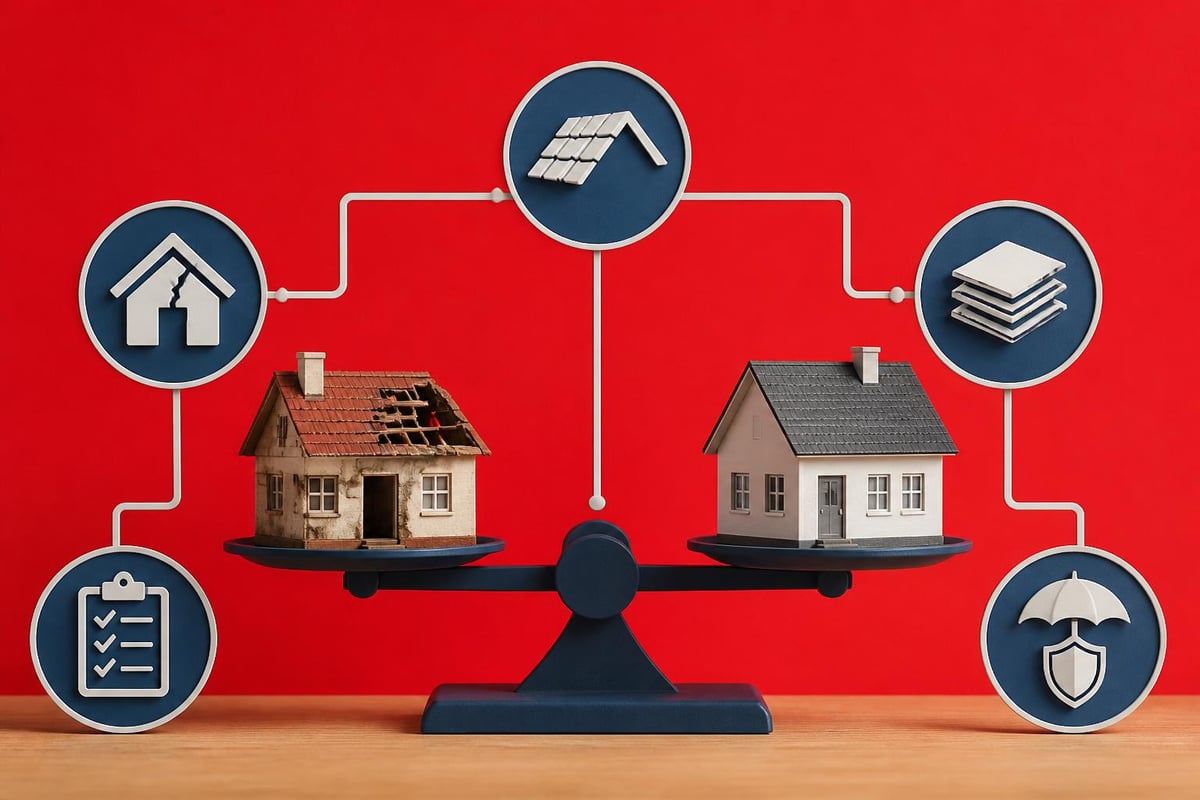
Not all storm damage necessitates complete roof replacement. Several factors influence this critical decision:
| Factor | Repair Appropriate | Replacement Recommended |
|---|---|---|
| Damage Extent | Less than 30% of roof surface | More than 30% affected |
| Roof Age | Under 12 years with isolated damage | Over 15-20 years with widespread issues |
| Shingle Availability | Current products still manufactured | Discontinued products causing mismatch |
| Previous Repairs | No history of multiple repairs | Multiple previous patch jobs |
| Insurance Coverage | Partial claim without full replacement | Full replacement coverage approved |
Experienced contractors provide honest assessments rather than automatically recommending the most expensive option. When repairs suffice, proper execution using quality materials extends roof life while addressing storm-related concerns effectively.
Material Selection for Storm Repair Projects
The materials used during storm repair significantly impact long-term performance and future weather resistance. Matching existing materials ensures aesthetic consistency but may not always be possible or advisable, especially when dealing with older roof systems or discontinued products.
Shingle Options and Upgrades
Modern asphalt shingles offer improved wind and impact resistance compared to products manufactured even ten years ago. When insurance covers replacement, consider upgrading to:
- Impact-resistant (IR) shingles: Class 4 rated products that resist hail damage and may qualify for insurance discounts
- High wind-rated products: Shingles tested to withstand 110-130 mph winds common in Midwest severe weather
- Enhanced warranties: Premium products offering 50-year coverage versus standard 30-year options
- Improved aesthetics: Dimensional shingles providing better curb appeal than traditional three-tab styles
Your contractor should explain options within your insurance settlement amount, identifying when upgrades require additional out-of-pocket investment versus when improved products fit within approved claim values.
Timeline Considerations for Storm Repair
Understanding realistic timelines helps manage expectations and avoid contractor selection based solely on promises of immediate completion. Multiple factors influence how quickly storm repair proceeds from initial damage to final restoration.
Immediate factors affecting scheduling include:
- Severity of the storm event and number of affected properties in the area
- Contractor availability and existing project commitments
- Material availability, particularly if specific products face supply constraints
- Weather conditions allowing safe work execution
- Insurance approval processes and any negotiation periods
During major storm events affecting entire regions, material shortages and contractor scheduling delays become inevitable. Working with established local companies provides advantages because they prioritize existing customers and maintain relationships with suppliers ensuring material access. Companies offering storm damage repair services throughout the year rather than opportunistically after events typically manage resources more effectively.
Phased Repair Approaches
Complex storm repair projects often proceed in stages rather than as single continuous operations:
- Phase 1: Emergency mitigation and temporary protection
- Phase 2: Insurance documentation and claim finalization
- Phase 3: Material ordering and delivery coordination
- Phase 4: Actual repair or replacement work execution
- Phase 5: Final inspections, cleanup, and warranty documentation
This phased approach ensures proper attention to each critical element rather than rushing through the process and potentially missing important details or creating quality issues.
Preventive Measures and Future Protection
While no property can be completely storm-proof, strategic improvements reduce future damage potential and may lower insurance costs. Pre-loss planning strategies help homeowners identify vulnerabilities before severe weather strikes.
Strengthening Vulnerable Areas
Focus preventive upgrades on historically problematic locations:
- Reinforce roof-to-wall connections with hurricane clips or straps
- Install drip edge and starter strip products that resist wind uplift
- Upgrade ventilation systems to reduce interior pressure differences during high winds
- Trim trees that overhang or could fall on the structure during storms
- Ensure proper attic insulation and ventilation preventing ice dam formation
Regular maintenance also plays crucial roles in storm readiness. Annual inspections identify minor issues before they become major vulnerabilities, while keeping gutters clean prevents water backup that can worsen storm damage impacts.
Documentation Throughout the Repair Process
Maintaining detailed records during storm repair protects your interests and ensures quality outcomes. Beyond initial damage documentation for insurance purposes, ongoing records serve multiple functions throughout the project lifecycle.
Progress documentation should include:
- Signed contracts with detailed scope descriptions and payment schedules
- Material delivery receipts confirming product specifications and quantities
- Daily progress photos showing work completion stages
- Change order documentation for any scope modifications
- Final inspection reports and warranty certificates
Professional contractors provide comprehensive documentation as standard practice, but homeowners should maintain their own records as backup. These materials become valuable if warranty claims arise or when selling your property and transferring coverage to new owners.
The documentation practices for restoration and insurance recommended by industry experts ensure nothing falls through the cracks during complex repair projects.
Quality Assurance and Final Inspections
Storm repair projects require thorough final inspections verifying all work meets industry standards and manufacturer specifications. This quality assurance process protects both homeowner and contractor interests while ensuring long-term performance.
Multi-Level Inspection Protocols
Comprehensive final inspections examine multiple aspects:
| Inspection Area | Quality Criteria | Verification Method |
|---|---|---|
| Shingle Installation | Proper alignment, adequate fastening, sealed tabs | Visual inspection, pull tests |
| Flashing Details | Secure attachment, proper overlaps, sealed edges | Water testing, visual verification |
| Ventilation | Adequate intake/exhaust balance, unobstructed airflow | Airflow measurement, coverage calculation |
| Cleanup | Complete debris removal, magnetic sweeps for nails | Visual inspection, property walkthrough |
| Documentation | Warranty registration, inspection reports, photos | Record review, certificate verification |
Contractors serving communities throughout the region, from Brookfield to Manhattan, understand that thorough inspections build trust and prevent callback issues that waste time and resources.
Warranty Understanding and Registration
Storm repair work should include both workmanship warranties from the contractor and material warranties from manufacturers. Understand the terms, coverage periods, and any maintenance requirements that keep warranties valid. Many manufacturers require professional installation by certified contractors and proper registration within specific timeframes after completion.
Keep warranty documentation with other important home records, noting expiration dates and any periodic inspection or maintenance requirements. These warranties provide valuable protection and can transfer to future owners when properly maintained and documented.
Effective storm repair requires prompt action, thorough documentation, qualified contractors, and attention to quality throughout the process. By understanding insurance requirements, selecting appropriate materials, and working with experienced professionals, you can restore your property to optimal condition while minimizing stress and maximizing coverage. When storm damage affects your Joliet-area home or commercial property, Great Roofing brings decades of family-owned expertise to every project, combining technical knowledge with the personal attention your property deserves. Contact our team today for a comprehensive storm damage assessment and detailed repair plan tailored to your specific needs.