

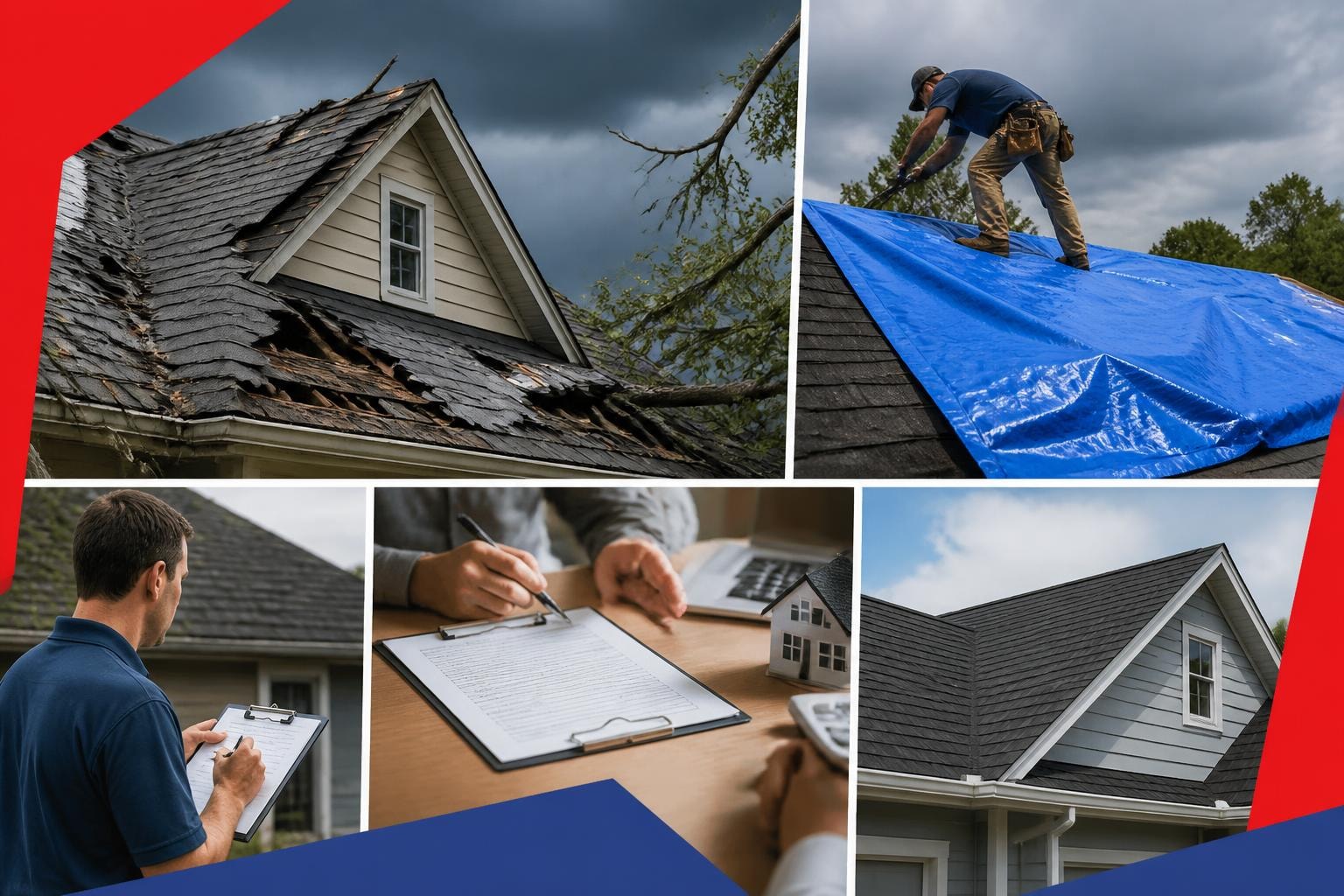
When severe weather strikes your community, your roof bears the brunt of nature's fury. From damaging hail and powerful winds to heavy rain and fallen debris, storms can compromise your roof's integrity within minutes. Understanding how to respond quickly and effectively to storm damage isn't just about protecting your property-it's about ensuring your family's safety and minimizing repair costs. This comprehensive guide walks you through every aspect of storm roof repair, from initial assessment to final restoration, helping homeowners make informed decisions during stressful situations.
Identifying Storm Damage After Severe Weather
The first hours after a storm passes are critical for assessing potential roof damage. Many homeowners make the mistake of waiting too long to inspect their roofs, allowing minor issues to escalate into major structural problems.
Visible Exterior Warning Signs
Start your inspection from ground level using binoculars to examine your roof safely. Look for these telltale signs:
- Missing or displaced shingles that create vulnerable spots for water intrusion
- Granule loss appearing as bare spots on asphalt shingles
- Dented or damaged flashing around chimneys, vents, and valleys
- Sagging areas indicating potential structural compromise
- Debris accumulation from fallen branches or neighboring properties
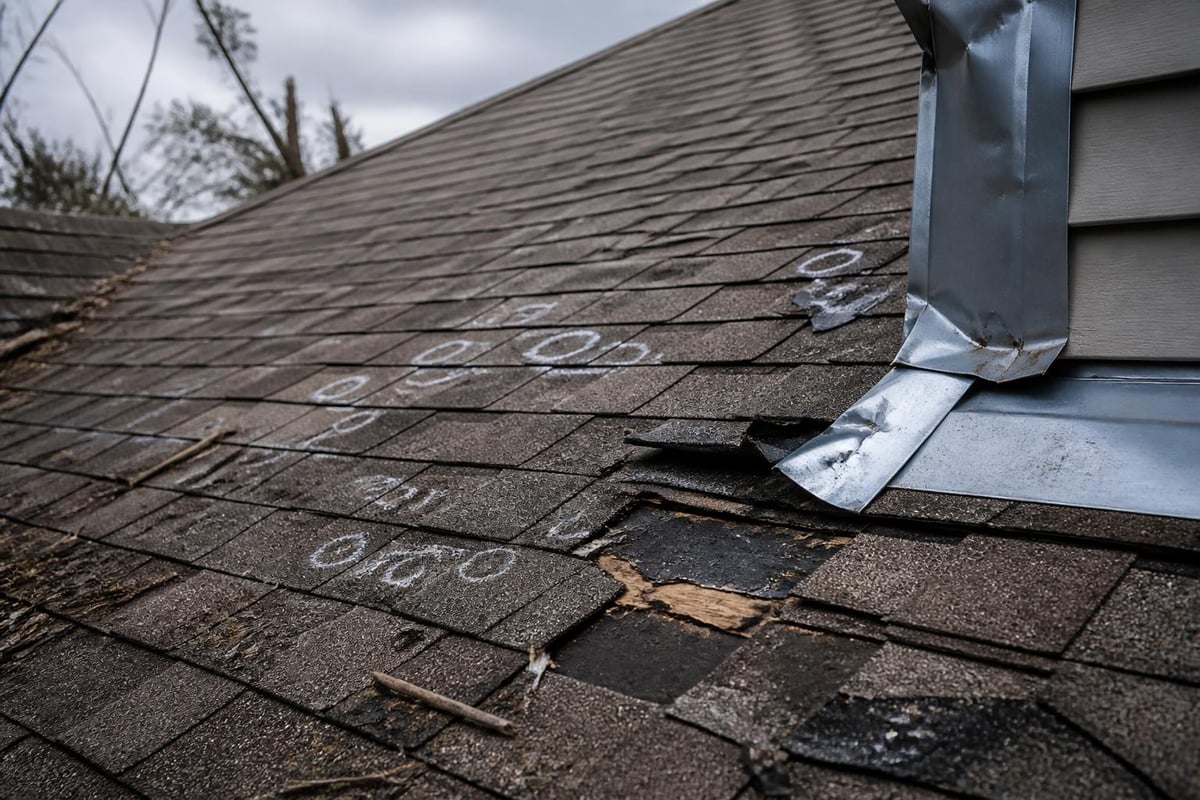
Wind damage often manifests differently than hail damage. While wind typically tears or lifts shingles, hail creates distinctive circular dents and cracks. Understanding these patterns helps you communicate effectively with insurance adjusters and roofing professionals.
Interior Damage Indicators
Don't limit your inspection to exterior surfaces. Interior signs often reveal damage that isn't immediately visible from outside:
- Water stains on ceilings or walls suggesting active leaks
- Increased humidity or musty odors in attic spaces
- Daylight visible through roof boards
- Dripping sounds during or after rainfall
Professional roofing contractors recommend scheduling a thorough roof inspection after any significant weather event, even if no damage is immediately apparent.
Emergency Response and Temporary Repairs
When storm damage creates immediate threats to your property, quick action prevents further deterioration. However, safety must always be your first priority during emergency response situations.
Immediate Safety Measures
Never attempt roof access during active storms or within 24 hours of severe weather when conditions remain hazardous. According to emergency preparedness experts, securing your property from the ground should be your first step.
If water is actively entering your home:
- Move furniture and valuables away from leak areas
- Place containers to catch dripping water
- Use towels or tarps to protect flooring
- Turn off electricity in affected areas
- Document everything with photos and videos
Professional Emergency Tarping
Storm roof repair often begins with emergency tarping services. Professional contractors use heavy-duty tarps secured with proper fastening techniques to prevent additional water damage while permanent repairs are scheduled.
| Repair Type | Timeline | Purpose | Professional Required |
|---|---|---|---|
| Emergency Tarping | Same day | Prevent water intrusion | Recommended |
| Temporary Patching | 1-3 days | Seal minor leaks | For elevated areas |
| Structural Assessment | 2-5 days | Determine repair scope | Always |
| Permanent Repair | 1-4 weeks | Full restoration | Always |
Many homeowners underestimate the complexity of proper tarping. Improper installation can cause additional damage or create dangerous situations. Professional emergency repair services ensure tarps are installed correctly with appropriate anchoring that won't damage your roof further.
Documenting Damage for Insurance Claims
Thorough documentation makes the difference between a smooth insurance claim process and a frustrating battle for coverage. Start documenting immediately after ensuring everyone's safety.
Photography Best Practices
Create a comprehensive visual record:
- Take wide-angle shots showing overall roof condition
- Capture close-up images of specific damage points
- Photograph interior damage including water stains and structural issues
- Include date stamps on all images
- Document undamaged areas for comparison
Save all photos in multiple locations-cloud storage, external drives, and physical copies. Insurance companies require extensive proof, and having redundant documentation protects your claim.
Written Documentation Requirements
Complement your photos with detailed written records. Experts recommend maintaining a storm damage journal that includes:
- Date and time of storm event
- Weather conditions during the incident
- Detailed description of damage observed
- Temporary repairs performed
- Communication logs with insurance representatives
- Contractor estimates and assessments
This documentation becomes invaluable when working through the storm damage repair process with your insurance provider and roofing contractor.
Professional Assessment and Inspection
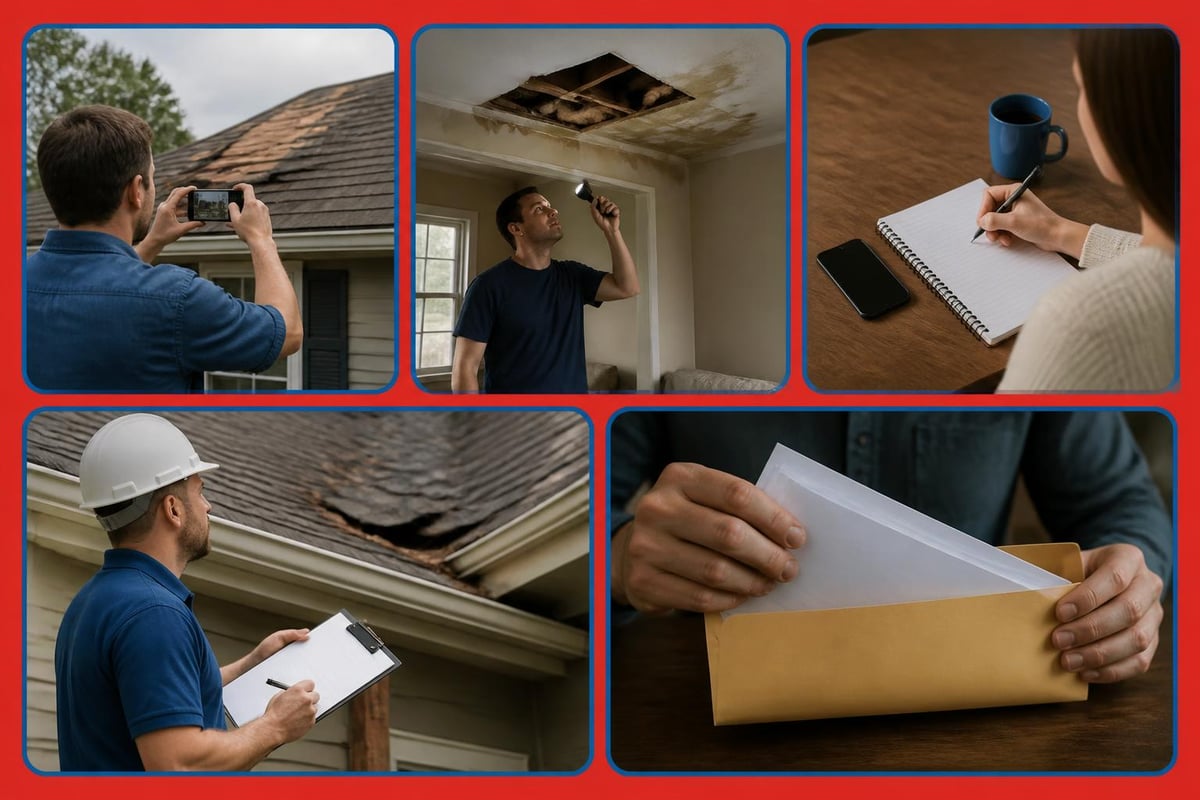
While homeowners can identify obvious damage, professional inspections reveal hidden issues that often prove more serious than visible problems. Experienced contractors understand how storm damage progresses and where to look for secondary issues.
What Professional Inspectors Evaluate
Licensed roofing professionals conduct comprehensive evaluations covering:
Structural Components:
- Roof decking integrity and moisture damage
- Rafter and truss condition
- Support beam stability
- Foundation-to-roof connections
Surface Systems:
- Shingle adhesion and seal integrity
- Underlayment condition
- Ventilation system functionality
- Drainage effectiveness
Critical Junctures:
- Valley performance and debris accumulation
- Flashing around penetrations
- Ridge cap stability
- Soffit and fascia damage
A post-storm inspection typically takes 45-90 minutes for residential properties and longer for commercial structures. Inspectors should provide detailed written reports with photographic evidence and repair recommendations.
Understanding Inspection Reports
Professional inspection reports categorize damage by severity and urgency. Understanding these classifications helps you prioritize repairs and communicate with insurance adjusters.
Critical damage requires immediate attention to prevent structural failure or significant water intrusion. Moderate damage should be addressed within weeks to avoid escalation. Minor damage can often wait for scheduled maintenance but shouldn't be ignored indefinitely.
Repair Versus Replacement Decision
One of the most challenging aspects of storm roof repair involves determining whether restoration or complete replacement makes more sense financially and practically.
Factors Influencing the Decision
Several considerations affect whether repair suffices or replacement becomes necessary:
- Extent of damage: Damage affecting more than 30% of roof surface often justifies replacement
- Roof age: Systems nearing their expected lifespan benefit more from replacement
- Insurance coverage: Policy terms may favor one approach over another
- Building codes: Current regulations might require upgrades during major repairs
- Future plans: Upcoming property sales or renovations influence timing decisions
The comprehensive homeowner’s guide to storm damage explains how insurance companies evaluate these factors when determining coverage.
Cost-Benefit Analysis
Creating a realistic cost comparison requires detailed estimates from qualified contractors:
| Consideration | Repair Approach | Replacement Approach |
|---|---|---|
| Upfront Cost | $500-$3,000 | $5,000-$15,000 |
| Expected Lifespan | 2-5 years | 20-30 years |
| Insurance Coverage | Partial | Often comprehensive |
| Energy Efficiency | No improvement | Modern materials improve efficiency |
| Home Value Impact | Minimal | Significant increase |
Working with experienced roofing contractors ensures you receive honest assessments that prioritize your long-term interests rather than maximizing immediate project size.
Working With Insurance Companies
Navigating insurance claims for storm roof repair can be complex and frustrating without proper preparation and understanding of the process.
Filing Your Claim Promptly
Most insurance policies require prompt notification of damage-typically within days or weeks of the incident. Delayed reporting can result in claim denial.
When contacting your insurance company:
- Report the claim immediately after discovering damage
- Provide preliminary damage estimates
- Request adjuster inspection scheduling
- Clarify coverage limitations and deductibles
- Understand your policy's replacement cost versus actual cash value provisions
The Adjuster Inspection Process
Insurance adjusters evaluate damage to determine coverage amounts. Having your contractor present during this inspection ensures all damage gets documented properly. Professional roofing companies experienced in insurance work understand what adjusters look for and can advocate for comprehensive coverage.
Adjusters may initially offer settlements lower than actual repair costs. Don't feel pressured to accept the first offer. You have the right to obtain independent estimates and negotiate for fair compensation.
Choosing the Right Contractor
Selecting a qualified, trustworthy contractor is perhaps the most important decision in the storm roof repair process. Unfortunately, severe weather events attract unscrupulous contractors looking to exploit desperate homeowners.
Red Flags to Avoid
Be wary of contractors who:
- Arrive unsolicited offering "free inspections"
- Demand large upfront payments before starting work
- Lack proper licensing, insurance, or local references
- Pressure you to sign contracts immediately
- Offer to waive insurance deductibles
- Use out-of-state addresses or P.O. boxes
Verify credentials thoroughly:
- Confirm state licensing and bonding
- Request proof of liability and workers' compensation insurance
- Check Better Business Bureau ratings
- Ask for local references from recent projects
- Review online presence and professional associations
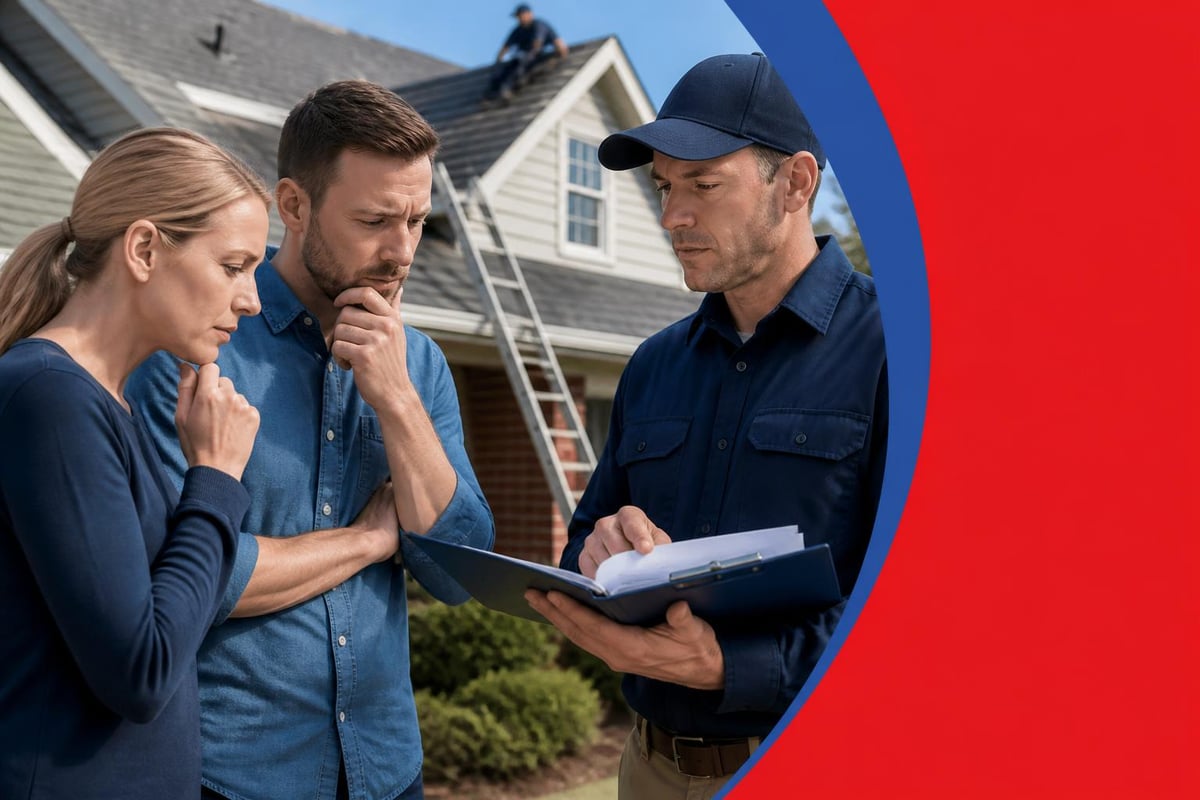
Questions to Ask Potential Contractors
Before hiring anyone for storm roof repair work, get clear answers to these essential questions:
- How long have you been serving this area specifically?
- Can you provide references from projects completed in the past six months?
- What manufacturer certifications do your installers hold?
- How do you handle unexpected issues discovered during work?
- What warranties cover both materials and workmanship?
- Will you provide a detailed written estimate breaking down all costs?
Reputable commercial roofing contractors and residential specialists will gladly answer these questions and provide documentation supporting their qualifications.
Timeline and Process Expectations
Understanding the typical storm roof repair timeline helps you plan appropriately and identify potential delays that might indicate problems with your contractor or insurance company.
Standard Repair Progression
Most storm roof repair projects follow this general sequence:
Week 1: Assessment and Documentation
- Initial damage inspection
- Insurance claim filing
- Adjuster inspection
- Contractor estimates
Week 2-3: Planning and Approval
- Insurance approval processing
- Material selection and ordering
- Contract finalization
- Permit acquisition if required
Week 3-5: Active Repair Work
- Site preparation and safety measures
- Damaged material removal
- Structural repairs if needed
- New roofing installation
- Cleanup and final inspection
Weather conditions, material availability, and project complexity significantly affect these timelines. Following emergency roof repair guidance helps you understand when delays are reasonable versus when you should seek alternative contractors.
Managing Expectations During Repairs
Storm roof repair projects can be disruptive. Prepare for:
- Noise during working hours (typically 7 AM to 6 PM)
- Contractor vehicles and equipment on your property
- Temporary restrictions on certain home areas
- Debris and dust despite cleanup efforts
- Potential discovery of additional damage requiring scope changes
Maintain open communication with your contractor throughout the process. Professional roofing companies provide regular updates and address concerns promptly.
Preventing Future Storm Damage
While no roof can withstand every storm, proactive maintenance and strategic upgrades significantly reduce vulnerability to weather-related damage.
Regular Maintenance Protocols
Implement these preventive measures to strengthen your roof against future storms:
- Quarterly visual inspections checking for loose or damaged shingles
- Annual professional inspections identifying issues before they worsen
- Gutter cleaning at least twice yearly to prevent water backup
- Tree trimming keeping branches at least 10 feet from roof surfaces
- Flashing maintenance ensuring seals remain watertight around penetrations
Consistent spring roof maintenance prevents minor issues from becoming major vulnerabilities during severe weather.
Upgrade Considerations
Modern roofing materials and techniques offer enhanced storm resistance:
| Upgrade Option | Storm Protection Benefit | Average Cost Premium |
|---|---|---|
| Impact-resistant shingles | Superior hail resistance | 10-20% |
| Enhanced underlayment | Better water barrier | 15-25% |
| Hurricane straps | Wind uplift resistance | 5-10% |
| Metal roofing | Extreme durability | 100-200% |
Discuss these options with contractors during roof replacement projects to maximize your investment in long-term protection.
Common Storm Repair Mistakes
Even well-intentioned homeowners make critical errors during the storm roof repair process that cost money and compromise their property's protection.
Delaying Professional Evaluation
The single biggest mistake involves postponing professional assessment. What appears minor from the ground often conceals significant damage. Water intrusion accelerates exponentially-a small leak becomes a major structural problem within weeks.
Immediate action after storm damage prevents secondary damage that insurance companies may not cover.
Accepting Inadequate Repairs
Some homeowners choose the lowest bid without evaluating quality or thoroughness. Inadequate repairs fail prematurely, requiring additional expense and potentially voiding warranties.
Ensure repairs include:
- Proper ventilation maintenance
- Code-compliant materials and techniques
- Manufacturer-approved installation methods
- Comprehensive warranty coverage
- Licensed, insured workmanship
DIY Repairs Beyond Skill Level
While homeowners can handle minor repairs like replacing a few shingles, storm roof repair typically involves complexities requiring professional expertise. Emergency repair situations demand immediate professional intervention to prevent catastrophic failure.
Improper repairs void manufacturer warranties and may create liability issues if subsequent damage occurs. Working with qualified professionals protects both your property and your legal interests.
Protecting your home from storm damage requires prompt action, thorough documentation, and collaboration with experienced professionals who understand the complexities of weather-related roof repairs. Whether you're facing minor repairs or complete replacement, making informed decisions throughout the process ensures optimal outcomes for your property and budget. When storm damage strikes your Joliet-area home, trust Great Roofing to deliver the expert assessment, quality workmanship, and personalized service your family deserves. Our experienced team handles everything from emergency repairs to complete roof replacement, working directly with your insurance company to make the restoration process as smooth as possible.