


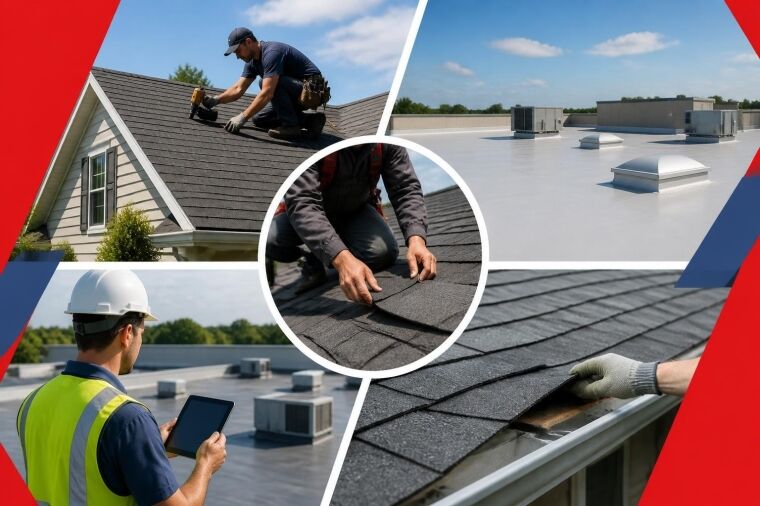
Finding reliable roofing professionals in your area requires understanding what separates exceptional contractors from average service providers. TC roofers represent a category of specialized roofing contractors who bring technical expertise, certifications, and comprehensive service offerings to both residential and commercial projects. Whether you're dealing with storm damage, planning a complete roof replacement, or addressing minor repairs, knowing what to look for in professional roofing contractors ensures your investment delivers long-term value and protection for your property.
Understanding TC Roofers and Their Service Scope
TC roofers typically provide a full spectrum of exterior services that extend beyond basic roof installation. These professionals handle everything from initial inspections and damage assessments to complete system replacements and ongoing maintenance programs.
Core services include:
- Complete roof replacement for residential and commercial properties
- Emergency repair services for storm and weather damage
- Preventive maintenance and inspection programs
- Gutter installation and replacement
- Siding services and exterior renovation
- Insurance claim assistance and documentation
The distinction between general contractors and specialized tc roofers lies in their focused expertise. While general contractors may offer roofing as one of many services, dedicated roofing professionals invest specifically in roofing technology, materials knowledge, and installation techniques that directly impact system performance and longevity.
Specialized Roofing Systems
Professional tc roofers master multiple roofing system types to serve diverse property needs. Residential projects often require expertise in asphalt shingle systems, which remain the most popular choice for homeowners due to cost-effectiveness and aesthetic versatility. Commercial applications typically demand knowledge of modified bitumen, TPO, EPDM, and built-up roofing systems designed for low-slope or flat roof configurations.

Understanding which roof type works best for your property requires professional assessment. TC roofers evaluate factors including building structure, local climate conditions, budget parameters, and expected lifespan when recommending appropriate systems. This expertise proves particularly valuable when dealing with properties that have specific requirements or challenging architectural features.
Credentials and Qualifications That Matter
Professional tc roofers distinguish themselves through verifiable credentials that demonstrate commitment to industry standards and continuous education. License requirements vary by state and municipality, but reputable contractors maintain all necessary permits and registrations to operate legally within their service areas.
| Credential Type | Purpose | Verification Method |
|---|---|---|
| State Contractor License | Legal authorization to perform work | State licensing board website |
| Manufacturer Certifications | Specialized product training | Contact manufacturer directly |
| Insurance Coverage | Liability and worker protection | Request certificate of insurance |
| Better Business Bureau Rating | Consumer complaint history | BBB.org search |
| GAF Master Elite Status | Premium installation certification | GAF contractor locator |
Insurance coverage represents a non-negotiable requirement when evaluating tc roofers. General liability insurance protects property owners from damage claims, while workers' compensation coverage ensures you're not liable if crew members suffer injuries on your property. Always request current certificates of insurance before work begins.
Industry Certifications and Training
Manufacturer certifications indicate that tc roofers have completed specialized training programs for specific product lines. These credentials often unlock extended warranty options that aren't available through standard installations. For example, GAF Master Elite certification requires contractors to meet strict criteria including business longevity, insurance minimums, and commitment to ongoing education.
Certifications from organizations like the National Roofing Contractors Association (NRCA) or Roofing Contractors Association of America demonstrate dedication to industry best practices. These memberships require adherence to ethical standards and provide access to technical resources that help contractors stay current with evolving technologies and methods.
Evaluating TC Roofers for Your Project
Selecting the right contractor involves more thorough research than simply comparing quotes. Professional tc roofers provide detailed written estimates that break down material costs, labor expenses, warranty information, and project timelines. Vague or overly simplified estimates often signal contractors who cut corners or lack transparency.
Critical evaluation factors:
- Local presence and reputation – Established contractors with physical offices and regional history provide greater accountability
- Project portfolio – Review completed work similar to your project scope and complexity
- Communication practices – Responsive contractors who explain processes clearly prevent misunderstandings
- Warranty offerings – Comprehensive coverage includes both materials and workmanship guarantees
- Payment terms – Reasonable deposit requirements with progress-based payment schedules
Understanding the benefits of hiring local roofing companies extends beyond convenience. Local tc roofers maintain reputations within their communities, respond quickly to service calls, and understand regional building codes and weather patterns that affect roofing performance. When comparing options, verify customer reviews from multiple sources to identify consistent patterns in service quality and customer satisfaction.
Red Flags to Avoid
Certain warning signs should immediately disqualify contractors from consideration. TC roofers who demand full payment upfront, lack proper insurance documentation, or pressure immediate decisions often engage in problematic business practices. Storm chasers who appear after severe weather events and disappear before warranty work becomes necessary represent particular risks.
Price significantly below market rates usually indicates substandard materials, inexperienced crews, or shortcuts that compromise installation quality. While budget considerations matter, the lowest bid rarely delivers the best long-term value for roofing investments that protect your entire property.
The TC Roofers Installation Process
Professional roofing contractors follow systematic approaches that ensure quality outcomes and minimize disruption to property occupants. The process begins with comprehensive inspections that identify existing damage, evaluate structural integrity, and determine appropriate solutions.
Pre-Installation Planning
Detailed planning separates professional tc roofers from less experienced contractors. This phase includes obtaining necessary permits, ordering materials with appropriate lead times, scheduling crews, and coordinating with property owners regarding access, parking, and protection of landscaping or outdoor features.
Professional contractors provide written timelines that account for weather contingencies and specify daily work hours. They establish clear communication protocols so property owners know who to contact with questions or concerns throughout the project duration.
Typical installation sequence:
- Property protection measures (tarps, magnetic nail sweeps, dumpster placement)
- Complete tear-off of existing roofing materials down to deck
- Deck inspection and repair of damaged sheathing
- Installation of underlayment and ice-water barrier systems
- Valley and flashing installation around penetrations
- Shingle or roofing membrane installation following manufacturer specifications
- Ridge vent and cap installation for proper attic ventilation
- Thorough cleanup including magnetic sweeps and debris removal
- Final inspection with property owner walkthrough
Quality tc roofers maintain job sites professionally, minimizing impact on neighbors and daily routines. They communicate proactively about progress, address concerns immediately, and ensure complete satisfaction before requesting final payment.
Cost Considerations and Investment Value
Roofing represents one of the most significant home improvement investments property owners make. TC roofers provide transparent pricing that reflects material quality, labor expertise, warranty coverage, and project complexity. Multiple factors influence total project costs beyond basic square footage calculations.
| Cost Factor | Impact on Price | Typical Range |
|---|---|---|
| Roof pitch/slope | Steeper roofs require safety equipment | 10-20% premium |
| Material selection | Premium products cost more upfront | $150-$600 per square |
| Tear-off complexity | Multiple layers increase labor | $100-$150 per layer |
| Architectural features | Dormers, skylights add labor time | Variable based on scope |
| Permits and inspections | Required by local jurisdictions | $200-$500 average |
Understanding roof replacement costs in your area helps establish realistic budget expectations. Professional tc roofers explain how specific choices impact both immediate expenses and long-term performance. For instance, architectural shingles cost more than three-tab options but deliver superior durability and aesthetic appeal that can increase home value.
Financing and Payment Options
Reputable contractors offer flexible payment arrangements that accommodate various financial situations. Many tc roofers provide financing programs through third-party lenders with competitive interest rates and term options. These programs allow property owners to proceed with necessary work without depleting emergency savings or delaying critical repairs.
Payment schedules typically involve modest deposits to secure materials and scheduling, with substantial portions due upon completion and final inspection approval. Avoid contractors demanding cash payments or offering significant discounts for immediate full payment, as these practices often indicate financial instability or questionable business operations.
Maintenance and Long-Term Relationships
The relationship with professional tc roofers shouldn't end when installation completes. Ongoing maintenance programs preserve roofing investments and identify minor issues before they escalate into expensive repairs. Regular inspections catch problems like damaged shingles, clogged gutters, or flashing deterioration that compromise system integrity.
Recommended maintenance schedule:
- Spring inspections after winter weather exposure
- Fall inspections before severe weather season
- Post-storm assessments following significant weather events
- Annual gutter cleaning to prevent water backup
- Attic ventilation checks to ensure proper airflow
Professional contractors document inspection findings with photographs and detailed reports that track roof condition over time. This documentation proves invaluable when filing insurance claims for storm damage or demonstrating proper maintenance to potential home buyers during property sales.
Storm Damage and Insurance Claims
TC roofers with insurance restoration experience provide essential support when severe weather damages roofing systems. They understand documentation requirements, communicate directly with adjusters, and advocate for property owners to ensure appropriate coverage. When storms damage your roof, professional contractors identify all affected areas and prevent insurance companies from underestimating necessary repairs.
Working with experienced tc roofers during claims processes ensures you receive full entitled benefits without leaving money on the table. They provide detailed estimates that match insurance industry standards, supplement initial assessments when additional damage appears, and coordinate timing to complete work within claim deadlines.
Commercial Roofing Expertise
Commercial properties present unique challenges that require specialized knowledge beyond residential roofing experience. TC roofers serving commercial clients understand low-slope roofing systems, HVAC equipment integration, drainage requirements, and business continuity considerations that minimize operational disruption.
Modified bitumen systems remain popular for commercial applications due to durability and cost-effectiveness. These multi-ply systems use reinforced membranes bonded together to create waterproof barriers capable of withstanding foot traffic, equipment loads, and extreme temperature fluctuations. Professional installation requires torch application or cold-adhesive techniques that demand proper training and safety protocols.
Preventive Maintenance Programs
Commercial property managers benefit significantly from structured maintenance agreements with qualified tc roofers. These programs include scheduled inspections, priority emergency response, detailed condition reporting, and budget planning for future capital improvements. Regular maintenance extends system lifespan dramatically, often postponing replacement needs by five to ten years through timely minor repairs and preventive measures.
Understanding common commercial roofing problems helps property managers recognize when professional intervention becomes necessary. Ponding water, membrane shrinkage, flashing deterioration, and penetration failures represent typical issues that competent contractors address efficiently before causing interior damage or business interruption.
Material Selection and Product Knowledge
Professional tc roofers stay current with evolving roofing technologies and product innovations that improve performance, efficiency, and longevity. They provide guidance on material selections that balance upfront costs with lifecycle value, helping property owners make informed decisions aligned with their priorities and circumstances.
Asphalt shingles dominate residential markets with good reason. Modern architectural shingles offer dimensional appearance, impact resistance ratings, and warranties extending 30 to 50 years. Color selection affects both aesthetics and energy efficiency, with lighter shades reflecting more solar radiation to reduce cooling costs in warmer climates.
Popular roofing material categories:
- Asphalt shingles (architectural and three-tab varieties)
- Metal roofing (standing seam and metal shingle systems)
- Modified bitumen (commercial flat roof applications)
- TPO and EPDM membranes (single-ply commercial systems)
- Tile and slate (premium residential options)
TC roofers explain how heat impacts different roofing materials and recommend solutions appropriate for local climate conditions. They discuss ventilation requirements that extend shingle lifespan and prevent ice damming, insulation considerations that improve energy efficiency, and color choices that complement architectural styles while optimizing thermal performance.
Warranty Coverage Comparison
Understanding warranty distinctions helps property owners evaluate true long-term value. Manufacturer warranties cover material defects but exclude labor costs for replacement. Workmanship warranties from tc roofers protect against installation errors and typically range from one to ten years depending on contractor confidence and quality standards.
Premium warranty programs combine manufacturer and contractor coverage into comprehensive packages that protect property owners from virtually all failure scenarios. These enhanced warranties often require certified installers using specific installation methods and approved accessory products. The additional cost typically represents sound investment for property owners seeking maximum protection and peace of mind.
Seasonal Considerations and Optimal Timing
Strategic timing for roofing projects affects both cost and quality outcomes. TC roofers experience seasonal demand fluctuations that create opportunities for property owners willing to schedule work during slower periods. Understanding these patterns helps optimize project planning and potentially reduce expenses.
Spring and fall represent ideal seasons for roofing work in most regions. Moderate temperatures allow proper adhesive curing and comfortable working conditions for installation crews. Summer heat can make shingle installation challenging, while winter cold prevents proper sealing and creates safety hazards from ice and snow.
Seasonal planning advantages:
- Spring: Address winter damage before severe weather season
- Summer: Extended daylight hours allow longer work days
- Fall: Moderate weather with contractor availability
- Winter: Potential cost savings during slow season (weather permitting)
However, roofing emergencies don't respect seasonal preferences. Qualified tc roofers provide emergency repair services year-round, using specialized techniques and materials suitable for challenging weather conditions. When immediate repairs become necessary, professional contractors prioritize safety while implementing temporary solutions that protect properties until permanent repairs are feasible.
When deciding when to replace your roof, consider multiple factors beyond age alone. Widespread granule loss, curling shingles, frequent leaks, and energy efficiency concerns all signal replacement timing. Professional inspections provide objective assessments that help property owners make data-driven decisions rather than guessing based on roof age alone.
Technology and Modern Roofing Practices
Innovation continues transforming roofing industry practices, and professional tc roofers adopt technologies that improve accuracy, efficiency, and customer communication. Drone inspections provide detailed roof condition assessments without requiring physical access to steep or dangerous areas. Digital measuring systems eliminate estimation errors and ensure precise material ordering that minimizes waste.
Project management software keeps customers informed throughout installation processes with real-time updates, photo documentation, and digital communication portals. These tools enhance transparency and build confidence by demonstrating progress and addressing concerns promptly.
TC roofers also utilize advanced diagnostic equipment including infrared cameras that detect moisture intrusion invisible to visual inspection. Thermal imaging identifies wet insulation, leaking areas, and ventilation deficiencies that compromise energy efficiency and structural integrity. Early detection prevents minor moisture problems from escalating into expensive remediation projects involving mold, rot, and structural repairs.
Similar to how SD Kitchen Cabinets uses 3D design consultations to help homeowners visualize cabinet installations before committing to purchases, modern roofing contractors employ visualization software that shows how different shingle colors and styles appear on specific homes. These tools remove guesswork from aesthetic decisions and prevent expensive dissatisfaction with completed installations.
Working with qualified tc roofers ensures your roofing investment delivers maximum protection, performance, and value for decades. Professional contractors bring expertise, accountability, and comprehensive service that DIY approaches and inexperienced installers simply cannot match. Whether you need complete roof replacement, storm damage repairs, or preventive maintenance, Great Roofing provides the family-owned service and technical excellence that Joliet-area property owners depend on for their residential and commercial roofing needs.