

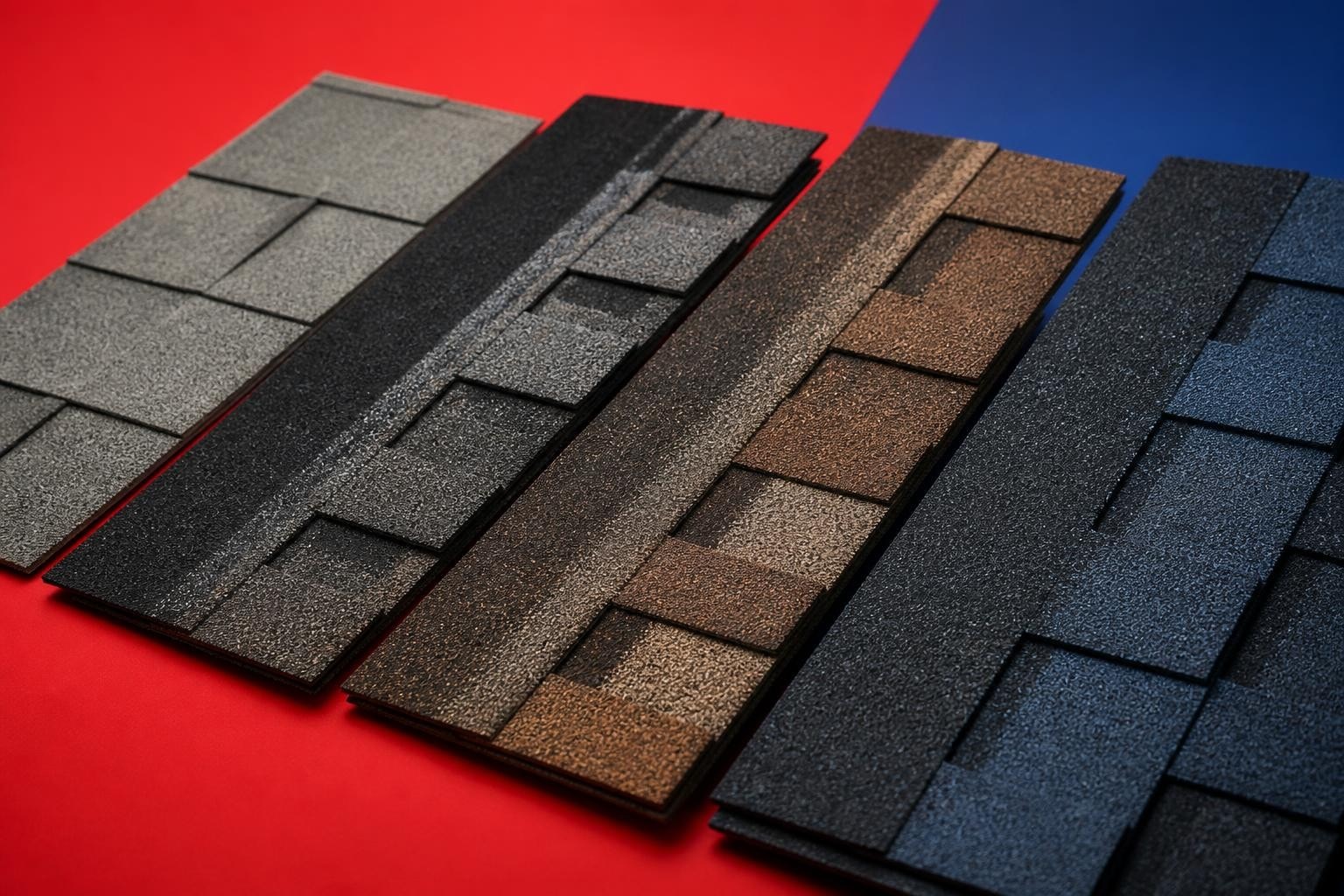
Selecting the right roofing material represents one of the most significant investments you'll make as a homeowner. With countless options available in today's market, understanding which shingles deliver the best combination of durability, aesthetics, and value becomes essential. The top roofing shingles on the market today offer advanced protection against weather extremes, enhanced curb appeal, and warranties that provide peace of mind for decades. Whether you're planning a complete roof replacement or evaluating options for new construction, knowing the differences between shingle types and manufacturers will help you make an informed decision that protects your home and fits your budget.
Understanding Shingle Quality Tiers
Not all roofing shingles deliver the same level of performance or longevity. Manufacturers produce distinct quality tiers designed for different budgets and performance requirements.
Entry-Level Three-Tab Shingles
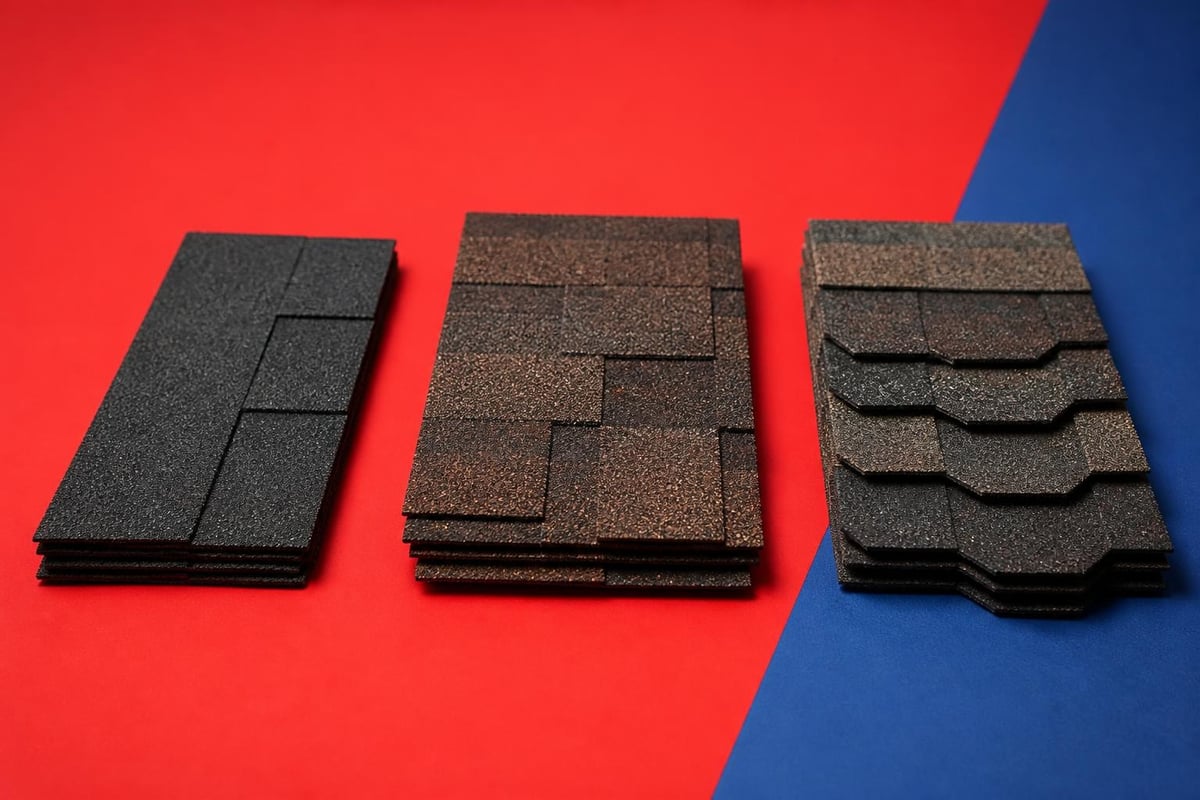
Three-tab asphalt shingles represent the most economical option in the roofing market. These basic shingles feature a single layer with uniform cutouts that create three tabs, resulting in a flat, consistent appearance across your roof. While budget-friendly, three-tab shingles typically carry shorter warranties ranging from 20 to 25 years and offer minimal wind resistance compared to premium alternatives.
Key characteristics of three-tab shingles include:
- Lightweight construction (approximately 200-240 pounds per square)
- Limited color selection
- Wind resistance ratings typically up to 60 mph
- Thinner profile with less dimensional texture
- Lower impact resistance
Despite their basic nature, three-tab shingles remain a practical choice for investment properties, temporary roofing solutions, or situations where budget constraints take priority over long-term performance.
Mid-Range Architectural Shingles
Architectural shingles, also called dimensional or laminated shingles, represent the most popular choice among homeowners today. These types of roofing shingles feature multiple layers of asphalt bonded together, creating depth and shadow lines that mimic the appearance of traditional wood shakes or slate.
The construction quality of architectural shingles significantly exceeds basic three-tab options. Most manufacturers offer warranties between 30 and 50 years, with enhanced wind resistance ratings reaching 110 to 130 mph. The added weight and thickness provide superior protection against impacts from hail, falling branches, and other debris.
| Feature | Three-Tab | Architectural | Premium Designer |
|---|---|---|---|
| Lifespan | 20-25 years | 30-50 years | 50+ years |
| Weight | 200-240 lbs | 300-400 lbs | 400-550 lbs |
| Wind Rating | 60 mph | 110-130 mph | 130-190 mph |
| Warranty | Limited | Enhanced | Lifetime options |
Premium Designer Shingles
The top roofing shingles in terms of performance and aesthetics fall into the premium designer category. These luxury shingles incorporate advanced materials, multiple layers, and sophisticated manufacturing processes to deliver exceptional durability and visual appeal. Premium options often replicate the appearance of natural slate, cedar shakes, or European tile with remarkable accuracy.
Designer shingles command higher prices but provide outstanding value through extended warranties, superior weather resistance, and significant curb appeal enhancement. Some premium lines offer lifetime warranties with comprehensive coverage that includes both materials and labor.
Leading Manufacturers of Top Roofing Shingles
Choosing products from reputable manufacturers ensures quality materials, reliable warranties, and consistent performance over decades.
Owens Corning Duration Series
Owens Corning stands as one of North America's most trusted roofing manufacturers, with their Duration series representing architectural shingles that balance quality and affordability. The Duration line features patented SureNail Technology, which creates a reinforced nailing zone for superior wind resistance. These shingles earned a Class 4 impact rating in their Duration Storm variant, providing excellent protection in hail-prone regions.
Notable Duration series advantages:
- TruDefinition color platform with enhanced granule technology
- StreakGuard algae protection for cleaner roof appearance
- Warranty options including limited lifetime coverage
- Wide color selection complementing various architectural styles
GAF Timberline HDZ
GAF maintains its position as the largest roofing manufacturer in North America, with the Timberline HDZ representing their flagship architectural shingle line. The HDZ designation stands for "High Definition Zone," referring to the shingle's enhanced shadow effect and dimensional appearance. When working with professional roof installation companies, you'll frequently encounter GAF products due to their widespread availability and contractor-friendly installation characteristics.
The Timberline HDZ incorporates LayerLock technology, which reinforces the bond between shingle layers for exceptional wind resistance. StainGuard Plus algae protection comes standard, maintaining roof aesthetics in humid climates where algae growth commonly occurs.
CertainTeed Landmark Series
CertainTeed's Landmark series has earned recognition as one of the top roofing shingles for dimensional appearance and color variety. These architectural shingles feature a dual-layer construction that creates dramatic shadow lines while maintaining competitive pricing. The StreakFighter algae-resistant formula keeps roofs looking newer longer without additional maintenance.
For homeowners seeking enhanced protection, the Landmark Impact Resistant variant achieves Class 4 impact ratings without sacrificing aesthetic appeal. This makes them particularly valuable in regions experiencing frequent severe weather events.
Specialized Performance Shingles
Beyond standard architectural options, specialized shingles address specific performance requirements and environmental challenges.
Impact-Resistant Shingles
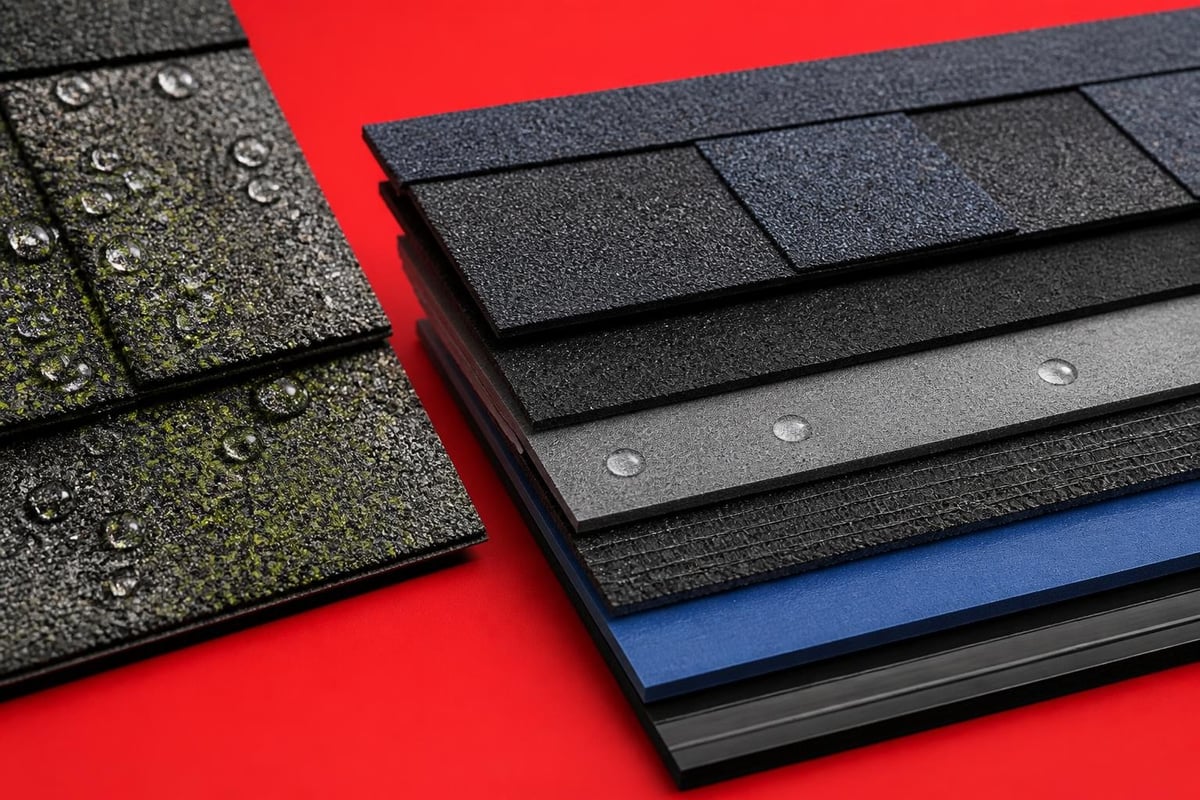
In areas prone to hail storms, impact-resistant shingles provide critical protection that can prevent costly damage and insurance claims. These top roofing shingles incorporate modified asphalt formulations and reinforced matting that absorbs impact energy without cracking or fracturing. The Insurance Institute for Business & Home Safety rates impact resistance on a scale from Class 1 to Class 4, with Class 4 representing the highest level of protection.
Benefits of Class 4 impact-resistant shingles:
- Reduced risk of storm-related damage
- Potential insurance premium discounts (10-35% in many markets)
- Extended lifespan in severe weather climates
- Enhanced hail damage warranty coverage
Homeowners interested in roof hail damage repair prevention should seriously consider impact-resistant options, especially when replacing a roof after storm damage.
Cool Roof Shingles
Energy-efficient cool roof shingles utilize specially formulated granules that reflect solar radiation rather than absorbing heat. This technology can reduce attic temperatures by 10-15 degrees Fahrenheit, lowering cooling costs during summer months. The Cool Roof Rating Council certifies products based on their solar reflectance and thermal emittance values.
Dark-colored traditional shingles absorb significant solar heat, while cool roof variants in similar colors reflect substantially more energy. This advancement allows homeowners to select darker aesthetic preferences without sacrificing energy efficiency.
Algae-Resistant Formulations
In humid climates, black streaks caused by Gloeocapsa magma algae can diminish roof appearance within just a few years. Modern algae-resistant shingles incorporate copper or zinc granules that inhibit algae growth, maintaining clean roof aesthetics for extended periods. Most major manufacturers now include algae resistance as a standard feature rather than an optional upgrade.
Comparing Shingle Materials Beyond Asphalt
While asphalt dominates the residential roofing market, alternative materials offer distinct advantages worth considering.
Composite and Synthetic Shingles
Engineered composite shingles combine recycled materials with advanced polymers to create products that replicate natural materials while offering superior durability. These synthetic alternatives to slate or wood shake resist moisture absorption, won't split or crack like natural materials, and typically weigh significantly less than their authentic counterparts.
The environmental benefits of composite shingles appeal to eco-conscious homeowners. Many products incorporate recycled content and qualify for green building certifications. Their extended lifespan also reduces long-term waste compared to shorter-lived alternatives.
Luxury Polymer Shingles
High-end polymer shingles represent the pinnacle of synthetic roofing technology. Manufacturers like DaVinci Roofscapes and Boral produce incredibly realistic slate and shake replicas that deceive even trained eyes from ground level. These top roofing shingles combine aesthetic excellence with practical advantages including reduced weight, enhanced impact resistance, and Class A fire ratings.
| Material Type | Lifespan | Weight | Fire Rating | Cost Level |
|---|---|---|---|---|
| Asphalt Architectural | 30-50 years | Medium | Class A | $$ |
| Impact-Resistant | 30-50 years | Medium-Heavy | Class A | $$$ |
| Composite Slate | 50+ years | Medium | Class A | $$$$ |
| Luxury Polymer | 50+ years | Light-Medium | Class A | $$$$$ |
Understanding different types of roof shingles helps homeowners match materials to their specific requirements, climate conditions, and architectural preferences.
Installation Quality and Warranty Considerations
Even the top roofing shingles will underperform if installed incorrectly or if warranty requirements aren't properly followed.
Manufacturer Certification Programs
Leading shingle manufacturers operate contractor certification programs that identify installers who meet rigorous training and quality standards. Certified contractors receive extensive product knowledge training, understand proper installation techniques, and typically offer enhanced warranty coverage through manufacturer partnerships.
When selecting a contractor, verify their certification status with your chosen shingle manufacturer. This ensures access to the best available warranty protection and installation expertise. Working with reputable roofing companies that maintain manufacturer certifications provides added peace of mind throughout the installation process.
Enhanced Warranty Coverage
Standard shingle warranties cover material defects but exclude installation errors, wind damage, and algae growth. Enhanced warranties available through certified contractors often include:
- Extended coverage periods (lifetime options)
- Workmanship guarantees (typically 10-25 years)
- Wind resistance coverage beyond base ratings
- Algae staining protection
- Non-prorated replacement periods
Understanding warranty details before purchasing helps set realistic expectations and ensures proper protection for your investment. Some manufacturers void warranties if products aren't installed according to specifications or if incompatible components are used.
System Approach to Roofing
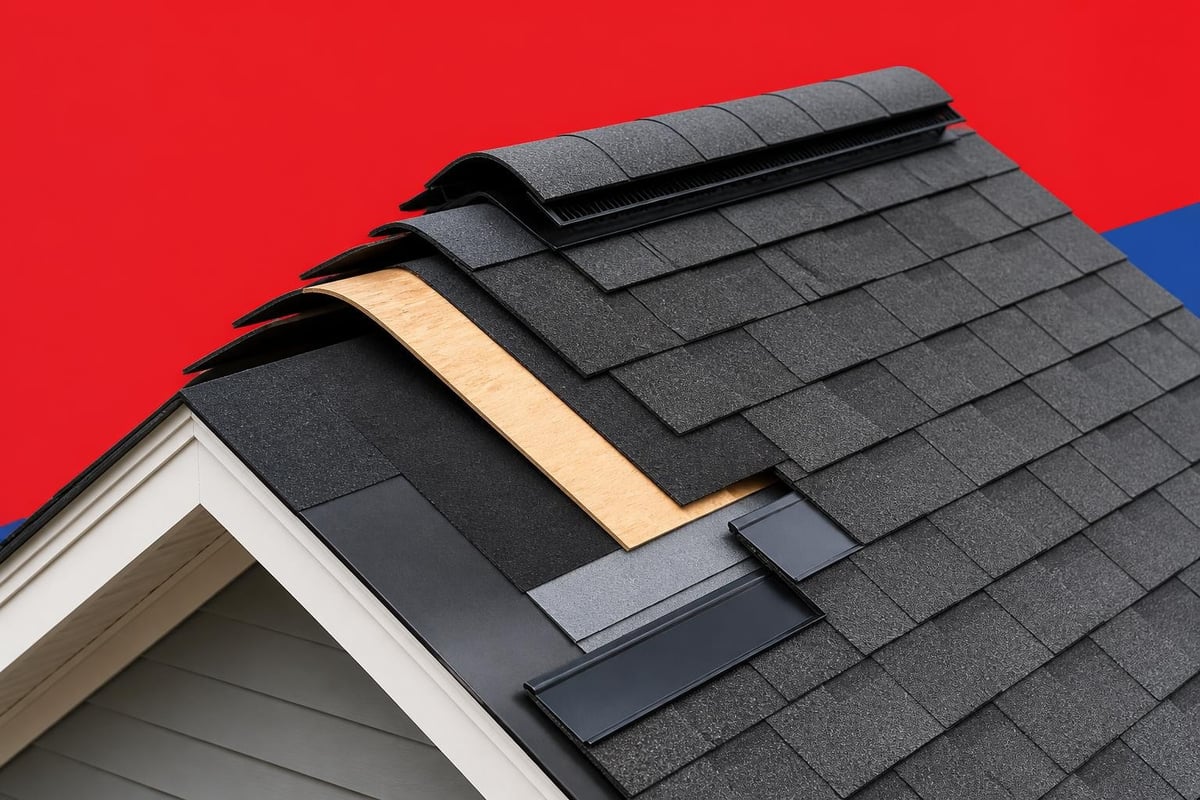
The top roofing shingles perform best when integrated into a complete roofing system that includes compatible underlayment, starter strips, ridge caps, and ventilation components. Manufacturers design these elements to work together, optimizing performance and warranty coverage.
Essential roofing system components include:
- High-quality underlayment (synthetic or rubberized options)
- Drip edge and flashing materials
- Starter shingles along eaves and rakes
- Hip and ridge cap shingles
- Proper attic ventilation (intake and exhaust)
Mixing components from different manufacturers or skipping recommended elements can compromise performance and void warranty protection. Investing in a complete system approach delivers superior results compared to focusing solely on shingle quality.
Cost Factors and Value Considerations
Evaluating shingle options requires balancing upfront costs against long-term value, including lifespan, maintenance requirements, and energy savings.
Price Ranges by Shingle Type
Roofing costs vary significantly based on shingle quality, regional market conditions, and installation complexity. National average costs for materials and installation in 2026 range from $350 to $850 per square (100 square feet), though premium products can exceed $1,000 per square.
Three-tab shingles represent the most economical option at $350-$450 per square installed. Standard architectural shingles typically cost $425-$575 per square, while premium architectural options range from $550-$750 per square. Designer and specialty shingles command the highest prices, often exceeding $800 per square for materials and installation.
Return on Investment Factors
Higher-quality shingles generally deliver better return on investment through extended lifespan, reduced maintenance costs, and enhanced home value. A roof replacement using premium shingles typically recoups 60-70% of its cost in added home value, according to industry research. Energy-efficient options provide additional value through reduced utility costs over the roof's lifespan.
When evaluating options, consider total cost of ownership rather than solely focusing on initial price. A premium shingle lasting 50 years may cost more upfront but delivers better value per year than a basic option requiring replacement after 20 years.
Insurance Considerations
Impact-resistant shingles often qualify for significant insurance premium discounts in hail-prone regions. These savings can offset the higher material costs within 5-10 years while providing superior protection. Before selecting shingles, consult your insurance provider about available discounts and coverage requirements. Understanding roof replacement insurance claims processes helps homeowners maximize benefits when replacing damaged roofs.
Regional Climate Considerations
The best shingle choice for your home depends heavily on local climate conditions and weather patterns.
Hot and Humid Climates
Southern regions with intense sun exposure and high humidity require shingles with excellent UV resistance and algae protection. Cool roof technology provides tangible benefits in reducing cooling costs, while algae-resistant formulations maintain appearance despite moisture-friendly conditions. Impact resistance adds value in areas experiencing tropical storms and hurricanes.
Cold Climate Requirements
Northern regions with heavy snow loads, ice dams, and freeze-thaw cycles demand shingles with superior cold-weather flexibility. Asphalt formulations designed for cold climates resist cracking at low temperatures while maintaining proper adhesion during freeze-thaw cycles. Additional underlayment protection along eaves prevents ice dam damage.
Wind-Prone Areas
Coastal regions and tornado-prone areas benefit from shingles with enhanced wind resistance ratings. Class H wind resistance (130 mph) should be considered minimum for hurricane-prone regions, while Class F (110 mph) suits areas with severe thunderstorms. Proper installation techniques become critically important in high-wind zones.
Hail-Belt Regions
The central United States experiences frequent severe hail events that can devastate standard roofing materials. Class 4 impact-resistant shingles provide essential protection in these regions, potentially preventing total roof replacement after severe storms. Many homeowners working with shingle roofing specialists in hail-prone areas now specify impact-resistant products as standard rather than optional.
Color Selection and Aesthetic Impact
Beyond performance characteristics, shingle color significantly influences home appearance and resale appeal.
Complementing Architectural Styles
Traditional homes benefit from classic color palettes including weathered wood tones, slate grays, and earth-based browns. Contemporary architecture pairs well with bold colors or dramatic contrasts, while craftsman-style homes complement warm, natural tones. The top roofing shingles offer extensive color ranges within each product line, allowing precise matching to architectural requirements.
Energy Efficiency Through Color
Lighter shingle colors reflect more solar radiation than dark alternatives, reducing cooling costs in warm climates. However, modern cool roof technology allows darker colors to achieve similar reflectance values through specialized granule coatings. This advancement enables homeowners to select preferred aesthetics without sacrificing energy efficiency.
Color Longevity Considerations
Premium shingles utilize advanced granule technology that resists color fading from UV exposure. Cheaper alternatives may show noticeable color change within 5-10 years, while top-quality products maintain appearance for decades. When comparing options, research manufacturer testing data regarding color retention and UV resistance.
Maintenance Requirements for Different Shingle Types
Understanding maintenance needs helps homeowners preserve shingle performance and appearance throughout the roof's lifespan.
Routine Inspection Schedules
All roofing systems benefit from annual inspections identifying minor issues before they escalate into major problems. Spring inspections after winter weather and fall checks before harsh conditions help catch damage early. Professional inspections provide thorough evaluations including areas homeowners cannot safely access.
Debris Management
Leaves, branches, and organic debris accumulate in roof valleys and along edges, trapping moisture that accelerates shingle deterioration. Regular debris removal, particularly in wooded areas, extends roof lifespan and prevents premature failure. Professional cleaning services safely remove debris without damaging shingles.
Algae and Moss Treatment
Despite algae-resistant formulations, some growth may occur in persistently damp conditions. Gentle cleaning with specialized solutions removes staining without damaging shingles or voiding warranties. Harsh pressure washing can dislodge granules and reduce shingle lifespan, making professional treatment advisable for significant growth.
Those concerned about maintaining roof lifespan should establish regular maintenance schedules appropriate to their shingle type and local conditions. Proactive care prevents minor issues from becoming expensive repairs.
Environmental and Sustainability Factors
Modern roofing products increasingly address environmental concerns through recycled content, energy efficiency, and end-of-life recyclability.
Recycled Content Options
Several manufacturers now incorporate post-consumer recycled materials into shingle production, reducing virgin material consumption. These products perform identically to traditional formulations while offering reduced environmental impact. Recycled content percentages vary by manufacturer and product line.
Recyclability at End of Life
Asphalt shingles can be recycled into paving materials, reducing landfill waste when roofs reach end of life. Many communities now operate shingle recycling programs, though availability varies regionally. When planning roof replacement, inquire whether your contractor participates in recycling programs.
Energy Star Certification
Energy Star certified cool roof shingles meet strict criteria for solar reflectance and thermal emittance. These products reduce urban heat island effects while lowering individual cooling costs. Federal tax credits occasionally become available for Energy Star roofing products, providing additional financial incentive beyond energy savings.
Understanding the various roofing materials and their environmental implications helps homeowners make informed decisions aligned with sustainability goals.
Selecting from the top roofing shingles available in 2026 requires careful consideration of performance characteristics, warranty coverage, climate suitability, and long-term value. Quality materials from reputable manufacturers, installed by experienced professionals, provide decades of reliable protection and enhanced home value. Whether you need expert guidance on shingle selection, professional installation, or comprehensive roof replacement services, Great Roofing brings family-owned expertise and dedication to quality that Joliet-area homeowners have trusted for years. Contact our team today to discuss which premium shingle options best suit your home's specific needs and budget requirements.