

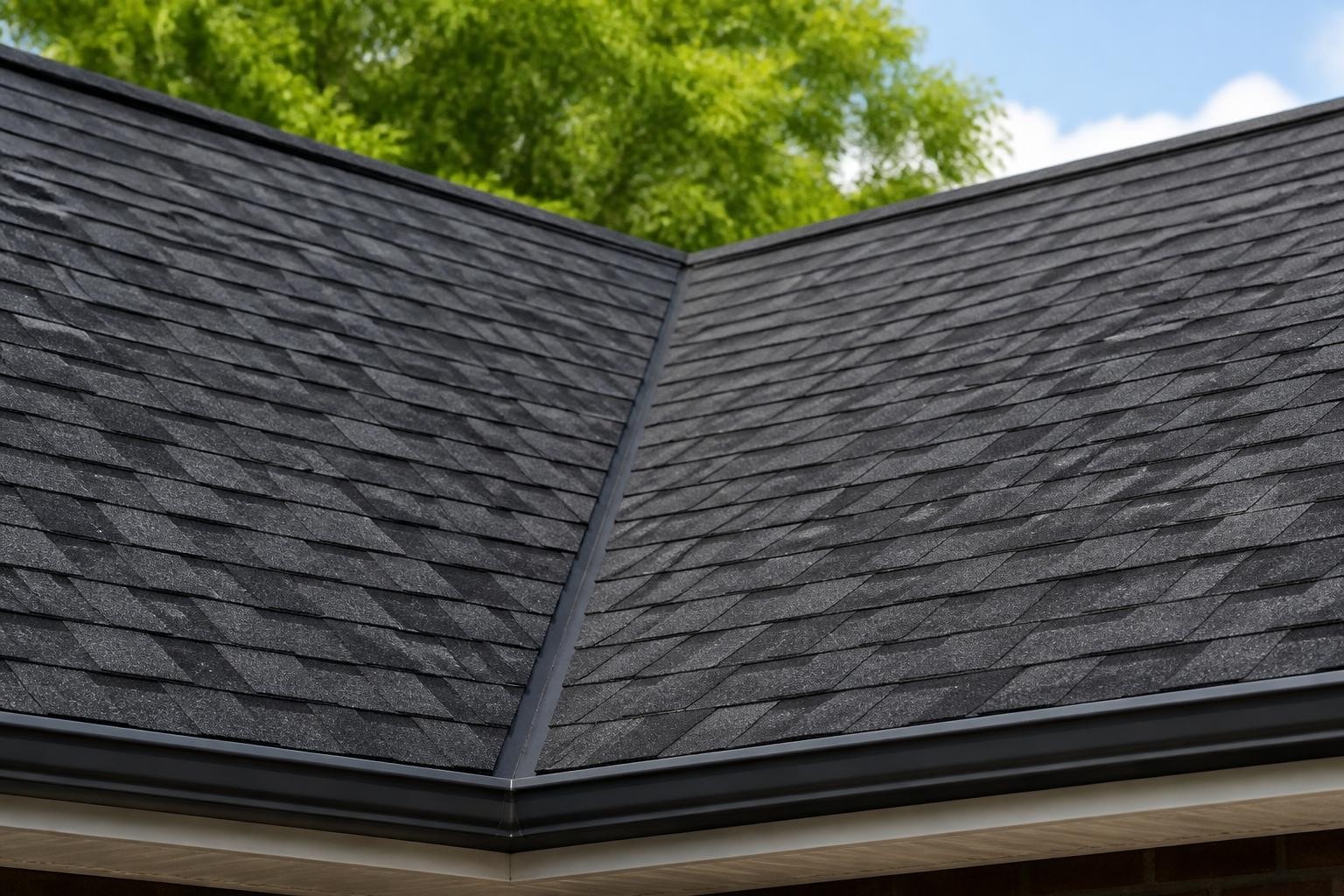
A valley roof represents one of the most critical architectural elements where two roof slopes meet, forming an internal angle that efficiently channels rainwater and melting snow away from your home. Understanding how these intersections work, the different installation methods available, and proper maintenance requirements can save homeowners thousands of dollars in potential water damage repairs. Whether you're planning a new roof installation or addressing existing issues, knowing the fundamentals of valley roof construction helps you make informed decisions about your home's protection.
Understanding Valley Roof Construction and Purpose
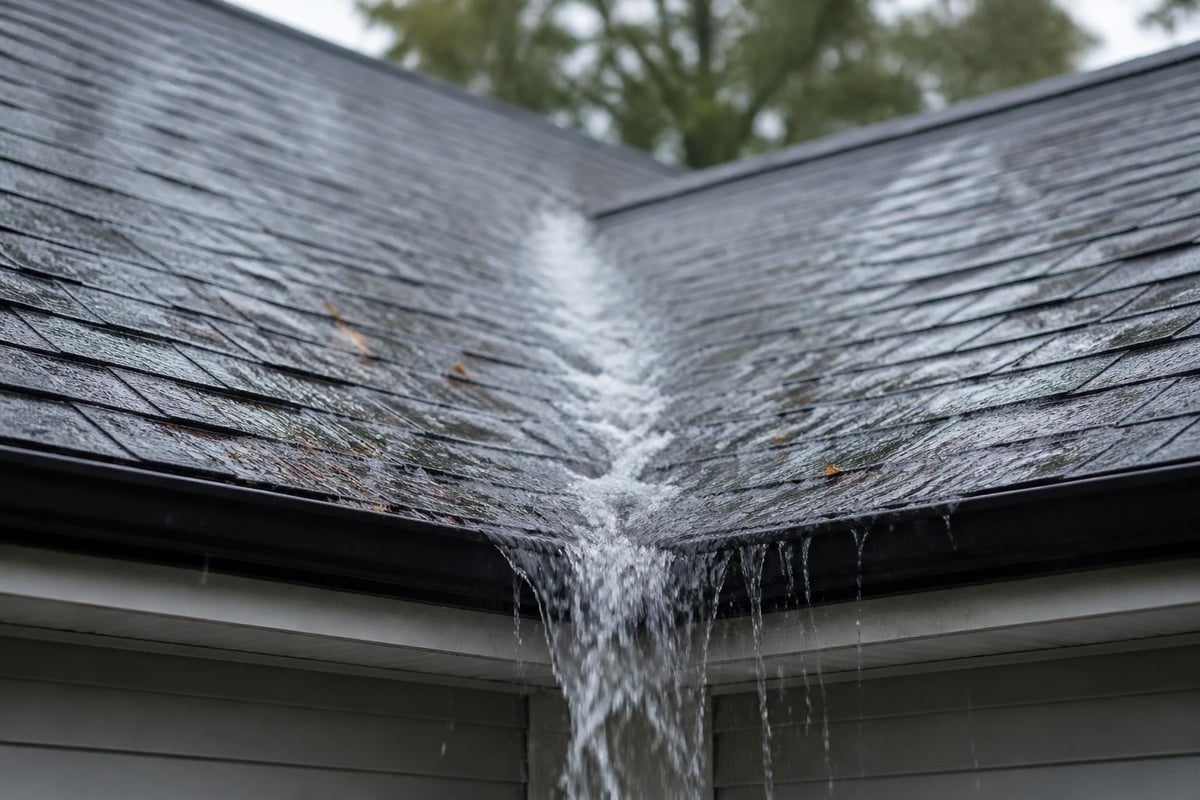
The valley roof serves as a natural water highway on your home, directing precipitation from two converging roof planes down to the gutters. This intersection creates a concentrated water flow path that experiences significantly more stress than standard roof areas.
Why Valley Roofs Require Special Attention
Unlike flat roof sections where water distributes evenly, valleys concentrate water volume and flow velocity. This increased hydraulic pressure makes proper installation absolutely critical for long-term performance.
Key challenges valleys face include:
- Doubled water volume from two roof planes converging
- Increased debris accumulation in the channel
- Higher ice dam formation risk during winter months
- Greater stress on roofing materials from concentrated flow
- More complex flashing requirements than standard roof areas
The structural aspects of valley roofs require careful planning during both initial construction and replacement projects. Proper framing ensures adequate support for the additional materials and potential load concentrations.
Common Valley Roof Applications
Homeowners encounter valleys in various architectural scenarios. L-shaped homes naturally create valleys where wings meet. Dormers projecting from main roofs form valleys on both sides. Multi-gabled designs increase valley complexity significantly.
Each configuration presents unique installation challenges. Professional roofing and siding services understand these nuances and can recommend the best approach for your specific roof design.
Types of Valley Roof Installation Methods
Three primary installation methods dominate residential roofing: open metal valleys, closed-cut valleys, and woven valleys. Each technique offers distinct advantages depending on your roof's pitch, local climate, and roofing material.
Open Metal Valley Installation
Open metal valleys utilize a visible metal channel running the length of the valley. This method provides the most reliable long-term water management solution for most applications.
| Advantage | Consideration |
|---|---|
| Superior water shedding | Higher material costs |
| Longest lifespan | Visible metal appearance |
| Best for steep slopes | Requires skilled installation |
| Ideal for high precipitation | Metal must match roof aesthetic |
The different valley construction methods each suit specific situations. Open metal valleys work exceptionally well in areas experiencing heavy rainfall or significant snowfall, making them popular in regions with challenging weather patterns.
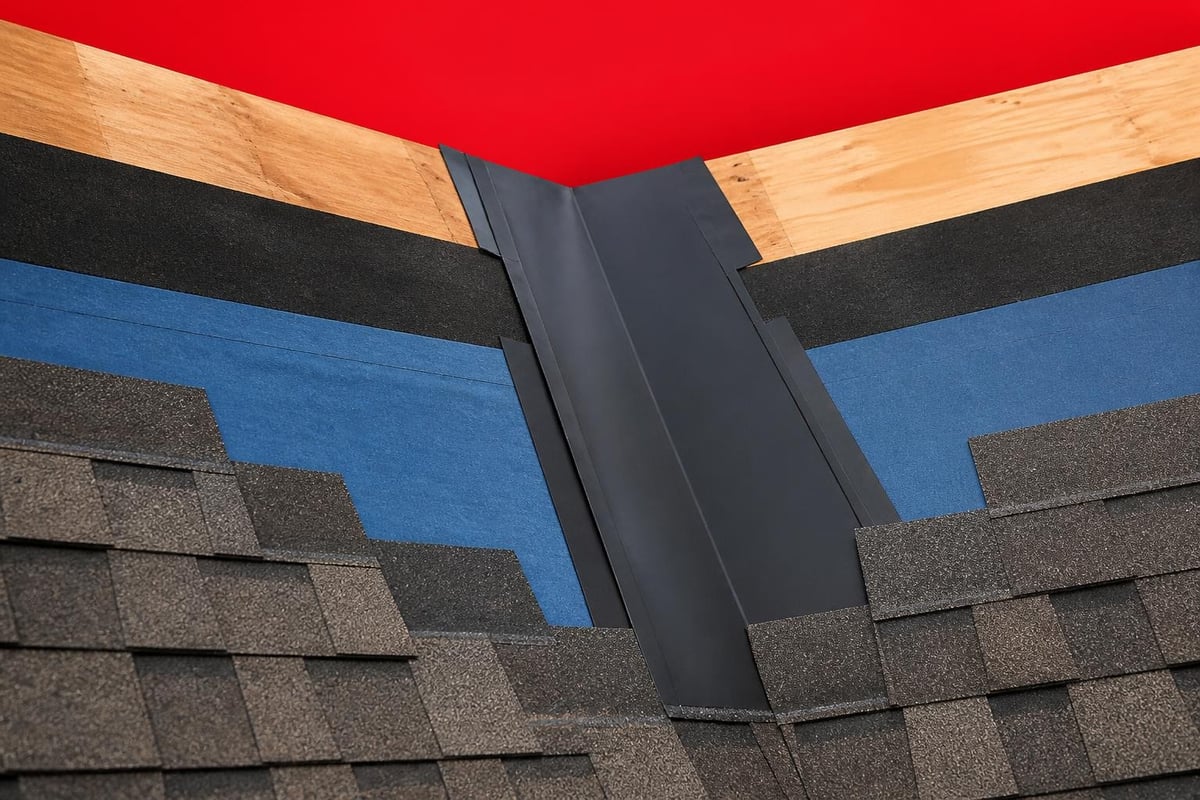
Installation begins with proper underlayment extending at least 18 inches on each side of the valley centerline. The metal flashing, typically 24-gauge galvanized steel, aluminum, or copper, gets centered over the valley. Shingles then trim to leave a visible channel ranging from 4 to 8 inches wide.
Closed-Cut Valley Technique
Closed-cut valleys create a cleaner aesthetic by completely covering the valley with shingles from both roof planes. One plane's shingles extend across the valley centerline, while the other plane's shingles trim precisely at the valley center.
This method works best on roofs with moderate slopes between 4:12 and 8:12 pitch. Lower slopes risk water infiltration, while steeper slopes can stress the cut shingle edges excessively.
Installation steps include:
- Install ice and water barrier extending 24 inches from valley center
- Apply shingles from the first roof plane across the valley
- Extend these shingles at least 12 inches past centerline
- Install second plane shingles, trimming 2 inches back from centerline
- Ensure proper granule embedment along cut edges
Woven Valley Construction
Woven valleys interlock shingles from both roof planes in an alternating pattern. While this creates a unified appearance, it demands significantly more installation time and expertise.
Modern roofing manufacturers increasingly discourage woven valleys because the method can void material warranties. The constant flexing at shingle intersections accelerates wear and creates potential failure points.
The comprehensive diagrams and installation guides provide detailed visual references for understanding how each method differs in practice. These resources prove invaluable when discussing options with your roofing contractor.
Critical Valley Roof Components and Materials
Successful valley roof performance depends on multiple integrated components working together. Understanding each element helps homeowners appreciate the complexity of proper installation.
Underlayment and Ice Barrier Requirements
The valley's first line of defense starts with proper underlayment selection and installation. Standard synthetic underlayment provides baseline protection, but valleys demand enhanced coverage.
Ice and water barrier, a self-adhesive membrane, should extend at least 24 inches from the valley centerline in each direction. This creates a 48-inch wide protection zone that prevents water intrusion even if surface materials fail.
In regions experiencing ice dams or severe weather, extending this protection to 36 inches per side provides additional security. The investment in extra coverage represents minimal expense compared to potential water damage repairs.
Flashing Material Selection
Metal flashing quality directly impacts valley longevity. Common materials include galvanized steel, aluminum, and copper, each offering different performance characteristics.
| Material | Lifespan | Cost | Best Application |
|---|---|---|---|
| Galvanized Steel | 20-30 years | Low | Budget-conscious projects |
| Aluminum | 30-50 years | Medium | Coastal environments |
| Copper | 50+ years | High | Premium installations |
| Stainless Steel | 40+ years | High | Industrial applications |
Proper shingle roofing company selection ensures installers understand material compatibility. Certain shingle types require specific flashing materials to prevent chemical reactions or galvanic corrosion.
Fastener Placement and Techniques
Valley areas require modified fastening patterns compared to standard roof sections. Nails placed too close to the valley centerline risk creating penetration points where water concentrates.
Industry best practices recommend keeping all fasteners at least 6 inches from the valley centerline. Specialized valley clips or extended adhesive strips provide wind resistance without compromising water integrity.
Common Valley Roof Problems and Warning Signs
Despite proper installation, valley roofs face ongoing stress from environmental factors and time. Recognizing early warning signs prevents minor issues from escalating into major damage.
Leak Detection and Water Infiltration
Valley leaks manifest differently than standard roof leaks. Water entering at valleys often travels along rafters before appearing inside, making source identification challenging.
Common leak indicators include:
- Staining on ceiling near valley areas
- Water marks on attic rafters running from valleys
- Moisture on insulation beneath valley sections
- Ice accumulation along valley channels in winter
- Granule loss accelerated in valley areas
The importance of roof valleys and common issues extends beyond simple water management. These areas represent potential structural vulnerability points if maintenance gets neglected.
Addressing leaks quickly through professional roof leak repairs prevents secondary damage to framing, insulation, and interior finishes. Water damage costs escalate exponentially when left unaddressed.
Debris Accumulation Issues
Valleys naturally collect leaves, branches, and other debris as water funnels material downward. This accumulation creates dams that force water under shingles or flashing.
Regular valley cleaning, performed at least twice annually, maintains proper water flow. Fall cleaning after leaf drop and spring cleaning after winter prove most critical. Property owners with overhanging trees may require quarterly maintenance.
Shingle Degradation Patterns
Valley shingles experience accelerated wear compared to field shingles. The constant water flow, increased UV exposure from reflected light, and thermal cycling from concentrated ice formation all contribute to faster deterioration.
Inspecting valley shingles during routine maintenance identifies problems before they cause leaks. Curling edges, missing granules, or visible cracks warrant immediate attention.
Valley Roof Maintenance and Repair Strategies
Proactive maintenance extends valley roof lifespan significantly while preventing expensive emergency repairs. Establishing a regular inspection schedule provides peace of mind and protects your investment.
Seasonal Inspection Protocols
Each season presents specific valley roof challenges requiring targeted inspection approaches. Spring assessments identify winter damage from ice and snow. Summer checks reveal UV degradation and storm damage. Fall inspections prepare valleys for winter weather.
- Visual examination from ground level using binoculars
- Close inspection from ladder at valley access points
- Attic inspection from interior for water stains or damage
- Documentation through photos for comparison over time
- Professional assessment every three to five years
Working with experienced roof installation companies ensures thorough inspections that identify subtle problems before they escalate. Professional eyes catch issues homeowners often miss.
Repair Approaches for Different Valley Types
Valley repair complexity depends on the original installation method and damage extent. Minor repairs might involve replacing several shingles, while major issues could require complete valley reconstruction.
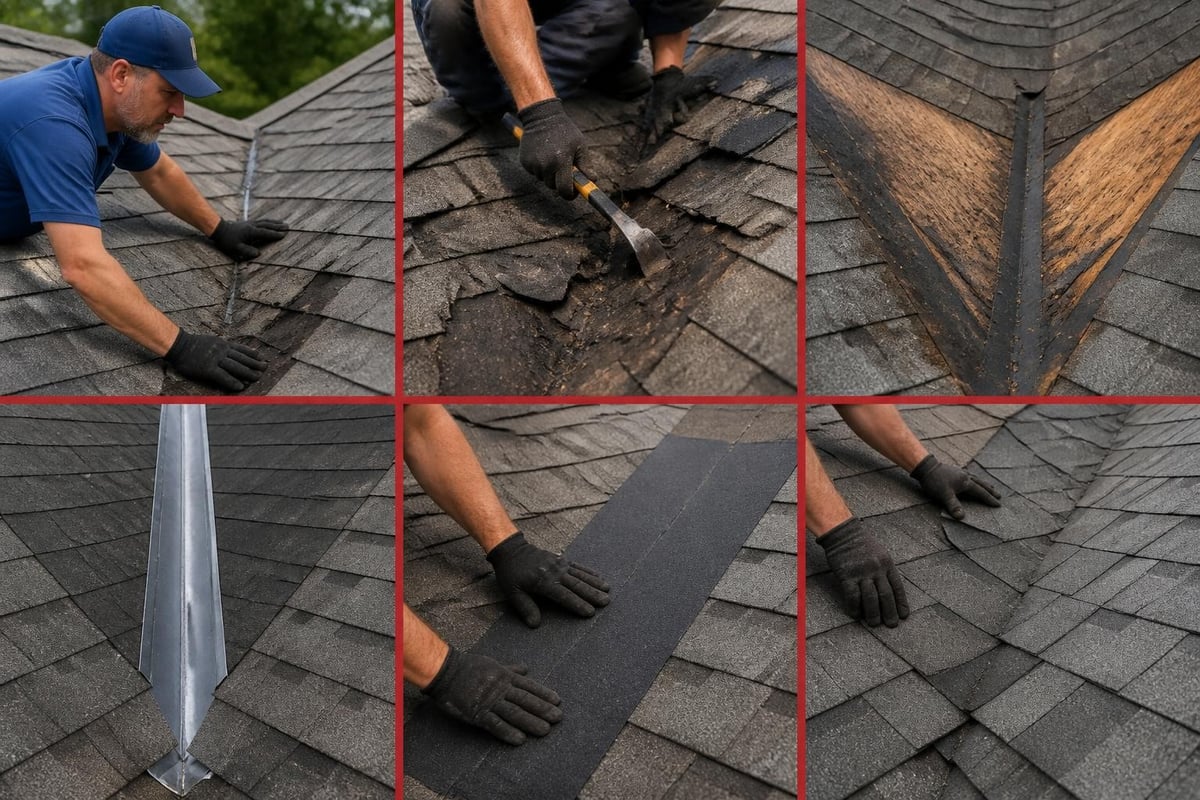
Open metal valley repairs often prove simpler since the metal provides ongoing protection during shingle replacement. Closed-cut and woven valleys require more extensive work because both roof planes need coordinated repairs.
The comprehensive repair strategies for valley issues outline approaches for various damage scenarios. These guidelines help property owners understand what repairs entail and set realistic expectations.
Preventive Maintenance Best Practices
Beyond inspections and repairs, preventive measures reduce valley roof problems significantly. Installing gutter guards prevents debris accumulation. Trimming overhanging branches reduces leaf deposition and physical damage risk.
Heat cable installation in valleys prevents ice dam formation in cold climates. These electric cables activate during freezing temperatures, maintaining open channels for meltwater drainage.
Proper attic ventilation and insulation work synergistically with valley construction. Adequate ventilation prevents ice dam formation by maintaining consistent roof temperatures. Proper insulation reduces heat loss that causes snowmelt and refreezing cycles.
Valley Roof Considerations for Replacement Projects
When existing roofs reach end-of-life, valley reconstruction presents opportunities for improvements over original installations. Modern materials and techniques offer enhanced performance compared to older methods.
Evaluating Existing Valley Conditions
Roof replacement projects must thoroughly assess existing valley construction. The underlying decking, framing, and structural support all require evaluation before new materials get installed.
Rotted decking, compromised rafters, or inadequate framing discovered during tearoff must get addressed immediately. Roof replacement insurance claims may cover necessary structural repairs depending on policy specifics and damage causes.
Upgrading Valley Construction Methods
Replacement projects allow transitioning from less effective valley types to superior methods. Homeowners with woven or closed-cut valleys can upgrade to open metal valleys for improved long-term performance.
This upgrade increases project cost modestly but provides enhanced protection justifying the investment. Quality materials and proper installation techniques ensure decades of reliable service.
Material Compatibility Concerns
Valley materials must complement new roofing products. Architectural shingles, three-tab shingles, and specialty products each have specific valley requirements outlined in manufacturer warranties.
Following proper installation guidelines for valley and gable roofs ensures warranty compliance and optimal performance. Cutting corners on valley construction risks voiding material warranties entirely.
Regional Climate Impact on Valley Roof Performance
Geographic location significantly influences ideal valley roof construction methods. Climate factors like precipitation volume, freeze-thaw cycles, and temperature extremes all affect valley performance.
Cold Climate Considerations
Northern regions experiencing significant snowfall and freezing temperatures face unique valley challenges. Ice dam formation, snow load stress, and freeze-thaw cycling all accelerate valley deterioration.
Enhanced ice and water barrier coverage, heat cable installation, and metal valley preference all improve performance in cold climates. Adequate attic insulation and ventilation work synergistically with proper valley construction.
High Precipitation Areas
Regions with heavy rainfall or frequent storms benefit from open metal valleys providing superior water-shedding capacity. The visible metal channel handles high-volume flows more effectively than closed valley methods.
Wider metal valleys, typically 8 inches at the eaves expanding to 12 inches at the ridge, accommodate increased water volume. Proper slope calculation ensures adequate flow velocity preventing standing water.
Moderate Climate Applications
Temperate regions with moderate precipitation and minimal freezing can successfully utilize any valley method. Installation quality matters more than method selection in these environments.
Cost considerations, aesthetic preferences, and material availability often drive decisions in moderate climates. All three methods perform adequately when properly installed using quality materials.
Professional Installation Versus DIY Valley Roofing
Valley roof installation complexity exceeds standard roofing applications significantly. While experienced DIY enthusiasts might tackle simple roof repairs, valley work demands professional expertise for optimal results.
Skill Requirements and Learning Curve
Proper valley installation requires understanding water dynamics, material compatibility, and precise measurement techniques. The consequences of improper installation include expensive water damage far exceeding professional installation costs.
Critical skills include proper flashing formation, underlayment integration, shingle cutting precision, and fastener placement knowledge. These abilities develop through years of hands-on experience under varied conditions.
Tools and Equipment Needs
Specialized tools beyond basic roofing equipment prove necessary for quality valley work. Metal brakes for forming flashing, specialized cutting tools for precise shingle trimming, and proper safety equipment all represent significant investments.
Professional contractors already own these tools and possess the experience using them effectively. The guidelines for valley construction and installation demonstrate the technical complexity involved in proper valley work.
Warranty and Insurance Implications
Professional installation provides warranty coverage protecting your investment. Material warranties often require professional installation for validity. Workmanship warranties cover installation defects for specified periods.
DIY valley installation risks voiding material warranties entirely while providing zero workmanship protection. Insurance claims for water damage caused by improper installation may face denial or reduced settlements.
Valley Roof Cost Factors and Investment Considerations
Understanding valley roof costs helps homeowners budget appropriately for new construction or replacement projects. Multiple factors influence final pricing beyond simple square footage calculations.
Material Cost Variables
Valley construction requires premium materials compared to standard roof areas. Enhanced underlayment, metal flashing, and additional labor all contribute to higher per-square-foot costs.
Quality metal flashing ranges from two dollars per linear foot for basic galvanized steel to fifteen dollars per foot for premium copper. Ice and water barrier costs approximately one dollar per square foot, with valleys requiring double coverage.
Labor Intensity and Pricing
Valley installation demands more time and skill than standard roof areas, increasing labor costs proportionally. Complex roof designs with multiple valleys significantly impact total project pricing.
Experienced contractors account for valley complexity in estimates, while inexperienced companies may underbid then cut corners during installation. Choosing reliable roofing and construction professionals ensures proper pricing and quality workmanship.
Long-Term Value Proposition
Investing in superior valley construction provides returns through extended roof lifespan and prevented water damage. The incremental cost of quality materials and expert installation pales compared to leak repair expenses.
Proper valley construction adds value during home sales. Inspection reports noting quality valley work reassure potential buyers while poor valley conditions raise red flags and negotiation points.
Understanding valley roof construction, maintenance requirements, and repair strategies empowers homeowners to protect their most significant investment effectively. These critical roof intersections demand quality materials, expert installation, and regular maintenance to perform reliably for decades. Whether you need valley repairs, complete roof replacement, or expert guidance on existing valley concerns, Great Roofing brings family-owned dedication and professional expertise to every project throughout the Joliet area. Contact our team today to schedule a comprehensive roof inspection and discuss how we can enhance your home's protection.