


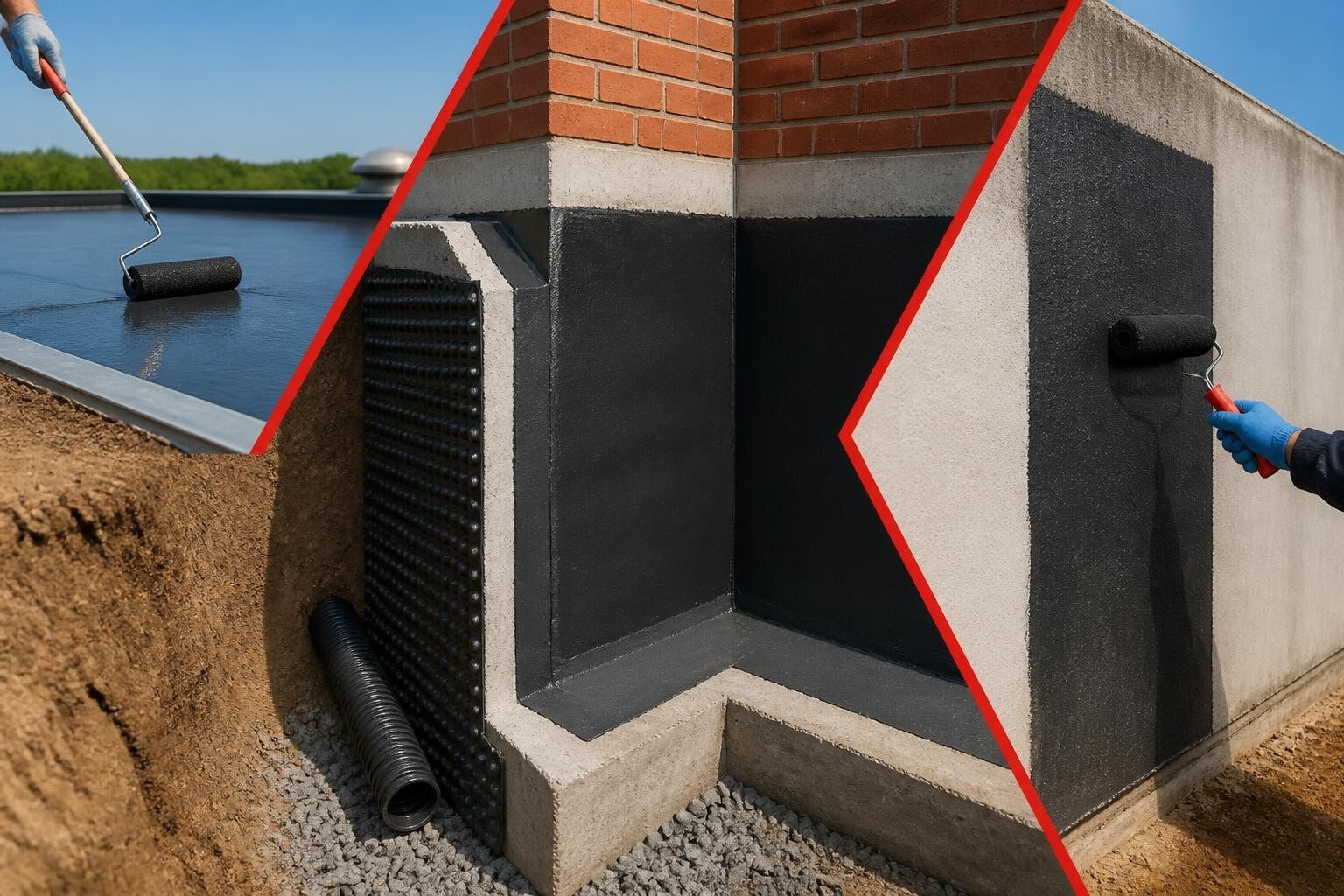
Water intrusion represents one of the most destructive forces affecting both residential and commercial properties. Professional waterproofing services have become essential for protecting building envelopes, preventing structural damage, and maintaining healthy indoor environments. From foundation walls to roof systems, comprehensive waterproofing strategies address moisture at every vulnerable point in your property. Understanding the scope, methods, and benefits of these specialized services helps property owners make informed decisions about protecting their investments.
Understanding Professional Waterproofing Services
Waterproofing services encompass a wide range of specialized techniques designed to prevent water penetration into building structures. These services go far beyond simple water resistance-they create complete barrier systems that protect against moisture in all its forms.
The Building Science Behind Waterproofing
Modern waterproofing relies on building science principles that address heat, air, and moisture movement through building assemblies. According to moisture control guidance from ASHRAE, successful waterproofing requires understanding vapor drive, condensation patterns, and drainage plane design.
Professional contractors evaluate multiple factors:
- Climate conditions and precipitation patterns specific to the Joliet region
- Building orientation and exposure to wind-driven rain
- Material compatibility between existing structures and new waterproofing systems
- Drainage pathways that direct water away from vulnerable areas
- Vapor permeability to prevent trapped moisture within wall assemblies
The EPA’s moisture control guidance emphasizes that effective waterproofing integrates with overall building design rather than serving as an afterthought. This integrated approach ensures long-term performance and durability.

Types of Waterproofing Applications
Different building areas require specialized waterproofing approaches tailored to their unique exposure conditions and performance requirements.
| Application Area | Primary Method | Expected Lifespan | Maintenance Frequency |
|---|---|---|---|
| Foundation walls | Membrane + drainage board | 25-40 years | Every 5 years |
| Roof systems | Modified bitumen or single-ply | 20-30 years | Annual inspection |
| Below-grade spaces | Crystalline or bentonite | 30+ years | Minimal |
| Deck surfaces | Liquid-applied membrane | 10-15 years | Every 2-3 years |
| Exterior walls | Barrier or drainage systems | 25-35 years | Every 3-5 years |
Foundation waterproofing services typically employ rubberized asphalt membranes, bentonite clay panels, or spray-applied coatings. These systems work in conjunction with perimeter drainage systems that collect and redirect groundwater away from the structure.
Roof waterproofing represents a critical component of building protection. For commercial properties, roofing services often include modified bitumen systems that provide excellent waterproofing performance. Residential applications may utilize ice and water shield membranes in vulnerable areas like valleys and eaves.
Key Components of Comprehensive Waterproofing Systems
Effective waterproofing services address the entire building envelope rather than isolated problem areas. This comprehensive approach prevents water from finding alternative pathways into the structure.
Flashing and Termination Details
Flashing represents the most critical element in any waterproofing system. These thin pieces of impervious material direct water away from joints, penetrations, and transitions between different building materials.
Professional waterproofing services include:
- Step flashing along roof-to-wall intersections
- Through-wall flashing above doors and windows
- Kickout flashing at roof-to-wall terminations
- Counterflashing that protects vertical surfaces
- Pan flashing beneath window sills
The NRCA’s technical guidelines provide detailed specifications for proper flashing installation across various roof types and configurations. When dealing with leak repairs, inadequate flashing often proves to be the underlying cause rather than membrane failure.
Drainage and Water Management
No waterproofing system can function properly without adequate drainage. Water must have a clear path away from the building at every level.
Surface drainage begins with proper grading that slopes away from the foundation at a minimum rate of six inches over the first ten feet. Gutters and downspouts collect roof water, while extensions direct discharge at least five feet from the foundation.
Subsurface drainage systems include perimeter drain tiles, gravel beds, and sump pump installations. These components work together to lower the water table around foundations and relieve hydrostatic pressure against basement walls.
For commercial properties with flat or low-slope roofs, internal drains and scuppers provide primary drainage while overflow provisions prevent catastrophic water accumulation during severe weather events.
Identifying When You Need Waterproofing Services
Property owners should recognize early warning signs that indicate waterproofing problems before they escalate into major structural damage or health hazards.
Common Indicators of Water Intrusion
Visual evidence of moisture problems often appears long before significant structural damage occurs. Catching these signs early allows for less invasive and more cost-effective remediation.
Watch for these warning signals:
- Efflorescence appearing as white, chalky deposits on masonry surfaces
- Staining patterns on ceilings, walls, or around windows
- Musty odors indicating hidden mold growth
- Peeling paint or bubbling on interior or exterior surfaces
- Damp carpeting or water accumulation in basement corners
- Visible mold growth, particularly in basements or attics
According to EPA guidance on mold remediation, moisture problems must be addressed at their source. Simply removing mold without fixing underlying waterproofing deficiencies ensures the problem will return.
Seasonal and Weather-Related Concerns
Certain times of year place extra stress on waterproofing systems. Illinois property owners face unique challenges from freeze-thaw cycles, spring rains, and winter ice damming.
Spring typically brings the heaviest precipitation and highest water tables. Foundation waterproofing systems face maximum stress as saturated soil exerts hydrostatic pressure against basement walls.
Winter creates ice dam conditions on many roofs. When snow melts and refreezes at the eaves, water backs up under shingles and penetrates the roof deck. Residential roofing professionals address this through proper attic ventilation, insulation improvements, and ice barrier installation.
Selecting the Right Waterproofing Contractor
The quality of installation determines waterproofing system performance more than any other factor. Choosing an experienced, qualified contractor ensures your investment delivers long-term protection.
Credentials and Qualifications to Verify
Professional waterproofing requires specialized knowledge and training. The International Institute of Building Enclosure Consultants provides certification programs that demonstrate contractor expertise in waterproofing principles and practices.
Key qualifications include:
- Manufacturer certifications for specific waterproofing products
- Insurance coverage including both liability and workers' compensation
- Local licensing demonstrating compliance with building codes
- Industry memberships in organizations like NRCA or IIBEC
- Documented experience with projects similar to yours
Request references from recent projects involving similar waterproofing challenges. Speaking directly with previous clients reveals how the contractor handles communication, scheduling, and unexpected complications.
Questions to Ask During Contractor Evaluation
| Question Category | Specific Questions to Ask |
|---|---|
| Technical approach | What diagnostic methods will you use? How do you identify all moisture sources? |
| System design | Which waterproofing method do you recommend and why? What alternatives exist? |
| Warranty coverage | What does your workmanship warranty cover? What's the manufacturer's material warranty? |
| Project timeline | How long will installation take? What weather conditions delay work? |
| Maintenance requirements | What ongoing maintenance will the system require? How often should inspections occur? |
A reputable contractor provides detailed written proposals that specify materials, methods, and warranties. Be wary of any contractor reluctant to document their recommendations or rushing you toward a decision.
Cost Considerations for Waterproofing Services
Understanding the financial investment required for professional waterproofing helps property owners budget appropriately and evaluate contractor proposals.
Factors That Influence Project Costs
Waterproofing services vary significantly in price based on multiple variables specific to each property and project scope.
Accessibility affects labor costs substantially. Exterior foundation waterproofing requires excavation that costs $3,000 to $15,000 depending on depth, obstacles, and soil conditions. Interior drainage systems avoid excavation but may require more extensive basement finishing work afterward.
Building size and complexity directly impact material quantities and installation time. A simple rectangular foundation costs less per square foot than one with multiple corners, offsets, or unusual configurations.
Existing damage requiring repair before waterproofing adds to total project costs. Deteriorated concrete must be patched, wood rot needs replacement, and structural issues require engineering evaluation.
Climate and seasonal factors influence pricing. Contractors often offer better rates during slower winter months, though some waterproofing applications require minimum temperature thresholds.
Expected Investment by Application Type
Understanding typical cost ranges helps property owners recognize realistic estimates versus potential overcharges or unrealistically low bids that may indicate shortcuts.
- Foundation waterproofing: $8,000–$25,000 for exterior systems, $3,000–$10,000 for interior approaches
- Basement waterproofing with drainage systems: $5,000–$15,000 including sump pump installation
- Crawl space encapsulation: $5,000–$15,000 depending on size and vapor barrier quality
- Deck waterproofing: $3–$8 per square foot for membrane systems
- Commercial roof waterproofing: $4–$12 per square foot depending on system type
These ranges reflect 2026 pricing in the Midwest region. Properties requiring multiple applications or extensive repairs may exceed these estimates. Just as with roofing costs, obtaining multiple detailed quotes helps establish appropriate budgets.
Maintenance and Long-Term Performance
Professional installation represents only the beginning of a waterproofing system's lifecycle. Proper maintenance ensures these systems continue protecting your property for decades.
Creating an Effective Maintenance Schedule
Regular inspections identify minor issues before they compromise system integrity. Annual examinations should occur in spring after snowmelt and fall before winter weather arrives.
Spring inspections focus on:
- Checking foundation walls for new cracks or deterioration
- Verifying gutters and downspouts discharge properly
- Testing sump pump operation under actual conditions
- Examining roof flashings for winter damage
- Assessing drainage system function after heavy precipitation
Fall preparations include:
- Cleaning gutters and verifying proper slope
- Sealing minor cracks before freeze-thaw cycles begin
- Testing backup sump pump systems
- Removing vegetation growth near foundations
- Documenting system condition with photographs
Maintaining detailed records of inspections, repairs, and observations helps identify developing patterns that may indicate larger problems requiring professional waterproofing services.
When to Schedule Professional Reassessment
Even well-maintained waterproofing systems eventually require updates or replacement. Technology advances, building codes change, and materials age beyond their effective service life.
Schedule comprehensive professional evaluation every five years for most systems. More frequent assessment makes sense for:
- Buildings with previous water intrusion history
- Properties in areas with high water tables or difficult drainage conditions
- Structures experiencing settlement or foundation movement
- Commercial buildings with sensitive interior uses or valuable contents
Storm damage represents another situation requiring immediate professional assessment. Even if no active leaks appear, roof damage from storms may compromise waterproofing integrity in ways not immediately visible.
Special Considerations for Commercial Properties
Commercial waterproofing services involve additional complexity due to larger building footprints, occupied spaces during work, and strict code requirements.
Below-Grade Parking and Plaza Deck Waterproofing
Underground parking structures and occupied spaces beneath landscaped plazas demand robust waterproofing systems capable of withstanding continuous hydrostatic pressure and traffic loads.
These applications typically employ:
- Pre-applied membranes installed before concrete placement for foundation walls
- Post-applied fluid systems that accommodate structural movement
- Drainage composites that relieve water pressure and direct moisture to collection points
- Protection boards shielding membranes from backfill damage or construction activity
- Expansion joint systems maintaining waterproofing continuity across control joints
Regular inspection programs become critical in these applications. Early leak detection prevents water intrusion that could affect occupied spaces, parking areas, or structural elements.
Occupied Building Challenges
Waterproofing services in occupied commercial buildings require careful coordination to minimize tenant disruption while maintaining safety and building functionality.
Contractors must schedule work during off-hours, maintain temporary weatherproofing during multi-day projects, and coordinate with facility managers regarding access, noise restrictions, and emergency procedures. Clear communication with building occupants prevents conflicts and ensures everyone understands project timelines and temporary inconveniences.
For properties seeking experienced contractors who understand both residential and commercial waterproofing requirements, Great Roofing’s services demonstrate the comprehensive approach needed for proper building protection.
Integration with Roofing and Exterior Systems
Waterproofing never functions in isolation. It must integrate seamlessly with roofing, siding, windows, and other building envelope components to create complete protection.
Roof-to-Wall Transition Zones
The intersection where roofs meet vertical walls represents one of the most vulnerable areas in any building. Proper waterproofing services address these transitions through coordinated flashing systems that protect both roof and wall assemblies.
Step flashing creates shingle-sized pieces that weave between each course of roofing material and extend up the wall surface. This overlapping pattern ensures water flowing down the wall cannot travel back under the roofing material.
Kickout flashing at the bottom of roof-to-wall intersections redirects water into gutters rather than allowing it to flow behind siding. This simple component prevents enormous damage yet is frequently omitted in substandard installations.
Proper detailing at these locations follows principles outlined in professional resources, ensuring long-term performance regardless of weather conditions.
Window and Door Waterproofing
Fenestration represents another critical waterproofing challenge. Windows and doors create penetrations through the building envelope that must shed water while allowing operation and maintaining energy efficiency.
A complete window waterproofing system includes:
- Sill pans that collect water reaching the window bottom
- Jamb flashings protecting vertical edges
- Head flashings directing water outward from the top
- Sealants providing secondary protection at perimeter gaps
- Proper integration with the wall's drainage plane
Many water intrusion problems traced to windows actually originate from improper flashing rather than window defects. Professional waterproofing services ensure these details receive the attention required for reliable performance.
Environmental and Health Benefits
Beyond protecting building structures and contents, professional waterproofing services deliver significant health and environmental advantages that justify their cost.
Indoor Air Quality Improvements
Moisture intrusion creates ideal conditions for mold growth, dust mites, and other biological contaminants that degrade indoor air quality. These pollutants trigger allergies, asthma, and other respiratory conditions while creating unpleasant odors.
Effective waterproofing eliminates the moisture source these organisms require. By maintaining dry interior conditions, properly waterproofed buildings provide healthier environments for occupants. This benefit proves particularly important in commercial settings like schools, healthcare facilities, and office buildings where indoor air quality directly affects productivity and wellness.
Research demonstrates that controlling moisture at its source through comprehensive waterproofing proves more effective and economical than attempting to manage humidity through mechanical dehumidification alone.
Energy Efficiency Considerations
Wet insulation loses much of its thermal resistance. When waterproofing systems fail and allow moisture into wall or roof assemblies, insulation performance degrades significantly-sometimes losing 50% or more of its R-value.
This moisture-induced thermal loss forces heating and cooling systems to work harder, consuming more energy and increasing utility costs. Professional waterproofing services protect insulation performance, maintaining energy efficiency throughout the building envelope.
Dry buildings also experience fewer freeze-thaw cycles in wall assemblies. This reduction in thermal cycling extends the lifespan of building materials and reduces maintenance requirements over time.
Regional Considerations for Illinois Properties
Properties in the Joliet area and surrounding regions face specific waterproofing challenges related to local climate patterns, soil conditions, and building practices.
Freeze-Thaw Cycle Management
Illinois experiences significant temperature fluctuations throughout winter months. Water that penetrates masonry, concrete, or other porous materials expands when it freezes, creating pressure that cracks and degrades these materials.
Professional waterproofing services in cold climates must account for freeze-thaw durability. Materials and systems require testing to ASTM standards demonstrating their ability to withstand repeated freezing without deterioration.
Foundation waterproofing deserves special attention in freeze-prone climates. Systems must remain flexible at low temperatures while maintaining their waterproofing seal. Rigid materials that become brittle in cold weather may crack and fail during the first hard freeze.
Soil and Drainage Characteristics
Clay soils common throughout northern Illinois expand when wet and contract when dry. This movement exerts changing pressure against foundation walls, challenging waterproofing systems with cyclical stress.
Proper waterproofing installation in expansive soils requires:
- Flexible membrane systems that accommodate movement
- Adequate drainage to minimize soil saturation
- Protection boards shielding membranes from sharp stones
- Proper backfill materials that drain readily
Areas with high water tables need sump pump systems as part of comprehensive waterproofing strategies. These mechanical components remove groundwater that accumulates in foundation drainage systems, preventing hydrostatic pressure buildup against basement walls.
When seeking local roofing contractors who understand regional waterproofing requirements, experience with Illinois conditions proves essential for long-term system performance.
Professional waterproofing services protect your property investment while creating healthier, more comfortable indoor environments and preventing costly water damage. Whether addressing foundation concerns, roof vulnerabilities, or comprehensive building envelope protection, working with experienced contractors ensures systems perform reliably for decades. Great Roofing brings family-owned dedication and technical expertise to every waterproofing challenge, protecting Joliet-area homes and businesses with proven solutions tailored to local conditions. Contact Great Roofing today to schedule a comprehensive waterproofing assessment and discover how professional protection preserves your property's value and integrity.