


In Joliet, the weather has a way of keeping homeowners on their toes. Spring and summer often bring powerful thunderstorms with hail and heavy winds. Fall can usher in steady rain and gusty cold fronts. And winter, of course, carries its own challenges, snow accumulation, ice dams, and freeze-thaw cycles that quietly stress a roof over time. Tornado warnings are not uncommon in this part of Illinois, and even a brief but intense storm can leave behind more damage than you might notice from the ground.
Shingles lifted by the wind. Granules washed into gutters. Flashing bent out of place. Small punctures from hail. These are the kinds of storm damage we regularly see throughout Will County. Some issues are obvious. Others are subtle but just as important.
That’s why having a plan matters.
When a storm passes through, emotions can run high. It’s natural to feel unsettled when your home may have taken a hit. But knowing what to do next can make all the difference, not only in protecting your property, but in preserving your peace of mind.
At Great Roofing, we believe steady action beats rushed decisions every time. Here’s what to do immediately after storm damage to your roof.
1. Prioritize Safety First
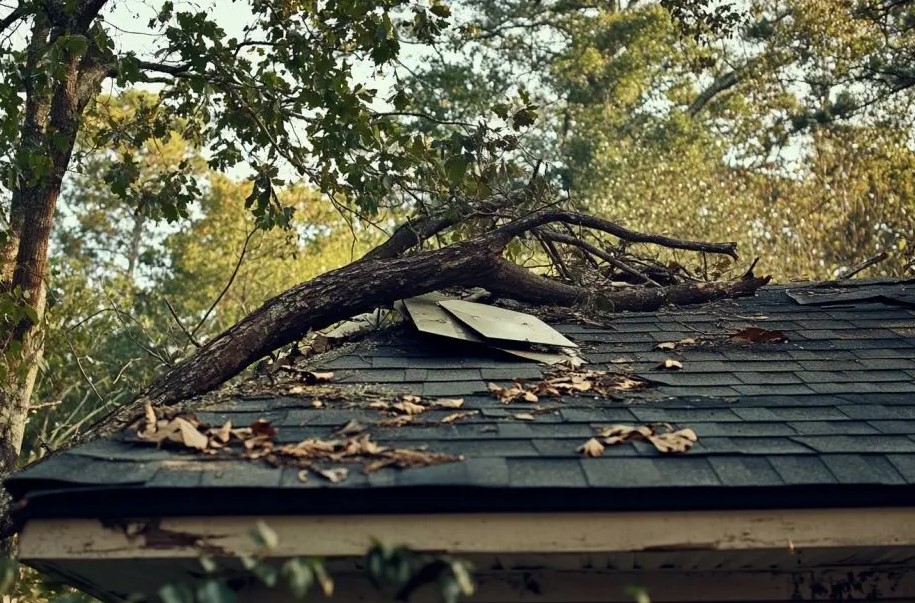
Before anything else, make sure everyone inside your home is safe. If you suspect structural damage, active leaks near electrical systems, or fallen tree limbs, keep a safe distance and avoid climbing onto the roof yourself.
Even if the storm has passed and the skies are clear, roofing surfaces can remain slippery and unstable. Leave the inspection to trained professionals. Your safety comes first.
2. Perform a Careful Ground-Level Check
Once conditions are safe, walk around your home and look for any visible signs of damage from the ground.
You might notice:
- Shingles scattered in the yard
- Dents in gutters or downspouts from hail
- Debris or branches on the roof
- Bent flashing or visible gaps
- Granules are collecting in the downspout outlets
Inside the home, check ceilings and attic spaces for water stains, damp insulation, or new leaks. Even a small watermark can indicate a larger issue above.
Document what you see with photos. Clear, timestamped images can be helpful later if you need to file an insurance claim.
3. Address Immediate Leaks
If water is actively entering your home, take simple steps to minimize interior damage while you wait for professional help.
Place buckets under drips. Move furniture and valuables away from affected areas. If safe to do so, cover exposed belongings with plastic sheeting. Avoid attempting temporary patches from the roof itself. Improper repairs can sometimes cause more harm than good.
Emergency roof repairs, including tarping when necessary, should be handled by experienced professionals. This ensures your home is protected properly while a permanent solution is prepared.
4. Contact a Trusted Roofing Professional
Storm damage isn’t always visible to the untrained eye. Wind can loosen shingles without fully detaching them. Hail can bruise asphalt shingles, shortening their lifespan even if they appear intact. Small punctures in low-slope roofing systems can go unnoticed until moisture builds up over time.
This is where experience matters.
A professional inspection provides clarity. At Great Roofing, we offer complimentary estimates and thorough evaluations for residential and commercial properties. Our team examines asphalt shingles, including architectural, premium, impact-resistant, and granulated modified bitumen systems, as well as gutters, siding, and other exterior components.
We approach every inspection with transparency. If repairs are needed, we explain why. If your roof is still performing well, we’ll tell you that, too.

5. Avoid High-Pressure Contractors
After major storms in Joliet, it’s not unusual for out-of-town contractors to appear quickly. While some may have good intentions, others rely on urgency and pressure tactics.
Take your time. Work with a family-owned and operated company rooted in the community, one that understands local weather patterns and building standards. Look for clear communication, written estimates, and a proven process.
Storm recovery should never feel rushed or confusing.
6. Begin the Insurance Process (With Support)
If storm damage is significant, filing a claim may be appropriate. This process can feel overwhelming with all of the paperwork, adjuster meetings, and documentation requirements. Many homeowners aren’t sure where to begin.
That’s why insurance claims assistance is part of what we provide.
Great Roofing works directly with your insurance company to help secure the maximum claim settlement needed to restore your property. We assist residential homeowners, commercial property owners, multi-family dwellings, rental properties, homeowner associations, and property management companies.
Our role is to simplify the process and help save you time, reduce stress, and ensure that no detail is overlooked.
7. Plan for Long-Term Protection
Storm damage is about more than what happened yesterday. It’s also about protecting tomorrow.
Depending on the condition of your roof, solutions may include targeted repairs, full roof replacement, gutter replacement (including seamless, K-style systems, or gutter guards), or even siding repair with vinyl, wood, or LP SmartSide materials.
Every recommendation is guided by longevity, not quick fixes. Our Production Quality Control team ensures that each project meets our standards for precision and integrity.
A Steady Hand When You Need It Most
Storms may be unpredictable, but your response doesn’t have to be.
At Great Roofing, we’ve spent multiple generations helping homeowners in Joliet navigate aging roofs, hail damage, wind events, and installation challenges with calm, methodical care. We see every client as more than a project; we see families, businesses, and properties that deserve protection and respect.
If your roof has been affected by recent storms, reach out for a complimentary estimate. We’ll provide a clear assessment, straightforward guidance, and the kind of steady reassurance that comes from decades of experience.
When the weather tests your home, we’re here to help you move forward with confidence.