

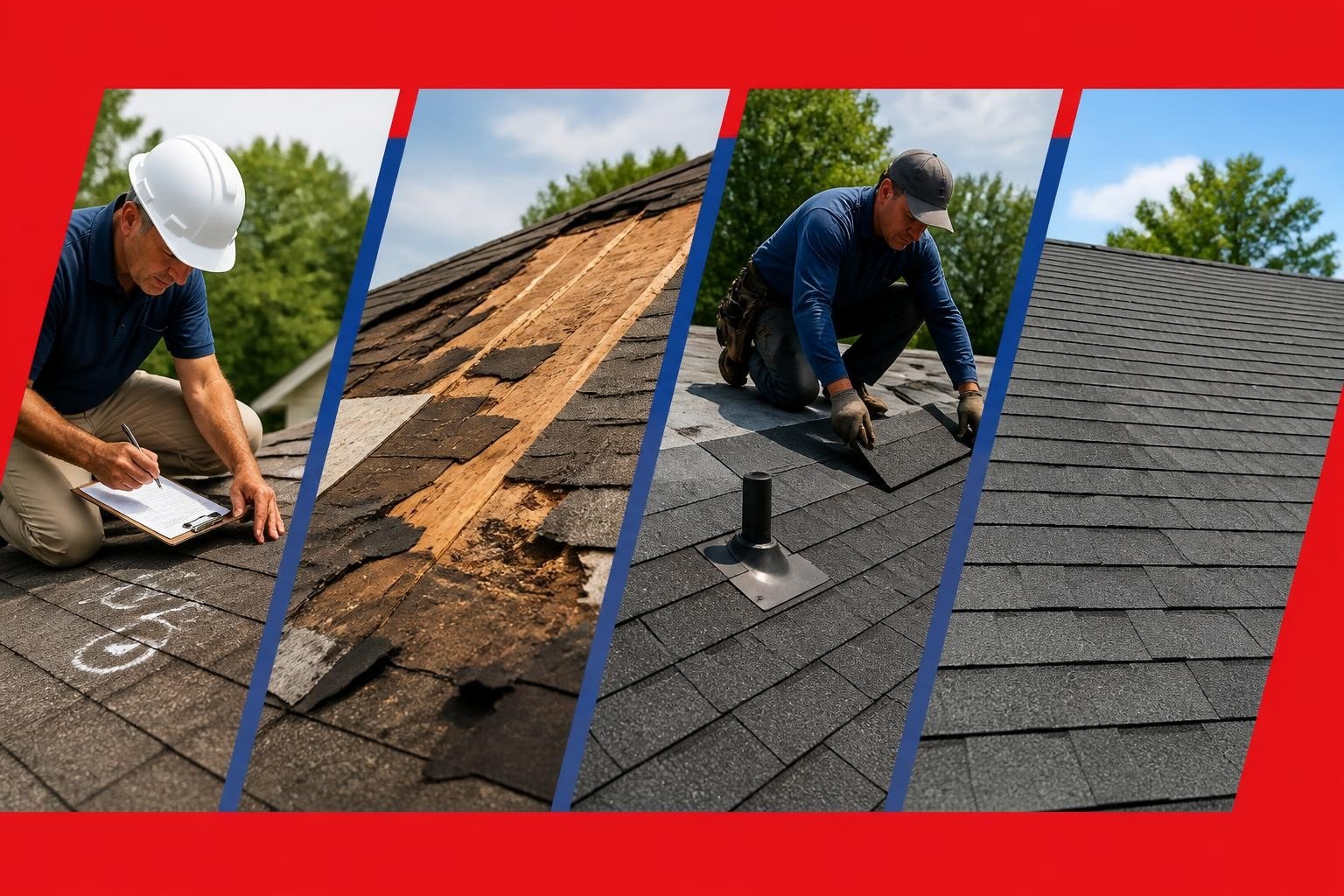
Wind damage roof repair represents one of the most critical aspects of property maintenance for homeowners in the Midwest. High winds can compromise your roof's integrity in ways that aren't always immediately visible, creating vulnerabilities that worsen over time. Understanding how to identify damage, navigate the repair process, and work with qualified contractors ensures your home remains protected against the elements while preserving your most significant investment.
Understanding Wind Damage to Roofing Systems
Wind doesn't have to reach tornado-level speeds to cause significant roofing problems. Sustained winds of 45-60 mph can lift shingles, strip protective granules, and create entry points for water infiltration. The National Roofing Authority provides comprehensive analysis of common wind-induced failures and the mechanics behind them.
How Wind Damages Different Roofing Materials
Residential asphalt shingles face specific vulnerabilities during wind events. The adhesive seal strips that bond shingles to one another can fail, especially on older roofs or installations completed during cold weather. Modified bitumen systems on commercial properties experience different failure patterns, with membrane edges and seams representing the most vulnerable points.
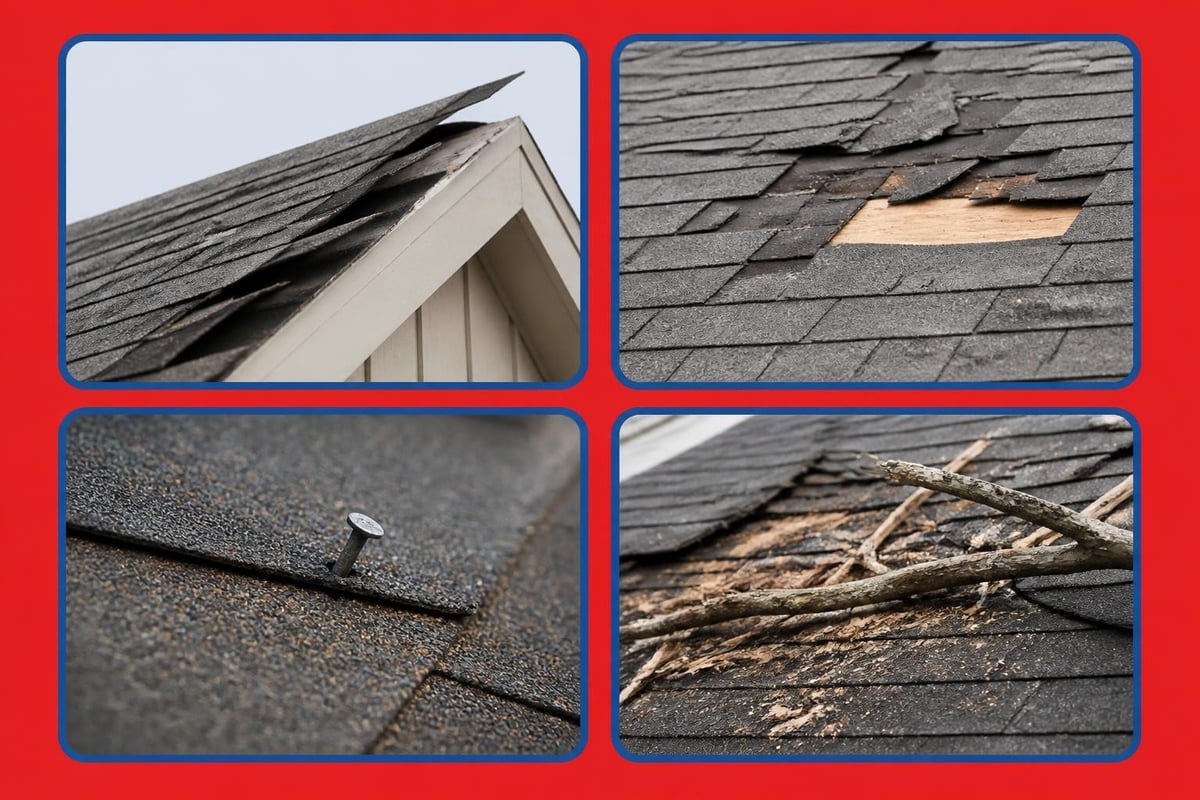
Wind damage typically manifests in four primary patterns:
- Uplift damage where shingles lift entirely from the roof deck
- Edge deterioration affecting perimeter and ridge areas first
- Fastener failure when nails pull through weakened material
- Impact damage from wind-borne debris striking the roof surface
The condition of your roofing materials before a storm significantly influences damage severity. According to InterNACHI’s detailed wind damage guide, factors including material age, installation quality, and previous maintenance history all affect how well a roof withstands high winds.
Inspecting Your Roof for Wind Damage
Professional inspection represents the only reliable method for comprehensive wind damage assessment. However, homeowners can identify obvious warning signs that indicate the need for professional evaluation. Safety should always be your first priority-never attempt roof access during unsafe conditions.
Ground-Level Assessment Techniques
Begin your inspection from the ground, using binoculars to examine visible roof sections. Look for missing or damaged shingles, curled edges, and exposed underlayment. Check your property perimeter for granules accumulating in gutters or scattered across your lawn, which indicates shingle deterioration.
Document everything you observe with dated photographs. This documentation becomes essential for insurance claims and contractor consultations. Pay particular attention to:
- Roof edges, corners, and ridge lines where wind forces concentrate
- Areas surrounding roof penetrations like vents and chimneys
- Valleys where two roof planes meet
- Flashing around dormers, skylights, and walls
| Damage Type | Visibility | Urgency Level | Typical Repair Approach |
|---|---|---|---|
| Missing shingles | High | Immediate | Individual replacement |
| Lifted shingles | Moderate | High | Re-securing or replacement |
| Granule loss | Low | Moderate | Monitor or replace |
| Debris impact | High | Immediate | Damage assessment required |
Interior Warning Signs
Don't limit your inspection to the roof's exterior. Interior indicators often reveal damage that external examination misses. Check your attic for water stains, daylight penetration, and compromised insulation. These signs suggest that wind damage has created pathways for moisture infiltration.
Water stains on ceilings or walls may not appear immediately after a storm. Some damage allows gradual water entry that takes days or weeks to become visible inside your home. Regular attic inspections following significant weather events help catch these issues early.
The Wind Damage Roof Repair Process
Professional wind damage roof repair follows a systematic approach that ensures comprehensive restoration while meeting building codes and manufacturer specifications. Understanding this process helps homeowners make informed decisions and communicate effectively with contractors.
Initial Professional Assessment
Licensed contractors perform detailed inspections that examine both obvious damage and subtle compromises. They assess the roof's structural integrity, evaluate decking condition beneath damaged areas, and determine whether repairs or full replacement make financial sense. The National Storm Authority’s restoration guide outlines industry-standard assessment protocols.
Professional inspectors use specialized tools including moisture meters to detect hidden water intrusion and thermal imaging cameras that reveal insulation damage. This technology-enhanced approach identifies problems that visual inspection alone would miss, providing a complete picture of your roof's condition.
Repair Methods and Techniques
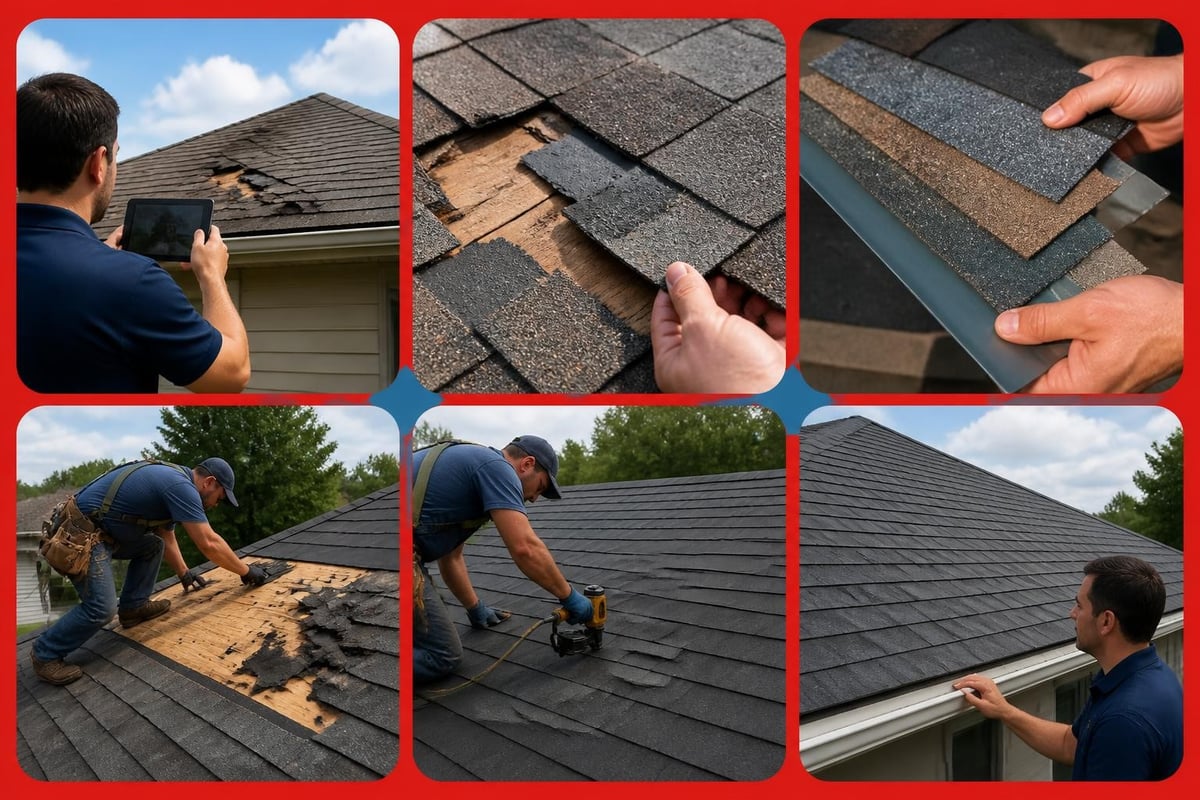
The repair approach depends on damage extent, material type, and age. Isolated damage to a few shingles typically requires straightforward replacement, while widespread damage affecting multiple roof sections may necessitate complete system replacement.
For shingle roofs, repairs involve:
- Carefully removing damaged shingles without disturbing surrounding materials
- Inspecting and replacing compromised underlayment
- Installing new shingles that match existing materials in color and style
- Sealing all fasteners and ensuring proper adhesion
Modified bitumen repairs on commercial properties require different techniques. Contractors heat-weld patches over damaged areas or apply cold-process adhesives depending on membrane type and weather conditions. Similar to residential roof maintenance practices, commercial systems benefit from regular inspections that identify minor issues before they escalate.
Working with Insurance for Wind Damage Claims
Wind damage roof repair often involves insurance claim navigation, which requires understanding policy terms, documentation requirements, and adjuster expectations. Proper claim handling maximizes coverage while minimizing out-of-pocket expenses.
Documentation Requirements
Insurance companies require comprehensive evidence before approving wind damage claims. Create a detailed file including:
- Pre-storm roof condition documentation if available
- Photographs from multiple angles showing all damaged areas
- Professional inspection reports with damage descriptions
- Repair estimates from licensed contractors
- Weather service data confirming wind speeds during the event
The National Roof Authority’s guide to storm damage and roof claims explains how insurers classify damage and make coverage determinations. Understanding these criteria helps homeowners present claims more effectively.
Choosing the Right Contractor
Select contractors based on qualifications, experience, and local reputation rather than price alone. Family-owned businesses like Great Roofing offer personalized service with deep community roots and accountability. Verify that any contractor you consider carries proper licensing, insurance, and workers' compensation coverage.
Request references from recent wind damage projects and check online reviews. The best contractors provide detailed written estimates, explain repair approaches clearly, and answer questions without pressure tactics. They should also be familiar with local building codes and permit requirements specific to your municipality.
Material Selection for Wind Damage Repairs
Matching existing roofing materials ensures aesthetic consistency and maintains your roof's design integrity. However, discontinuation of older products sometimes necessitates creative solutions or larger repair areas to achieve acceptable results.
Shingle Matching Considerations
Asphalt shingle manufacturers continuously update their product lines, making exact matches for roofs more than five years old increasingly difficult. Color variations from weathering further complicate matching efforts. Professional contractors maintain relationships with suppliers who can often locate discontinued products or suggest the closest available alternatives.
When perfect matches prove impossible, consider these strategies:
- Replace entire roof planes rather than isolated sections
- Transition new materials at valleys or hips where color changes appear more natural
- Select complementary colors that coordinate with existing materials
- Evaluate whether full replacement makes more economic sense than extensive partial repairs
Understanding asphalt shingle pricing helps you budget appropriately for either approach.
| Repair Scope | Average Cost Range | Timeline | Best Application |
|---|---|---|---|
| Single shingle replacement | $150-$400 | Same day | Recent isolated damage |
| Section repair (100-200 sq ft) | $800-$2,000 | 1-2 days | Localized storm damage |
| Single plane replacement | $3,000-$7,000 | 2-4 days | Extensive damage, matching issues |
| Full roof replacement | $8,000-$15,000+ | 3-7 days | Widespread damage, aged systems |
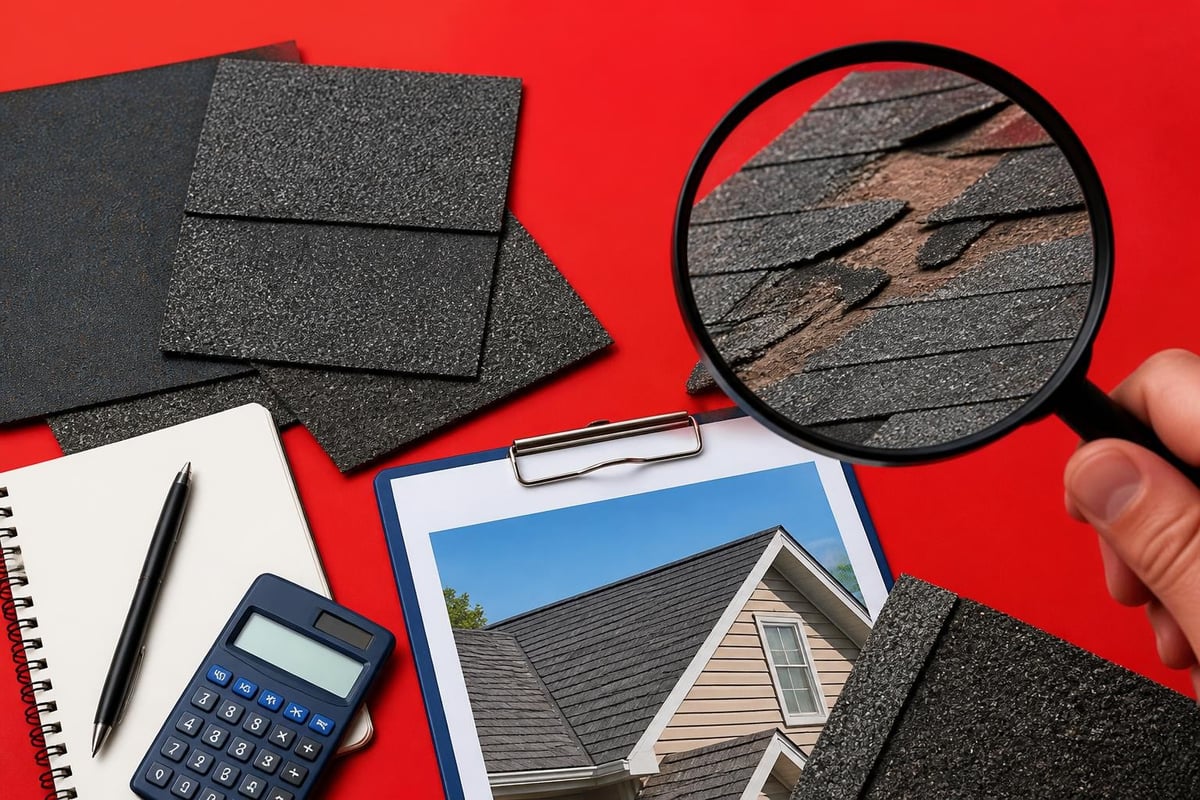
Wind-Resistant Materials for Future Protection
If repairs require substantial material replacement or if full roof replacement becomes necessary, consider upgrading to wind-resistant products. Modern architectural shingles often carry wind ratings of 110-130 mph, significantly outperforming older three-tab shingles rated for 60-70 mph winds.
The Texas Roof Authority’s examination of wind-resistant standards provides insights into building code requirements and testing protocols, though regional variations exist. Illinois homeowners should consult local codes, but the principles of wind-resistant design remain consistent across regions.
Timing and Emergency Considerations
Wind damage roof repair timing significantly impacts both the extent of secondary damage and repair costs. Understanding when repairs constitute emergencies versus situations that can wait helps you prioritize appropriately and allocate resources wisely.
Emergency Repair Situations
Certain wind damage scenarios require immediate professional response to prevent catastrophic secondary damage. Active leaks, missing sections exposing interior spaces, and structural compromises all constitute emergencies demanding rapid intervention.
Emergency repairs typically involve temporary measures that stabilize the situation until permanent repairs can be completed. Contractors install tarps over exposed areas, secure loose materials, and prevent water intrusion. These emergency services often cost more due to after-hours response and urgent nature, but they prevent far greater expenses from water damage and mold growth.
Previous storm events in the region, such as those detailed in severe storm and hail damage incidents, demonstrate how quickly minor roof compromises can escalate without prompt attention.
Scheduling Non-Emergency Repairs
Less critical damage benefits from strategic timing that balances weather windows, contractor availability, and cost considerations. Spring and fall typically offer ideal conditions for wind damage roof repair work-moderate temperatures, lower precipitation probability, and better material performance during installation.
Avoid scheduling repairs during:
- Winter months when adhesives don't activate properly and working conditions compromise quality
- Peak summer heat that makes installation dangerous and uncomfortable
- Known severe weather periods when new damage could occur immediately after repairs
Many homeowners discover wind damage during routine inspections or when addressing other issues. If the damage isn't actively causing leaks or deteriorating rapidly, scheduling repairs during optimal weather improves outcomes and often reduces costs through better contractor availability.
Preventing Future Wind Damage
While no roof can be made completely wind-proof, strategic improvements significantly reduce vulnerability to future storm events. Implementing preventive measures during wind damage roof repair projects makes economic sense and provides long-term protection.
Installation Quality Improvements
Proper installation techniques matter more than material quality in determining wind resistance. Ensure your contractor follows manufacturer specifications exactly, including:
- Correct fastener placement and quantity (typically six nails per shingle minimum)
- Proper adhesive application and activation
- Adequate starter strip installation along edges
- Appropriate underlayment selection and installation
The Professional Roofing guide to evaluating wind damage emphasizes installation quality as a primary factor in roof performance during high-wind events.
Maintenance Programs
Regular maintenance identifies and corrects minor issues before they become major problems. Annual or bi-annual inspections catch loose shingles, failing adhesive seals, and deteriorating flashings. Many contractors offer maintenance programs that provide regular inspections and minor repairs at reduced rates.
Maintenance becomes especially important as roofs age. A well-maintained 15-year-old roof often outperforms a neglected 8-year-old system during wind events. Simple interventions like re-securing loose shingles and replacing deteriorated sealant can dramatically improve wind resistance.
Regional Considerations for Joliet Homeowners
The Joliet area experiences specific weather patterns that influence wind damage risk and repair approaches. Understanding these regional factors helps homeowners make informed decisions about materials, timing, and preventive measures.
Local Weather Patterns
Joliet's location in northeastern Illinois subjects properties to diverse weather systems including lake-effect storms, severe thunderstorms with straight-line winds, and occasional tornado activity. Spring and early summer represent peak periods for wind damage, though severe weather can occur year-round.
Local building codes reflect these weather patterns through specific requirements for wind resistance and installation standards. Working with contractors familiar with Joliet-area requirements ensures compliance and optimal performance. Examples from past wind damage repair projects in Joliet demonstrate common damage patterns and effective repair approaches.
Combining Repair Projects
Wind events often damage multiple exterior components simultaneously. Gutters, siding, and fascia frequently sustain damage alongside roofing systems. Coordinating repairs for all affected components provides efficiencies in scheduling, potential cost savings, and aesthetic consistency.
Consider addressing related damage together:
- Replace damaged gutters during roof repairs to avoid separate mobilization costs
- Repair wind-damaged siding concurrently with roofing work
- Address fascia and soffit damage when scaffolding is already in place
- Coordinate color selections across all exterior elements for cohesive appearance
Understanding roof repair processes after hail storms provides insights applicable to wind damage scenarios, as both often require comprehensive exterior restoration.
Cost Factors and Budgeting
Wind damage roof repair costs vary dramatically based on damage extent, material selection, accessibility, and local market conditions. Understanding cost drivers helps homeowners budget appropriately and evaluate contractor estimates effectively.
Primary Cost Components
Several factors influence the total investment required for wind damage roof repair:
Material costs represent 40-50% of typical repair expenses. Specialty products, premium materials, or hard-to-match colors increase this percentage. Labor comprises another 40-45%, with regional wage variations creating significant geographic cost differences.
The remaining 10-15% covers permits, disposal fees, equipment rental, and contractor overhead. Complex roof configurations with multiple levels, steep pitches, or difficult access increase labor time and associated costs.
| Cost Factor | Impact Level | Variability | Control Options |
|---|---|---|---|
| Material selection | High | High | Compare options, consider alternatives |
| Damage extent | Very High | Low | Early detection minimizes |
| Roof complexity | Moderate | None | Accept or plan for replacement |
| Contractor selection | Moderate | Moderate | Obtain multiple qualified bids |
Insurance Coverage Impact
Insurance coverage significantly affects out-of-pocket expenses for wind damage roof repair. Most policies cover sudden storm damage but exclude gradual deterioration or maintenance issues. Understanding your policy's deductible, coverage limits, and exclusions prevents surprises during the claims process.
Some policies include provisions for full replacement cost while others pay only actual cash value (depreciated amount). This distinction creates substantial differences in coverage amounts. Review your policy details or consult with your agent to understand exactly what protection you carry.
Quality Verification and Warranty Protection
Ensuring repair quality protects your investment and prevents future problems. Establishing clear quality standards before work begins and verifying completion according to specifications provides peace of mind and long-term value.
Inspection Checkpoints
Quality wind damage roof repair includes multiple verification points throughout the process. Reputable contractors welcome homeowner observation and provide explanations of their work. Key inspection moments include:
- Pre-work verification of material delivery and condition
- Decking inspection after old materials removal
- Underlayment installation review before shingle placement
- Final walkthrough examining all repaired areas
Photograph each stage for your records. These images document the work quality and prove valuable if questions arise later. Don't hesitate to ask contractors to explain their methods or address concerns-professional contractors appreciate engaged homeowners who seek understanding.
Warranty Coverage
Wind damage roof repair should include warranty coverage for both materials and workmanship. Manufacturer warranties typically cover material defects for 20-50 years depending on product tier. Workmanship warranties from the contractor guarantee installation quality, usually for 1-10 years.
Understand warranty terms completely before authorizing work. Clarify what circumstances void coverage, required maintenance obligations, and claim procedures. Some warranties require registration within specific timeframes or use of approved contractors for future work.
Protecting your home from wind damage requires prompt assessment, quality repairs, and preventive maintenance that addresses vulnerabilities before they become major problems. Whether you're dealing with missing shingles from last night's storm or planning strategic upgrades to improve wind resistance, working with experienced professionals ensures optimal outcomes. Great Roofing brings decades of family-owned expertise to every wind damage roof repair project in the Joliet area, combining technical knowledge with personalized service that puts homeowners first. Contact Great Roofing today to schedule a comprehensive roof inspection and discuss your repair or replacement needs with our experienced team.